
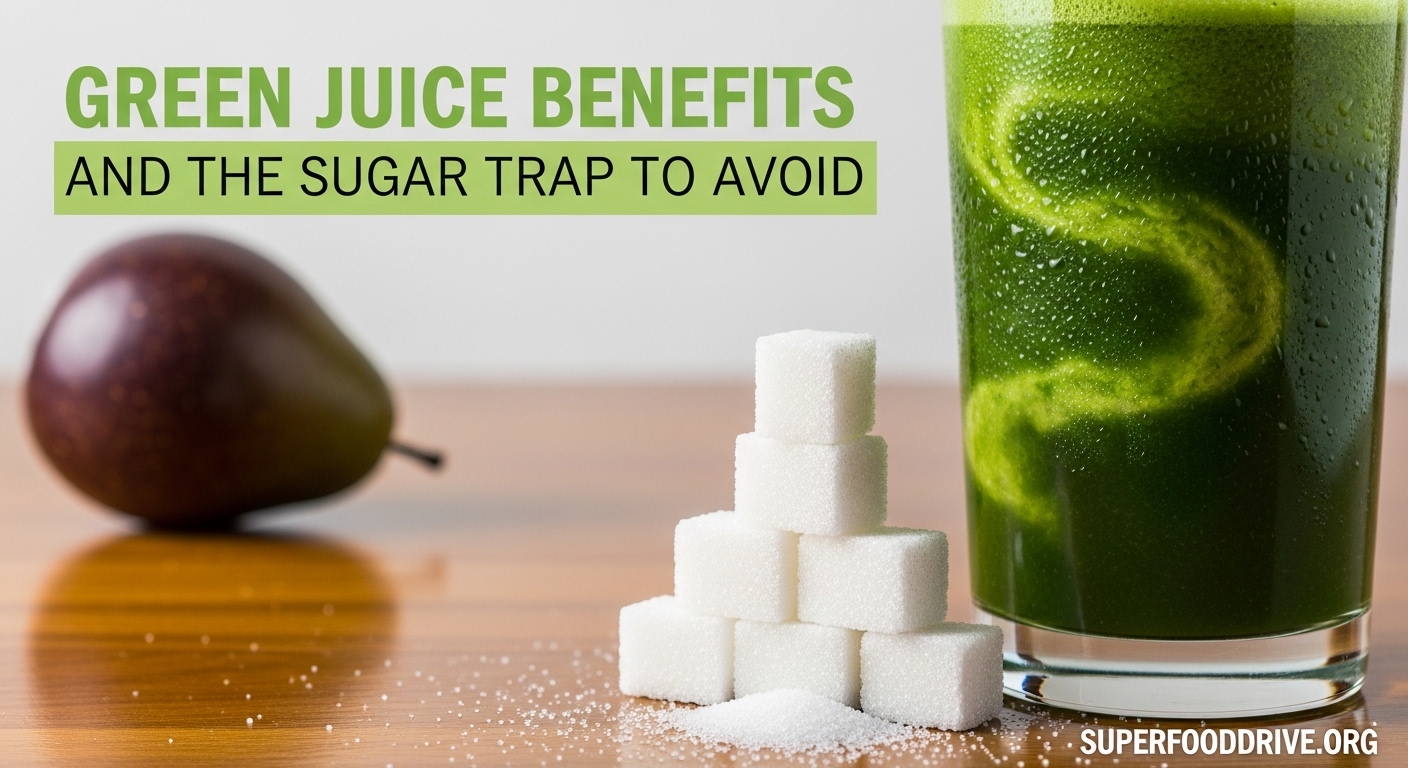
Green juice has become the poster child for health-conscious living. Walk into any trendy cafe or scroll through wellness social media, and you’ll see vibrant emerald glasses promising everything from glowing skin to boundless energy. But here’s what those aesthetic posts rarely mention: many green juices contain more sugar than a can of soda, turning your health drink into a blood sugar roller coaster.
Understanding green juice benefits and the sugar trap to avoid is essential for anyone trying to make genuinely healthy choices. The right green juice can deliver concentrated micronutrients and antioxidants that support your body in powerful ways. The wrong one can spike your glucose, leave you hungry an hour later, and potentially contribute to the very health problems you’re trying to solve.
Our team spent weeks analyzing the research, comparing homemade recipes to store-bought options, and consulting nutrition science to bring you this complete guide. Whether you’re a daily green juice drinker or just considering your first sip, you’ll learn exactly how to maximize the benefits while sidestepping the hidden pitfalls.
Table of Contents
What Is Green Juice, Really?
Green juice is a beverage made by extracting the liquid from green vegetables like kale, spinach, celery, cucumber, and sometimes herbs like parsley or mint. The juicing process removes most of the solid fiber, leaving behind a concentrated liquid rich in vitamins, minerals, and plant compounds. Most recipes include a small amount of fruit such as apple, lemon, or pineapple to improve the taste.
Commercial versions range from cold-pressed organic blends found at high-end juice bars to shelf-stable bottles in grocery stores. The quality and nutritional profile vary dramatically depending on ingredients, processing methods, and storage conditions. Some brands add nothing but vegetables and perhaps a squeeze of citrus. Others load up on fruit juice concentrates that dramatically increase the sugar content.
The key distinction is that green juice is different from green smoothies. Smoothies blend whole vegetables and fruits, keeping all the fiber intact. Juice extracts only the liquid, leaving the pulp behind. This fundamental difference affects everything from nutrient absorption to how the drink impacts your blood sugar.
Green Juice Benefits: What the Science Actually Says
The benefits of green juice are real, but they come with important caveats. Research supports several specific advantages when green juice is consumed thoughtfully as part of a balanced diet. Let’s separate the proven benefits from the wellness industry hype.
Concentrated Micronutrients
Green juice delivers a concentrated dose of vitamins and minerals that many people struggle to get enough of from whole foods alone. A single 8-ounce serving can provide your entire daily requirement for vitamin K and significant amounts of vitamins A and C. These nutrients support immune function, bone health, and cellular repair processes throughout your body.
Leafy greens like kale and spinach are particularly nutrient-dense, offering folate, iron, calcium, and magnesium in bioavailable forms. The juicing process breaks down cell walls, potentially making some nutrients more accessible than they would be from chewing whole vegetables. For people who genuinely struggle to eat enough vegetables, green juice can serve as a nutritional insurance policy.
Antioxidant Power
The antioxidants in green juice, including chlorophyll, flavonoids, and carotenoids, help combat oxidative stress in your cells. These compounds neutralize free radicals that contribute to inflammation and cellular damage. Regular consumption of antioxidant-rich foods is linked to reduced risk of chronic diseases including heart disease and certain cancers.
Research specifically on green juice shows increases in blood levels of antioxidants like beta-carotene and vitamin C after consumption. While whole vegetables offer these same benefits, the concentrated nature of juice can deliver a quick antioxidant boost, particularly useful for people with high oxidative stress from exercise, pollution exposure, or poor sleep.
Hydration Support
Many green vegetables have high water content, making green juice an effective hydration tool. Cucumber and celery, common juice ingredients, are over 95% water. The natural electrolytes including potassium and magnesium support proper fluid balance better than plain water alone.
For people who struggle to drink enough water daily, especially those who find plain water boring, green juice can increase total fluid intake while adding nutritional value. The key is choosing versions without added sugars that could work against your hydration goals.
Skin Health and Inflammation
Many users report improved skin clarity and glow after incorporating green juice into their routines. The high vitamin A content supports skin cell turnover and repair. Vitamin C is essential for collagen production, maintaining skin elasticity and preventing premature aging.
Forum discussions reveal that users who consistently drink vegetable-forward green juices for 30 to 90 days often notice reduced inflammation, clearer skin, and improved digestion. These benefits appear most pronounced when green juice replaces less healthy beverages rather than being added on top of an already sugar-heavy diet.
Alkalizing Effects
While the body tightly regulates its pH levels regardless of diet, some research suggests that alkaline-forming foods like leafy greens may benefit bone health and reduce muscle wasting over time. Green vegetables leave behind alkaline minerals after metabolism, potentially supporting overall mineral balance.
The chlorophyll in green juice has been studied for its potential to support detoxification pathways in the liver. While your body detoxifies naturally through organs like the liver and kidneys, providing nutrient support for these processes may enhance their efficiency.
The Sugar Trap: Why Your Green Juice Might Be a Liquid Sugar Bomb
Here is where green juice transforms from health food to potential problem. The sugar trap is real, and it catches even health-conscious consumers who assume anything green must be good for them. Understanding this trap is crucial for making smart choices.
The Hidden Fruit Problem
Many green juices, especially store-bought varieties, contain significant amounts of fruit juice to make the vegetable taste palatable. Apple juice, pineapple juice, and mango puree appear frequently in ingredient lists. These additions can push sugar content to levels comparable with sodas and fruit punches.
A green juice made with kale, spinach, and apple juice might look healthy but contain 25 to 35 grams of sugar per bottle. That’s more than most people should consume in an entire day from added sugars. The green color creates a health halo that masks the true nutritional profile.
The 10-Gram Rule
Registered dietitians recommend keeping green juice sugar content under 10 grams per serving. This threshold helps ensure you’re getting vegetable benefits without the blood sugar consequences of fruit-heavy blends. Check nutrition labels carefully, as many popular brands exceed this limit significantly.
When examining labels, remember that ingredients are listed by weight. If apple juice, pineapple juice, or other fruit purees appear before or near the vegetable ingredients, the sugar content will be high. The best green juices list vegetables first and use only small amounts of lemon or lime for flavor.
Blood Sugar Spikes Explained
Without fiber to slow absorption, the natural sugars in green juice hit your bloodstream rapidly. This causes glucose spikes followed by crashes that leave you tired, hungry, and craving more sugar. People with insulin resistance, prediabetes, or diabetes face particular risks from sugar-heavy green juices.
The glycemic impact varies based on ingredients. Green juice made primarily from vegetables has minimal effect on blood sugar. Add fruit juice, and the glycemic load increases dramatically. This is why homemade versions with mostly vegetables and perhaps half an apple taste very different from sweet commercial blends.
Why Store-Bought Is Often Worse
Commercial green juices face pressure to taste good to broad audiences. Many consumers expect juice to be sweet, so manufacturers add fruit to improve palatability. Shelf-stable bottled juices may also contain added sugars or concentrates to extend shelf life and standardize flavor.
Even juices labeled as green or vegetable may have fruit juice as the primary ingredient. Marketing terms like cold-pressed, organic, and natural do not guarantee low sugar content. You must read the nutrition facts panel to know what you’re actually drinking.
The Downsides: Fiber Loss, Blood Sugar Spikes, and Kidney Concerns
Understanding the full picture means acknowledging the legitimate downsides of green juice. These aren’t reasons to avoid it entirely, but factors that should inform how you incorporate it into your diet.
The Fiber Loss Problem
Juicing removes the pulp and fiber from vegetables, stripping away one of their most important health benefits. Fiber supports digestive health, feeds beneficial gut bacteria, and helps regulate blood sugar. Without it, you lose the satiety signals that tell your brain you’ve eaten something substantial.
Users on nutrition forums consistently report feeling hungry within an hour of drinking green juice, especially versions without fiber. This hunger defeats the purpose for people drinking juice as a meal replacement or weight management tool. The lack of fiber also means missing out on the gut microbiome benefits that whole vegetables provide.
Blood Sugar and Energy Crashes
As discussed in the sugar trap section, the rapid glucose absorption from juice can cause energy peaks followed by crashes. Many people report feeling weird after drinking green juice, experiencing symptoms like shakiness, lightheadedness, or sudden fatigue. These reactions typically indicate a blood sugar response rather than detox effects.
If you notice these symptoms, check the sugar content of your juice and consider having it with a meal containing protein and fat. This combination slows absorption and stabilizes blood sugar response. Drinking juice alone on an empty stomach amplifies the glycemic impact.
Oxalate and Kidney Stone Risk
Leafy greens like spinach and kale contain oxalates, compounds that can contribute to kidney stone formation in susceptible individuals. When you juice large quantities of these vegetables, you concentrate the oxalate content significantly. People with a history of kidney stones or existing kidney disease should be particularly cautious.
Research suggests that moderate consumption of green juice is unlikely to cause problems for most healthy individuals. However, drinking large amounts daily, especially spinach-heavy blends, may increase risk for those predisposed to oxalate stones. Rotating your greens and including low-oxalate options like cucumber and celery can help manage this risk.
Cost and Sustainability
High-quality cold-pressed green juice costs between 8 and 12 dollars per bottle at most juice bars and health food stores. Daily consumption becomes expensive quickly. This cost factor leads some people to choose cheaper, sugar-heavy commercial versions that undermine their health goals.
Making green juice at home requires a significant upfront investment in a quality juicer, plus ongoing costs for organic produce. The time commitment for washing, prepping, and cleaning adds to the practical challenges. These factors lead some users to abandon juicing after initial enthusiasm fades.
Homemade vs. Store-Bought: Which Is Healthier?
The homemade versus store-bought debate has no absolute winner, but understanding the trade-offs helps you make better decisions for your specific situation.
Store-Bought Convenience and Risks
Commercial green juice offers undeniable convenience. Grab a bottle from the refrigerator case, and you have instant nutrition without prep or cleanup. However, this convenience comes with the sugar trap risks discussed earlier. Most store-bought options exceed the 10-gram sugar threshold, and some contain preservatives or pasteurization that may reduce nutrient content.
Cold-pressed juices that are truly raw and unpasteurized maintain more enzyme activity but have very short shelf lives and high prices. Pasteurized juices last longer but may lose some heat-sensitive vitamins. HPP or high-pressure processed juices fall somewhere in between, preserving more nutrients than heat pasteurization while extending shelf life.
Homemade Control and Freshness
Making green juice at home gives you complete control over ingredients and sugar content. You can emphasize vegetables, use just a touch of fruit for flavor, and ensure everything is organic and fresh. The juice is consumed immediately after extraction, preserving the maximum nutrient content.
The downside is the investment in equipment and time. A quality juicer costs between 100 and 400 dollars. Daily juicing requires 15 to 30 minutes for prep and cleanup. For committed users, these costs are worthwhile. For others, the inconvenience leads to abandoned juicers collecting dust in cabinets.
Our recommendation is simple: if you drink green juice regularly, invest in a juicer and make it at home with vegetable-heavy recipes. If you drink it occasionally, choose store-bought options carefully, reading labels to find brands with under 10 grams of sugar per serving.
Green Juice vs. Green Smoothie: What’s the Difference?
Many people use these terms interchangeably, but the difference is crucial for understanding health impacts. Here is a direct comparison of how each option affects your body.
| Feature | Green Juice | Green Smoothie | Whole Vegetables |
|---|---|---|---|
| Fiber Content | Minimal to none | Full fiber preserved | Full fiber preserved |
| Sugar Absorption | Rapid, spikes possible | Slower, more stable | Slowest, most stable |
| Satiety Level | Low, hunger returns quickly | High, lasting fullness | Highest, chewing required |
| Nutrient Concentration | Very high per ounce | Moderate | Lower per volume |
| Convenience | Moderate prep or purchase | Quick with blender | Requires cooking or prep |
| Calorie Density | Low to moderate | Moderate | Lowest |
Green smoothies generally win for daily nutrition because they preserve fiber while still delivering nutrients in an easy-to-consume format. Blenders are cheaper and easier to clean than juicers. Smoothies also tend to be more filling due to the fiber content.
Green juice has its place as a periodic nutrient boost, particularly for people who need concentrated nutrition without fiber bulk. Those recovering from surgery, dealing with digestive issues, or needing quick nutrient absorption may benefit from juice over smoothies. For most healthy individuals, smoothies are the better daily choice.
How to Make Smart Green Juice Choices
Knowing the pitfalls, here are practical strategies for enjoying green juice benefits without falling into the sugar trap.
The 80/20 Vegetable-to-Fruit Rule
Aim for green juices that are at least 80 percent vegetables and 20 percent or less fruit. Better yet, skip fruit entirely and use lemon or lime for flavor without significant sugar. This ratio keeps sugar content low while delivering maximum vegetable nutrition.
Base your juice on low-sugar vegetables like cucumber, celery, kale, spinach, romaine lettuce, and parsley. Add small amounts of apple, carrot, or beet only if needed for palatability. Remember that your taste buds adapt over time, and less sweet juices become more enjoyable as you reduce overall sugar intake.
Pair with Protein and Fat
When you do drink green juice, have it alongside foods containing protein and healthy fats. A handful of nuts, a boiled egg, or some avocado slows sugar absorption and prevents blood sugar spikes. This pairing strategy is especially important if your juice contains any fruit or if you have blood sugar concerns.
Registered dietitians specifically recommend combining green juice with protein sources to balance the macronutrient profile. This approach transforms juice from a sugar vehicle into a component of a balanced meal or snack.
Time It Right
Drinking green juice on an empty stomach maximizes nutrient absorption but also maximizes blood sugar impact if the juice contains sugar. For low-sugar vegetable juices, morning consumption works well for most people. For sweeter juices, have them with meals to blunt the glycemic response.
Avoid drinking green juice late at night when your body is preparing for sleep. The energy boost from concentrated nutrients can interfere with rest. Some people also experience digestive discomfort from green juice consumed close to bedtime.
Read Labels Like a Detective
When buying store-bought juice, check three things: the ingredient list order, the total sugar content, and the serving size. Ingredients appear by weight, so if fruit juice appears before vegetables, the sugar content will be high. Aim for less than 10 grams of sugar per 8-ounce serving.
Watch out for marketing terms that sound healthy but don’t guarantee low sugar. Cold-pressed, organic, raw, and natural say nothing about sugar content. Only the nutrition facts panel tells the truth about what you’re drinking.
A Simple Low-Sugar Recipe
Try this vegetable-heavy blend that keeps sugar minimal while delivering serious nutrition:
- 2 large cucumbers
- 4 celery stalks
- 1 cup kale leaves
- 1 cup spinach
- Half a lemon, peeled
- Small piece of ginger (optional)
This recipe yields approximately 16 ounces of juice with roughly 6 to 8 grams of natural sugar. The lemon adds brightness without significant sweetness, and the ginger provides anti-inflammatory benefits and a flavor kick. If you absolutely need more sweetness, add half a green apple, which adds about 5 grams of sugar.
How Much Green Juice Should You Drink Daily?
Moderation matters with green juice. Unlike whole vegetables, which you can essentially eat unlimited amounts of, juice concentrates both nutrients and potential risks.
Most nutrition experts recommend limiting green juice to 8 to 12 ounces per day for healthy adults. This amount delivers meaningful nutrient benefits without excessive sugar or oxalate exposure. Drinking more does not necessarily provide additional benefits and may increase downsides.
People who should be especially cautious include those with kidney stone history, diabetes or prediabetes, and anyone taking blood-thinning medications who needs consistent vitamin K intake. Pregnant women should avoid unpasteurized juices due to food safety concerns. Children can have small amounts but should not use juice as a primary nutrition source.
Pay attention to how your body responds. If you experience shakiness, rapid heartbeat, or extreme hunger after drinking green juice, the sugar content is likely too high for your system. Reduce portions, choose lower-sugar recipes, or eliminate juice in favor of whole vegetables or smoothies.
Frequently Asked Questions
Does green juice cause sugar spikes?
Green juice can cause blood sugar spikes depending on its ingredients. Vegetable-only green juices have minimal impact on blood glucose. However, versions containing significant fruit juice can spike blood sugar as rapidly as soda due to the lack of fiber to slow absorption. To avoid spikes, choose juices with less than 10 grams of sugar per serving and consume them with protein or fat.
What are the downsides of green juice?
The main downsides of green juice include fiber loss from the juicing process, potential blood sugar spikes from fruit-heavy varieties, concentrated oxalates that may affect kidney health, reduced satiety leading to hunger shortly after consumption, and high cost for quality options. These downsides can be minimized by choosing vegetable-heavy recipes, consuming juice with meals, and limiting intake to 8-12 ounces daily.
What happens to your body if you drink green juice every day?
Drinking green juice daily can increase your intake of vitamins, minerals, and antioxidants, potentially improving skin health, hydration, and overall nutrient status. However, daily consumption of fruit-heavy green juice may lead to blood sugar fluctuations, increased hunger between meals due to missing fiber, and elevated oxalate levels that could affect kidney stone risk. For best results, choose low-sugar vegetable juices, limit portions to 8-12 ounces, and ensure they complement rather than replace whole vegetables in your diet.
Why do I feel weird after drinking green juice?
Feeling weird after drinking green juice usually indicates a blood sugar response rather than detox effects. Symptoms like shakiness, lightheadedness, rapid heartbeat, or sudden fatigue suggest your blood glucose spiked and then crashed. This happens most often with fruit-heavy juices consumed on an empty stomach. To prevent this reaction, switch to vegetable-only juices, reduce portion size, or have your juice with a meal containing protein and fat to slow absorption.
The Bottom Line on Green Juice
Green juice benefits are real, but they come with a significant catch that too many people ignore. The sugar trap turns what should be a health food into a potential metabolic disruptor. Understanding green juice benefits and the sugar trap to avoid empowers you to make choices that actually support your health goals.
The key takeaways are simple but powerful: choose vegetable-heavy juices with less than 10 grams of sugar per serving, consume them alongside protein and fat, limit daily intake to 8 to 12 ounces, and never let juice replace whole vegetables entirely. For most people, green smoothies offer similar benefits with fewer downsides thanks to preserved fiber.
Green juice can be a valuable addition to a healthy diet when consumed thoughtfully. It is not a miracle cure, a detox necessity, or a meal replacement. It is concentrated vegetable nutrition that requires mindful use. Apply the guidelines in this article, listen to your body’s responses, and enjoy the benefits without falling into the sugar trap.