
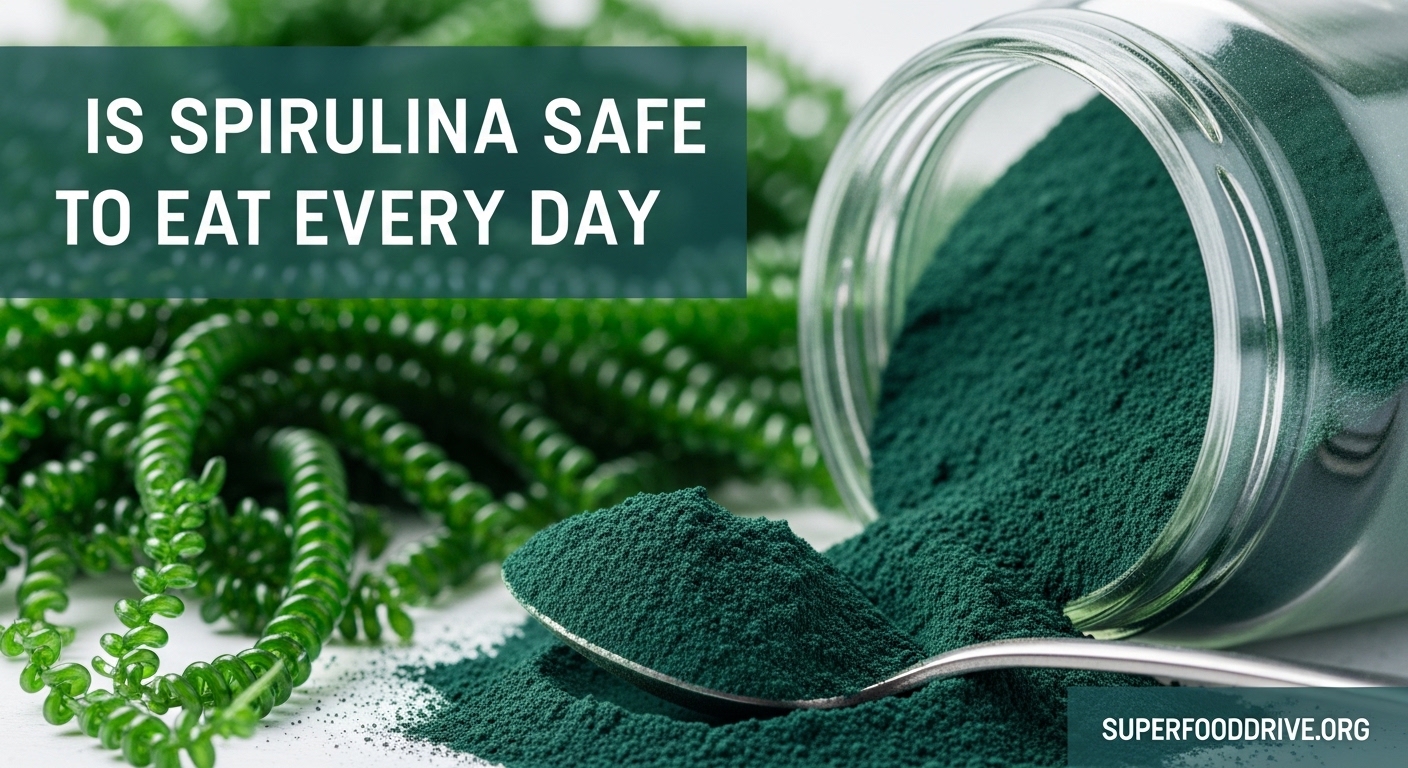
Yes, spirulina is generally safe to eat every day for most healthy adults. The U.S. Food and Drug Administration classifies spirulina as “Generally Recognized as Safe” (GRAS), and clinical studies support daily consumption of 3 to 10 grams without significant side effects. However, safety depends entirely on product quality, as contaminated spirulina can pose serious health risks.
I have spent months researching spirulina safety, reviewing peer-reviewed studies, and examining real user experiences from health forums. My goal is to give you a clear, evidence-based answer about daily spirulina use, including dosage recommendations, potential risks, and who should avoid this blue-green algae supplement entirely.
In this guide, I will cover everything from FDA safety classifications to specific contamination concerns that other articles gloss over. You will learn exactly how much spirulina is safe to take daily, what side effects to watch for, and how to choose a quality product that delivers benefits without the risks.
Table of Contents
What Is Spirulina? Understanding This Blue-Green Algae
Spirulina is a type of cyanobacteria, commonly called blue-green algae, that grows in both fresh and salt water. Unlike plants, spirulina is a single-celled organism that produces energy through photosynthesis. It has been consumed for centuries, with the Aztecs harvesting it from Lake Texcoco in Mexico as a food source as far back as the 14th century.
NASA even investigated spirulina as a potential food source for astronauts during long-term space missions. Its nutrient density is remarkable. Just one tablespoon of dried spirulina powder contains 4 grams of protein, 11% of your daily iron needs, and significant amounts of copper, B vitamins, and beta-carotene.
The active compound that gives spirulina its deep blue-green color is phycocyanin. This pigment acts as a powerful antioxidant and anti-inflammatory agent in the body. Spirulina also contains gamma-linolenic acid (GLA), an omega-6 fatty acid with anti-inflammatory properties, along with chlorophyll and various carotenoids.
Many people confuse spirulina with chlorella, another popular algae supplement. While both are nutrient-dense, spirulina is easier to digest because it lacks a cellulose cell wall. Chlorella requires cell wall disruption through processing, whereas spirulina’s nutrients are immediately bioavailable.
In 2026, spirulina is available as powder, tablets, capsules, and even as an ingredient in energy bars and smoothies. The global spirulina market continues to grow as more people seek plant-based protein sources and natural health supplements.
Is It Safe to Take Spirulina Every Day?
For most healthy adults, taking spirulina every day is safe when following recommended dosages. The FDA has granted spirulina GRAS status (Generally Recognized as Safe), which means qualified experts consider it safe for its intended use based on scientific evidence.
Multiple clinical studies have examined daily spirulina consumption over extended periods. Research published in peer-reviewed journals shows that doses up to 10 grams daily for 6 months produced no serious adverse effects in healthy participants. Some studies have tracked participants for up to a year without significant safety concerns.
The safety profile of spirulina is well-established, but this assumes you are consuming a high-quality, uncontaminated product. Contaminated spirulina grown in polluted water can contain heavy metals, microcystins, and other toxins that make daily consumption dangerous. This is why choosing a reputable source matters more than the dosage.
I always recommend starting with a lower dose and monitoring your body’s response before committing to long-term daily use. Even safe supplements affect individuals differently based on genetics, existing health conditions, and other medications.
Recommended Spirulina Dosage for Daily Use
Finding the right spirulina dosage balances safety with effectiveness. The research consensus points to a range between 3 and 10 grams per day for most adults seeking health benefits.
How Much Spirulina Per Day Is Safe?
Most health authorities and clinical studies agree that 3 to 10 grams of spirulina daily is safe for healthy adults. This range provides meaningful nutritional benefits without approaching levels that might cause side effects.
WebMD and Medical News Today both cite expert recommendations suggesting an upper limit of 8 to 10 grams daily. Some studies have tested doses as high as 19 grams without serious adverse effects, but these higher doses are not recommended for general supplementation.
If you are taking spirulina tablets rather than powder, check the label carefully. A typical 500mg tablet means you would take 6 to 20 tablets daily to reach the 3 to 10 gram range. Many people find it easier to use spirulina powder mixed into smoothies or juice to reach therapeutic doses without swallowing numerous pills.
Dosage for Beginners
If you are new to spirulina, start with 1 to 2 grams daily for the first week. This allows your digestive system to adjust to the concentrated algae content. Some people experience mild digestive discomfort, bloating, or changes in bowel movements initially.
After the first week without adverse effects, increase to 3 grams daily. This is the minimum effective dose shown in studies to provide health benefits. Maintain this dose for another 2 to 4 weeks while monitoring how you feel.
If you are responding well and want stronger effects, you can gradually increase to 5 to 10 grams daily. Do not exceed 10 grams unless under medical supervision for a specific therapeutic purpose.
Maximum Safe Limits
The generally accepted maximum safe dose for daily spirulina consumption is 10 grams for healthy adults. Exceeding this amount does not necessarily provide additional benefits and may increase the risk of side effects or heavy metal accumulation from lower-quality products.
Signs you might be taking too much spirulina include persistent digestive upset, headaches, excessive thirst, or changes in urine color. If you experience these symptoms consistently, reduce your dose or take a break from supplementation.
Children, elderly adults, and people with compromised immune systems should use lower doses. For these groups, 1 to 3 grams daily is a safer starting point with physician guidance.
Health Benefits of Daily Spirulina Consumption
Research supports numerous health benefits from daily spirulina supplementation at appropriate doses. These benefits stem from spirulina’s unique nutritional profile and bioactive compounds.
Rich in Nutrients and Antioxidants
Spirulina contains exceptional nutrient density. A single serving provides substantial amounts of protein, iron, copper, magnesium, potassium, and B vitamins including thiamin, riboflavin, and niacin.
The antioxidant phycocyanin gives spirulina its distinctive blue-green color and accounts for up to 20% of spirulina’s dry weight. Phycocyanin scavenges free radicals and inhibits inflammatory signaling pathways. Studies show it reduces oxidative stress markers by 15 to 25% in regular users.
Beta-carotene levels in spirulina are remarkable. One tablespoon provides more beta-carotene than two large carrots. This provitamin A supports eye health, immune function, and skin integrity.
Heart Health and Cholesterol
Daily spirulina supplementation shows measurable benefits for cardiovascular health markers. Multiple studies demonstrate reductions in total cholesterol, LDL cholesterol, and triglycerides.
A 2022 review of clinical trials found that participants taking 1 to 10 grams of spirulina daily experienced an average 41 mg/dL reduction in triglycerides and a 33 mg/dL reduction in LDL cholesterol. These improvements occurred within 8 to 12 weeks of consistent use.
Spirulina also appears to increase HDL cholesterol, the protective form. HDL increases of 3 to 6 mg/dL were observed in several studies, further improving the overall cholesterol profile.
Additionally, spirulina may help prevent the oxidation of LDL cholesterol. Oxidized LDL is more likely to contribute to arterial plaque formation. The antioxidants in spirulina appear to protect lipids from oxidative damage.
Immune System Support
Spirulina modulates immune function through multiple pathways. Research shows it increases the production of antibodies and infection-fighting proteins while promoting the activity of natural killer cells and T-cells.
In elderly participants, daily spirulina supplementation improved immune markers and reduced anemia incidence. Studies specifically examining spirulina’s effects on allergic rhinitis showed significant symptom reduction compared to placebo.
However, this immune stimulation is precisely why people with autoimmune conditions need caution. The same properties that help healthy immune systems can potentially worsen autoimmune responses where the body attacks its own tissues.
Anti-Inflammatory Effects
Chronic inflammation contributes to most modern diseases, from heart disease to arthritis. Spirulina’s anti-inflammatory effects are among its most well-documented benefits.
The phycocyanin in spirulina inhibits the COX-2 enzyme, similar to how some anti-inflammatory drugs work, but without the same side effect profile. It also suppresses pro-inflammatory cytokines including TNF-alpha and interleukin-6.
Studies on exercise-induced muscle damage show that spirulina reduces inflammatory markers and muscle soreness after intense workouts. This suggests benefits for athletes and active individuals.
Blood Sugar Management
Research indicates spirulina may help regulate blood glucose levels. Several studies have shown improvements in fasting blood sugar and HbA1c, the long-term blood sugar marker, in people with type 2 diabetes.
The mechanism appears to involve improved insulin sensitivity. Spirulina may help cells respond more effectively to insulin, allowing better glucose uptake from the bloodstream.
While promising, people with diabetes should not replace medications with spirulina. Work with your healthcare provider to determine if spirulina can complement your existing management plan.
Allergy Relief
Spirulina shows particular promise for allergic rhinitis, commonly called hay fever. Several studies demonstrate significant reductions in nasal discharge, sneezing, congestion, and itching.
Participants in these studies typically took 2 grams of spirulina daily for several months. The benefit appears cumulative, with maximum relief developing after 8 to 12 weeks of consistent use.
The mechanism involves spirulina’s ability to inhibit histamine release from mast cells. This is similar to how some antihistamine medications work, though generally milder and with fewer side effects.
Potential Side Effects and Risks of Daily Spirulina
While spirulina is safe for most people, understanding potential risks is essential for making informed decisions about daily supplementation. Some concerns are minor and temporary, while others require serious attention.
Common Side Effects
Most side effects from spirulina are mild and temporary. The most commonly reported issues include digestive discomfort, nausea, headaches, and initial changes in bowel habits.
Some users report a slight fever or feeling warmer during the first few days of supplementation. This is typically a sign of increased metabolic activity and usually resolves within a week.
The taste and smell of spirulina can also cause nausea in sensitive individuals. The strong, earthy, slightly fishy flavor takes getting used to. Mixing spirulina powder into strong-flavored smoothies with banana, berries, or citrus masks the taste effectively.
Heavy Metal Contamination Concerns
The most serious safety concern with spirulina is contamination with heavy metals. Spirulina grown in polluted water absorbs toxins from its environment. This is a documented problem with products sourced from certain regions with lax environmental regulations.
Contaminated spirulina may contain dangerous levels of lead, mercury, arsenic, and cadmium. These heavy metals accumulate in the body over time and can damage the brain, kidneys, and nervous system. Daily consumption of contaminated spirulina amplifies this risk significantly.
Studies have found that some spirulina products, particularly those from unregulated sources, contain heavy metals exceeding safe limits. One analysis detected lead levels up to 12 times higher than California’s maximum allowable dose in certain imported products.
Choosing third-party tested spirulina from reputable sources eliminates this risk. Certified organic spirulina grown in controlled environments is consistently safer than wild-harvested or pond-grown varieties.
Cyanotoxin and BMAA Risks
Blue-green algae can produce toxins called cyanotoxins, including microcystins and nodularins, which damage the liver. Spirulina itself does not produce these toxins, but contaminated products grown alongside toxic algae species may contain them.
A more specific concern is beta-N-methylamino-L-alanine (BMAA), a neurotoxin linked to neurodegenerative diseases. BMAA is produced by certain cyanobacteria species that might contaminate spirulina production facilities with poor quality control.
The risk of BMAA contamination is low with properly manufactured spirulina from certified facilities. However, this is why purchasing spirulina from established brands with transparent testing is non-negotiable for daily use.
Symptoms of cyanotoxin exposure include stomach pain, vomiting, headache, and liver damage in severe cases. If you experience these symptoms consistently after taking spirulina, discontinue use immediately and consult a healthcare provider.
Digestive Issues
Some people experience digestive upset when starting spirulina, particularly at higher doses. Symptoms include bloating, gas, constipation, or diarrhea.
Spirulina’s high protein and iron content can be hard on sensitive digestive systems. The cell wall of spirulina, while more digestible than chlorella, still contains compounds that some people struggle to process.
Starting with a low dose and taking spirulina with food helps minimize digestive issues. If problems persist after two weeks, spirulina may not be suitable for your system.
Allergic Reactions
Although rare, allergic reactions to spirulina can occur. People with allergies to seafood, seaweed, or other algae products may be at higher risk.
Signs of an allergic reaction include hives, itching, swelling of the face or throat, difficulty breathing, and anaphylaxis in severe cases. If you experience any of these symptoms after taking spirulina, seek emergency medical attention immediately.
The Medical News Today review of spirulina specifically mentions anaphylaxis as a documented risk, though the incidence rate appears very low. If you have severe allergies to multiple substances, consider allergy testing before starting daily spirulina.
Who Should Not Take Spirulina Daily
While spirulina is safe for most people, certain groups should avoid daily supplementation or use it only under medical supervision. Understanding these contraindications protects your health.
Autoimmune Conditions and Hashimoto’s
People with autoimmune diseases should exercise caution with spirulina. The immune-stimulating effects that make spirulina beneficial for healthy people can theoretically worsen autoimmune conditions.
Hashimoto’s thyroiditis requires particular attention. This autoimmune condition attacks the thyroid gland. Some healthcare providers worry that spirulina’s immune modulation could exacerbate the autoimmune response, though research specifically on Hashimoto’s and spirulina is limited.
If you have rheumatoid arthritis, lupus, multiple sclerosis, or other autoimmune conditions, consult your specialist before taking spirulina daily. Some practitioners recommend avoiding spirulina entirely with these conditions, while others suggest careful monitoring at low doses.
Forum discussions reveal mixed experiences among autoimmune patients. Some report benefits, while others experience symptom flares. Individual response varies significantly, making professional guidance essential.
Pregnancy and Breastfeeding
There is insufficient safety data to recommend daily spirulina during pregnancy or breastfeeding. While spirulina’s nutrient profile seems beneficial, the risk of contamination with heavy metals or toxins poses particular concerns during these vulnerable periods.
Some practitioners consider spirulina safe in pregnancy at low doses from verified clean sources. However, most conservative guidelines recommend avoiding spirulina during pregnancy and lactation due to the lack of robust safety studies in these populations.
If you are pregnant or nursing and considering spirulina, discuss it thoroughly with your obstetrician. The decision should weigh your nutritional needs against the uncertainty of safety data.
People with Phenylketonuria (PKU)
Spirulina contains phenylalanine, an amino acid that people with PKU cannot metabolize properly. PKU is a genetic disorder requiring strict avoidance of phenylalanine to prevent brain damage.
Anyone with PKU should avoid spirulina completely. The phenylalanine content, while beneficial for most people, poses serious health risks for this specific population.
Those Taking Certain Medications
Spirulina may interact with several medication classes. The immune-stimulating effects can potentially reduce the effectiveness of immunosuppressant drugs used after transplants or for autoimmune conditions.
Spirulina might also affect blood clotting. People taking anticoagulant or antiplatelet medications like warfarin, aspirin, or clopidogrel should use spirulina cautiously, as it may increase bleeding risk.
Diabetes medications may require adjustment when taking spirulina, since the algae can lower blood sugar. Combining spirulina with diabetes drugs could potentially cause hypoglycemia.
Always inform your healthcare provider about spirulina supplementation if you take prescription medications. They can monitor for interactions and adjust doses as needed.
Before Surgery
Stop taking spirulina at least two weeks before scheduled surgery. The potential effects on blood clotting and immune function could complicate surgical outcomes or recovery.
Resume spirulina only after your surgeon clears you post-operatively. This precaution minimizes any risk of excessive bleeding or immune-related complications during the healing process.
How to Choose Safe, High-Quality Spirulina
Given the contamination risks, knowing how to select safe spirulina is as important as understanding dosage. Not all spirulina products meet the same safety standards.
Look for Third-Party Testing
The single most important factor in spirulina safety is independent third-party testing. Reputable manufacturers submit their products to external laboratories that test for heavy metals, microcystins, bacteria, and other contaminants.
Look for testing from recognized organizations like USP (United States Pharmacopeia), NSF International, or ConsumerLab. These organizations have rigorous standards and transparent testing protocols.
Some quality manufacturers publish Certificates of Analysis (COAs) on their websites. These documents show actual test results for specific batches, demonstrating transparency about their product safety.
Certifications to Trust
Several certifications indicate higher quality spirulina. USDA Organic certification ensures the spirulina was grown without synthetic pesticides and meets certain environmental standards.
Non-GMO Project Verified products guarantee the spirulina is not genetically modified. While spirulina is not commonly genetically engineered, this certification indicates a commitment to transparency.
USP Verified or NSF Certified supplements have passed additional quality audits beyond basic regulatory requirements. These certifications are particularly valuable for products you plan to take daily.
Signs of Contaminated Products
Certain red flags suggest spirulina products to avoid. Be wary of products without clear country of origin labeling. Spirulina from countries with weak environmental regulations carries higher contamination risk.
Extremely low prices often indicate poor quality. Quality spirulina requires controlled growing environments, careful harvesting, and thorough testing. These processes cost money, and bargain-basement pricing suggests corners were cut.
Check for unusual odors or colors. Fresh, quality spirulina has a distinct ocean-like, slightly grassy smell. Rancid, fishy, or chemical smells suggest spoilage or contamination. The color should be vibrant blue-green, not dull or brownish.
Trusted Sources vs Unknown Brands
Established supplement companies with long track records generally provide safer spirulina than unknown brands appearing suddenly on marketplace websites. Companies like NOW Foods, Nutrex Hawaii, and Earthrise have decades of spirulina production experience.
Spirulina grown in Hawaii, California, or India from controlled facilities tends to have better safety records than pond-grown spirulina from unregulated sources. Hawaiian spirulina specifically is often cited for purity due to strict state regulations.
Avoid buying spirulina from bulk bins at health food stores unless you can verify the source and testing. Open bulk products have increased contamination risk from handling and environmental exposure.
Long-Term Safety: How Long Can You Take Spirulina?
Most people can safely take spirulina daily for extended periods when using quality products at appropriate doses. Clinical studies have tracked participants using spirulina for 6 months to a year without serious adverse effects.
However, I recommend periodic breaks from any daily supplement, including spirulina. Taking a week off every 2 to 3 months allows your body to reset and prevents potential accumulation of trace contaminants even from quality sources.
Monitor your health markers while taking spirulina long-term. Pay attention to energy levels, digestive function, and any new symptoms. Annual blood work can verify that liver and kidney function remain normal with chronic use.
If you notice diminishing benefits after months of daily use, cycling off for 2 to 4 weeks may restore responsiveness. Some users report that intermittent use provides better results than continuous daily supplementation.
The longest safety data comes from populations that have traditionally consumed spirulina. The Kanembu people of Chad have eaten spirulina daily for generations without apparent ill effects, though their consumption is as a food rather than concentrated supplement.
FAQ
Is it okay to take spirulina long term?
Yes, taking spirulina long term is generally safe for healthy adults when using quality products at recommended doses of 3 to 10 grams daily. Clinical studies have tracked participants using spirulina for 6 months to a year without serious adverse effects. However, taking periodic breaks of 1 week every 2 to 3 months is recommended to allow your body to reset and prevent potential accumulation of trace contaminants.
Can people with autoimmune disease take spirulina?
People with autoimmune diseases should exercise caution with spirulina and consult their healthcare provider before use. Spirulina stimulates the immune system, which could theoretically worsen autoimmune conditions like rheumatoid arthritis, lupus, or multiple sclerosis. Some practitioners recommend avoiding spirulina entirely with autoimmune conditions, while others suggest careful monitoring at low doses. Individual responses vary significantly.
Does spirulina lower triglycerides?
Yes, research shows spirulina can lower triglycerides. A 2022 review of clinical trials found that participants taking 1 to 10 grams of spirulina daily experienced an average 41 mg/dL reduction in triglycerides. These improvements typically develop within 8 to 12 weeks of consistent daily use. Spirulina also reduces LDL cholesterol and may increase HDL cholesterol, improving overall lipid profiles.
Is spirulina safe during chemotherapy?
People undergoing chemotherapy should consult their oncologist before taking spirulina. While spirulina’s immune support might seem beneficial, chemotherapy often intentionally suppresses the immune system to fight cancer. Spirulina’s immune-stimulating effects could potentially interfere with treatment protocols. Additionally, contaminated spirulina poses particular risks for immunocompromised patients. Never start spirulina during cancer treatment without explicit medical approval.
Is it safe to have spirulina every day?
Yes, it is safe for most healthy adults to take spirulina every day at doses of 3 to 10 grams. The FDA classifies spirulina as Generally Recognized as Safe (GRAS). Safety depends entirely on product quality. Choose third-party tested spirulina from reputable sources to avoid heavy metal contamination. Start with a lower dose and monitor your body’s response before committing to long-term daily use.
Can people with Hashimoto’s take spirulina?
People with Hashimoto’s thyroiditis should use caution with spirulina and consult their endocrinologist. This autoimmune condition attacks the thyroid gland, and spirulina’s immune-stimulating properties could theoretically exacerbate the autoimmune response. While research specifically on Hashimoto’s and spirulina is limited, the theoretical concern leads many practitioners to recommend avoiding spirulina with this condition or using it only under close medical supervision.
Is spirulina safe for the liver and kidneys?
Quality spirulina appears safe for healthy liver and kidneys and may even provide protective benefits. However, contaminated spirulina containing microcystins or heavy metals can damage both organs. People with existing liver or kidney disease should consult their healthcare provider before taking spirulina, as the high protein and mineral content may stress compromised organs. Regular blood monitoring is advisable for those with pre-existing conditions using spirulina long-term.
Is spirulina a neurotoxin?
Pure spirulina is not a neurotoxin. However, contaminated spirulina may contain BMAA (beta-N-methylamino-L-alanine), a neurotoxin linked to neurodegenerative diseases. BMAA comes from certain contaminating cyanobacteria species, not from spirulina itself. This risk is eliminated by purchasing third-party tested spirulina from reputable manufacturers with quality control processes. Never consume spirulina from questionable sources or wild-harvested algae of unknown purity.
Conclusion: Is Spirulina Safe to Eat Every Day?
Spirulina is safe to eat every day for most healthy adults when consumed at recommended doses of 3 to 10 grams and sourced from quality, third-party tested products. The FDA’s GRAS classification and decades of research support its safety profile for daily supplementation.
The key to safe daily spirulina use is quality over quantity. Contaminated spirulina poses real risks of heavy metal exposure, liver damage, and neurotoxin exposure. Choosing certified organic, third-party tested spirulina from reputable manufacturers eliminates these concerns.
Certain groups should avoid or limit spirulina, including people with autoimmune conditions, those taking immunosuppressant or blood-thinning medications, individuals with PKU, and pregnant or breastfeeding women without medical clearance.
If you are considering daily spirulina supplementation, start with 1 to 2 grams daily and gradually increase to your target dose. Monitor your body’s response and choose products with transparent testing and certification. When selected and used properly, spirulina can be a valuable daily addition to a healthy lifestyle in 2026 and beyond.
As always, consult your healthcare provider before starting any new supplement regimen, especially if you have existing health conditions or take prescription medications.