
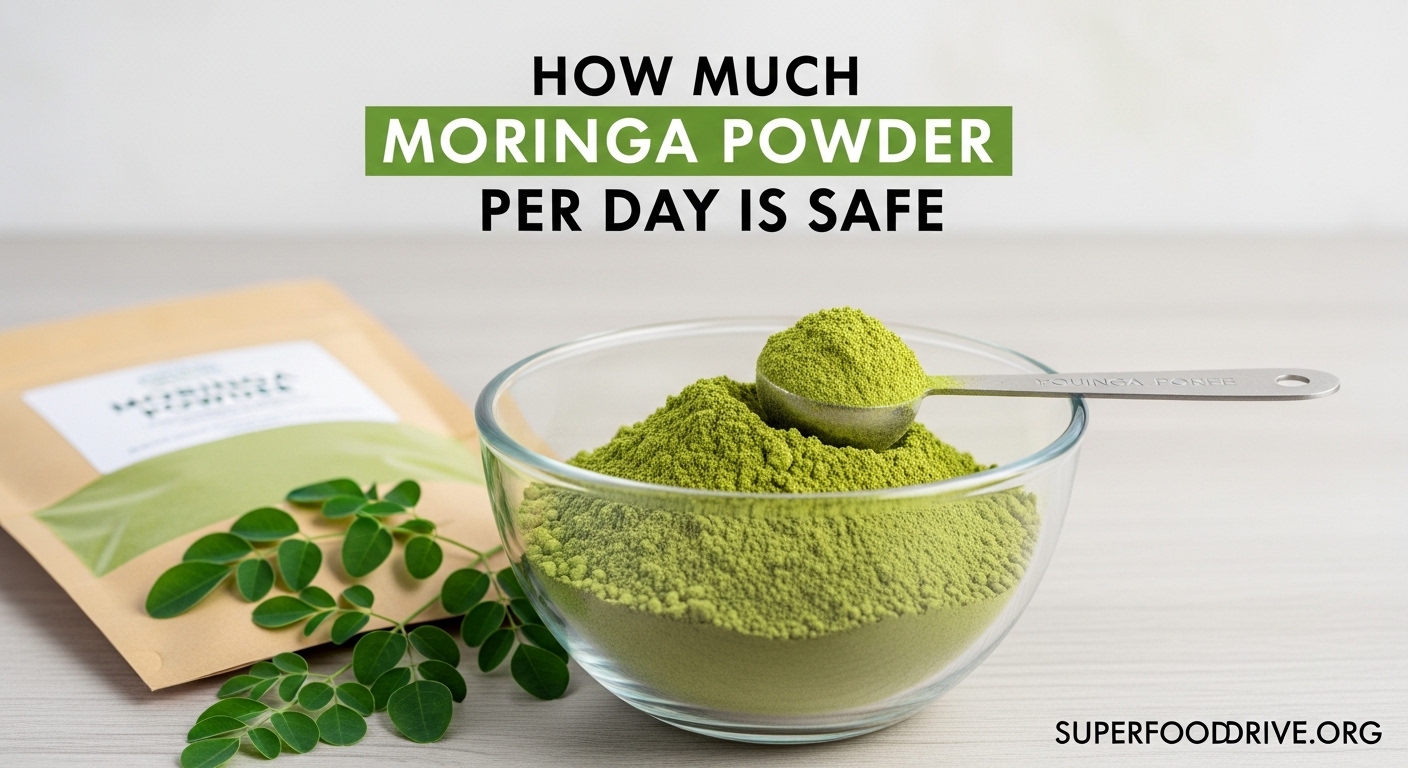
Moringa powder has earned its reputation as a nutrient-dense superfood, but knowing how much moringa powder per day is safe matters for your health. Research indicates that daily intake should be limited to the equivalent of 70 grams of moringa leaves per day, or approximately 11 teaspoons of moringa powder. Most adults find their sweet spot between 1 to 2 teaspoons daily for general wellness.
Our team has reviewed clinical studies, medical sources, and real user experiences from health forums to create this comprehensive guide. Whether you are just starting out or looking to optimize your current routine, this article covers everything you need to know about safe dosage, health benefits, potential risks, and drug interactions.
Always consult your healthcare provider before adding moringa powder to your daily regimen, especially if you take medications or have existing health conditions.
Table of Contents
How Much Moringa Powder Per Day Is Safe
The safe daily limit for moringa powder depends on your experience level and health goals. Here is what the research and health experts recommend.
Beginner Dosage: Start Low
If you are new to moringa, begin with 1 teaspoon (approximately 2 grams) per day. This conservative starting point allows your body to adjust to the supplement. Many users on health forums report that starting with smaller amounts helps reduce the chance of mild digestive discomfort.
After 1 to 2 weeks without adverse effects, you can gradually increase to 1.5 or 2 teaspoons daily. Listen to your body and increase only if you feel comfortable.
Maintenance Dosage for General Wellness
For ongoing health maintenance, 1 to 2 teaspoons (2 to 4 grams) of moringa powder per day works well for most healthy adults. This amount provides a concentrated dose of vitamins A, C, and E, along with minerals like iron, calcium, and potassium.
Consistency matters more than quantity. Taking 1 teaspoon every morning delivers better results than sporadic larger doses.
Maximum Safe Limit
Research published in medical literature suggests that taking up to 2,000 mg of dried moringa leaf powder per kilogram of body weight shows no harmful effects. However, practical daily limits are much lower. Do not exceed 11 teaspoons (approximately 70 grams of leaf equivalent) per day.
Consuming more than this amount does not provide additional benefits and may increase the risk of side effects.
Quick Dosage Reference
Here is a simple breakdown by user type:
Beginners: Start with 1 teaspoon (2 grams) daily for the first 1 to 2 weeks.
General wellness: 1 to 2 teaspoons (2 to 4 grams) daily works for most adults.
Active users: Up to 3 teaspoons (6 grams) daily if well-tolerated.
Maximum limit: Do not exceed 11 teaspoons (70 grams leaf equivalent) per day.
Health Benefits of Moringa Powder
Moringa oleifera, often called the drumstick tree, packs an impressive nutritional profile. The dried leaf powder contains bioactive compounds that support multiple body systems.
Rich in Antioxidants
Moringa powder contains powerful antioxidants including flavonoids, alkaloids, and vitamin C. These compounds help protect your cells from free radical damage and oxidative stress. Chronic oxidative stress contributes to aging and various diseases, making antioxidant-rich foods valuable for long-term health.
Studies suggest moringa may help reduce markers of oxidative stress in the body, supporting overall cellular health.
Blood Sugar Regulation
Research indicates moringa powder may help regulate blood glucose levels. Several studies have shown improvements in fasting plasma glucose and HbA1c levels among participants taking moringa supplements. The compounds in moringa leaves appear to help the body process sugar more efficiently.
This benefit makes moringa particularly interesting for people managing blood sugar concerns, though it also means those on diabetes medications should exercise caution.
Blood Pressure Support
Moringa contains compounds that may help support healthy blood pressure levels. The antioxidants and anti-inflammatory properties work together to promote cardiovascular health. Some research suggests regular consumption may contribute to maintaining blood pressure within normal ranges.
However, if you already take blood pressure medication, consult your doctor before starting moringa supplementation.
Anti-Inflammatory Properties
Chronic inflammation underlies many modern health conditions. Moringa powder contains isothiocyanates and other compounds that demonstrate anti-inflammatory effects in research settings. Users report reduced joint discomfort and improved recovery after exercise.
For people with inflammatory conditions like arthritis, moringa may offer complementary support alongside conventional treatments.
Nutritional Powerhouse
Gram for gram, moringa leaf powder delivers impressive nutrition. It contains seven times the vitamin C of oranges, four times the calcium of milk, four times the vitamin A of carrots, and three times the potassium of bananas. It also provides all nine essential amino acids, making it a complete protein source.
This nutrient density makes moringa particularly valuable for people with dietary restrictions or those looking to boost their micronutrient intake.
Potential Side Effects and Risks
While moringa powder is generally considered safe for most people when used appropriately, some users experience side effects. Understanding these risks helps you make informed decisions.
Digestive Discomfort
The most commonly reported side effect involves digestive upset. Some users experience nausea, diarrhea, or stomach cramps when starting moringa supplementation. This reaction typically occurs when taking too much too soon.
Forum discussions consistently recommend starting with smaller amounts to minimize this risk. Your body needs time to adjust to the fiber and active compounds.
Laxative Effect
Moringa can have a mild laxative effect, especially at higher doses. While this might benefit some people, others find it inconvenient. Starting with 1 teaspoon and gradually increasing helps your digestive system adapt without overwhelming it.
Root and Bark Toxicity Warning
Important safety note: while moringa leaf powder is generally safe, other parts of the tree contain different compounds. Moringa roots and bark contain substances that may cause toxicity at higher doses. Only consume products made from moringa leaves, not root or bark extracts.
Always check product labels to ensure you are purchasing 100% leaf powder.
Quality Concerns
Not all moringa powders meet the same quality standards. Some products may contain contaminants or fillers. Look for organic certification, third-party testing, and clear sourcing information when selecting a product.
Drug Interactions and What Not to Mix
Moringa powder can interact with certain medications, making this section critical for anyone on prescription drugs. Understanding these interactions helps prevent complications.
Diabetes Medications
Moringa may lower blood sugar levels. When combined with diabetes medications like insulin or oral hypoglycemics, this effect could cause blood sugar to drop too low. Monitor your blood sugar closely and consult your healthcare provider about adjusting medication dosages.
Blood Pressure Medications
Because moringa may affect blood pressure, combining it with antihypertensive drugs could lead to excessively low blood pressure. Symptoms include dizziness, fainting, and fatigue. Medical supervision is essential if you take blood pressure medications.
Blood Thinners
Moringa contains vitamin K, which plays a role in blood clotting. If you take warfarin or other blood-thinning medications, moringa could interfere with their effectiveness. Consistent daily intake matters more than the amount, but you should still discuss this with your doctor.
Other Medications
Moringa may also interact with thyroid medications, immunosuppressants, and certain antibiotics. The general rule: if you take any prescription medication, talk to your doctor before starting moringa supplementation.
Who Should Avoid Moringa Powder
While moringa offers benefits for many people, certain groups should avoid it or use extreme caution.
Pregnant and Breastfeeding Women
Pregnant women should avoid moringa supplements. Some compounds in moringa may cause uterine contractions or other effects that could affect pregnancy. Breastfeeding women should also exercise caution due to limited safety data.
People with Autoimmune Conditions
Moringa may stimulate the immune system. For people with autoimmune conditions like lupus, rheumatoid arthritis, or multiple sclerosis, this immune-boosting effect could potentially worsen symptoms.
Those Scheduled for Surgery
Stop taking moringa at least two weeks before scheduled surgery. The potential effects on blood sugar and blood pressure could complicate anesthesia and recovery.
Individuals with Hypoglycemia
Because moringa may lower blood sugar, people prone to hypoglycemia should avoid it unless specifically cleared by their healthcare provider.
Best Time to Take Moringa Powder
Timing can affect how your body responds to moringa supplementation. Based on user experiences and nutritional science, morning consumption offers the best results for most people.
Morning on an Empty Stomach
Most experienced users recommend taking moringa powder in the morning before breakfast. Consuming it on an empty stomach may enhance nutrient absorption and provide an energy boost to start your day.
Forum discussions consistently highlight this timing as the preferred approach among regular moringa users.
With Food if Sensitive
If you experience stomach upset when taking moringa on an empty stomach, try consuming it with a small amount of food. A smoothie with banana or oatmeal provides a gentle base that buffers the powder while still allowing absorption.
Consistency Over Timing
While morning works best for most people, taking moringa at the same time each day matters more than the specific hour. Choose a time you can maintain consistently.
How to Use Moringa Powder
Moringa powder has an earthy, slightly bitter taste that some people find challenging at first. Here are practical ways to incorporate it into your routine.
Simple Methods
With water: Mix 1 teaspoon of moringa powder into warm water. Stir well and drink immediately. This method provides the fastest absorption but may take time to appreciate the flavor.
In smoothies: Blend moringa powder with banana, mango, or berries to mask the taste. The fruit sweetness complements the earthy notes while providing additional nutrients.
Moringa latte: Mix moringa powder into warm plant milk with a touch of honey and cinnamon. This creates a comforting morning ritual similar to matcha.
Incorporating into Meals
Add moringa powder to soups, stews, or curries just before serving. Heat destroys some nutrients, so avoid cooking it directly. Sprinkling it on finished dishes preserves the nutritional content.
You can also blend it into salad dressings, energy balls, or homemade protein bars.
Tips for Masking the Taste
If you find the taste too strong initially, try these strategies:
Mix with citrus juice like lemon or orange to balance the earthiness.
Combine with sweet fruits in smoothies.
Add to strongly flavored dishes like tomato-based soups or curries.
Start with smaller amounts and gradually increase as your palate adjusts.
Beginner’s Guide: Starting Low and Building Tolerance
Building tolerance to moringa powder ensures you gain the benefits without unnecessary discomfort. Follow this step-by-step approach based on real user experiences.
Step 1: Start with Half a Teaspoon
Begin with just half a teaspoon daily for the first 3 to 5 days. This minimal amount lets your digestive system recognize the new supplement without overwhelming it.
Step 2: Increase to One Teaspoon
If you experience no discomfort, increase to 1 teaspoon daily for the next week. This is the standard starting dose most experts recommend.
Step 3: Assess and Adjust
After 10 to 14 days, evaluate how you feel. If you notice benefits without side effects, you can maintain this dosage or increase slightly to 1.5 teaspoons.
If you experience any digestive upset, reduce to the previous comfortable level and stay there for another week before trying to increase again.
Step 4: Find Your Optimal Dose
Most people find their ideal dose between 1 and 3 teaspoons daily. Higher amounts do not necessarily provide more benefits and may increase side effect risk. Focus on consistency rather than quantity.
Frequently Asked Questions
Is 2 tablespoons of moringa powder too much?
Two tablespoons of moringa powder equals approximately 6 teaspoons or 12 grams. This exceeds the typical recommended daily dose of 1 to 2 teaspoons for general wellness. While not immediately dangerous for most healthy adults, consistently taking this amount may increase the risk of digestive side effects like diarrhea or stomach cramps. Start with 1 teaspoon and only increase gradually if well tolerated. The maximum safe limit is approximately 11 teaspoons daily.
What not to mix moringa with?
Avoid mixing moringa with diabetes medications, blood pressure medications, and blood thinners like warfarin without medical supervision. Moringa may enhance the effects of these drugs, causing blood sugar or blood pressure to drop too low, or interfering with blood clotting. Additionally, avoid combining moringa with other supplements that have similar effects, such as cinnamon for blood sugar or garlic for blood pressure, as this may amplify results unpredictably.
Does moringa reduce high blood pressure?
Research suggests moringa may help support healthy blood pressure levels due to its antioxidant and anti-inflammatory compounds. Some studies indicate regular consumption might contribute to maintaining blood pressure within normal ranges. However, moringa should not replace prescribed blood pressure medications. If you have hypertension, consult your healthcare provider before using moringa powder, as it may interact with your current treatment plan.
Can I take moringa powder on an empty stomach?
Yes, many users prefer taking moringa powder on an empty stomach, typically in the morning before breakfast. This timing may enhance nutrient absorption and provide an energy boost to start the day. However, if you experience nausea or stomach discomfort when taking moringa without food, try consuming it with a small snack or mixed into a smoothie. Listen to your body and adjust timing based on your personal tolerance.
How long does it take to see results from moringa powder?
Most users report noticing subtle benefits like increased energy and improved digestion within 2 to 3 weeks of consistent daily use. More significant effects on blood sugar, blood pressure, or inflammation may take 6 to 8 weeks or longer to become noticeable. Individual results vary based on dosage, overall health, diet, and lifestyle factors. Consistency matters more than dosage amount for achieving long-term benefits.
Can moringa lower PSA levels?
Limited research exists on moringa’s direct effects on PSA levels. Some studies suggest moringa’s anti-inflammatory and antioxidant properties might support prostate health, but concrete evidence linking moringa consumption to reduced PSA levels remains insufficient. Men concerned about prostate health or PSA levels should consult their healthcare provider for appropriate screening and treatment options rather than relying on supplements alone.
Conclusion
Understanding how much moringa powder per day is safe helps you maximize benefits while minimizing risks. For most healthy adults, 1 to 2 teaspoons daily provides an effective dose without side effects. Start with 1 teaspoon if you are new to moringa, and never exceed 11 teaspoons daily.
Moringa powder offers impressive nutritional benefits including antioxidants, vitamins, minerals, and compounds that support blood sugar and blood pressure regulation. However, it can interact with medications and may cause digestive upset if you take too much too soon.
Consult your healthcare provider before starting moringa supplementation, especially if you take prescription medications or have existing health conditions. With proper dosing and timing, moringa powder can be a valuable addition to your wellness routine in 2026.