
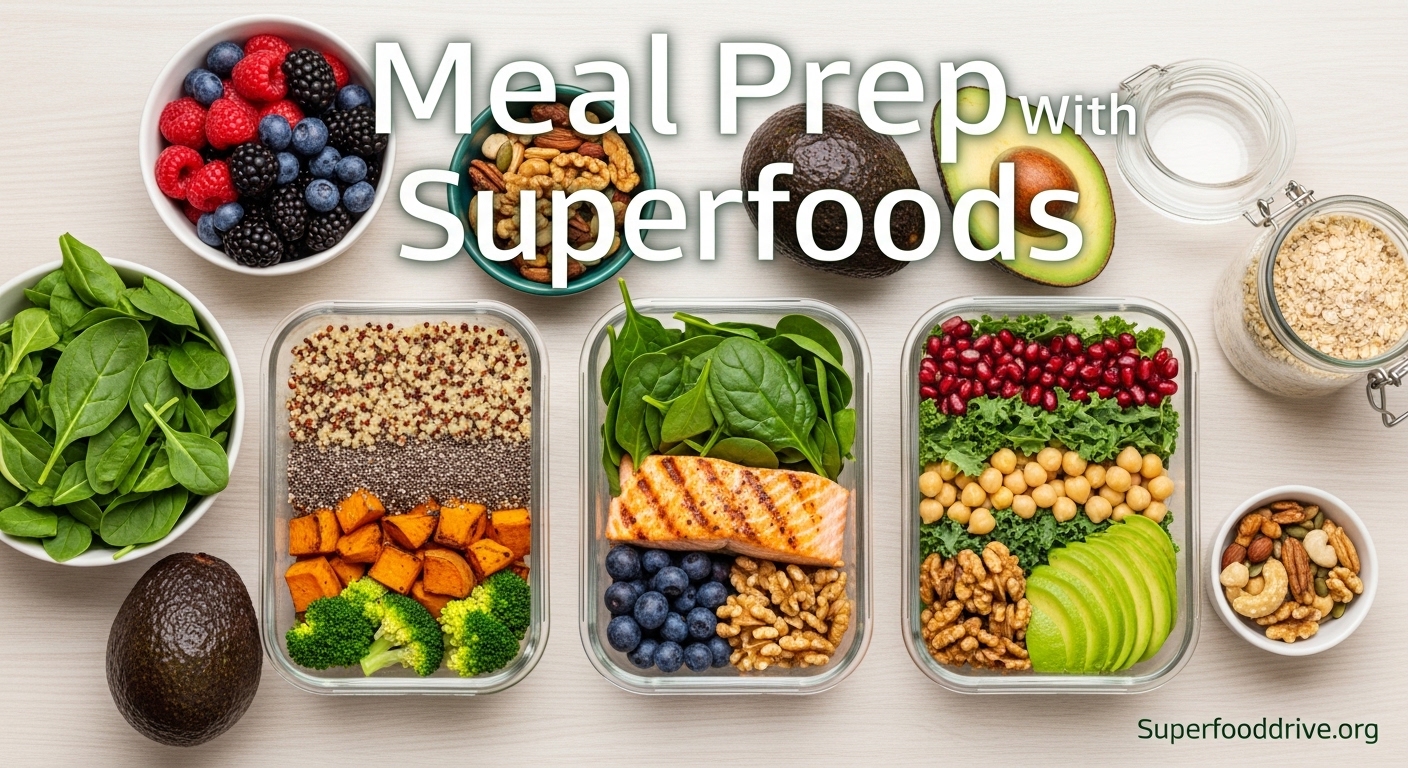
Starting your journey with meal prep with superfoods can feel overwhelming at first. I remember staring at my empty containers three years ago, wondering where to even begin. The good news is that anyone can master this habit with the right approach and a bit of practice.
This guide will walk you through everything you need to know about incorporating nutrient-dense, antioxidant-rich ingredients into your weekly routine. You will learn simple methods that save time, reduce food waste, and help you eat healthier without complicated recipes or expensive ingredients.
By the end, you will have a clear roadmap to create grab-and-go meals that keep you energized throughout the week. Whether you are a busy professional, a fitness enthusiast, or simply someone looking to improve their diet, these strategies will work for you.
Table of Contents
What Is Meal Prep With Superfoods?
Meal prep with superfoods is the practice of preparing nutrient-dense, antioxidant-rich ingredients in advance to create convenient, healthy meals throughout the week. It combines the time-saving benefits of batch cooking with the nutritional advantages of superfoods.
Regular meal prep focuses on preparing meals ahead of time. When you add superfoods into the mix, you are specifically choosing ingredients that deliver exceptional nutritional value per calorie. Think quinoa instead of white rice, kale instead of iceberg lettuce, and blueberries instead of processed snacks.
The concept is simple: dedicate a few hours once or twice a week to wash, chop, cook, and portion ingredients. These prepped components are then stored and combined into meals as needed. This approach saves time while ensuring you consistently consume foods rich in vitamins, minerals, and antioxidants.
Why Superfoods Matter in Meal Prep
Superfoods pack more nutrients per serving than typical ingredients. When you incorporate them into your meal prep routine, you maximize the health benefits of every meal you eat. This is especially important for beginners who want to see results without counting calories or macros.
Many superfoods also store well, making them ideal for make-ahead meals. Ingredients like sweet potatoes, quinoa, and hard-boiled eggs maintain their texture and flavor for several days when stored properly.
Benefits of Superfood Meal Prep
Starting a meal prep routine with superfoods delivers benefits that go beyond just eating healthier. Here is what you can expect:
Time Savings: Spending two to three hours on Sunday preparing meals saves you countless hours during the week. No more scrambling for lunch or staring into the fridge wondering what to cook for dinner.
Consistent Nutrition: When you prep with superfoods, you ensure every meal contains nutrient-dense ingredients. This consistency supports energy levels, immune function, and overall health.
Cost Reduction: Buying ingredients in bulk and reducing food waste saves money. You will also cut down on expensive takeout and last-minute grocery runs.
Portion Control: Pre-portioned meals help you avoid overeating. This is especially helpful if you are working toward weight management goals.
Reduced Stress: Knowing your meals are ready eliminates the daily decision fatigue of what to eat. This mental clarity is one of the most underrated benefits of meal prepping.
Food Waste Reduction: Planning your meals means buying only what you need. Superfoods like leafy greens and berries get used before they spoil.
How to Start Meal Prepping With Superfoods
Starting small is the secret to success. I always tell beginners to prep just three days of lunches for their first attempt. This builds confidence without overwhelming you.
Step 1: Choose Your Prep Day
Sunday works best for most people, but choose a day when you have two to three hours free. Consistency matters more than the specific day.
Step 2: Start With One Meal
Focus on prepping just lunches or just breakfasts for your first few weeks. Once that becomes routine, expand to other meals.
Step 3: Plan Simple Recipes
Choose recipes with five ingredients or fewer. Complex meals are harder to scale and more likely to fail.
Step 4: Make Your Shopping List
Check what you already have, then buy only what you need for your planned recipes. This prevents waste and saves money.
Step 5: Prep in Batches
Wash all your produce at once. Cook all your grains together. Chop vegetables in groups. This assembly-line approach saves time.
Step 6: Store Properly
Let hot foods cool before refrigerating. Use appropriate containers. Label everything with dates.
Essential Equipment for Beginners
You do not need fancy gadgets to start. Here is what actually matters:
Containers: Invest in five to seven glass or BPA-free plastic containers with tight-fitting lids. Glass containers reheat better and last longer.
Sharp Knife: A good chef’s knife makes chopping vegetables much faster and safer.
Cutting Boards: Have at least two to prevent cross-contamination between raw proteins and vegetables.
Sheet Pans: Large rimmed baking sheets let you roast multiple vegetables at once.
Storage Bags: Reusable silicone bags or standard freezer bags work great for smoothie packs and pre-portioned ingredients.
Best Superfoods for Meal Prep
Not all superfoods are equally suited for meal prep. Some lose nutrients quickly, while others get soggy or unappetizing after a day or two. Here are the winners that actually work for beginners.
Grains and Complex Carbohydrates
Quinoa: This complete protein cooks in fifteen minutes and stays fluffy for up to five days. It reheats beautifully and works in both savory and sweet dishes.
Sweet Potatoes: Roasted sweet potato cubes or wedges last four to five days in the fridge. They reheat well and provide sustained energy.
Brown Rice: A budget-friendly option that stores well for four days. It is less exciting than quinoa but reliable and filling.
Protein Sources
Hard-Boiled Eggs: Prep a dozen on Sunday for quick protein all week. They last seven days refrigerated and require zero reheating.
Salmon: Baked salmon fillets last three days and provide omega-3 fatty acids. The key is not overcooking them initially.
Chicken Breast: Plain, simply seasoned chicken breast lasts four days. Keep it separate from sauces until serving to maintain texture.
Chickpeas and Lentils: Canned or cooked from dry, these plant-based proteins last five days and work in countless combinations.
Vegetables That Stay Fresh
Broccoli and Cauliflower: Roasted florets maintain texture for four days. Undercook slightly if you plan to reheat them.
Kale: Massaged with a bit of oil and lemon, kale salads actually improve over two to three days. Unlike lettuce, they do not wilt.
Carrots and Bell Peppers: Raw, chopped peppers and carrots stay crisp for five days. They add crunch to any meal.
Spinach: Best added fresh to reheated meals rather than pre-cooked, as it wilts quickly when heated.
Fruits for Meal Prep
Blueberries: These antioxidant powerhouses last five days refrigerated. They work in oatmeal, salads, or as snacks.
Berries: Strawberries, raspberries, and blackberries last three to four days. Keep them dry until ready to eat.
Apples and Pears: Sliced apples stay fresh when tossed with lemon juice. They are perfect for snacks or adding to salads.
Seeds and Healthy Fats
Chia Seeds: Perfect for overnight oats and puddings. These actually need time to soak, making them ideal for meal prep.
Avocado: Keep whole and slice just before eating, or prep guacamole with extra lime juice to prevent browning for two days.
Almonds and Walnuts: Portioned nuts stay fresh for weeks. They add healthy fats and satisfying crunch to meals.
Superfood Storage Duration Chart
Here is how long your prepped superfoods will last:
4 to 5 Days: Cooked quinoa, roasted vegetables, hard-boiled eggs, grilled chicken, lentils, kale salads.
3 Days: Cooked fish, berry-based smoothies, cut fruit salads, overnight oats with fruit.
7 Days: Hard-boiled eggs in shell, dry ingredients like nuts and seeds, raw vegetables that are not cut.
Meal Prep Methods Explained
There is no single right way to meal prep. The best method depends on your schedule, preferences, and how much variety you need.
Method 1: Fully Assembled Meals
This is what most people picture when they think of meal prep. You cook complete meals and portion them into individual containers. Grab one from the fridge, heat, and eat.
Best for: People who want maximum convenience and do not mind eating the same meal several times.
Pros: Grab-and-go simplicity, no decisions during the week, perfect portion control.
Cons: Can get boring, less flexibility if plans change, some foods do not hold up well when pre-mixed.
Method 2: Buffet-Style Component Prep
Instead of assembling full meals, you prep individual components. Cooked grains, roasted vegetables, proteins, and sauces get stored separately. Mix and match throughout the week to create different meals.
Best for: People who get bored easily, families with different preferences, those who want flexibility.
Pros: Variety without extra work, components can be used differently, adaptable to changing schedules.
Cons: Requires assembly at mealtime, more containers needed, takes slightly more time initially.
Method 3: Batch Cooking
Cook large quantities of a few base recipes and freeze individual portions. This works especially well for soups, stews, and casseroles.
Best for: People with freezer space, those who want meals ready for weeks ahead, budget-conscious preppers.
Pros: Meals last months, great for busy weeks, cost-effective.
Cons: Requires freezer space, needs planning to thaw meals, not all foods freeze well.
Method 4: Prep Ingredients Only
Wash, chop, and marinate ingredients so cooking takes minimal time during the week. You still cook fresh, but the prep work is done.
Best for: People who enjoy cooking but lack weeknight time, those who prefer freshly cooked food.
Pros: Freshest tasting meals, flexibility in final dishes, faster than starting from scratch.
Cons: Still requires cooking during the week, not true grab-and-go.
Which Method Should Beginners Choose?
I recommend starting with buffet-style component prep. It gives you flexibility while building your meal prep skills. You can always switch to fully assembled meals once you know which combinations you enjoy.
Superfood Meal Prep Ideas and Formulas
Once you understand the methods, you need recipes. But instead of rigid recipes, use these flexible formulas. They give you structure while allowing variety.
The Superfood Bowl Formula
Base (1 cup): Quinoa, brown rice, or sweet potato cubes.
Protein (4 to 6 ounces): Grilled chicken, baked salmon, chickpeas, or hard-boiled eggs.
Vegetables (1 to 2 cups): Roasted broccoli, kale salad, raw bell peppers, or steamed cauliflower.
Healthy Fat (1 to 2 tablespoons): Avocado slices, chia seeds, almonds, or olive oil dressing.
Flavor Boost: Lemon juice, turmeric, fresh herbs, or a simple vinaigrette.
Overnight Oats Superfood Base
Combine one-third cup rolled oats, one tablespoon chia seeds, one-third cup milk of choice, and one-third cup yogurt in a jar. Refrigerate overnight. In the morning, top with blueberries and a sprinkle of nuts.
This base lasts five days in the fridge. Keep toppings separate until ready to eat for best texture.
Smoothie Pack Formula
Portion spinach, berries, and half a banana into freezer bags. Freeze flat. When ready to blend, add the pack contents plus liquid and protein powder to your blender.
These packs last three months frozen. They make breakfast possible even on your busiest mornings.
Simple Superfood Combinations That Work
These flavor combinations are beginner-tested and approved:
Mediterranean: Quinoa, chickpeas, roasted red peppers, spinach, feta, and olives with lemon dressing.
Asian-Inspired: Brown rice, edamame, shredded carrots, sliced almonds, and sesame ginger dressing.
Southwest: Sweet potato, black beans, corn, avocado, and lime cilantro dressing.
Simple Green: Kale, hard-boiled eggs, cherry tomatoes, pumpkin seeds, and balsamic vinaigrette.
Storage and Food Safety Guidelines
Food safety is not exciting, but it matters. Follow these guidelines to keep your prepped meals safe and tasty.
Container Recommendations
Glass Containers: Best for reheating, does not stain, environmentally friendly. The downside is weight and potential breakage.
BPA-Free Plastic: Lightweight and affordable. Look for microwave-safe options. Replace if they become scratched or stained.
Stainless Steel: Durable and lightweight, but cannot be microwaved. Good for cold meals or if you have access to a stove.
Storage Guidelines
Refrigerator Temperature: Keep your fridge at 40 degrees Fahrenheit or below. Use a thermometer to check.
Cooling Hot Foods: Let cooked foods cool to room temperature before refrigerating, but do not leave out longer than two hours.
Storage Order: Store raw ingredients below cooked foods in the fridge to prevent cross-contamination.
Reheating Best Practices
Heat leftovers to an internal temperature of 165 degrees Fahrenheit. Stir halfway through microwaving for even heating. Add fresh ingredients like avocado or nuts after reheating to maintain texture.
How Long Does Superfood Meal Prep Last?
Most cooked superfood meals last three to four days in the refrigerator. Hard-boiled eggs last seven days. Raw vegetables last five to seven days when cut. When in doubt, use the smell test and check for visible mold or off-colors.
Meal Prep Tips and Time-Saving Hacks
These strategies come from years of trial and error. They will save you time and frustration.
Buy Pre-Cut Vegetables: The extra cost is worth it if it means you actually prep your meals. Pre-cut broccoli, cauliflower rice, and spiralized vegetables are lifesavers.
Cook Grains in Bulk: Make a large batch of quinoa or rice and freeze in portions. They reheat beautifully and save you twenty minutes each prep session.
Use Sheet Pan Meals: Roast proteins and vegetables together on one pan. Less cleanup, less hassle.
Embrace Frozen Superfoods: Frozen berries, spinach, and cauliflower are just as nutritious as fresh and last much longer.
Prep Smoothie Bags: Portion frozen fruit and greens into bags. Dump and blend in the morning.
Keep It Simple: Five ingredients can make an amazing meal. Do not overcomplicate your first attempts.
Common Mistakes to Avoid
Over-prepping: Start with three to four days of meals, not seven. Food quality degrades, and your tastes might change.
Under-seasoning: Bland food is the enemy of consistency. Use herbs, citrus, and spices generously.
Mixing Wet and Dry: Keep dressings and sauces separate until serving to prevent soggy meals.
Ignoring Food Safety: When in doubt, throw it out. Food poisoning is not worth the risk.
Frequently Asked Questions
What are some quick superfood meal prep ideas for beginners?
Start with overnight oats using chia seeds and berries, quinoa salad bowls with kale and chickpeas, or roasted sweet potato and broccoli with grilled chicken. These require minimal cooking skills and stay fresh for several days.
How do I start meal prepping with superfoods?
Begin by choosing one meal to prep, like lunches for three days. Select two to three superfoods such as quinoa, kale, and blueberries. Cook grains in bulk, wash and chop vegetables, and portion everything into containers. Start simple and expand as you gain confidence.
What superfoods are best for meal prep?
The best superfoods for beginners include quinoa, sweet potatoes, hard-boiled eggs, kale, broccoli, blueberries, and chia seeds. These ingredients store well for three to five days, reheat nicely, and require minimal preparation while delivering excellent nutritional value.
How long do superfood meal preps last?
Most cooked superfood meals last three to four days in the refrigerator when stored properly in airtight containers. Hard-boiled eggs last up to seven days, while raw cut vegetables stay fresh for five days. Grains like quinoa and brown rice maintain quality for four to five days.
What containers are best for meal prep?
Glass containers are ideal for reheating and longevity, though they are heavier. BPA-free plastic containers are lightweight and affordable. Look for containers with tight-fitting lids that are microwave and dishwasher safe. Rectangular containers stack efficiently and maximize fridge space.
How do I meal prep for a week with superfoods?
Choose three to four superfood recipes that share common ingredients to save time and money. Prep components in batches: cook all grains together, roast vegetables on sheet pans, and prepare proteins separately. Store components buffet-style for mixing and matching throughout the week. Keep dressings separate until serving.
What are the easiest superfoods to meal prep?
The easiest superfoods for beginners are hard-boiled eggs, overnight oats with chia seeds, roasted sweet potatoes, massaged kale salads, and quinoa. These require minimal active cooking time, store well, and are difficult to mess up, making them perfect for building confidence.
What are the benefits of meal prep with superfoods?
Benefits include saving time during busy weekdays, ensuring consistent intake of nutrient-dense foods, reducing food waste through better planning, saving money by avoiding takeout, controlling portions for weight management, and eliminating daily decision stress about what to eat.
Can beginners meal prep with superfoods?
Yes, beginners can absolutely meal prep with superfoods. Start with simple recipes using just three to five ingredients. Focus on no-cook options like overnight oats and easy cooking methods like roasting and batch cooking grains. As skills improve, gradually introduce more complex recipes and techniques.
How do I store superfood meal prep?
Store meals in airtight containers in the refrigerator at 40 degrees Fahrenheit or below. Keep components separate when possible to maintain texture. Let hot foods cool before refrigerating. Most meals last three to four days. Label containers with dates and use the first-in, first-out method.
Meal Prep With Superfoods: Your Next Steps
You now have everything you need to start meal prepping with superfoods. The key is to begin small and build from there. Choose one meal to prep this week using just two or three superfoods from this guide.
Remember that meal prep with superfoods is not about perfection. It is about making consistent progress toward healthier eating habits. Some weeks will go better than others, and that is completely normal.
Start with the buffet-style method and the superfood bowl formula. These give you flexibility while you learn what works for your tastes and schedule. As you gain confidence, experiment with new superfoods and recipes.
The time you invest on your prep day will pay dividends throughout your week. You will eat better, save money, reduce stress, and have more energy for the things that matter most. Your future self will thank you for starting this journey 2026.
1 thought on “Meal Prep With Superfoods (September 2026) A Beginners Guide”