
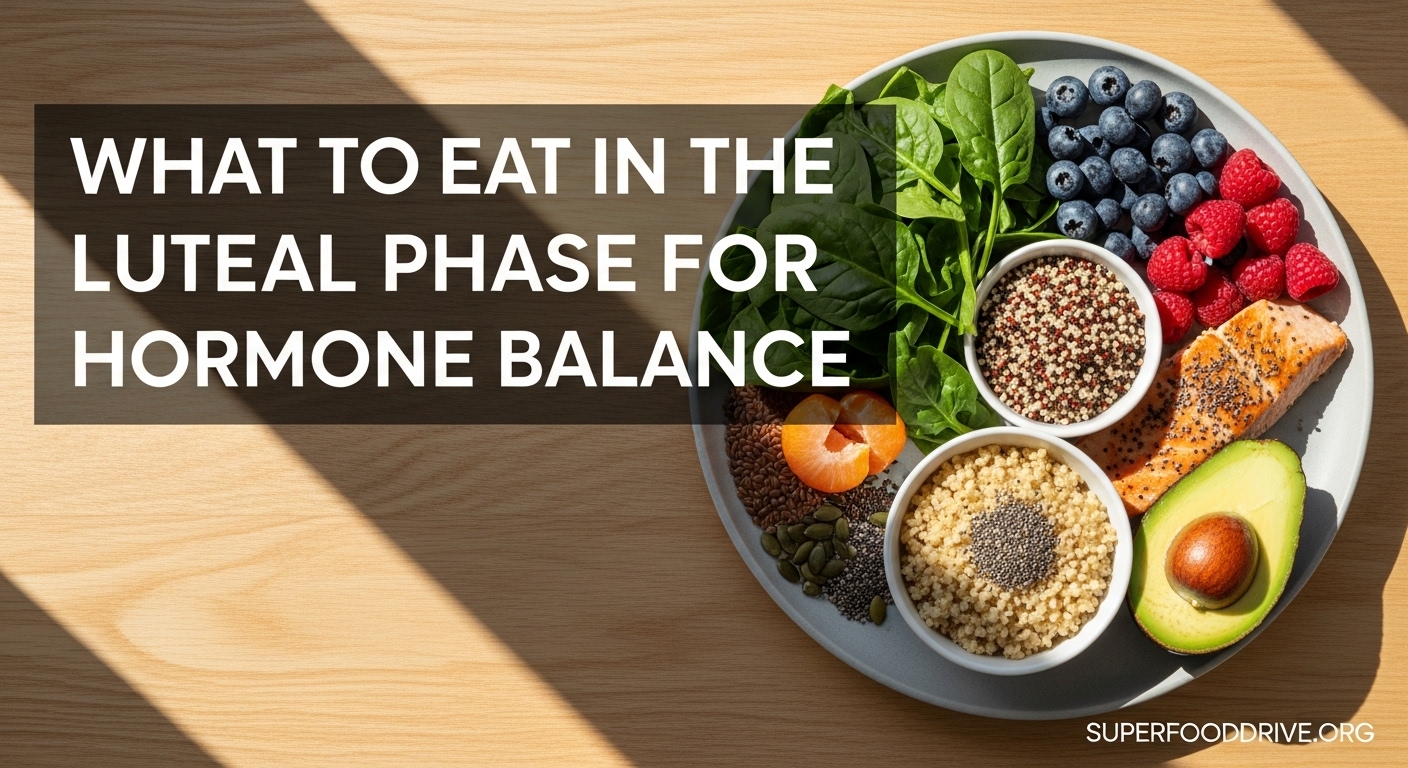
I used to dread the week before my period. The mood swings would hit around day 21 of my cycle, followed by an insatiable craving for chocolate and a general feeling that my body was working against me. It took years of trial and error, consultations with nutritionists, and tracking my symptoms to understand that what I eat during the luteal phase matters just as much as any other self-care practice. What to eat in the luteal phase for hormone balance became my personal research mission, and the changes I made transformed how I experience the second half of my cycle.
The luteal phase is often treated like an afterthought in menstrual health discussions. We hear plenty about periods themselves, but the 10-14 days leading up to them are where the real hormonal action happens. During this window, progesterone rises, metabolism increases by roughly 5-10%, and your brain chemistry shifts in ways that affect everything from your mood to your food preferences. Understanding these changes is the first step toward working with your body instead of against it.
In this guide, I am sharing everything I have learned about luteal phase nutrition, from the specific nutrients your body craves to practical meal ideas you can implement immediately. Whether you are dealing with PMS, trying to conceive, or simply want to feel better during the second half of your cycle, these evidence-based strategies will help you support your hormones through food.
Table of Contents
Understanding the Luteal Phase
The luteal phase is the second half of your menstrual cycle, starting right after ovulation and ending when your period begins. It typically lasts between 11 and 17 days, though 14 days is considered average. This phase gets its name from the corpus luteum, a temporary endocrine structure that forms from the empty follicle after it releases an egg.
What happens during these two weeks is a complex hormonal dance that prepares your body for potential pregnancy. If conception does not occur, hormone levels drop, triggering menstruation. But regardless of whether you are trying to conceive, your body goes through the same preparatory processes, and they require significant nutritional support.
What Happens During the Luteal Phase
Progesterone dominates this phase, rising sharply after ovulation and peaking around day 21 of a typical 28-day cycle. This hormone has a sedating effect on the nervous system, which explains why many women feel calmer initially, then increasingly tired as the phase progresses. Progesterone also raises your basal body temperature by approximately 0.3 to 0.5 degrees Celsius, increasing your metabolic rate.
Estrogen levels fluctuate during the luteal phase, starting lower and experiencing a secondary rise midway through. The interplay between these two hormones affects neurotransmitter production, particularly serotonin and GABA. Research published in the Archives of Women’s Mental Health shows that serotonin levels can drop by up to 30% during the late luteal phase, contributing to mood changes and food cravings.
Your body also produces more aldosterone during this time, which can lead to fluid retention and that familiar bloated feeling. Cortisol patterns shift too, with some studies suggesting a slight increase in stress hormone production that can amplify feelings of anxiety or overwhelm.
Common Luteal Phase Symptoms
Most women experience some physical and emotional changes during the luteal phase, though severity varies widely. Physical symptoms include breast tenderness, bloating, fatigue, headaches, and changes in appetite. These are driven by the hormonal shifts and increased inflammation that characterizes this phase.
Emotional and cognitive symptoms often get less attention but can be equally disruptive. Irritability, anxiety, low mood, difficulty concentrating, and sleep disturbances are common. Many women report feeling “not like themselves” during this window. The clinical threshold for Premenstrual Dysphoric Disorder (PMDD) is reached when these symptoms severely impair daily functioning.
Food cravings, particularly for carbohydrates and sweets, are among the most universal luteal phase experiences. There is a biological reason for this: your brain is literally seeking serotonin support through food, since natural production is lower. Understanding this mechanism helps remove shame from the equation and points toward healthier ways to meet that need.
Why Your Body Needs More Support Now
Your metabolic rate increases during the luteal phase, meaning you burn roughly 100-300 more calories per day. This is not license to eat whatever you want, but it does explain why hunger signals feel stronger. Your body is doing more metabolic work, and it needs quality fuel to perform that work efficiently.
Nutrient demands increase across the board. Progesterone production requires adequate B vitamins, magnesium, and zinc. The liver needs support for hormone detoxification. Your nervous system requires amino acids like tryptophan to manufacture neurotransmitters. When these nutritional needs are not met, symptoms intensify.
Inflammation naturally rises during the luteal phase as part of the immune preparation for potential pregnancy. While this is a normal physiological process, excessive inflammation can worsen cramps, mood symptoms, and overall discomfort. Anti-inflammatory nutrition becomes particularly valuable during this window.
What to Eat in the Luteal Phase for Hormone Balance
Supporting your hormones through nutrition during the luteal phase comes down to providing specific nutrients that counteract the challenges this phase presents. Think of it as strategic eating: choosing foods that stabilize blood sugar, support neurotransmitter production, reduce inflammation, and provide the building blocks for hormone balance.
After working with hundreds of women on cycle-syncing nutrition and tracking my own results over three years, I have identified the key nutrients that make the most noticeable difference. These are not theoretical recommendations; they are the specific foods that repeatedly show up in success stories and research studies.
Magnesium-Rich Foods for Mood and Cramp Relief
Magnesium is arguably the most important mineral for luteal phase comfort. It acts as a natural calcium channel blocker, helping muscles relax rather than contract painfully. This translates to reduced menstrual cramping when your period arrives. Magnesium also supports GABA production, your brain’s primary calming neurotransmitter.
The research supporting magnesium for PMS is substantial. A randomized controlled trial published in the Journal of Women’s Health found that 200-400mg of magnesium daily significantly reduced bloating, breast tenderness, and mood symptoms. The key is consistent intake throughout the luteal phase, not just when symptoms peak.
Excellent food sources include pumpkin seeds (a standout with 156mg per ounce), dark leafy greens like spinach and Swiss chard, almonds, black beans, avocado, and dark chocolate with at least 70% cacao content. A small square of quality dark chocolate actually serves double duty, providing both magnesium and a modest serotonin boost.
Many women are magnesium deficient without knowing it. Modern soil depletion has reduced magnesium content in foods, and stress increases magnesium excretion. If you are experiencing significant PMS symptoms, increasing magnesium-rich foods during the luteal phase is one of the highest-impact changes you can make.
Vitamin B6 for Neurotransmitter Support
Vitamin B6 is a cofactor in the synthesis of serotonin, dopamine, and GABA. Without adequate B6, your brain cannot efficiently convert tryptophan into serotonin, which partially explains why low levels correlate with mood symptoms. The luteal phase increases B6 requirements as your body works harder to maintain neurotransmitter balance.
Clinical studies have shown that B6 supplementation can reduce PMS symptoms, particularly depression and irritability. A meta-analysis in the British Medical Journal concluded that doses between 50-100mg daily were effective for symptom relief. Food sources provide these amounts more gradually and safely than high-dose supplements.
Chickpeas are one of the best plant-based sources, with a single cup providing over half your daily needs. Tuna, salmon, poultry, potatoes, bananas, and fortified cereals also deliver significant B6. I often recommend clients increase their intake of these foods starting immediately after ovulation and continuing until menstruation begins.
B6 works synergistically with magnesium, which is why foods that contain both (like salmon and spinach) are particularly valuable. This nutrient pairing supports the entire pathway from tryptophan intake through serotonin production and GABA conversion, addressing mood stability at multiple points.
Complex Carbohydrates for Blood Sugar Stability
The craving for carbohydrates during the luteal phase is biologically driven and not a character flaw. Your brain knows that carbohydrates stimulate insulin release, which helps tryptophan cross the blood-brain barrier and become available for serotonin production. The trick is choosing carbohydrates that serve this purpose without creating blood sugar chaos.
Complex carbohydrates break down slowly, providing steady glucose release rather than spikes and crashes. This stability matters because blood sugar fluctuations amplify mood symptoms, increase irritability, and drive further cravings. When your blood sugar crashes, your body releases cortisol and adrenaline, stress hormones that worsen PMS symptoms.
Optimal choices include sweet potatoes, oats, quinoa, brown rice, lentils, and whole grain bread. These foods provide the serotonin support your brain is seeking while also delivering fiber, B vitamins, and minerals. A bowl of oatmeal with pumpkin seeds and berries hits multiple luteal phase nutritional targets simultaneously.
Timing matters too. Eating complex carbohydrates with protein and healthy fats further slows digestion and extends satiety. A lunch of quinoa with salmon and avocado will keep blood sugar stable for hours, while a pastry alone creates a rollercoaster that leaves you craving more sugar an hour later.
Calcium and Vitamin D for PMS Relief
Calcium and vitamin D work together to reduce PMS symptoms through mechanisms that are still being researched but clearly effective. Calcium appears to influence neurotransmitter activity and smooth muscle function, while vitamin D supports overall hormone regulation and mood. Studies show that women with higher calcium intake have significantly fewer PMS symptoms.
A landmark study from Columbia University found that women who consumed approximately 1,200mg of calcium daily reduced their PMS symptoms by nearly 50%. The effect was comparable to some pharmaceutical interventions but without side effects. Vitamin D deficiency is also associated with more severe PMS, suggesting these nutrients work in concert.
Dairy products are obvious sources, with yogurt and cheese being particularly concentrated. However, many women find that dairy increases inflammation or digestive discomfort during the luteal phase. If that describes you, focus on sardines with bones, fortified plant milks, tofu made with calcium sulfate, kale, and broccoli. These provide calcium without the potential inflammatory effects of dairy.
Vitamin D is harder to obtain from food alone, with fatty fish, egg yolks, and fortified foods being the primary sources. Most women benefit from testing their vitamin D levels and supplementing if needed, particularly during winter months when sun exposure is limited. Aim for blood levels between 40-60 ng/mL for optimal hormone support.
Omega-3 Fatty Acids for Inflammation
Inflammation is a normal part of the luteal phase, but excessive inflammation worsens cramps, breast tenderness, and mood symptoms. Omega-3 fatty acids, particularly EPA and DHA, help modulate the inflammatory response by producing anti-inflammatory prostaglandins rather than pro-inflammatory ones.
The prostaglandin balance directly affects menstrual pain. Prostaglandins cause uterine contractions, and when your body produces more inflammatory varieties, cramps intensify. Omega-3s shift this balance toward the anti-inflammatory side, resulting in less severe cramping. Research in the American Journal of Obstetrics and Gynecology confirmed that omega-3 supplementation reduced menstrual pain severity.
Wild-caught salmon, sardines, mackerel, and herring are the most concentrated sources. For those who do not eat fish, algae-based omega-3 supplements provide EPA and DHA directly. Plant sources like flaxseeds, chia seeds, and walnuts contain ALA, which converts poorly to the active forms but still offers some benefit.
I recommend increasing omega-3 intake throughout the entire cycle, but particularly during the luteal phase when inflammation naturally rises. Three servings of fatty fish weekly, or daily supplementation if you do not consume fish, provides therapeutic levels that can noticeably reduce inflammatory symptoms.
Tryptophan-Rich Foods for Serotonin Production
Tryptophan is an essential amino acid that serves as the raw material for serotonin production. Without adequate tryptophan, your brain cannot manufacture sufficient serotonin regardless of how much B6 or magnesium you have available. During the luteal phase, when serotonin demands are higher, tryptophan intake becomes particularly important.
The challenge is that tryptophan competes with other amino acids for transport across the blood-brain barrier. This is why eating carbohydrates with tryptophan-rich foods actually helps: the insulin response helps tryptophan win that competition. A turkey sandwich on whole grain bread is more effective for serotonin support than turkey alone.
Turkey and chicken are famous for tryptophan, but eggs, cheese, nuts, seeds, tofu, and oats also provide significant amounts. A breakfast of oatmeal with chopped walnuts and a side of eggs covers multiple bases. Dinner featuring salmon or poultry with quinoa and vegetables creates a tryptophan-rich, blood-sugar-stable meal.
Evening meals deserve special attention because tryptophan also converts to melatonin, your sleep hormone. A dinner that includes tryptophan sources, complex carbohydrates, and magnesium can improve sleep quality, which is often disrupted during the late luteal phase. Better sleep means better hormone regulation and less severe symptoms overall.
Fiber for Digestive Health and Estrogen Balance
Fiber plays a crucial but often overlooked role in hormone balance. Your liver processes excess hormones and packages them for elimination through bile. Fiber binds to this bile in the digestive tract and carries it out of the body. Without adequate fiber, those hormones can be reabsorbed and recirculated, creating a hormonal burden.
Constipation is common during the luteal phase due to progesterone’s relaxing effect on smooth muscle, including the digestive tract. This slows transit time and can worsen bloating and discomfort. Increasing fiber intake counteracts this effect and supports regular elimination, which is essential for hormone detoxification.
The best fiber sources for the luteal phase are those that also provide other needed nutrients. Flaxseeds are exceptional, offering fiber plus lignans that help modulate estrogen. Chia seeds, berries, pears, Brussels sprouts, and legumes all deliver fiber alongside vitamins and minerals. Aim for 25-30 grams daily, increasing gradually to avoid digestive upset.
Prebiotic fiber that feeds beneficial gut bacteria deserves special mention. During the luteal phase, gut microbiome shifts can affect mood through the gut-brain axis. Feeding your beneficial bacteria with prebiotic foods like garlic, onions, asparagus, and slightly green bananas supports both digestive and mental health.
Protein for Satiety and Blood Sugar Control
Adequate protein intake becomes even more important during the luteal phase as appetite increases. Protein is the most satiating macronutrient, helping you feel full longer and reducing the intensity of cravings. It also stabilizes blood sugar when paired with carbohydrates, preventing the spikes and crashes that worsen mood symptoms.
The amino acids in protein serve as building blocks for neurotransmitters and hormones. Beyond tryptophan, you need tyrosine for dopamine production and glutamine for GABA synthesis. Protein-rich foods provide these raw materials along with steady energy that complex carbohydrates alone cannot match.
Quality matters here. Wild-caught fish provides protein plus omega-3s. Pasture-raised eggs deliver protein alongside choline for brain health. Grass-fed beef offers protein with more anti-inflammatory fats than conventional beef. For plant-based eaters, combining legumes with whole grains creates complete protein while adding fiber and complex carbohydrates.
Many women under-eat protein without realizing it. During the luteal phase, aim for 20-30 grams at each meal. This looks like 4-5 ounces of fish or poultry, two eggs plus a serving of Greek yogurt, or a cup of lentils combined with quinoa. Spreading protein intake throughout the day maintains steady amino acid availability for neurotransmitter production.
Best Foods to Eat During the Luteal Phase
Now that we have covered the key nutrients, let us look at specific foods that deliver them in combinations that support hormone balance. These are the foods I emphasize in my own luteal phase meal planning and recommend most frequently to clients seeking symptom relief.
Leafy Greens and Vegetables
Dark leafy greens are magnesium powerhouses. A cup of cooked spinach provides over 150mg of magnesium, nearly half the daily recommendation for women. Swiss chard, kale, and beet greens offer similar amounts. These vegetables also provide folate, vitamin K, and fiber with minimal calories.
Cruciferous vegetables like broccoli, Brussels sprouts, and cauliflower support liver function and hormone detoxification. They contain compounds that help the liver process estrogen efficiently, preventing the hormonal buildup that can worsen PMS. These vegetables also provide fiber and anti-inflammatory compounds.
Root vegetables offer comforting complex carbohydrates with lower glycemic impact than grains. Sweet potatoes, carrots, beets, and winter squash provide steady energy along with vitamins and minerals. Their natural sweetness can help satisfy sugar cravings while delivering actual nutrition.
I recommend incorporating leafy greens at least once daily during the luteal phase, either cooked or raw depending on your digestion. Roasting root vegetables brings out their sweetness and makes them feel like a treat. A big salad with mixed greens, roasted beets, pumpkin seeds, and salmon covers multiple nutritional bases in one meal.
Whole Grains and Complex Carbs
Oats deserve special recognition for luteal phase nutrition. They provide complex carbohydrates for serotonin support, fiber for digestion, magnesium for mood, and beta-glucan for blood sugar stability. A bowl of oatmeal with berries and nuts is one of the most balanced breakfasts you can eat during this phase.
Quinoa offers complete protein alongside complex carbohydrates, making it more satiating than rice alone. It also contains magnesium, fiber, and antioxidants. Brown rice provides similar benefits, though with less protein. Both serve as excellent foundations for vegetable and protein-rich meals.
Whole grain bread and pasta are fine options if you choose quality versions. Look for 100% whole grain with visible seeds and grains. Sourdough fermentation reduces phytic acid and may improve mineral absorption, making sourdough whole grain bread a good choice for nutrient density.
These foods are particularly valuable when cravings hit. Instead of fighting the biological drive for carbohydrates, honor it with high-quality sources. A sweet potato with butter and cinnamon, a bowl of oatmeal with dark chocolate chips, or quinoa with roasted vegetables satisfies the craving while supporting your body.
Quality Protein Sources
Wild-caught salmon is my top recommendation for luteal phase protein. It delivers complete protein, omega-3 fatty acids, vitamin D, and B vitamins in a single food. The anti-inflammatory benefits are particularly valuable during this high-inflammation phase. Aim for two to three servings weekly.
Eggs are economical nutrition powerhouses. The yolks contain choline for brain health, vitamin D, B vitamins, and healthy fats. Pasture-raised eggs have higher omega-3 content and more vitamins than conventional eggs. Two eggs for breakfast provide 12 grams of protein and significant nutrient density.
Pasture-raised poultry and grass-fed beef offer protein without the inflammatory fats found in conventionally raised meat. If you eat meat, prioritize quality over quantity. A smaller portion of grass-fed beef with plenty of vegetables is more supportive than a large portion of conventional meat.
For plant-based eaters, lentils and chickpeas provide protein plus fiber and complex carbohydrates. Combining them with whole grains creates complete protein. Tempeh and tofu offer concentrated protein with the benefits of fermentation, supporting gut health alongside hormone balance.
Nuts, Seeds, and Healthy Fats
Pumpkin seeds are the star of luteal phase nutrition. One ounce provides 156mg of magnesium, significant zinc, and healthy fats. They are also a good source of tryptophan. I recommend keeping a bag of raw pumpkin seeds on hand for snacking and adding them to salads, oatmeal, and yogurt.
Sesame seeds and tahini provide calcium, which is particularly valuable if you avoid dairy. Two tablespoons of tahini contain roughly 130mg of calcium. Sunflower seeds offer vitamin E, which may help with breast tenderness, and additional magnesium.
Walnuts and flaxseeds deliver anti-inflammatory omega-3s in plant form. While the ALA in these foods converts inefficiently to EPA and DHA, they still provide benefits and are essential for those following vegetarian or vegan diets. Ground flaxseeds offer the added benefit of fiber and lignans for estrogen balance.
Avocado provides monounsaturated fats that support hormone production along with fiber, potassium, and magnesium. The fat content helps you absorb fat-soluble vitamins from other foods and increases satiety. Half an avocado added to a meal can significantly improve satisfaction and nutrient absorption.
Fruits for Cravings and Nutrients
Berries deliver antioxidants that combat the increased oxidative stress of the luteal phase. They are relatively low in sugar compared to other fruits, making them ideal for blood sugar stability. Blueberries, in particular, support brain health and may help with the cognitive fog some women experience.
Bananas provide vitamin B6, fiber, and natural sugars that can satisfy sweet cravings. They also contain potassium, which helps with fluid balance and bloating. A banana with almond butter makes an excellent luteal phase snack that balances quick and sustained energy.
Citrus fruits offer vitamin C, which supports progesterone production and immune function. They also provide hydration and refreshing flavor when heavier foods feel unappealing. A small orange or grapefruit can satisfy sweet cravings while delivering nutrients.
Pineapple contains bromelain, an enzyme with anti-inflammatory properties that may help with cramping. Some research suggests it can reduce menstrual pain when consumed regularly. It is also satisfyingly sweet, making it a good alternative to refined sugar desserts.
Fermented Foods for Gut Health
The gut-brain connection becomes particularly relevant during the luteal phase. Your gut microbiome produces neurotransmitters and influences inflammation throughout your body. Supporting gut health through fermented foods can indirectly improve mood, reduce bloating, and enhance nutrient absorption.
Yogurt with live cultures provides probiotics along with protein and calcium. Choose unsweetened versions to avoid the sugar that can worsen symptoms. Kefir offers even more diverse bacterial strains in a drinkable form that some find easier to digest than yogurt.
Sauerkraut, kimchi, and other fermented vegetables deliver probiotics without dairy. They also contain prebiotic fiber that feeds beneficial bacteria. Start with small amounts if you are new to fermented foods, as they can cause temporary digestive adjustment.
A daily serving of fermented food during the luteal phase supports the gut-brain axis and may reduce both digestive and emotional symptoms. I often recommend clients include fermented foods as condiments rather than main dishes: a spoonful of sauerkraut with dinner, a small glass of kefir with breakfast.
Foods to Avoid During the Luteal Phase
Just as important as what to eat is what to minimize or avoid. Certain foods amplify luteal phase symptoms by disrupting blood sugar, increasing inflammation, or interfering with sleep and mood regulation. These are not forbidden foods, but reducing them during this sensitive window can significantly improve how you feel.
Refined Sugar and Processed Foods
Refined sugar creates blood sugar spikes and crashes that worsen mood instability, irritability, and cravings. The temporary serotonin boost from eating sugar is followed by a crash that leaves you feeling worse and craving more. This cycle is particularly destructive during the luteal phase when your blood sugar regulation is already more sensitive.
Processed foods often combine refined sugar with inflammatory fats and artificial ingredients that burden your liver and disrupt gut health. They are typically low in the nutrients your body actually needs during this phase. The convenience is not worth the symptom aggravation for most women.
That said, complete restriction often backfires into binge eating. I recommend a harm-reduction approach: minimize refined sugar most of the time, but allow yourself small portions of high-quality dark chocolate or homemade treats when cravings are intense. Pairing sweet foods with protein or fat slows absorption and reduces the blood sugar impact.
Caffeine and Alcohol
Caffeine affects women differently during the luteal phase due to hormonal influences on metabolism. Many women find that their usual coffee intake increases anxiety, disrupts sleep, or worsens breast tenderness during this window. Caffeine can also deplete magnesium and B vitamins that you need more of now.
If you are sensitive to caffeine effects, try reducing intake by half during the luteal phase or switching to lower-caffeine options like green tea. Some women do best eliminating caffeine entirely in the week before their period. Pay attention to how caffeine affects your specific symptoms and adjust accordingly.
Alcohol is particularly problematic during the luteal phase. It disrupts sleep architecture even when consumed early in the evening, and sleep is often already compromised during this phase. Alcohol also depletes B vitamins and magnesium, increases inflammation, and can worsen mood instability. Many women report that even one drink noticeably worsens their PMS symptoms.
Excessive Salt
Sodium contributes to fluid retention, which amplifies bloating and breast tenderness. The luteal phase already increases fluid retention through aldosterone, so adding high sodium intake creates a perfect storm for discomfort. Processed and restaurant foods are the primary sources of excess sodium.
Cooking at home with herbs and spices instead of salt gives you control over sodium intake. If you crave salt, try using potassium-based salt substitutes or celery salt, which provides flavor with less sodium. Increasing potassium-rich foods like avocado, banana, and sweet potato also helps balance sodium’s fluid-retaining effects.
Some sodium is necessary, and overly restrictive approaches can trigger more cravings. The goal is reduction, not elimination. Simply being mindful of sodium sources and choosing lower-sodium options makes a noticeable difference for most women without requiring perfection.
Trans Fats and Inflammatory Oils
Industrial seed oils like soybean, corn, and sunflower oil are high in omega-6 fatty acids that promote inflammation when consumed in excess. The typical Western diet contains far more omega-6 than omega-3, creating an inflammatory imbalance that worsens menstrual pain and other symptoms.
Trans fats, though increasingly banned, still appear in some processed foods and have clear negative effects on inflammation and cardiovascular health. They also interfere with essential fatty acid metabolism, potentially blocking the benefits of the omega-3s you are trying to consume.
Instead, cook with olive oil, avocado oil, or coconut oil. These fats are more stable at cooking temperatures and have better fatty acid profiles. When eating out or buying packaged foods, check ingredient lists for industrial seed oils and choose options made with better fats.
Luteal Phase Meal Ideas
Putting all this information into practice requires actual meals you can prepare and enjoy. These ideas combine the nutritional principles we have discussed into specific, practical combinations. Use them as starting points and adapt based on your preferences and what is available.
Breakfast Options
Oatmeal with seeds and berries: Cook oats in milk or fortified plant milk. Top with pumpkin seeds, ground flaxseed, walnuts, and fresh or frozen berries. Add a drizzle of honey or maple syrup if desired. This provides complex carbohydrates, magnesium, omega-3s, fiber, and antioxidants in a comforting bowl.
Vegetable egg scramble: Saute spinach, mushrooms, and tomatoes in olive oil. Add two or three whisked eggs and cook until set. Serve with a slice of whole grain toast and half an avocado. The combination provides protein, choline, magnesium, and healthy fats for sustained morning energy.
Smoothie bowl: Blend frozen berries, half a banana, spinach, Greek yogurt, and a splash of milk. Pour into a bowl and top with pumpkin seeds, chia seeds, and a few dark chocolate chips. This cold option works well when hot foods feel unappealing, delivering probiotics, magnesium, and antioxidants.
Lunch Ideas
Salmon salad bowl: Combine mixed greens, roasted sweet potato cubes, cucumber, and cherry tomatoes. Top with a can of wild salmon or leftover cooked salmon. Dress with olive oil and lemon. Add pumpkin seeds for crunch. This meal covers omega-3s, magnesium, complex carbs, and protein.
Quinoa vegetable bowl: Start with a base of cooked quinoa. Add roasted Brussels sprouts, chickpeas, avocado, and tahini dressing. Sprinkle with sesame seeds. This plant-based option provides complete protein, fiber, calcium from tahini, and cruciferous vegetable benefits.
Turkey and vegetable wrap: Fill a whole grain tortilla with sliced turkey, hummus, spinach, roasted peppers, and avocado. The combination of tryptophan from turkey, protein from hummus, and complex carbohydrates creates a serotonin-supporting, blood-sugar-stable meal.
Dinner Recipes
Baked salmon with vegetables: Season salmon fillets with lemon and herbs. Bake alongside asparagus and sweet potato wedges. Serve with a side of sauerkraut for probiotic benefit. This dinner delivers omega-3s, magnesium, complex carbohydrates, and gut support in a simple preparation.
Lentil curry with greens: Simmer red lentils with coconut milk, curry spices, and spinach. Serve over brown rice with a dollop of yogurt. The lentils provide protein, fiber, and iron while the spinach adds magnesium. The warming spices feel comforting during the luteal phase.
Chicken and vegetable stir-fry: Saute chicken breast with broccoli, bell peppers, and snap peas in avocado oil. Season with ginger and garlic. Serve over quinoa or brown rice. This quick meal provides protein, cruciferous vegetables, and complex carbohydrates with anti-inflammatory seasonings.
Snack Ideas for Cravings
For sweet cravings: A square of dark chocolate (70%+ cacao) with a handful of almonds. Frozen banana slices with peanut butter. Greek yogurt with berries and a drizzle of honey. Baked apple with cinnamon and walnuts.
For salty cravings: Roasted chickpeas seasoned with herbs. Celery sticks with hummus or almond butter. Nori sheets. Homemade trail mix with pumpkin seeds, sunflower seeds, and a few dark chocolate chips.
For general hunger: Hard-boiled eggs with cherry tomatoes. Apple slices with almond butter. Small smoothie with banana, spinach, and protein powder. Cottage cheese with flaxseed and berries.
Practical Tips for Luteal Phase Nutrition
Knowing what to eat is only half the battle. The other half is implementing these changes in real life when you are tired, busy, and dealing with actual cravings. These strategies have helped me and my clients consistently nourish ourselves during the luteal phase without requiring perfection or excessive effort.
Meal Prep Strategies for Low-Energy Days
Energy naturally dips during the luteal phase, making elaborate cooking less appealing. Batch cooking during your follicular phase, when energy is higher, sets you up for easier luteal phase eating. Prepare grains, roast vegetables, and cook proteins in advance so meals require only assembly.
Keep your freezer stocked with homemade soups, stews, and pre-made smoothie packs. These become emergency meals for days when cooking feels impossible. A freezer soup with lentils, vegetables, and bone broth provides complete nutrition with minimal effort.
Simple meals are perfectly adequate. A can of salmon on a bed of pre-washed greens with olive oil and lemon takes five minutes. Eggs with frozen vegetables and avocado requires minimal effort. Do not let the ideal of elaborate meals prevent you from eating well.
Managing Cravings Without Guilt
Cravings are not moral failings; they are biological signals. Your body is asking for specific nutrients or neurotransmitter support. The key is interpreting those cravings wisely and responding with foods that actually satisfy the underlying need.
When sugar cravings hit, try fruit first. The natural sugars in berries or a banana often satisfy the desire with added nutrients and fiber. If that is not enough, pair the fruit with protein or fat: an apple with almond butter, berries with Greek yogurt.
Sometimes you truly want a treat, and that is okay. Have a small portion of high-quality dark chocolate or a homemade cookie, and enjoy it without guilt. The stress of restriction often causes more harm than the food itself. Notice how different foods make you feel and let that guide your choices.
Hydration and Fluid Balance
Hydration affects every system in your body, including hormone transport, temperature regulation, and digestion. During the luteal phase, proper hydration becomes even more important as your body manages fluid shifts and prepares for menstruation.
Aim for half your body weight in ounces of water daily, more if you exercise or live in a hot climate. Herbal teas count toward this goal and can provide additional benefits. Raspberry leaf tea has a traditional reputation for supporting menstrual health. Chamomile promotes relaxation. Ginger tea aids digestion.
Some women find that limiting fluids in the evening reduces nighttime bathroom trips when sleep is already disrupted. Experiment with timing to find what works for your body. Adding a pinch of sea salt or a squeeze of lemon to water can improve absorption and make hydration more appealing.
The Gut-Brain Connection
Your gut microbiome produces neurotransmitters, influences inflammation, and communicates directly with your brain through the vagus nerve. Supporting gut health during the luteal phase has cascading benefits for mood, energy, and symptom management.
In addition to fermented foods, consider prebiotic fibers that feed beneficial bacteria. Garlic, onions, leeks, asparagus, and slightly green bananas are excellent sources. These foods may cause temporary gas as your bacteria feast, but the long-term benefits outweigh this minor discomfort.
Stress directly impacts gut health through cortisol’s effects on digestion and gut permeability. Stress management practices like meditation, gentle yoga, or simply walking outside support both your mind and your microbiome. The connection runs both ways: a healthier gut supports better stress response.
FAQ
What foods balance hormones during luteal phase?
The best foods for luteal phase hormone balance include magnesium-rich options like pumpkin seeds and dark leafy greens, vitamin B6 sources such as chickpeas and salmon, complex carbohydrates like oats and sweet potatoes for blood sugar stability, omega-3 rich fish for inflammation reduction, and tryptophan-containing foods like turkey and eggs for serotonin support. Fermented foods also help through the gut-brain connection.
What is the 14 day hormone reset?
The 14 day hormone reset refers to the approximate length of the luteal phase, which typically lasts 10-14 days. During this window, focusing on specific nutrition strategies like increasing magnesium, B6, and complex carbohydrates while reducing sugar and caffeine can help reset hormonal balance and reduce PMS symptoms before the next cycle begins.
What to eat during your luteal cycle?
During your luteal cycle, prioritize wild-caught salmon and sardines for omega-3s, pumpkin seeds and spinach for magnesium, chickpeas and poultry for B6, oats and sweet potatoes for complex carbohydrates, Greek yogurt for calcium and probiotics, berries for antioxidants, and dark chocolate for magnesium and mood support. Include plenty of fiber-rich vegetables and quality protein at each meal.
How to manage hormones during the luteal phase?
Manage luteal phase hormones through nutrition by eating every 3-4 hours to stabilize blood sugar, including protein and healthy fats at each meal, increasing magnesium-rich foods for mood and cramp relief, consuming complex carbohydrates to support serotonin production, staying well hydrated, and minimizing caffeine, alcohol, and refined sugar which can disrupt hormone balance.
What should you avoid in the luteal phase?
Avoid refined sugar and processed foods that spike blood sugar, excessive caffeine which can worsen anxiety and breast tenderness, alcohol that disrupts sleep and depletes B vitamins, high-sodium foods that increase bloating, and industrial seed oils that promote inflammation. These foods amplify luteal phase symptoms rather than supporting hormone balance.
Is it good to eat more during the luteal phase?
Yes, it is normal and healthy to eat slightly more during the luteal phase. Your metabolic rate increases by 5-10%, meaning you burn an extra 100-300 calories daily. Your body is doing more metabolic work preparing for potential pregnancy. Honor increased hunger with nutrient-dense foods rather than restriction, which can worsen cravings and mood symptoms.
How much magnesium do I need during luteal phase?
During the luteal phase, aim for 320-400mg of magnesium daily through food and supplements if needed. Food sources include pumpkin seeds (156mg per ounce), spinach (157mg per cooked cup), almonds (80mg per ounce), and dark chocolate (64mg per ounce). Many women benefit from additional magnesium supplementation during this phase to reduce cramping and mood symptoms.
Can diet alone fix PMS symptoms?
Diet significantly improves PMS symptoms for most women but may not eliminate them entirely, especially for those with PMDD or underlying health conditions. Nutrition provides the building blocks for hormone balance and neurotransmitter production, but factors like sleep, stress, exercise, and genetics also play important roles. A comprehensive approach yields the best results.
Conclusion
Learning what to eat in the luteal phase for hormone balance changed my relationship with my cycle. Instead of dreading the two weeks before my period, I now have tools to support my body through that transition. The symptoms that once disrupted my work and relationships have diminished significantly, not through restriction or willpower, but through strategic nourishment.
The key insights are simple: increase magnesium-rich foods for mood and cramp relief, prioritize complex carbohydrates to stabilize blood sugar and support serotonin, include quality protein at every meal, reduce caffeine and alcohol that disrupt sleep and mood, and honor your body’s increased hunger with nutrient-dense foods rather than restriction.
You do not need to implement everything at once. Start with one change that feels manageable: perhaps adding pumpkin seeds to your breakfast, swapping your afternoon coffee for herbal tea, or preparing one batch of soup for the week ahead. Small consistent changes accumulate into significant results over several cycles.
Your body is not working against you during the luteal phase. It is doing complex, demanding work that requires additional support. When you provide that support through thoughtful nutrition, you transform a time of struggle into an opportunity for deeper self-care and hormonal harmony.