
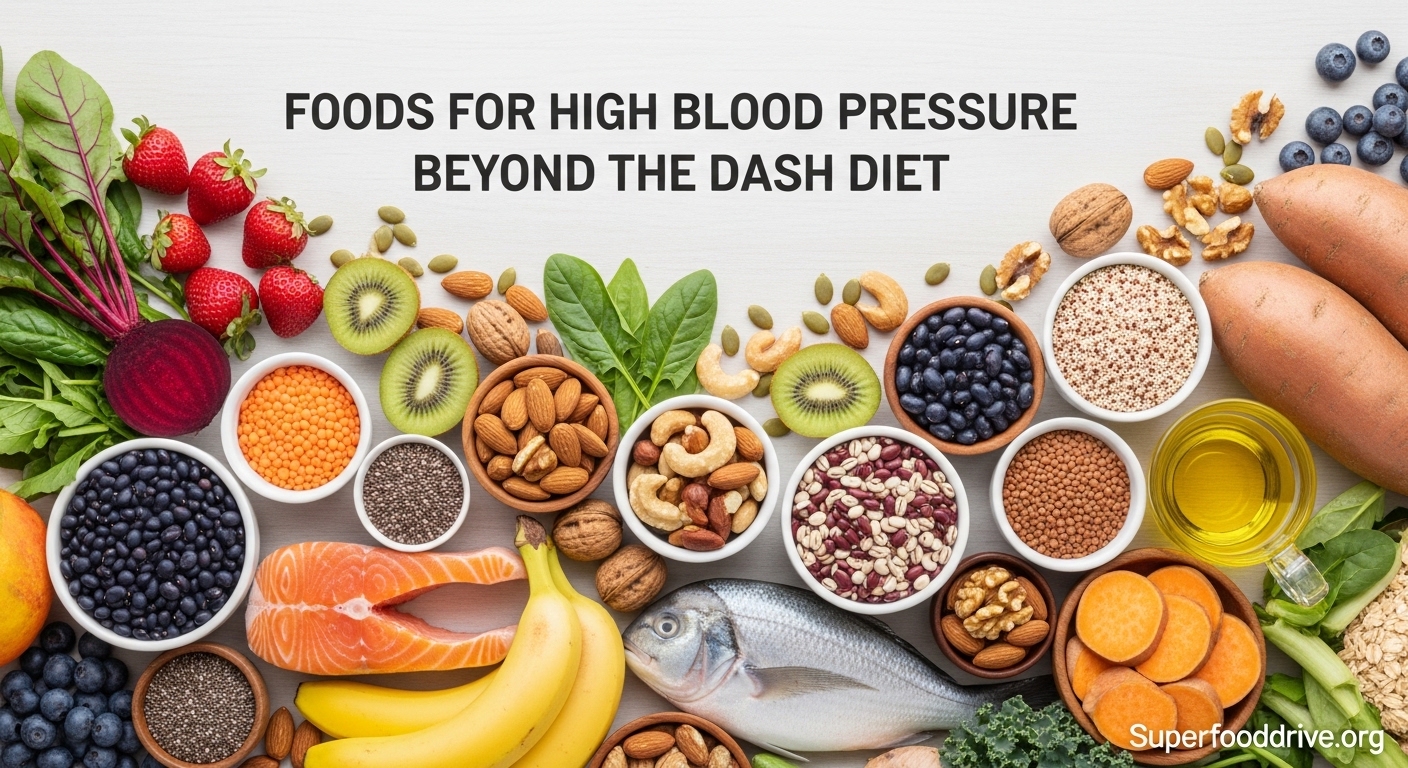
You already know about the DASH diet. It has been the gold standard for managing high blood pressure since the 1990s. But what happens when you want to go further?
Foods for high blood pressure beyond the DASH diet open up a world of complementary strategies that can enhance your heart health journey. While DASH provides an excellent foundation focusing on fruits, vegetables, whole grains, and low-fat dairy, modern nutritional science has revealed additional foods and dietary patterns that can work alongside or even enhance those core principles.
I have spent months reviewing the latest research on blood pressure management through nutrition. The evidence is clear: specific nutrients like potassium, magnesium, nitrates, and omega-3 fatty acids can significantly impact your readings. Some foods can lower systolic pressure by 4-10 mmHg on their own. That is comparable to some medications.
This guide will walk you through the science-backed foods that complement DASH principles. You will discover alternative dietary approaches, practical meal strategies, and important safety considerations that most articles skip. Whether you are newly diagnosed or looking to optimize existing management, these insights will help you take control of your cardiovascular health.
Table of Contents
Understanding High Blood Pressure Basics
High blood pressure, or hypertension, affects nearly half of American adults according to CDC data from 2026. That is approximately 119 million people walking around with a condition that silently damages arteries, hearts, and kidneys.
Your blood pressure reading consists of two numbers. The top number, systolic pressure, measures the force when your heart beats. The bottom number, diastolic pressure, measures force between beats. A reading of 130/80 mmHg or higher indicates hypertension.
The danger lies in the damage you cannot feel. Elevated pressure strains artery walls, promoting plaque buildup and increasing risk of heart attack, stroke, and kidney disease. Diet represents one of the most powerful modifiable factors for controlling these numbers naturally.
Why Go Beyond the DASH Diet
The DASH eating plan works remarkably well. Studies consistently show it can reduce systolic blood pressure by 8-14 mmHg. It emphasizes fruits, vegetables, whole grains, lean proteins, and low-fat dairy while limiting sodium, sweets, and red meat.
However, DASH was developed in the 1990s based on research from that era. Nutritional science has evolved significantly since then. We now understand more about specific bioactive compounds like nitrates in vegetables, anthocyanins in berries, and omega-3 fatty acids in fish.
Going beyond DASH does not mean abandoning it. Instead, we are layering additional evidence-based strategies onto that solid foundation. Think of it as upgrading from a reliable sedan to a high-performance hybrid: the core mechanics remain sound, but you are adding features that enhance efficiency and results.
The Six Key Nutrients for Blood Pressure Control
Modern research identifies six primary nutrient categories that influence blood pressure regulation. Understanding these helps you make smarter food choices beyond basic DASH guidelines.
Potassium: The Sodium Antagonist
Potassium acts as a natural counterbalance to sodium. It helps your kidneys excrete excess sodium through urine, directly reducing blood volume and pressure. Research published in the Journal of the American Heart Association shows that increasing potassium intake by 1,500 mg daily can lower systolic pressure by 4-8 mmHg.
Most adults need 2,600-3,400 mg of potassium daily. Yet average consumption falls short at around 2,500 mg. Focusing on potassium-rich foods represents one of the highest-impact changes you can make.
Magnesium: The Relaxation Mineral
Magnesium helps blood vessels relax and dilate by regulating calcium channels in smooth muscle cells. A meta-analysis of 34 clinical trials found that magnesium supplementation reduced blood pressure by 2-3 mmHg on average. Food sources provide additional benefits through fiber and phytonutrients that supplements cannot replicate.
Adults need 310-420 mg of magnesium daily. Green leafy vegetables, nuts, seeds, and whole grains provide the best sources. Magnesium deficiency is common, affecting up to 50% of Americans by some estimates.
Calcium: Beyond Dairy
Calcium plays a role in blood vessel contraction and relaxation. The DASH diet emphasizes low-fat dairy, but calcium-rich plant foods offer alternatives for those avoiding dairy. Fortified plant milks, leafy greens, and canned fish with bones all contribute.
Research suggests calcium works synergistically with potassium and magnesium. Getting all three from food sources creates a powerful blood-pressure-lowering effect that isolated supplementation cannot match.
Fiber: The Unsung Hero
Dietary fiber, particularly soluble fiber, helps lower blood pressure through multiple mechanisms. It improves insulin sensitivity, supports healthy gut bacteria that produce blood-pressure-lowering compounds, and aids weight management.
A study in the British Medical Journal found that each 7-gram increase in daily fiber intake was associated with a 9% reduction in cardiovascular disease risk. Most adults should aim for 25-38 grams daily.
Omega-3 Fatty Acids: Inflammation Fighters
Omega-3 fatty acids reduce inflammation throughout the body, including in blood vessels. They also improve endothelial function, helping arteries dilate properly. EPA and DHA, found primarily in fatty fish, show the strongest effects.
Meta-analyses indicate that omega-3s can reduce systolic blood pressure by approximately 2-4 mmHg. While modest, this benefit comes alongside broader cardiovascular protection including reduced triglycerides and improved heart rhythm stability.
Nitrates: Nature’s Blood Vessel Dilators
Dietary nitrates convert to nitric oxide in your body, a compound that relaxes and dilates blood vessels. Beetroot juice and leafy greens are particularly rich sources. Studies show beetroot juice can reduce systolic pressure by 4-10 mmHg within hours of consumption.
This is one of the most exciting areas of blood pressure nutrition research. Unlike medications that take weeks to work, nitrate-rich foods can produce measurable improvements within days.
Food Categories That Lower Blood Pressure
Now let us translate those nutrients into specific foods. These categories expand upon DASH principles with modern nutritional insights.
Leafy Greens and Nitrate-Rich Vegetables
Arugula, spinach, kale, Swiss chard, and beet greens top the list for nitrate content. Just one cup of raw spinach provides nearly 300 mg of nitrates. Cooking lightly or eating raw preserves these compounds better than prolonged boiling.
Beyond nitrates, these vegetables deliver potassium, magnesium, folate, and antioxidants. They are virtually calorie-free while being nutrient-dense. I aim for at least two cups of leafy greens daily, rotating varieties to get different phytonutrient profiles.
Beetroot deserves special mention. Whether roasted, juiced, or shredded raw into salads, beets provide concentrated nitrates. Research participants drinking 250 ml of beetroot juice daily saw significant blood pressure reductions within one week.
Citrus Fruits and Bioactive Compounds
Oranges, grapefruit, lemons, and limes provide vitamin C, flavonoids, and potassium. The flavonoid hesperidin, abundant in oranges, has been shown to improve blood vessel function and lower blood pressure.
A 2019 study in the European Journal of Nutrition found that daily orange juice consumption reduced systolic pressure by 5 mmHg compared to control beverages. However, whole fruits are preferable to juice for fiber content and lower glycemic impact.
Important note: Grapefruit interacts with several blood pressure medications including some calcium channel blockers. If you take medication, consult your doctor before adding grapefruit to your routine.
Fatty Fish: Omega-3 Powerhouses
Salmon, mackerel, sardines, herring, and trout provide EPA and DHA omega-3 fatty acids. The American Heart Association recommends two 3.5-ounce servings of fatty fish weekly for cardiovascular health.
Wild-caught salmon generally contains higher omega-3 levels than farmed varieties, though both offer benefits. Canned sardines and mackerel are budget-friendly options that require no cooking. The bones in canned fish also provide calcium.
Fish oil supplements are popular but not equivalent to whole food sources. Fish provides complete protein, selenium, vitamin D, and other nutrients that isolated supplements lack.
Nuts, Seeds, and Healthy Fats
Almonds, walnuts, pistachios, chia seeds, flaxseeds, and pumpkin seeds offer magnesium, potassium, fiber, and healthy fats. Just one ounce of pumpkin seeds contains 150 mg of magnesium, nearly half the daily requirement for many adults.
Walnuts contain unique omega-3 ALA and antioxidants that support vascular health. Pistachios have been specifically studied for blood pressure benefits, with research showing 1-2 daily servings can reduce systolic pressure by 4-5 mmHg.
Portion control matters here. Nuts and seeds are calorie-dense, so stick to 1-2 ounce servings. Raw or dry-roasted varieties without added salt are best for blood pressure management.
Legumes: Plant-Based Protein Excellence
Beans, lentils, chickpeas, and peas provide protein, fiber, potassium, and magnesium without the saturated fat found in many animal proteins. They also have a low glycemic index, supporting stable blood sugar.
A study in the Archives of Internal Medicine found that consuming one cup of beans daily was associated with reduced blood pressure and cardiovascular risk. Canned beans are convenient but choose low-sodium or no-salt-added varieties. Rinsing regular canned beans removes about 40% of the sodium.
Soaking dried beans and cooking them yourself provides the most control over sodium content. It is also more economical, which matters for long-term adherence.
Berries: Antioxidant Superstars
Blueberries, strawberries, raspberries, and blackberries contain anthocyanins, compounds that give them color and provide cardiovascular benefits. These antioxidants help blood vessels dilate and reduce inflammation.
Research from the American Journal of Clinical Nutrition showed that daily blueberry consumption reduced systolic blood pressure by 4-6 mmHg in study participants. Frozen berries are nutritionally equivalent to fresh and often more affordable, especially out of season.
I add berries to morning oatmeal, blend them into smoothies, or simply eat them as snacks. Even a half-cup daily provides meaningful anthocyanin intake.
Whole Grains Beyond Basic Recommendations
While DASH includes whole grains, going beyond means exploring less common options with exceptional nutrient profiles. Quinoa provides complete protein plus magnesium. Oats contain beta-glucan fiber specifically shown to lower blood pressure.
Amaranth and teff, ancient grains from South America and Ethiopia respectively, offer calcium, iron, and magnesium. Buckwheat, despite its name, is gluten-free and rich in rutin, a compound that supports blood vessel health.
Experimenting with these grains adds variety to your diet while delivering blood-pressure-friendly nutrients. They work well in porridges, salads, or as rice substitutes.
Herbs and Spices: Flavor Without Sodium
Garlic deserves recognition as a blood pressure food. Aged garlic extract has been extensively studied, showing 8-10 mmHg reductions in systolic pressure. Fresh garlic likely offers similar benefits.
Turmeric contains curcumin, which reduces inflammation and may improve endothelial function. Cinnamon has shown modest blood pressure benefits in studies, particularly in people with diabetes. Ginger and rosemary also have vasodilatory effects.
Using herbs and spices liberally helps you reduce salt without sacrificing flavor. This is crucial because taste satisfaction determines long-term dietary adherence.
Complementary Dietary Approaches
Beyond individual foods, several dietary patterns can complement or enhance DASH principles. These approaches offer flexibility while maintaining blood pressure benefits.
The Mediterranean Diet as a DASH Companion
The Mediterranean diet shares many elements with DASH but emphasizes olive oil, fish, and moderate wine consumption. It is arguably the most studied dietary pattern for cardiovascular health, with decades of research supporting its benefits.
Key differences from DASH include greater emphasis on monounsaturated fats from olive oil, more fish consumption, and inclusion of moderate alcohol. The diet also prioritizes social eating and physical activity as lifestyle components.
Research suggests combining Mediterranean and DASH elements creates a “hybrid” approach with enhanced benefits. The MIND diet, developed for brain health, essentially does this by blending the two patterns.
Low-Carbohydrate Approaches
Low-carb diets can lower blood pressure, particularly in people with insulin resistance or type 2 diabetes. Reducing carbohydrate intake often leads to rapid water weight loss, which immediately reduces blood volume and pressure.
However, very low-carb diets may restrict fruits, legumes, and whole grains that provide blood-pressure-lowering nutrients. If you choose this approach, emphasize non-starchy vegetables, nuts, seeds, and fatty fish to maintain nutrient intake.
Monitor potassium intake carefully on low-carb diets, as initial fluid loss can deplete this mineral. Avocados, leafy greens, and salmon become especially important food choices.
Intermittent Fasting Considerations
Time-restricted eating and intermittent fasting have gained popularity for weight management and metabolic health. Some studies suggest fasting may lower blood pressure through weight loss and improved insulin sensitivity.
During eating windows, food quality matters even more than usual. Breaking a fast with high-sodium processed foods defeats the purpose. Instead, emphasize the nutrient-dense foods discussed throughout this guide.
People on blood pressure medication should consult their doctor before starting fasting regimens. Medication timing may need adjustment to prevent low blood pressure during fasting periods.
Plant-Based and Flexitarian Options
Fully plant-based diets can effectively manage blood pressure when well-planned. The emphasis on vegetables, fruits, whole grains, and legumes naturally provides blood-pressure-lowering nutrients. The Portfolio Diet, specifically designed for cholesterol reduction, also benefits blood pressure.
Flexitarian approaches, which are mostly plant-based but include occasional animal foods, offer a middle ground. They provide blood pressure benefits while being easier to sustain long-term than strict vegan diets for many people.
Key considerations for plant-based approaches include ensuring adequate omega-3s from algae supplements or flaxseeds, sufficient vitamin B12, and protein variety to get complete amino acid profiles.
Practical Implementation Strategies
Knowing which foods lower blood pressure is only half the battle. Putting that knowledge into daily practice requires planning and smart strategies.
A Sample Day Beyond DASH
Here is how a day of blood-pressure-optimized eating might look. Breakfast could be oatmeal topped with blueberries, walnuts, and ground flaxseed. This delivers fiber, omega-3s, and anthocyanins in one bowl.
Lunch might feature a large salad with arugula, spinach, beets, chickpeas, salmon, and olive oil dressing. You are getting nitrates, omega-3s, plant protein, and healthy fats together.
Dinner could include grilled mackerel with quinoa and roasted broccoli seasoned with garlic and turmeric. A small square of dark chocolate makes a fitting dessert, providing flavanols that support blood vessel function.
Food Preparation Tips for Nutrient Retention
How you cook matters almost as much as what you cook. Steaming vegetables preserves more water-soluble vitamins than boiling. Roasting concentrates flavors while maintaining most nutrients.
For nitrate-rich vegetables like beets and spinach, avoid prolonged boiling which leaches nitrates into cooking water. Quick steaming or eating raw preserves these blood-vessel-dilating compounds.
Soaking and sprouting legumes and grains increases nutrient availability and reduces cooking time. Pressure cooking preserves more nutrients than long stovetop simmering.
Budget-Friendly Blood Pressure Foods
Eating for blood pressure health does not require expensive superfoods. Canned sardines cost less than fresh salmon while providing similar omega-3 benefits. Frozen berries are often half the price of fresh with identical nutrition.
Dried beans and lentils cost pennies per serving and deliver exceptional nutrient density. Seasonal vegetables from farmers markets often beat grocery store prices while being fresher.
Growing herbs in windowsill pots provides fresh flavor at minimal cost. Basil, parsley, and cilantro all contain compounds that support cardiovascular health.
Reading Labels and Spotting Hidden Sodium
Restaurant meals and processed foods contribute over 70% of sodium in the typical American diet. Learning to identify hidden sodium helps you make better choices.
Watch for terms like “cured,” “smoked,” “pickled,” “brined,” or “broth” on labels, which indicate high sodium content. Sodium benzoate, sodium nitrite, and monosodium glutamate are sodium-containing additives.
Restaurant soups, sandwiches, and pasta dishes often contain a full day is sodium allowance in a single serving. Ask for dressings and sauces on the side, choose grilled over fried options, and request no added salt.
Foods and Habits to Limit or Avoid
Just as certain foods help lower blood pressure, others raise it. Knowing what to avoid is equally important for managing hypertension.
High-sodium processed foods top the list. Deli meats, canned soups, frozen dinners, and snack foods often contain shocking sodium levels. A single frozen pizza can deliver 2,000 mg of sodium, nearly your entire daily limit.
Excessive alcohol raises blood pressure and interferes with medication effectiveness. If you drink, limit intake to one drink daily for women and two for men. Red wine in moderation may offer cardiovascular benefits, but more is not better.
Sugar-sweetened beverages contribute to weight gain and metabolic dysfunction, both of which worsen blood pressure. The fructose in these drinks may also directly impact blood vessel function. Water, unsweetened tea, and coffee in moderation are better choices.
Caffeine causes temporary blood pressure spikes in some people. If you are sensitive, limit coffee to morning hours and monitor your response. Decaffeinated options provide flavor without the acute pressor effect.
Safety Considerations and When to Seek Help
Diet is powerful but not a replacement for medical care. Understanding when to involve your healthcare team ensures safe, effective blood pressure management.
Food-Drug Interactions to Know
Several foods interact with common blood pressure medications. Grapefruit juice inhibits enzymes that metabolize certain calcium channel blockers, potentially causing dangerous blood pressure drops.
High-potassium foods can be problematic for people taking ACE inhibitors or potassium-sparing diuretics. While potassium generally helps blood pressure, medication combinations can cause dangerous elevation of blood potassium levels.
Vitamin K-rich foods like leafy greens can interfere with warfarin, a blood thinner sometimes prescribed alongside blood pressure medications. Consistency in intake matters more than avoidance.
Always inform your doctor about dietary changes, especially when starting new medications. They can adjust doses or timing to accommodate your eating patterns safely.
When Diet Alone Is Not Enough
If your blood pressure remains above 140/90 mmHg despite dietary changes and lifestyle modifications, medication may be necessary. This is not a failure on your part. Hypertension often involves genetic factors beyond dietary control.
Never stop taking prescribed blood pressure medication without medical supervision. Sudden discontinuation can cause rebound hypertension, potentially triggering dangerous spikes.
Seek immediate medical attention for readings above 180/120 mmHg, which indicate hypertensive crisis. Symptoms like chest pain, severe headache, or vision changes accompanying high readings require emergency care.
Frequently Asked Questions
What is the number one food that lowers blood pressure?
While no single food works miracles, beetroot consistently shows the strongest immediate effects due to its high nitrate content. Studies demonstrate that beetroot juice can reduce systolic blood pressure by 4-10 mmHg within hours. For long-term management, leafy greens like spinach and kale provide sustained benefits through nitrates, potassium, and magnesium.
Can I combine DASH with other diets?
Yes, combining DASH with Mediterranean diet principles creates a powerful hybrid approach. Both emphasize vegetables, fruits, whole grains, and lean proteins while limiting processed foods. The Mediterranean addition brings extra olive oil, fish, and herbs that complement DASH foundations. Many nutrition experts now recommend this blended approach for optimal cardiovascular health.
How quickly can diet changes affect blood pressure?
Some effects appear within days. Nitrate-rich foods like beets can lower blood pressure measurably within 24 hours. Sodium reduction typically shows results within 1-2 weeks as fluid balance normalizes. Weight loss from dietary improvements contributes to blood pressure reductions over weeks to months. For significant sustained changes, allow 3-6 months of consistent dietary improvements.
Are supplements as effective as food sources?
Food sources generally outperform supplements for blood pressure management. Whole foods provide fiber, phytonutrients, and synergistic nutrient combinations that isolated supplements cannot replicate. However, omega-3 supplements can be beneficial if you do not eat fish regularly. Consult your doctor before taking potassium or magnesium supplements, as these can interact with medications or cause imbalances.
What three foods do cardiologists say to avoid?
Cardiologists universally recommend limiting processed meats like bacon, sausage, and deli meats due to sodium and preservatives. Trans fats found in partially hydrogenated oils and many baked goods damage arteries and raise blood pressure. Sugar-sweetened beverages contribute to weight gain and metabolic dysfunction that worsens hypertension. Beyond these, excessive sodium from any source and heavy alcohol consumption top the list of blood-pressure-raising habits to avoid.
Conclusion: Your Path Beyond DASH
Foods for high blood pressure beyond the DASH diet offer powerful tools for taking control of your cardiovascular health. The DASH diet provides an excellent foundation, but modern nutritional science reveals additional strategies that can enhance your results.
Focus on incorporating nitrate-rich vegetables like beets and leafy greens. Emphasize potassium from whole food sources rather than supplements. Add omega-3 rich fish twice weekly and make nuts, seeds, and berries regular parts of your routine. Consider how complementary approaches like the Mediterranean diet can layer additional benefits onto DASH principles.
Remember that sustainable change beats perfect adherence. Start by adding one or two blood-pressure-friendly foods to your daily routine. Gradually reduce sodium by cooking more meals at home. Monitor your blood pressure to see how these changes affect your numbers.
Work with your healthcare team to ensure dietary changes complement any medications you take. With the right combination of evidence-based nutrition and medical guidance, you can achieve meaningful improvements in your blood pressure and overall health in 2026 and beyond.