
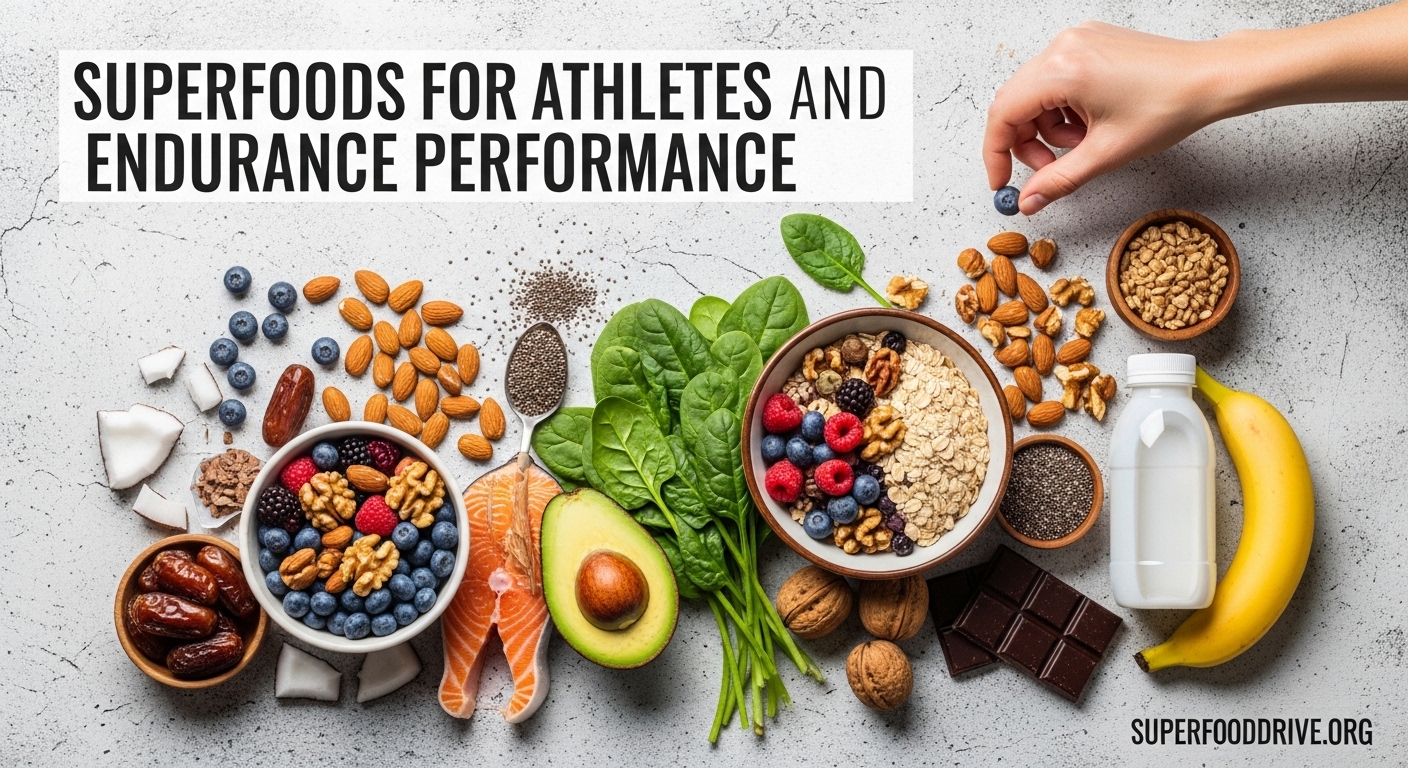
As we age, our bodies undergo changes that make proper nutrition more important than ever. After 50, metabolism slows, muscle mass naturally declines, and our bodies become less efficient at absorbing certain nutrients. This is where superfoods for seniors and healthy aging become essential tools for maintaining vitality and preventing chronic disease.
In this guide, I will share the most nutrient-dense foods that can help older adults maintain energy, support brain function, strengthen bones, and enjoy a higher quality of life. These are not exotic or expensive items. They are everyday foods backed by science that can make a real difference in how you feel.
Table of Contents
What Are Superfoods and Why Do Seniors Need Them?
Superfoods are whole, minimally processed foods that deliver exceptional nutritional value relative to their calorie content. They are packed with vitamins, minerals, antioxidants, phytochemicals, and other compounds that support optimal health.
What makes superfoods particularly important for seniors is how nutritional needs shift with age. Adults over 65 require more protein to maintain muscle mass, increased calcium and vitamin D for bone health, and higher levels of B vitamins for cognitive function. At the same time, calorie needs often decrease, making every bite count more than ever.
The key nutrients seniors should focus on include omega-3 fatty acids for heart and brain health, antioxidants to fight cellular damage, fiber for digestive health, and adequate protein to prevent sarcopenia (age-related muscle loss). By incorporating superfoods into daily meals, older adults can address these changing needs naturally through whole foods rather than relying solely on supplements.
Superfoods for Seniors and Healthy Aging
Here are the top nutrient-dense foods that should be part of every senior’s diet. Each offers unique benefits that address the specific health challenges that come with aging.
Dark Leafy Greens
Kale, spinach, collard greens, and Swiss chard are nutritional powerhouses that deserve a daily place on your plate. These vegetables are exceptionally rich in vitamin K, which plays a critical role in bone metabolism and helps prevent osteoporosis.
One cup of cooked spinach provides over 800% of the daily recommended vitamin K intake. Leafy greens also deliver significant amounts of folate, vitamin A, and carotenoids that support eye health and cognitive function. Studies have shown that older adults who consume leafy greens daily experience slower rates of cognitive decline compared to those who rarely eat them.
For seniors with dental issues or chewing difficulties, leafy greens can be easily prepared in soft forms. Try adding them to smoothies, soups, or sauteeing until very tender. Frozen greens are equally nutritious and often more affordable than fresh.
Berries
Blueberries, strawberries, raspberries, and blackberries are among the best brain-boosting foods available. Their deep colors signal high concentrations of anthocyanins, powerful antioxidants that cross the blood-brain barrier and protect neural tissue from oxidative stress.
Research published in the Annals of Neurology found that women who consumed berries more frequently showed slower rates of cognitive aging, with delays in memory decline equivalent to up to 2.5 years. Berries are also relatively low in sugar compared to other fruits, making them suitable for seniors managing blood glucose levels.
Fresh berries can be expensive year-round, but frozen berries offer the same nutritional benefits at a fraction of the cost. Add them to oatmeal, yogurt, or simply thaw for a soft, easy-to-eat snack that requires no chewing effort.
Fatty Fish
Salmon, mackerel, sardines, and herring are exceptional sources of omega-3 fatty acids, particularly EPA and DHA. These essential fats cannot be produced by the body and must come from diet. For seniors, they offer particular benefits for heart health, reducing inflammation, and maintaining cognitive function.
The protein content in fatty fish is equally important. Adults over 60 need more protein than younger adults to counteract the natural muscle loss that occurs with aging. A 3-ounce serving of salmon provides about 22 grams of high-quality protein along with bone-supporting vitamin D.
Canned sardines and salmon are budget-friendly options that require no cooking. Choose wild-caught fish when possible, and aim for at least two servings per week to meet omega-3 recommendations.
Nuts and Seeds
Almonds, walnuts, pumpkin seeds, flaxseeds, and chia seeds deliver concentrated nutrition in small packages. They provide healthy monounsaturated and polyunsaturated fats, magnesium for muscle and nerve function, and vitamin E, which supports immune health and skin integrity.
Walnuts deserve special mention for their high omega-3 content in plant form (ALA), while pumpkin seeds offer impressive zinc levels that support immune function and wound healing. Just one ounce of almonds provides 6 grams of protein and 3.5 grams of fiber.
For seniors who struggle with chewing whole nuts, nut butters provide the same benefits in a softer form. Look for natural varieties without added sugars or oils. Seeds can be ground and added to smoothies, oatmeal, or yogurt for easier consumption.
Eggs
Eggs are one of the most complete and affordable protein sources available. They contain all nine essential amino acids in the perfect ratios for human nutrition. For seniors, eggs offer particular benefits through their choline content, a nutrient critical for memory and cognitive function that many older adults do not get enough of.
One large egg provides 6 grams of protein, 147 mg of choline, and significant amounts of vitamins B12 and D. Despite past concerns about cholesterol, current research shows that dietary cholesterol has minimal impact on blood cholesterol levels for most people.
Eggs are incredibly versatile and easy to prepare. Soft-scrambled or poached eggs are ideal for those with chewing difficulties. At roughly 20 cents per egg, they are one of the most budget-friendly superfoods available.
Greek Yogurt
Greek yogurt stands out from regular yogurt through its straining process, which removes whey and concentrates the protein content. A single cup typically provides 15-20 grams of protein compared to 8-10 grams in regular yogurt.
As a fermented food, Greek yogurt contains probiotics that support gut health and digestion, which becomes increasingly important as we age. It is also an excellent source of calcium for bone strength and vitamin B12, which many seniors have difficulty absorbing from other sources.
Choose plain varieties to avoid added sugars. Greek yogurt can be softened further by stirring or blending if needed. For those with lactose sensitivity, many brands now offer lactose-free versions that maintain the probiotic benefits.
Beans and Legumes
Lentils, chickpeas, black beans, and kidney beans are nutritional workhorses that provide plant-based protein, fiber, and complex carbohydrates. Their high fiber content supports digestive health and helps manage blood sugar levels, making them particularly valuable for seniors with diabetes or prediabetes.
One cup of cooked lentils provides 18 grams of protein and 15 grams of fiber, along with folate, iron, and potassium. Unlike meat, beans contain no cholesterol and are extremely low in fat. They also offer an affordable protein source, with dried beans costing pennies per serving.
Canned beans are perfectly nutritious and much more convenient. Rinse them to reduce sodium content. For easier eating, beans can be mashed into spreads like hummus or added to soups where they soften further during cooking.
Avocados
Avocados provide a unique nutritional profile among fruits. They are rich in monounsaturated fats that support heart health by improving cholesterol levels. They also contain more potassium than bananas, which helps regulate blood pressure.
The soft, creamy texture of avocados makes them ideal for seniors with dental issues or difficulty swallowing. One avocado provides about 4 grams of protein, 10 grams of fiber, and significant amounts of vitamins C, K, and folate.
Avocados can be spread on toast, mashed into guacamole, blended into smoothies, or eaten plain with a sprinkle of salt. Their natural richness helps increase calorie intake for seniors struggling with appetite loss or unintentional weight loss.
Practical Tips for Adding Superfoods to Your Diet
Knowing which foods are healthy is only half the battle. Here are practical strategies for incorporating these superfoods into daily meals, especially if you face budget constraints, limited mobility, or physical challenges.
Budget-Friendly Shopping Strategies
Eating healthy does not have to break the bank. Frozen fruits and vegetables are often more affordable than fresh and retain their nutritional value for months. Canned fish like sardines and salmon provide the same omega-3 benefits as fresh at a fraction of the cost.
Buy nuts and seeds in bulk when possible, or choose store brands over name brands. Eggs remain one of the cheapest protein sources available. Dried beans cost significantly less than canned and can be prepared in batches and frozen for convenience.
Seasonal shopping also helps. Berries are cheapest in summer, squash in fall. Many farmers markets offer discounts to seniors, and some accept SNAP benefits for fresh produce.
Meal Preparation for Limited Mobility
For seniors with limited mobility or energy, preparation methods matter. A slow cooker or Instant Pot can transform dried beans and tough cuts of fish into tender, ready-to-eat meals with minimal effort. Batch cooking on good days provides ready meals for a full week.
Pre-cut frozen vegetables eliminate chopping. Individual Greek yogurt cups require zero preparation. Nut butters spread easily without chewing. Soft fruits like ripe berries and bananas can be mashed with a fork.
Consider meal delivery services if shopping is difficult, or ask family members to help with bulk preparation when they visit.
Important Medication Interactions
Some superfoods can interact with common medications. If you take blood thinners like warfarin, be consistent with your vitamin K intake from leafy greens rather than avoiding them entirely. Sudden increases or decreases can affect medication effectiveness.
Grapefruit and grapefruit juice can interact with statins and blood pressure medications. High-fiber foods like beans can affect the absorption of some medications if taken too close together.
Always discuss dietary changes with your healthcare provider, especially if you take multiple medications. Your doctor or pharmacist can advise on timing meals and medications appropriately.
Soft Food Preparation Methods
Dental issues or swallowing difficulties should not prevent you from getting superfood nutrition. Most superfoods can be modified for easier eating. Leafy greens blend into smoothies. Fish flakes apart easily when cooked. Beans mash into spreads. Berries soften when thawed or cooked.
Soaking nuts in water overnight softens them for easier chewing. Adding Greek yogurt to smoothies creates a creamy, easy-to-swallow drink packed with protein and probiotics. Avocados require no chewing at all in their natural state.
If chewing is painful, focus on naturally soft superfoods and preparation methods that minimize texture challenges while maximizing nutrition.
FAQ
What are the 7 healthiest foods for seniors?
The 7 healthiest foods for seniors are dark leafy greens (spinach, kale), berries (blueberries, strawberries), fatty fish (salmon, sardines), nuts and seeds (walnuts, almonds), eggs, Greek yogurt, and beans or legumes. These foods provide essential nutrients including omega-3 fatty acids, antioxidants, protein, calcium, and fiber that address age-related nutritional needs.
What are 5 foods seniors should eat every day?
Seniors should aim to eat berries, leafy greens, eggs or another protein source, Greek yogurt or dairy for calcium, and nuts or seeds daily. These five food groups cover the most critical nutritional bases: antioxidants for brain health, protein for muscle maintenance, calcium for bone strength, and healthy fats for heart health.
Can superfoods replace vitamin supplements?
Superfoods provide nutrients in their natural form with better bioavailability than most supplements. However, some seniors may still need supplements for vitamin D, B12, or calcium depending on individual absorption issues or medication interactions. Whole foods should be the foundation, with supplements filling specific gaps as recommended by your healthcare provider.
Are frozen superfoods as nutritious as fresh?
Frozen superfoods are equally nutritious and sometimes more so than fresh options. They are typically frozen at peak ripeness, preserving their vitamin and antioxidant content. Frozen berries, spinach, and fish retain their nutritional value for months and are often more affordable and convenient than fresh alternatives.
What are easy-to-eat superfoods for seniors with dental issues?
Seniors with chewing difficulties can enjoy Greek yogurt, ripe avocados, mashed beans, scrambled or soft-boiled eggs, smoothies with leafy greens and berries, canned salmon, and nut butters. These foods provide complete nutrition without requiring significant chewing effort.
Conclusion
Superfoods for seniors and healthy aging are not about following complicated diet trends or spending a fortune on exotic ingredients. They are about making smart choices with everyday foods that deliver maximum nutrition for every bite.
Start by adding just one or two of these superfoods to your daily routine. Perhaps begin with eggs at breakfast, a handful of berries as a snack, or canned salmon for dinner. Small, consistent changes accumulate into significant health benefits over time.
Remember that nutrition is personal. What works for one senior may not work for another. Consult with your healthcare provider about your specific needs, especially regarding medication interactions. With the right approach to superfoods, you can support your health, maintain your independence, and enjoy the energy to live life fully at any age.