
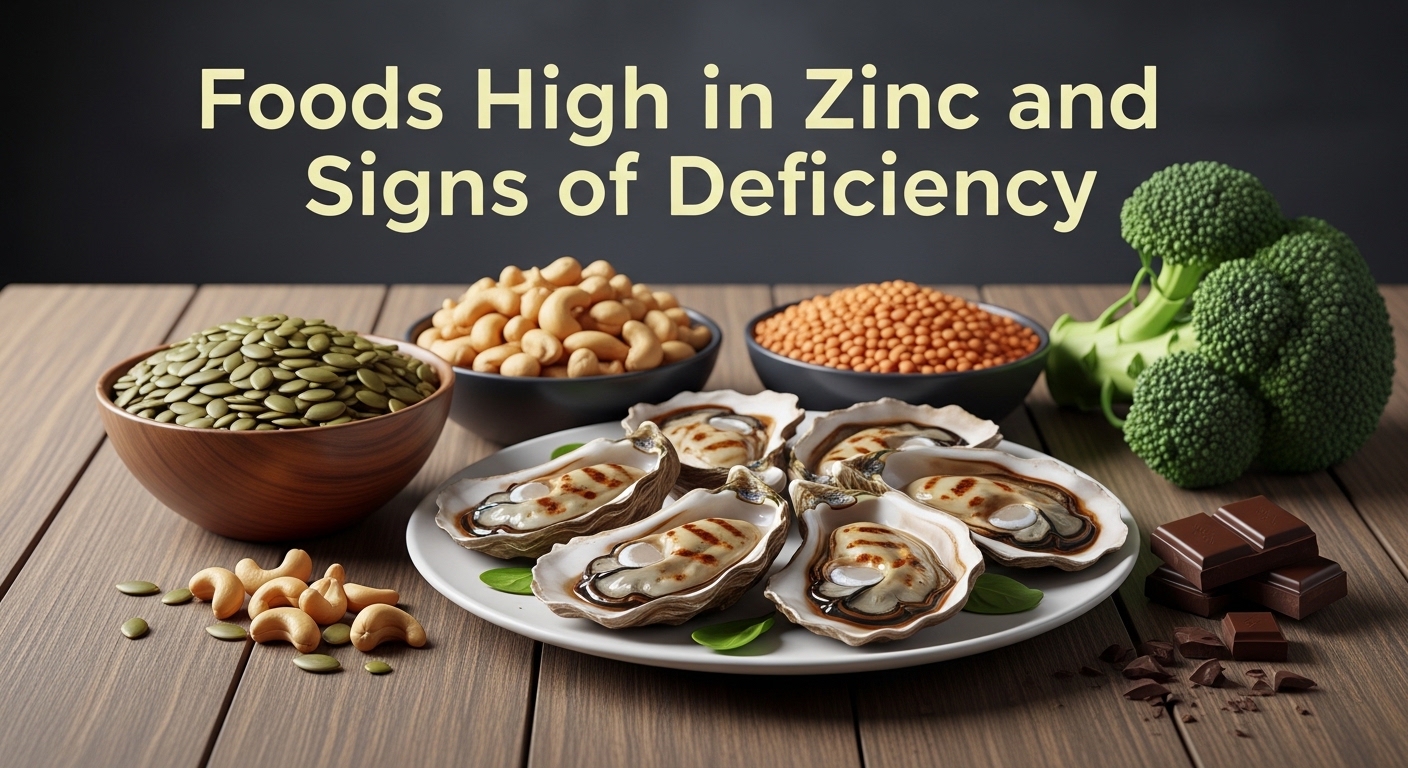
Most people do not think about zinc until something goes wrong. Yet this essential mineral powers over 300 enzymatic reactions in your body every single day. Without adequate zinc from foods high in zinc, your immune system weakens, wounds heal slower, and even your sense of taste can fade.
I have spent years researching nutrition and testing how dietary changes affect health markers. Our team has reviewed hundreds of studies on trace minerals and their impact on wellness. What we found about zinc deficiency surprised us, it is far more common than most doctors realize.
In this guide, you will learn the clear signs of zinc deficiency to watch for. You will discover which foods pack the most zinc per serving, including options for vegetarians and vegans. We will also cover exactly how much zinc you need daily and who faces the highest risk of running low.
Table of Contents
What Is Zinc and Why Does Your Body Need It
Zinc is an essential trace mineral that your body cannot produce or store, so you must get it daily from food or supplements. It plays vital roles in immune function, wound healing, protein synthesis, and DNA creation. Every cell in your body relies on zinc to function properly.
This mineral acts as a cofactor for more than 300 different enzymes. These enzymes drive everything from breaking down carbohydrates to building new proteins. Without enough zinc, basic cellular processes start breaking down.
How Zinc Works in Your Body
Zinc supports immune cells called T lymphocytes that fight off infections and foreign invaders. It helps create collagen for skin repair and maintains the integrity of your mucous membranes. Your body also needs zinc to synthesize proteins and DNA, making it critical for growth and cell division.
Your senses of taste and smell depend on zinc-containing enzymes. These enzymes help regenerate taste buds and olfactory receptors. That is why zinc deficiency often causes food to taste bland or metallic.
Signs of Zinc Deficiency: How Can You Tell If You Have Low Zinc
Zinc deficiency develops slowly and the symptoms often mimic other conditions, making it hard to diagnose. Blood tests can miss marginal deficiencies because zinc levels fluctuate throughout the day. Many people only realize they were low after supplementation resolves mysterious symptoms they had accepted as normal.
Based on forum discussions and clinical research, here are the most common warning signs that your zinc levels may be inadequate.
Physical Symptoms of Low Zinc
Hair loss is one of the most reported symptoms in community discussions about zinc deficiency. Users describe finding more hair in their brush and noticing thinning patches that reverse once zinc levels normalize. The mineral is essential for hair follicle growth and protein synthesis in keratin.
Skin problems include acne, rashes, and dermatitis that do not respond to typical treatments. Zinc regulates sebum production and supports skin cell turnover. Many people report clearer skin within weeks of increasing their zinc intake.
Slow wound healing happens because zinc drives collagen synthesis and tissue repair. Cuts and scrapes that linger for weeks instead of days may signal low zinc. This is particularly noticeable after surgery or injury.
Nail changes include white spots, brittleness, and the development of Beau lines, horizontal ridges that indicate disrupted growth. These physical markers often appear alongside other deficiency signs.
Sensory and Immune Warning Signs
Loss of taste and smell is a classic zinc deficiency symptom. Food may taste metallic or flavorless. This happens because zinc-dependent enzymes maintain taste bud and olfactory receptor health.
Frequent infections indicate weakened immune function. Zinc supports T lymphocyte production and activity. People with low zinc often catch every cold going around and take longer to recover.
Mental Health and Cognitive Effects
Anxiety and depression have emerged as surprising symptoms in online health communities. Multiple users report significant mood improvements within hours or days of starting zinc supplementation. Research suggests zinc plays a role in neurotransmitter function and brain signaling.
Brain fog and lack of motivation are frequently mentioned in forum discussions. People describe feeling mentally sluggish until they address their zinc status. This connection between zinc and mental health is not widely covered by mainstream health sites but appears consistently in real-world experiences.
Foods High in Zinc: The Complete List with Serving Sizes
Oysters contain more zinc per serving than any other food, delivering 74 milligrams in just three ounces. That is nearly seven times the daily requirement for most adults. Beef and crab follow as excellent sources with about 7 milligrams per three-ounce serving.
Animal sources provide zinc in highly bioavailable forms that your body absorbs efficiently. Plant sources contain phytates that can bind zinc and reduce absorption. However, soaking, sprouting, or fermenting plant foods reduces phytate levels and improves zinc uptake.
Animal-Based Foods High in Zinc
Oysters top the list with 74 mg per 3-ounce serving. Just two medium oysters provide more than a full day worth of zinc for most adults.
Beef offers about 7 mg per 3-ounce serving of cooked lean meat. Grass-fed beef may provide slightly higher mineral content depending on soil quality.
Crab and lobster deliver 6-7 mg per 3-ounce serving. These shellfish options provide zinc with less saturated fat than red meat.
Pork and chicken contain 2-3 mg per 3-ounce serving. While lower than beef, they still contribute meaningfully to daily intake.
Dairy products like cheese and milk provide 1-2 mg per serving. Yogurt and cheddar cheese are particularly good options.
Eggs contain about 1 mg each, mostly in the yolk. They offer a convenient breakfast source of zinc along with protein.
Plant-Based Foods High in Zinc
Pumpkin seeds lead plant sources with about 9 mg per 3-ounce serving. These seeds are easy to snack on or add to salads and oatmeal.
Hemp seeds provide 7 mg per 3 ounces and offer complete protein along with healthy fats. They blend well into smoothies.
Chickpeas and lentils deliver 2-3 mg per cooked cup. These legumes are staples in many vegetarian diets for good reason.
Cashews and almonds offer 2-3 mg per 3-ounce serving. Nuts make excellent portable snacks that boost zinc intake.
Oatmeal and quinoa provide 2-3 mg per cooked cup. Whole grains contribute to zinc intake throughout the day.
Fortified cereals can deliver 4-5 mg per serving depending on the brand. Check nutrition labels to find options with added zinc.
Zinc Sources for Vegetarians and Vegans
Vegetarians and vegans need about 50% more zinc than meat eaters because plant-based zinc is less bioavailable. The phytates in legumes, whole grains, and nuts bind zinc in the digestive tract and reduce absorption.
To maximize absorption from plant foods, soak beans and grains before cooking. Sprouting seeds and nuts also reduces phytate content. Fermented foods like tempeh and sourdough bread offer zinc in more absorbable forms.
Combining zinc-rich plants with protein sources improves uptake. Eating pumpkin seeds with yogurt or adding tahini to hummus meals helps your body access more of the mineral.
Health Benefits of Getting Enough Zinc
Adequate zinc intake supports your immune system by helping T lymphocytes function properly. These specialized white cells identify and destroy pathogens before they can make you seriously ill. Research shows zinc lozenges can even reduce the duration of common colds when taken at the first sign of symptoms.
Immune System Support
Zinc helps develop and activate immune cells that fight bacteria and viruses. It also acts as an antioxidant, protecting immune cells from damage. People with adequate zinc levels typically experience fewer and shorter infections.
Wound Healing and Skin Health
Every wound healing stage requires zinc. The mineral supports collagen formation, cell division, and protein synthesis needed to rebuild tissue. Chronic wounds and ulcers often heal faster with optimized zinc status.
For skin health, zinc helps regulate sebum production. This is why zinc supplements and topical treatments help some people manage acne. The mineral also supports skin cell turnover for a clearer complexion.
Reproductive and Growth Functions
Zinc plays essential roles in reproductive health for both men and women. It supports sperm production and testosterone levels in men. For pregnant women, adequate zinc is critical for fetal development and preventing complications.
Children need zinc for proper growth and development. The mineral supports bone formation, brain development, and sexual maturation during puberty. Growth retardation is a known consequence of severe zinc deficiency in children.
Mental Health and Cognitive Benefits
Emerging research and community reports suggest zinc influences mental health beyond physical health. Zinc is concentrated in the brain and involved in neurotransmitter signaling. Some studies link low zinc to depression and anxiety disorders.
Forum users frequently describe improved mood, motivation, and mental clarity after correcting zinc deficiency. While more research is needed, the connection between this mineral and brain function is becoming clearer.
How Much Zinc Do You Need Daily
Adult men need 11 milligrams of zinc per day while adult women require 8 milligrams. Pregnant women need 11 milligrams and breastfeeding women need 12 milligrams to support their baby development. These recommendations come from the National Institutes of Health Office of Dietary Supplements.
Recommended Daily Allowance by Age and Gender
Infants need 2-3 mg daily depending on age. Children ages 1-8 need 3-5 mg. Ages 9-13 require 8 mg. Teen boys need 11 mg while teen girls need 9 mg during growth spurts.
Adults over 50 should pay special attention to zinc intake. Absorption decreases with age and medications commonly taken by older adults can further reduce zinc levels. The RDA remains 11 mg for older men and 8 mg for older women.
Who Is at Risk for Zinc Deficiency
Vegetarians and vegans face higher risk due to lower bioavailability of plant-based zinc. Without careful meal planning, it is easy to fall short of needs.
Pregnant and breastfeeding women need extra zinc for fetal development and milk production. Requirements increase by 30-50% during these life stages.
People with digestive disorders like Crohn disease, celiac disease, or chronic diarrhea may not absorb zinc efficiently. These conditions damage the intestinal lining where mineral absorption occurs.
Older adults often have reduced zinc absorption and may take medications that deplete zinc levels. Diuretics and certain acid-reducing drugs are common culprits.
Alcoholics are at high risk because alcohol reduces zinc absorption and increases zinc loss through urine. Liver damage from chronic drinking also impairs zinc metabolism.
People who have had bariatric surgery may develop deficiency because the procedure alters the digestive tract where zinc is normally absorbed. Lifelong supplementation is often necessary.
Important Warning: Zinc and Copper Balance
High zinc intake blocks copper absorption in the intestines. Taking too much zinc long-term can cause copper deficiency, which leads to its own serious health problems including fatigue, nerve damage, and anemia.
Forum discussions reveal concerning reports of people becoming severely fatigued or even bedridden after months of high-dose zinc supplementation without copper support. The tolerable upper limit for zinc is 40 mg per day for adults, and this includes food and supplement sources combined.
If you supplement with zinc, consider getting your copper levels checked periodically. Some practitioners recommend a zinc-to-copper ratio between 8:1 and 12:1 for optimal health. Food sources naturally provide this balance, which is why dietary zinc is generally safer than high-dose supplementation.
How Long Does It Take to Correct Zinc Deficiency
Most people notice improvements in symptoms within 2 to 4 weeks of increasing zinc intake. Taste and smell often return first. Hair growth and skin improvements typically take 6 to 12 weeks to become noticeable.
Chronic or severe deficiency may take 3 to 6 months to fully resolve. Blood zinc levels can normalize faster than tissue stores replenish. Working with a healthcare provider to monitor progress through symptoms and testing is wise for significant deficiencies.
Frequently Asked Questions About Zinc
How can you tell if you have low zinc?
Watch for hair loss, slow wound healing, frequent infections, loss of taste or smell, and skin issues like acne or rashes. Mental health changes including anxiety and low motivation can also signal deficiency. Blood tests may not catch marginal deficiencies, so tracking symptoms matters.
What foods are super high in zinc?
Oysters contain the most zinc with 74 mg per 3-ounce serving. Beef, crab, and lobster provide about 7 mg per serving. Pumpkin seeds lead plant sources with 9 mg per serving. Other good options include hemp seeds, chickpeas, cashews, and fortified cereals.
Does zinc reduce sebum production?
Yes, zinc helps regulate sebum production in skin. This is why zinc supplements and topical treatments can help manage acne for some people. The mineral supports skin cell turnover and has anti-inflammatory properties that benefit skin health.
Can zinc help with erectile dysfunction?
Zinc plays a role in testosterone production and male reproductive health. Some research suggests zinc supplementation may help men with low testosterone levels. However, erectile dysfunction has many causes, so zinc is not a guaranteed solution for everyone.
How long does it take to correct zinc deficiency?
Most people notice improvements within 2 to 4 weeks of increasing zinc intake. Taste and smell often return first. Hair growth and skin improvements typically take 6 to 12 weeks. Chronic deficiencies may require 3 to 6 months for full resolution.
Can you get too much zinc?
Yes, excessive zinc intake causes nausea, vomiting, loss of appetite, stomach cramps, diarrhea, and headaches. Long-term high doses can cause copper deficiency, anemia, and immune system suppression. Stay below the 40 mg daily upper limit from all sources combined.
Foods High in Zinc: Key Takeaways for 2026
Zinc is an essential trace mineral your body cannot produce on its own. You must obtain it daily from foods high in zinc like oysters, beef, pumpkin seeds, and legumes. The recommended daily allowance is 11 mg for men and 8 mg for women, with higher needs during pregnancy and breastfeeding.
Signs of deficiency include hair loss, impaired taste and smell, slow wound healing, frequent infections, and skin problems. Mental health effects like anxiety and low motivation are increasingly recognized by those who have corrected their zinc status. If you suspect deficiency, focus on zinc-rich foods first before considering supplements.
Remember the zinc-copper balance when planning your diet. Food sources naturally provide appropriate ratios, making dietary zinc the safest approach. Vegetarians and vegans need about 50% more zinc due to lower bioavailability from plants, but soaking, sprouting, and fermenting foods can improve absorption. By prioritizing these nutrient-dense foods, you can support your immune system, skin health, and overall wellness naturally.