
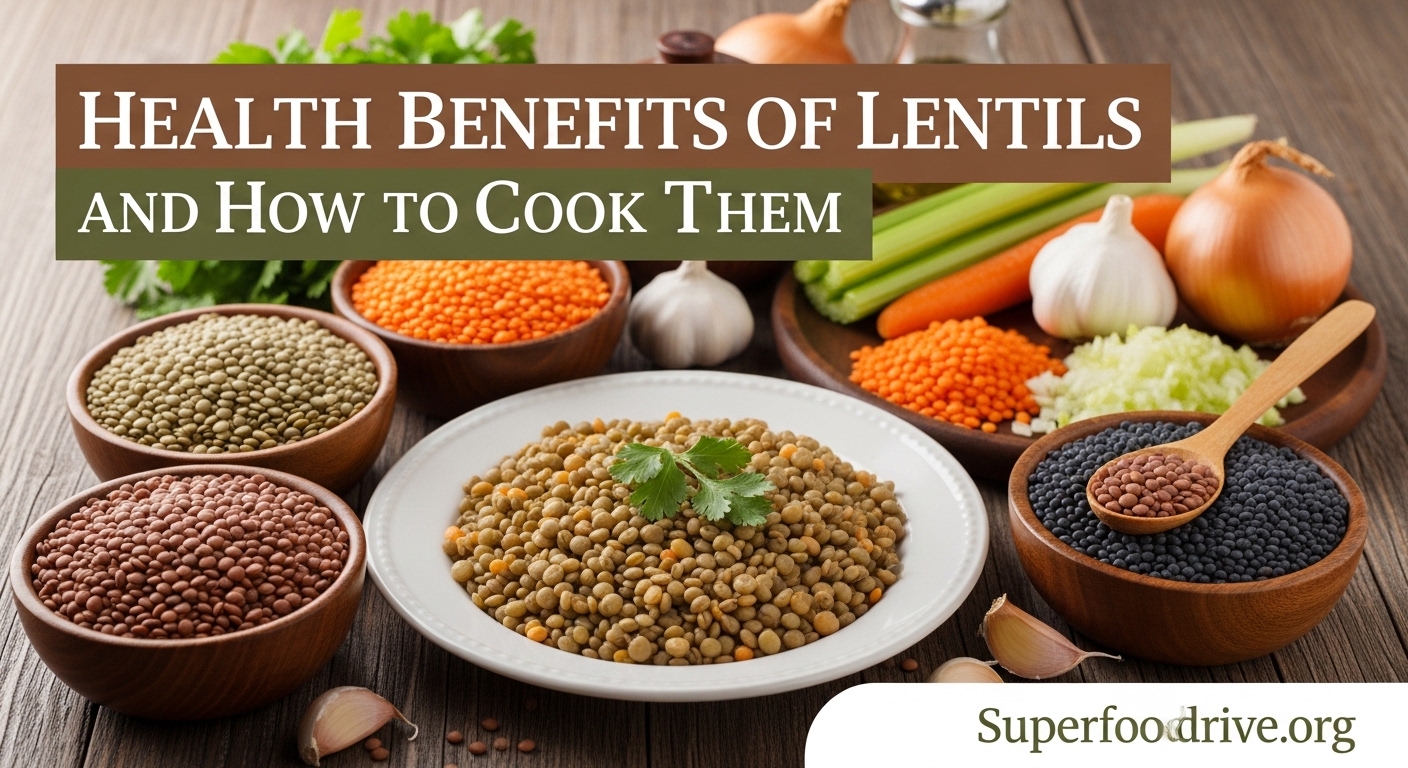
Lentils are edible seeds from the legume family that pack an impressive nutritional punch into a tiny package. One cup of cooked lentils delivers 15.6 grams of fiber and 17.9 grams of protein while costing just pennies per serving. I have been incorporating lentils into my meals for years, and they remain one of the most versatile and affordable superfoods available in 2026.
The health benefits of lentils extend far beyond their protein content. Research published in 2025 continues to reveal new ways these ancient legumes support heart health, digestive function, and blood sugar regulation. Whether you are looking to eat more plant-based meals, manage your weight, or simply add nutrient-dense foods to your diet, lentils deserve a spot in your pantry.
In this guide, I will walk you through everything you need to know about lentils nutrition, the science-backed health benefits, and exactly how to cook lentils from scratch. No soaking required, no complicated techniques—just straightforward information you can use today.
Table of Contents
What Are Lentils?
Lentils (scientific name: Lens culinaris) are small, lens-shaped edible seeds that belong to the legume family, which also includes beans, chickpeas, and peas. Unlike most legumes, lentils grow in pods that contain only one or two seeds each, and they are sold and cooked without their outer hull.
Humans have cultivated lentils for over 9,000 years. Archaeological evidence shows they were a dietary staple in ancient Middle Eastern and Indian civilizations. Today, Canada and India lead global production, making lentils widely accessible and remarkably affordable compared to other protein sources.
What sets lentils apart from many other legumes is their cooking speed. While dried beans often require overnight soaking and hours of cooking, most lentils cook in 10 to 30 minutes without any pre-soaking. This makes them ideal for busy weeknight meals.
Types of Lentils
Not all lentils are created equal. Each variety has unique characteristics that affect cooking time, texture, and flavor. Understanding these differences helps you choose the right lentil for your recipe.
Brown Lentils
Brown lentils are the most common variety found in grocery stores. They have an earthy flavor and hold their shape reasonably well during cooking. Expect a cooking time of 20 to 25 minutes. I use brown lentils for hearty soups and stews where I want some texture.
Green Lentils
Green lentils, particularly French green lentils (lentilles du Puy), have a peppery flavor and firm texture. They hold their shape better than brown lentils, making them ideal for salads. Cooking time ranges from 25 to 30 minutes.
Red Lentils
Red lentils are actually brown lentils with the hull removed, then split in half. They cook the fastest (10 to 15 minutes) and break down into a creamy consistency. I reach for red lentils when making Indian dal or thickening soups.
Black Lentils (Beluga)
Named for their resemblance to beluga caviar, these small black lentils have a rich, nutty flavor. They hold their shape well and add visual drama to dishes. Cooking time is 25 to 30 minutes.
Yellow Lentils
Similar to red lentils, yellow lentils are hulled and split. They are common in Indian cuisine, particularly in dishes like moong dal. Cooking time is 10 to 15 minutes.
Nutritional Profile of Lentils
Lentils nutrition data reveals why dietitians consistently recommend these legumes. Here is what one cup of cooked lentils (about 198 grams) provides:
Calories and Macronutrients:
- Calories: 230
- Protein: 17.9 grams (36% of daily value)
- Carbohydrates: 39.9 grams
- Fiber: 15.6 grams (56% of daily value)
- Fat: 0.8 grams
Vitamins and Minerals:
- Folate: 358 micrograms (90% of daily value)
- Iron: 6.6 milligrams (37% of daily value)
- Manganese: 1 milligram (43% of daily value)
- Phosphorus: 356 milligrams (28% of daily value)
- Copper: 0.5 milligrams (56% of daily value)
- Thiamine: 0.3 milligrams (25% of daily value)
- Zinc: 2.5 milligrams (23% of daily value)
The polyphenols in lentils deserve special mention. These plant compounds act as antioxidants in the body, helping to neutralize harmful free radicals. A 2024 study found that lentils contain higher polyphenol concentrations than many other commonly consumed legumes.
Resistant starch is another nutritional standout. This type of carbohydrate resists digestion in the small intestine, feeding beneficial gut bacteria and potentially improving blood sugar control.
Health Benefits of Lentils
The health benefits of lentils have been studied extensively, with research supporting their role in preventing and managing several chronic conditions. Here are the six most significant benefits based on current science.
Heart Health Benefits
Lentils protect cardiovascular health through multiple mechanisms. The soluble fiber in lentils binds to cholesterol in the digestive tract, helping to reduce LDL (bad) cholesterol levels. Research shows that eating just one cup of lentils daily can lower LDL cholesterol by approximately 5%.
The polyphenols in lentils improve blood vessel function and may help lower blood pressure. Additionally, lentils provide potassium (731mg per cup), which counteracts the effects of sodium and supports healthy blood pressure levels.
Studies published in the Journal of the American Heart Association found that regular legume consumption, including lentils, is associated with a reduced risk of heart disease. The combination of fiber, potassium, and folate makes lentils particularly heart-healthy.
Digestive Health and Fiber
With 15.6 grams of fiber per cup, lentils are one of the best sources of dietary fiber available. This fiber serves as a prebiotic, feeding the beneficial bacteria in your gut microbiome. A healthy gut microbiome supports immune function, mood regulation, and nutrient absorption.
The fiber in lentils also promotes regular bowel movements and helps prevent constipation. Research indicates that the resistant starch in lentils increases stool weight and improves overall digestive function.
Some people experience gas when first adding lentils to their diet. I will address solutions for this later in the risks section, but the long-term digestive benefits typically outweigh temporary discomfort.
Blood Sugar Regulation
Lentils have a low glycemic index, meaning they cause a gradual rise in blood sugar rather than a sharp spike. The combination of fiber, protein, and resistant starch slows digestion and helps maintain steady blood glucose levels.
A 2025 study found that replacing half a serving of white rice with lentils significantly improved post-meal blood sugar responses in participants with type 2 diabetes. The researchers attributed this effect to lentils’ unique carbohydrate structure.
For people managing diabetes, lentils offer a carbohydrate source that provides sustained energy without the blood sugar rollercoaster associated with refined grains.
Plant-Based Protein Power
At 17.9 grams of protein per cup, lentils deliver more protein than most other plant foods. While lentils do not contain all nine essential amino acids in perfect proportions, combining them with grains (like rice or wheat) creates a complete protein profile.
I often hear concerns about whether plant protein can support muscle building. Research confirms that when consumed in adequate amounts and combined with resistance training, plant proteins including lentils support muscle protein synthesis effectively.
The protein in lentils is also highly satiating, helping you feel full longer after meals. This makes lentils valuable for anyone looking to maintain or build muscle while managing calorie intake.
Weight Management
Lentils support weight management through several mechanisms. Their high fiber and protein content promotes satiety, reducing overall calorie intake. Studies show that meals containing lentils lead to greater feelings of fullness compared to meals with the same calorie content from other carbohydrate sources.
Despite being filling, lentils are relatively low in calories at just 230 calories per cooked cup. This low calorie density means you can eat a substantial portion while keeping your calorie intake in check.
A 2024 meta-analysis found that regular legume consumption, including lentils, was associated with lower body weight and reduced waist circumference compared to diets without legumes.
Rich in Essential Nutrients
Lentils are particularly rich in folate, providing 90% of the daily value in just one cup. Folate is essential for DNA synthesis and cell division, making it especially important during pregnancy. The iron content (37% of daily value) supports oxygen transport and energy production.
However, the iron in plant foods is not absorbed as efficiently as the iron in meat. I recommend pairing lentils with vitamin C-rich foods like tomatoes, bell peppers, or lemon juice to enhance iron absorption.
Manganese supports bone health and metabolism, while copper aids in iron absorption and connective tissue formation. These minerals work together to support overall health and vitality.
How to Cook Lentils
Learning how to cook lentils is surprisingly simple. Unlike dried beans, lentils do not require soaking, which makes them perfect for quick weeknight meals. Here is my foolproof method.
Basic Cooking Method (No Soaking Required)
Step 1: Rinse and Sort
Place lentils in a fine-mesh strainer and rinse under cold water. Pick through them briefly to remove any small stones or debris.
Step 2: Measure Water
Use a 3:1 ratio of water to lentils. For one cup of dried lentils, use three cups of water or broth.
Step 3: Bring to a Boil
Combine lentils and liquid in a pot. Add aromatics like bay leaves, garlic cloves, or onion halves at this stage for extra flavor.
Step 4: Simmer Until Tender
Reduce heat to maintain a gentle simmer. Cover partially to prevent boil-overs. Stir occasionally and check for doneness starting at the minimum time for your lentil variety.
Step 5: Season and Serve
Add salt after cooking (salting too early can toughen the lentils). A splash of acid—lemon juice or vinegar—brightens the flavor significantly.
Cooking Times by Lentil Type
Timing varies significantly by lentil variety:
- Red and Yellow Lentils: 10 to 15 minutes. These cook fastest and break down into a creamy consistency.
- Brown Lentils: 20 to 25 minutes. Cook until tender but still holding some shape.
- Green Lentils: 25 to 30 minutes. Check frequently after 20 minutes to prevent overcooking.
- Black (Beluga) Lentils: 25 to 30 minutes. Should remain firm with a slight bite.
I recommend testing for doneness by tasting. Lentils should be tender but not mushy unless you are specifically aiming for a creamy texture.
Seasoning and Flavor Tips
Plain cooked lentils are edible but bland. Here is how to make them delicious:
Aromatics: Saute onions, garlic, and celery before adding lentils. This creates a flavor foundation that transforms the final dish.
Herbs and Spices: Cumin, coriander, turmeric, and smoked paprika pair beautifully with lentils. Fresh herbs like parsley or cilantro add brightness when stirred in at the end.
Acid: A squeeze of lemon juice or splash of vinegar added at the end of cooking lifts all the flavors. Tomatoes provide both acid and umami.
Salt Timing: Wait until lentils are nearly done before salting. Early salting can prevent lentils from softening properly.
Meal Prep and Storage
Cooked lentils keep well, making them ideal for meal prep:
- Refrigerator: Store cooked lentils in an airtight container for up to 5 days.
- Freezer: Freeze cooked lentils for up to 3 months. Portion into freezer bags or containers for easy thawing.
- Reheating: Add a splash of water or broth when reheating to restore moisture.
I cook a large batch on Sunday and use them throughout the week in salads, soups, and grain bowls.
Risks and Antinutrients
While lentils offer impressive health benefits, they also contain compounds called antinutrients that can interfere with nutrient absorption. Understanding these helps you maximize lentil nutrition while minimizing potential downsides.
What Are Antinutrients?
Antinutrients are naturally occurring compounds in plants that can bind to minerals and reduce their absorption. In lentils, the main antinutrients include:
- Lectins: Proteins that can interfere with nutrient absorption and cause digestive distress in sensitive individuals.
- Phytic Acid: Binds to minerals like iron, zinc, and calcium, potentially reducing their bioavailability.
- Tannins: Polyphenols that can inhibit protein digestion and iron absorption.
- Trypsin Inhibitors: Interfere with protein digestion.
How Cooking Reduces Antinutrients
The good news is that cooking significantly reduces antinutrient levels. Properly cooked lentils contain far fewer lectins and trypsin inhibitors than raw lentils. The heat and moisture of cooking break down these compounds, making the nutrients more accessible.
Research shows that pressure cooking is particularly effective at reducing antinutrients. Even standard boiling reduces lectin content by over 90%.
Addressing Gas and Digestive Discomfort
Gas is the most common complaint about eating lentils. The fiber and oligosaccharides in lentils ferment in the gut, producing gas. Here are strategies that work:
Start Slowly: If you are new to high-fiber foods, begin with half-cup servings and gradually increase over several weeks.
Rinse Canned Lentils: If using canned lentils, rinse them thoroughly under cold water. This removes some of the oligosaccharides responsible for gas.
Cook Thoroughly: Undercooked lentils are harder to digest. Make sure they are tender before eating.
Add Digestive Spices: Traditional cuisines often pair lentils with digestive aids like ginger, cumin, fennel, or asafoetida (hing).
Soak Dried Lentils: While not required for cooking, soaking lentils for a few hours and discarding the water can reduce gas-producing compounds.
Who Should Be Cautious?
Most people can eat lentils daily without issues. However, those with IBS may need to approach lentils carefully. The high fiber and fermentable carbohydrates can trigger symptoms in sensitive individuals. Starting with small portions and gradually increasing tolerance is the best approach.
People with gout should also monitor lentil intake, as legumes contain purines that can increase uric acid levels. However, recent research suggests the purine content in lentils is moderate and unlikely to trigger gout attacks when consumed in normal portions.
Frequently Asked Questions
Can heart patients eat lentils?
Yes, heart patients can eat lentils and may benefit significantly from including them in their diet. The soluble fiber in lentils helps lower LDL cholesterol, while the potassium content supports healthy blood pressure. The polyphenols in lentils also improve blood vessel function. Studies show that regular legume consumption is associated with reduced heart disease risk.
What is the healthiest way to cook lentils?
The healthiest way to cook lentils is to boil them in water or low-sodium broth without added fats. Use a 3:1 liquid-to-lentil ratio, bring to a boil, then simmer until tender. Avoid overcooking to preserve nutrients. Adding vegetables, herbs, and spices during cooking enhances flavor without adding unhealthy ingredients. Season with salt after cooking to prevent tough lentils.
How much lentils can a diabetic eat per day?
Diabetics can typically eat 1/2 to 1 cup of cooked lentils per day as part of a balanced diet. Lentils have a low glycemic index and contain fiber that helps regulate blood sugar. However, portion control matters because lentils are still a carbohydrate source. Monitor blood glucose response and consult with a healthcare provider for personalized recommendations based on individual health status.
Are lentils ok for IBS?
Lentils can be problematic for some people with IBS due to their high fiber and fermentable carbohydrate content. These FODMAPs can trigger bloating, gas, and discomfort in sensitive individuals. If you have IBS, start with small portions, ensure lentils are well-cooked, and consider working with a dietitian to test your tolerance. Some people find they can tolerate certain lentil varieties better than others.
Are lentils a complete protein?
Lentils are not a complete protein on their own because they are low in the essential amino acid methionine. However, combining lentils with grains like rice, wheat, or corn creates a complete protein profile containing all nine essential amino acids. This combination has been a dietary staple in cultures worldwide for thousands of years.
How do I reduce gas from eating lentils?
To reduce gas from lentils, start with smaller portions and gradually increase intake over time. Rinse canned lentils thoroughly before eating. Cook dried lentils until completely tender. Add digestive spices like cumin, ginger, or fennel to your lentil dishes. Consider soaking dried lentils before cooking and discarding the soaking water. Some people find that taking an enzyme supplement containing alpha-galactosidase before eating lentils helps.
Can I eat lentils every day?
Yes, you can eat lentils every day as part of a balanced diet. Daily lentil consumption provides consistent fiber and protein intake. However, variety is important for overall nutrition. Rotate lentils with other legumes, whole grains, and protein sources to ensure you are getting a wide range of nutrients. Some people find that eating lentils daily improves digestive regularity, while others may need to moderate intake to avoid excess gas.
Are lentils better than beans?
Lentils and beans both offer excellent nutrition, but lentils have some advantages. Lentils cook much faster than most beans and do not require soaking. They have a slightly higher protein content per calorie than many bean varieties. Lentils also contain more folate than most beans. However, beans offer their own unique nutritional profiles and phytonutrients. The best choice depends on your specific nutritional needs and cooking preferences.
Conclusion
The health benefits of lentils make them one of the most valuable foods you can add to your diet in 2026. With 17.9 grams of protein, 15.6 grams of fiber, and significant amounts of iron and folate per cup, lentils deliver exceptional nutrition at an incredibly low cost. The research supporting their role in heart health, blood sugar regulation, and weight management continues to grow.
Learning how to cook lentils could not be simpler. No soaking required, minimal hands-on time, and endless flavor possibilities make them accessible even for busy weeknight cooking. Whether you choose red lentils for a quick dal, green lentils for a hearty salad, or brown lentils for a comforting soup, you are making a choice that supports your health.
I encourage you to pick up a bag of lentils on your next grocery trip. Start with the basic cooking method outlined above, experiment with different varieties and seasonings, and discover why this ancient legume has remained a dietary staple across cultures for millennia. Your body—and your wallet—will thank you.