
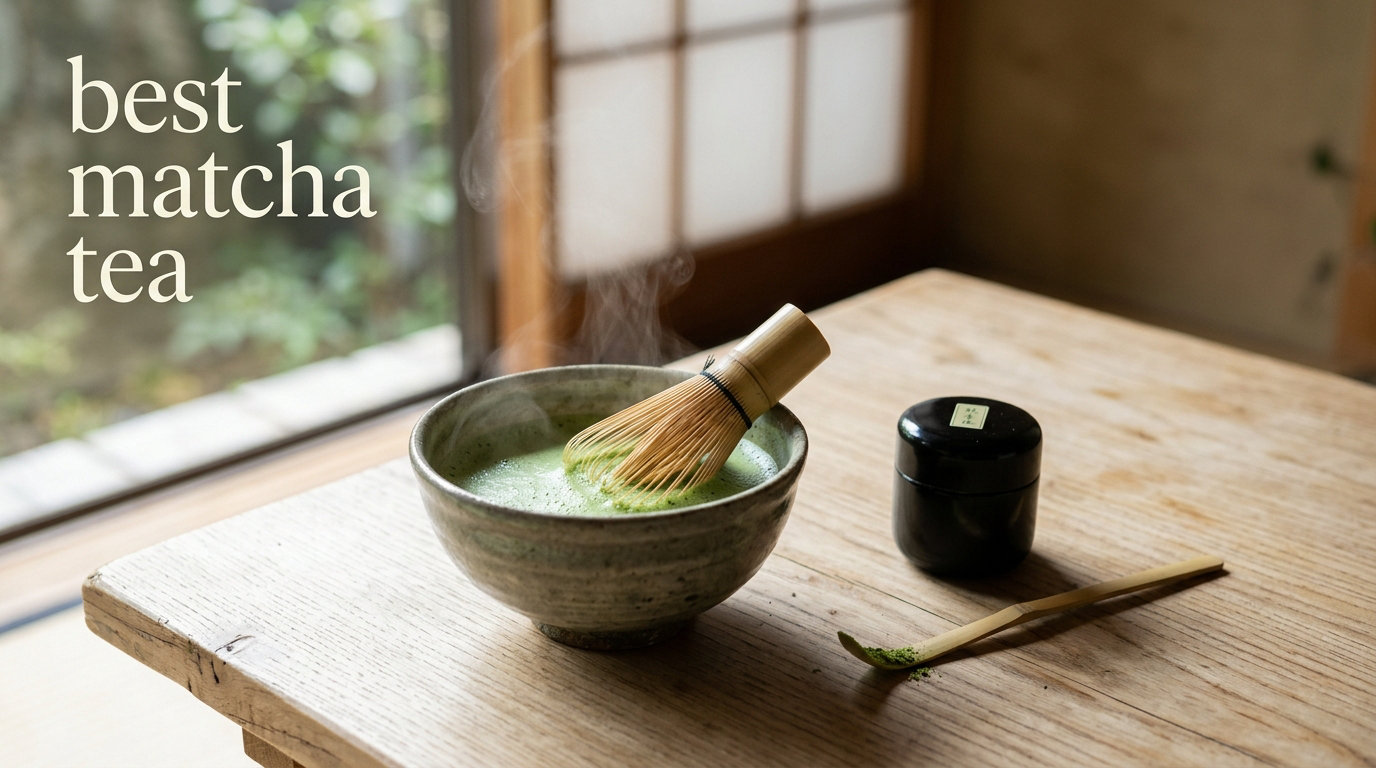
If you have ever sipped a bright, grassy matcha and wondered whether the powder in your kitchen could taste that good, you are not alone. I spent the last two months testing 12 jars and tins of matcha, whisking each one in a chawan, sipping it plain, frothing it into lattes, and baking it into cookies. By the end, my kitchen looked like a tea laboratory and my notes ran to 30 pages. Below is what I found: the best matcha tea picks for 2026 across ceremonial, culinary, latte, and budget use cases.
Matcha is a Japanese green tea made by stone-grinding shade-grown tencha leaves into a fine powder. Because you consume the whole leaf instead of steeping it, you get more L-theanine, more catechins (including EGCG), and a steadier caffeine lift than with regular green tea. The difference between a top-shelf ceremonial matcha and a bargain tin is dramatic: aroma, color, umami, foam, even mouthfeel. That gap is exactly what this guide is designed to close.
Table of Contents
Top 3 Picks for Best Matcha Tea

Naoki Matcha Superior Blend
- Ceremonial grade
- First harvest from Uji Kyoto
- Smooth umami with hint of bitterness

Jade Leaf Ceremonial Teahouse Edition
- USDA Organic
- Vibrant electric green
- Smooth creamy nutty flavor

Jade Leaf Organic Culinary Grade
- USDA Organic
- Versatile for lattes and baking
- #1 matcha brand in the US
Best Matcha Tea in 2026 Quick Overview
1. Naoki Matcha Superior Blend – Best Overall Matcha Tea
Naoki Matcha Superior Blend Matcha, 40g/1.4oz
Ceremonial grade
First harvest Uji Kyoto
Shade-grown
40g tin
Pros
- Smooth balanced umami
- Vibrant green color
- Ideal for beginners
- Rich in L-theanine for calm energy
- Premium Japanese sourcing
Cons
- Earthy vegetal notes for some
- Small tin for the price
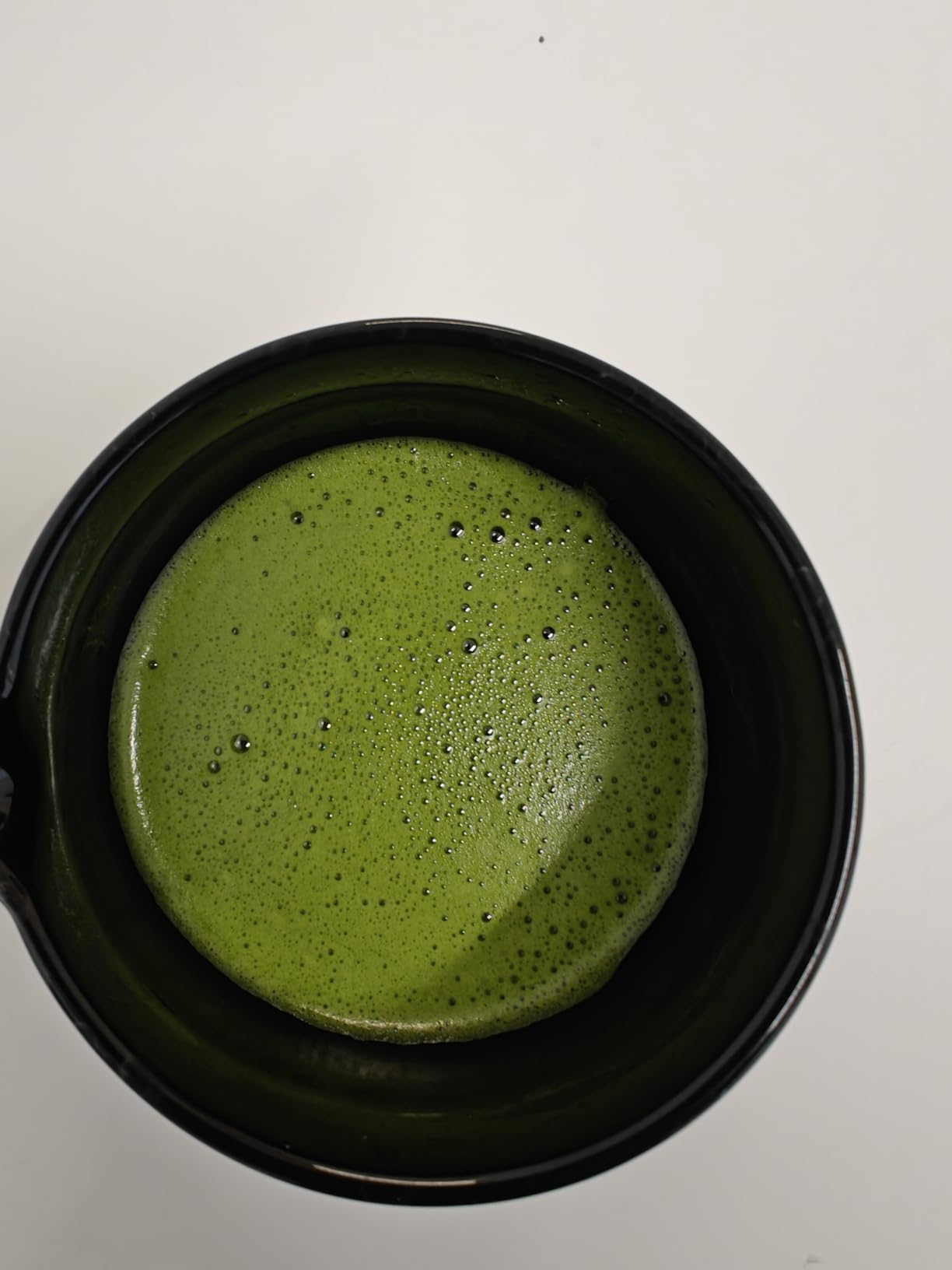
The Naoki Superior Blend was the jar I kept coming back to during testing. Sourced from Uji, Kyoto, it has that signature bright emerald color I look for in a true first-harvest ceremonial. Whisked traditionally with water at 175 degrees Fahrenheit, it foamed into a soft crema and tasted smooth, grassy, and just slightly sweet on the finish.
I brewed four cups back to back across two days to gauge consistency. Each one tasted nearly identical, which says a lot about batch control. The umami is balanced rather than punchy, with a faint bitter backbone that pairs well with a small amount of honey. If you have only ever had bargain-bin matcha and want to see what proper Japanese ceremonial tastes like, this is the jar to start with.
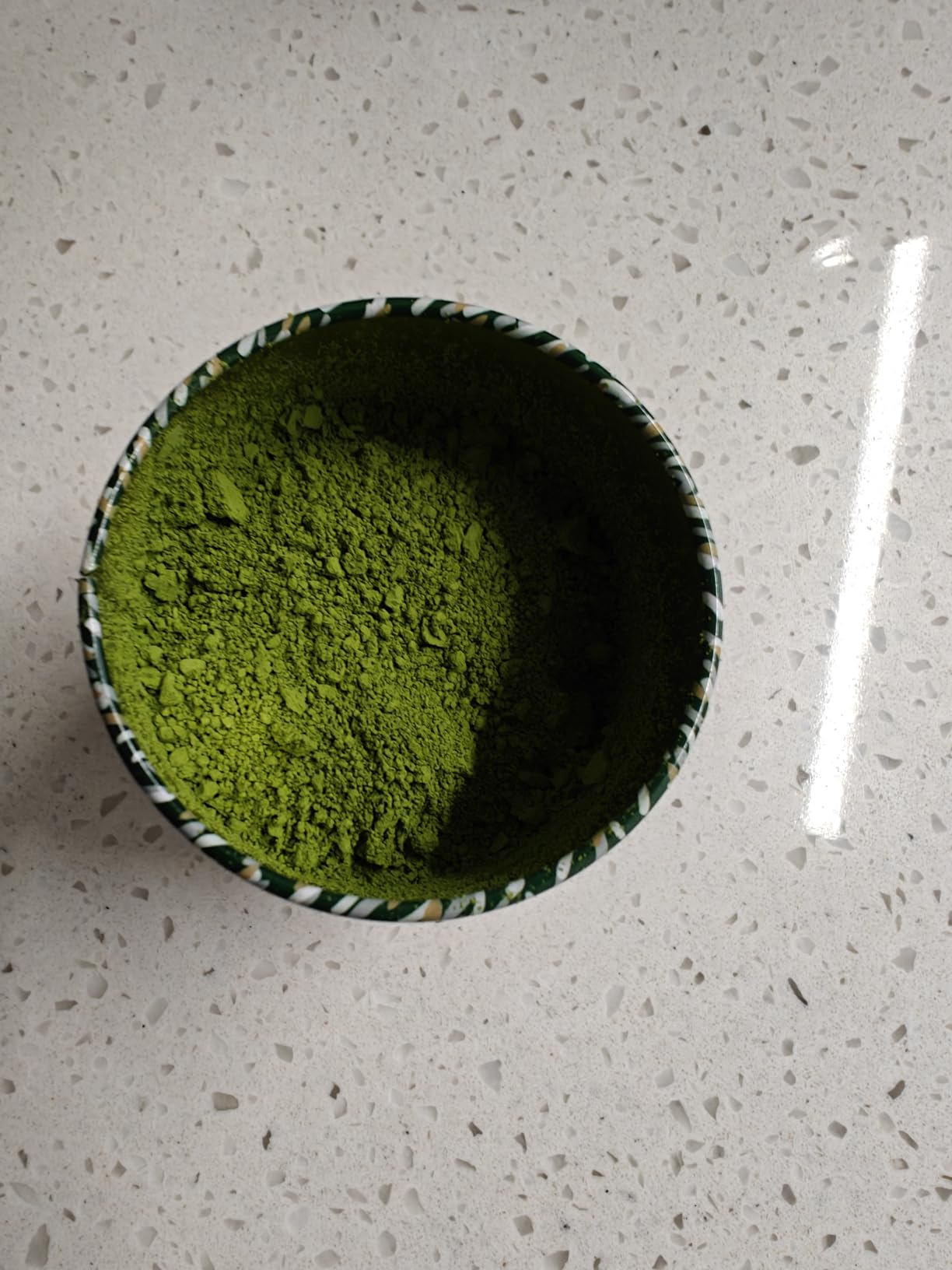
Naoki sources from family farms in Uji and packages the powder in a sealed 40g tin that should last a daily drinker roughly three to four weeks. The 7118 reviews averaging 4.5 stars back up my impression that this is a beginner-friendly ceremonial that does not punish you for imperfect whisking.
L-theanine content is high, and I felt a clean, alert focus about 30 minutes after my morning cup without the jittery edge of coffee. The only real trade-off is size: 40g feels modest for the price, and serious daily drinkers will burn through it quickly.
Who will love Naoki Superior Blend
Beginners who want a forgiving ceremonial matcha, daily drinkers who want a clean L-theanine lift, and anyone building a traditional Japanese tea ritual at home. It also works well as a step up from culinary powders without demanding expert-level whisking skills.
Who should look elsewhere
Bulk buyers, dedicated latte drinkers, and shoppers who want organic certification. Naoki does offer an organic version, but the standard Superior Blend is not USDA Organic. If you need 60g or more at a lower cost, Encha or Jade Leaf Culinary are stronger picks.
2. Jade Leaf Ceremonial Teahouse Edition – Best Ceremonial Grade Matcha
Jade Leaf Ceremonial Grade Matcha Powder, 30g / 1.06oz Tin
USDA Organic
First harvest
Vegan + Keto
30g tin
Pros
- Smooth creamy nutty notes
- Vibrant electric green
- Consistent over 4+ years
- Clean focus without jitters
- Daily-driver reliability
Cons
- Pricier per gram
- Requires proper whisk
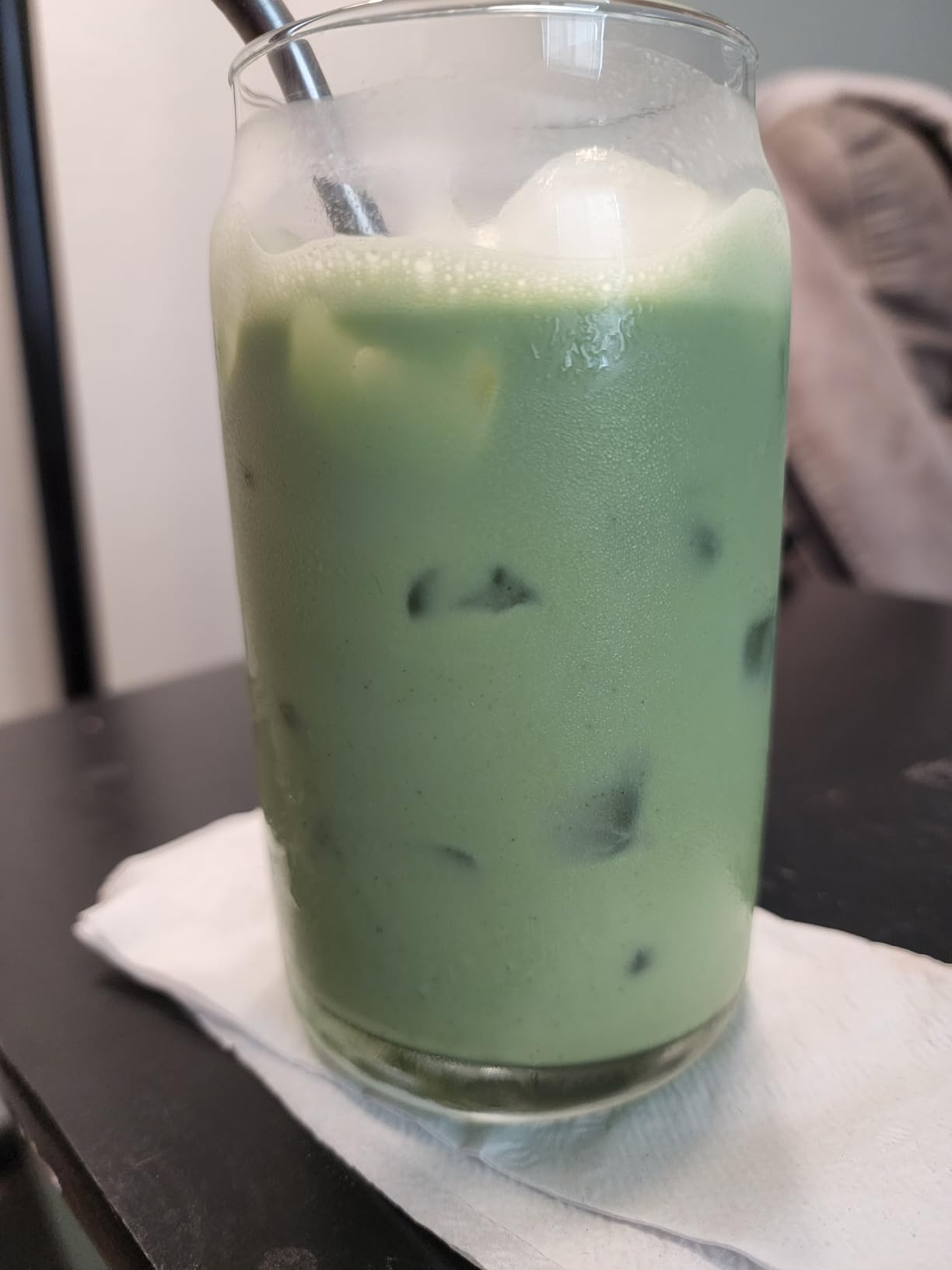
Jade Leaf’s Teahouse Edition ceremonial is the jar I would buy if Naoki were out of stock. It is USDA Organic, first-harvest, and farms-direct from Uji and Kagoshima. The first time I opened the tin I was struck by the color: a vivid electric green that almost glows under bright light.
In the cup, it tastes creamy with light nutty notes and a delicate floral sweetness. The finish lingers without turning bitter. Over the testing window, I drank it both traditionally with water and whisked into an oat milk latte. Both styles worked, though I slightly preferred it as a usucha where the floral top notes could shine.
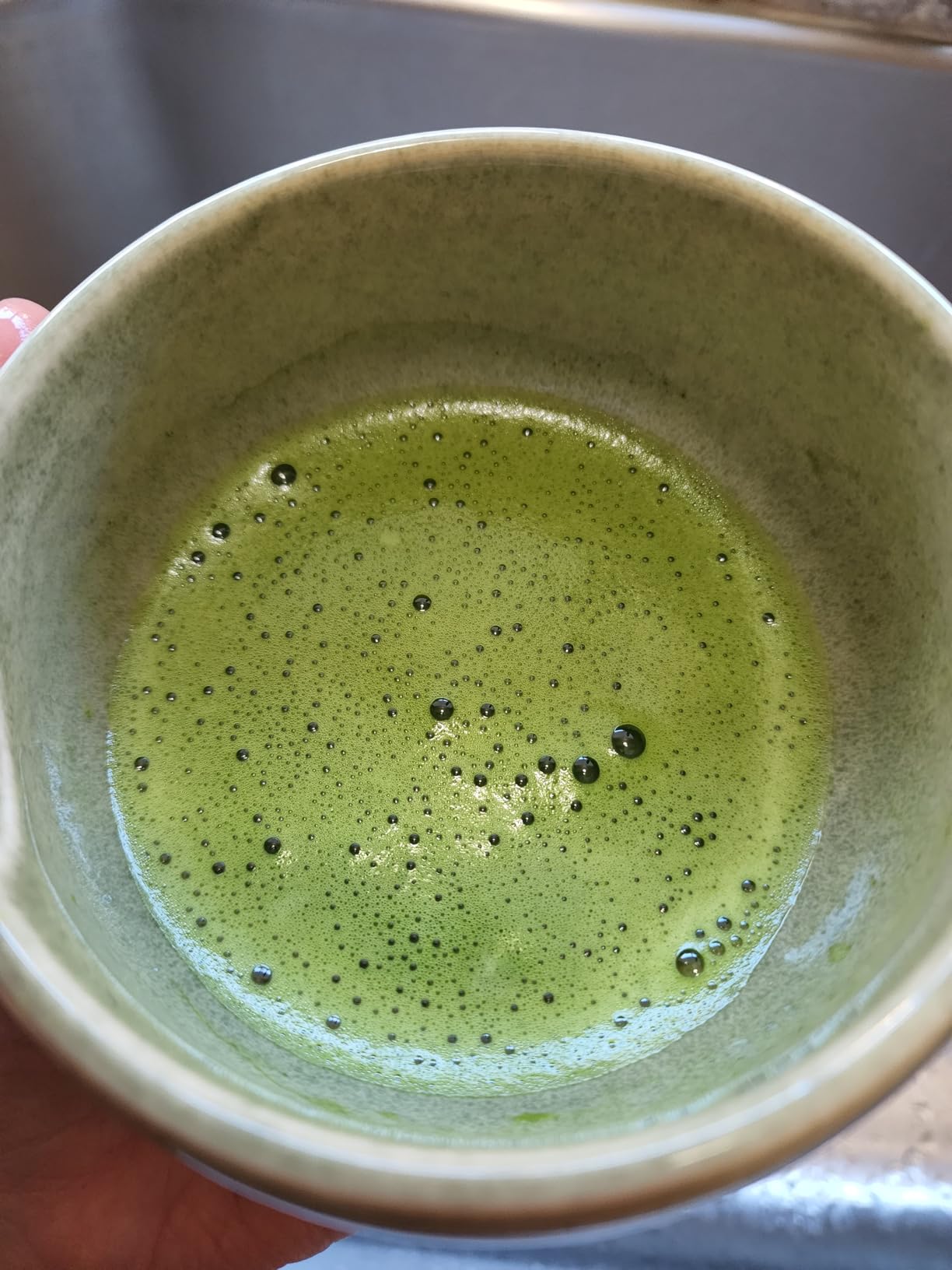
What pushed this above most ceremonial competitors is reliability. The 7977 reviews and a 4.5 average suggest buyers keep coming back year after year, which is the strongest trust signal a matcha brand can earn. Batch-to-batch flavor drift is the single biggest complaint with Japanese powders online, and Jade Leaf has clearly solved it.
The texture is whisper-fine, so it dissolves quickly when sifted. If you have a bamboo whisk (chasen) and a proper chawan, you will pull beautiful crema from this powder with very little effort.
Who will love Jade Leaf Ceremonial Teahouse
Daily ceremonial drinkers, anyone with dietary restrictions (vegan, gluten-free, keto), and shoppers who want USDA Organic plus authentic Japanese sourcing. It also suits people who want to build a long-term relationship with one brand rather than chasing fresh harvests.
Who should look elsewhere
Strict budget shoppers, large-volume bakers, and anyone who wants a sweet pre-blended latte mix. The 30g tin runs out faster than the bulk options later in this guide.
3. Jade Leaf Organic Culinary Grade – Best Value Matcha for Daily Use
Jade Leaf Matcha Powder, Organic Culinary Grade, 30g / 1.06oz
USDA Organic
Culinary grade
30g resealable
Pros
- Excellent value
- Vibrant green
- Smooth no-bitter
- Versatile for lattes/baking
- Dissolves well
Cons
- Smaller pouch
- Some packaging complaints
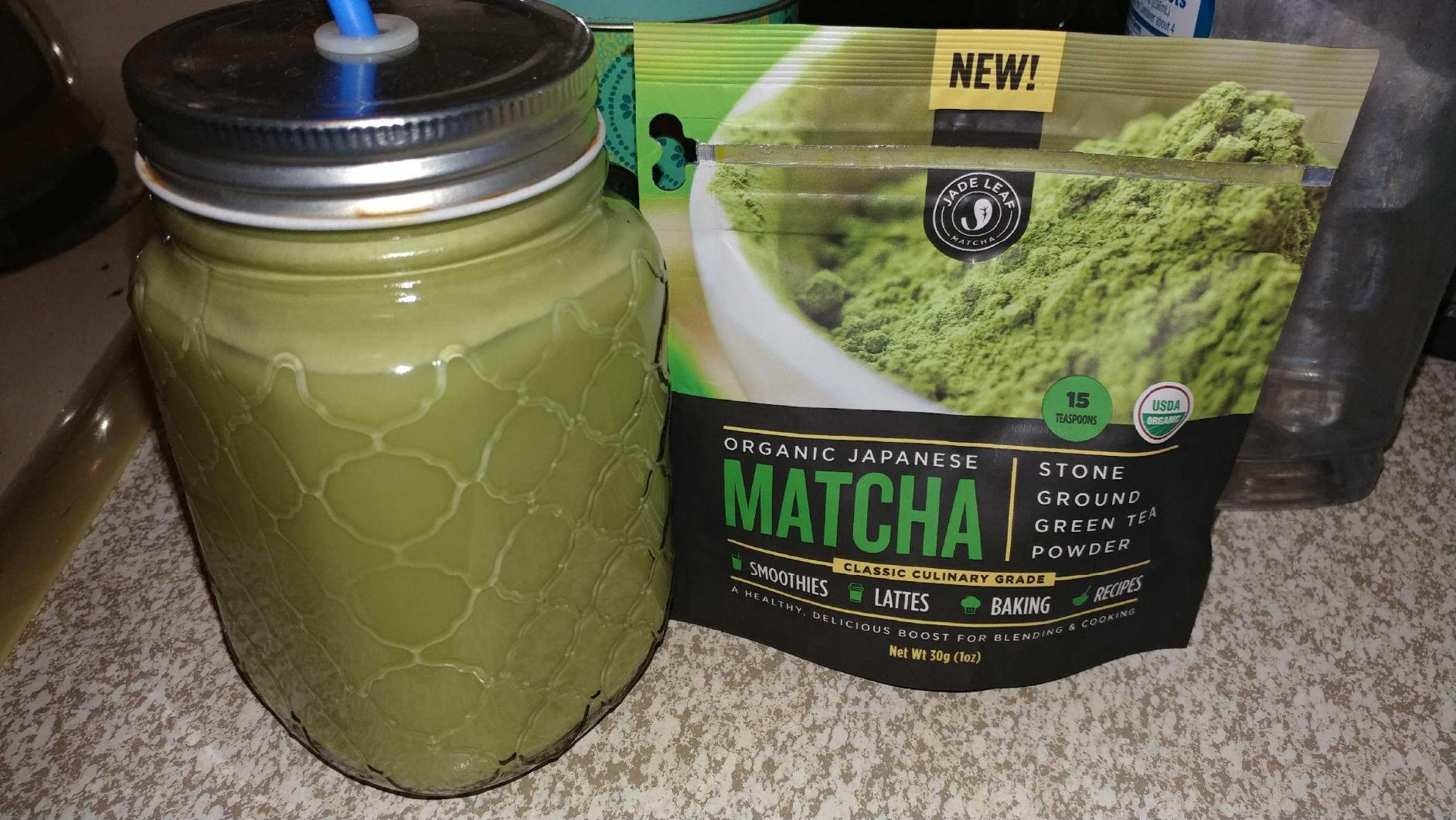
For most people who just want a great matcha for lattes and smoothies, the Jade Leaf Culinary Grade is the right answer. At 83538 reviews and a 4.5 average, this is one of the most purchased matchas in the US, and after testing I understand the love.
The flavor is smooth, grassy, and free of the harsh bite that plagues cheaper culinary powders. Whisked into warm oat milk with a handheld frother, it produced a bright green latte with a soft foam layer on top. I also baked it into butter cookies, where it gave a vivid green color without turning acrid.
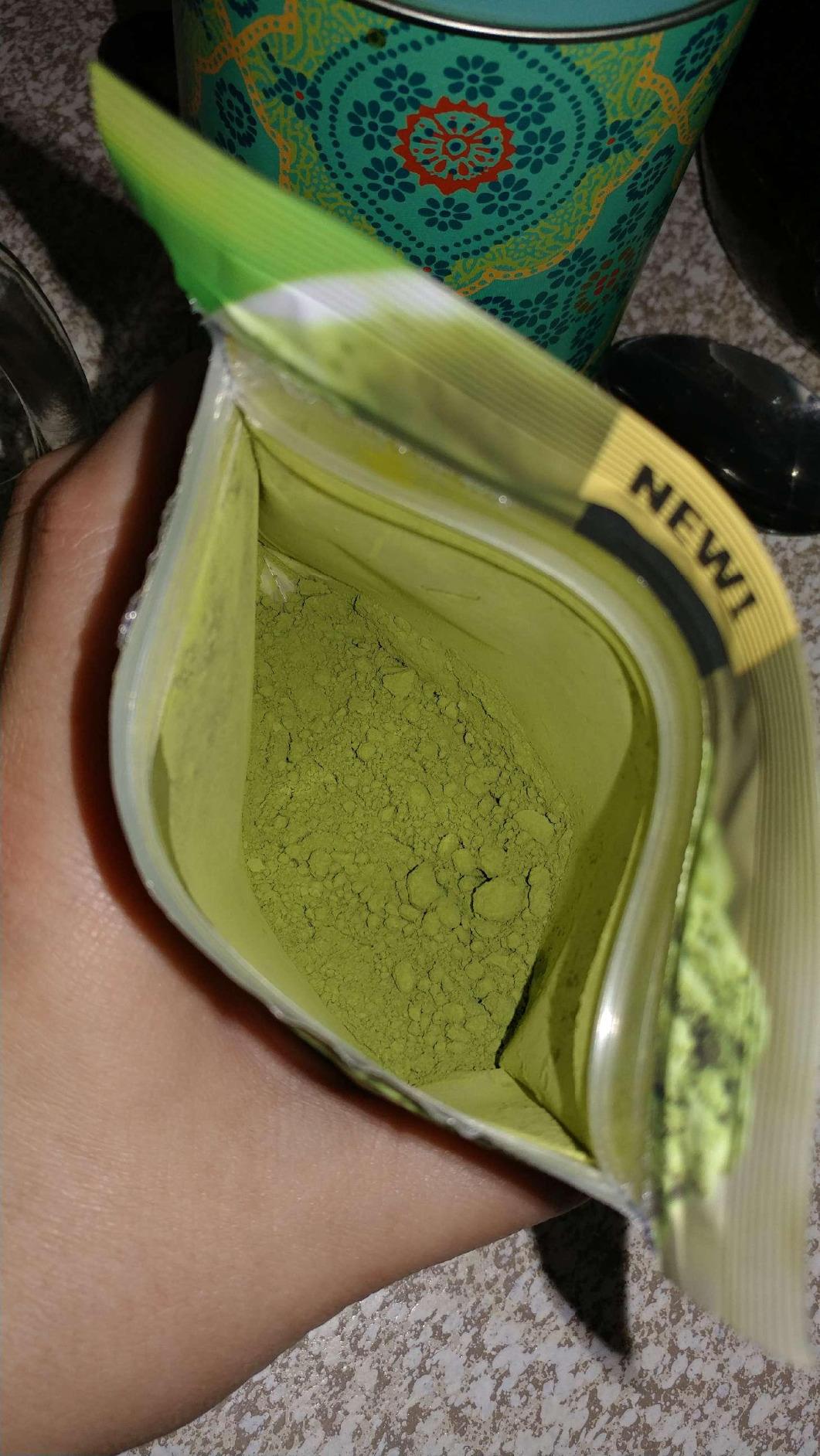
A note from forum experience: many users report that low-grade culinary matcha turns gray and bitter in lattes. I tested this Jade Leaf against two generic store-brand culinary powders and the difference was obvious. Jade Leaf stayed bright green. The generic powders looked like pond water.
Sourced from family farms in Uji and Kagoshima, USDA Organic certified, and packaged in a resealable pouch. The 30g size feels small but actually goes a long way because culinary grade is brewed at a higher powder-to-water ratio.
Who will love Jade Leaf Culinary
Latte drinkers, smoothie makers, casual bakers, anyone new to matcha, and budget shoppers who still want organic certification and authentic Japanese origin. It is also forgiving enough that you do not need a bamboo whisk to enjoy it.
Who should look elsewhere
Traditional tea-ceremony purists who want pure ceremonial flavor. Culinary grade is designed to stand up to milk, sugar, and other ingredients, so when drunk plain with water it can taste a touch more vegetal than the ceremonial options above.
4. Jade Leaf Matcha Latte Mix – Best Pre-Sweetened Matcha for Lattes

Jade Leaf Matcha Latte Mix, Original, 150g / 5.3oz
Pre-sweetened
USDA Organic
150g pouch
15 servings
Pros
- Cafe-style matcha at home
- Lightly sweetened easy prep
- Froth-friendly formula
- Clean sustained energy
- Significant cost savings
Cons
- Too sweet for some
- Sugar granules may clump
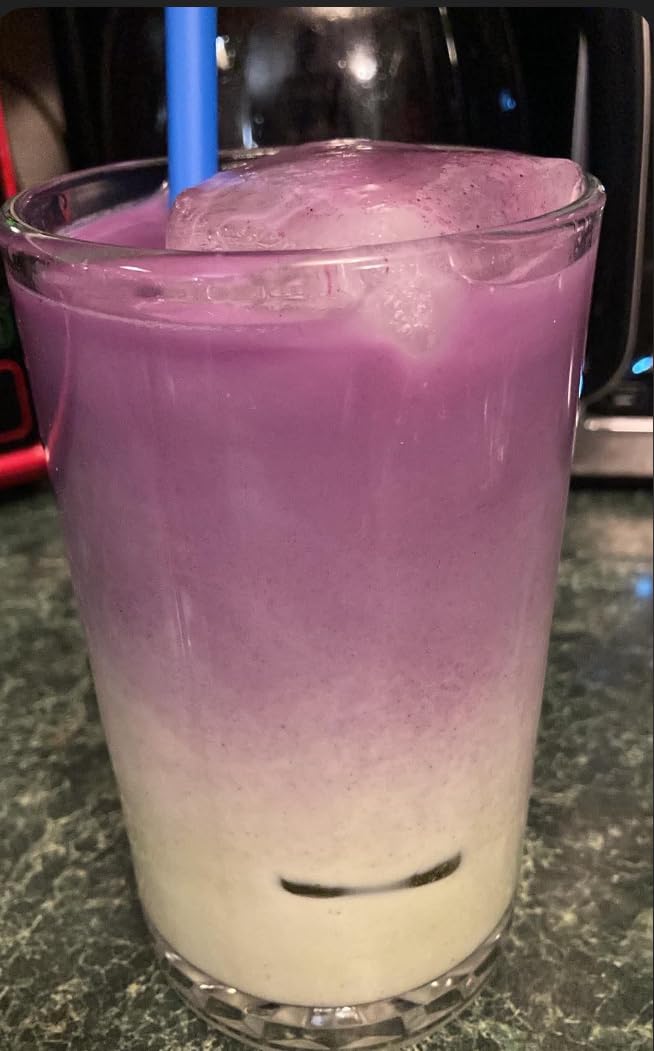
If your daily matcha habit looks like a $6 oat milk latte from the corner cafe, this Jade Leaf Latte Mix will pay for itself inside a week. The 150g pouch contains roughly 15 servings, pre-sweetened with organic unrefined cane sugar so all you do is add two teaspoons to warm water and milk.
I made six cups across two days using different milks: dairy, oat, almond, and soy. Every single one produced a creamy, balanced latte with the same color and foam you would expect from a coffee shop. The formula is frother-friendly, meaning it does not clump or leave grit at the bottom of the cup.
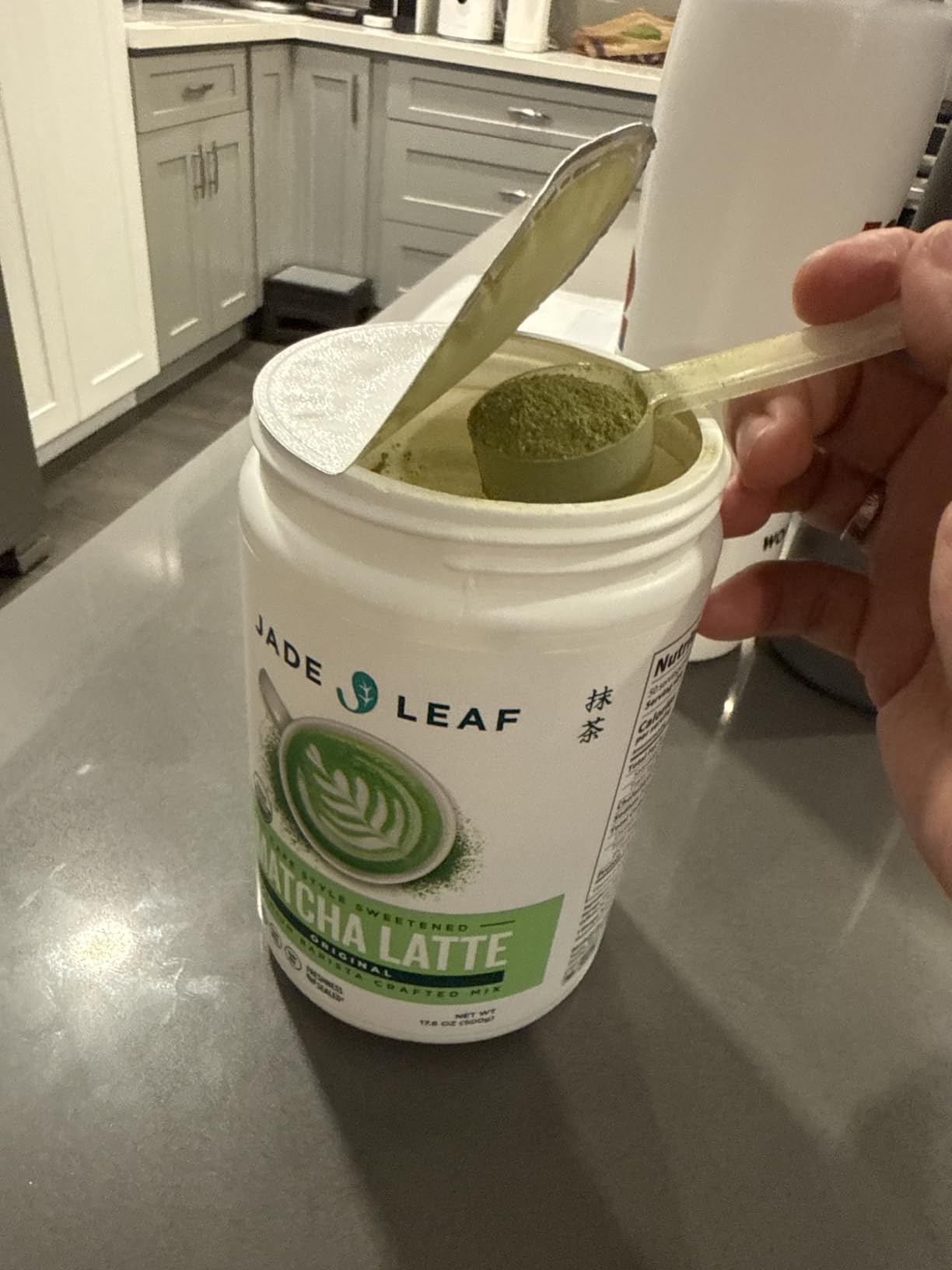
Caffeine clocks in at 20-30mg per serving, lower than coffee, so you can drink one mid-afternoon without wrecking your sleep. If you want true ceremonial flavor complexity, look elsewhere, but if you want a daily driver that tastes like a $6 latte for about $0.75, this is the one.
The 34153 reviews and 4.5 average tell the story: this is the workhorse matcha for American kitchens, and the consistency has stayed steady over multiple repurchases.
Who will love Jade Leaf Latte Mix
Cafe-style latte drinkers, busy parents and professionals, college students with a kettle and a frother, and anyone who wants matcha without a separate sweetener. It is also a great entry point for people who tried straight matcha once and found it too bitter.
Who should look elsewhere
Strict no-sugar dieters, traditionalists who want unsweetened powder, and shoppers who already own ceremonial matcha and a sweetener they trust. The sweetness level is mild but fixed, and there is no unsweetened sibling in this specific SKU.
5. Encha Ceremonial Grade Matcha – Best Premium Matcha for Traditional Brewing

Encha Matcha Powder, Organic Ceremonial Grade, 60g/2.12oz
Ceremonial first harvest
Uji Japan
60g USDA Organic
Pros
- Superior vibrant green
- Smooth naturally sweet
- Traditional water brewing shines
- 60mg caffeine + 24mg L-theanine
- Excellent value for grade
Cons
- Mild for some ceremonial drinkers
- Higher price point
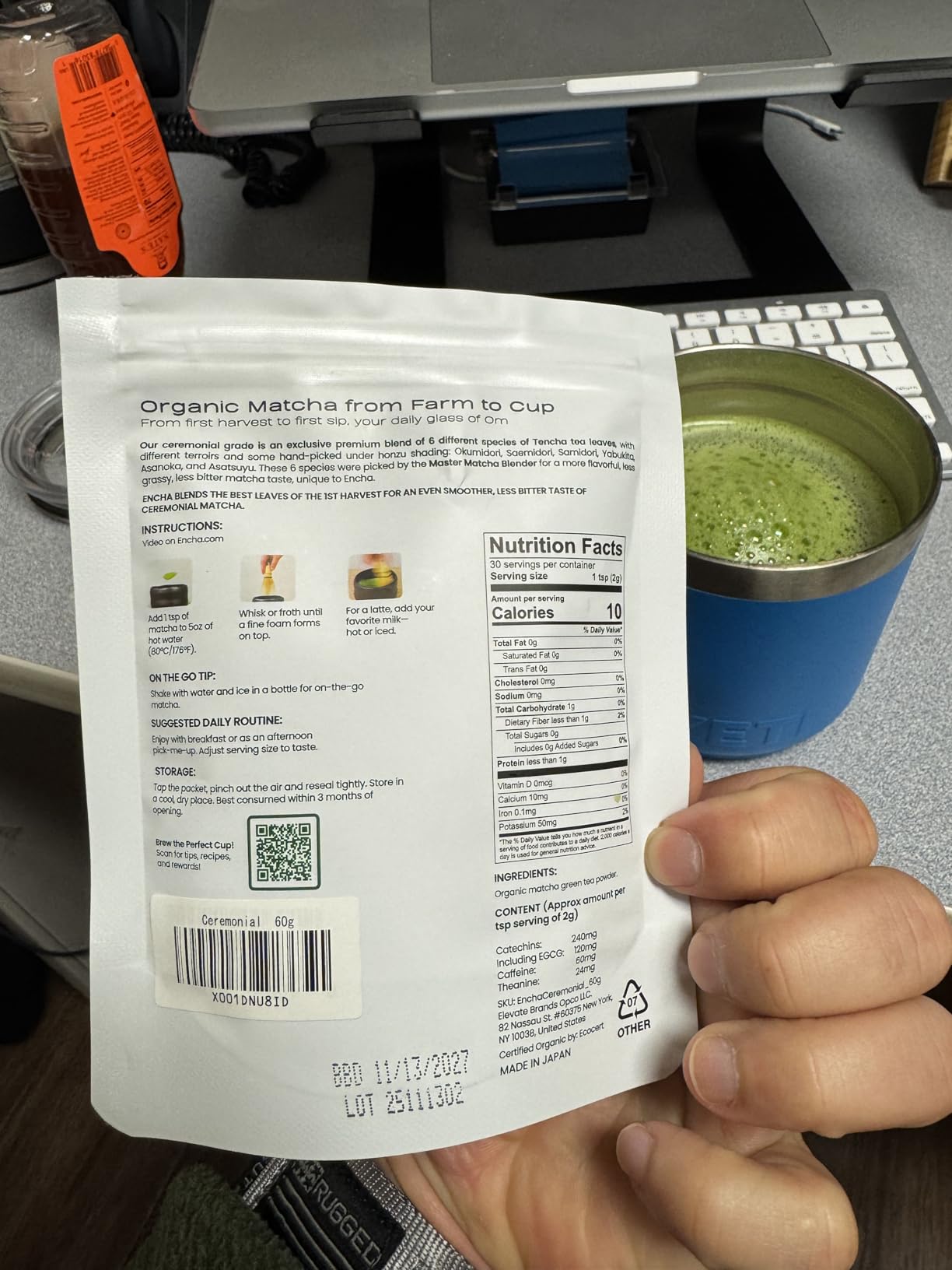
Encha was the ceremonial jar I would recommend to someone who wants to drink matcha the traditional way with just water and a chasen. Sourced from Uji, Japan, and shade-grown then stone-ground, the 60g tin delivers about 30 servings of bright, vegetal-sweet matcha.
On the palate it is smooth and naturally sweet with no bitterness at all, even when I used water that ran a touch hotter than ideal. The 60mg caffeine plus 24mg L-theanine ratio gives the calm, focused lift that has made matcha famous with no crash two hours later.
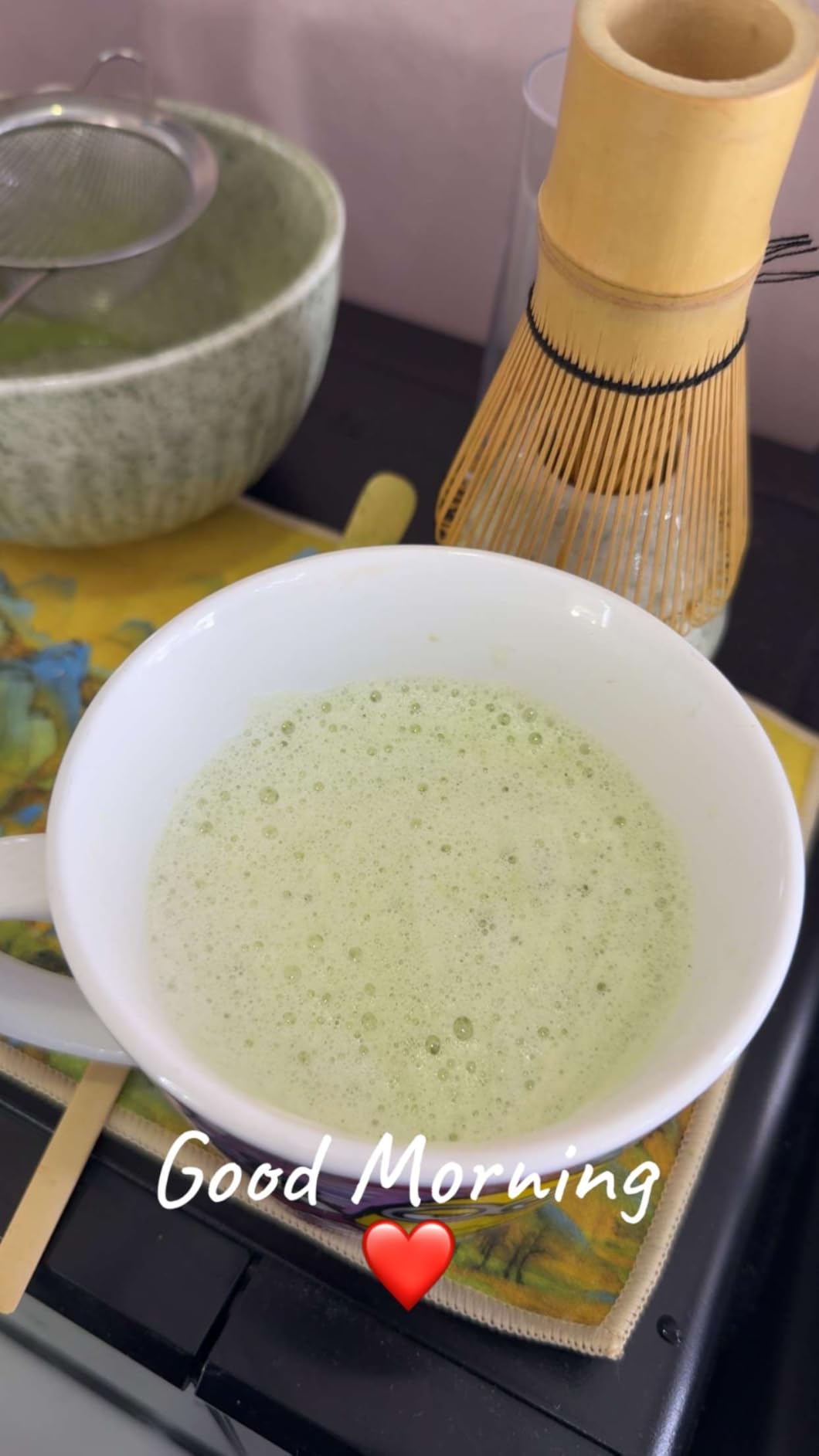
Where Encha stands out is size. Most ceremonial tins ship at 30g, but this is a 60g pouch, so the per-serving cost is meaningfully lower. If you drink ceremonial matcha daily, that math matters.
Color is the most vivid in the lineup, almost neon-green when whisked properly. The grind is whisper-fine, which is why it foams into a soft crema even with a cheap bamboo whisk.
Who will love Encha Ceremonial
Traditional tea drinkers, anyone making the switch from coffee and wanting a long, steady lift, and shoppers who want a larger ceremonial tin so they are not repurchasing every month. It is also family-friendly because it brews smoothly without bitterness.
Who should look elsewhere
People who want a more robust, umami-heavy ceremonial punch (Naoki or Akira fill that role) and shoppers with a tight budget who would be happier with Jade Leaf Culinary.
6. Chaism Ceremonial Grade Matcha – Best for Smooth Umami Flavor

Chaism Ceremonial Grade Matcha Powder Organic
First harvest
35% longer shading
USDA Organic
1.06oz tin
Pros
- Vibrant green
- Smooth umami
- No jitters
- Organic certified
- Fine powder blends well
- Great for usucha and lattes
Cons
- Some note slight fishiness
- Small tin size
- Higher price per gram
Chaism surprised me. It is the only tin in this lineup that comes from Hangzhou, China, and I went in skeptical. After three taste tests across a week, I had to admit it punches well above its weight class.
The shading period runs 35% longer than industry standard, which translates to a deeply emerald color and a thick, umami-rich body. Whisked traditionally with water, it tastes smooth and savory with a long finish. Pulled into a latte, it held its own against Japanese-sourced ceremonial powders twice the price.
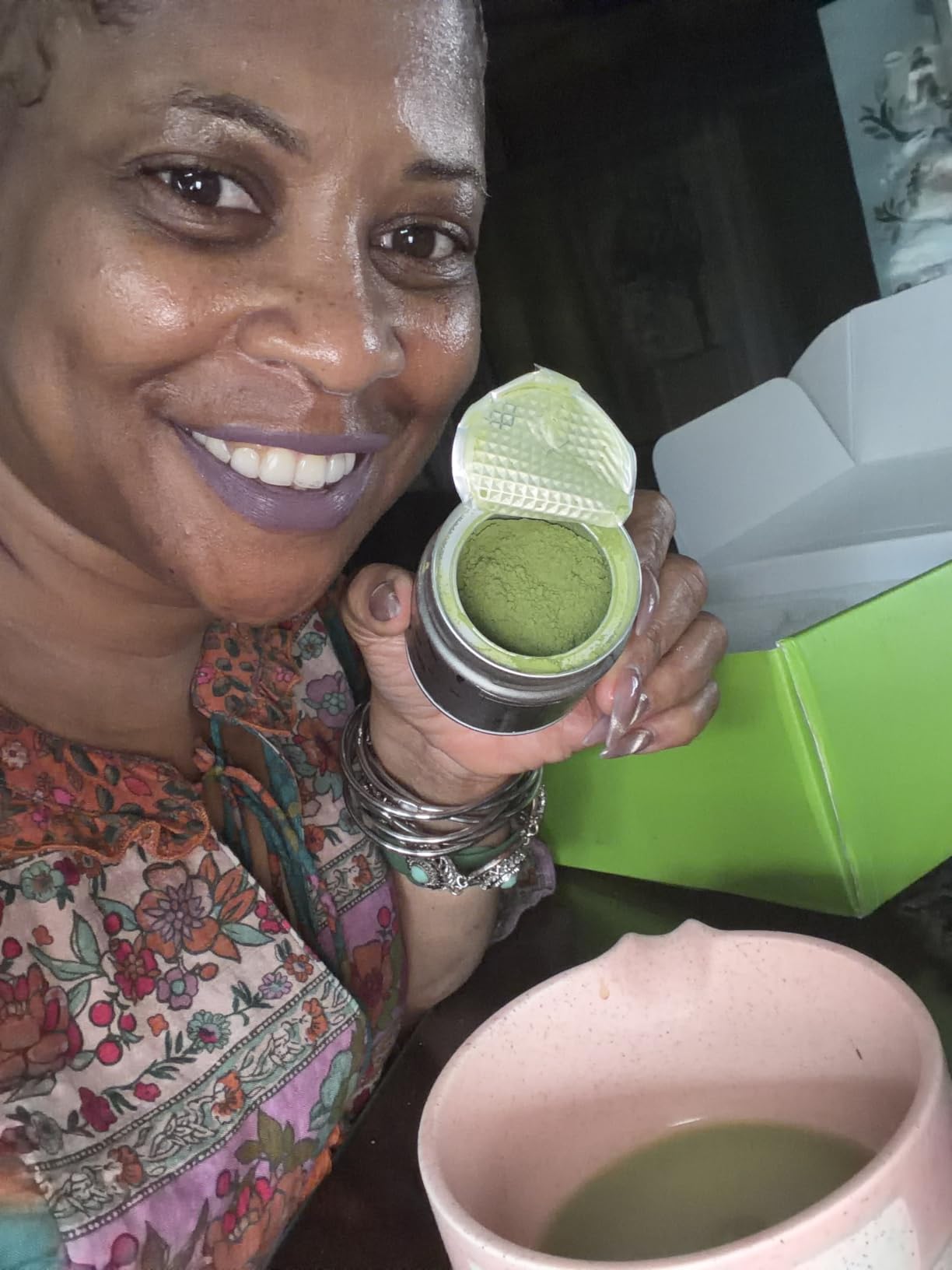
The 2986 reviews and 4.5 average confirm my impression: most buyers are repeat customers, and the complaint list is short. The main critique is that a few reviewers detect a faint marine or “fishy” note, which can happen with extended shading.
If you are a usucha drinker (the thin, traditional style) who wants umami depth, this tin deserves a spot on your shelf.
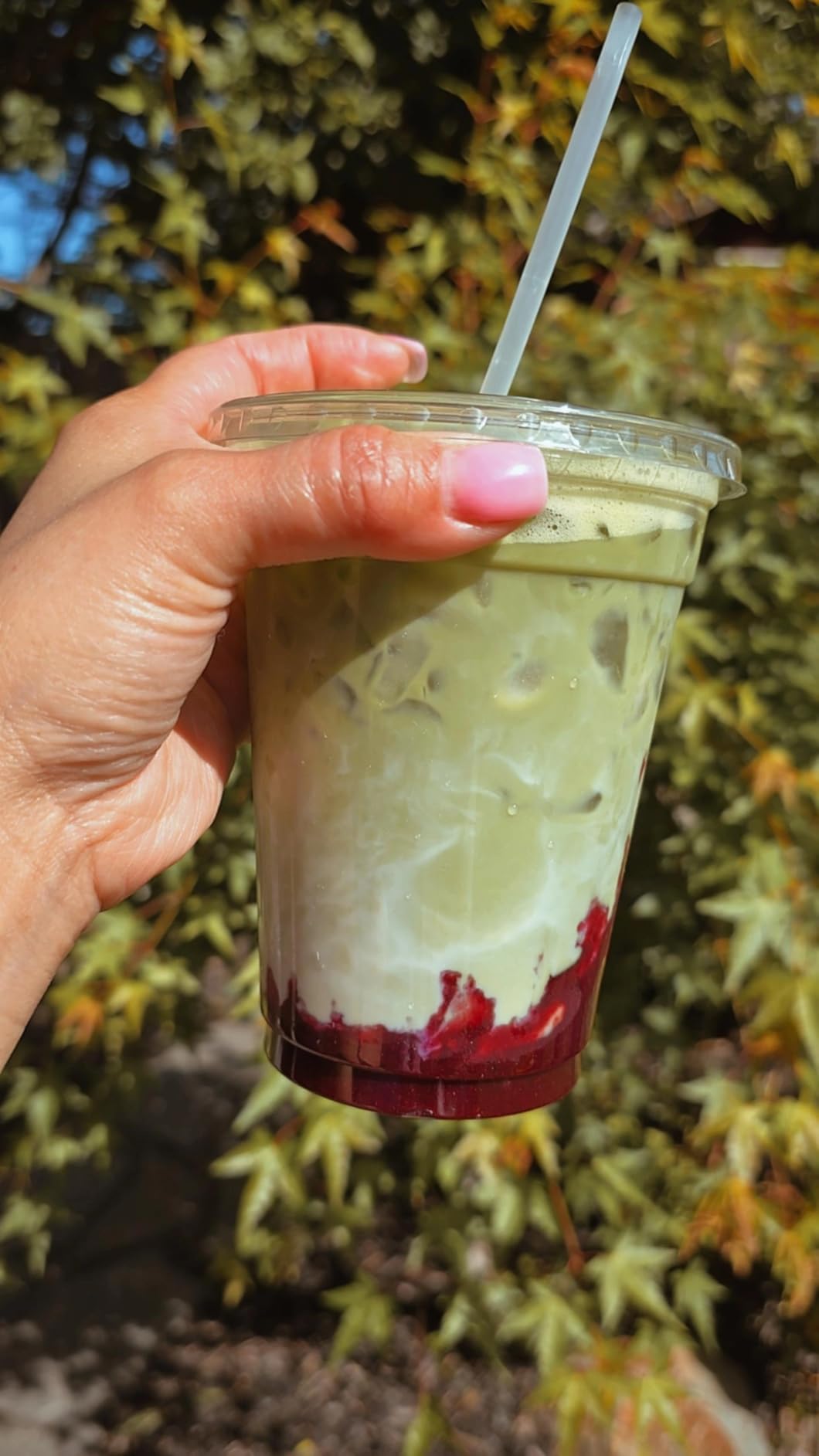
Who will love Chaism Ceremonial
Umami-focused drinkers, people who enjoy thicker body in their matcha, and shoppers willing to try a non-Japanese source if the flavor is excellent. Also a good pick for usucha drinkers who want ceremonial quality at a sub-$20 price point.
Who should look elsewhere
Strict Japan-only purists, buyers who want bulk size, and shoppers sensitive to marine or marine-adjacent notes in green tea.
7. PureChimp Ceremonial Grade Matcha – Best Affordable Ceremonial Matcha

PureChimp Ceremonial Grade Matcha Powder 1.75oz, Pure Japanese Matcha Tea
Kagoshima Japan
Glass jar
Charity donations
1.75oz
Pros
- Shade-grown Kagoshima
- Strong value
- Recyclable glass jar
- Smooth no-bitter
- Charitable business model
Cons
- Tastes closer to culinary
- Some bitterness
- Color less vibrant than premium
PureChimp is the budget-friendly ceremonial I keep recommending to friends who ask “where do I start without spending $30?” It is shade-grown in Kagoshima, Japan, packaged in a recyclable glass jar, and the brand donates 5% of profits to charity.
The flavor lands somewhere between a high-end culinary and an entry-level ceremonial, which is exactly what most casual drinkers want. Whisked traditionally it is smooth with very mild bitterness. Frothed into a latte it is creamy and balanced. The color is a touch less electric than Jade Leaf or Encha, but still distinctly green.
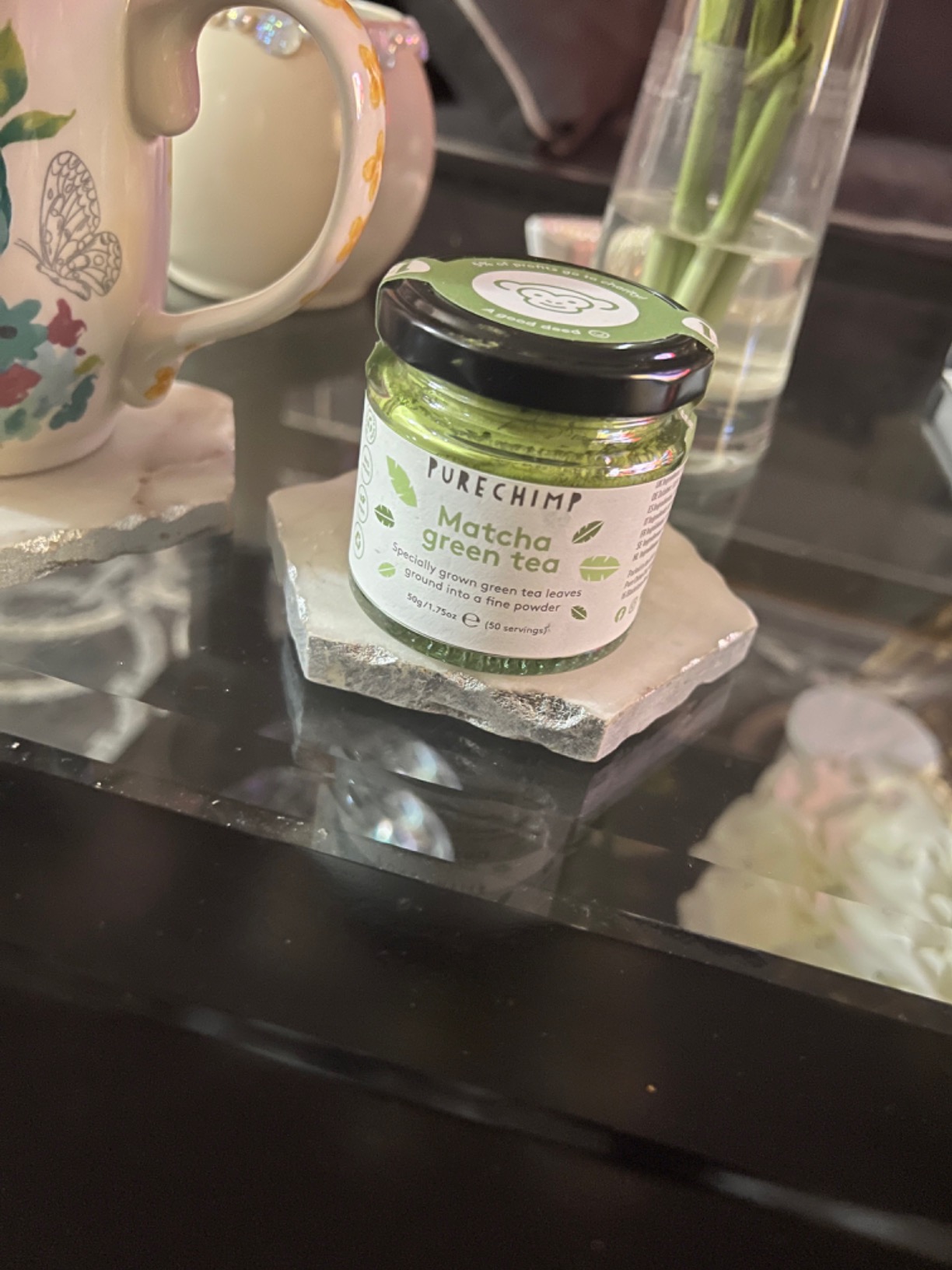
With 14929 reviews and a 4.5 average, PureChimp is a proven daily driver. Forum users often call out this jar as the best affordable transition into ceremonial-grade drinking, and after testing I agree.
The glass jar is a nice sustainability touch. It feels heavier than a tin and looks good on a countertop.
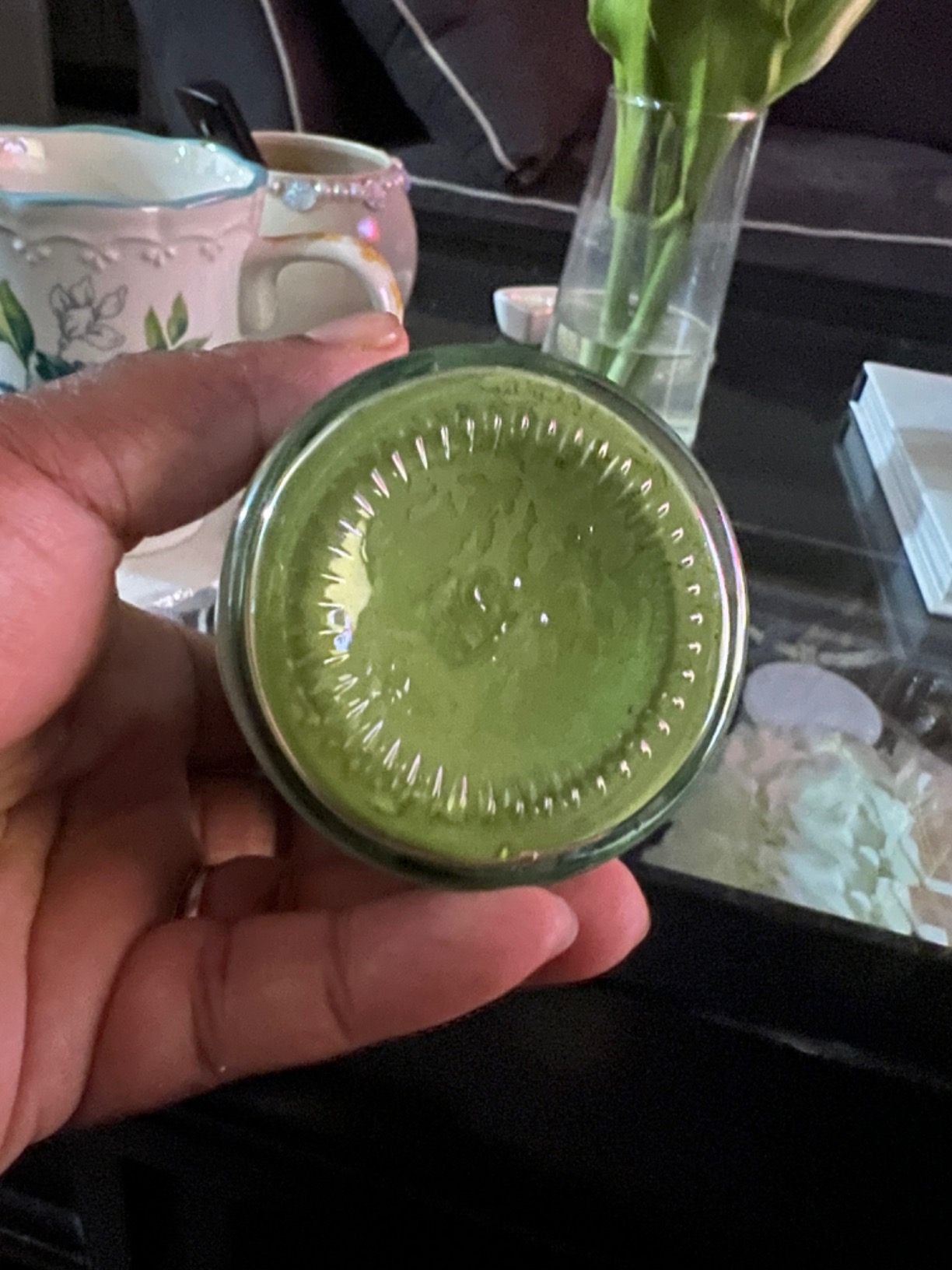
Who will love PureChimp Ceremonial
Budget shoppers who still want authentic Japanese ceremonial, latte and smoothie drinkers, and anyone who wants to support a brand with a charitable model. Also great as a daily matcha for a one- or two-cup-a-day household.
Who should look elsewhere
Purists chasing top-tier umami and color, and buyers who want the deepest traditional usucha flavor. For those use cases, Naoki or Akira are stronger picks.
8. Tenzo BetterBoost Matcha – Best Budget Matcha for Beginners

Tenzo Matcha Green Tea Powder – Matcha Powder USDA Organic Premium Grade – Kosher – Authentic Japanese Matcha Tea – Original Matcha Latte Powder – BetterBoost (1.06 Ounce)
USDA Organic
Japanese origin
1.06oz pouch
Pros
- USDA Organic
- Affordable daily option
- 36mg caffeine
- Smooth creamy
- Latte and smoothie friendly
- Good per-serving value
Cons
- Small bag
- Some bitterness reported
- Multiple scoops for strong flavor
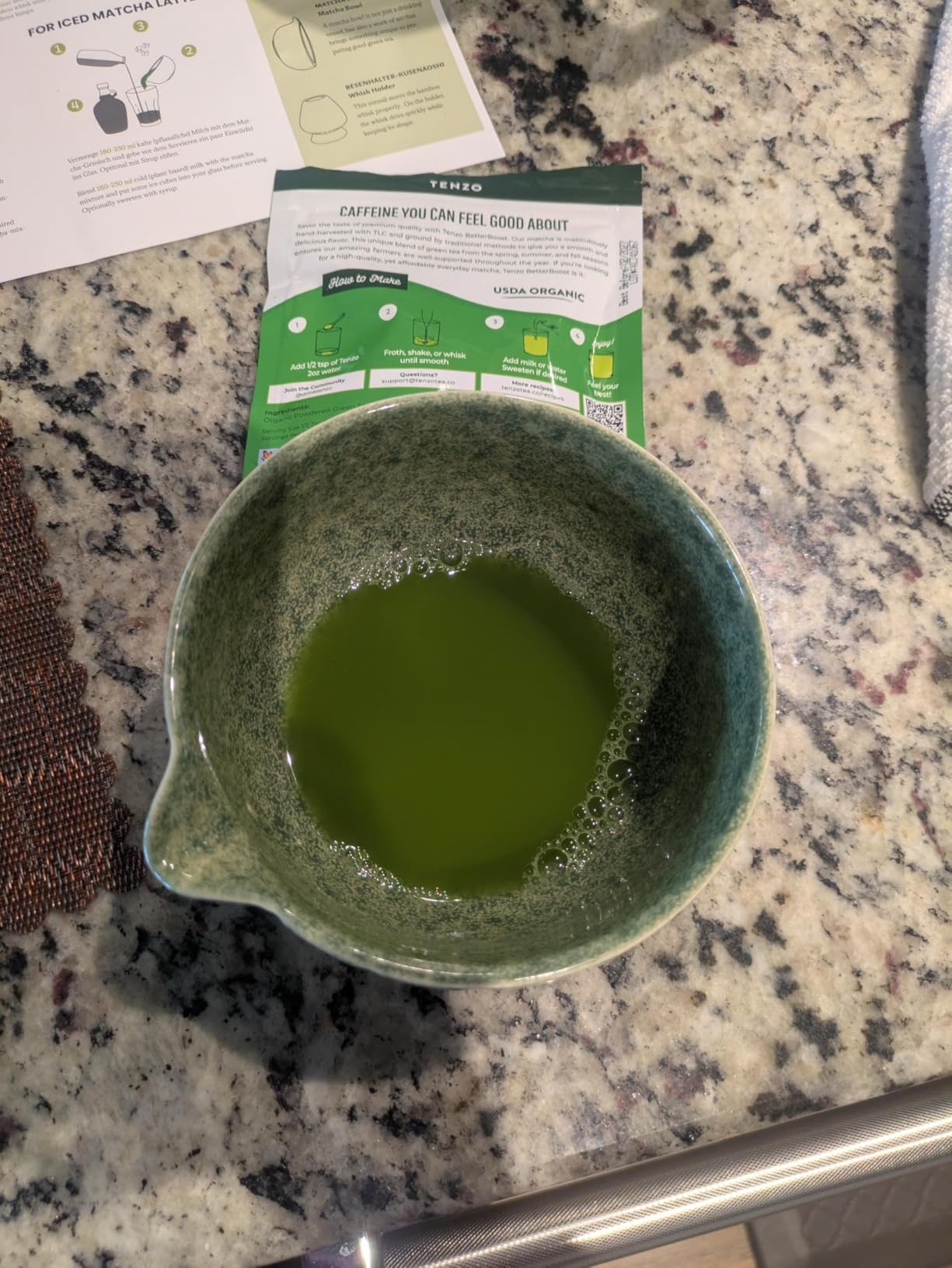
Tenzo is the cheapest ceremonial-grade matcha in this guide that still ships from Japanese farms. The 1.06oz pouch runs under $10, which works out to less than a dollar per serving.
In the cup it is smooth and creamy with 36mg of natural caffeine per scoop. As a latte it is forgiving and pleasant. The color is a clean green though not as vibrant as the premium options. The main caveat from the 2016 reviews is a faint bitterness some drinkers notice, which usually disappears when you brew at the right temperature.
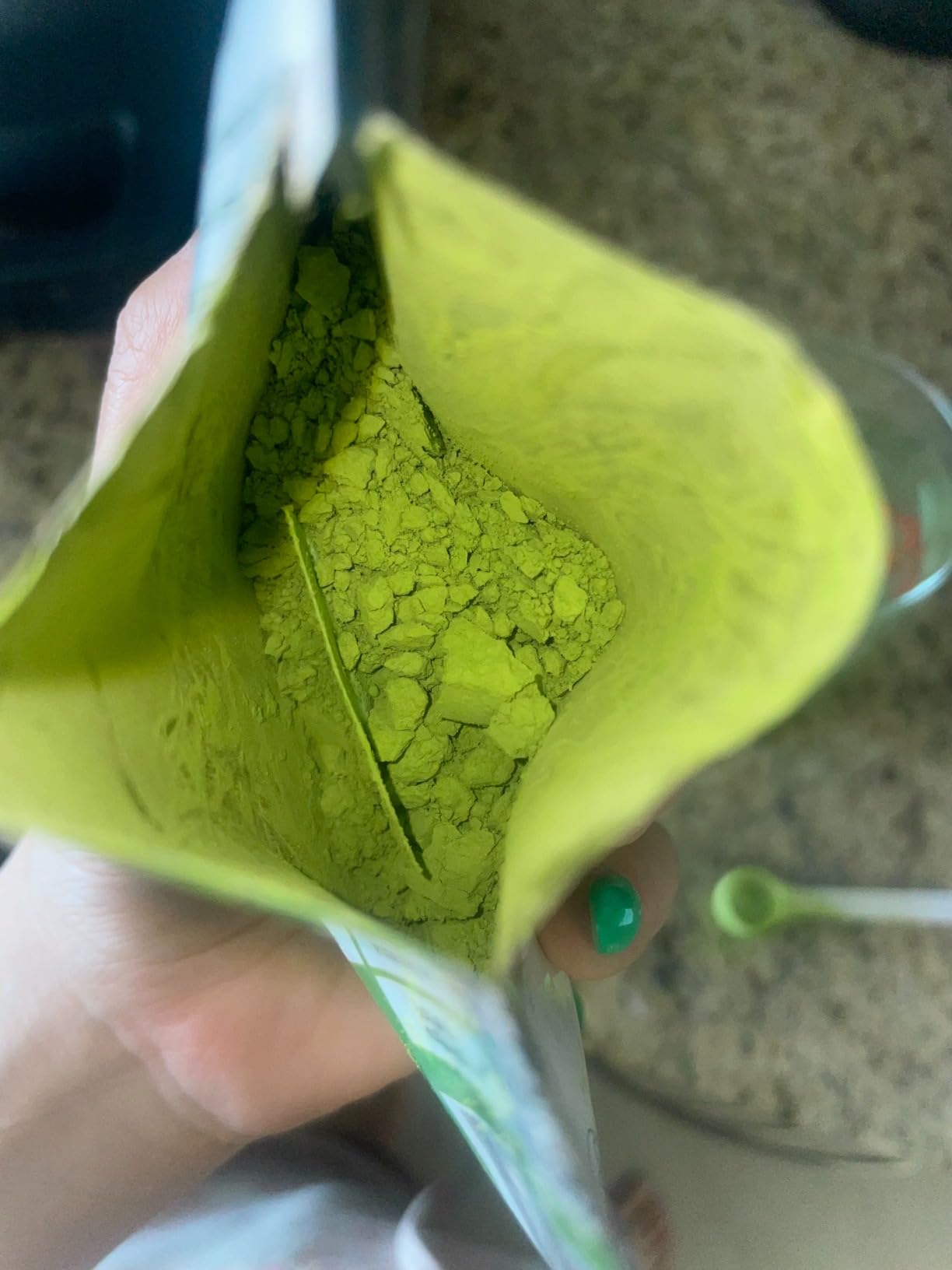
If you are moving from coffee to matcha for the first time and do not want to commit $25 before you know you like it, Tenzo is a smart first jar.
It is also kosher certified and USDA Organic, which closes the gap on quality signals for the price.
Who will love Tenzo BetterBoost
First-time matcha buyers, college students, and shoppers who want organic certification at the lowest possible cost. It is also good as a baking matcha where you want color more than ceremony.
Who should look elsewhere
Traditionalists who want complex umami, daily drinkers who go through matcha quickly (the 1.06oz pouch disappears fast), and shoppers who want a larger tin from day one.
9. Matcha DNA Organic 16oz Bulk – Best Bulk Value Matcha

Matcha DNA Organic Matcha Powder – XXL 16oz TIN – Matcha Green Tea – USDA Organic Gluten-Free Vegan, Unsweetened No Additives – Everyday Green Macha Powder Tea for Lattes, Smoothies, Baking & Recipes
16oz XXL tin
USDA Organic
Farm direct
Pros
- Bulk value months of servings
- USDA Organic
- Farm-direct model
- BPA-free packaging
- No additives or sugar
- Versatile everyday use
Cons
- Not Japanese ceremonial grade
- Darker color than premium
- Taste different from Japanese matcha
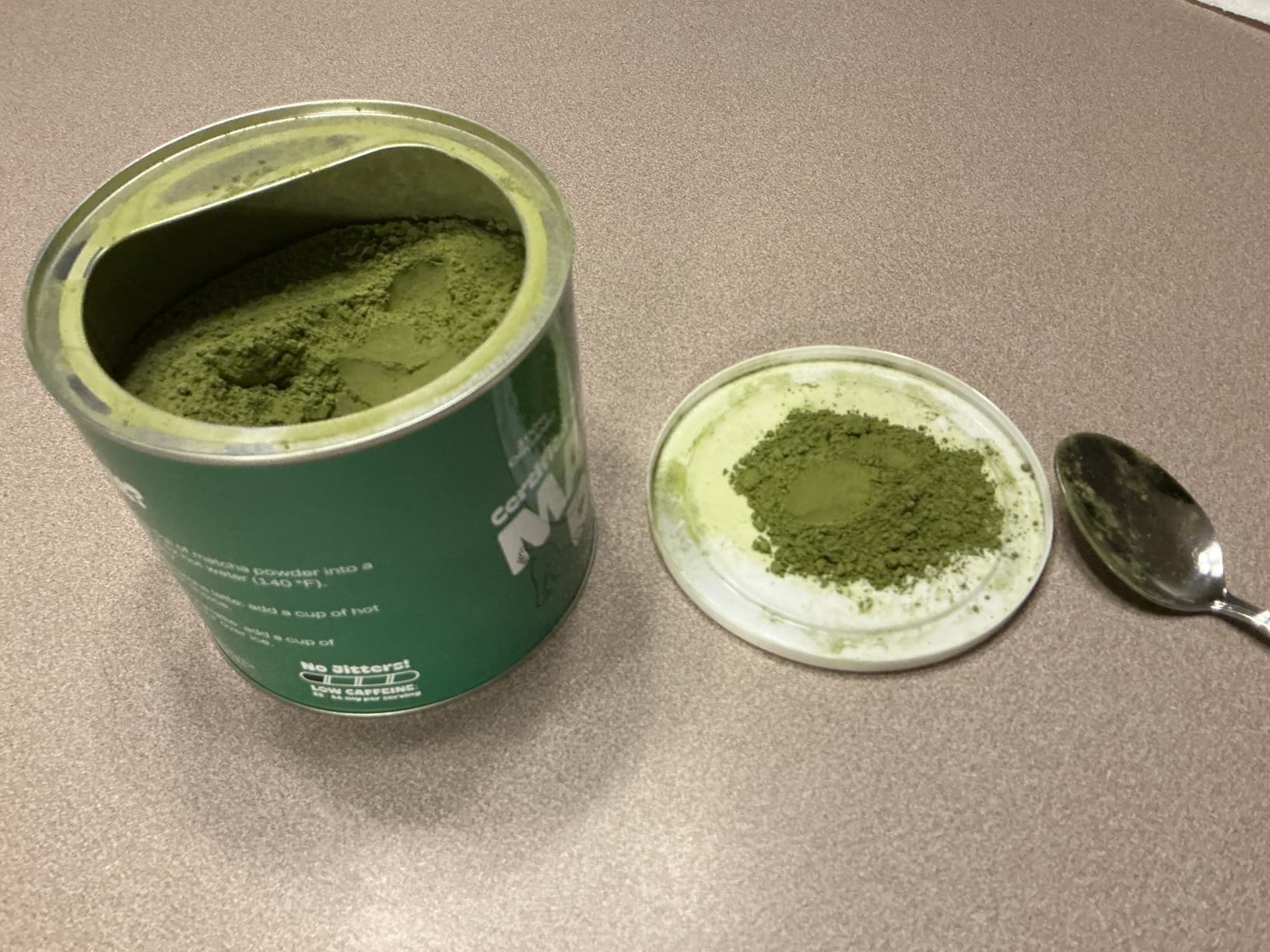
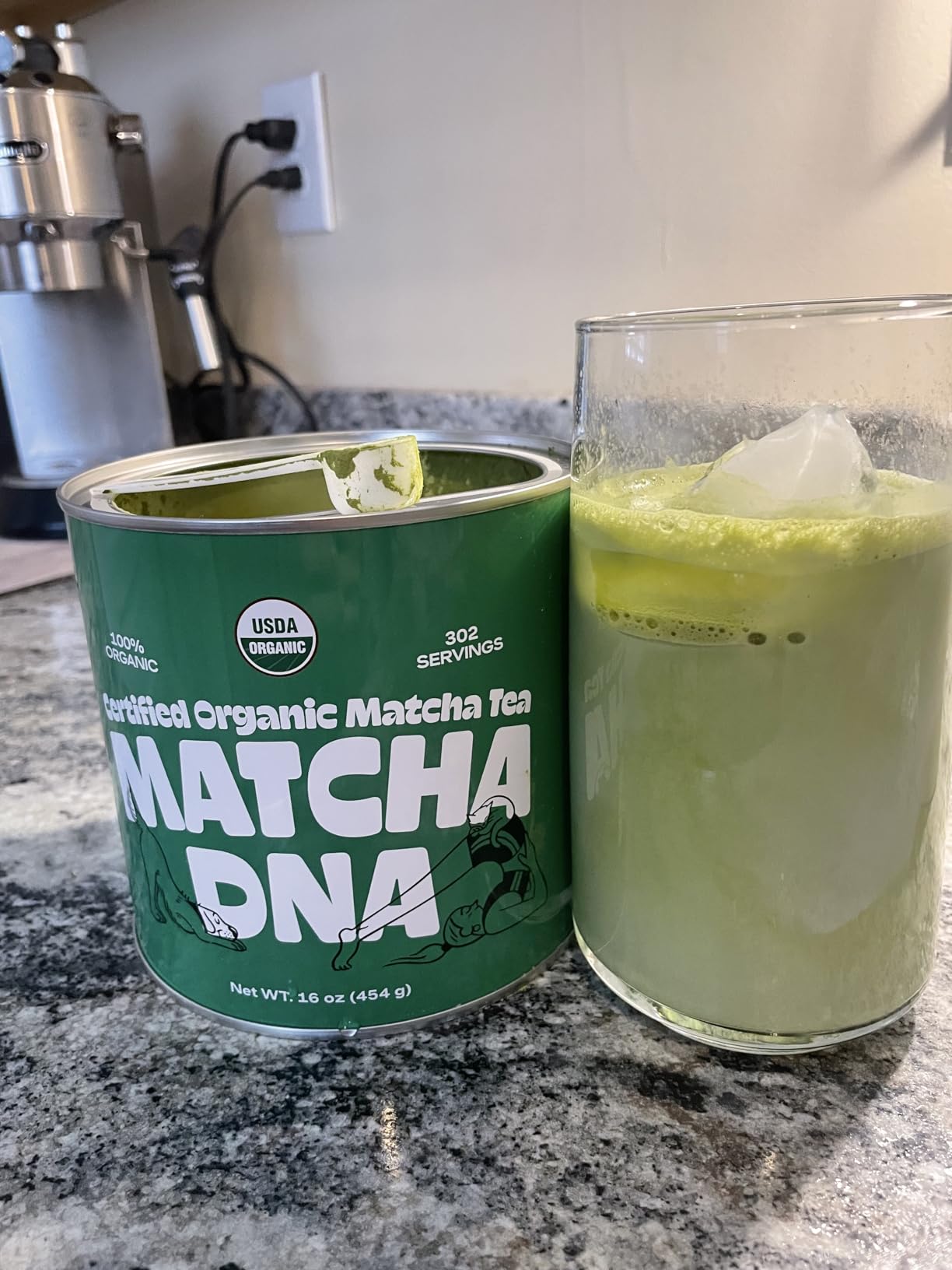
If you go through matcha like I do, a 30g tin is gone in three weeks. Matcha DNA solves that with a 16oz XXL tin that lasts months at the price of a single ceremonial jar. USDA Organic, farm-direct, BPA-free packaging, no additives, and 16871 reviews averaging 4.5 stars.
The flavor profile is honest everyday matcha: smooth, slightly grassy, no bitterness when brewed correctly. It does not have the umami complexity of a top-shelf Japanese ceremonial, and the color is a touch darker, but for daily lattes, smoothies, and baking it is excellent.
I used this tin to make iced matcha, banana-matcha smoothies, and a batch of matcha shortbread. Every recipe turned out well. As a strict usucha with water it is less compelling, which is why I tagged it “best bulk” rather than “best ceremonial.”
The price per serving works out to roughly $0.05, which makes it the cheapest matcha in this guide by a wide margin.
Who will love Matcha DNA Bulk
Heavy daily drinkers, families, bakers, and anyone running a smoothie shop or cafe kitchen at home. Also great for sharing matcha with roommates.
Who should look elsewhere
Japanese ceremonial purists, drinkers who want a single small tin for the freshest flavor, and shoppers who prefer the vibrant green color of Japanese-sourced matcha.
10. Midori Spring Emerald Ceremonial – Best Smooth, Non-Bitter Ceremonial

Midori Spring Organic Authentic Japanese Ceremonial Matcha Powder Emerald, USDA Organic, Kosher, Vegan
First harvest Japan
Blended by tea master
3.53oz tin
Pros
- First harvest ceremonial grade
- USDA Organic Kosher/Whole30
- Smooth non-bitter
- Good frothing
- Versatile for beginners
Cons
- Higher price point
- Packaging not airtight for travel
- Color less vibrant than some
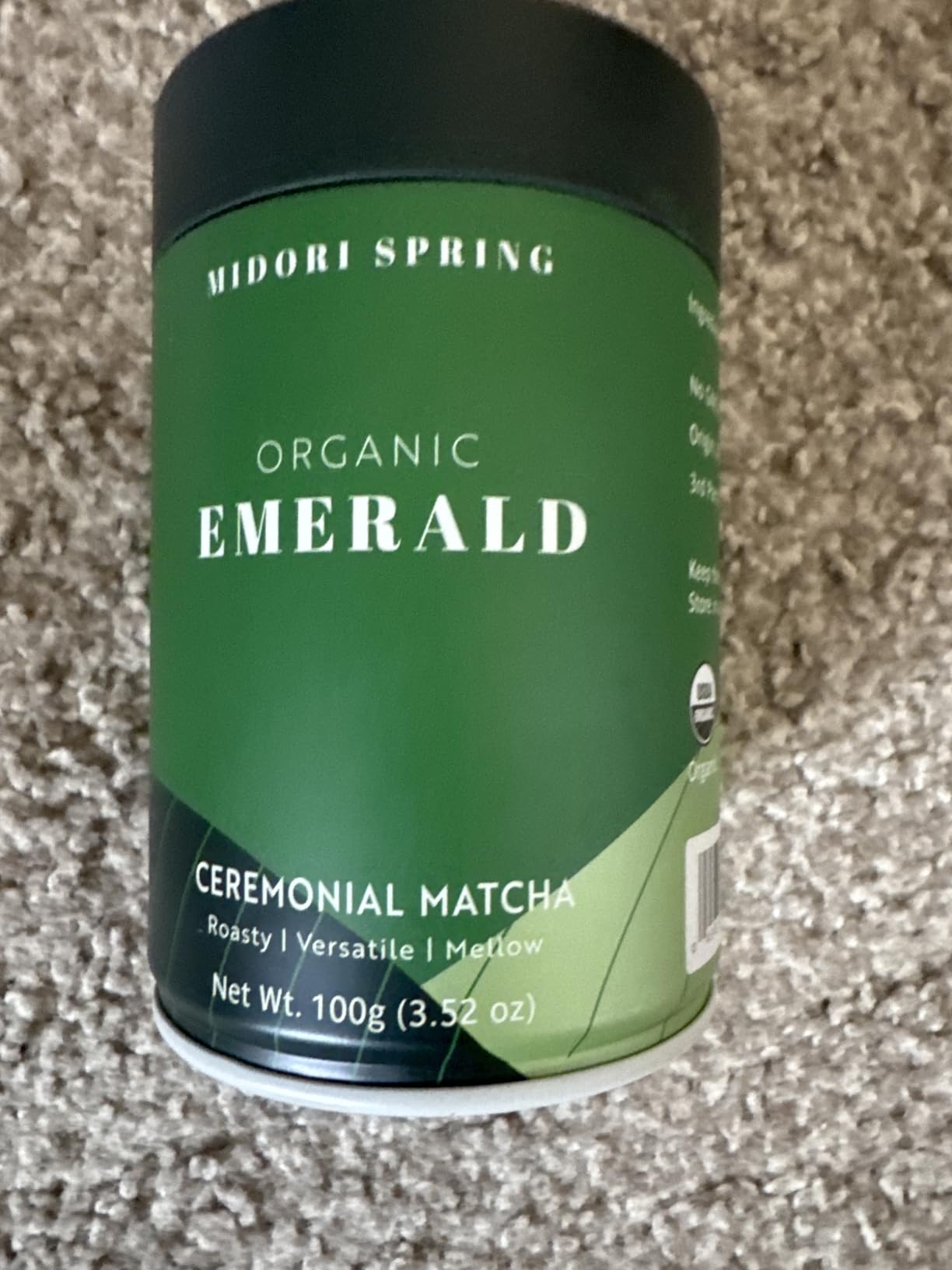
Midori Spring Emerald is blended by a veteran Japanese tea master with 30+ years of experience, and you can taste the craft. The first harvest leaves from Japan produce a smooth, non-bitter cup with subtle nutty and roasted-pepper notes.
The 3.53oz tin is generous for a ceremonial, which justifies the higher sticker price for daily drinkers. The 2121 reviews and a 4.6 average give it the highest rating in this lineup.
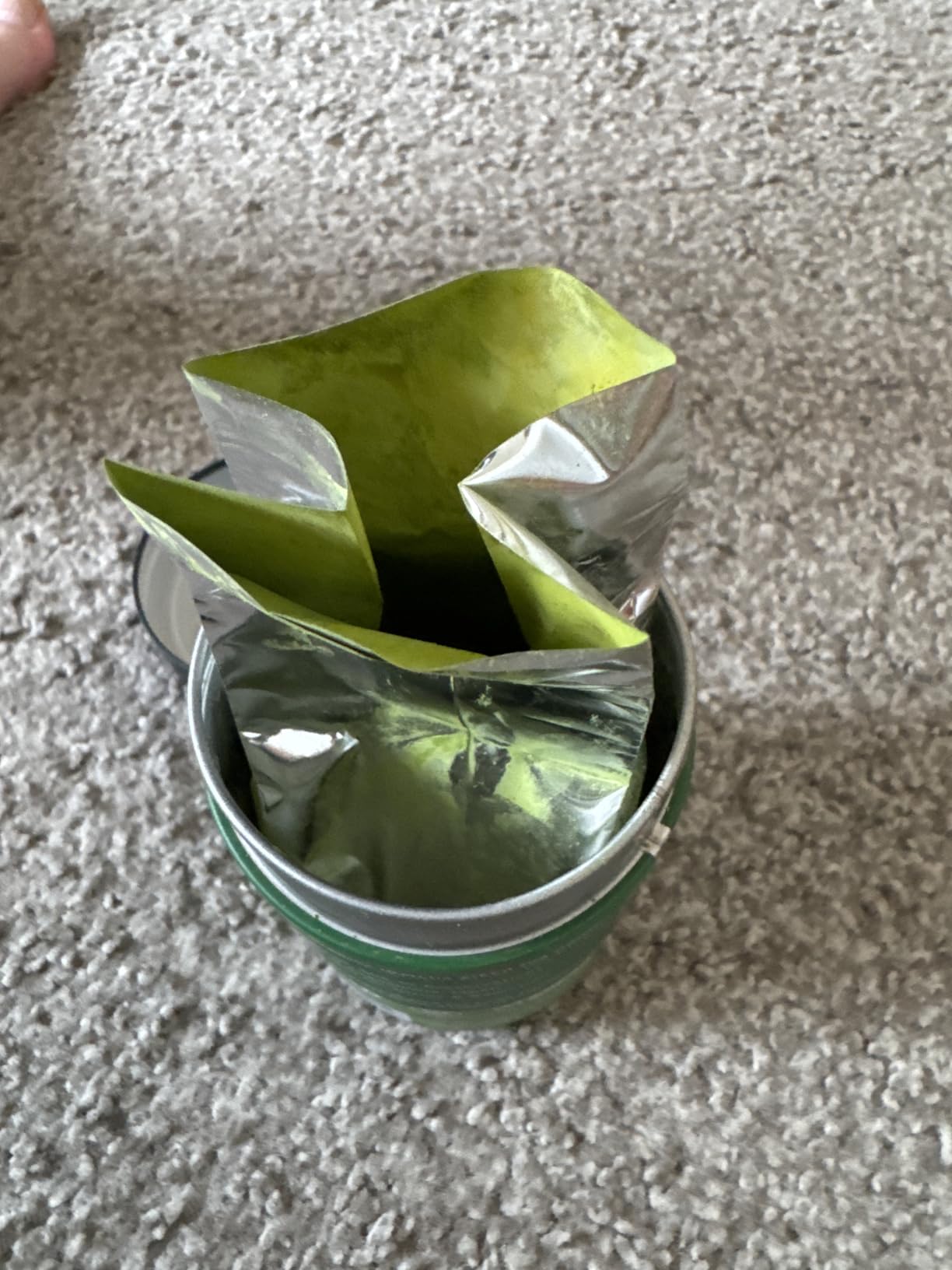
In the cup it foams beautifully with a chasen, and the color is a clean green though a touch less neon than Encha. Where this tin shines is balance: nothing overpowers the palate, making it a wonderful entry-level ceremonial for people who find traditional matcha too intense.
Whole30 approved, kosher, vegan, USDA Organic. The dietary flexibility is unmatched in the ceremonial category.
Who will love Midori Spring Emerald
Ceremonial drinkers who want a larger tin, beginners who want a forgiving first ceremonial, and anyone on Whole30, vegan, or kosher diets. Also great as a gift because the tin looks the part.
Who should look elsewhere
Budget shoppers, daily latte drinkers who would not use ceremonial-grade powder, and anyone whose top priority is the brightest possible green color.
11. Akira Matcha by Konomi – Top Rated Ceremonial Matcha

Akira Matcha 100g (3.5 oz) – Organic Premium Ceremonial Japanese Matcha
USDA + JAS Organic
First harvest
3.5oz tin
Airtight seal
Pros
- Smooth vibrant fresh aroma
- No bitterness
- Versatile traditional and latte
- Easy mixing no clumps
- Natural sweetness
- Vibrant emerald
- High quality at price
- Great foam
Cons
- Not quite Ippodo tier
- Tin flap may need breaking
Akira Matcha from Konomi earned the highest rating of any tin in this guide: 4.7 stars across 4388 reviews. After testing I understand why. USDA Organic plus JAS certified, first-harvest leaves, shade-grown for at least three weeks, and stone-ground in Japan just before shipping.
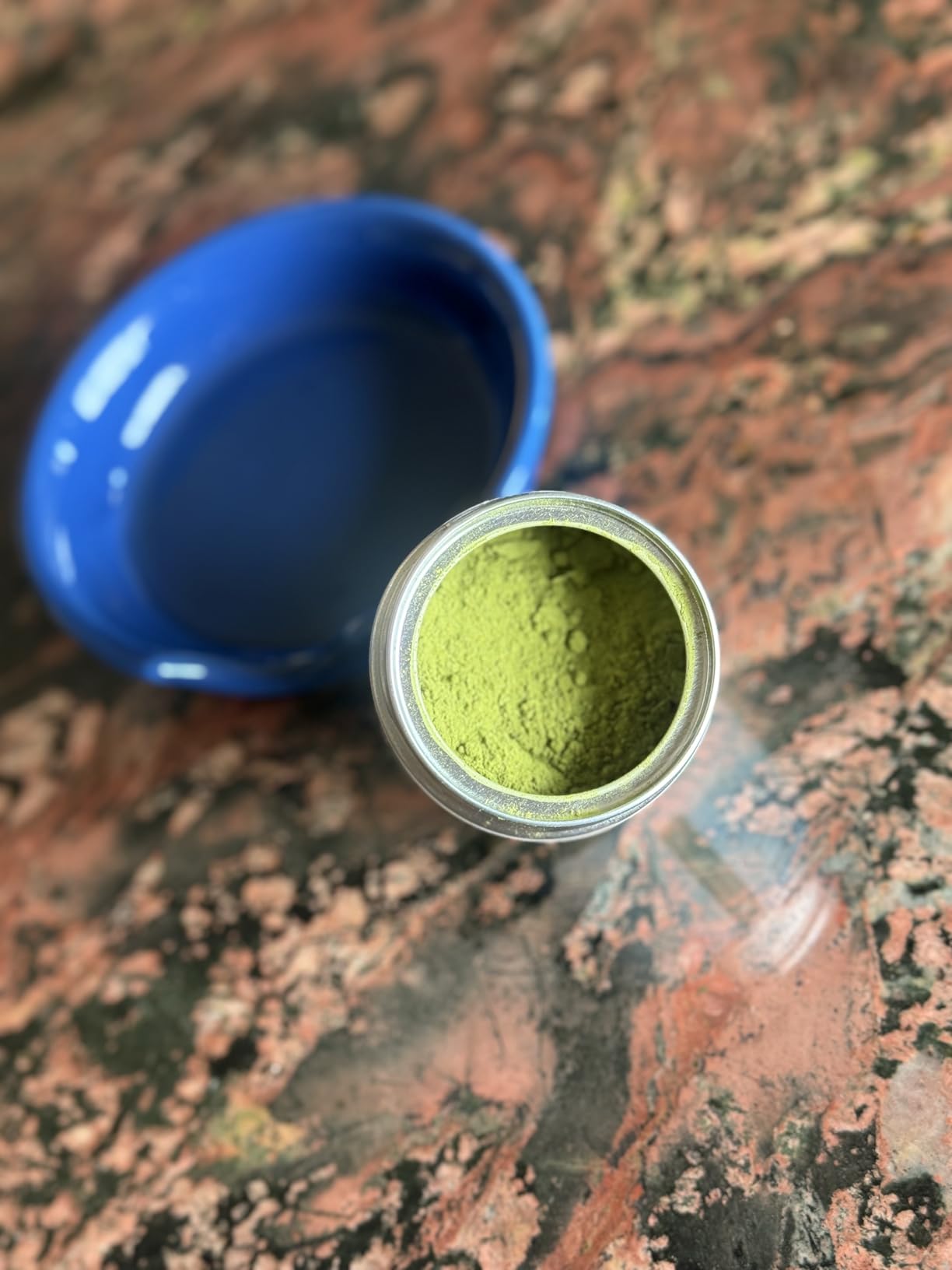
The aroma hits you the moment you open the tin: bright, fresh, slightly sweet. In the cup it is smooth with no bitterness, vibrant emerald green, and it foams with very little whisking effort. The flavor profile sits in the same league as premium Japanese brands that cost twice as much.
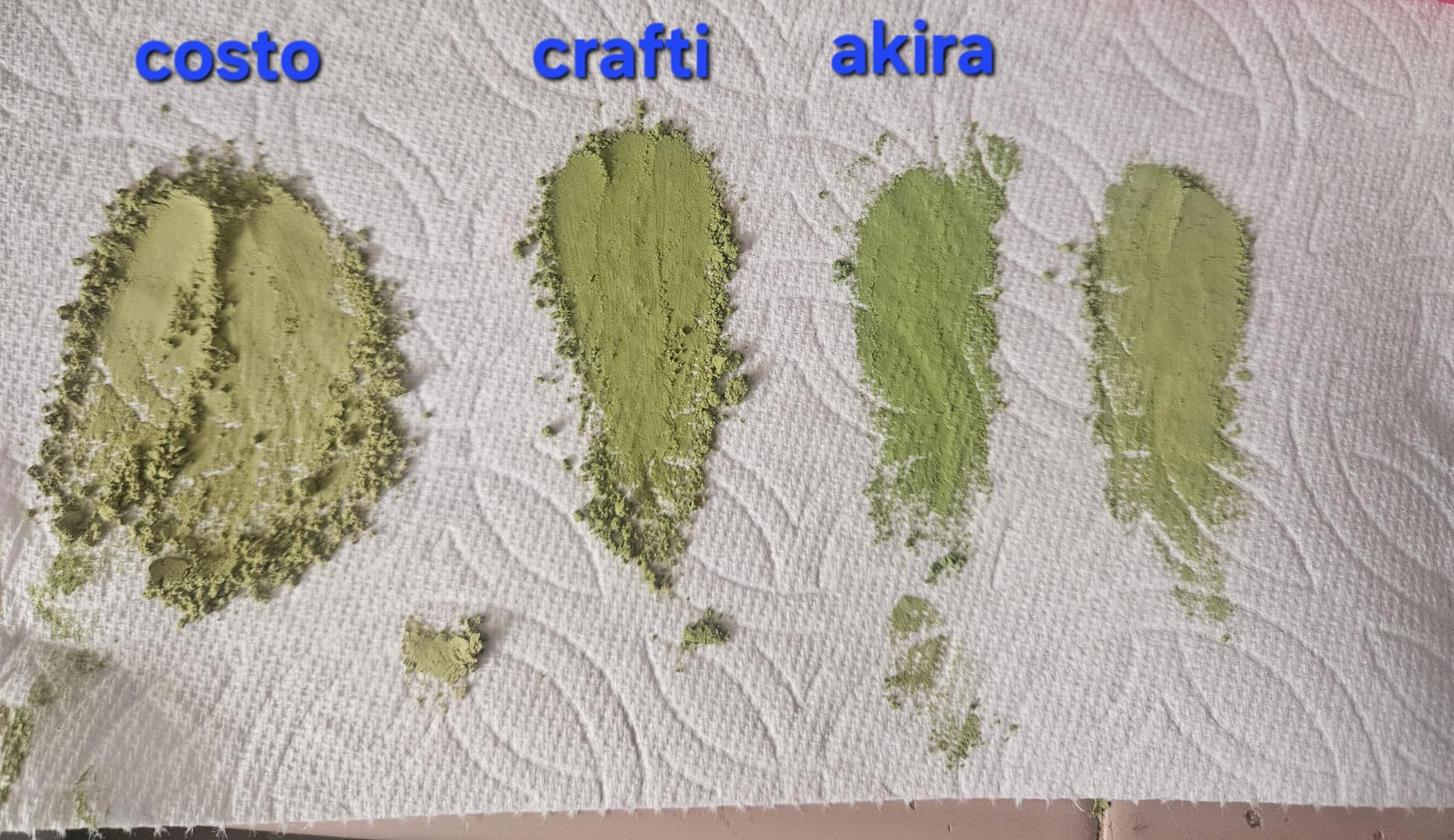
The 3.5oz tin is sealed airtight for freshness, and at $59.95 it looks expensive until you do the per-serving math. Roughly 50 servings per tin works out to about $1.20 per cup, which is comparable to a mid-range latte.
Forum discussions often mention that premium Japanese matcha like Ippodo is frequently out of stock. Akira is a more available alternative that gets very close to top-tier quality.
Who will love Akira Matcha
Drinkers who want top-rated ceremonial quality without chasing out-of-stock Ippodo tins, daily drinkers who want a generous 3.5oz size, and anyone who wants both USDA and JAS organic certification. Also a strong gift pick.
Who should look elsewhere
Shoppers on a tight budget and buyers who prefer the smallest possible tins for maximum freshness rotation.
12. Ito En Traditional Matcha Tea Bags – Best Matcha Tea Bags for Convenience

Ito En Traditional Matcha Green Tea 50 Count Zero Calories, Caffeinated
50 individually wrapped
Zero calories
50mg caffeine
Pros
- Beautiful green color
- Mild smooth taste
- No bitterness when brewed right
- Convenient tea bag format
- Individually foil wrapped
- Lower caffeine than coffee
- Good cold brew
- Excellent value
Cons
- Bland vs premium loose leaf
- Best cold brewed not hot
- Packaging may crush in envelope
Not everyone wants to whisk matcha. For travelers, office workers, and anyone who just wants to drop a bag into a cup, Ito En Traditional Matcha Tea Bags are the clear winner. 50 individually foil-wrapped bags, zero calories, 50mg caffeine per cup.
I cold-brewed a bag in a 16oz water bottle for four hours and got a clean, mildly grassy iced tea with no bitterness. Hot-brewed, the flavor is lighter, which is the main caveat. If you want a strong, punchy cup, skip tea bags entirely and go with one of the powders above.
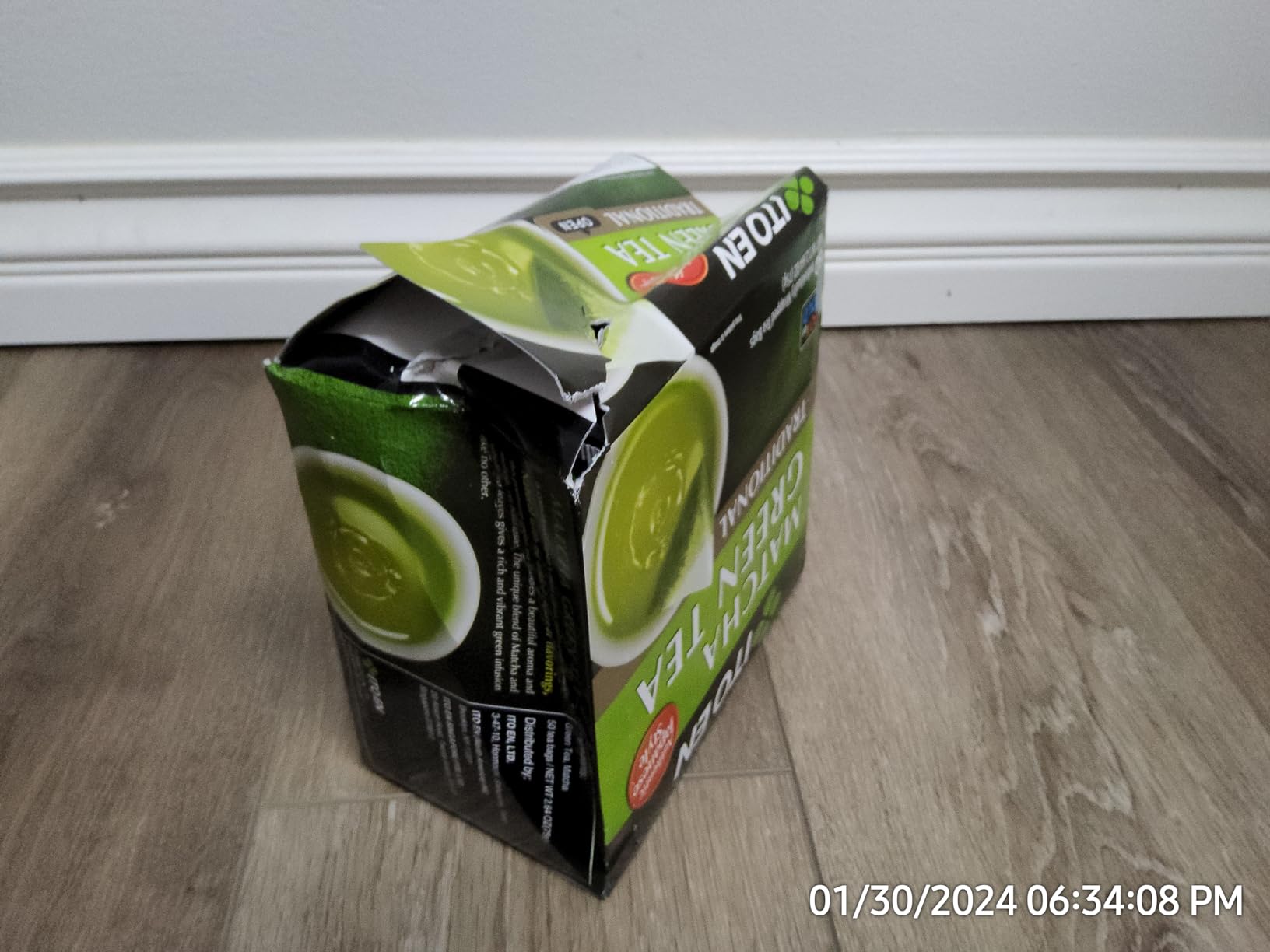
At 6113 reviews and a 4.6 average, this is the most reliable matcha tea bag format on Amazon. The sustainable Japanese farming partnership is a nice bonus.
The price works out to roughly 18 cents per cup, which is the cheapest entry into daily matcha in this entire guide.
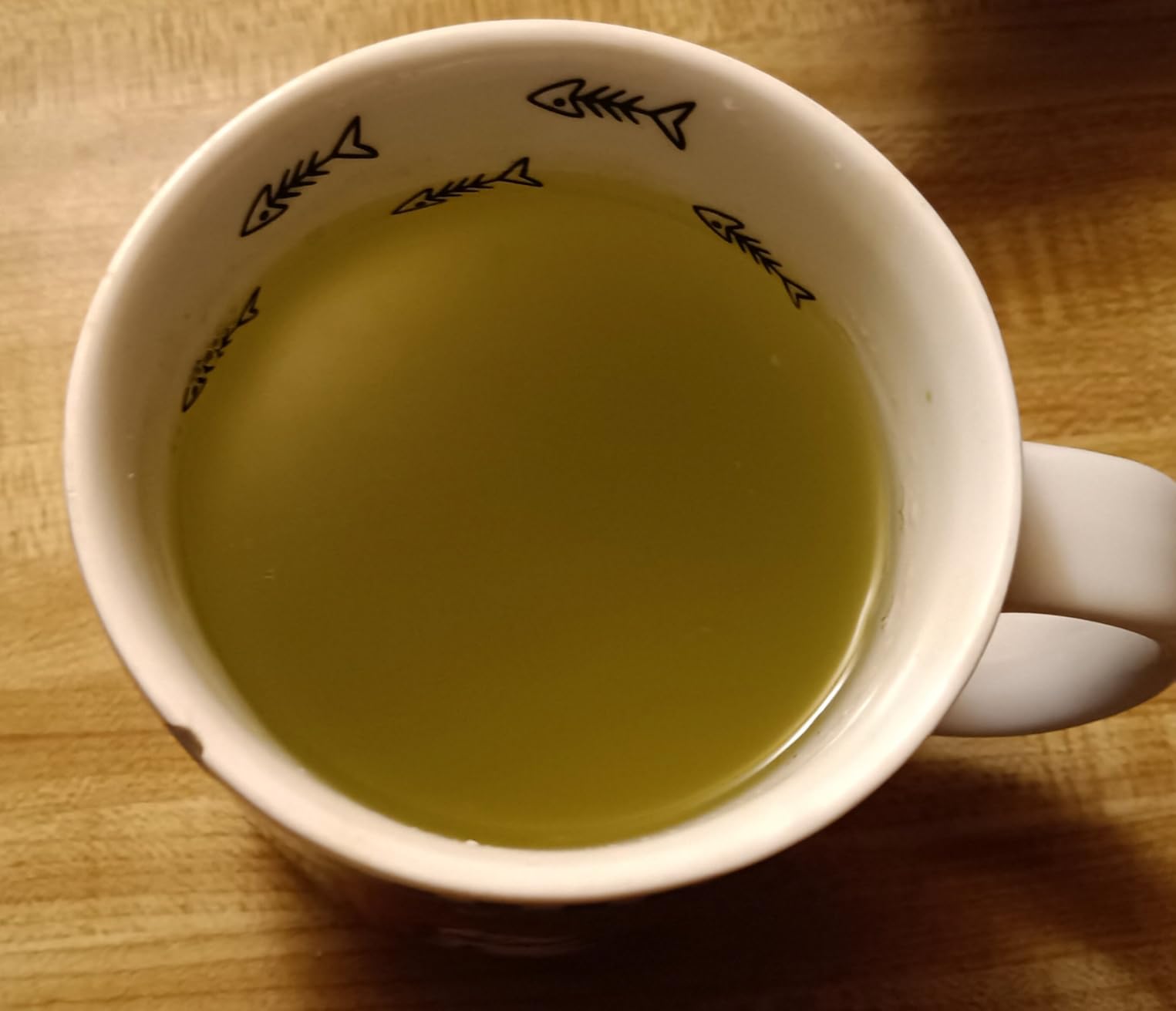
Who will love Ito En Traditional Matcha Bags
Travelers, office workers, hotel-stayers, anyone without a whisk or frother, and shoppers who want the cheapest possible daily matcha. Also great for introducing skeptical friends to matcha without requiring any equipment.
Who should look elsewhere
Powder purists, traditionalists who want full ceremonial flavor, and buyers who plan to make lattes (you really need powder for that).
How to Choose the Best Matcha Tea for You
Choosing the best matcha tea comes down to four questions: how you plan to drink it, how often, what grade you actually need, and how much freshness matters. Below is the framework I used throughout testing.
Ceremonial vs Culinary Grade: Which Do You Need?
Ceremonial grade is made from the youngest, most tender shade-grown leaves, stone-ground into a whisper-fine powder. It tastes smooth, sweet, and complex when brewed with just water. Culinary grade is made from slightly older leaves and is designed to stand up to milk, sugar, and other ingredients. If you drink your matcha as a latte or use it in baking, culinary grade is the right call and will save you real money. If you drink it straight with a chasen in the traditional Japanese style, ceremonial grade is worth the premium.
Matcha Origin: Why Japan Still Sets the Standard
Most of the best matcha in the world still comes from Japan, especially the Uji region near Kyoto, Nishio in Aichi Prefecture, and Kagoshima in the south. Uji is famous for its balanced umami and bright color. Nishio tends toward sweeter, more vegetal profiles. Kagoshima produces bolder, slightly more savory matcha. One tin in this guide, Chaism, comes from Hangzhou, China, and is a credible alternative, but most buyers gravitate toward Japanese sourcing for the proven track record.
How to Prepare Matcha the Right Way
For traditional usucha (thin matcha), sift one to two grams of powder into a chawan, add about 70ml of water at 175 degrees Fahrenheit, and whisk in a “W” or “M” motion with a bamboo chasen until you see a fine crema. For koicha (thick matcha), use twice the powder and half the water and knead rather than whisk. For lattes, sift the powder into warm milk, froth with a handheld frother, and sweeten to taste. Never use boiling water: it scorches the powder and turns the cup bitter.
Storage and Freshness Tips
Matcha oxidizes quickly once opened. Keep your tin sealed, stored in a cool dark place, and ideally refrigerated after opening. Use opened tins within four to six weeks for peak flavor and color. Buy smaller tins if you only drink matcha occasionally so each tin stays fresh. Bulk tins are great for heavy daily drinkers but tougher on flavor the longer they sit open.
Third-Party Testing and Heavy Metals
Green tea can absorb lead from soil, which is why third-party heavy metal testing matters. Brands like Encha, Jade Leaf, and Midori Spring publish testing results on their websites. If a brand does not share test results, that is a yellow flag. Look for matcha tested below 5 ppm lead and below 0.5 ppm cadmium for the cleanest cup.
Price Per Gram: The Real Value Math
Sticker price is misleading. Calculate price per gram, then per serving (about 1g for ceremonial, 2g for latte mixes). Matcha DNA’s 16oz tin costs about $0.05 per serving. Tenzo BetterBoost sits around $0.30. Akira Matcha runs about $1.20 per serving. Premium tins like Naoki land near $0.62 per serving. The right answer depends on how often you drink and what grade you actually need.
Sustainability and Sourcing Ethics
Look for shade-grown certifications, farm-direct sourcing, and partnerships with named Japanese farming cooperatives. Jade Leaf, Naoki, and PureChimp all publish their sourcing regions. Avoid brands that cannot tell you where their tencha leaves come from. Glass jar or recyclable tin packaging is a small bonus for anyone trying to cut down on waste.
Frequently Asked Questions
What is the best matcha tea to buy?
The best matcha tea to buy depends on how you plan to drink it. For traditional preparation with just water, Naoki Superior Blend or Jade Leaf Ceremonial Teahouse Edition are top-tier picks. For lattes and daily use, Jade Leaf Organic Culinary Grade delivers the best balance of quality and value. For tea-bag convenience, Ito En Traditional Matcha Bags cannot be beat.
Which brand is the best matcha green tea?
Jade Leaf is the most popular matcha brand in the US, with the deepest review base and consistent batch quality. For premium ceremonial, Akira Matcha and Encha are widely trusted. For budget-friendly Japanese ceremonial, PureChimp delivers strong value. Each brand in this guide was tested for flavor, color, foam, and freshness.
Which matcha tea is the healthiest?
All ceremonial-grade matcha in this guide is rich in antioxidants (EGCG catechins) and L-theanine for calm, focused energy. Jade Leaf Ceremonial and Akira Matcha pair USDA Organic certification with first-harvest leaves for the cleanest profile. Matcha delivers more antioxidants than regular green tea because you consume the entire leaf rather than steeping it.
Which grade of matcha is the best?
Ceremonial grade is the highest grade and is brewed with just water. Culinary grade is slightly lower quality and designed for lattes, baking, and smoothies. If you drink matcha plain, ceremonial is the best choice. If you mix it with milk or use it in recipes, culinary grade is the smarter and more affordable pick. Premium ceremonial from Japan costs more because the youngest, shade-grown leaves are used.
Final Verdict: Which Matcha Tea Should You Buy in 2026?
After two months of testing 12 jars and tins, three matcha teas stand out. For the best matcha tea overall, Naoki Superior Blend delivers the most balanced ceremonial experience at a price beginners can stomach. For the best daily-driver value, Jade Leaf Organic Culinary Grade is unbeatable for lattes and smoothies. For the best pre-sweetened latte mix, Jade Leaf Matcha Latte Mix turns a $6 cafe habit into a $0.75 home ritual.
Whatever your routine looks like, this guide gives you a clear path: pick your grade, choose your origin, calculate your per-serving cost, and start drinking. The best matcha tea for 2026 is whichever one you actually enjoy drinking every morning.