
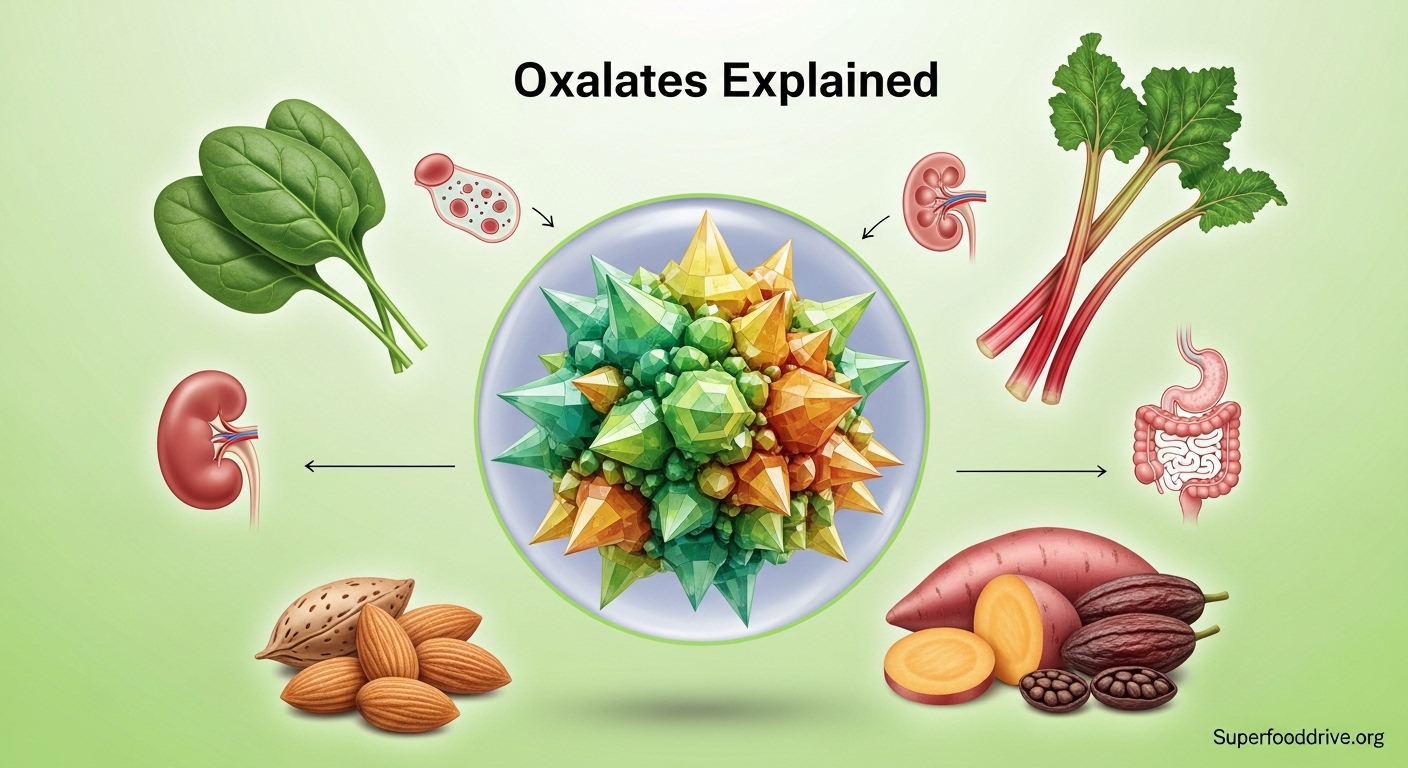
You’ve probably heard conflicting advice about oxalates. One nutritionist warns that spinach is secretly toxic. Another insists those same leafy greens are essential for health. Meanwhile, someone on Reddit claims cutting oxalates cured their chronic pain, while your doctor shrugs and says it’s nothing to worry about.
I’ve spent weeks digging through the research, reading hundreds of forum discussions from people dealing with real oxalate issues, and consulting the latest scientific studies. The truth about oxalates is more nuanced than the extreme claims suggest.
Most people can eat high-oxalate foods without any problems. But certain groups do need to pay attention. In this guide, I’ll explain exactly what oxalates are, how they affect your body, and most importantly, who actually needs to worry about them.
Whether you’re here because you keep getting kidney stones, you’re struggling with unexplained symptoms, or you’re just confused by all the conflicting advice, this article will give you clear, evidence-based answers.
Table of Contents
What Are Oxalates? A Simple Explanation
Oxalates, also called oxalic acid, are natural compounds found in plants. They’re classified as antinutrients because they can bind to minerals in your digestive tract and prevent your body from absorbing them properly.
When you eat foods containing oxalates, these compounds latch onto minerals like calcium, magnesium, and iron. This binding forms crystals called calcium oxalate, which your body typically eliminates through waste rather than absorbing into your bloodstream.
Why Plants Produce Oxalates
Plants don’t create oxalates to mess with human nutrition. For the plants themselves, oxalates serve protective functions. They help defend against predators, regulate calcium levels within plant cells, and bind heavy metals that might otherwise harm the plant.
This means oxalates appear in some of the healthiest foods you can eat. Spinach, kale, nuts, and beans all pack plenty of nutrition along with varying amounts of oxalic acid. The presence of oxalates doesn’t make a food unhealthy, despite what some viral social media posts might suggest.
How Your Body Handles Oxalates
Under normal circumstances, your digestive system manages oxalates without any trouble. Most of the oxalates you consume bind to calcium in your gut and exit through your stool. Only a small fraction gets absorbed into your bloodstream and filtered out by your kidneys.
Your gut bacteria play a surprising role here. A specific beneficial bacteria called Oxalobacter formigenes actually eats oxalates. People with healthy colonies of this bacteria can handle higher oxalate loads without issues. Unfortunately, antibiotics and certain gut conditions can wipe out these helpful microbes, leaving you more vulnerable to oxalate-related problems.
Who Should Worry About Oxalates?
Here’s the straightforward answer most people need: you probably don’t need to worry about oxalates. If you have healthy kidney function, normal digestion, and no history of kidney stones, those high-oxalate vegetables in your diet are almost certainly doing more good than harm.
However, several specific groups should pay closer attention to their oxalate intake. Understanding whether you fall into one of these categories can help you make informed decisions about your diet.
People with a History of Kidney Stones
If you’ve ever passed a calcium oxalate kidney stone, you know it’s an experience you never want to repeat. These painful stones form when oxalates bind with calcium in your urinary tract instead of your digestive system.
People who have had one kidney stone face a 50% chance of developing another within 5 to 10 years. For stone formers, reducing oxalate intake often becomes part of a comprehensive prevention strategy that includes staying well-hydrated and maintaining adequate calcium intake with meals.
Your doctor may recommend keeping daily oxalate consumption under 50 milligrams if you’re prone to stones. This requires paying attention to high-oxalate foods like spinach, rhubarb, beets, nuts, and chocolate.
Those with Digestive Conditions
Certain digestive disorders dramatically increase oxalate absorption, putting you at higher risk even without a personal history of stones. Inflammatory bowel disease (IBD), including Crohn’s disease and ulcerative colitis, can damage the intestinal lining and allow more oxalates to enter your bloodstream.
Short bowel syndrome, often resulting from surgical removal of portions of the intestine, reduces the surface area available for normal oxalate processing. Similarly, people who have undergone gastric bypass surgery frequently develop higher urinary oxalate levels due to altered digestion.
If you have any of these conditions, working with a healthcare provider to monitor your oxalate levels makes sense. Some patients need medication to manage absorption, while others benefit from dietary modifications.
Individuals with Gut Bacteria Imbalances
The connection between gut health and oxalates goes deeper than most people realize. Research increasingly shows that people with small intestinal bacterial overgrowth (SIBO) and other gut dysbiosis issues often struggle with oxalate sensitivity.
When Oxalobacter formigenes and other oxalate-degrading bacteria are missing from your microbiome, you lose a natural defense mechanism. Many people in online health communities report discovering oxalate issues only after dealing with long-standing gut problems.
The Reddit discussions I reviewed show a clear pattern: people treating SIBO or other gut conditions often find their oxalate tolerance improves as their gut health recovers. This suggests that fixing underlying digestive issues may resolve oxalate sensitivity for some individuals.
Signs You Might Be Sensitive to Oxalates
While there’s no definitive at-home test for oxalate sensitivity, certain symptoms suggest you might benefit from exploring the connection. People who report issues often describe a cluster of symptoms that flare after eating high-oxalate foods.
Common reported symptoms include burning or irritation during urination, frequent urination urgency, joint pain or stiffness, particularly in the hands and feet, unexplained fatigue, and grainy or sandy deposits in urine. Some people also report skin issues, digestive discomfort, or what feels like allergic reactions after consuming foods like spinach or almonds.
These symptoms are nonspecific and could indicate many different conditions. If you suspect oxalate sensitivity, tracking your symptoms alongside your food intake for several weeks can provide valuable information to share with your healthcare provider.
Who Does Not Need to Worry
If you don’t have kidney stone history, digestive disorders, or unexplained symptoms that correlate with high-oxalate meals, you can almost certainly stop worrying about oxalates. The nutritional benefits of oxalate-rich foods like leafy greens, nuts, and beans far outweigh any potential downsides for healthy individuals.
Even if you enjoy a large spinach salad daily, your body likely handles the oxalates without issue. Research consistently shows that for people with normal kidney and digestive function, dietary oxalates pose minimal risk.
Foods High in Oxalates: What to Know
Understanding which foods contain the most oxalates helps you make informed choices. The amounts vary dramatically, and some surprisingly healthy foods rank among the highest.
The Surprising Truth About Spinach
Spinach tops nearly every high-oxalate food list, and the numbers are shocking. A single cup of cooked spinach contains roughly 750 milligrams of oxalates. To put that in perspective, someone following a low-oxalate diet typically aims for under 50 milligrams per day.
This creates real confusion for health-conscious eaters. Spinach delivers iron, vitamin K, folate, and antioxidants, yet its oxalate content is off the charts. For most people, the benefits win. For oxalate-sensitive individuals, spinach becomes a food to limit or avoid entirely.
Raw spinach contains slightly less oxalate than cooked, but the difference isn’t dramatic enough to make raw spinach a low-oxalate option. If you’re managing oxalate intake, both raw and cooked spinach require caution.
Other High-Oxalate Foods to Watch
Beyond spinach, several common healthy foods pack significant oxalate content. Almonds and almond products, including almond butter and almond flour, contain around 300 to 400 milligrams per serving. Swiss chard, beet greens, and rhubarb all rival spinach in oxalate concentration.
Soy products like tofu and edamame, potato skins, chocolate and cocoa, and blackberries all contain moderate to high oxalate levels. Even tea, particularly black tea, contributes oxalates to your daily intake.
Beans and legumes vary considerably. Navy beans, refried beans, and soybeans rank higher, while green peas and lentils contain less. If you’re managing oxalate intake, checking specific values for the beans you eat regularly helps with planning.
Low-Oxalate Alternatives
The good news is that plenty of nutritious foods are naturally low in oxalates. Kale, despite being a leafy green, contains significantly less oxalate than spinach. Cabbage, cauliflower, broccoli, and asparagus all offer vegetable nutrition without the oxalate load.
For fruits, blueberries actually rank quite low in oxalates, contrary to some confusion online. Apples, bananas, cherries, grapes, and melons are all safe choices. If you’re avoiding nuts due to oxalates, pumpkin seeds and flaxseeds provide similar nutritional benefits with lower oxalate content.
Cauliflower rice makes an excellent substitute for grain-based sides if you’re managing oxalate intake across your whole diet. Eggs, most meats, dairy products, and grains like rice and oats are naturally low in oxalates as well.
Oxalate Myths Debunked: What the Research Actually Shows
The internet overflows with claims about oxalates causing everything from autism to chronic vaginal pain. Sorting fact from fiction matters for making informed health decisions.
Myth: Oxalates Cause Autism
Some alternative health sources claim that high oxalate levels contribute to autism spectrum disorder, suggesting that oxalates cross the blood-brain barrier and cause neurological symptoms. This theory gained traction through anecdotal reports and unverified testing methods.
However, peer-reviewed research does not support this connection. Studies examining urinary oxalate levels in children with autism have found no consistent elevation compared to neurotypical controls. The medical consensus remains that there is no established causal link between dietary oxalates and autism.
While some parents report behavioral improvements when their children follow low-oxalate diets, these anecdotes may reflect other dietary changes or placebo effects rather than true oxalate-related mechanisms.
Myth: Oxalates Cause Vaginal Pain or Vulvodynia
Claims that oxalates cause chronic vaginal pain or vulvodynia have circulated for years, with some practitioners recommending low-oxalate diets for women suffering from these conditions. The theory suggests that oxalate crystals deposit in vaginal tissue and cause irritation.
Research examining this connection has failed to find supporting evidence. Studies measuring oxalate levels in vaginal tissues of women with vulvodynia have not shown elevated concentrations compared to women without the condition. Randomized controlled trials of low-oxalate diets for vulvodynia have not demonstrated significant benefit.
Women suffering from chronic vaginal pain deserve evidence-based treatments. While some individuals may coincidentally feel better on various dietary changes, attributing their symptoms to oxalates without scientific backing risks delaying proper medical care.
Myth: Everyone Should Avoid Oxalates
Perhaps the most harmful myth is the idea that oxalates are universally toxic and everyone should eliminate high-oxalate foods from their diet. This extreme view appears frequently in certain online health communities and has caused real anxiety among health-conscious eaters.
The research clearly shows this isn’t necessary. Population studies consistently demonstrate that high consumption of oxalate-rich vegetables correlates with better health outcomes, not worse. The fiber, vitamins, minerals, and phytonutrients in these foods deliver substantial benefits that far outweigh oxalate concerns for most people.
Your body has evolved mechanisms to handle oxalates through normal digestion. Only when those mechanisms fail due to specific medical conditions do oxalates become a genuine problem requiring dietary intervention.
Practical Ways to Manage Oxalate Intake
If you’ve determined that reducing oxalates makes sense for your situation, several practical strategies can help. The goal is reducing risk while maintaining nutritional adequacy and quality of life.
Cooking Methods That Reduce Oxalates
How you prepare food matters more than you might expect. Boiling high-oxalate vegetables leaches significant amounts of oxalate into the cooking water. Studies show that boiling spinach can reduce its oxalate content by 30% to 87%, depending on duration and water volume.
The key is using plenty of water and discarding the cooking water rather than consuming it. Steaming, while better for preserving other nutrients, removes fewer oxalates than boiling. Sauteing or roasting without water does little to reduce oxalate content.
For beans and legumes, soaking before cooking helps. Discarding the soaking water and cooking in fresh water removes additional oxalates. If you make homemade almond milk, consider whether the oxalates concentrate in the milk or the pulp, as preparation methods vary.
The Calcium Strategy
One of the most effective oxalate management strategies seems counterintuitive: eat more calcium with your meals. When calcium is present in your digestive tract alongside oxalates, they bind together there rather than absorbing separately into your bloodstream.
This binding creates insoluble calcium oxalate that passes through your stool rather than reaching your kidneys. Research shows that people with adequate calcium intake actually have lower urinary oxalate levels than those with low calcium intake.
If you’re managing oxalate intake, consuming calcium-rich foods or supplements with meals makes sense. Dairy products, calcium-fortified alternatives, or calcium supplements taken with food can all serve this protective function.
Understanding Oxalate Dumping
A phenomenon frequently discussed in online health communities but rarely mentioned in mainstream medical sources is “oxalate dumping.” When people who have been consuming high oxalate levels suddenly cut their intake dramatically, some report experiencing temporary worsening symptoms.
The theory suggests that stored oxalate deposits begin mobilizing when dietary intake drops, causing symptoms like fatigue, irritability, joint pain, and skin issues as the body clears them. While scientific research on this specific phenomenon remains limited, enough people report consistent experiences that the concept deserves consideration.
If you’re reducing oxalates after a period of high consumption, consider tapering gradually rather than stopping abruptly. Some practitioners recommend taking certain supplements like magnesium or B vitamins to support the clearance process, though evidence for specific protocols remains anecdotal.
Monitoring how you feel during the transition matters. If you experience significant symptoms when cutting oxalates, slower reduction may be more tolerable than sudden elimination.
Tips for Plant-Based Eaters
Vegans and vegetarians face unique challenges with oxalate management because many plant-based protein staples are also high in oxalates. Spinach, tofu, beans, and nuts all contribute significantly to both protein intake and oxalate load.
The Reddit discussions I reviewed revealed genuine concern among people transitioning to vegan diets who suddenly increased their oxalate consumption dramatically. Some reported developing symptoms they later connected to oxalate sensitivity.
If you follow a plant-based diet and suspect oxalate issues, diversifying your protein sources helps. Lentils, split peas, and chickpeas contain less oxalate than soy products. Seitan provides protein without the oxalate content of whole grains and legumes.
Focusing on lower-oxalate vegetables like kale, cabbage, and cauliflower while moderating spinach and beet greens can help you maintain nutritional adequacy without overloading on oxalates. Working with a dietitian familiar with plant-based nutrition and oxalate management can ensure you meet all nutrient needs.
Frequently Asked Questions About Oxalates
Does everyone need to worry about oxalates?
No, most people do not need to worry about oxalates. If you have healthy kidney function, normal digestion, and no history of kidney stones, your body handles oxalates without any issues. Only specific groups, including people with a history of kidney stones, inflammatory bowel disease, short bowel syndrome, or those who have had gastric bypass surgery, typically need to monitor oxalate intake.
How do I know if oxalates are a problem for me?
Signs that oxalates might be an issue include a history of calcium oxalate kidney stones, unexplained urinary burning or urgency that correlates with high-oxalate meals, joint pain or stiffness, particularly in hands and feet, and grainy or sandy deposits in urine. If you have digestive conditions like IBD, SIBO, or have had gastric bypass surgery, you may be at higher risk. Tracking symptoms alongside food intake and consulting a healthcare provider can help determine if oxalates are contributing to your symptoms.
Are blueberries full of oxalates?
No, blueberries are not high in oxalates. They are actually considered a low-oxalate fruit, making them a safe choice for people monitoring oxalate intake. This is a common misconception, possibly because blueberries are dark-colored like some high-oxalate berries. You can enjoy blueberries without worrying about oxalate content.
How to flush oxalates out of a system?
The most effective way to help your body eliminate oxalates is to stay well-hydrated, as this supports kidney function and dilutes urinary oxalate concentration. Consuming adequate calcium with meals helps bind oxalates in the gut for elimination through stool rather than urine. Some people find that gradually reducing oxalate intake prevents potential dumping symptoms. Supporting gut health through probiotics and fermented foods may help restore oxalate-degrading bacteria. However, if you have elevated oxalate levels due to a medical condition, working with a healthcare provider is essential.
Can you be allergic to oxalates?
Oxalate sensitivity is not a true allergy in the immunological sense. You cannot be allergic to oxalates the way you might be allergic to peanuts or shellfish. However, some people do experience sensitivity reactions that can feel allergy-like, including skin irritation, digestive upset, or respiratory symptoms after consuming high-oxalate foods. These reactions are better described as intolerances or sensitivities rather than allergies, and they likely stem from how your individual body processes oxalates rather than an immune system response.
Do oxalates cause inflammation?
Research on oxalates and inflammation is still emerging. Some studies suggest that oxalate crystals can trigger inflammatory responses in tissues where they deposit, such as kidneys or joints. People with primary hyperoxaluria, a rare genetic condition causing excessive oxalate production, do experience oxalate-related inflammation and tissue damage. However, for the general population eating a normal diet, there’s no strong evidence that dietary oxalates cause systemic inflammation. If you have an underlying condition that affects oxalate metabolism, the story may be different.
The Bottom Line on Oxalates
After digging through hundreds of research papers, forum discussions, and clinical studies, here’s what I’ve concluded about oxalates: they’re compounds that most people can handle without thinking twice, but they can cause real problems for specific individuals.
If you don’t have a history of kidney stones, major digestive surgery, inflammatory bowel disease, or unexplained symptoms that track with high-oxalate meals, you can stop worrying. The spinach in your smoothie and the almonds in your trail mix are nourishing your body, not poisoning it.
For those who do fall into at-risk categories, oxalate awareness offers a tool for managing health. Working with healthcare providers to determine appropriate intake levels, using cooking methods that reduce oxalates, and ensuring adequate calcium intake can all help reduce risk without requiring extreme dietary restrictions.
The fear-mongering about oxalates causing autism, vaginal pain, or universal toxicity simply doesn’t hold up to scientific scrutiny. Meanwhile, the real risks for susceptible individuals deserve attention and proper management.
If you suspect oxalates might be affecting your health, start by tracking your symptoms and food intake. Bring that information to a healthcare provider who can help you determine whether testing or dietary modifications make sense. Self-diagnosis based on internet trends rarely leads to optimal outcomes.
For everyone else, enjoy your leafy greens, nuts, and beans with confidence. Your body knows what to do with oxalates.