
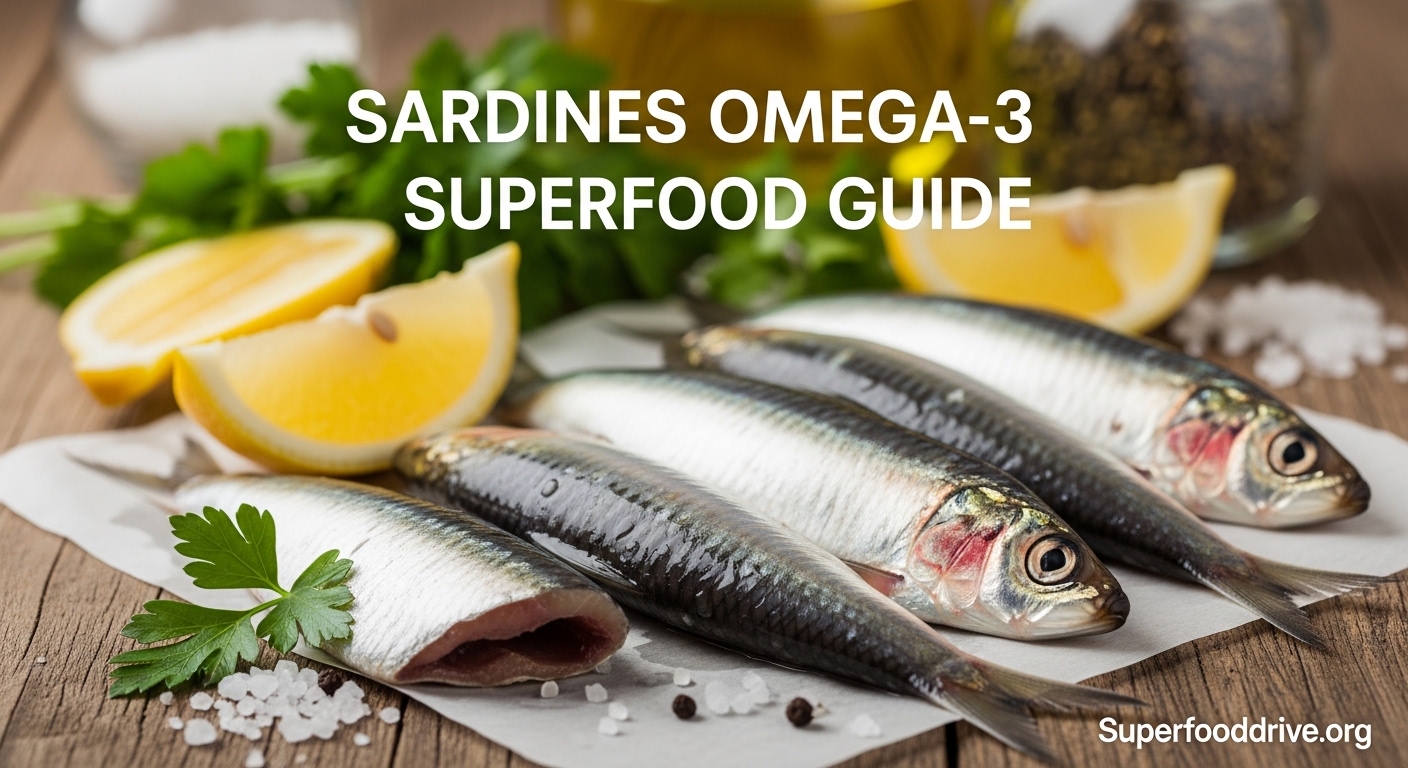
Sardines are the nutritional underdogs of the seafood world. While salmon gets all the glory and tuna fills lunchboxes everywhere, these tiny silver fish pack a punch that rivals their more expensive cousins at a fraction of the cost. I have been eating sardines regularly for the past three years, and the changes in my energy levels, skin clarity, and overall health have been remarkable.
Sardines omega-3 health benefits are well-documented in scientific literature, yet they remain overlooked by many health-conscious consumers. A single 3-ounce serving delivers approximately 2 grams of heart-healthy omega-3 fatty acids, 23 grams of high-quality protein, and 325mg of calcium. That is more calcium than a glass of milk and more omega-3s than most fish oil supplements.
This guide will show you exactly why sardines deserve a permanent spot in your diet. We will explore their complete nutritional profile, examine the science-backed health benefits, compare them to popular alternatives like salmon and tuna, and provide practical ways to incorporate them into your meals. Whether you are looking to improve heart health, build stronger bones, or simply eat more nutrient-dense foods, sardines might be the single best addition you can make to your plate.
Table of Contents
What Are Sardines
Sardines are small, oily fish belonging to the herring family Clupeidae. These slender silver fish typically measure 6 to 12 inches in length and swim in large schools throughout the Pacific, Atlantic, and Mediterranean oceans. The term “sardine” actually refers to several related species including the Pacific sardine, Atlantic sardine, and various types of pilchards.
The name originated from the Italian island of Sardinia, where these fish were once abundantly found and heavily canned for export. Today, sardines are caught worldwide using sustainable fishing methods that minimize environmental impact. Their small size and short lifespan mean they reproduce quickly, making them one of the most sustainable seafood choices available.
Unlike larger predatory fish, sardines feed primarily on plankton. This diet contributes to their impressive nutrient profile while keeping mercury levels exceptionally low. The flesh is soft, flaky, and has a distinct but mild fish flavor that works well in various preparations.
Complete Nutrition Profile
A single 3.75-ounce can of sardines in oil provides one of the most impressive nutritional profiles of any whole food. The numbers speak for themselves: 190 calories, 23 grams of protein, 11 grams of fat including 2 grams of omega-3 fatty acids, and an array of vitamins and minerals that would require multiple supplements to match.
The omega-3 content deserves special attention. Each serving contains approximately 1,500mg of EPA (eicosapentaenoic acid) and 500mg of DHA (docosahexaenoic acid). These are the two most important forms of omega-3s for human health, and sardines provide them in their natural triglyceride form, which research suggests is more bioavailable than the ethyl ester form found in many supplements.
Calcium content is another standout feature. Because canned sardines typically include the edible bones, a single serving delivers 325mg of calcium, representing 25% of the daily recommended value. This is particularly valuable for people who avoid dairy or are looking for alternative calcium sources. The bones are soft enough to eat without notice and completely safe to consume.
Vitamin B12 levels are extraordinary. One can of sardines provides 8 micrograms of B12, which is over 300% of the daily recommended value. This makes sardines one of the best food sources of this critical nutrient. Additional nutrients include vitamin D (48% DV), selenium (65% DV), phosphorus (35% DV), and smaller amounts of iron, zinc, potassium, and magnesium.
Sardines Omega-3 Health Benefits
Heart Health Benefits
The cardiovascular benefits of sardines omega-3 health benefits are among the most well-researched aspects of their nutritional profile. Regular consumption of EPA and DHA fatty acids has been shown to reduce triglyceride levels by 15 to 30 percent in people with elevated levels. This effect is significant enough that the American Heart Association recommends fatty fish consumption twice weekly for heart health.
Beyond triglyceride reduction, the omega-3s in sardines help lower blood pressure modestly. Studies show that 2 to 3 grams of EPA and DHA daily can reduce systolic blood pressure by 4 to 5 mmHg in individuals with hypertension. While this may seem modest, even small reductions in blood pressure translate to meaningful decreases in stroke and heart disease risk at the population level.
The anti-inflammatory properties of these fatty acids also benefit the endothelium, the thin layer of cells lining blood vessels. A healthy endothelium produces nitric oxide, which keeps blood vessels flexible and prevents plaque buildup. The combination of omega-3s, selenium, and coenzyme Q10 found in sardines creates a synergistic effect that supports overall cardiovascular function.
Brain and Cognitive Function
Your brain is approximately 60 percent fat, and DHA specifically makes up about 25 percent of the brain’s total fat content. This makes adequate DHA intake critical for cognitive health throughout life. The DHA in sardines supports neuron membrane integrity, facilitates neurotransmitter signaling, and promotes the growth of new brain cells.
Research published in the Journal of Clinical Psychiatry has linked higher omega-3 intake to reduced rates of depression and anxiety. Several mechanisms are at play here. EPA appears to reduce inflammation in the brain, which is increasingly recognized as a factor in mood disorders. DHA supports serotonin receptor function, while both fatty acids help regulate cortisol, the stress hormone.
For older adults, regular sardine consumption may help protect against cognitive decline. Studies following populations over time have found that people who eat fatty fish at least once weekly show slower rates of memory loss and reduced risk of Alzheimer’s disease. The omega-3 index, a measure of EPA and DHA in red blood cell membranes, correlates strongly with brain volume and cognitive test scores.
Bone Health Benefits
Sardines offer a unique combination of bone-building nutrients that few other foods can match. The calcium content from edible bones provides the raw material for bone formation. But calcium alone is insufficient without vitamin D, which enhances calcium absorption in the intestines. A single serving of sardines delivers both nutrients together in optimal ratios.
Vitamin D deficiency affects an estimated 42 percent of American adults, contributing to poor bone health, weakened immune function, and low mood. Sardines provide 48 percent of the daily value for vitamin D in a single serving, making them one of the few dietary sources of this sunshine vitamin. This is particularly valuable during winter months when sun exposure is limited.
Phosphorus works alongside calcium to form hydroxyapatite, the mineral complex that gives bones their strength. Sardines contain 35 percent of the daily value for phosphorus. The protein content also matters for bone health, as collagen forms the structural framework upon which minerals deposit. This combination of calcium, vitamin D, phosphorus, and protein makes sardines exceptional for preventing osteoporosis and maintaining bone density.
Vitamin B12 Powerhouse
The vitamin B12 content in sardines is genuinely exceptional. At over 300 percent of the daily value per serving, they rank among the top food sources of this critical nutrient. B12 is essential for nerve function, red blood cell formation, DNA synthesis, and energy production. Deficiency can cause fatigue, weakness, nerve damage, and cognitive problems.
B12 is found almost exclusively in animal products, making sardines particularly valuable for people following paleo or ketogenic diets who need reliable sources. Unlike plant-based B12 analogues, the form in sardines is highly bioavailable and ready for the body to use immediately. The high concentration means even a single weekly serving can significantly contribute to meeting requirements.
Research has linked adequate B12 intake to reduced risk of macular degeneration, improved bone health, and better mood regulation. The combination of B12 with omega-3s creates particularly powerful effects on brain health and energy metabolism. Many people report feeling more alert and energetic after adding sardines to their regular diet, and the B12 content likely plays a significant role.
Low Mercury Safety Advantage
One of the most significant yet underappreciated advantages of sardines is their exceptionally low mercury content. Mercury bioaccumulates up the food chain, meaning larger predatory fish like tuna, swordfish, and shark contain significantly higher levels. Sardines feed on plankton and sit low on the food chain, resulting in mercury levels that are virtually undetectable.
The FDA lists sardines among the “best choices” for pregnant women, recommending up to three servings weekly. This is in stark contrast to high-mercury fish like swordfish and king mackerel, which pregnant women should avoid entirely. For anyone concerned about mercury exposure but wanting the benefits of seafood, sardines represent the safest option.
This safety profile extends to children as well. Growing bodies are more vulnerable to mercury’s neurotoxic effects, making low-mercury fish essential for healthy development. The combination of high omega-3s, high protein, and low mercury makes sardines an ideal food for supporting children’s brain development without the risks associated with larger fish species.
Additional Benefits
Skin health receives a significant boost from regular sardine consumption. The omega-3 fatty acids help maintain skin cell membrane integrity, keeping skin hydrated and reducing inflammation that contributes to acne and premature aging. Many users on nutrition forums report noticeable improvements in skin clarity and texture within weeks of adding sardines to their diet.
Weight management is supported through multiple mechanisms. The high protein content increases satiety and reduces overall calorie intake. Protein also has a higher thermic effect than carbohydrates or fats, meaning your body burns more calories digesting it. The omega-3s may improve insulin sensitivity and help regulate blood sugar, reducing cravings and energy crashes.
Muscle building benefits from the complete amino acid profile and anti-inflammatory effects. The 23 grams of protein per serving provides all nine essential amino acids needed for muscle synthesis. The anti-inflammatory omega-3s can reduce exercise-induced muscle damage and soreness, potentially improving recovery between workouts. Selenium supports thyroid function, which regulates metabolism and energy levels.
Sardines vs Salmon and Tuna
Salmon often receives the spotlight as the premier omega-3 source, but sardines hold their own in direct comparison. Per serving, sardines actually contain slightly more omega-3s than farmed salmon and comparable amounts to wild salmon. Where sardines pull ahead is in their calcium content, since salmon is typically consumed boneless.
The cost difference is dramatic. A can of sardines costs between $2 to $4, while fresh wild salmon can run $15 to $25 per pound. Canned salmon is closer in price but still typically costs more than sardines. For budget-conscious consumers wanting omega-3 benefits without breaking the bank, sardines offer exceptional value.
Compared to tuna, sardines present a clearer nutritional advantage. Tuna contains less omega-3s per serving and significantly higher mercury levels. Light canned tuna is safer than albacore, but sardines still edge ahead on both safety and nutritional density. The only area where tuna wins is protein per calorie, though sardines remain excellent protein sources.
Sustainability is another consideration. Many tuna fisheries face overfishing concerns, while sardine populations are generally well-managed and abundant. Sardines reproduce quickly and are caught using methods that minimize bycatch of other species. For environmentally conscious consumers, sardines represent a more sustainable choice than most tuna options.
How to Eat Sardines
Canned sardines dominate the market for good reason. They are affordable, convenient, shelf-stable for years, and nutritionally comparable to fresh sardines. When choosing canned varieties, consider the packing liquid. Olive oil enhances flavor and adds healthy fats. Water-packed options are lower in calories. Tomato sauce and mustard preparations offer flavor variety but may add sodium.
For those new to sardines, start with skinless and boneless varieties if the texture concerns you. However, the bones are soft, edible, and provide significant calcium benefits. The skin contains healthy fats and omega-3s. Once accustomed to the taste, whole sardines with skin and bones offer the complete nutritional package.
Practical serving ideas abound. Mash sardines onto whole grain toast with lemon juice and red pepper flakes for a quick breakfast or snack. Add them to salads for instant protein and healthy fats. Mix into pasta with garlic, olive oil, and spinach for a Mediterranean-inspired dinner. Blend into dips with cream cheese and herbs for an appetizer spread.
Sardine cakes offer a tasty alternative to crab cakes. Combine drained sardines with breadcrumbs, egg, herbs, and spices, form into patties, and pan-fry until crispy. Sardine fried rice rivals any takeout version. Pizza toppings, sandwich fillings, and grain bowl additions are all excellent applications. The key is balancing the strong flavor with acidic ingredients like lemon or vinegar.
Who Should Be Cautious
Sodium content is the primary concern with canned sardines. A typical can contains 300 to 400mg of sodium, representing 15 to 20 percent of the daily recommended limit. For people monitoring sodium intake due to hypertension or heart conditions, look for low-sodium varieties or rinse sardines before eating to reduce salt content.
Fish allergies are relatively common and contraindicate sardine consumption. People with allergies to other fish species should avoid sardines unless cleared by an allergist. Shellfish allergies do not necessarily mean fish allergies, but cross-contamination in processing facilities is possible.
Gout sufferers should moderate sardine intake. Like other oily fish, sardines contain purines that break down into uric acid. While the omega-3s in sardines have anti-inflammatory effects that may actually help gout, the purine content means excessive consumption could trigger flares in susceptible individuals. Moderation and consultation with healthcare providers is advised.
Some canned sardines may contain trace amounts of BPA from can linings, though many brands have switched to BPA-free alternatives. If this concerns you, look for brands specifically labeled BPA-free or choose glass-jarred sardines when available. The health benefits of sardines generally outweigh the minimal risks from occasional canned food consumption.
Sustainability and Affordability
Sardines represent one of the most sustainable seafood choices available. Their populations reproduce rapidly, and fishing methods used to catch them produce minimal bycatch of other marine species. Sardine fisheries in the Pacific and Atlantic are generally well-managed, with catch limits adjusted based on population assessments to prevent overfishing.
The environmental footprint of sardines is significantly lower than larger fish or land-based animal proteins. They require no feeding in aquaculture operations, as they are wild-caught. The energy required to catch and process sardines is minimal compared to farmed salmon or beef production. For consumers concerned about ocean health and environmental impact, sardines offer a guilt-free protein source.
Affordability makes sardines accessible to virtually everyone. A complete meal’s worth of protein, healthy fats, and micronutrients costs less than a cup of coffee. This is particularly valuable for students, families on tight budgets, or anyone looking to optimize nutrition without premium food costs. The long shelf life means less food waste, stretching your food dollar further.
Compared to fish oil supplements, which can cost $20 to $40 monthly, sardines provide superior nutrition at lower cost. Whole food sources of nutrients are generally better absorbed and utilized than isolated supplements. The combination of omega-3s, protein, calcium, and vitamins in their natural food matrix creates synergistic benefits that supplements cannot replicate.
FAQ
Are sardines healthy to eat every day?
Yes, sardines are generally safe and healthy to eat daily for most people. Their low mercury content makes them safer than many other fish for frequent consumption. The omega-3 fatty acids, protein, calcium, and vitamin B12 provide benefits that accumulate with regular intake. However, those monitoring sodium intake should choose low-sodium varieties or limit consumption to account for the salt content in canned versions.
Why do I feel so good after eating sardines?
Many people report improved energy and mood after eating sardines due to their exceptional vitamin B12 content, which supports energy production and nerve function. The omega-3 fatty acids reduce inflammation and support brain health, potentially improving mood and cognitive function. Additionally, the complete protein and healthy fats provide sustained energy without blood sugar crashes.
Are sardines better than tuna?
Sardines offer several advantages over tuna. They contain comparable or higher omega-3 fatty acids while having significantly lower mercury levels. Sardines also provide calcium from edible bones, which tuna lacks. Nutritionally, sardines are more complete, offering higher vitamin D, B12, and selenium content per serving. The only area where tuna wins is in protein density per calorie.
Do sardines have vitamin D?
Yes, sardines are an excellent source of vitamin D. A single 3.75-ounce can provides approximately 48 percent of the daily recommended value. This makes sardines one of the few dietary sources of vitamin D, which is particularly valuable during winter months or for people with limited sun exposure. The vitamin D in sardines works synergistically with their calcium content to support bone health.
How much omega-3 is in sardines?
A 3.75-ounce can of sardines contains approximately 2 grams (2,000mg) of omega-3 fatty acids, consisting primarily of EPA and DHA. This includes roughly 1,500mg of EPA and 500mg of DHA. This amount meets or exceeds the American Heart Association’s recommendation of 1 to 2 grams of EPA and DHA combined for cardiovascular health support.
Conclusion
Sardines truly are the underrated omega-3 superfood that deserves far more attention than they receive. With 2 grams of heart-healthy omega-3s, 23 grams of protein, 325mg of calcium, and over 300% of daily vitamin B12 per serving, they deliver one of the most impressive nutritional packages of any whole food. Their low mercury content, sustainable sourcing, and exceptional affordability make them accessible to virtually everyone.
The sardines omega-3 health benefits extend from cardiovascular protection to brain function, bone strength to mood support. Whether you are looking to reduce inflammation, build muscle, improve skin health, or simply optimize your nutrition, these tiny fish offer powerful solutions. Start with one or two cans per week, experiment with different preparations, and discover why cultures around the Mediterranean have prized sardines for centuries. Your body will thank you.