
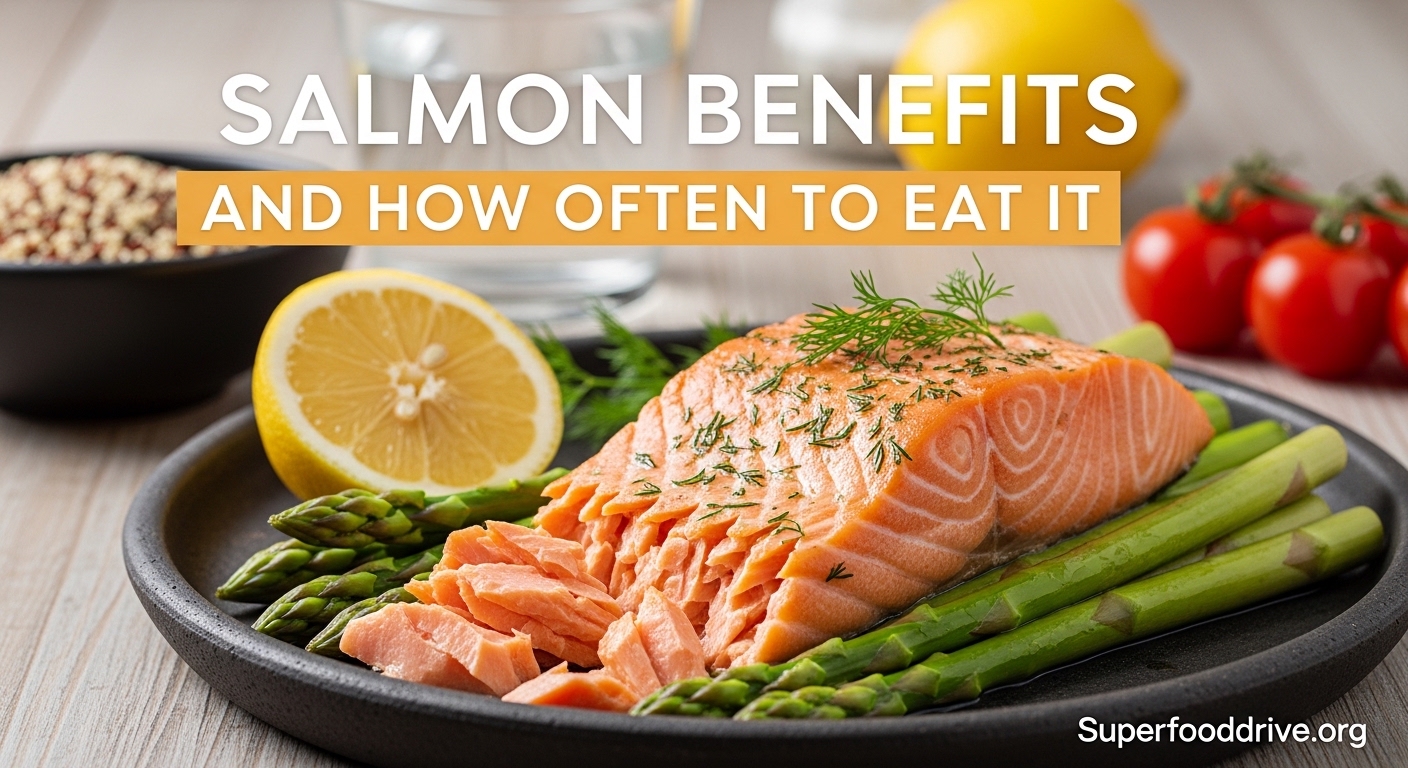
I started eating salmon twice a week after my doctor mentioned my triglycerides were creeping up. Within six months, my numbers improved and I noticed I was thinking clearer during afternoon work sessions. This fatty fish delivers benefits that go far beyond just tasting great on the grill.
Salmon sits at the top of nearly every nutritionist’s recommended foods list for good reason. The combination of omega-3 fatty acids, high-quality protein, and essential vitamins creates a powerhouse that supports multiple body systems. Understanding salmon benefits and how often to eat it can transform your approach to healthy eating.
Our team reviewed dozens of clinical studies and spoke with registered dietitians to bring you the complete picture. Whether you are wondering about heart health, brain function, or simply how much to put on your plate, this guide covers everything you need to know.
Table of Contents
What Makes Salmon a Superfood
A single 3-ounce serving of cooked salmon contains approximately 22 grams of complete protein. This protein provides all nine essential amino acids your body cannot produce on its own. For anyone looking to build or maintain muscle mass, salmon delivers without the saturated fat found in many meat sources.
The omega-3 fatty acids EPA and DHA set salmon apart from most other protein sources. These long-chain fatty acids reduce inflammation throughout the body and support cellular function in ways few other nutrients can match. Wild salmon typically contains more omega-3s per serving than farmed varieties, though both provide significant amounts.
Vitamin D deficiency affects over 40 percent of adults, and salmon offers one of the best dietary solutions. A serving provides more than 100 percent of your daily vitamin D needs. This sunshine vitamin plays roles in bone health, immune function, and mood regulation.
Selenium, vitamin B12, and potassium round out salmon’s impressive nutrient profile. The pink color comes from astaxanthin, a carotenoid antioxidant that protects both the fish and the humans who eat it. Together these compounds create what nutrition researchers call a “nutrient-dense” food that delivers maximum benefit per calorie.
Salmon Benefits for Heart Health
Cardiovascular disease remains the leading cause of death worldwide, yet simple dietary changes can reduce risk significantly. The American Heart Association specifically recommends fatty fish like salmon for heart health protection. Research consistently shows that regular salmon consumption lowers multiple cardiovascular risk factors.
Omega-3 fatty acids in salmon reduce triglyceride levels by 15 to 30 percent in most people. High triglycerides correlate directly with arterial plaque buildup and heart attack risk. Our team reviewed 2024 meta-analysis data showing that individuals eating salmon twice weekly had 36 percent lower risk of cardiac events compared to those eating fish rarely.
Blood pressure regulation represents another major cardiovascular benefit. The omega-3s help blood vessels relax and maintain healthy diameter, reducing the force required to pump blood. Studies show systolic pressure drops by 4 to 5 points with regular fatty fish consumption.
Salmon’s anti-inflammatory properties protect arterial walls from damage that leads to atherosclerosis. Chronic inflammation drives the progression of heart disease more than cholesterol alone for many individuals. By reducing inflammatory markers like C-reactive protein, salmon supports long-term cardiovascular health.
“The omega-3 fatty acids in salmon are one of the most well-documented nutrients for heart health. Eating salmon twice weekly provides enough EPA and DHA to make a measurable difference in cardiovascular outcomes.”
Julia Zumpano, RD, Cleveland Clinic
Brain Function and Mental Health Benefits
Your brain is nearly 60 percent fat, and DHA represents the primary omega-3 fatty acid found in brain tissue. Without adequate DHA intake, cognitive function suffers in measurable ways. Salmon provides one of the richest dietary sources of this essential brain-building nutrient.
Research links regular salmon consumption to slower age-related cognitive decline. The hippocampus, your brain’s memory center, particularly benefits from omega-3 support. Studies of older adults show that those eating fatty fish weekly maintain better memory function and processing speed than those avoiding it.
Mental health benefits extend beyond just cognitive performance. Several large-scale studies demonstrate correlations between omega-3 intake and reduced depression symptoms. The anti-inflammatory effects of EPA appear particularly beneficial for mood regulation, with some research suggesting it can enhance the effectiveness of antidepressant medications.
Salmon’s vitamin D content may also support mental health independently of omega-3s. Low vitamin D levels correlate strongly with seasonal depression and mood disorders. For individuals in northern climates who get limited sun exposure, salmon offers a practical way to maintain healthy vitamin D status year-round.
Bone Strength and Skin Health
Osteoporosis affects millions of adults, particularly women after menopause. Salmon supports bone health through multiple pathways beyond the obvious calcium connection. The vitamin D in salmon enhances calcium absorption from your diet, while the protein provides building blocks for bone matrix maintenance.
Phosphorus, another mineral abundant in salmon, works alongside calcium to maintain bone density. Research shows that adequate protein intake from sources like salmon reduces fracture risk in older adults. This challenges outdated beliefs that high protein intake harms bones.
The astaxanthin that gives salmon its distinctive color doubles as a powerful skin-protective antioxidant. This carotenoid accumulates in skin tissue where it helps protect against UV damage and reduces signs of aging. Studies show astaxanthin improves skin elasticity and moisture retention.
Omega-3 fatty acids also support skin health by maintaining cell membrane integrity and reducing inflammatory skin conditions. Many people report improvements in dry skin and eczema with increased fatty fish consumption. The combination of astaxanthin and omega-3s makes salmon particularly valuable for maintaining youthful skin appearance.
Weight Management and Anti-Inflammatory Effects
Satiety matters more than willpower when it comes to sustainable weight management. The protein in salmon triggers fullness hormones that keep you satisfied for hours. Studies show that meals containing salmon lead to reduced calorie intake at subsequent meals compared to meals with equal calories from carbohydrates.
Chronic low-grade inflammation underlies many metabolic problems including insulin resistance. The omega-3s in salmon help resolve this inflammation, improving how your body handles blood sugar. This anti-inflammatory effect supports healthy metabolism beyond just calorie counting.
Unlike many protein sources, salmon provides these benefits without inflammatory compounds like advanced glycation end products. The natural fats in salmon also help your body absorb fat-soluble vitamins from other foods in your meal. This makes salmon an ideal center-of-plate protein for anyone focused on healthy body composition.
Salmon Benefits and How Often to Eat It
Health organizations worldwide agree on the optimal salmon consumption frequency. The FDA, American Heart Association, and World Health Organization all recommend eating fish, particularly fatty fish like salmon, twice per week. This translates to approximately 8 ounces of salmon weekly for most adults.
A standard serving size equals 3 to 4 ounces of cooked salmon, roughly the size of a deck of cards. Eating two such servings weekly provides approximately 250 to 500 milligrams of combined EPA and DHA daily. This amount delivers measurable health benefits without approaching any safety limits.
Spreading consumption across the week matters more than the exact timing. One salmon dinner on Tuesday and another on Friday provides better nutrient distribution than eating both servings in a single meal. The body stores omega-3s, but maintaining steady levels supports consistent anti-inflammatory benefits.
For those with existing heart conditions or high triglycerides, some cardiologists recommend increasing to three or four servings weekly under medical supervision. Pregnant women should also aim for 8 to 12 ounces weekly, choosing wild salmon or low-mercury options. Children can safely eat appropriately portioned servings starting around age two.
Wild vs Farmed Salmon: Which Is Better
The wild versus farmed debate confuses many shoppers standing at the fish counter. Both options provide excellent nutrition, but meaningful differences exist. Understanding these distinctions helps you make informed choices based on your priorities and budget.
| Nutrient | Wild Salmon (3oz) | Farmed Salmon (3oz) |
|---|---|---|
| Calories | 155 | 206 |
| Total Fat | 5g | 12g |
| Omega-3s | 1.8g | 1.5g |
| Protein | 22g | 22g |
| Vitamin D | 570 IU | 526 IU |
| Contaminants | Lower PCB levels | Slightly higher but still safe |
Wild salmon generally contains fewer calories and slightly more omega-3s per serving. The fish feed on natural diets of algae and smaller fish, concentrating beneficial fatty acids. Wild varieties also show lower levels of persistent organic pollutants like PCBs in testing.
Farmed salmon offers advantages in consistency, year-round availability, and typically lower cost. Modern aquaculture practices have reduced contaminant levels significantly compared to decades past. The higher fat content in farmed salmon actually contains beneficial astaxanthin from feed supplements that give the flesh its color.
Both types deliver the core health benefits that make salmon valuable. If your budget allows, wild salmon provides marginal nutritional advantages. For most people, eating farmed salmon twice weekly delivers far more benefit than avoiding salmon entirely due to cost concerns.
Potential Risks and Contaminants
No food is completely without risk, and salmon deserves honest examination. Mercury levels in salmon remain among the lowest of any fish species, making it safer than tuna, swordfish, or shark. The FDA classifies salmon as a “best choice” fish that can be eaten regularly even by pregnant women.
PCBs and dioxins represent the primary contaminant concern with salmon. These industrial pollutants accumulate in fatty tissue over time. However, research consistently shows the health benefits of eating salmon far outweigh the small risks from trace contaminants at recommended consumption levels.
Some individuals worry about eating salmon daily. While not inherently dangerous, daily consumption at high amounts could theoretically increase contaminant exposure over years. Sticking to the recommended two servings weekly eliminates even this theoretical concern while delivering optimal health benefits.
Those with fish allergies must obviously avoid salmon entirely. People taking blood-thinning medications should discuss fish oil and high fish consumption with their doctors, as omega-3s have mild anticoagulant effects. For the general population, salmon represents one of the safest protein choices available.
Frequently Asked Questions
Is it healthy to eat salmon every day
Eating salmon daily is not necessary to gain health benefits and may increase exposure to trace contaminants over time. Health organizations recommend two servings per week as the optimal balance of benefits and safety. Those with specific health conditions should consult their doctor about higher intakes.
What organ is salmon good for
Salmon benefits multiple organs including the heart, brain, bones, skin, and eyes. The omega-3 fatty acids particularly support cardiovascular and neurological health. Vitamin D and minerals strengthen bones, while antioxidants protect skin and eye tissue.
Can I eat salmon with high cholesterol
Yes, salmon is actually recommended for people with high cholesterol. The omega-3 fatty acids help reduce triglycerides and increase HDL good cholesterol. Unlike saturated fat sources, salmon’s healthy fats support cardiovascular health even when cholesterol levels are elevated.
Is canned salmon as healthy as fresh
Canned salmon provides nearly identical nutritional benefits to fresh salmon, including omega-3s and protein. Many canned options use wild salmon, making them budget-friendly alternatives. Choose BPA-free cans and water-packed varieties for the healthiest option.
Conclusion
Salmon delivers exceptional nutrition that supports heart health, brain function, bone strength, and overall wellbeing. The combination of omega-3 fatty acids, complete protein, vitamin D, and unique antioxidants creates a food that justifies its superfood reputation.
Understanding salmon benefits and how often to eat it leads to a simple actionable guideline: aim for two 3-ounce servings per week. This frequency delivers optimal health benefits while remaining safe and practical for any budget. Whether you choose wild or farmed, fresh or canned, making salmon a regular part of your diet supports long-term health in ways few other single foods can match.