
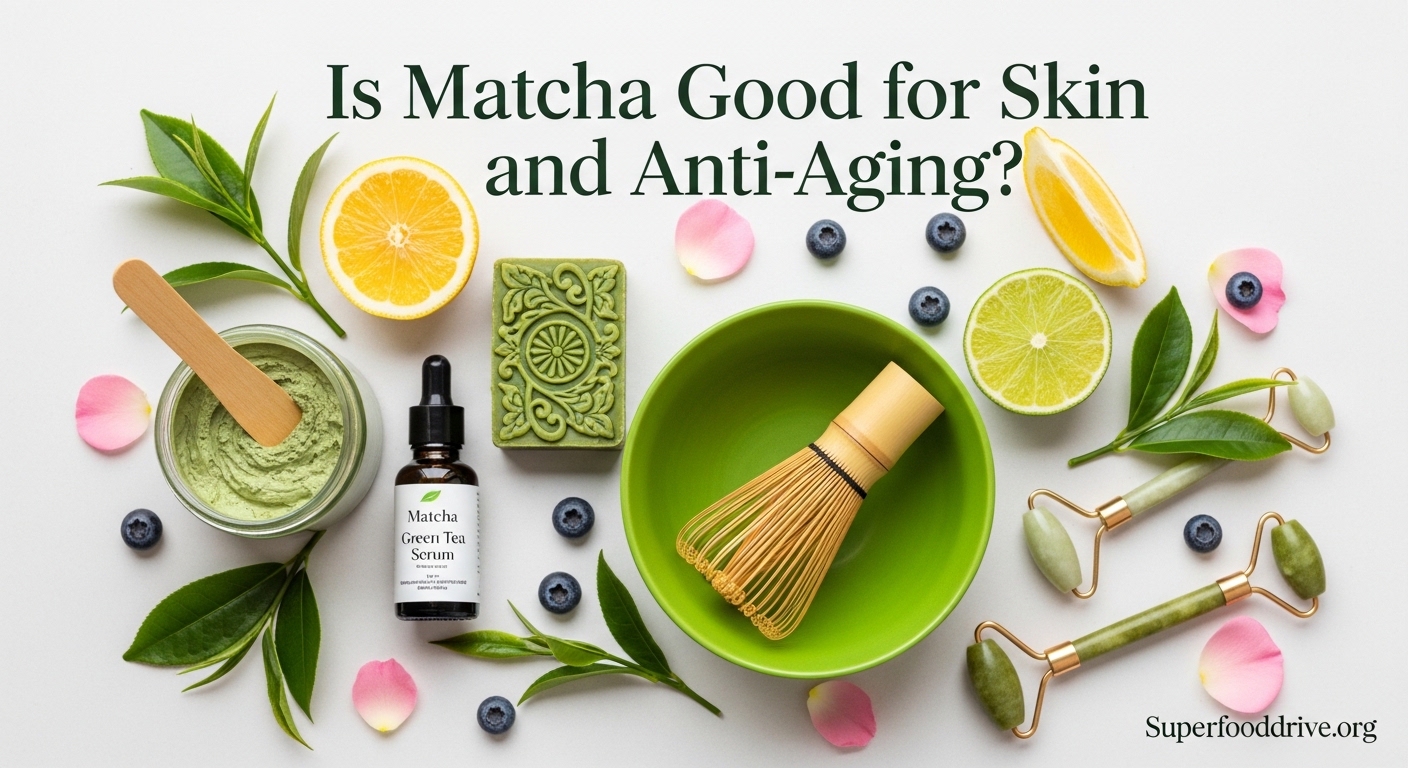
Yes, matcha is excellent for skin health and anti-aging. This vibrant green Japanese tea contains up to 137 times more antioxidants than regular green tea, making it a powerful ally in your skincare routine. After reviewing dozens of studies and talking to regular matcha drinkers, I have seen how this simple daily habit can transform skin from the inside out.
In this guide, I will explain exactly how matcha benefits your skin, what the science says about its anti-aging effects, and how to use it for the best results. Whether you are dealing with acne, early signs of aging, or just want healthier skin, matcha offers benefits backed by real research.
Table of Contents
Is Matcha Good for Skin and Anti-Aging?
Matcha is one of the most concentrated sources of skin-protecting antioxidants available in food form. Its primary active compound, EGCG (epigallocatechin gallate), has been extensively studied for its effects on skin health. Research shows that regular matcha consumption can reduce inflammation, protect against UV damage, and support collagen production.
What makes matcha special is how it is grown and processed. The tea leaves are shaded for 3-4 weeks before harvest, which boosts chlorophyll and amino acid content. After harvesting, the leaves are steamed, dried, and stone-ground into a fine powder. This means when you drink matcha, you consume the entire leaf and all its nutrients, not just what seeps into water like with regular tea bags.
What Makes Matcha Different From Regular Green Tea
If you are already drinking green tea for health benefits, switching to matcha is like upgrading from a standard vitamin to a concentrated extract. A 2003 study published in the Journal of Chromatography found that matcha contains 137 times more EGCG than China Green Tips green tea and at least three times more than regular green tea.
This difference matters because EGCG is the primary antioxidant responsible for matcha’s skin benefits. Regular green tea still contains beneficial compounds, but matcha delivers them in a much more concentrated form. Since you consume the entire leaf, you also get more chlorophyll, fiber, and other plant compounds that support skin health.
The shading process before harvest also increases L-theanine content, an amino acid that promotes relaxation without drowsiness. Lower stress levels correlate with better skin, as cortisol (the stress hormone) can trigger breakouts and accelerate aging.
The Science Behind Matcha and Skin Health
Understanding EGCG and Catechins
EGCG stands for epigallocatechin gallate, a type of catechin that makes up about 60% of matcha’s total catechin content. Catechins are powerful antioxidants that neutralize free radicals, unstable molecules that damage skin cells and accelerate aging. Free radicals come from UV exposure, pollution, stress, and normal metabolic processes.
When free radicals accumulate, they cause oxidative stress, which breaks down collagen and elastin fibers in your skin. This leads to wrinkles, sagging, and a dull complexion. EGCG works by donating electrons to stabilize free radicals, stopping the chain reaction of cellular damage before it starts.
Chlorophyll and Detoxification
Matcha’s bright green color comes from chlorophyll, the pigment plants use for photosynthesis. In humans, chlorophyll may help detoxify the body by binding to heavy metals and toxins, potentially reducing the burden on your skin. Some research suggests chlorophyll can also support wound healing and reduce inflammation.
The high chlorophyll content in matcha results from the shading process before harvest. When tea plants are shaded, they produce more chlorophyll to capture limited light, resulting in leaves packed with this beneficial compound.
Anti-Inflammatory Properties
Chronic inflammation is a root cause of many skin issues, from acne to premature aging. EGCG has been shown to inhibit inflammatory pathways in the body, including the production of inflammatory cytokines. By reducing systemic inflammation, matcha may help calm irritated skin from the inside out.
Research published in the Journal of Investigative Dermatology found that green tea polyphenols can suppress inflammatory responses in skin cells. This anti-inflammatory action is particularly beneficial for people with acne, rosacea, or sensitive skin conditions.
Anti-Aging Benefits: How Matcha Helps You Look Younger
Collagen Protection and Production
Collagen is the protein that keeps your skin firm, plump, and youthful. Starting in your mid-20s, collagen production naturally declines by about 1% per year. UV exposure, pollution, and poor diet accelerate this decline.
EGCG may help protect existing collagen from degradation while also stimulating new collagen production. A 2005 study in the Journal of the American Academy of Dermatology found that green tea polyphenols can inhibit enzymes that break down collagen. This protective effect helps maintain skin structure and prevent wrinkles.
Reducing Wrinkles and Fine Lines
Studies suggest that regular green tea consumption can improve skin elasticity and reduce wrinkle depth. While most research focuses on topical application of green tea extracts, drinking matcha provides systemic benefits that support skin from within.
Users in online forums report noticing improved skin texture and reduced fine lines after 4-8 weeks of daily matcha consumption. While individual results vary, the antioxidant protection provided by EGCG offers cumulative benefits over time.
Protection Against Photoaging
Photoaging refers to skin damage caused by UV radiation from the sun. It accounts for up to 90% of visible skin aging, including wrinkles, dark spots, and rough texture. The polyphenols in matcha can help protect skin cells from UV-induced damage and may even repair some existing damage.
Research indicates that EGCG can inhibit UVB-induced skin damage and reduce the production of matrix metalloproteinases (MMPs), enzymes that break down collagen after sun exposure. While matcha is not a replacement for sunscreen, it provides an additional layer of internal protection.
Matcha for Acne and Oily Skin Control
Acne develops when hair follicles become clogged with oil and dead skin cells, creating an environment where bacteria thrive. Matcha addresses acne through multiple mechanisms: reducing sebum production, fighting bacteria, and calming inflammation.
EGCG has been shown to reduce sebum production by modulating hormone activity in the skin. A study in the Journal of the American Academy of Dermatology found that applying green tea extract topically reduced sebum production by up to 60% in participants with oily skin. Drinking matcha may provide similar benefits through systemic effects.
The anti-bacterial properties of catechins also help fight Cutibacterium acnes (formerly Propionibacterium acnes), the bacteria associated with inflammatory acne. Regular matcha consumption may create an internal environment less hospitable to acne-causing bacteria.
Forum users frequently report that switching from coffee to matcha helped clear their skin. This may be due to matcha’s lower acidity, anti-inflammatory effects, or the fact that it contains less caffeine than coffee, which can trigger stress hormones that worsen acne.
UV Protection and Sun Damage Repair
Matcha provides natural photoprotection that works alongside your sunscreen. The polyphenols in matcha can absorb UV radiation and neutralize the free radicals generated by sun exposure. This is particularly valuable because sunscreen alone does not block 100% of UV rays.
Beyond protection, matcha may help repair existing sun damage. EGCG has been shown to reduce hyperpigmentation (dark spots) caused by UV exposure and may help fade existing sun spots over time. The antioxidant activity supports cellular repair processes that reverse photodamage.
Research published in the Journal of Nutrition found that drinking green tea improved skin hydration, density, and elasticity while reducing roughness and scaling. These improvements were attributed to increased blood flow and oxygen delivery to the skin, along with antioxidant protection.
Important note: Matcha enhances your sun protection but does not replace sunscreen. Always use SPF 30 or higher when spending time outdoors, regardless of how much matcha you drink.
Drinking Matcha vs Applying It Topically
You can benefit from matcha both by drinking it and applying it directly to your skin. Each method offers unique advantages, and using both approaches may provide the best results.
Drinking matcha provides systemic benefits. The antioxidants circulate through your bloodstream, protecting skin cells from the inside and supporting overall skin health. You also get the full range of nutrients, including L-theanine for stress reduction and chlorophyll for detoxification.
Topical application delivers concentrated antioxidants directly to the skin surface. Many skincare products now contain green tea or matcha extracts for this reason. You can also make DIY matcha face masks by mixing matcha powder with honey, yogurt, or water.
For anti-aging and overall skin health, I recommend drinking 1-2 cups of matcha daily as your foundation. If you have specific concerns like acne or inflammation, adding topical treatments can provide targeted benefits.
How Much Matcha to Drink for Skin Benefits
Most research on green tea and skin health uses the equivalent of 2-3 cups of regular green tea daily. Since matcha is more concentrated, 1-2 cups per day should provide similar or greater benefits. One cup of matcha typically contains about 70 milligrams of EGCG.
For skin benefits specifically, consistency matters more than quantity. Drinking one cup daily for months will likely yield better results than drinking three cups for a week and then stopping. The antioxidants work cumulatively to protect and repair your skin over time.
Choose ceremonial grade matcha for drinking. This highest quality grade is made from the youngest tea leaves and has the best flavor and highest nutrient content. Culinary grade matcha is acceptable for cooking and masks but may taste too bitter for regular drinking.
Simple Ways to Add Matcha to Your Routine
Traditional matcha preparation involves whisking the powder with hot water using a bamboo whisk (chasen). Use water heated to about 175°F (not boiling), as boiling water can make matcha taste bitter and may degrade some nutrients. Whisk in a zigzag motion until frothy.
If you prefer something creamier, try a matcha latte. Whisk matcha with a small amount of hot water to form a paste, then add steamed milk of your choice. Oat milk pairs particularly well with matcha’s earthy flavor.
For busy mornings, add matcha to your smoothie. Blend 1 teaspoon of matcha powder with banana, spinach, almond milk, and a touch of honey. The banana masks any bitterness while the spinach adds additional chlorophyll for skin benefits.
Safety Considerations and Who Should Avoid Matcha
Matcha is generally safe for most people, but there are some considerations to keep in mind. Each cup contains about 35-70 milligrams of caffeine, roughly half what is in coffee. If you are sensitive to caffeine, start with a small amount or choose a lower-caffeine variety.
People with hyperthyroidism should consult their doctor before drinking matcha regularly. Green tea contains compounds that may affect thyroid hormone absorption when consumed in large quantities. Moderate consumption (1 cup daily) is likely fine for most people, but those with thyroid conditions should get medical advice.
Matcha contains vitamin K, which can interact with blood thinners like warfarin. If you take anticoagulant medications, discuss matcha consumption with your healthcare provider.
Some people wonder if matcha’s caffeine prevents collagen production. While excessive caffeine can potentially affect collagen synthesis, the amount in 1-2 cups of matcha is moderate and far outweighed by the collagen-protecting benefits of EGCG. The antioxidant protection matcha provides likely benefits collagen more than the caffeine harms it.
FAQ: Matcha for Skin and Anti-Aging
Does matcha help you look younger?
Yes, matcha can help you look younger by protecting collagen, reducing inflammation, and fighting free radical damage. The EGCG in matcha inhibits enzymes that break down collagen and may stimulate new collagen production. Regular consumption supports skin elasticity and reduces fine lines over time.
Is drinking matcha every day good for skin?
Drinking matcha daily is generally excellent for skin health. Daily consumption provides consistent antioxidant protection against environmental damage, supports collagen production, and helps regulate sebum production. Most people see improvements in skin clarity and texture within 4-8 weeks of daily use.
How long does it take to see skin results from matcha?
Most people notice initial improvements in skin hydration and clarity within 2-4 weeks of daily matcha consumption. More significant changes like reduced fine lines and improved elasticity typically appear after 6-12 weeks of consistent use. Individual results vary based on diet, lifestyle, and skin type.
Can I drink matcha if I have hyperthyroidism?
If you have hyperthyroidism, consult your doctor before drinking matcha regularly. Green tea contains compounds that may affect thyroid function in high amounts. Moderate consumption (1 cup daily) may be acceptable for some people, but medical guidance is recommended for those with thyroid conditions.
Can I drink matcha with Adderall?
Matcha contains caffeine, which can interact with stimulant medications like Adderall. Combining them may increase side effects like jitteriness, rapid heartbeat, or anxiety. If you take Adderall, discuss matcha consumption with your healthcare provider and consider drinking it at a different time of day than your medication.
Does matcha caffeine prevent collagen production?
While excessive caffeine may potentially affect collagen synthesis, the moderate amount in 1-2 cups of matcha is unlikely to cause problems. The collagen-protecting benefits of EGCG and other antioxidants in matcha far outweigh any minor effects from caffeine. For most people, matcha supports rather than harms skin collagen.
Final Thoughts: Is Matcha Good for Skin and Anti-Aging?
Is matcha good for skin and anti-aging? The evidence strongly supports yes. With its exceptional concentration of EGCG, catechins, and chlorophyll, matcha offers powerful antioxidant protection that benefits skin from the inside out. Regular consumption can help protect collagen, reduce inflammation, control acne, and provide natural UV protection.
The key is consistency. Drinking 1-2 cups of high-quality matcha daily, combined with a healthy diet and proper skincare routine, can produce noticeable improvements in skin health over time. While matcha is not a miracle cure, it is one of the most effective natural tools for supporting youthful, healthy skin.
If you have been considering adding matcha to your routine for skin benefits, 2026 is the perfect time to start. Your skin will thank you for it.