
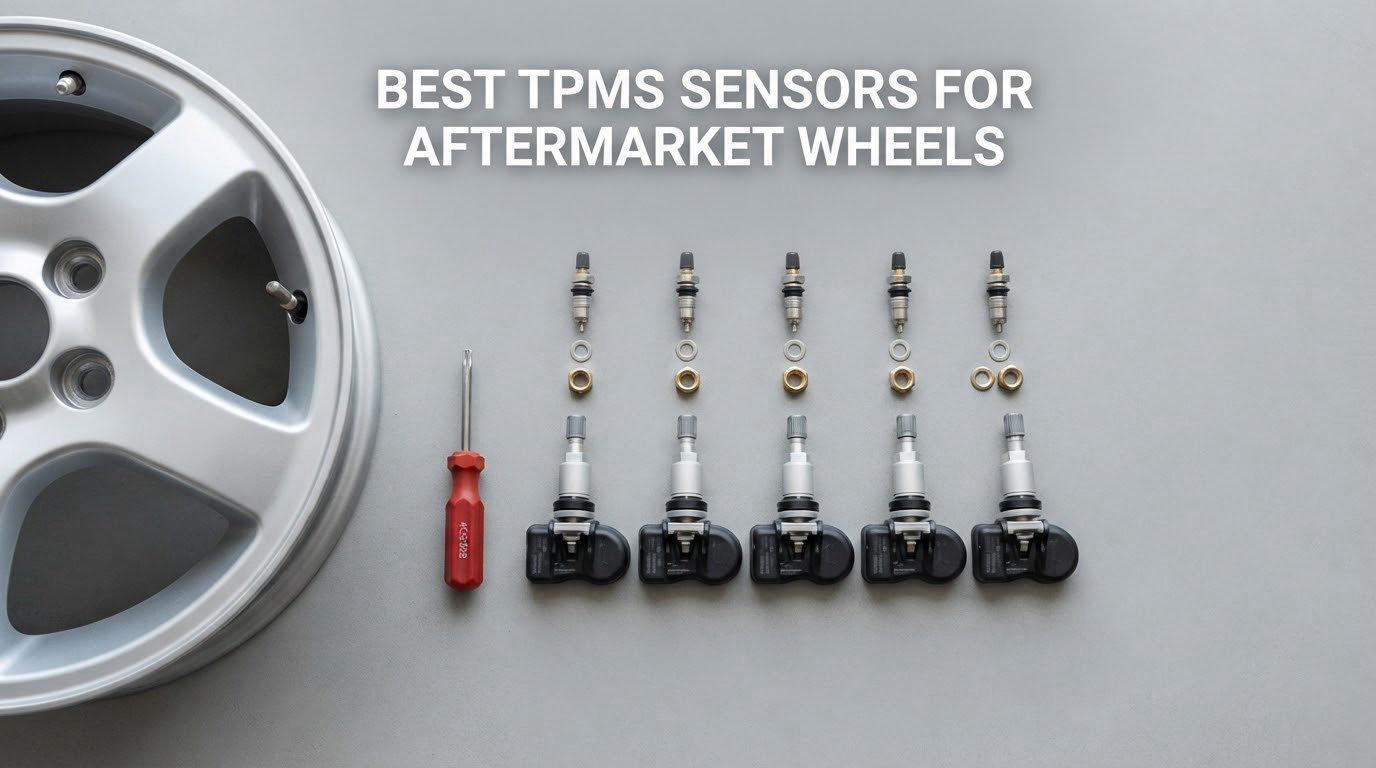
Swapping a set of factory wheels for a set of aftermarket wheels is the easiest way to change how a truck or crossover looks, and the easiest way to end up with a tire pressure monitoring light that never goes away. The light comes on because the receiver inside your car never learns the identity of the sensors now bolted to your rims. Finding the best TPMS sensors for aftermarket wheels comes down to three things: the frequency your vehicle listens on, the physical style that fits your rim, and whether you have a way to put a sensor ID into the sensor after it is mounted.
We spent weeks reading the review data on eight widely used replacement sensors and comparing how each one behaves in the two situations that matter: a one-time wheel swap and a permanent second-wheel setup with seasonal changeovers. Every sensor here is an in-wheel unit, meaning it screws or snaps into the rim and broadcasts to your factory dash display. Nothing in this roundup is an external clamp-on or dashboard monitor kit, and we explain further down why that distinction keeps confusing buyers.
Three things come up in almost every owner forum thread about aftermarket wheels. First, that OEM sensors are wildly overpriced for what they are. Second, that cheap marketplace versions of “genuine” OE sensors are frequently repackaged or counterfeit. Third, that a TPMS light which stays on after a swap is nearly always a programming problem, not a failed sensor. We built the picks below around those realities, and around the fact that most people buying aftermarket wheels are not going to buy a professional scan tool.
Our team compared eight sensors across the criteria that actually decide compatibility: operating frequency, sensor type, pressure range, temperature ceiling, activation method, and how long the battery is claimed to last. We also weighted the size of each product’s review base heavily, because a sensor with two hundred ratings tells you far less about long-term survival than one with five thousand. The picks reflect what buyers actually report back, including the failures.
Top 3 Picks for Aftermarket Wheels in October 2026
CDWTPS GM 315MHz 4-Pack
- Pre-programmed for GM after 2006
- Up to 10 year battery claim
- Set of four
- Activation still required

RENECTIV 433MHz Auto-Relearn 4-Pack
- Auto-relearn after 20-30 minute drive
- 110 PSI and higher
- Chrysler Dodge Jeep RAM Fiat fitment
- 433 MHz only

Schrader EZ-Sensor 33500
- 314.9
- 315 and 433 MHz in one SKU
- Snap-in fixed angle valve
- Requires programming before install
- Auto-locate after programming
Best TPMS Sensors for Aftermarket Wheels in October 2026
| Product | Specifications | Action |
|---|---|---|
| CDWTPS TPMS Sensors, GM 315MHz |
|
Check Latest Price |
| RENECTIV TPMS Sensor, 433MHz |
|
Check Latest Price |
| Schrader EZ-Sensor 33500 |
|
Check Latest Price |
 Autel TPMS MX-Sensor Dual Frequency Autel TPMS MX-Sensor Dual Frequency |
|
Check Latest Price |
 Masoll GM Four-Pack Dual Frequency Masoll GM Four-Pack Dual Frequency |
|
Check Latest Price |
 A-Premium 315MHz Pre-Programmed Four-Pack A-Premium 315MHz Pre-Programmed Four-Pack |
|
Check Latest Price |
 CARORAV GM Four-Pack TPMS CARORAV GM Four-Pack TPMS |
|
Check Latest Price |
 AOTPAT GM 315MHz Pre-Programmed Four-Pack AOTPAT GM 315MHz Pre-Programmed Four-Pack |
|
Check Latest Price |
1. CDWTPS GM 315MHz Four-Pack – Best Overall for GM Wheel Swaps
CDWTPS TPMS Sensors,GM 315Mhz Tire Pressure Monitoring Sensor
Set of 4 pre-programmed GM sensors
Up to 10 year battery claim
-40 to 125C range
Plus-minus 1.5 percent accuracy
Pros
- Largest review base in the group at more than 5300 ratings
- Pre-programmed for GM vehicles built after 2006
- Metal construction using OE parts and process
- One year warranty
- Replaces common OE numbers 13598771 and 13586335
Cons
- Still needs activation with a scan tool after install
- GM-family coverage only after 2006
- One-star reviews are 10 percent of the rating distribution
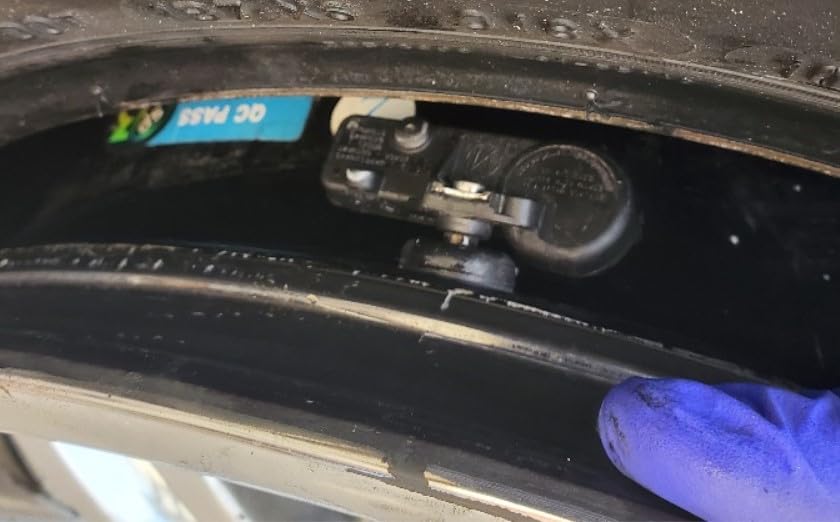
This is the sensor we keep coming back to because the evidence base is enormous. Five thousand-plus ratings give a much clearer picture of long-term behaviour than any other sensor in this group, and the picture that emerges is consistent: it mounts like an OE part, it reports accurate pressure, and the only recurring complaint is the activation step that every GM sensor requires anyway.
The arithmetic works in its favour for aftermarket wheel buyers specifically. Because these arrive pre-programmed for GM vehicles built after 2006, you are not buying a programming tool to use them. You are buying four sensors that already know what they are supposed to say to a Silverado, Tahoe or Cadillac receiver.
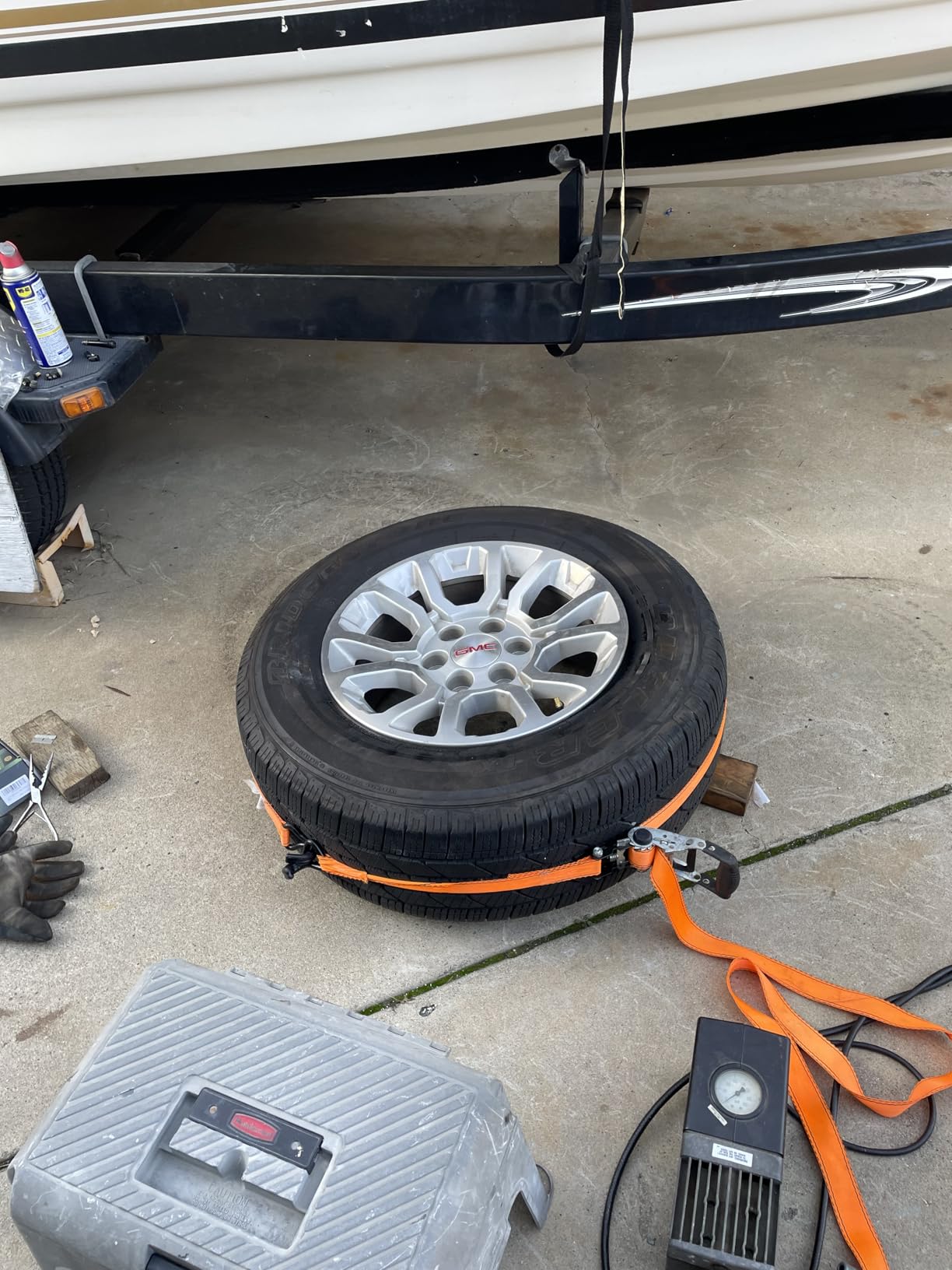
Specifications are genuinely close to OE. The stated operating range is -40C to +125C, pressure accuracy is plus or minus 1.5 percent, and the battery is advertised as lasting up to ten years of normal use. The set weighs 5.6 ounces in total and uses a metal body rather than the all-plastic shells common in cheap replacements.
The one weak spot is the rating distribution. Ten percent of ratings here are one-star, which is a wider spread than the branded alternatives manage. That tail is not a fitment problem, since the OE numbers listed are correct. It is a manufacturing consistency problem, and it is worth keeping a spare in the glovebox if you run a winter set on the same vehicle.
When this sensor is the right call
Choose this set if you drive a Chevrolet, GMC, Buick or Cadillac built after 2006 and you are fitting one set of aftermarket wheels. It is also the least painful option for a second wheel set on those vehicles, because both sets can be activated with the same generic TPMS tool without any per-vehicle programming work.
It is a poor choice for a Ford, Toyota, Subaru or Honda, since the frequency and protocol do not match. It is also the wrong pick if your rims have no sensor bore at all.
When to buy something else
Move to the Autel MX-Sensor if you own more than one vehicle brand or want one part number to cover everything in your household. Move to a 433 MHz option if your GM truck is a newer platform that transmits on the higher band.
And if a seller is offering a fraction of this price with “genuine” or OEM part numbers printed on the box, that is the counterfeit problem discussed further down in this guide, not a bargain.
2. RENECTIV 433MHz Auto-Relearn Four-Pack – Best When You Have No Tool
RENECTIV TPMS Sensor,433Mhz Tire Pressure Monitoring Sensor
Pre-programmed with auto-relearn
Reads 110 PSI and higher
-40C to 125C range
CR2 batteries included
Pros
- Auto-relearn pairs the sensors after a 20-30 minute drive
- No separate programming tool needed
- Pressure capability well past 110 PSI
- Four-sensor pack at a 4.4 average
- One year warranty
Cons
- 433 MHz only so European and Japanese applications are out
- Fitment list is centered on Chrysler Dodge Jeep RAM and Fiat
- One-year warranty is short for this group
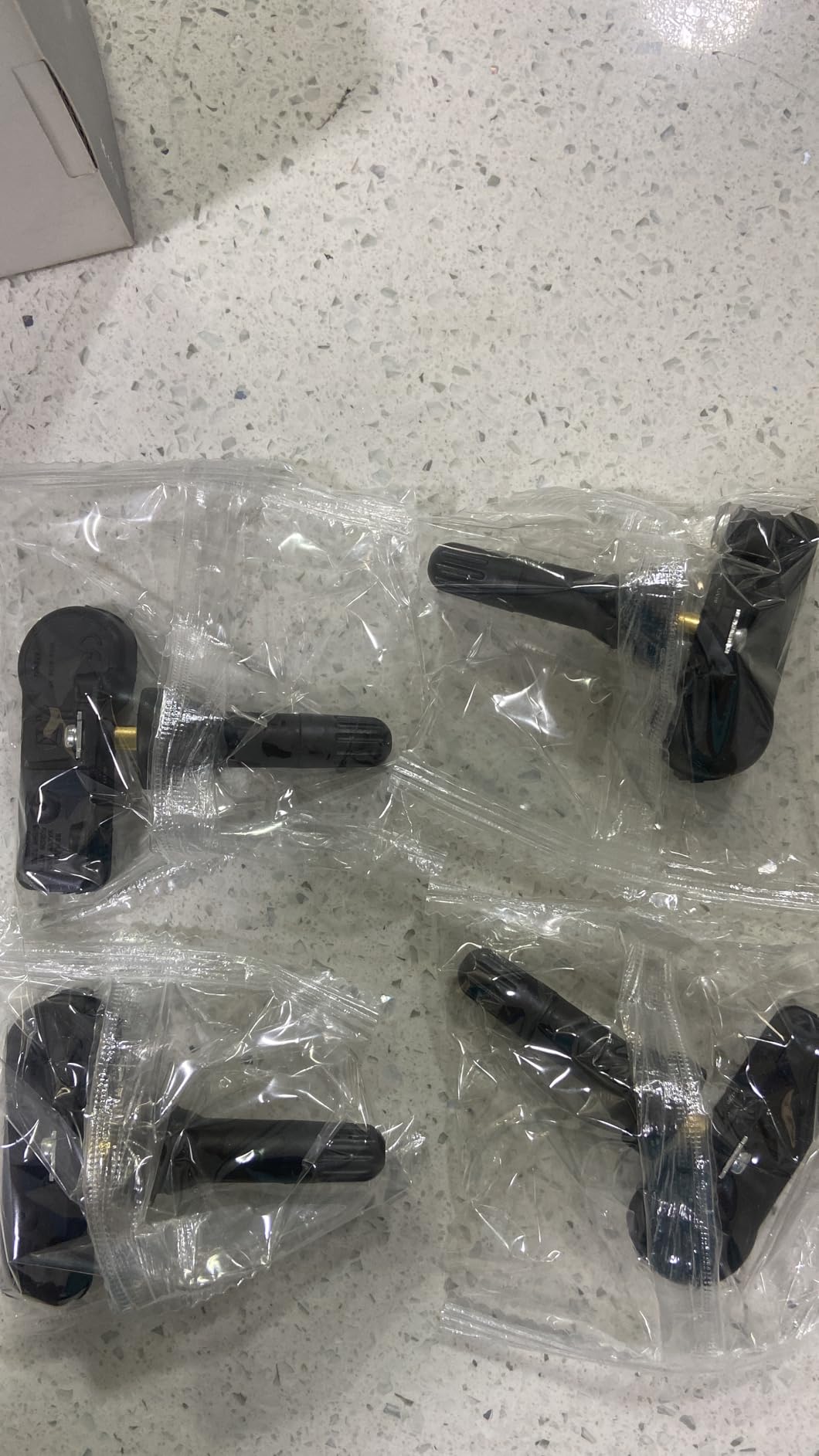
Auto-relearn is the feature that separates this one, and it is the closest thing in this roundup to a genuinely zero-equipment install. Install the sensors, drive for twenty to thirty minutes, and the vehicle pairs with them on its own. No scan tool, no OBDII connector, no steering wheel button sequence to memorise.
That makes this the sensor we would put on a second winter set for someone who will never buy a programming tool. The four-pack is pre-programmed for a specific year, make and model list, and it covers Chrysler, Dodge, Jeep, RAM and Fiat platforms including the RAM 1500 through 5500 range.
Pressure capability above 110 PSI is worth noting if you run a heavily loaded truck or a tow package. Operating range runs from -40C to 125C, and the package includes the CR2 batteries. Package dimensions are 4.25 by 3.58 by 2.64 inches and the set weighs 5.3 ounces.
The 433 MHz limitation is real and it is the reason this does not top the list. Any 315 MHz vehicle, which covers a large share of Japanese and European cars and a number of domestic ones, simply will not hear it. Confirm your frequency before ordering.
What auto-relearn actually saves you
Most sensor installs end with a relearn procedure. Depending on the vehicle that means a scan tool, an OBDII box, or a button and indicator-light dance on the dashboard. Auto-relearn collapses all of that into a drive cycle, which removes both the tool cost and the trip to a shop.
Owners running this sensor report successful pairing across RAM, Dodge and Jeep fitments without intervention. The 4.4 average with 76 percent five-star ratings is the tightest distribution among the pre-programmed sets here.
Where it falls short
Because the ID is written at the factory, you cannot retarget this sensor if you sell the vehicle or change your mind about the fitment. Universal sensors do give you that flexibility, which is why the Autel and Schrader options are on this list as well.
The one-year warranty is also the shortest among the multi-packs in this roundup. If your plan is a decade of seasonal swapping, that is a fair thing to weigh against the convenience.
3. Schrader EZ-Sensor 33500 – Best Multi-Frequency Fitment
Schrader 33500 EZ-Sensor Single SKU (314.9 MHz, 315 MHz, and 433 MHz) Programmable Snap-in Fixed Angle Valve Tire Pressure Monitoring Sensor (TPMS), Requires Programming Before Installation
314.9, 315 and 433 MHz in one SKU
Snap-in fixed angle valve
15-65 PSI range
2 second response time
Pros
- Only genuinely universal multi-frequency sensor in this group
- Replicates OE functionality including auto-locate
- Snap-in style drops into most aftermarket rims
- Independent technicians rate Schrader as an OE-tier brand
Cons
- Requires a compatible programming tool before installation
- Sold as a single sensor so four wheels means four purchases
- 15-65 PSI range is narrower than some rivals
- 80C upper temperature rating is the lowest here
Schrader has been making tire hardware for a very long time, and the EZ-Sensor line is the one most tire shops reach for when a car arrives with a sensor failure and no part number to hand. This particular SKU collapses 314.9 MHz, 315 MHz and 433 MHz into one part, which is why it solves the frequency problem that trips up most of the others on this list.
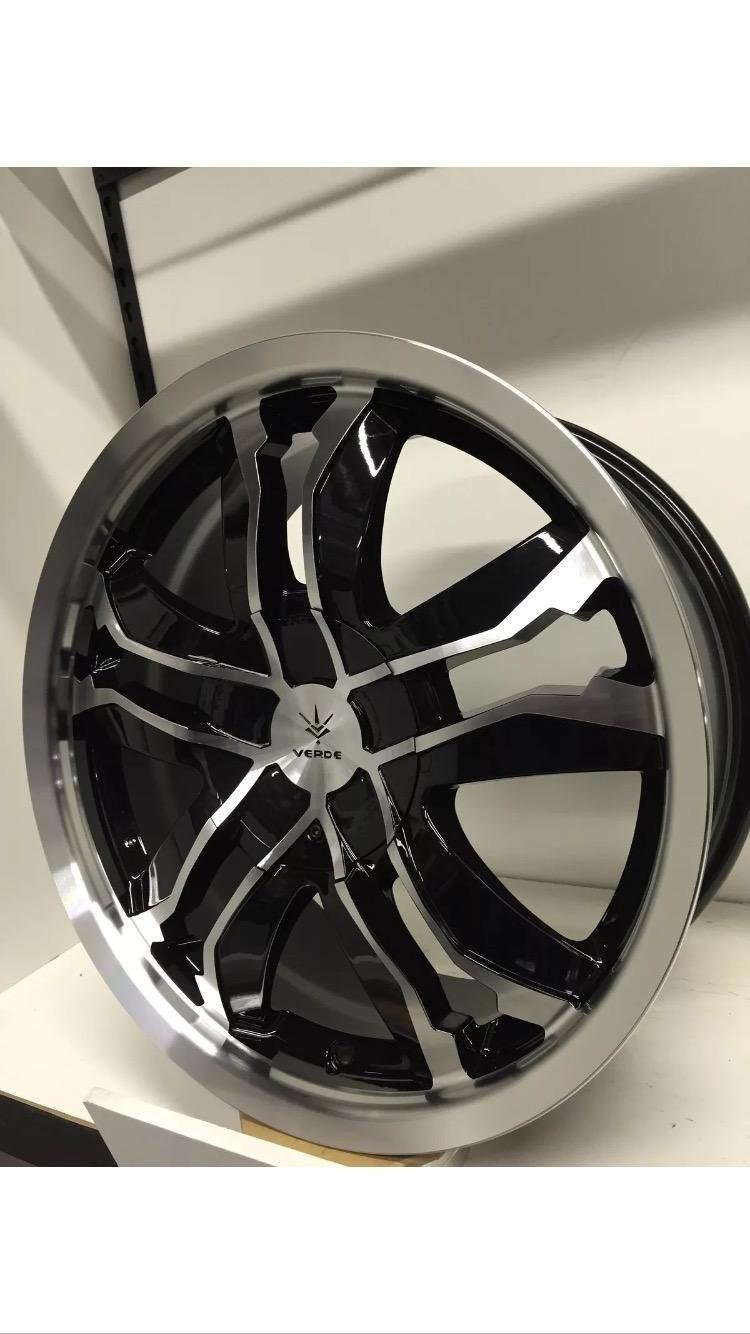
The physical design is a snap-in fixed angle valve that clamps into the wheel without a screw-in nut. That is a genuine advantage on aftermarket rims where you may not want a protruding nut to balance against, and where a straight screw-in stem may not fit the bore angle.
The trade is real and it is the programming step. This sensor has no protocol written to it when it arrives. It must be programmed with a compatible tool using the vehicle year, make and model, and only then does it go into the rim. A cheap relearn-only clicker will not do this job, which is the single most common reason buyers of this sensor end up unhappy.
Once programmed, the reported behaviour is indistinguishable from an OE replacement, including auto-locate so the car figures out wheel position on its own. Fifteen percent of ratings are one-star, the highest single-sensor share here, and the reviews make the cause obvious: almost every negative one traces back to buying it without a tool or to one dead sensor.
Why technicians treat this as the OE-tier option
The body is brass, plastic and rubber rather than all-plastic, the transmitter is the included component, and the stated accuracy is comparable to an OEM sensor. Auto-locate and support for pending OE system technologies are both built in, so it is not a part that will be technologically obsolete in two years.
For a shop or a serious hobbyist who already owns a TPMS tool, this is the sensor to buy. One part number covers essentially every vehicle on the road, which removes the frequency guesswork entirely.
When the tool requirement is disqualifying
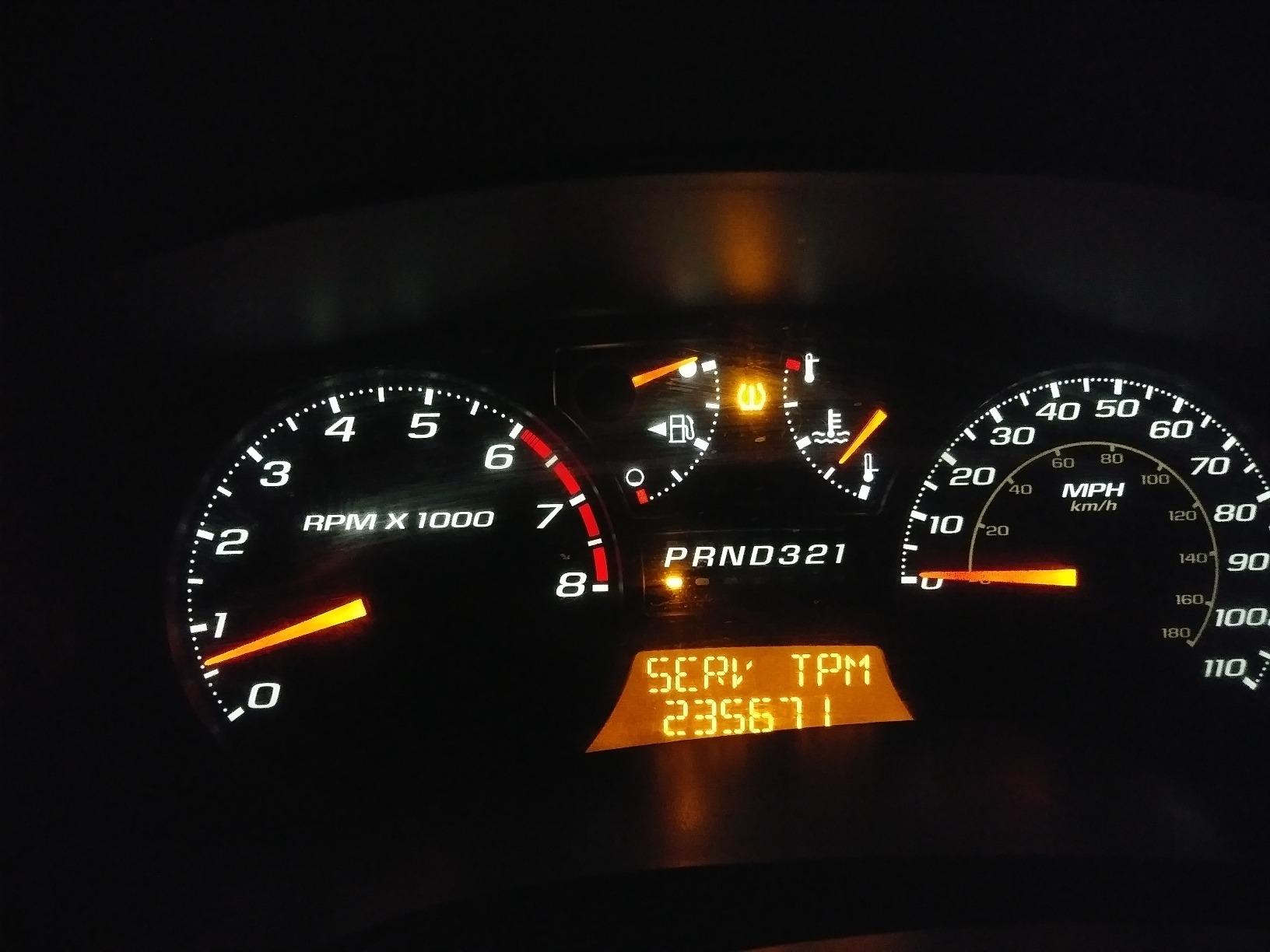
If you do not own a TPMS programming tool and do not intend to, this is the wrong pick, and the reviews are blunt about it. Several buyers report being refused by the tire shop when they brought it in, because programming third-party sensors is not always covered by their equipment.
Also weigh the 15 to 65 PSI measuring range and the 80C upper temperature rating if you run a performance car or live somewhere hot. The narrowest pressure window and the lowest temperature ceiling in this roundup both belong to this sensor.
4. Autel MX-Sensor – Best Universal Programmable Sensor
Autel TPMS MX-Sensor 315+433MHz Dual Frequency Tire Sensor, OE Quality
Dual frequency 315 and 433 MHz
11 g body, 100 percent cloneable
0-800 kPa at plus or minus 10 kPa
Interchangeable rubber and metal stems
Pros
- Genuinely universal dual-frequency coverage in one body
- 100 percent cloneable so no relearn is needed
- Interchangeable rubber and metal valve stems
- Backed by a two-year warranty
- SAE J1205 and J1206 certified
Cons
- Programming needs an Autel tool or scanner which is a separate purchase
- Some lock-in to the Autel ecosystem
- Only 337 reviews so far
- One report of early failure
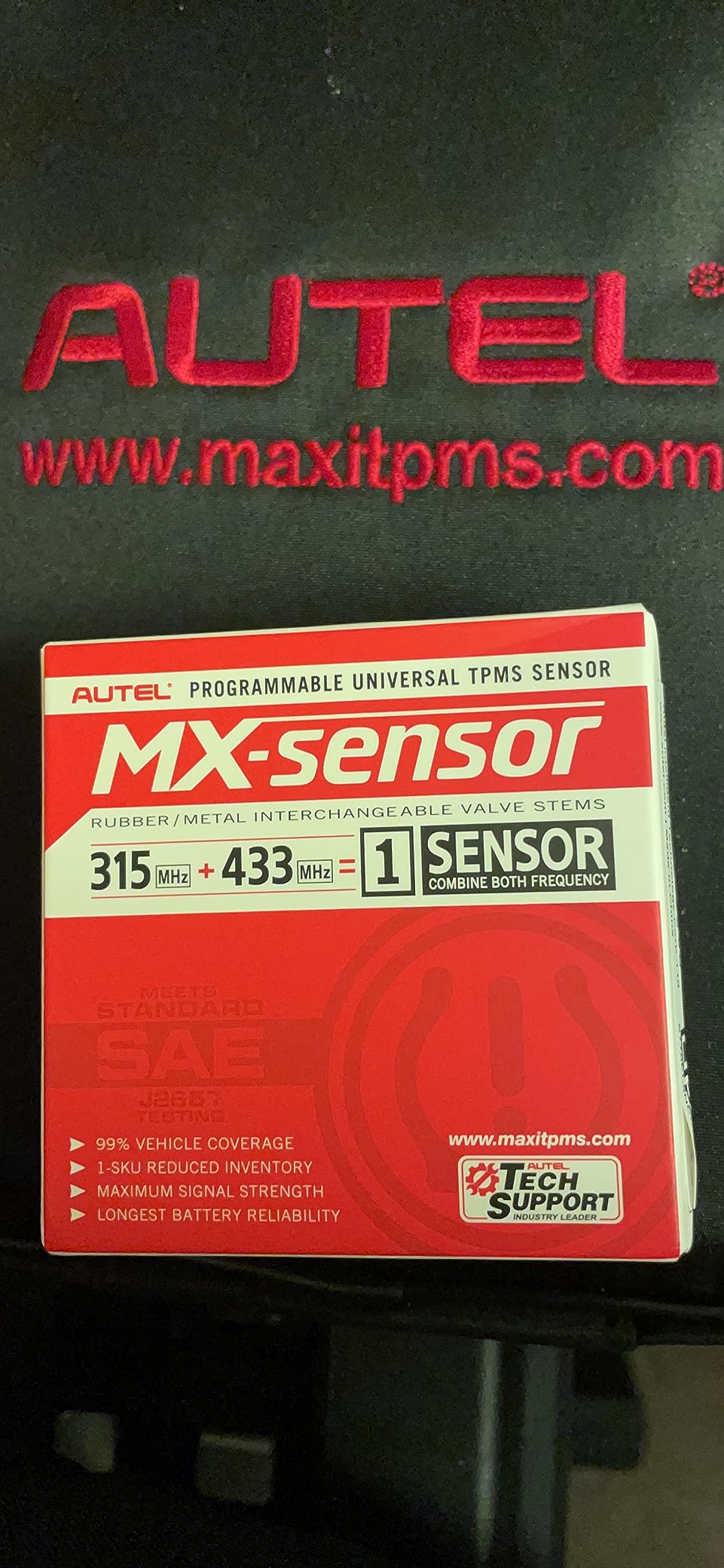
This is the sensor that comes up most often when owners on aftermarket wheel threads describe a successful install, and the reason is cloning. The MX-Sensor is 100 percent cloneable, which means a TPMS tool can read the ID out of the sensor you are removing and write it straight into the new one. Clone it into the same wheel position and the relearn step disappears entirely.
Dual frequency 315 and 433 MHz covers what Autel describes as 98 percent of vehicle sensor replacement demand, so the frequency problem that strands the RENECTIV and the A-Premium simply does not apply. One SKU works across the cars in most two-car and four-car households.
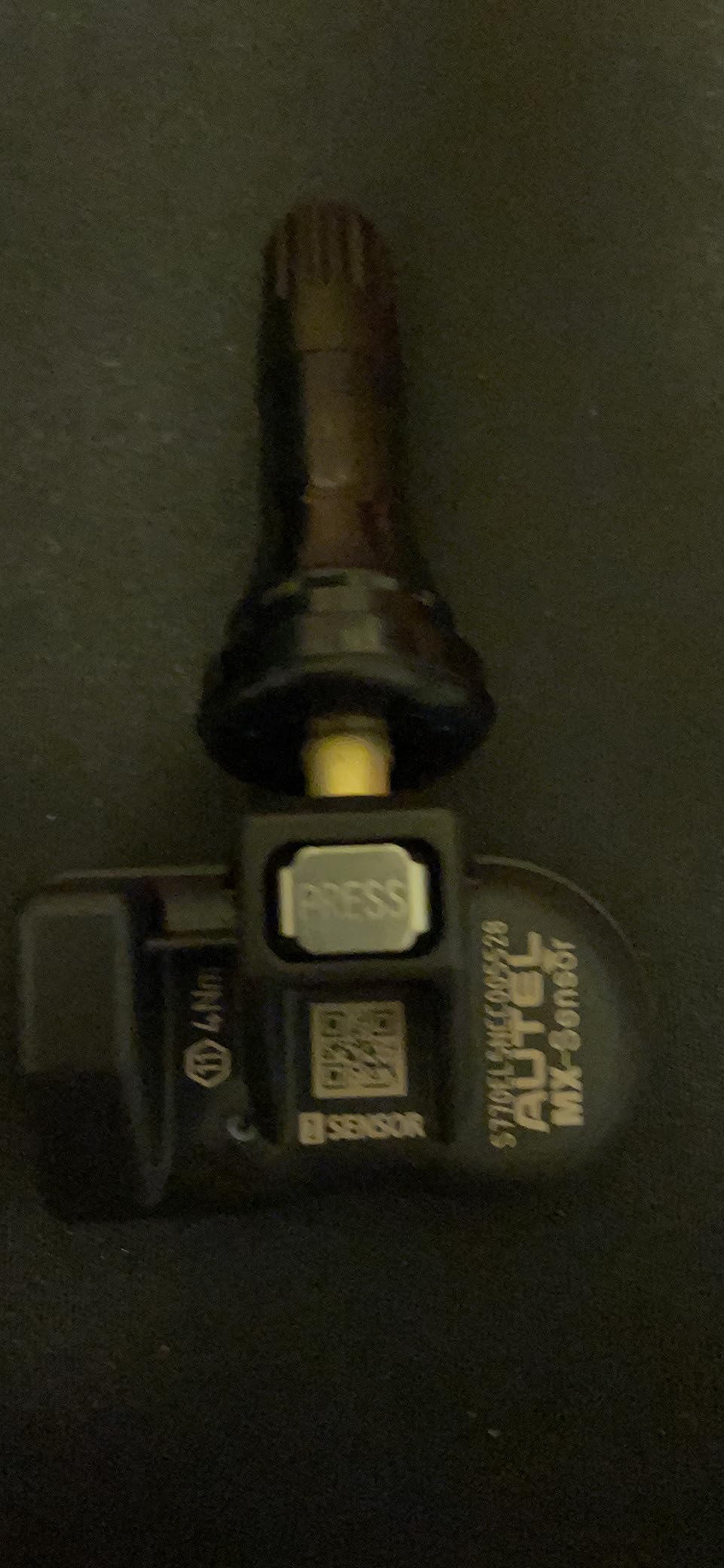
Hardware details suggest this was engineered rather than assembled from parts. It runs on the newer 88-series chip in place of the older 87E, which gives a stronger wireless programming signal and faster, more stable communication with the tool. Accuracy is plus or minus 10 kPa across 0 to 800 kPa, and it operates from -40C to 125C in an 11 gram body.
The interchangeable stems are an underrated detail. Rubber and metal versions ship in the same footprint, so the same sensor suits a press-in wheel and a screw-in wheel. That matters when your winter set and your summer set use different rim brands, which is common in this audience.
What the Autel tool ecosystem does for you
Programming requires an Autel TPMS tool or scanner, and that is the catch. The MX-Sensor works with a wide list including the TS408S, TS501, TS508, TS508WF, TS601, ITS600 and TS608, plus scanners such as the MX808S-TS, MK808S-TS and MS906 Pro-TS. Current tools handle up to 16 sensors in one session.
Owners with an Autel tool report success across Toyota, Ford, GM and Cadillac fitments. Buyers on other tool brands should verify compatibility before purchase, because that brand lock-in is the most common complaint in the reviews and it is a fair criticism.
Where the four-year battery claim bites
Battery life is stated at four to six years or 24,000 miles, which is the shortest claim among the sensors here and well short of the ten-year figure some pre-programmed sets advertise. That figure is closer to what owners actually report, so plan on replacing these once across the life of a wheel set.
The 4.6 average across 337 reviews is the joint-highest rating in this roundup, but the sample is thin compared with the GM four-packs. One report describes early failure three months after installation, which is a small sample but worth knowing about.
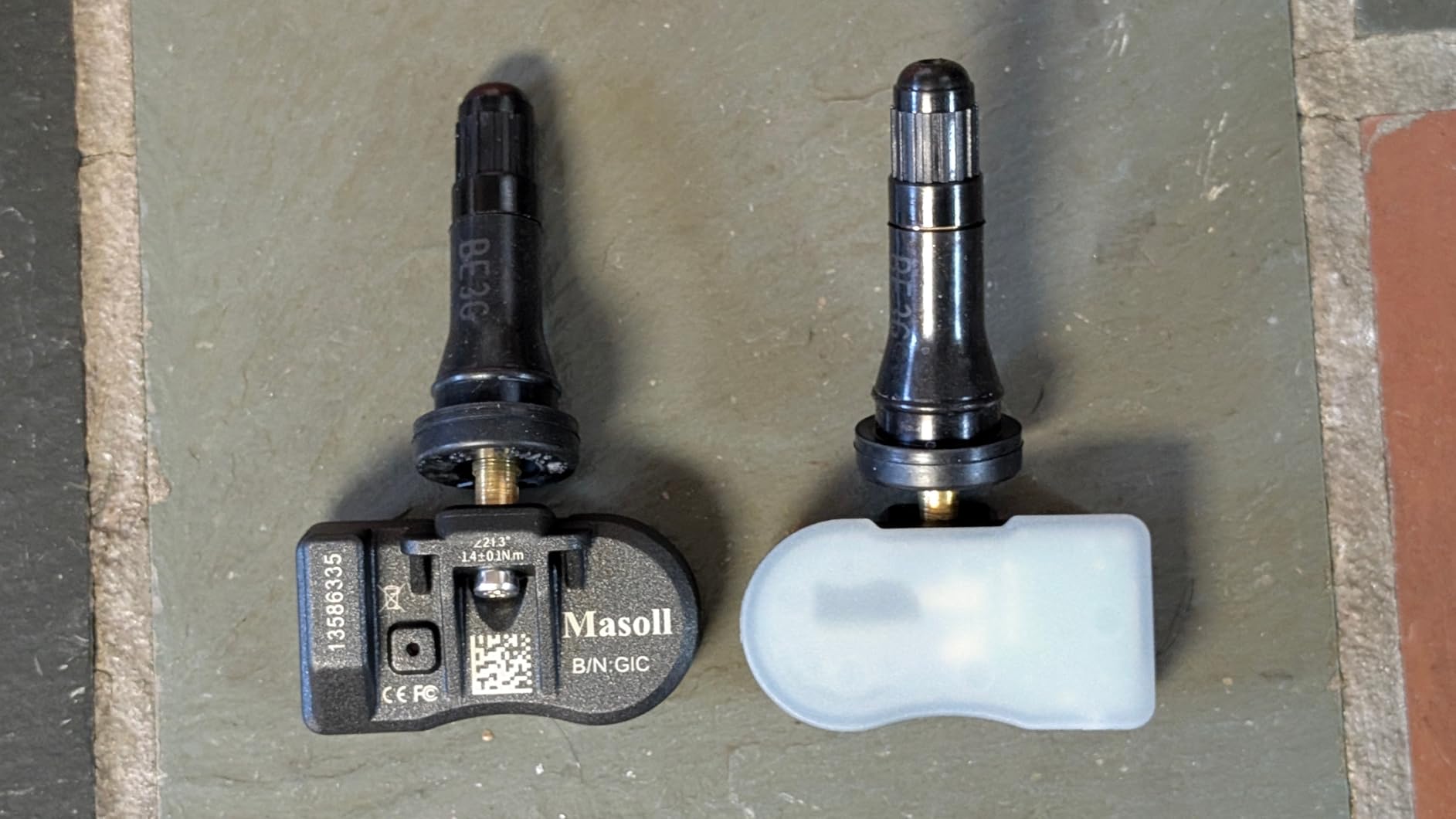
5. Masoll Dual-Frequency GM Four-Pack – Best for Full-Size Trucks
Masoll TPMS Sensor for GM Chevy Silverado Buick Cadillac GMC, 4-Pack
Dual 315 and 433 MHz in one body
Dual-antenna design
CR2050 battery, -40F to 257F
1.5 PSI accuracy, 24-month warranty
Pros
- Dual frequency removes the frequency guesswork on GM
- Dual-antenna design aimed at signal reliability on large trucks and SUVs
- Four sensors programmed in under two minutes per multiple reviews
- Pressure readings match a manual gauge
- 24-month warranty
Cons
- Relearn with a scan tool still required before the sensors communicate
- GM-only fitment
- Weak packaging with one report of loose sensors
- One review reports two dead sensors in a four-pack
On a Silverado, Tahoe or Sierra, the enemy is not accuracy, it is signal. The receiver sits inside the vehicle, the wheels are heavy steel, and a sensor that transmits weakly produces intermittent readings and false warnings. The Masoll four-pack is built around that problem with a dual-antenna design aimed squarely at full-size pickups and SUVs.
It is also unusual among the pre-programmed sets in carrying both 315 and 433 MHz in a single body. Since GM has used both bands across different platforms and model years, that removes the single most common cause of a sensor that arrives, mounts, and then never pairs.
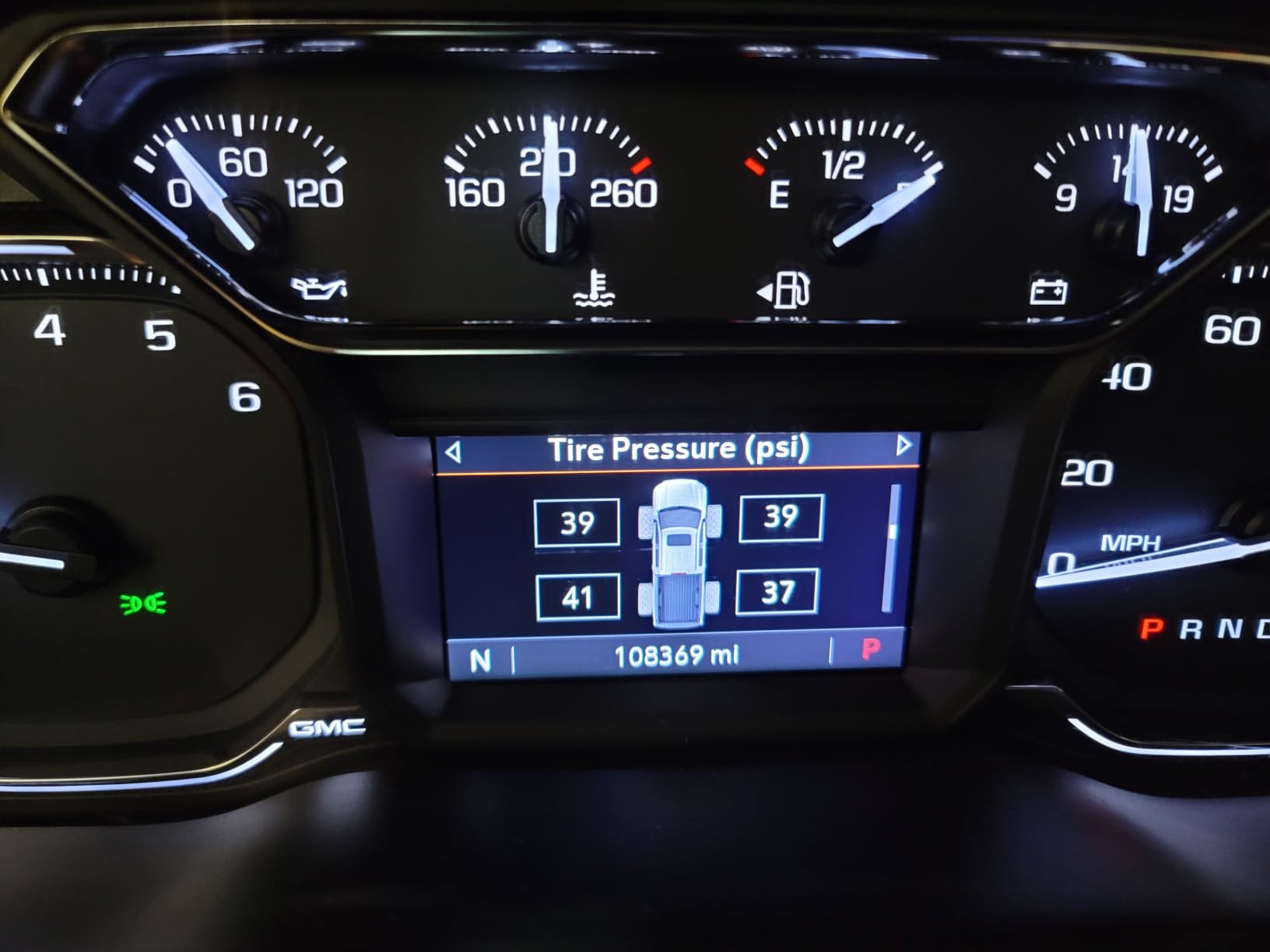
The fitment list covers Chevy Silverado, Colorado, Impala, Tahoe, GMC Yukon, Sierra and Terrain, Buick Allure, Enclave, Encore and Envision, plus Cadillac ATS, CTS and XTS. The OE cross-reference runs long, including 13598771, 13586335, 13581558, 15268606 and 20925924.
Owners report programming all four sensors in under two minutes, and independent checks show readings matching a manual gauge. Accuracy is stated as 1.5 psi. Every sensor is factory tested and the warranty runs 24 months on all parts, which is longer than most packs in this group.
Where a truck-specific sensor earns its place
If you tow, run a lifted full-size truck, or simply have aftermarket wheels that weigh more than the stock ones, transmission reliability is the thing to optimise. A dual-antenna sensor on a 22-inch wheel is doing something a single-antenna sensor on the same wheel may not.
The dual-frequency design also means this pack is safe to buy before you have confirmed which band your specific year uses, which removes the ordering anxiety that produced one of the worst documented failures in this roundup. It simply was not the wrong frequency.
Where it falls short
Pre-programmed is not the same as automatic. Every owner still needs a relearn with a scan tool before the sensors talk to the ECU, so this does not remove the tool requirement the way the auto-relearn option does.
The 256-review sample is on the small side, and the negatives cluster on packaging rather than function, including one report of two of four sensors that would not wake up. Test every sensor with your tool before you mount one permanently.
6. A-Premium 315MHz Four-Pack – Widest Pressure Range
A-Premium 315MHz Pre-Programmed TPMS Sensor Tire Pressure Monitoring Sensor
0-900 kPa, up to 130.53 PSI
Clamp-in valve style
Plus or minus 0.06 bar accuracy
CR2050 battery, -40C to 120C
Pros
- Widest pressure window in this roundup at 0-900 kPa
- Tested in-house to SAE J2657 and fully FCC and IC certified
- High-precision NXP chip with 1 second response
- Clamp-in style suits rims without a screw-in nut
- Two-year unlimited-mileage warranty
Cons
- 315 MHz only
- so a documented 433 MHz buyer got a sensor that never paired
- Pre-programmed still needs a relearn or reset per the vehicle manual
- Warranty covers the part only and not installation labor
The number that sets this one apart is the pressure window. Zero to 900 kPa, which works out to 130.53 PSI, is the widest range in this roundup, with accuracy of plus or minus 0.06 bar and a one-second response time. If you run high pressures for load or track use, that headroom is not decorative.
The clamp-in valve style is the second reason to like it on aftermarket wheels. It grips the rim without a screw-in nut, so the profile stays clean for balancing and it will seat in bores that a straight screw-in stem will not reach comfortably.
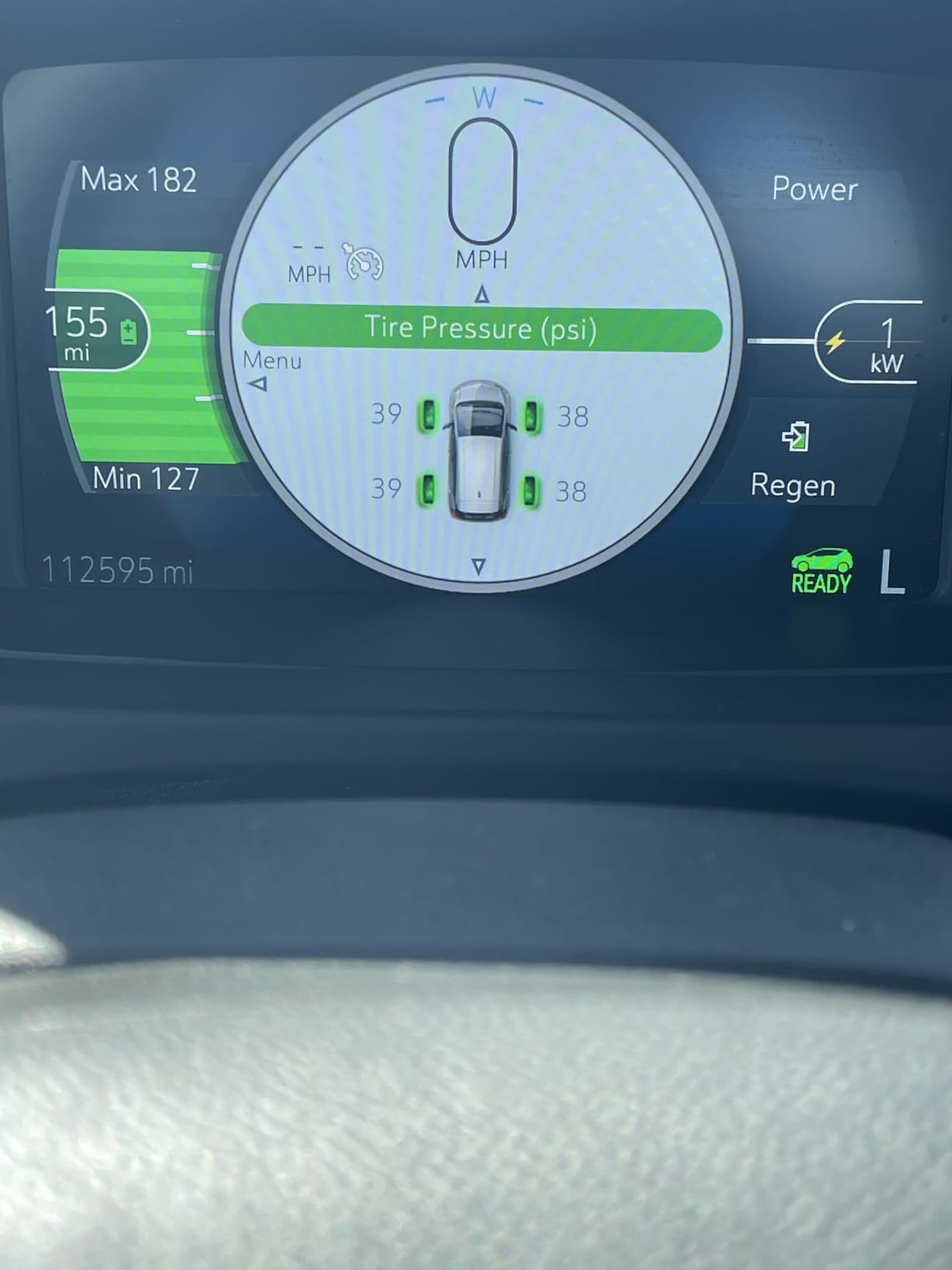
Build quality is documented more rigorously here than anywhere else in this guide. Each sensor is tested in-house to SAE J2657, and the listing states compliance with ISO 10605:2008, SAE J2657, RSS-210, FCC 15c and CE. The chip is an NXP part, and the aluminium valve is cross-compatible with OE rubber valves, which matters if you mix stems across a two-set setup.
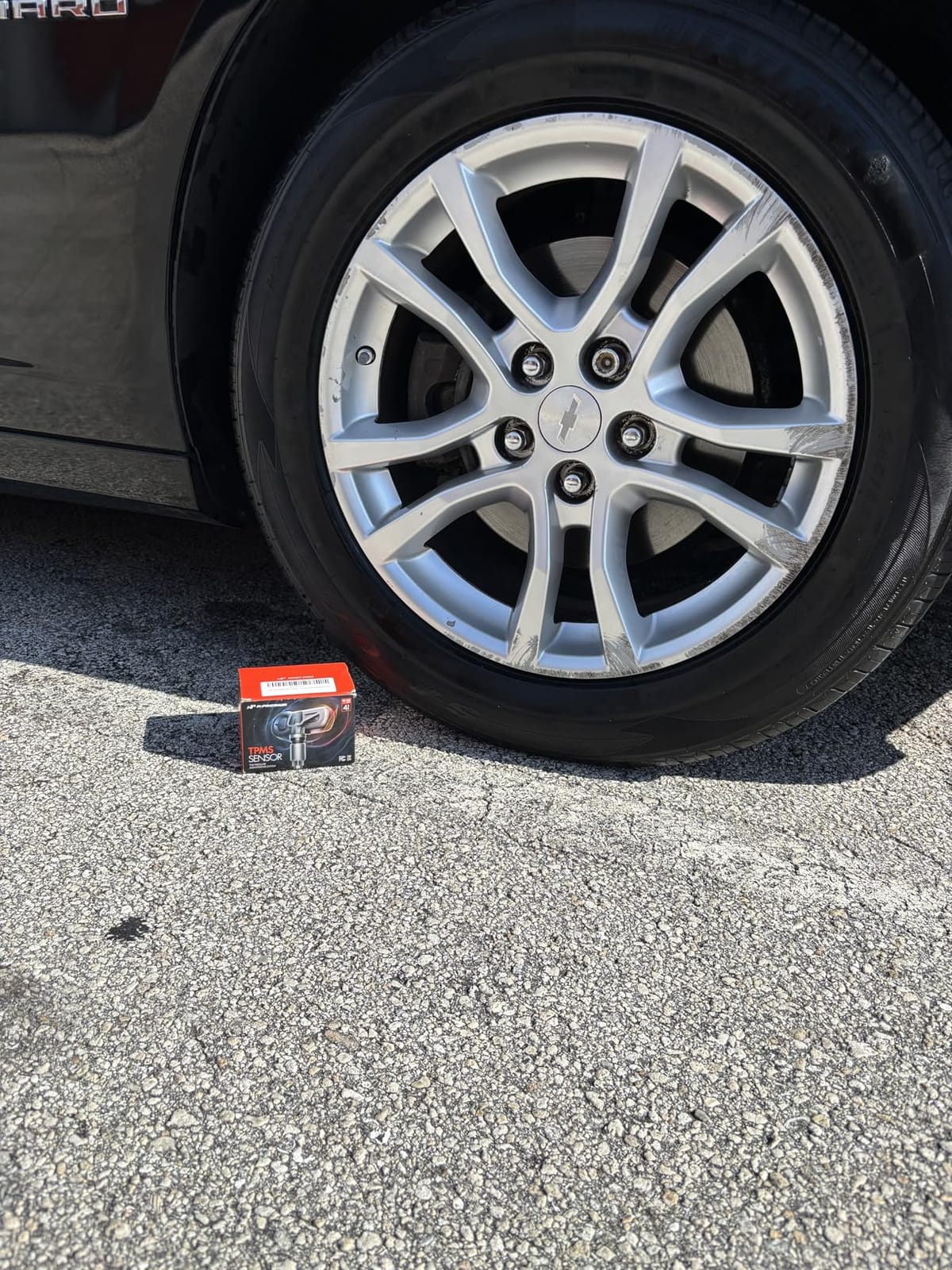
The fitment list is long and specific, naming Chevy Blazer, Bolt EV, Camaro, Corvette, Cruze, Equinox, Impala, Malibu, Silverado 1500/2500/3500, Tahoe and Traverse, Buick, Cadillac, GMC Canyon and Sierra, Saab 9-4X and 9-5, and Saturn Astra.
Where the pressure range and clamp-in body pay off
For a lowered car running 40 PSI or more, or a truck running 80 PSI on highway tires, a 65 PSI ceiling becomes a genuine constraint. This sensor removes that worry and stays accurate across the whole range, which is why we like it for anything other than a basic commuter set.
Two-year unlimited-mileage warranty is also longer than the one-year terms attached to several packs here, and every sensor arrives in its own individual box rather than loose in a tray.
Where the frequency limit catches people
This is a 315 MHz sensor. One documented case in the reviews is a buyer who confirmed their fitment and still received a 315 MHz sensor for a 433 MHz vehicle, so it never paired. That is exactly the failure the Masoll dual-frequency design is built to prevent.
Pre-programmed also does not mean plug and play here. A pairing or reset relearn per the vehicle manual is still required. Note too that the warranty covers the item cost only, not installation, labor or towing.
7. CARORAV GM Four-Pack – Best Documented Relearn Procedures
CARORAV TPMS Sensor GM, 4-Pack Tire Pressure Monitoring System Sensor
Pre-programmed GM four-pack
Rubber and aluminum stems included
Over 5 year battery claim
-40C to 125C operating range
Pros
- Includes both rubber and aluminum valve stems in one pack
- Documents the manual steering-wheel relearn and the OBDII method
- Programming takes about 30 seconds to a minute
- Accurate PSI on the dash and in the app
- Extensive OE number cross-reference
Cons
- Relearn still required and some vehicles need a professional scanner
- One report of four sensors failing sequentially after about 2.5 years
- Occasional defective sensor in a pack
- Some tire shops will not program third-party sensors
The thing that separates this pack is documentation. Both relearn routes are written out: the manual method through the steering wheel Set and Reset button and the dash display, which needs no OBDII connector at all, and the OBDII route using a TPMS tool and a DLC connector followed by a five-minute drive at 28 mph.
For a first-time installer, having the exact sequence in front of you removes most of the anxiety from a task that otherwise looks like black magic. That is why this pack keeps appearing in successful DIY reports despite a middling rating.
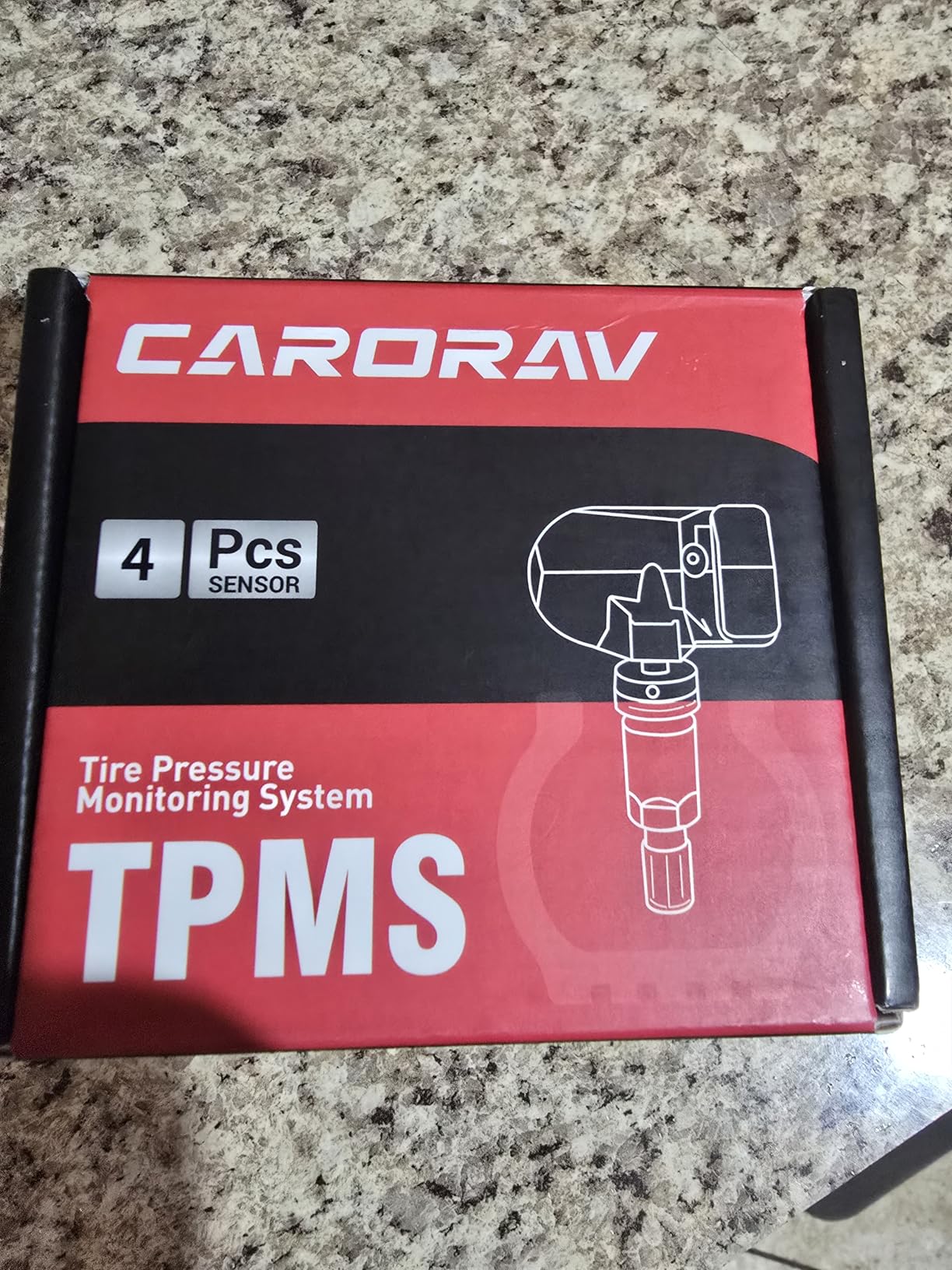
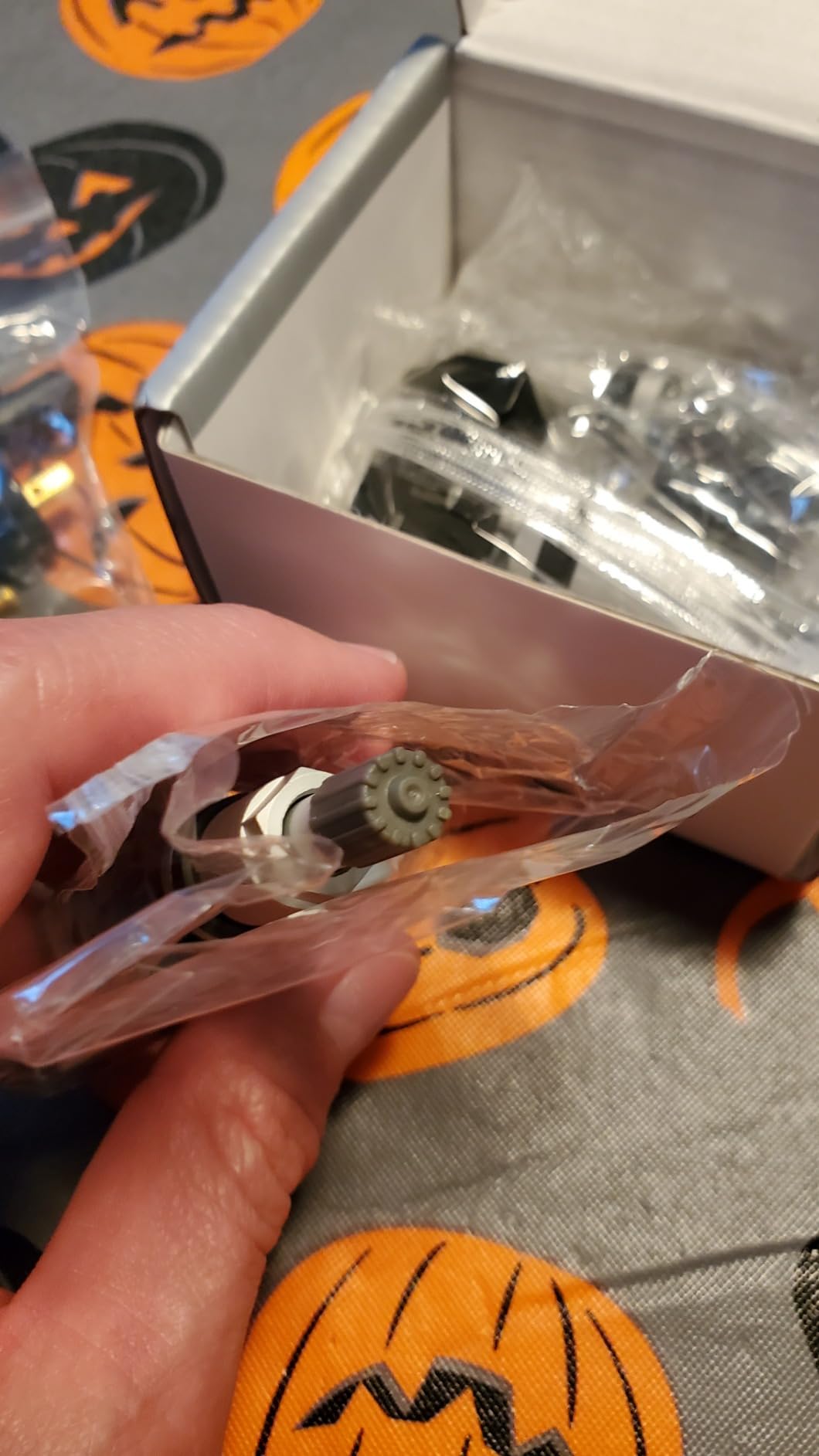
The other smart decision is including both soft rubber and hard aluminum valve stems in the same pack. Most aftermarket wheel sets are a mix, and being able to match the stem to the rim removes the most common cause of a leak at the valve after a swap.
The economics are what reviewers talk about most. One Equinox owner compared a couple of DIY replacements against a dealer quote in the hundreds for the same job, and programming with a low-cost TPMS tool reportedly takes under a minute per vehicle. Battery life is claimed at more than five years across a -40C to 125C range, and two CR2 batteries are included.
Why the write-up matters as much as the part
A sensor that works but leaves you unsure whether it paired is the same as a sensor that failed, because you end up at a shop either way. Clear instructions, specific OE numbers and both relearn methods documented is a real advantage for anyone doing this for the first time.
The OE cross-reference is unusually thorough, running from 12768826 through 25952370, and the pack covers Buick, Cadillac, Chevy and GMC fitments across the usual crossover, sedan and truck line-up. If you are still deciding which rims to run, our pick of the best trailer wheels is a sensible place to start.
Where durability reports get uncomfortable
The most substantive negative in 1,568 reviews is a long-term one: four sensors on a newer Silverado failing sequentially after roughly two and a half years. That is the kind of report that only appears once a product has real history, and it is the honest counterweight to the strong feature list.
There are also occasional defective sensors in a pack, and some tire shops decline to program third-party parts, which can leave you needing your own activation tool. Budget for that possibility before you buy.
8. AOTPAT GM 315MHz Four-Pack – Broadest Older GM Coverage
AOTPAT Pre-Programmed GM 13598771 TPMS Sensor 315Mhz for:-Chevy for:-GMC
Pre-programmed 315 MHz four-pack
Plus or minus 2 percent accuracy
0.1 second response time
ABS plastic and metal body
Pros
- Pre-programmed so only activation is needed
- Published fitment list covers Chevrolet models from 2004 onward
- Activation steps are documented in the listing
- Two-year unlimited-mileage warranty
- Four sensors at a low per-sensor cost
Cons
- 315 MHz only
- and a 2020 Suburban owner documented a vehicle needing 433 MHz
- The dense fitment list makes a frequency mismatch easy to make
- One report of a dead sensor on arrival
- Plus or minus 2 percent accuracy is the loosest stated figure here
Where this pack earns a place is older and wider GM coverage. The published fitment list reaches back to Chevrolet models from 2004 and covers Avalanche, Express, Monte Carlo, Cobalt, Aveo, Spark and H2 Hummer alongside the usual Silverado, Tahoe and Suburban entries, plus GMC, Cadillac, Buick, Saab and Saturn applications.
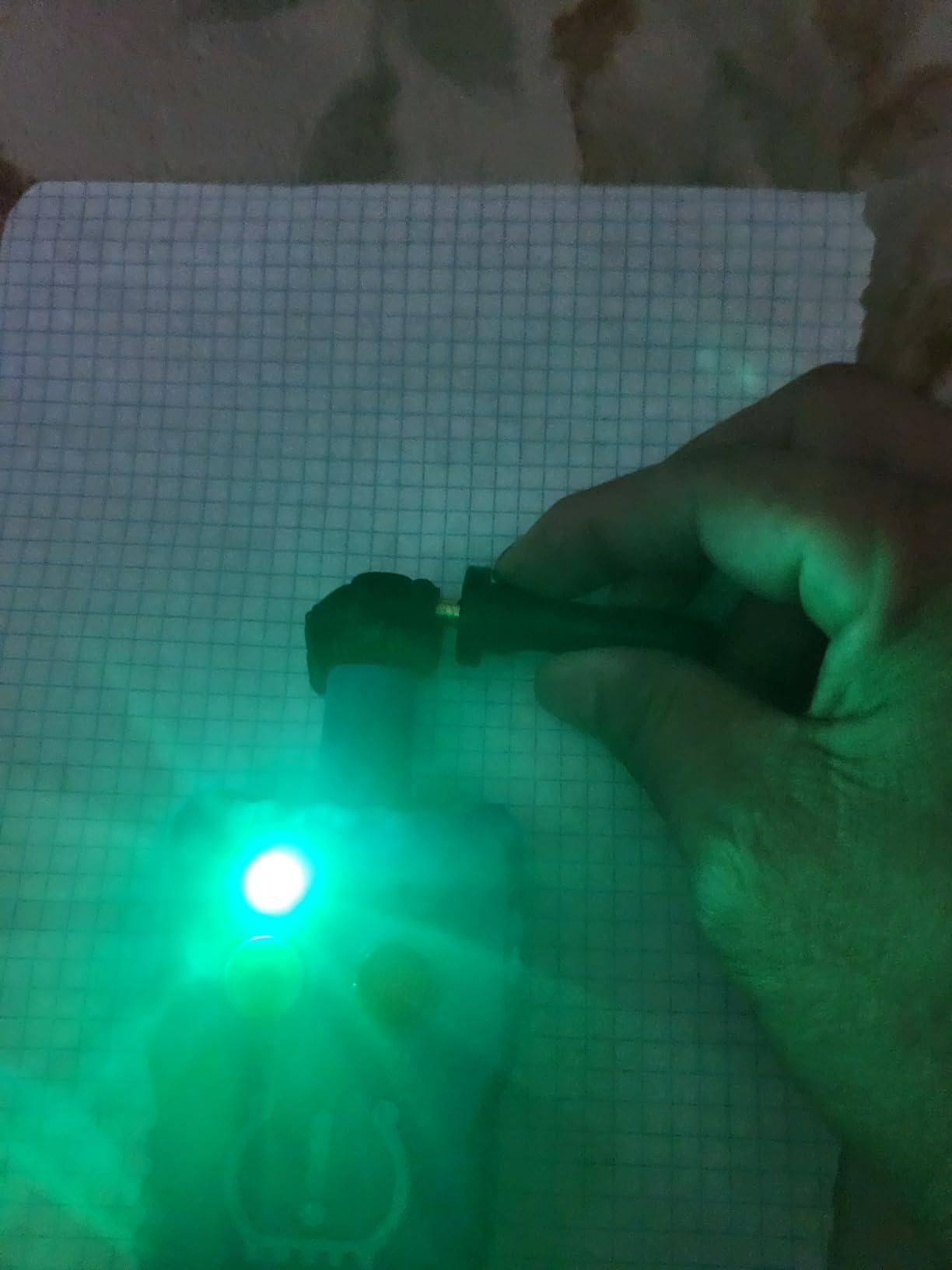
Activation steps are documented in the listing itself: enter CHECK SENSOR in the scan tool, pick the make, model and year, trigger the tire location and warning light, then confirm the sensor data appears on screen. That is the whole procedure, and having it written down matters more than it sounds.
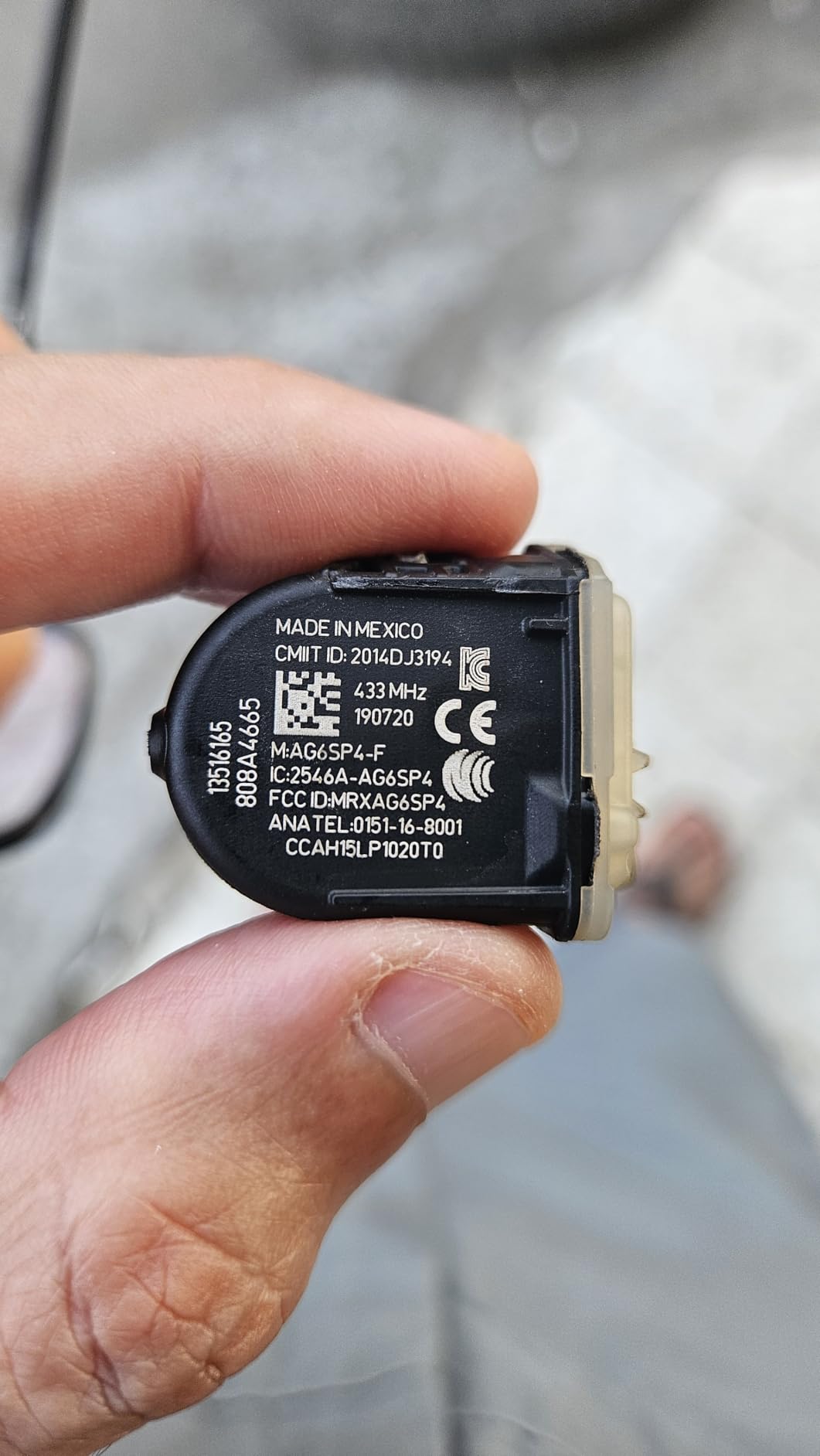
Body construction is ABS plastic and metal, described as abrasion resistant and resistant to ageing. Accuracy is stated at plus or minus 2 percent with a 0.1 second response time, and the upper temperature rating is 248F, which is 120C. The warranty is two years unlimited mileage, which is competitive with the better packs in this group.
The OE cross-reference includes 13598771, 13540601, 13586335, 25920615, 25799331 and 20925924, so matching your existing part number before you buy is straightforward.
Where broad model coverage genuinely helps
If you are buying for an older Silverado, an Express van, or one of the GM vehicles that never received a sensor platform update, this is the pack with the deepest fitment list in the roundup. It is also cheap enough per sensor that a spare set for a seasonal second wheel is a reasonable idea.
Buyers report successful DIY installs and activation with a low-cost relearn tool, which suggests the pre-programmed promise holds when the frequency matches the vehicle.
Where the fitment list becomes a liability
Sixteen percent of ratings are one-star here, the highest share in the roundup, and the reviews point at one cause. A buyer confirmed fitment for a newer Chevrolet Suburban and still received a 315 MHz sensor for a vehicle that required 433 MHz, which left it unprogrammable after paying installation and diagnostic fees.
Plus or minus 2 percent accuracy is also the loosest figure here, and one sensor arrived dead. If your GM vehicle is newer, verify the frequency before ordering or pick a dual-frequency pack instead.
Which TPMS Sensor Type Fits Your Aftermarket Wheels?
Sensor type is determined by the rim, not by the vehicle. Most aftermarket wheels use one of three mounting approaches, and choosing wrong means the sensor will not physically fit or will not seal.
Screw-in valve sensors are the traditional design. The sensor body is the valve itself, it threads into a standard bore, and a metal or rubber stem passes through the rim. This is what the factory used on most American vehicles before band sensors came along, and it is what nearly every wheel in this roundup assumes.
Snap-in or clamp-in sensors clip into the rim with a grommet instead of a threaded nut. They are quieter and visually cleaner, which is why they are popular with aftermarket wheel buyers, and the A-Premium pack and the Schrader snap-in valve are examples here. They need a rim designed for them rather than a bore you drill yourself.
Band sensors clamp around the inside of the rim barrel and read pressure through the rim rather than through the air. They exist for older vehicles and for wheels with no sensor bore, particularly on certain Ford, Lincoln and Mercury applications. They cannot simply be moved between wheel sets, and they are a different category of purchase from everything on this list.
If your rim has no bore at all, an internal clamp-on sensor that mounts to the back of the wheel and reads the tire indirectly is the remaining option. It works, but it is a specialist product and you should expect to ask the wheel vendor specifically about drilling and porting a bore.
315 MHz or 433 MHz: Check Your Vehicle Before Buying
Frequency is the number one cause of a sensor that installs perfectly and then never pairs, and it is also the fastest thing to get wrong. American-made vehicles overwhelmingly use 315 MHz. The 433 MHz band is common on many European and Japanese platforms, and some later domestic trucks use it too.
The practical rule for the sensors in this roundup: anything listing 315 MHz only is for the American mainstream. Anything listing 433 MHz only is for Chrysler, Dodge, Jeep, RAM, Fiat and certain European applications. Anything listing both frequencies will work on nearly any vehicle, which is why the Autel MX-Sensor, the Masoll pack and the Schrader EZ-Sensor are the safest buys when you are unsure.
How to check without guessing: look up your exact year, make, model and trim in the sensor listing rather than in your owner’s manual, and find the OE part number your vehicle shipped with. Then confirm that the listing you are buying covers that number. Cross-referencing part numbers is more reliable than reading a fitment selector, because those selectors are built to convert a sale rather than to prevent a return.
If you want a second confirmation, one owner on a wheel forum noted that any sensor transmitting on the same frequency as the factory unit should pair, which is true as a general rule and a useful sanity check before you commit.
Cloning, Programming or Reusing: The Three Install Paths
Whichever sensor you pick, the receiver has to learn its identity. There are three ways that happens, and they differ in tools required, time and what happens the next time you swap wheels back.
Reactivation is for pre-programmed sensors. The ID is already correct for the vehicle, so a scan tool or activation tool tells the ECU to look for sensors and pair them. The CARORAV pack documents a manual steering-wheel variant of this that needs no OBDII connector at all, followed by a short drive cycle.
Auto-relearn is the closest thing to no work at all. The RENECTIV pack supports it, and the process is simply to install the sensors, drive for twenty to thirty minutes, and let the vehicle pair itself. Nothing to buy, nothing to learn.
Programming and cloning is for universal sensors. The Autel MX-Sensor and the Schrader EZ-Sensor both need a compatible TPMS tool to write a vehicle protocol into a blank sensor. Cloning goes one step further by copying the ID of the sensor you are replacing, which means no relearn at all if it goes back into the same wheel position.
The consequence most people underestimate is what happens on the next swap. A pre-programmed set for your truck cannot go into your car. A cloned set remembers one vehicle. If you run a seasonal changeover, either buy a second sensor set for the second wheel set or accept a programming session every single time.
What a Sensor Swap Really Costs Once Labour Is Included?
The sensors are the smallest part of the bill. Dismounting, remounting and balancing the tire takes labor, and that labor is charged every time you change a sensor, even for an identical swap.
Forum price anchors illustrate the gap. Subaru OEM sensors have been quoted around ninety dollars each at a dealer, Ford around sixty-five each plus a separate reset tool, and wheel vendors have quoted entire four-sensor sets in the high hundreds when they install them for you. One tire and wheel dealer quoted a hundred sixty for four aftermarket valve-stem sensors installed.
That is why the smart calculation includes the tool. If you will do two swaps a year for five years, one TPMS tool that programs every sensor you own pays for itself the first time it replaces a shop visit, and the programmable sensors on this list become the cheaper option over that horizon.
The second lever is owning two sensor sets. If you never touch a programming tool again after the initial setup, a second set of pre-programmed sensors is cheaper and faster than a relearn on every changeover, and it removes the possibility of a dead sensor stranding you mid-season.
TPMS Sensors vs External Monitoring Kits: Do Not Buy the Wrong Thing
A large share of results for tire pressure monitoring queries are not sensors at all. They are external systems: a clamp-on transmitter stuck to the valve, a receiver with a small screen, and an app that shows four numbers on your phone. Those products are excellent for RV, trailer, boat and classic car use where no factory receiver exists. They solve a completely different problem from the one aftermarket wheel buyers have.
The confusion has a real cost. Owners running external sensors frequently report a warning message on the dash while their phone app shows correct pressures, because the car is reporting that it cannot see its own in-wheel sensors and the app never told the car anything. If you want your factory display to light up with real per-wheel readings, you need an in-wheel sensor that your vehicle can hear. Nothing on a dashboard screen will do that.
The other category to avoid confusing the two is TPMS programming tools. Those are not monitoring systems and they are not sensors. They are the device that tells your car the identity of a new sensor, and several of the picks above need one.
Two exceptions are worth knowing. Most Teslas and some older or European platforms are TPMS-exempt, where the system recalibrates through the infotainment menu after a wheel change instead. And if you genuinely need a standalone display for a trailer, our guides to trailer wheels and smart cellar sensors cover the kind of always-on remote monitoring that suits those use cases.
Counterfeit OE Sensors and Marketplace Traps
The single loudest warning across owner forums is about sensors sold with OE branding at a fraction of the price. Forum users have flagged sets of Motorcraft-branded sensors offered at a steep discount, and the consensus in those threads is that most such listings are repackaged or counterfeit, particularly when the part is sold loose with no packaging history.
Counterfeit sensors fail in the worst possible way. They mount fine, they can sometimes even pair, and then they stop transmitting months later, leaving you to pay for a dismount and balance to remove a part that was never worth installing in the first place.
Four checks reduce the risk. Look for consistent branded packaging rather than loose parts or generic white boxes. Verify that the OE number cross-reference is detailed and matches your vehicle. Be suspicious of any listing combining genuinely cheap pricing with claims of being factory or genuine OE. And prefer a seller that will stand behind the part, because a manufacturer warranty on the item is meaningless if the item is not what the box says.
Large review counts on a specific brand and model are themselves a form of authentication. The sets in this roundup with several thousand ratings have been in the wild long enough that fakes rarely accumulate that history.
Frequently Asked Questions
Can you put tire sensors on aftermarket wheels?
Yes. Any rim with a standard valve bore can take a TPMS sensor, and aftermarket wheels are the case where pre-programmed or universal sensors make the most sense. The new sensors must be activated or relearned so the factory receiver recognises them, otherwise the warning light stays on even though the readings are accurate.
Are aftermarket TPMS sensors good?
Yes, when they are the correct frequency for your vehicle and properly activated. The common complaints are counterfeit parts sold as genuine OE, a sensor bought at the wrong frequency that will never pair, and owners who skip the relearn step. Large review counts on a specific model are the best filter for long-term reliability.
What is the average lifespan of a TPMS sensor?
Most sensors last somewhere between five and ten years, and the coin cell inside is the component that fails rather than the electronics. Pre-programmed packs commonly claim up to ten years, while programmable sensors such as the Autel MX-Sensor are rated at four to six years or 24,000 miles.
Can I program my TPMS sensors myself?
Yes, if the sensor is programmable and you have a compatible tool. Some sensors also support auto-relearn, where you install them and drive for twenty to thirty minutes and the vehicle pairs them on its own. Pre-programmed sensors only need activation, which still usually means a scan tool or the manual steering-wheel relearn procedure.
What is the best TPMS programming tool for all sensors?
The most flexible tools cover both OE and aftermarket brands rather than locking you to one ecosystem. The main limitation owners report is that some tools program only their own brand of sensor, so check compatibility with the exact sensor you plan to buy before you purchase a tool.
The Bottom Line
For most people fitting aftermarket wheels, the CDWTPS GM four-pack is the pick because the evidence behind it is enormous and pre-programmed means fewer steps between the box and a working sensor. If your vehicle is on the 433 MHz band or you refuse to buy any tool, the RENECTIV pack removes the programming step entirely through auto-relearn.
If you own more than one brand of vehicle, keep a second set of wheels, or want one part number that never has to be checked against a frequency chart, the Autel MX-Sensor is the better long-term buy. Confirm the frequency before you order anything, keep a spare sensor on hand, and budget for the relearn rather than treating it as an optional extra.
Whichever sensor you choose for your aftermarket wheels, a working set on the rims you drive on is what stops the warning light, restores the per-wheel pressure readings on your dash, and keeps your vehicle out of trouble at inspection time. Check the frequency, match the sensor type to your rim, and do the relearn.