
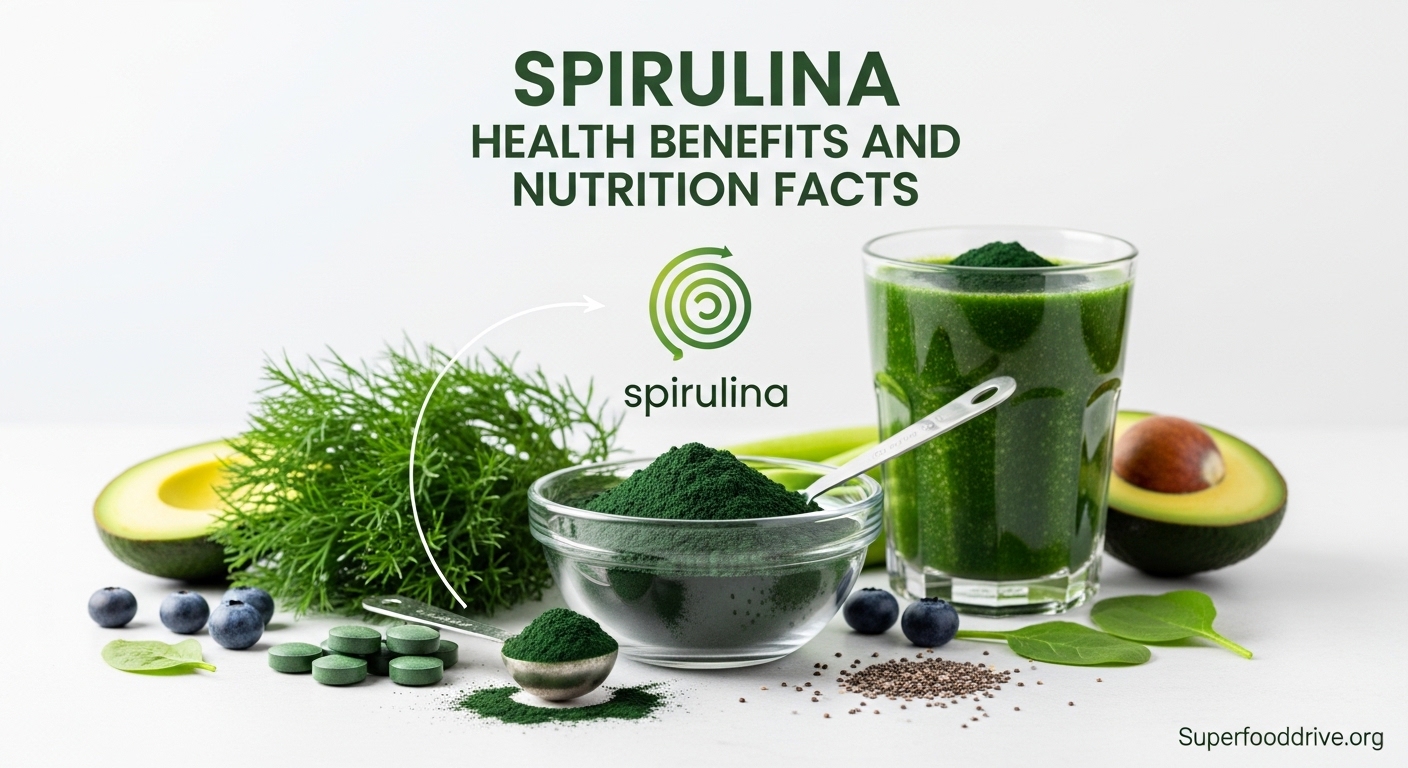
Spirulina has earned its reputation as one of the most nutrient-dense foods on the planet. This blue-green algae packs an impressive nutritional punch that has caught the attention of health researchers, NASA scientists, and nutrition enthusiasts worldwide. Whether you are looking to boost your energy, support your immune system, or fill nutritional gaps in your diet, understanding spirulina health benefits can help you make informed decisions about adding this superfood to your routine.
In this guide, I will walk you through everything you need to know about spirulina. From its complete nutritional profile to ten evidence-based health benefits, plus practical tips on dosage, safety, and how to incorporate it into your daily diet. Our team spent weeks analyzing peer-reviewed studies and real user experiences to bring you accurate, actionable information you can trust.
Table of Contents
What Is Spirulina?
Spirulina is a type of cyanobacteria, commonly known as blue-green algae, that grows in both fresh and salt water. Despite being called an algae, it is technically a photosynthetic bacteria that thrives in warm, alkaline water environments. The name comes from its spiral-shaped filaments visible under a microscope.
The two most common species used in supplements are Arthrospira platensis and Arthrospira maxima. These organisms have existed on Earth for billions of years and represent one of the earliest life forms capable of photosynthesis. Their ability to convert sunlight into nutrients efficiently is what makes spirulina such a concentrated source of nutrition today.
What Makes Spirulina a Superfood
Spirulina earned superfood status because of its exceptional nutrient density. It contains up to 70% protein by dry weight, including all essential amino acids your body cannot produce on its own. This makes it one of the few plant-based complete protein sources available, particularly valuable for vegetarians and vegans.
The deep blue-green color comes from phycocyanin, a pigment-protein complex unique to spirulina. Phycocyanin is not just responsible for the color. It is a powerful bioactive compound with antioxidant and anti-inflammatory properties that drives many of spirulina health benefits. The algae also contains chlorophyll, beta-carotene, and various other phytonutrients that contribute to its health-promoting effects.
History and Traditional Use
Indigenous peoples in Central Africa and Mexico have consumed spirulina for centuries. The Aztecs harvested it from Lake Texcoco and called it tecuitlatl, using it as a food source and trading commodity. Similarly, the Kanembu people around Lake Chad in Africa have traditionally dried and consumed spirulina in a dish called dihé.
Modern commercial production began in the 1970s, and spirulina gained significant attention when NASA proposed it as a food source for long-term space missions. The space agency recognized its ability to provide concentrated nutrition in a small volume, making it ideal for astronauts with limited storage space. Today, spirulina is cultivated in controlled environments worldwide and consumed by millions seeking its health benefits.
Spirulina Nutrition Facts
Understanding spirulina nutrition facts helps explain why this blue-green algae has become such a popular dietary supplement. Just one tablespoon (approximately 7 grams) of dried spirulina powder delivers an impressive array of nutrients with minimal calories.
Macronutrient Breakdown
A single tablespoon of spirulina contains about 20 calories, 4 grams of protein, 1.7 grams of carbohydrates, and less than 1 gram of fat. The protein content is particularly remarkable, providing approximately 8 grams of complete protein per ounce. This protein is highly digestible, with a net protein utilization rate of around 50-60%, compared to about 20% for beef.
The fatty acid profile includes gamma-linolenic acid (GLA), an omega-6 fatty acid with anti-inflammatory properties. Spirulina also contains small amounts of omega-3 fatty acids, including EPA and DHA precursors. While the total fat content is low, the quality of these fats contributes to spirulina health benefits for cardiovascular and inflammatory conditions.
Vitamins and Minerals
Spirulina provides significant amounts of several essential vitamins and minerals. A single serving delivers about 11% of the recommended daily intake for iron, making it valuable for preventing or addressing iron-deficiency anemia. It contains notable amounts of B vitamins, particularly thiamin (B1), riboflavin (B2), and niacin (B3).
The mineral content includes magnesium, potassium, copper, and manganese. However, it is important to note that spirulina contains pseudovitamin B12, a form that appears similar to true B12 in lab tests but is not biologically active in humans. If you rely on spirulina for B12, you should supplement with verified B12 sources or consume fortified foods.
Special Compounds (Phycocyanin, Chlorophyll)
Beyond basic nutrition, spirulina contains unique bioactive compounds. Phycocyanin makes up about 10-20% of spirulina’s dry weight and serves as the primary antioxidant driver. This compound has been shown to inhibit inflammatory signaling pathways and protect cells from oxidative damage.
Chlorophyll, the green pigment essential for photosynthesis, gives spirulina additional detoxification properties. Chlorophyll has been studied for its ability to bind with heavy metals and support their elimination from the body. The combination of phycocyanin and chlorophyll creates a synergistic effect that amplifies many spirulina health benefits.
10 Evidence-Based Spirulina Health Benefits
Scientific research supports numerous spirulina health benefits, with studies demonstrating effects on inflammation, heart health, blood sugar, and more. Here are ten benefits backed by clinical evidence and peer-reviewed research.
1. Powerful Antioxidant and Anti-Inflammatory Properties
Spirulina’s phycocyanin content gives it exceptional antioxidant capacity. Research shows that phycocyanin scavenges free radicals and inhibits lipid peroxidation, protecting cell membranes from oxidative damage. This antioxidant activity helps reduce the inflammatory markers that contribute to chronic disease.
Several studies have demonstrated spirulina’s ability to lower C-reactive protein (CRP), a key marker of systemic inflammation. In one study of older adults with elevated CRP levels, spirulina supplementation reduced CRP by approximately 34% over 12 weeks. Lower CRP levels correlate with reduced risk of cardiovascular disease, diabetes, and other inflammatory conditions.
The anti-inflammatory effects extend beyond just CRP reduction. Spirulina has been shown to decrease other inflammatory markers including interleukin-6 and tumor necrosis factor-alpha. These effects make spirulina potentially beneficial for conditions characterized by chronic inflammation, from arthritis to metabolic syndrome.
2. Heart Health and Cholesterol Support
Cardiovascular disease remains the leading cause of death globally, making spirulina’s heart health benefits particularly relevant. Multiple clinical trials have shown that spirulina supplementation can significantly improve lipid profiles by reducing total cholesterol, LDL cholesterol, and triglycerides while potentially raising HDL cholesterol.
A meta-analysis of randomized controlled trials found that spirulina consumption reduced total cholesterol by an average of 44 mg/dL and LDL cholesterol by 41 mg/dL. These reductions are substantial and comparable to some dietary interventions and medications. The cholesterol-lowering effects appear most pronounced in people with existing lipid abnormalities.
Spirulina also protects LDL cholesterol from oxidation, a key step in the development of atherosclerosis. Oxidized LDL contributes to plaque formation in arteries. The antioxidants in spirulina, particularly phycocyanin, help prevent this oxidation process, potentially slowing cardiovascular disease progression.
3. Blood Pressure Reduction
High blood pressure affects nearly half of American adults and increases risk of heart attack, stroke, and kidney disease. Research indicates that spirulina may help lower both systolic and diastolic blood pressure through multiple mechanisms.
One proposed mechanism involves increased nitric oxide production. Spirulina contains compounds that stimulate the endothelium to produce nitric oxide, a molecule that relaxes blood vessels and improves blood flow. This vasodilation effect can reduce the pressure your heart must generate to circulate blood.
A study published in the Journal of Medicinal Food found that participants taking 4.5 grams of spirulina daily experienced significant reductions in blood pressure over 12 weeks. The effects were particularly notable in people with prehypertension or mild hypertension. While spirulina should not replace blood pressure medication, it may serve as a valuable adjunct to conventional treatment.
4. Blood Sugar Regulation
Managing blood sugar is critical for preventing and controlling type 2 diabetes. Research suggests spirulina may help improve insulin sensitivity and reduce fasting blood glucose levels, making it potentially beneficial for metabolic health.
A systematic review of clinical trials found that spirulina supplementation significantly reduced fasting blood glucose and HbA1c levels in people with type 2 diabetes. The effects appear dose-dependent, with higher doses generally producing greater improvements. Some studies suggest benefits may be visible within 8-12 weeks of consistent supplementation.
The mechanism likely involves improved insulin signaling and reduced oxidative stress in pancreatic beta cells. By protecting these insulin-producing cells from damage, spirulina may help preserve natural insulin production. These blood sugar-regulating effects add another dimension to spirulina health benefits for metabolic wellness.
5. Allergy Relief
Seasonal allergies affect millions of people, causing symptoms like sneezing, congestion, runny nose, and itchy eyes. Spirulina has shown promise as a natural approach to managing allergic rhinitis, with several studies demonstrating symptom improvement.
Research published in the Journal of Medicinal Food found that participants taking 2 grams of spirulina daily experienced significant improvements in allergic rhinitis symptoms including nasal discharge, sneezing, nasal congestion, and itching. The improvement was noticeable within the first week and continued throughout the study period.
The anti-allergic effects likely stem from spirulina’s ability to modulate immune responses and reduce histamine release. By balancing Th1 and Th2 immune responses, spirulina may help prevent the exaggerated immune reactions that trigger allergy symptoms. Some users report a mild decongestant effect when first starting spirulina, possibly related to these immune-modulating properties.
6. Immune System Support
Spirulina contains several compounds that support immune function. The polysaccharides in spirulina have been shown to enhance the activity of natural killer cells, macrophages, and other components of the innate immune system. These cells serve as the body’s first line of defense against infections and abnormal cells.
Research indicates that spirulina may increase antibody production and improve the body’s response to vaccines. In studies of older adults, spirulina supplementation enhanced influenza vaccine responses, suggesting improved immune function. The zinc and iron content also supports immune cell development and function.
Some preliminary research has explored spirulina’s effects on viral infections. Studies have examined its potential against herpes simplex virus, influenza, and HIV, though human clinical data remains limited. While spirulina should not replace conventional medical treatment for infections, its immune-supporting properties may contribute to overall wellness.
7. Heavy Metal Detoxification
One of the less commonly discussed spirulina health benefits involves detoxification support. Research suggests spirulina may help protect against heavy metal toxicity and support the elimination of accumulated heavy metals from the body.
Studies in animals exposed to arsenic, cadmium, lead, and mercury have shown that spirulina can reduce tissue accumulation of these toxic metals and decrease associated organ damage. The chlorophyll content may help bind metals in the digestive tract, preventing their absorption. Phycocyanin and other compounds appear to support the body’s natural detoxification pathways.
Human research on spirulina for heavy metal detoxification is more limited but promising. Studies of populations exposed to arsenic through contaminated drinking water found that spirulina plus zinc supplementation improved arsenic elimination and reduced symptoms of arsenicosis. This application may be particularly relevant for people in areas with environmental contamination.
8. Gut Health and Microbiome Support
Research on spirulina’s effects on gut health is an emerging area with significant potential. The prebiotic compounds in spirulina may support beneficial gut bacteria, helping to maintain a healthy microbiome balance.
Spirulina contains polysaccharides and other compounds that gut bacteria can ferment, potentially increasing beneficial species like Lactobacillus and Bifidobacterium. A healthy gut microbiome is linked to improved digestion, better immune function, and even mood regulation through the gut-brain axis.
Some users report improved digestive regularity when taking spirulina, though others experience initial bloating or gas as their system adjusts. Starting with a lower dose and gradually increasing can help minimize these temporary effects. The gut health benefits represent an exciting frontier in spirulina research, with more studies expected in coming years.
9. Brain Health and Neuroprotective Effects
The neuroprotective potential of spirulina is gaining research attention. Studies suggest that spirulina’s antioxidant and anti-inflammatory properties may help protect brain cells from age-related damage and neurodegenerative processes.
Animal studies have shown that spirulina can protect against oxidative stress in the brain and may reduce damage from ischemic stroke. The phycocyanin content appears to cross the blood-brain barrier, allowing direct antioxidant effects in neural tissue. Research has also explored spirulina’s potential for protecting against Parkinson’s and Alzheimer’s disease models, though human clinical trials are needed.
The anti-inflammatory effects may also benefit brain health by reducing neuroinflammation, which contributes to cognitive decline. Some preliminary research suggests spirulina may support cognitive function in older adults, though more studies are needed to confirm these effects and determine optimal dosing.
10. Energy and Exercise Performance
Many spirulina users report increased energy levels, and some research supports these anecdotal reports. The high protein content, B vitamins, and iron may contribute to improved energy metabolism and reduced fatigue, particularly in people with nutritional deficiencies.
Studies of athletic performance have yielded mixed but generally positive results. Some research suggests spirulina may improve endurance and time to fatigue during exercise. One study found that spirulina supplementation increased time to exhaustion in athletes by approximately 14% during high-intensity exercise.
The potential ergogenic effects may relate to improved oxygen utilization, antioxidant protection during exercise, and reduced oxidative damage. While spirulina is not a replacement for proper training and nutrition, it may offer modest benefits for exercise performance and recovery. Many users notice improved energy within the first week of consistent supplementation.
Spirulina vs Chlorella: Key Differences
People often confuse spirulina with chlorella, another popular algae supplement. While both offer health benefits, they have distinct differences in structure, nutrition, and optimal uses.
Spirulina is a multicellular cyanobacteria without a true cell wall, making it easier to digest. Chlorella is a single-celled green algae with a hard cellulose cell wall that requires processing (usually cracking) to make nutrients bioavailable. This structural difference affects digestibility and nutrient absorption.
Nutritionally, spirulina is higher in protein (60-70% vs 50-60%) and contains more phycocyanin. Chlorella is higher in chlorophyll (typically 2-3% vs 1%) and contains a unique growth factor called Chlorella Growth Factor (CGF) with potential cellular regeneration benefits. Chlorella is also generally higher in vitamin B12, though much of it may also be in inactive forms.
Chlorella tends to be better studied for detoxification applications, particularly for heavy metals, while spirulina has more research support for cardiovascular and metabolic benefits. Some people take both supplements to maximize benefits. When choosing between them, consider your primary health goals and personal tolerance, as some people digest one better than the other.
Potential Side Effects and Safety Considerations
While spirulina health benefits are well-documented, understanding potential risks helps ensure safe supplementation. Most people tolerate spirulina well, but certain groups should exercise caution or avoid it entirely.
Common Side Effects
The most commonly reported side effects are mild digestive symptoms. Some people experience bloating, gas, nausea, or diarrhea when first starting spirulina. These effects usually subside within a week as the body adjusts. Starting with a smaller dose and gradually increasing can minimize these symptoms.
The taste of spirulina is another common complaint, often described as earthy, seaweed-like, or slightly fishy. Many users mask the flavor by mixing spirulina powder into smoothies with fruit, particularly pineapple or citrus, which helps neutralize the taste. Tablets or capsules offer an alternative for those who find the powder unpalatable.
Some people report increased energy that may affect sleep if taken late in the day. Taking spirulina earlier in the day or reducing the dose can help if you experience this effect. Rarely, some individuals may experience allergic reactions including rash or itching.
Who Should Avoid Spirulina
Certain populations should avoid spirulina or consult healthcare providers before using it. People with phenylketonuria (PKU) should avoid spirulina because it contains phenylalanine, an amino acid they cannot metabolize. Those with autoimmune conditions should use caution, as spirulina’s immune-stimulating effects could theoretically worsen some conditions.
People with Hashimoto’s thyroiditis or other autoimmune thyroid conditions should consult their doctor before taking spirulina. While some research suggests benefits, spirulina contains iodine and other compounds that could potentially affect thyroid function in susceptible individuals. The interaction depends on individual thyroid status and medication.
Pregnant and breastfeeding women should exercise caution due to limited safety data. While spirulina has been used traditionally and some studies suggest safety, there is not enough robust clinical data to definitively confirm safety during pregnancy. Consulting a healthcare provider is essential if you are pregnant or nursing.
Quality and Contamination Concerns
The most serious safety concern with spirulina involves product quality. Spirulina grown in contaminated water can accumulate heavy metals, microcystins, and other toxins. Low-quality products may contain harmful levels of these contaminants, potentially causing liver damage or other health problems.
When purchasing spirulina, look for products from reputable manufacturers with third-party testing. Certifications from organizations like NSF, USP, or ConsumerLab provide additional quality assurance. Organic certification indicates the product was grown without synthetic pesticides or fertilizers. Avoid spirulina products from unknown sources or those without quality testing documentation.
Spirulina grown in controlled environments is generally safer than wild-harvested spirulina. Hawaiian and Indian spirulina brands often have good reputations for quality, but always verify current testing rather than relying on brand name alone. The slightly higher cost of quality spirulina is worth the safety assurance.
How to Take Spirulina: Dosage and Usage Guide
Getting the most from spirulina health benefits requires understanding proper dosage, forms, and usage strategies. Here is what research and experience suggest about optimal spirulina supplementation.
Recommended Dosage
Most studies showing benefits have used doses between 1 and 10 grams daily, with 3-5 grams being the most common effective dose. For general wellness, 3 grams (about one teaspoon of powder) daily is a reasonable starting point. For specific health concerns like cholesterol reduction or blood pressure support, higher doses up to 4.5 grams may be more effective based on clinical trials.
It is best to start with a lower dose (1-2 grams) for the first week to assess tolerance, then gradually increase to your target dose. Splitting the dose between morning and afternoon may help maintain consistent blood levels and minimize any digestive discomfort. Consistency matters more than exact timing, though many users prefer morning doses for the energy boost.
There is no established upper safety limit, but doses above 10 grams daily are unlikely to provide additional benefits and may increase side effect risk. If you take other supplements or medications, discuss spirulina dosing with your healthcare provider to avoid interactions.
Forms and How to Take
Spirulina comes in three main forms: powder, tablets, and capsules. Powder offers the most versatility and is usually the most cost-effective option. You can mix it into smoothies, juices, or water. The main drawback is the strong taste that some people find unpleasant.
Tablets provide convenience and eliminate taste concerns. They are easy to take with water and good for travel. However, you may need to take multiple tablets to reach your desired dose, and some people find large tablets difficult to swallow. Capsules offer similar convenience to tablets with potentially easier swallowing.
When choosing a form, consider your lifestyle, taste sensitivity, and budget. Powder works well for people who drink smoothies regularly. Tablets or capsules suit those who want simplicity or dislike the taste. Quality matters more than form, so prioritize certified products regardless of which form you choose.
Easy Ways to Add to Your Diet
Smoothies are the most popular way to consume spirulina powder. Combining spirulina with sweet fruits like banana, mango, or pineapple effectively masks the taste. Adding citrus juice or ginger can also help neutralize the earthy flavor. Start with half a teaspoon and work up to your full dose as you adjust to the taste.
Other options include mixing spirulina into salad dressings, hummus, or guacamole where the green color blends naturally. Some people add it to soups or sprinkle it over popcorn. You can also find spirulina in energy bars, chocolates, and other fortified foods if you prefer not to handle the powder yourself.
Take spirulina with food to minimize digestive upset and enhance nutrient absorption. The fat-soluble compounds in spirulina absorb better when consumed with some dietary fat. Avoid taking spirulina with hot beverages or foods, as excessive heat may degrade some nutrients and phytochemicals.
Frequently Asked Questions About Spirulina
Is there a downside to spirulina?
The main downsides are potential digestive discomfort when starting, the strong taste that some people dislike, and quality concerns with poorly sourced products. Some people experience bloating, gas, or nausea initially. Starting with a low dose and choosing third-party tested products minimizes these issues. People with phenylketonuria (PKU), autoimmune conditions, or thyroid disorders should avoid spirulina or consult a doctor first.
Can people with Hashimoto’s take spirulina?
People with Hashimoto’s thyroiditis should consult their healthcare provider before taking spirulina. While some research suggests potential benefits, spirulina contains iodine and immune-modulating compounds that could affect thyroid function. Individual responses vary based on thyroid medication, current hormone levels, and disease status. Medical supervision is essential for safe use in this population.
What happens when you take spirulina every day?
Daily spirulina supplementation typically leads to increased energy levels, improved immune function, and better nutritional status over time. Many users report noticeable energy improvements within the first week. Long-term benefits may include better cholesterol levels, reduced inflammation markers, and improved antioxidant status. Consistent daily use at recommended doses (3-5 grams) produces better results than sporadic use.
Does spirulina lower CRP?
Yes, research indicates spirulina can lower C-reactive protein (CRP), a key marker of inflammation. Clinical studies have shown reductions of approximately 20-35% in CRP levels after 8-12 weeks of supplementation. The anti-inflammatory effects come primarily from phycocyanin, which inhibits inflammatory pathways in the body. Lower CRP levels correlate with reduced risk of cardiovascular disease and other inflammatory conditions.
What to avoid while taking spirulina?
Avoid taking spirulina with very hot foods or beverages, as heat can degrade nutrients. Do not combine with immunosuppressant medications without medical supervision due to potential interactions. People taking blood thinners should consult their doctor, as spirulina’s vitamin K content may affect clotting. Avoid spirulina products from unverified sources due to contamination risks. Pregnant women should seek medical advice before using.
Does spirulina help with swelling?
Spirulina may help reduce swelling related to inflammation due to its anti-inflammatory properties. The phycocyanin content inhibits inflammatory pathways and reduces inflammatory markers like CRP and interleukin-6. Some users report relief from inflammatory swelling, particularly related to allergic rhinitis or exercise-induced inflammation. However, spirulina is not a substitute for medical treatment of serious swelling or edema conditions.
Conclusion: Is Spirulina Right for You?
Spirulina health benefits are supported by substantial scientific research spanning cardiovascular health, inflammation reduction, blood sugar management, immune support, and more. This blue-green algae offers one of the most concentrated sources of nutrition available in supplement form, making it valuable for filling dietary gaps and supporting overall wellness.
If you are considering spirulina, start with a quality product from a reputable manufacturer with third-party testing. Begin with 1-2 grams daily and gradually increase to 3-5 grams based on your goals and tolerance. Most people notice energy benefits within the first week, while metabolic benefits like cholesterol and blood pressure improvements typically require 8-12 weeks of consistent use.
Remember that spirulina works best as part of a comprehensive health approach including balanced nutrition, regular exercise, and adequate sleep. It is not a miracle cure but rather a nutrient-dense food that can complement a healthy lifestyle. For most healthy adults, spirulina represents a safe, well-tolerated supplement with meaningful potential benefits for energy, immunity, and long-term health.