
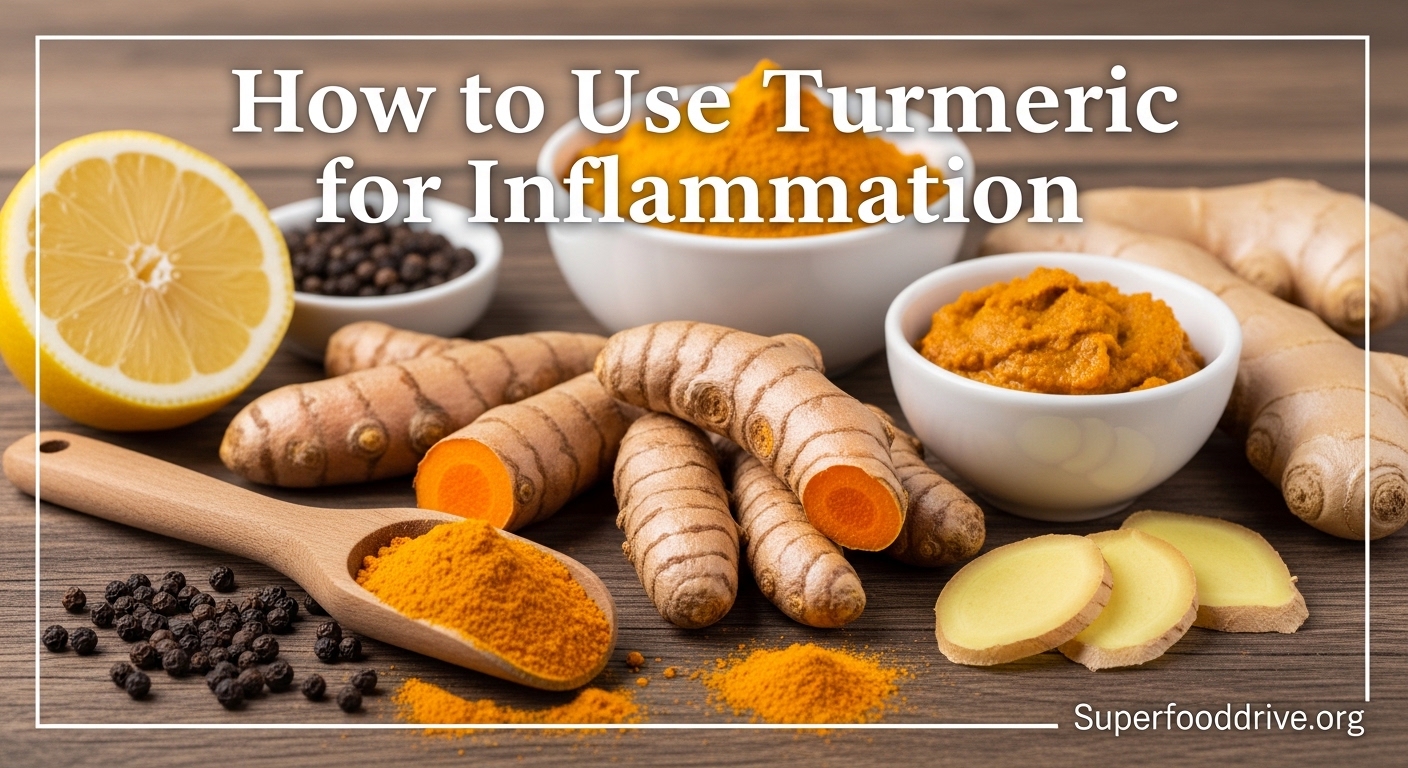
If you are dealing with joint pain, arthritis, or chronic inflammation, you have probably wondered how to use turmeric for inflammation effectively. I spent weeks researching this golden spice and testing different recipes to find what actually works. This guide covers everything you need to know about using turmeric to reduce inflammation naturally.
You will learn the difference between turmeric and curcumin, the best ways to consume it for maximum absorption, specific dosage recommendations, and two proven recipes I use daily. I also cover what medications you should never mix with turmeric and when to talk to your doctor.
Table of Contents
How to Use Turmeric for Inflammation: The Complete Guide
Turmeric has been used in Ayurvedic medicine for over 4,000 years. Modern science now confirms what traditional healers knew: the active compound curcumin has powerful anti-inflammatory properties. But using turmeric effectively requires more than just sprinkling it on your food.
What is Turmeric and Curcumin
Turmeric is a bright yellow-orange spice that comes from the root of the Curcuma longa plant, which belongs to the ginger family. Native to Southeast Asia, it has been a staple in Indian cooking and traditional medicine for centuries.
The real star of turmeric is curcumin, a polyphenol that gives turmeric its distinctive color and most of its health benefits. Curcumin makes up only about 2-5% of turmeric by weight, which explains why turmeric supplements often contain concentrated curcumin extracts.
Curcumin is a powerful antioxidant and anti-inflammatory compound. Research shows it can help manage oxidative stress and inflammatory responses in the body. However, curcumin has low bioavailability, meaning your body absorbs very little of it when consumed alone.
How Turmeric Works for Inflammation
Turmeric fights inflammation through multiple pathways in your body. Understanding how it works helps explain why it takes time to see results and why consistency matters.
Curcumin blocks inflammatory enzymes called COX-2, similar to how NSAIDs like ibuprofen work. It also reduces cytokine production, which are signaling molecules that trigger inflammation. Additionally, curcumin neutralizes free radicals that cause oxidative damage to cells and tissues.
Chronic inflammation is linked to numerous health conditions including osteoarthritis, rheumatoid arthritis, heart disease, diabetes, and even depression. Turmeric offers a natural way to manage this inflammation without the gastrointestinal side effects common with long-term NSAID use.
Research from Johns Hopkins Medicine notes that curcumin has shown promise in reducing joint inflammation and pain in clinical studies, particularly for people with osteoarthritis.
How to Use Turmeric for Inflammation
There are three main ways to use turmeric for inflammation: adding it to food, drinking it as tea or golden milk, and taking supplements. Each method has advantages depending on your lifestyle and health goals.
Method 1: Turmeric in Cooking
The simplest way to start using turmeric is adding it to your daily meals. I add turmeric powder to scrambled eggs, roasted vegetables, soups, and rice dishes. The earthy, slightly bitter flavor pairs well with savory foods.
When cooking with turmeric, always combine it with black pepper and a healthy fat like olive oil or coconut oil. This combination increases curcumin absorption by up to 2,000%.
Method 2: Turmeric Drinks
Turmeric tea and golden milk are popular ways to consume therapeutic amounts of turmeric. These drinks allow you to take higher doses than you would typically use in cooking. Both recipes are detailed later in this guide.
Method 3: Supplements
Curcumin supplements provide the most concentrated dose and are often formulated with absorption enhancers like piperine or phospholipids. These are ideal if you need higher doses for specific inflammatory conditions.
The Arthritis Foundation recommends 500 mg of high-quality curcumin twice daily for both osteoarthritis and rheumatoid arthritis. Look for supplements with third-party testing to ensure quality and purity.
Bioavailability Tips: Black Pepper and Fat
Your body absorbs only about 1% of curcumin from turmeric powder alone. This is why bioavailability enhancers are essential for getting therapeutic benefits.
Black Pepper (Piperine)
Black pepper contains piperine, a compound that inhibits certain digestive enzymes. This slows down how quickly your liver breaks down curcumin, increasing blood levels by up to 2,000%. Always add a pinch of black pepper whenever you use turmeric.
Healthy Fats
Curcumin is fat-soluble, meaning it dissolves in fat rather than water. Consuming turmeric with healthy fats like coconut milk, olive oil, avocado, or nuts significantly improves absorption. This is why golden milk made with full-fat milk or coconut milk works so well.
Heating
Heat increases the solubility of curcumin in water by 12 times. Cooking turmeric or preparing it as a warm tea or milk helps your body access more of the beneficial compounds.
Golden Milk Recipe
Golden milk, also called turmeric latte, is my favorite way to consume turmeric daily. This warming drink combines turmeric with milk and spices for a soothing anti-inflammatory beverage.
Ingredients
- 1 cup milk (dairy or full-fat coconut milk)
- 1 teaspoon turmeric powder (or 1 tablespoon fresh grated turmeric)
- 1/4 teaspoon ground black pepper
- 1/2 teaspoon ground cinnamon
- 1/4 teaspoon ground ginger
- 1 teaspoon honey or maple syrup (optional)
- 1/2 teaspoon coconut oil (optional, enhances absorption)
Instructions
- Combine milk, turmeric, black pepper, cinnamon, and ginger in a small saucepan
- Heat over medium heat, whisking constantly until steaming but not boiling
- Remove from heat and let cool for 1-2 minutes
- Add honey or maple syrup if desired
- Stir in coconut oil for extra absorption
- Strain into a mug and enjoy warm
I drink golden milk about 30 minutes before bed. The warm, spiced flavor is relaxing, and the anti-inflammatory compounds work overnight while your body repairs itself.
Turmeric Tea Recipe
Turmeric tea is simpler than golden milk and perfect for morning routines. This is the method featured in many medical sources, including Johns Hopkins.
Ingredients
- 2 cups water
- 1 teaspoon turmeric powder (or 1 tablespoon fresh turmeric, chopped)
- 1/4 teaspoon black pepper
- 1/2 teaspoon fresh grated ginger (optional)
- 1 teaspoon lemon juice (optional)
- Honey to taste
Instructions
- Bring water to a boil in a small pot
- Add turmeric and black pepper
- Add fresh ginger if using
- Reduce heat and simmer for 5-10 minutes
- Strain the tea into a mug
- Add lemon juice and honey to taste
- Drink warm
Drink this tea once or twice daily. Some people prefer drinking it on an empty stomach in the morning, but if you experience any digestive discomfort, have it with food instead.
Cooking Tips and Application Methods
Incorporating turmeric into your regular cooking is the most sustainable way to get consistent anti-inflammatory benefits. Here are practical ways I use turmeric daily.
Breakfast Ideas
- Add to scrambled eggs or omelets with black pepper
- Mix into oatmeal with cinnamon and honey
- Blend into morning smoothies with ginger and pineapple
- Sprinkle on avocado toast with olive oil
Lunch and Dinner Ideas
- Add to rice dishes and grain bowls
- Mix into marinades for chicken, fish, or tofu
- Stir into soups and stews during cooking
- Sprinkle on roasted vegetables with olive oil
- Add to curry dishes and lentil soups
- Mix into salad dressings with lemon and olive oil
Turmeric Paste
For convenience, make a turmeric paste that stores in your refrigerator. Mix 1/4 cup turmeric powder with 1/2 cup water in a pan. Heat gently until a thick paste forms. Store in a jar for up to two weeks. Add 1 teaspoon to drinks or recipes as needed.
Turmeric Dosage for Inflammation
Finding the right turmeric dosage depends on your specific condition, the form you are using, and your individual response. Here are evidence-based recommendations from medical sources.
For Osteoarthritis
Studies show 500 milligrams of curcumin twice daily for 4-12 weeks can reduce joint pain and stiffness. Some people continue long-term at this dose for maintenance.
For Rheumatoid Arthritis
The Arthritis Foundation recommends 500 mg of high-quality curcumin twice daily. Research shows curcumin may help reduce morning stiffness and joint swelling in RA patients.
For General Inflammation
For overall wellness and mild inflammation, 500-1,000 mg of curcumin daily is commonly recommended. If using turmeric powder instead of supplements, you need higher amounts since powder contains only 2-5% curcumin.
Turmeric Powder vs Supplements
One teaspoon of turmeric powder provides about 200 mg of curcumin. To get 500 mg of curcumin from powder alone, you would need roughly 2-3 teaspoons daily. This is why many people choose concentrated supplements for therapeutic doses.
How Long Does Turmeric Take to Work
One of the most common questions I see in forums is how quickly turmeric reduces inflammation. The honest answer: it takes time. Turmeric is not like ibuprofen that works within an hour.
Most clinical studies show results after 4-12 weeks of consistent daily use. Some people report feeling subtle improvements in joint comfort within 2-3 weeks. The anti-inflammatory effects build gradually as curcumin accumulates in your system.
Reddit users on the Biohackers forum describe turmeric as a slow-burn solution. One user shared their experience experimenting with high-dose turmeric and fish oil for a month to track inflammatory load. Many report that consistency matters more than dosage spikes.
Give turmeric at least 4-6 weeks of daily use before judging its effectiveness. Track your symptoms in a journal to notice gradual improvements that might otherwise go unnoticed.
Safety and Drug Interactions
While turmeric is generally safe, there are important safety considerations and drug interactions to understand before starting regular use.
What You Should Never Mix with Turmeric
According to medical sources including Johns Hopkins Medicine, you should avoid or use extreme caution when combining turmeric with certain medications.
- Blood thinners like warfarin, aspirin, and clopidogrel – turmeric may increase bleeding risk
- Diabetes medications – turmeric can lower blood sugar, potentially causing hypoglycemia
- Chemotherapy drugs – may interfere with certain cancer treatments
- Blood pressure medications – turmeric may enhance effects, causing blood pressure to drop too low
- Immunosuppressants – turmeric can boost immune function, counteracting these drugs
Side Effects to Watch For
Most people tolerate turmeric well, but some experience digestive issues especially when taking high doses on an empty stomach. Forum discussions on HealthUnlocked mention that taking turmeric without food can cause stomach upset in sensitive individuals.
- Stomach upset or nausea
- Diarrhea (especially at high doses)
- Increased risk of kidney stones in susceptible people
- Skin rash in rare cases
Who Should Avoid Turmeric
Certain conditions require medical consultation before using turmeric supplements. People with gallbladder disease should avoid turmeric as it can worsen symptoms. Those with bleeding disorders need to be cautious due to turmeric’s blood-thinning effects. Pregnant women should avoid high-dose supplements, though culinary amounts are generally safe.
When to Consult Your Doctor
Always talk to your healthcare provider before starting turmeric supplements if you take any prescription medications, have a scheduled surgery, or have chronic health conditions. UnityPoint Health emphasizes that the Natural Medicines Database lists interactions with numerous medications that require professional guidance.
Frequently Asked Questions
What should you never mix with turmeric?
Never mix turmeric supplements with blood thinners (warfarin, aspirin, clopidogrel), diabetes medications, chemotherapy drugs, blood pressure medications, or immunosuppressants without medical supervision. Turmeric can increase bleeding risk, lower blood sugar, and interact with these drugs in dangerous ways.
How much turmeric do you need to reduce inflammation?
For inflammation, 500-1000 mg of curcumin daily is typically recommended. For osteoarthritis and rheumatoid arthritis, 500 mg twice daily for 4-12 weeks has shown benefits in clinical studies. If using turmeric powder, you need 2-3 teaspoons daily to get equivalent curcumin levels.
What happens if you drink warm turmeric water every morning for 7 days?
Drinking warm turmeric water daily for a week may support digestion and reduce morning inflammation. However, taking turmeric on an empty stomach can cause nausea or stomach upset in some people. For best results, combine with black pepper and a small amount of healthy fat to improve absorption.
Can people with RA take turmeric?
Yes, people with rheumatoid arthritis can take turmeric. The Arthritis Foundation recommends 500 mg of high-quality curcumin twice daily for RA. Studies show it may help reduce morning stiffness and joint swelling. However, consult your rheumatologist first as turmeric can interact with RA medications.
Does turmeric really get rid of inflammation?
Turmeric contains curcumin, which has proven anti-inflammatory properties. Clinical studies show it can reduce inflammatory markers and improve symptoms in osteoarthritis and other inflammatory conditions. However, it works gradually over weeks rather than immediately, and individual results vary based on dosage, form, and absorption factors.
Does turmeric remove inflammation from the body?
Turmeric helps modulate the body’s inflammatory response by blocking inflammatory enzymes and reducing cytokine production. It does not remove inflammation physically but helps regulate the biological processes that cause chronic inflammation. Consistent daily use over several weeks is needed to see meaningful effects.
How long does it take turmeric to clear inflammation?
Turmeric typically takes 4-12 weeks of consistent daily use to show measurable anti-inflammatory effects. Some people notice subtle improvements in joint comfort within 2-3 weeks. Unlike NSAIDs that work within hours, turmeric is a slow-acting natural remedy that builds benefits over time with regular use.
What does the Mayo Clinic say about taking turmeric?
The Mayo Clinic acknowledges that curcumin has anti-inflammatory properties and may help with pain, asthma, and other inflammatory conditions. They recommend consulting healthcare providers before starting supplements, especially for people taking blood thinners or preparing for surgery.
What is the best way to consume turmeric for inflammation?
The best ways are: (1) Golden milk made with full-fat milk, turmeric, and black pepper, (2) Turmeric tea prepared with fresh or powdered turmeric, (3) High-quality curcumin supplements with bioavailability enhancers like piperine. Always combine turmeric with black pepper and healthy fats for maximum absorption.
Can you take turmeric with tirzepatide?
There is limited research on turmeric interactions with tirzepatide (Mounjaro/Zepbound). Since both can affect blood sugar and digestion, consult your healthcare provider before combining them. Your doctor can monitor for any adverse effects and adjust timing or dosage as needed.
Can I take turmeric if I have hemochromatosis?
People with hemochromatosis (iron overload) should use caution with turmeric. Turmeric may affect iron absorption and metabolism. High-dose turmeric supplements could potentially worsen iron overload conditions. Consult a hematologist before using turmeric regularly if you have hemochromatosis.
How quickly will turmeric reduce inflammation?
Turmeric does not provide immediate relief like NSAIDs. Most people need 4-12 weeks of consistent daily use to experience significant anti-inflammatory benefits. Some notice improvements within 2-3 weeks. The key is consistent daily dosing combined with absorption enhancers like black pepper and healthy fats.
Conclusion
Learning how to use turmeric for inflammation can be a game-changer for managing joint pain and chronic inflammatory conditions naturally. The key is understanding that turmeric is not a quick fix but a long-term wellness strategy that requires consistency and proper absorption techniques.
Start with one method: either the golden milk recipe before bed, the turmeric tea in the morning, or adding turmeric to your daily cooking. Always include black pepper and some form of healthy fat. Give it 4-6 weeks before evaluating results.
Remember to consult your healthcare provider before starting supplements, especially if you take medications. Turmeric offers a promising natural approach to inflammation, but it works best as part of an overall healthy lifestyle including proper nutrition, regular movement, and adequate sleep.