
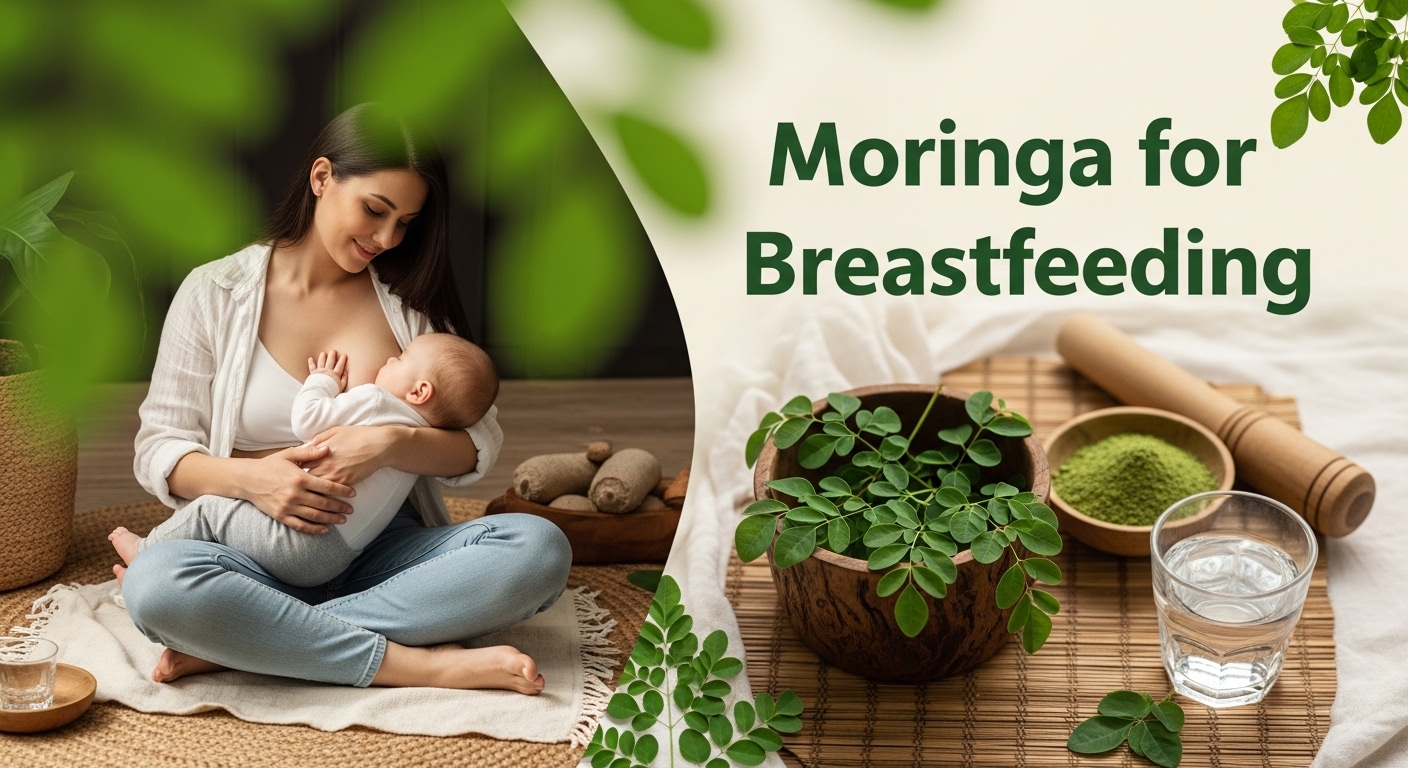
Does moringa increase milk supply? Yes, scientific research shows that Moringa oleifera leaves can boost breast milk production by raising prolactin levels and providing essential nutrients. Most mothers notice results within 24 hours after starting supplementation.
I first discovered Moringa when a lactation consultant recommended it during my own struggles with low supply. Like many breastfeeding mothers, I was skeptical at first. But the research and my personal experience changed my mind completely.
In this guide, I will share everything I have learned about using Moringa for breastfeeding support. You will find evidence-based information, practical dosage recommendations, and real insights from mothers who have used this natural galactagogue successfully.
Table of Contents
What Is Moringa and Its Nutritional Profile
Moringa oleifera, also known as malunggay in the Philippines or the drumstick tree, is a fast-growing plant native to parts of Asia and Africa. This nutrient-dense superfood has earned nicknames like the “miracle tree” because of its exceptional nutritional density.
The leaves of the Moringa plant contain more iron than spinach, more calcium than milk, and more vitamin C than oranges. They are packed with vitamin A, vitamin K, potassium, protein, and all nine essential amino acids. This makes Moringa one of the most complete plant-based nutrition sources available.
For centuries, traditional cultures have used Moringa leaves to support postpartum recovery and breast milk production. Mothers in the Philippines routinely consume malunggay in soups and stews specifically to boost their milk supply. This traditional wisdom now has solid scientific backing.
How Does Moringa Increase Milk Supply
Moringa acts as a natural galactagogue. A galactagogue is any substance that promotes lactation or increases milk supply in breastfeeding women. The mechanism involves two main pathways: hormonal stimulation and nutritional support.
The primary way Moringa increases milk supply is by boosting prolactin levels. Prolactin is the hormone responsible for milk synthesis in the mammary glands. Research shows that mothers taking Moringa experience significant increases in serum prolactin compared to placebo groups.
The 24-hour onset is one of the most exciting findings from clinical studies. Many mothers report noticeable increases in milk volume within the first day of supplementation. The effects continue to build over the first three to five days, with peak benefits typically observed by day three postpartum.
Beyond the hormonal effect, Moringa provides dense nutrition that supports overall lactation health. Breastfeeding demands significant nutritional resources from the mother. The iron, calcium, vitamins, and protein in Moringa help replenish maternal stores while supporting milk quality.
Scientific Evidence and Clinical Studies
The evidence for Moringa as a galactagogue comes from well-designed clinical research. The most cited study was published in the Philippines Journal of Pediatrics, which examined the effects of Moringa capsules on postpartum mothers.
In this randomized controlled trial, researchers compared mothers taking Moringa against a placebo group. The results were striking. Mothers taking Moringa showed up to a 47% increase in milk production by the third day postpartum. Serum prolactin levels were significantly higher in the Moringa group.
Another important study focused on mothers of preterm infants. Premature babies often need extra nutritional support, and establishing adequate milk supply can be challenging for their mothers. This study found that Moringa supplementation significantly increased milk volume for mothers of preterm babies.
The quality of this research matters. Unlike many herbal supplements that rely on anecdotal evidence, Moringa has been tested in randomized controlled trials with proper methodology. The studies used standardized dosing, control groups, and objective measurements of milk production.
What the Research Means for You
These studies tell us that Moringa is not just traditional folklore. The 47% increase statistic comes from rigorous clinical testing. This level of evidence is rare among natural galactagogues.
Most importantly, the research shows benefits starting very quickly. The 24-hour onset means you do not need to wait weeks to see if Moringa works for you. Within a day or two, you should know whether it is helping your supply.
How Much Moringa to Take for Breastfeeding
Based on clinical studies and real-world usage, there are clear dosage guidelines for using Moringa to increase milk supply. The key is to start with an effective dose while listening to your body.
Research studies typically used 250 mg capsules taken twice daily. This provides 500 mg total per day of standardized Moringa leaf extract. Many mothers find this dose effective for supporting milk production.
For Moringa leaf powder, the typical recommendation is 1 to 2 teaspoons daily. You can mix the powder into smoothies, oatmeal, or other foods. Some mothers prefer to divide the dose, taking half in the morning and half in the evening.
The “start low and go slow” approach works well. Begin with a lower dose for the first few days to assess your tolerance. If you respond well, you can maintain or slightly increase the dose. Most mothers do not need high doses to see benefits.
Different Forms of Moringa
Moringa comes in several forms, each with advantages for breastfeeding mothers.
Moringa capsules offer convenience and precise dosing. This is the form used in clinical trials, so we have the most evidence for its effectiveness. Capsules are ideal for busy mothers who want consistency.
Moringa powder provides flexibility. You can add it to foods and drinks, adjusting the amount to your taste. The powder form allows you to integrate Moringa into your daily nutrition routine naturally.
Moringa tea offers a soothing ritual. While tea may contain lower concentrations of active compounds, some mothers enjoy the experience of drinking a warm lactation-supporting beverage.
Extracts provide concentrated doses. These may be useful if you need stronger support, though they are less studied than whole leaf preparations. Look for alcohol-free extracts when possible.
When to Start Taking Moringa
You can start Moringa immediately postpartum if you are concerned about milk supply. The clinical studies showing the 47% increase began supplementation within the first days after delivery.
For established breastfeeding relationships, start Moringa whenever you notice supply concerns. Common triggers include returning to work, illness, stress, or pumping challenges. The supplement works at any stage of lactation.
Is Moringa Safe While Breastfeeding
Research indicates that Moringa is generally safe for breastfeeding mothers. The clinical trials noted no significant adverse effects in mothers taking standard doses.
However, some considerations apply. Moringa can have a mild laxative effect in some people. Starting with a lower dose helps your digestive system adjust. This effect usually resolves as your body adapts.
Mothers taking blood sugar medications should consult their healthcare provider. Moringa may lower blood glucose levels. While this is generally positive, it could interact with diabetes medications.
Those with thyroid conditions should also seek medical advice. Moringa contains compounds that may affect thyroid function in high doses. Standard breastfeeding doses are typically not concerning, but individual situations vary.
Can Moringa Decrease Milk Supply
There is no evidence that Moringa decreases milk supply. In all clinical studies, Moringa either increased production or showed no negative effect. The mechanism through prolactin suggests it supports rather than suppresses lactation.
However, individual responses vary. If you notice a decrease after starting Moringa, consider other factors. Stress, dehydration, missed feedings, or illness are more likely culprits than the supplement itself.
Frequently Asked Questions
How quickly does Moringa increase milk supply?
Most mothers notice increased milk production within 24 hours of taking Moringa. The clinical studies show benefits beginning on the first day, with maximum effects typically seen by day three postpartum. Some mothers report results even sooner.
Can a breastfeeding mom take Moringa?
Yes, breastfeeding mothers can safely take Moringa. Clinical research supports its safety and effectiveness as a galactagogue. Standard doses of 250-500 mg daily have been well-tolerated in studies. Consult an IBCLC or healthcare provider if you have specific health conditions or take medications.
What is the fastest way to increase milk supply?
The fastest evidence-based methods include frequent nursing or pumping, ensuring proper latch or flange fit, adequate hydration and nutrition, managing stress, and using proven galactagogues like Moringa. Combining these approaches yields the best results. Mothers using Moringa often see results within 24 hours.
How does Moringa compare to Fenugreek for milk supply?
Moringa has stronger clinical evidence supporting its use as a galactagogue. While Fenugreek is popular, it can cause side effects like digestive upset and maple syrup odor in some mothers. Moringa is generally better tolerated and provides additional nutritional benefits. Studies show specific percentage increases with Moringa that are not as clearly established with Fenugreek.
Can Moringa help with high cortisol levels?
Moringa contains compounds that may help modulate stress responses. Some research suggests it has adaptogenic properties that could support healthy cortisol levels. However, the primary evidence for Moringa in breastfeeding focuses on its prolactin-boosting and nutritional effects rather than direct cortisol modulation. Managing stress through sleep, support, and nutrition remains important for milk supply.
What brand of Moringa works best for breastfeeding?
Look for organic, pure Moringa leaf products without fillers or additives. Brands recommended by lactation consultants (IBCLCs) often carry more trust. Check that the product specifies Moringa oleifera leaf rather than bark or root, as the leaves contain the compounds studied for lactation support. Third-party testing for purity is a quality marker to seek.
Conclusion
Moringa for breastfeeding offers a research-backed approach to increasing milk supply naturally. The clinical evidence shows meaningful results, with up to 47% increases in milk production and effects beginning within 24 hours.
Whether you are struggling with low supply, preparing to return to work, or supporting a preterm infant, Moringa provides nutritional and hormonal support for your lactation journey. Start with 250-500 mg daily, choose a quality product, and track your results.
Remember that supplements work best as part of a comprehensive approach. Frequent nursing or pumping, proper technique, adequate rest, and good nutrition form the foundation. Moringa can be the boost that helps you reach your breastfeeding goals.