
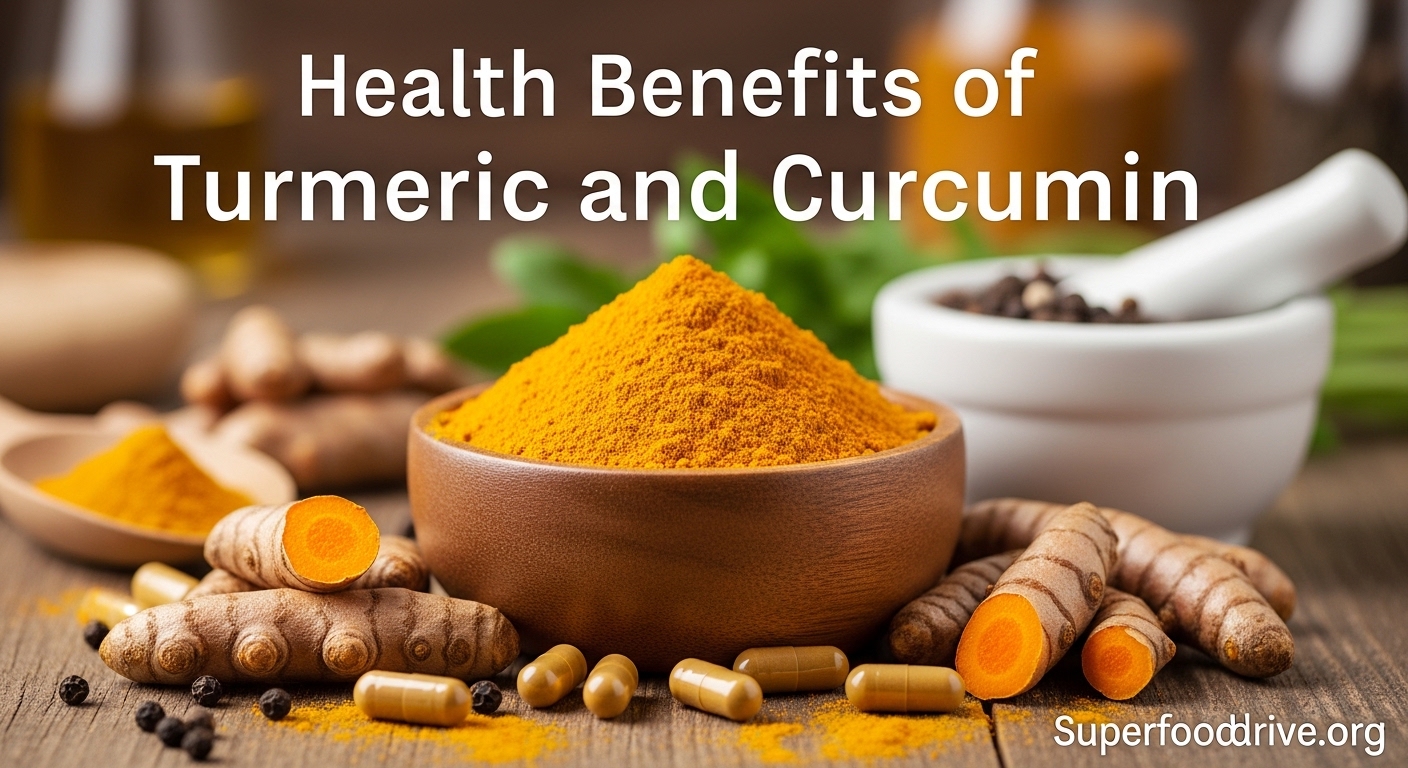
Turmeric has earned its reputation as one of the most studied natural compounds in modern medicine. The health benefits of turmeric and curcumin extend far beyond the spice’s vibrant yellow color that brightens curries and golden milk lattes. Scientists have identified over 300 bioactive compounds in this ancient root, with curcumin emerging as the star player responsible for most of the therapeutic effects.
Our team has spent months reviewing clinical studies, analyzing user experiences from health forums, and consulting research from institutions like Harvard Health and Johns Hopkins Medicine. What we found confirms what Ayurvedic practitioners have known for thousands of years. Turmeric offers genuine health benefits backed by growing scientific evidence.
In this guide, you’ll learn exactly what turmeric and curcumin do for your body. We’ll explore the anti-inflammatory mechanisms, brain health benefits, and practical ways to maximize absorption. Whether you’re dealing with joint pain, seeking cognitive support, or simply curious about this golden spice, this article covers everything you need to know for 2026.
Table of Contents
What Is Turmeric and What Is Curcumin?
Turmeric comes from the rhizome (underground stem) of the Curcuma longa plant, a member of the ginger family native to Southeast Asia. People have used it in cooking and traditional medicine for over 4,000 years. The spice contains a group of compounds called curcuminoids, with curcumin being the most abundant and biologically active.
Curcumin makes up only about 3% of turmeric by weight. This low concentration explains why researchers often use concentrated extracts in studies rather than culinary amounts of the spice. Curcumin gives turmeric its distinctive golden color and delivers the potent anti-inflammatory and antioxidant effects that have captured scientific interest.
The difference matters for your health goals. Eating turmeric in food provides small amounts of curcumin along with other beneficial compounds. Taking curcumin supplements delivers higher doses of the specific compound responsible for therapeutic effects. Understanding this distinction helps you choose the right approach for your needs.
Understanding Curcumin’s Anti-Inflammatory Properties
Chronic inflammation sits at the root of many serious health conditions. Heart disease, cancer, Alzheimer’s, and arthritis all share inflammation as a contributing factor. Curcumin fights inflammation at the molecular level by blocking NF-kB, a molecule that travels into cell nuclei and turns on genes related to inflammation.
Research published in the journal Oncogene found that curcumin’s anti-inflammatory effects rival some pharmaceutical drugs. Unlike synthetic anti-inflammatories, curcumin does not produce the same level of side effects like stomach ulcers or kidney damage. This makes it an attractive option for people seeking natural approaches to managing inflammatory conditions.
Studies on people with rheumatoid arthritis show particularly promising results. One trial compared curcumin supplements to a common anti-inflammatory drug called diclofenac. The curcumin group showed comparable improvements in joint swelling and morning stiffness. Some participants actually responded better to the natural compound than the prescription medication.
The mechanism involves multiple pathways. Curcumin suppresses the production of inflammatory cytokines like TNF-alpha and IL-6. It also inhibits enzymes that create prostaglandins, the compounds responsible for pain and swelling. This multi-target approach may explain why curcumin helps with such a wide range of inflammatory conditions.
Antioxidant Protection Against Free Radicals
Oxidative damage from free radicals contributes to aging and numerous diseases. Curcumin neutralizes these harmful molecules through its unique chemical structure. The compound acts as a direct antioxidant, scavenging free radicals and preventing them from damaging cells.
Beyond direct neutralization, curcumin stimulates your body’s own antioxidant defense systems. It boosts the activity of key enzymes like superoxide dismutase, catalase, and glutathione peroxidase. These enzymes form your natural defense against oxidative stress, and enhancing their function provides lasting protection.
Research from 2026 continues to explore how curcumin’s antioxidant effects might slow aging processes and protect against degenerative diseases. The dual action of both neutralizing free radicals and enhancing natural defenses makes curcumin particularly valuable for long-term health maintenance.
Brain Health and Cognitive Function
Your brain needs specific proteins to grow new neurons and form connections essential for learning and memory. Brain-derived neurotrophic factor (BDNF) is one of the most important. Low levels of BDNF correlate with depression, Alzheimer’s disease, and age-related cognitive decline.
Curcumin can increase BDNF levels in the brain. Animal studies demonstrate this effect clearly, and early human trials show promising results. Higher BDNF supports the growth of new neurons and strengthens neural connections. This mechanism may help explain why populations with high turmeric consumption show lower rates of age-related cognitive impairment.
Alzheimer’s disease research presents particularly interesting findings. Curcumin crosses the blood-brain barrier, allowing it to act directly on brain tissue. Studies suggest it may help clear amyloid plaques, the protein tangles associated with Alzheimer’s development. While more human trials are needed, the preliminary evidence offers hope for natural brain protection.
Beyond disease prevention, healthy adults may experience cognitive benefits from curcumin supplementation. A study from UCLA found that participants taking curcumin showed improved memory and attention compared to placebo groups. The compound’s anti-inflammatory effects in the brain may reduce the mental fog that many people experience with age.
Heart Disease Prevention
Heart disease remains the leading cause of death worldwide. Curcumin may help reverse steps in the heart disease process through several mechanisms. The endothelium, the thin membrane lining blood vessels, plays a critical role in regulating blood pressure and clotting. Endothelial dysfunction contributes to heart disease development.
Studies show curcumin improves endothelial function as effectively as exercise and certain medications. One study followed 121 people undergoing coronary artery bypass surgery. Those who received curcumin supplements had a 65% lower risk of experiencing a heart attack in the hospital compared to the control group.
Curcumin also reduces inflammation and oxidation, both major contributors to heart disease. Its ability to lower LDL cholesterol oxidation specifically matters because oxidized LDL triggers plaque buildup in arteries. By protecting cholesterol from oxidative damage, curcumin may slow the progression of atherosclerosis.
Arthritis and Joint Pain Relief
Arthritis affects millions of people worldwide, causing pain, stiffness, and reduced mobility. Both osteoarthritis and rheumatoid arthritis involve inflammation of the joints. Curcumin’s powerful anti-inflammatory properties make it a natural candidate for symptom relief.
Multiple studies support curcumin’s effectiveness for arthritis. A review published in the Journal of Medicinal Food analyzed several trials and concluded that curcumin extracts significantly reduced arthritis symptoms compared to placebos. The improvements in joint function and pain levels were clinically meaningful for participants.
Does turmeric help with RA? Yes, research specifically on rheumatoid arthritis shows curcumin’s benefits. In one randomized controlled trial, RA patients taking curcumin supplements showed greater improvement in joint tenderness and swelling than those taking a standard anti-inflammatory medication. The curcumin group also reported fewer side effects.
For osteoarthritis, curcumin appears particularly helpful for knee pain. Several studies found that curcumin supplements reduced pain and improved physical function as well as ibuprofen in people with knee osteoarthritis. Forum discussions from arthritis communities consistently report reduced morning stiffness and improved mobility after regular curcumin use.
Depression and Mood Support
Depression involves complex changes in brain chemistry and structure. Curcumin shows promise as a complementary treatment through multiple pathways. The compound’s ability to boost BDNF may help reverse the hippocampal shrinkage sometimes seen in people with depression.
Research also indicates curcumin influences neurotransmitters like serotonin and dopamine. A controlled trial in the Journal of Affective Disorders found that curcumin supplementation reduced depression symptoms compared to placebo. The benefits were most pronounced in people with atypical depression, characterized by mood reactivity and weight gain.
One particularly interesting study combined curcumin with standard antidepressant medication. Participants taking both treatments showed better outcomes than those taking medication alone. This suggests curcumin may enhance conventional depression treatment when used under medical supervision.
Curcumin also addresses the inflammation often linked to depression. Recent research suggests depression may have inflammatory components, with elevated inflammatory markers found in many depressed individuals. By reducing neuroinflammation, curcumin may help address one underlying cause of depressive symptoms.
Cancer Prevention Potential
Cancer development involves uncontrolled cell growth and the ability of tumors to spread. Curcumin affects multiple stages of this process in laboratory studies. Research shows it can inhibit angiogenesis, the formation of new blood vessels that feed growing tumors.
The compound also appears to reduce metastasis, the spread of cancer to other body parts. Studies demonstrate curcumin can trigger apoptosis, or programmed cell death, in various cancer cell types including breast, colon, and leukemia cells. These laboratory findings are promising but require confirmation in human trials.
Clinical research in humans remains limited but growing. Studies suggest curcumin may help prevent precancerous changes from progressing to full cancer. It may also reduce side effects of chemotherapy treatment. While curcumin is not a cancer cure, its preventive potential deserves attention and continued research.
How to Improve Curcumin Absorption
Curcumin faces a significant challenge: poor bioavailability. Your body absorbs only small amounts of curcumin from food or standard supplements. Most passes through your digestive system without entering your bloodstream. Fortunately, several strategies dramatically improve absorption.
Black pepper contains piperine, a natural substance that inhibits enzymes that break down curcumin in your liver and gut. Adding just 20 milligrams of piperine to curcumin increases absorption by 2,000%. This is why most quality curcumin supplements include piperine or recommend taking it with black pepper.
Curcumin is fat-soluble, meaning it dissolves in fat rather than water. Taking curcumin with a meal containing healthy fats significantly improves absorption. Coconut oil, olive oil, avocado, or nuts paired with your supplement help your body utilize more of the active compound.
Advanced formulations address bioavailability in other ways. BCM-95 combines curcumin with essential oils from turmeric. Meriva binds curcumin to phospholipids. Theracurmin uses reduced particle size for better water dispersion. These specialized forms cost more but deliver more curcumin to your tissues.
Daily Use and Dosage Recommendations
What happens if you take turmeric curcumin every day? Most people experience cumulative benefits over time. Unlike medications that work immediately, curcumin’s effects build gradually as inflammation decreases and antioxidant protection strengthens. Regular daily use produces better results than sporadic supplementation.
Turmeric spice in food provides roughly 200 milligrams of curcumin per teaspoon. For therapeutic effects, studies typically use extracts providing 500 to 2,000 milligrams of curcumin daily. The Arthritis Foundation recommends 400 to 600 milligrams of turmeric capsules three times per day for inflammation.
For specific conditions, research suggests different amounts. Osteoarthritis studies often use 500 milligrams twice daily of curcumin with piperine. Depression trials have used 500 milligrams twice daily of a bioavailable form. High doses up to 8 grams of curcumin daily have been used safely in cancer research, though most people should start lower.
Quality matters as much as quantity. Look for supplements standardized to contain 95% curcuminoids. Choose products with third-party testing for purity and potency. The supplement industry lacks strict regulation, so selecting reputable brands ensures you get what the label promises.
Safety, Side Effects, and Drug Interactions
The FDA classifies turmeric and curcumin as Generally Recognized As Safe (GRAS). Most people tolerate curcumin supplements well at recommended doses. Side effects are usually mild and may include digestive upset, nausea, or diarrhea, particularly at higher doses.
Can you take turmeric if you have hemochromatosis? People with this iron storage disorder should exercise caution. Turmeric contains compounds that may enhance iron absorption, potentially worsening iron overload in susceptible individuals. If you have hemochromatosis or iron deficiency concerns, consult your healthcare provider before taking high-dose turmeric or curcumin supplements.
Blood thinner interactions represent the most significant drug concern. Curcumin has mild anticoagulant effects that may amplify the action of blood thinning medications like warfarin, aspirin, and clopidogrel. This combination could increase bleeding risk. People taking these medications should only use curcumin under medical supervision.
Additional cautions apply to specific situations. People with gallbladder disease should avoid curcumin because it stimulates bile production. Those scheduled for surgery should stop curcumin two weeks beforehand due to bleeding risk. Pregnant and breastfeeding women should stick to culinary amounts rather than high-dose supplements.
Diabetes medications may require adjustment since curcumin can lower blood sugar. Stomach acid reducers might interact because curcumin affects acid production. Chemotherapy patients should discuss curcumin with their oncologist, as it may interfere with certain chemotherapy drugs while potentially protecting healthy tissue from treatment side effects.
Frequently Asked Questions
What does turmeric curcumin do for the body?
Turmeric curcumin provides powerful anti-inflammatory and antioxidant effects for the body. It blocks inflammatory molecules like NF-kB, neutralizes harmful free radicals, boosts the body’s own antioxidant enzymes, and supports brain health by increasing BDNF levels. These actions may help prevent or manage conditions including heart disease, arthritis, depression, and cognitive decline.
What happens if I take turmeric curcumin every day?
Taking turmeric curcumin daily typically produces cumulative health benefits over time. Regular use helps maintain lower inflammation levels, provides ongoing antioxidant protection, and may improve joint comfort and cognitive function. Most people tolerate daily use well, though some experience mild digestive upset at higher doses. Benefits usually become noticeable after 4-8 weeks of consistent supplementation.
Can I take turmeric if I have hemochromatosis?
People with hemochromatosis should consult their doctor before taking turmeric or curcumin supplements. Turmeric contains compounds that may enhance iron absorption, which could potentially worsen iron overload in people with this condition. While culinary amounts in food are generally safe, high-dose supplements require medical supervision for individuals with hemochromatosis or other iron metabolism disorders.
Does turmeric help with RA?
Yes, research shows turmeric and curcumin can help with rheumatoid arthritis (RA). Clinical trials demonstrate that curcumin supplements reduce joint tenderness, morning stiffness, and swelling in RA patients. Some studies found curcumin as effective as certain anti-inflammatory medications with fewer side effects. The anti-inflammatory properties target the underlying inflammation causing RA symptoms.
Is curcumin better than turmeric for health benefits?
Curcumin delivers more concentrated health benefits than turmeric spice alone. Turmeric contains only about 3% curcumin by weight, so supplements provide therapeutic doses more easily. However, turmeric contains other beneficial compounds like turmerone that may offer additional benefits. For serious health concerns, curcumin extracts are more effective. For general wellness, culinary turmeric with black pepper provides good support.
How long does it take for curcumin to work?
Curcumin typically requires 4 to 8 weeks of consistent use before significant benefits become noticeable. Unlike pain medications that work immediately, curcumin works by gradually reducing inflammation and oxidative stress throughout the body. Some people report improvements in joint comfort within 2-3 weeks, while cognitive benefits may take 6-8 weeks to manifest. Consistent daily use produces the best results.
What is the best way to take curcumin for absorption?
The best way to take curcumin is with black pepper (piperine) and a source of healthy fat. Piperine increases absorption by 2,000%. Taking curcumin with meals containing coconut oil, olive oil, avocado, or nuts maximizes bioavailability. Alternatively, choose enhanced formulations like BCM-95, Meriva, or Theracurmin that use specialized delivery systems to improve absorption beyond standard supplements.
Are there any serious side effects of turmeric?
Serious side effects from turmeric are rare at normal doses. The FDA recognizes turmeric and curcumin as generally safe. Potential concerns include increased bleeding risk when combined with blood thinners, worsening gallbladder problems, and possible iron absorption issues for people with hemochromatosis. High doses may cause digestive upset, nausea, or diarrhea. Stop use and consult a doctor if unusual symptoms develop.
Conclusion
The health benefits of turmeric and curcumin are supported by thousands of years of traditional use and an expanding body of scientific research. From reducing chronic inflammation to supporting brain health and heart function, this golden compound offers genuine therapeutic value. The evidence specifically supports curcumin’s effectiveness for arthritis relief, including rheumatoid arthritis symptoms that trouble so many people.
Success with turmeric requires understanding its limitations. Curcumin’s poor bioavailability means you need the right formulation and combination with absorption enhancers like black pepper. Daily consistent use over weeks delivers better results than sporadic high doses. And while generally safe, curcumin does interact with certain medications and conditions, making medical consultation essential for anyone with existing health concerns.
If you’re considering adding turmeric or curcumin to your wellness routine in 2026, start with realistic expectations and quality products. For culinary use, add black pepper and healthy fats to your turmeric-containing meals. For therapeutic benefits, choose standardized supplements with proven bioavailability enhancers. Track your symptoms over 4 to 8 weeks to assess whether this ancient spice delivers the modern health benefits you’re seeking.