
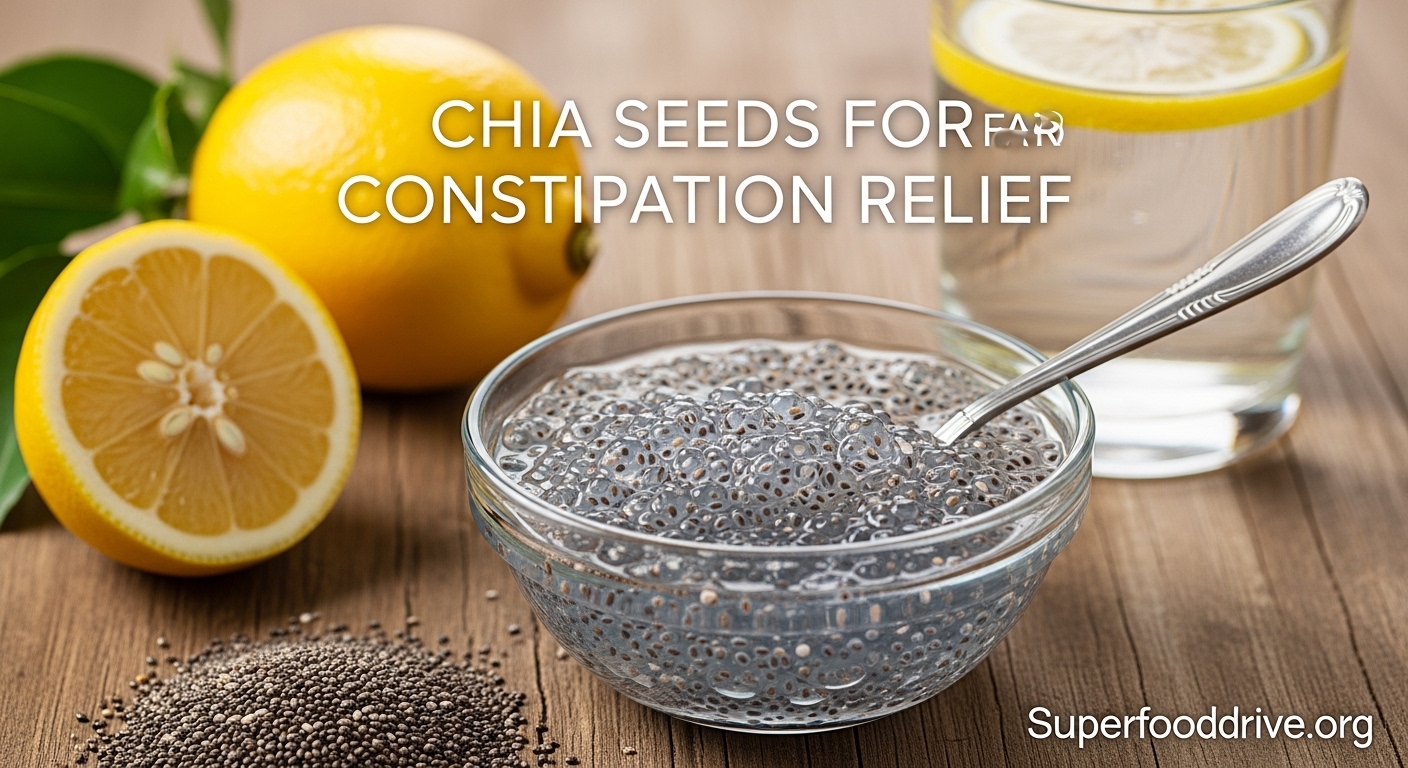
Constipation affects up to 20% of adults in North America every year. If you are struggling with infrequent bowel movements, hard stools, or that uncomfortable bloated feeling, you are not alone. Many people are turning to natural solutions rather than over-the-counter laxatives, and chia seeds have emerged as one of the most effective options.
I have researched the science behind chia seeds for constipation relief extensively. This guide will show you exactly how chia seeds work, how to prepare them correctly, and what dosage you need for results. You will learn why the viral “internal shower” drink works, how long to expect before relief, and critical safety warnings that could save you from making a painful mistake.
By the end of this article, you will have a complete blueprint for using chia seeds safely and effectively to get your digestive system moving again.
Table of Contents
How Chia Seeds Work for Constipation
Chia seeds relieve constipation through a unique combination of soluble fiber, insoluble fiber, and remarkable water-absorbing properties. Understanding these mechanisms helps you use them correctly for maximum benefit.
Dual Fiber Power: Soluble and Insoluble
Chia seeds contain approximately 10 grams of fiber per ounce, making them one of the most fiber-dense foods available. This fiber comes in two distinct forms that work together to promote healthy bowel movements.
Soluble fiber absorbs water and forms a gel-like substance called mucilage. When you soak chia seeds, this mucilage coating develops and traps water, creating a soft, bulky mass that moves easily through your digestive tract. Insoluble fiber adds bulk to your stool and acts like a brush, sweeping through your intestines to stimulate movement.
The Gel-Forming Mechanism
When exposed to liquid, chia seeds can absorb 10 to 12 times their weight in water. This transformation creates a gel that softens hardened stool and adds significant bulk. The increased bulk triggers your intestinal muscles to contract, a process called peristalsis, which moves waste through your colon.
According to registered dietitians at Cleveland Clinic, this gel formation is what makes chia seeds particularly effective for constipation relief. The mucilage not only softens existing stool but also helps prevent future constipation by keeping waste hydrated as it travels through your digestive system.
Hydration Support for Your Digestive System
Many cases of chronic constipation stem from dehydration. When your body lacks adequate fluids, it pulls water from your colon to maintain other vital functions. This leaves your stool hard, dry, and difficult to pass.
Chia seeds help solve this problem by acting as tiny hydration reservoirs. The water absorbed by the seeds remains available throughout your digestive process, helping maintain moisture levels in your intestines and preventing the dehydration that leads to constipation.
The Internal Shower Drink: What It Is and How to Make It
The “internal shower” drink went viral on TikTok as a natural constipation remedy, but this is not a new invention. The combination of chia seeds, water, and lemon has been used for years by people seeking gentle digestive relief.
What Is the Internal Shower Drink?
The internal shower drink is a simple three-ingredient beverage designed to stimulate bowel movements naturally. It consists of chia seeds soaked in water with fresh lemon juice added for flavor and additional digestive benefits.
The name comes from the idea that this drink “showers” your internal digestive system with fiber and hydration. The lemon juice provides citric acid, which may help stimulate digestive enzymes, while the chia seeds deliver the fiber bulk needed to get things moving.
Step-by-Step Preparation Guide
Making the internal shower drink correctly is crucial for both effectiveness and safety. Here is the exact method I recommend based on expert guidance:
Step 1: Add 1 to 2 tablespoons of chia seeds to a glass of warm or room temperature water. Use approximately 8 to 12 ounces of water per tablespoon of seeds.
Step 2: Stir the mixture vigorously for 30 seconds to prevent clumping. The seeds tend to stick together if not stirred properly.
Step 3: Add the juice of half a fresh lemon. This improves taste and may enhance digestive stimulation.
Step 4: Let the mixture sit for 15 to 30 minutes. This soaking time is non-negotiable for safety.
Step 5: Stir again before drinking, as the seeds settle. Drink the entire mixture, including all the gel-coated seeds.
Why Soaking Time Matters
The 15 to 30 minute soaking period is absolutely critical. When chia seeds absorb water, they expand significantly. If you consume them dry or before they have fully expanded, they will continue absorbing liquid inside your digestive tract.
This can lead to dangerous blockages, especially in your esophagus or intestines. There are documented cases of people requiring medical intervention after consuming dry chia seeds that expanded and caused obstructions. Always wait the full soaking time before drinking.
Chia Pudding: An Alternative Preparation
If you prefer not to drink the gel-textured internal shower drink, chia pudding offers an excellent alternative. Many users on Reddit report that chia pudding works even better than the drink for their constipation.
To make basic chia pudding, combine 3 tablespoons of chia seeds with 1 cup of milk or plant-based alternative. Add a sweetener if desired. Refrigerate for at least 4 hours or overnight until the mixture reaches a pudding-like consistency. Eat this as a breakfast or snack for gentle, sustained constipation relief.
How Much Chia Seeds for Constipation: Dosage Guide
Finding the right chia seed dosage for constipation requires balancing effectiveness against the risk of overconsumption. Too little may not work, while too much can actually worsen your constipation or cause dangerous blockages.
Starting Dosage for Beginners
If you are new to chia seeds, start with a conservative amount to allow your digestive system to adjust. Begin with 1/2 to 1 teaspoon of chia seeds mixed with plenty of water.
This small starting dose helps minimize the gas and bloating that commonly occurs when introducing high-fiber foods. Your gut bacteria need time to adapt to processing the increased fiber load.
Maintenance Dosage for Regular Use
Once your body adjusts, most adults find that 1 to 2 tablespoons of chia seeds per day provides optimal constipation relief. This amount delivers approximately 5 to 10 grams of fiber, which is roughly 20 to 40 percent of the recommended daily fiber intake.
You can consume this dosage all at once as the internal shower drink, or split it between morning and evening. Some people prefer 1 tablespoon in the morning and another later in the day for more consistent results.
Maximum Safe Limits
Do not exceed 3 to 4 tablespoons of chia seeds per day unless specifically directed by a healthcare provider. Consuming excessive amounts increases your risk of severe constipation from intestinal blockage, gas, bloating, and potential esophageal obstruction.
Forum discussions reveal that many people who experienced worsened constipation from chia seeds made the mistake of jumping straight to 2 or 3 tablespoons without proper hydration or gradual introduction.
Gradual Increase Strategy
Follow this progression for safe introduction:
Week 1: Start with 1/2 teaspoon daily
Week 2: Increase to 1 teaspoon daily if tolerated well
Week 3: Move to 1 tablespoon daily
Week 4 and beyond: Adjust to 1 to 2 tablespoons as needed
If you experience significant gas, bloating, or worsening constipation at any stage, reduce your dose and proceed more slowly.
Best Time to Take Chia Seeds for Constipation
Timing can influence how effectively chia seeds work for constipation relief. While consistency matters more than perfect timing, certain windows may provide better results.
Morning on an Empty Stomach
Many users report the best results when taking chia seeds first thing in the morning, at least 30 minutes before breakfast. An empty stomach allows the gel to move through your digestive system without competing with other foods.
Drinking the internal shower drink upon waking also helps rehydrate your body after the overnight fast. This hydration boost combines with the fiber to stimulate your first bowel movement of the day.
Before Meals vs After Meals
Taking chia seeds 30 minutes before meals may help with portion control and create a feeling of fullness. However, for constipation specifically, the timing relative to meals matters less than simply taking them consistently.
If you experience any digestive discomfort with chia seeds, try taking them after a small snack instead of on a completely empty stomach.
Consistency Is Key
Regardless of when you choose to take chia seeds, daily consistency produces better results than sporadic use. Your digestive system responds to regular fiber intake by establishing more predictable bowel patterns.
Set a specific time and stick with it. Whether morning, midday, or evening, taking your chia seeds at the same time each day helps regulate your digestive rhythm.
How Long Do Chia Seeds Take to Work
Patience is important when using natural remedies like chia seeds. Unlike stimulant laxatives that force immediate results, chia seeds work with your body natural processes.
Typical Timeframe for Relief
Most people experience relief within 12 to 24 hours of consuming chia seeds. Some report results as quickly as 6 to 8 hours, while others may need 2 to 3 days of consistent use before noticing significant improvement.
The speed depends on several factors including your current hydration status, how much fiber you already consume, the severity of your constipation, and your individual digestive speed.
Factors That Affect Response Time
Hydration is the single most important factor affecting how quickly chia seeds work. If you are dehydrated, the seeds cannot form the gel needed to soften stool effectively. Drink plenty of water throughout the day, not just with your chia seeds.
Your baseline fiber intake also matters. People who normally eat low-fiber diets may notice faster, more dramatic results than those already consuming adequate fiber. However, low-fiber eaters also face higher risk of gas and bloating initially.
When to Seek Medical Help
Consult a healthcare provider if you experience no improvement after 3 days of proper chia seed use, if constipation lasts longer than 2 weeks, or if you have severe pain, vomiting, or blood in your stool. These could indicate underlying conditions requiring medical treatment.
Can Chia Seeds Cause Constipation? Understanding the Paradox
It seems counterintuitive, but chia seeds can actually cause or worsen constipation in certain situations. Understanding why helps you avoid this painful paradox.
Why Overconsumption Causes Blockage
When you consume too many chia seeds without adequate liquid, the high fiber content becomes a problem rather than a solution. The seeds absorb whatever moisture is available in your digestive tract, potentially drying out your stool further.
Additionally, excessive fiber can create a dense, bulky mass that moves too slowly through your intestines. This mass can become impacted, leading to severe constipation that may require medical intervention.
The Danger of Dry Chia Seeds
Eating dry chia seeds is the most common cause of chia-seed-induced constipation. Without pre-soaking, the seeds absorb water inside your body, potentially expanding in your esophagus or creating dense blockages in your intestines.
Always soak chia seeds for at least 15 minutes before consuming. Never eat them dry by the spoonful, sprinkle them on foods without liquid, or consume them in dry foods like crackers or bars without drinking plenty of water.
Inadequate Water Intake
For every tablespoon of chia seeds you consume, you need at least 8 ounces of water. Some experts recommend up to 12 ounces. Without this liquid, the seeds cannot form the soft gel needed for healthy bowel movements.
Monitor your urine color as a hydration indicator. Pale yellow indicates adequate hydration, while dark yellow suggests you need more fluids to support the fiber you are consuming.
Ground vs Whole Chia Seeds
Some users report that ground chia seeds work differently than whole seeds. Grinding breaks the outer shell, potentially causing faster gel formation and different digestion patterns.
However, forum discussions suggest whole soaked seeds may be more effective for constipation because they retain more water throughout the digestive process. If you choose ground seeds, increase your water intake further and start with even smaller doses.
Safety Precautions and Side Effects
While chia seeds are generally safe for most people, certain risks require careful attention. Taking proper precautions prevents serious complications.
Choking and Esophageal Blockage Risk
Dry chia seeds pose a significant choking hazard, particularly for people with swallowing difficulties. The seeds can absorb saliva and expand in your throat, creating a gel blockage that obstructs breathing.
Always mix chia seeds with liquid before consuming. Never eat them dry, and never give dry chia seeds to young children or elderly individuals with swallowing concerns.
Gas and Bloating Management
Increased gas and bloating are common when first adding chia seeds to your diet. This occurs because your gut bacteria ferment the fiber, producing gas as a byproduct.
Start with small doses to minimize this effect. Gradual introduction allows your microbiome to adapt. Walking after consuming chia seeds can help move gas through your system more comfortably.
Medication Interactions
Chia seeds may affect how your body absorbs certain medications. The high fiber content can bind to some drugs, reducing their effectiveness.
Take medications at least 2 hours before or after consuming chia seeds. This timing gap prevents interaction. Consult your healthcare provider specifically if you take blood pressure medications, blood thinners, or diabetes medications, as chia seeds may enhance these drugs effects.
Pregnancy and Breastfeeding Safety
Chia seeds are generally considered safe during pregnancy and breastfeeding when consumed in food amounts. The fiber can actually help with pregnancy-related constipation, which affects up to 40% of pregnant women.
However, pregnant women should be especially careful about adequate hydration. Dehydration during pregnancy increases risk of complications, and insufficient water with high fiber intake can worsen constipation.
IBD and Diverticulitis Considerations
People with inflammatory bowel disease or diverticulitis should consult their healthcare provider before using chia seeds for constipation. During active flares, the high fiber content may irritate inflamed intestinal tissue.
Some gastroenterologists recommend avoiding seeds during active diverticulitis episodes, though evidence that seeds cause diverticulitis is limited. Always follow your personal medical advice.
Chia Seeds vs Other Natural Laxatives
Chia seeds are not the only natural option for constipation relief. Understanding how they compare helps you choose the best remedy for your situation.
Chia Seeds vs Flax Seeds
Both chia and flax seeds provide high fiber content and omega-3 fatty acids. Flax seeds contain lignans with additional antioxidant benefits, while chia seeds absorb more water and create a thicker gel.
For constipation specifically, chia seeds typically work more reliably because of their superior water absorption. However, ground flax seeds may provide faster relief for some people due to their finer texture.
Chia Seeds vs Psyllium Husk
Psyllium husk, the active ingredient in Metamucil, is another popular fiber supplement. Both psyllium and chia seeds are soluble fibers that form gels, but psyllium has more clinical research supporting its laxative effects.
Chia seeds offer additional nutritional benefits including protein, calcium, and antioxidants that psyllium lacks. However, psyllium may provide more predictable results for severe constipation.
Chia Seeds vs Prunes
Prunes work through different mechanisms than chia seeds. They contain sorbitol, a sugar alcohol with natural laxative properties, plus fiber. Prunes often produce faster results but may cause more gas and cramping.
Chia seeds provide gentler, more sustained relief without the sugar content that makes prunes unsuitable for some diabetics or low-carb dieters.
When to Choose Chia Seeds
Select chia seeds when you want a gentle, natural approach with added nutritional benefits. They are ideal for daily maintenance rather than emergency relief. Choose chia seeds if you follow keto, low-carb, or diabetic diets since they contain minimal digestible carbohydrates.
For immediate relief from severe constipation, traditional laxatives or prunes may work faster. For chronic management with overall health benefits, chia seeds are superior.
Frequently Asked Questions
How much chia seeds should I take for constipation?
Start with 1/2 to 1 teaspoon daily and gradually increase to 1 to 2 tablespoons. Do not exceed 3 to 4 tablespoons per day. Always drink at least 8 ounces of water per tablespoon of chia seeds consumed.
Can chia seeds improve bowel movement?
Yes, chia seeds can improve bowel movements for most people. The combination of soluble and insoluble fiber adds bulk and moisture to stool, stimulating intestinal contractions that move waste through your colon. Results typically appear within 12 to 24 hours.
What is the best time to take chia seeds for constipation?
Morning on an empty stomach, 30 minutes before breakfast, provides optimal results for many people. However, consistency matters more than exact timing. Take chia seeds at the same time daily for best results.
Is there a downside to chia seeds?
Potential downsides include gas and bloating when first starting, risk of choking if consumed dry, potential medication interactions, and possible worsening of constipation if you take too much without adequate water. Start slowly and always soak seeds before consuming.
Do chia seeds make you poop instantly?
No, chia seeds do not work instantly like stimulant laxatives. They typically take 12 to 24 hours to produce results. Chia seeds work with your body natural processes rather than forcing immediate elimination.
Why am I constipated after eating chia seeds?
Chia seeds can worsen constipation if you eat too much too quickly, consume them dry without soaking, or fail to drink enough water. The high fiber absorbs liquid in your digestive tract, potentially hardening stool further without adequate hydration.
Can I eat dry chia seeds for constipation?
No, you should never eat dry chia seeds for constipation. Dry seeds can expand in your esophagus or intestines and cause dangerous blockages. Always soak chia seeds in water for at least 15 to 30 minutes before consuming.
Are chia seeds safe during pregnancy?
Yes, chia seeds are generally safe during pregnancy when consumed in normal food amounts. They can help with pregnancy-related constipation. However, pregnant women must ensure adequate hydration when consuming high-fiber foods.
Chia seeds offer an effective, natural approach to relieving constipation when used correctly. The combination of soluble fiber, insoluble fiber, and remarkable water absorption makes them uniquely suited for softening stool and promoting regular bowel movements.
Success with chia seeds requires following key safety guidelines. Always soak your seeds for at least 15 to 30 minutes before consuming. Start with small doses of 1/2 to 1 teaspoon and gradually work up to 1 to 2 tablespoons daily. Drink plenty of water throughout the day to support the fiber working in your system.
If you experience no improvement after several days of proper use, or if you have severe pain or other concerning symptoms, consult a healthcare provider. Persistent constipation may indicate underlying conditions requiring medical attention.
Try chia seeds as a gentle first step toward better digestive health in 2026. Your body will thank you for choosing this natural superfood over harsh chemical laxatives.