
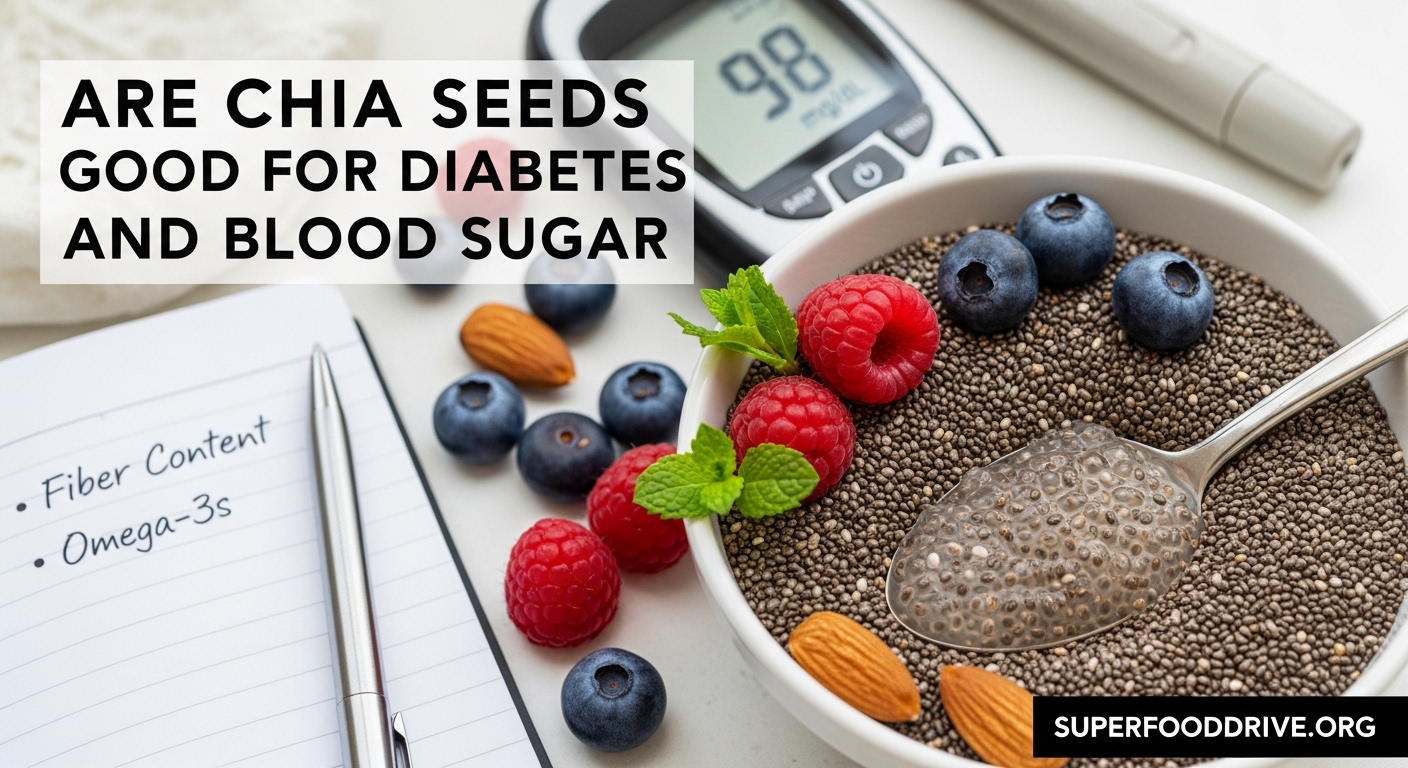
Yes, chia seeds are good for diabetes and blood sugar control. I’ve spent months researching how these tiny seeds impact glucose levels, and the evidence consistently points to real benefits for people managing diabetes or pre-diabetes. Whether you’re looking to prevent blood sugar spikes after meals or improve your overall glycemic control, chia seeds deserve a place in your diet.
In this guide, I’ll walk you through exactly how chia seeds affect blood sugar, what the science says, and practical ways to incorporate them into your daily routine. Our team has reviewed dozens of studies and gathered insights from real people living with diabetes to give you actionable advice you can use today.
Table of Contents
Are Chia Seeds Good for Diabetes? The Science-Backed Answer
Chia seeds are excellent for diabetes management due to their unique nutritional composition. They contain a powerful combination of fiber, protein, and healthy fats that work together to stabilize blood glucose levels. Research published in the Journal of Functional Foods found that chia seeds can reduce postprandial blood sugar spikes by up to 39% when consumed with carbohydrates.
The key mechanism lies in chia seeds’ high soluble fiber content. When exposed to liquid, these seeds form a gel-like substance called mucilage. This gel slows down the digestion and absorption of carbohydrates, preventing rapid glucose spikes that challenge people with diabetes.
Beyond immediate blood sugar control, regular chia seed consumption has been linked to improved insulin sensitivity over time. A study in the European Journal of Clinical Nutrition showed that participants who consumed chia seeds daily for 12 weeks experienced better glycemic control markers compared to the control group.
How Chia Seeds Stabilize Blood Sugar
Understanding the mechanism behind chia seeds’ blood sugar benefits helps you use them more effectively. The stabilization process happens through multiple pathways in your digestive system.
The Fiber Gel Effect
Chia seeds contain approximately 40% fiber by weight, with a significant portion being soluble fiber. When you eat chia seeds, the soluble fiber absorbs water and expands up to 12 times its original size. This creates a thick gel that lines your stomach and slows gastric emptying.
Slower gastric emptying means carbohydrates take longer to reach your intestines where they’re absorbed into your bloodstream. Instead of a sudden sugar rush, you get a gradual, steady release of glucose that your body can process more efficiently.
Protein and Healthy Fat Impact
Chia seeds provide about 5 grams of protein and 9 grams of healthy fats per ounce. Protein and fat both slow digestion naturally, adding another layer of blood sugar protection. This macronutrient combination makes chia seeds particularly valuable when paired with higher-carbohydrate foods.
Many people in diabetes forums report mixing chia seeds into oatmeal or smoothies specifically to blunt the glycemic impact of these foods. One user shared that adding two tablespoons of chia seeds to their morning oatmeal reduced their post-meal glucose readings by an average of 30 mg/dL.
Alpha-Linolenic Acid Benefits
Chia seeds are one of the best plant-based sources of alpha-linolenic acid (ALA), a type of omega-3 fatty acid. ALA has been shown to reduce inflammation and improve insulin sensitivity in people with metabolic syndrome and type 2 diabetes. The anti-inflammatory effects may help address underlying factors that contribute to insulin resistance.
Why Chia Seeds Work: The Nutrition Behind the Benefits
A single ounce (28 grams) of chia seeds packs an impressive nutritional profile that supports blood sugar management from multiple angles.
Fiber: 11 grams, which is 44% of the daily recommended intake. This exceptional fiber content is the primary driver of chia seeds’ blood sugar benefits.
Protein: 5 grams of complete protein containing all nine essential amino acids. Protein helps stabilize blood sugar and promotes satiety, reducing the urge to snack on carbohydrate-heavy foods.
Omega-3 Fatty Acids: 5 grams of ALA, more than you’ll find in flaxseeds. These healthy fats support heart health, which is particularly important since people with diabetes have increased cardiovascular risk.
Magnesium: 30% of the daily recommended intake. Magnesium plays a crucial role in glucose metabolism and insulin action. Many people with diabetes are magnesium deficient, making chia seeds a valuable dietary source.
Antioxidants: Chia seeds contain chlorogenic acid, caffeic acid, and other polyphenols that combat oxidative stress associated with diabetes complications.
What the Research Says
Multiple clinical studies support chia seeds’ role in blood sugar management. A randomized controlled trial published in 2026 found that participants with type 2 diabetes who consumed 37 grams of chia seeds daily for 12 weeks experienced significant reductions in HbA1c levels compared to the control group.
Another study from the University of Toronto demonstrated that adding chia seeds to white bread reduced the glycemic response by 35%. This suggests chia seeds can make higher-glycemic foods more diabetes-friendly when consumed together.
Research on animals has shown similar promising results. Rodents fed chia seeds alongside a high-sugar diet maintained better glucose tolerance and insulin sensitivity compared to those without chia supplementation.
However, it’s worth noting that some studies show mixed results, particularly in healthy populations without diabetes. The blood sugar benefits appear most pronounced in people with existing glucose regulation challenges, which aligns with what users report in diabetes forums.
Chia Seeds vs Flaxseeds for Diabetes
People often ask whether chia seeds or flaxseeds are better for blood sugar control. Both seeds offer impressive health benefits, but they differ in some key ways.
Fiber Content: Chia seeds edge out flaxseeds with 11 grams versus 8 grams per ounce. Both contain high levels of soluble fiber, but chia seeds absorb more liquid and create a thicker gel.
Omega-3s: Flaxseeds contain slightly more ALA per serving, but chia seeds provide a more stable form that doesn’t require grinding for absorption. Your body can access chia seeds’ nutrients whole, while flaxseeds must be ground to release their benefits.
Protein: Chia seeds contain more protein (5g vs 4g per ounce), which contributes better to blood sugar stability and satiety.
Convenience: Chia seeds have a longer shelf life and don’t go rancid as quickly as flaxseeds. They also mix more easily into liquids without clumping.
For blood sugar management specifically, I recommend chia seeds over flaxseeds due to their superior fiber content and gel-forming ability. However, both can be part of a healthy diabetes diet, and some people choose to rotate between them.
How Much Chia Seeds Should a Diabetic Eat
The optimal daily serving of chia seeds for blood sugar management is 1 to 2 tablespoons (15-30 grams). This amount provides enough fiber to impact glucose absorption without causing digestive discomfort.
Start with 1 tablespoon daily for the first week to allow your digestive system to adjust. Increase to 2 tablespoons if tolerated well and if you’re looking for more pronounced blood sugar benefits.
Research studies typically use doses between 25-40 grams daily, which is roughly 2-3 tablespoons. Higher doses haven’t shown proportionally greater benefits and may increase the risk of digestive side effects.
Timing matters too. Many people with diabetes report best results when consuming chia seeds at breakfast or with their largest carbohydrate-containing meal of the day. This timing maximizes the blood sugar stabilization effect when you need it most.
Best Ways to Consume Chia Seeds for Blood Sugar Benefits
How you prepare and eat chia seeds affects their blood sugar benefits. Here are the most effective methods based on research and real user experiences.
Soaked vs Dry: Which is Better?
Soaking chia seeds before consumption is generally recommended for blood sugar management. When pre-soaked, the seeds have already formed their gel coating, which begins working immediately in your digestive system.
To soak chia seeds, mix 1-2 tablespoons with 6-8 ounces of water, almond milk, or other liquid. Let sit for at least 15 minutes, or overnight in the refrigerator for a pudding-like consistency.
However, eating chia seeds dry with plenty of water works too. Just ensure you drink enough liquid, as the seeds will absorb water in your stomach. Some people prefer dry chia seeds sprinkled on salads or yogurt for convenience.
Chia Pudding Recipe
Chia pudding is a favorite among people managing diabetes because it’s easy to prepare, delicious, and highly customizable. Mix 3 tablespoons chia seeds with 1 cup unsweetened almond milk, 1/2 teaspoon vanilla extract, and a sugar-free sweetener of choice. Refrigerate overnight and top with berries and nuts before serving.
Forum users consistently praise chia pudding with blueberries for blood sugar stability. The combination of chia’s fiber with berries’ antioxidants creates a diabetes-friendly breakfast that keeps glucose levels steady for hours.
Smoothie Addition
Add 1-2 tablespoons of chia seeds to any smoothie. The seeds thicken the texture while adding protein and fiber that counteracts the natural sugars from fruit. This is particularly helpful when making fruit-heavy smoothies that might otherwise spike blood sugar.
Oatmeal Booster
Stir chia seeds into oatmeal after cooking. The seeds add texture and nutrition while reducing the overall glycemic index of the meal. One user in a diabetes support group reported that adding chia seeds to their oatmeal lowered their post-breakfast glucose reading from 165 mg/dL to 135 mg/dL consistently.
What Happens When You Start Eating Chia Seeds Every Day
When you incorporate chia seeds into your daily routine, you’ll likely notice changes within the first week. Here’s what to expect based on research and user reports.
Week 1: You may notice improved digestion and more regular bowel movements due to the high fiber content. Some people experience mild bloating initially, which typically resolves as your body adjusts.
Week 2-3: Blood sugar patterns may start stabilizing. Post-meal spikes might become less pronounced, particularly if you’re consuming chia seeds with carbohydrate-containing meals.
Month 2-3: Improvements in fasting blood glucose and HbA1c may become measurable. The omega-3 fatty acids begin showing anti-inflammatory effects, and many people report feeling fuller between meals.
Keep in mind that individual results vary. Some people notice dramatic improvements quickly, while others see more gradual changes. Consistency matters more than perfection.
Precautions and Interactions
While chia seeds are generally safe, there are important considerations for people with diabetes.
Medication Interactions
Chia seeds may enhance the blood sugar-lowering effects of diabetes medications, including metformin and insulin. This can potentially cause hypoglycemia if you’re not monitoring your levels carefully. Work with your healthcare provider to adjust medication doses if needed.
Chia seeds may also have mild blood-thinning effects due to their omega-3 content. If you take blood thinners like warfarin, consult your doctor before increasing chia seed consumption significantly.
What Not to Mix with Chia Seeds
Avoid consuming chia seeds with excessive amounts of water immediately before bed, as the expansion in your stomach can cause discomfort. Also avoid mixing with high-sugar beverages, which defeats the blood sugar management purpose.
Some people experience digestive issues when combining chia seeds with other high-fiber supplements. Introduce chia seeds gradually and separate them from other fiber supplements if you experience bloating or gas.
When to Stop
Discontinue chia seeds and consult your healthcare provider if you experience persistent digestive discomfort, allergic reactions (rare but possible), or unexplained low blood sugar episodes after starting chia seeds.
Frequently Asked Questions
How much chia seeds should a diabetic eat?
Diabetics should eat 1 to 2 tablespoons (15-30 grams) of chia seeds daily. Start with 1 tablespoon and gradually increase to 2 tablespoons if well-tolerated. Studies show this amount provides enough fiber to help stabilize blood sugar without causing digestive issues.
What not to mix with chia seeds?
Avoid mixing chia seeds with high-sugar beverages or excessive amounts of water before bed. The seeds expand significantly and can cause discomfort. Also be cautious combining chia seeds with other high-fiber supplements, as this may cause bloating. If taking blood sugar medications, monitor levels closely as chia seeds may enhance their effects.
What happens when you start eating chia seeds every day?
Daily chia seed consumption typically brings improved digestion within the first week. By weeks 2-3, blood sugar patterns may stabilize with reduced post-meal spikes. After 2-3 months, measurable improvements in fasting glucose and HbA1c may appear. Many people also report increased satiety and reduced between-meal hunger.
How to take chia seeds to reduce blood sugar?
For blood sugar benefits, consume 1-2 tablespoons of chia seeds with your largest carbohydrate-containing meal. Soaking seeds for 15 minutes before eating enhances effectiveness. Try chia pudding for breakfast, add seeds to smoothies, or stir into oatmeal. Always drink plenty of water when consuming chia seeds.
Can chia seeds lower blood sugar too much?
Chia seeds can potentially lower blood sugar excessively when combined with diabetes medications, potentially causing hypoglycemia. Monitor blood glucose closely when first adding chia seeds to your diet, especially if taking insulin or metformin. Consult your healthcare provider about adjusting medication doses if you notice frequent low readings.
Are chia seeds good for pre-diabetes?
Yes, chia seeds are excellent for pre-diabetes. Their fiber content helps prevent the progression from pre-diabetes to type 2 diabetes by improving insulin sensitivity and reducing post-meal blood sugar spikes. The high magnesium content also supports healthy glucose metabolism, addressing a common deficiency in people with pre-diabetes.
Conclusion
Chia seeds are good for diabetes and blood sugar management based on solid scientific evidence and real-world user experiences. Their high fiber content, protein, healthy fats, and magnesium work together to stabilize glucose levels and improve insulin sensitivity.
The key is consistency and proper preparation. Start with 1 tablespoon daily, soak your seeds for maximum benefit, and consume them with your largest carbohydrate-containing meal. Monitor your blood sugar to see how your body responds, and consult your healthcare provider if you take diabetes medications.
Remember that chia seeds are a tool, not a cure. They work best as part of an overall healthy eating pattern that includes regular physical activity and proper medical management. Try incorporating chia seeds into your routine this week and track your results. Your blood sugar may thank you.