
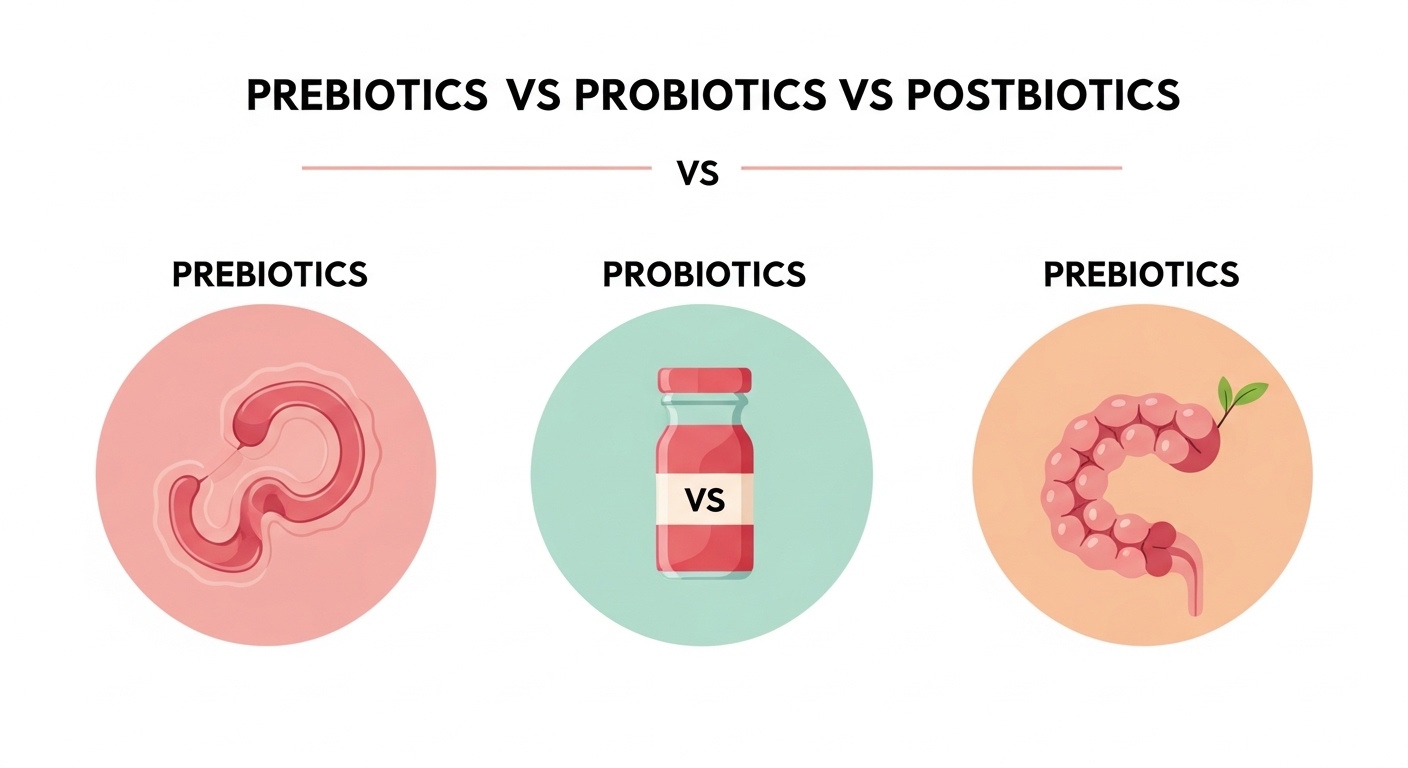
You have probably seen the words prebiotic, probiotic, and postbiotic tossed around in health articles and supplement labels. But what do they actually mean, and how are they different from each other? Understanding the distinction between prebiotics vs probiotics vs postbiotics is essential if you want to support your gut health effectively.
Think of your gut like a garden. Prebiotics are the fertilizer that feeds the plants. Probiotics are the seeds you plant. Postbiotics are the nourishing fruits that grow from that healthy garden. All three work together to create a thriving gut microbiome, which influences everything from your digestion to your immune system and even your mood.
In this guide, I will break down exactly what each “biotic” does, where you can find them, and how to use them to support your digestive health in 2026.
Table of Contents
Prebiotics vs Probiotics vs Postbiotics: Whats the Difference
The core difference comes down to what each substance actually is and how it functions in your body. Prebiotics are non-digestible fibers that feed beneficial bacteria. Probiotics are live beneficial bacteria themselves. Postbiotics are the beneficial compounds produced when probiotics ferment prebiotics.
Think of it as a three-step process. First, you consume prebiotics to nourish your existing good bacteria. Then, probiotics add new beneficial bacteria to your gut. Finally, postbiotics are the health-promoting byproducts created through this interaction.
What Are Prebiotics
Prebiotics are types of dietary fiber that your body cannot digest. Instead of being broken down by your digestive enzymes, they travel intact to your large intestine, where they become food for beneficial gut bacteria.
The International Scientific Association of Prebiotics and Probiotics (ISAPP) defines prebiotics as “a substrate that is selectively utilized by host microorganisms conferring a health benefit.” In simpler terms, prebiotics are the specific foods that feed your good gut bacteria and help them thrive.
Common Types of Prebiotics
Several types of prebiotic fibers exist, each with slightly different properties. Inulin is one of the most well-researched prebiotics, found naturally in chicory root, garlic, and onions. Galacto-oligosaccharides (GOS) are another common type, present in legumes and certain dairy products.
Other important prebiotics include fructo-oligosaccharides (FOS), resistant starch found in cooked and cooled potatoes and rice, and polyphenols from colorful fruits and vegetables. Each type feeds different bacterial species, which is why dietary variety matters.
Health Benefits of Prebiotics
Research shows prebiotics support digestive health by promoting regular bowel movements and reducing constipation. They also enhance mineral absorption, particularly calcium and magnesium, which supports bone health.
Beyond digestion, prebiotics help regulate blood sugar levels by slowing digestion and improving insulin sensitivity. They also support immune function by strengthening the gut barrier and reducing inflammation. Some studies suggest prebiotics may even influence mental health through the gut-brain axis.
What Are Probiotics
Probiotics are live microorganisms that, when consumed in adequate amounts, confer a health benefit to the host. These beneficial bacteria and yeasts help maintain a healthy balance of gut microbiota, which is essential for proper digestion and overall wellness.
The concept might seem strange at first. Why would you want to consume bacteria? But your body already contains trillions of microorganisms, and many of them are beneficial or even essential for your health. Probiotics simply add to this population of helpful microbes.
Common Probiotic Strains
Not all probiotics are the same. Different strains offer different benefits. Lactobacillus species are among the most common, often found in yogurt and fermented dairy products. These strains help break down lactose and produce lactic acid, which inhibits harmful bacteria growth.
Bifidobacterium is another major probiotic genus, particularly abundant in the intestines of breastfed infants. These bacteria help digest dietary fiber, produce vitamins, and support immune function. Other important strains include Saccharomyces boulardii, a beneficial yeast, and Streptococcus thermophilus, commonly used in yogurt production.
Understanding CFU Counts
When you look at probiotic supplements, you will see CFU listed on the label. This stands for Colony Forming Units, which measures how many live and viable microorganisms are present. Most supplements contain between 1 billion and 100 billion CFU per serving.
Higher CFU counts are not always better. The key is getting the right strains in adequate amounts to reach your gut alive. Research suggests that doses between 10 million and 10 billion CFU can be effective, depending on the specific strain and health condition being targeted.
Health Benefits of Probiotics
Probiotics support digestive health by helping break down food, producing essential nutrients like B vitamins and vitamin K, and maintaining a healthy gut barrier. They also compete with harmful bacteria for space and resources, helping prevent pathogen overgrowth.
Research shows specific benefits for antibiotic-associated diarrhea, irritable bowel syndrome (IBS), and certain infections. Some strains may also support immune function, reduce inflammation, and even influence mental health through the gut-brain connection.
What Are Postbiotics
Postbiotics are the newest addition to the “biotic” family, and they represent a fascinating evolution in our understanding of gut health. According to ISAPP, postbiotics are “preparation of inanimate microorganisms and/or their components that confers a health benefit on the host.”
In simpler terms, postbiotics are the beneficial compounds produced when probiotics ferment prebiotics. They include substances like short-chain fatty acids (SCFAs), peptides, enzymes, and cell wall components that provide health benefits directly.
Types of Postbiotics
Short-chain fatty acids are the most studied postbiotics. These include butyrate, propionate, and acetate, which are produced when gut bacteria ferment fiber. Butyrate specifically nourishes the cells lining your colon and has powerful anti-inflammatory properties.
Other postbiotics include bacteriocins, which are natural antibiotics produced by beneficial bacteria to inhibit pathogens. Exopolysaccharides, cell wall fragments, and various metabolic byproducts also fall under the postbiotic umbrella, each contributing to health in different ways.
Health Benefits of Postbiotics
Postbiotics offer several advantages over live probiotics. Because they are not alive, they are more stable and have a longer shelf life. They are also less likely to cause side effects like bloating or gas that some people experience with probiotic supplements.
Research suggests postbiotics support immune function, strengthen the gut barrier, reduce inflammation, and may even have anti-cancer properties. Some studies indicate postbiotics could be particularly beneficial for people with compromised immune systems who should avoid live bacteria.
Prebiotics vs Probiotics vs Postbiotics: Side-by-Side Comparison
To make the differences crystal clear, here is how these three biotics compare across key categories:
| Feature | Prebiotics | Probiotics | Postbiotics |
|---|---|---|---|
| What They Are | Non-digestible fibers | Live microorganisms | Compounds produced by probiotics |
| Main Function | Feed beneficial bacteria | Add beneficial bacteria to gut | Provide direct health benefits |
| Found In | Fiber-rich plants | Fermented foods, supplements | Produced in gut or supplements |
| Stability | Very stable | Requires careful storage | Highly stable |
| Common Examples | Inulin, GOS, FOS | Lactobacillus, Bifidobacterium | Butyrate, bacteriocins |
| Best For | Feeding existing bacteria | Adding new bacteria | Direct health benefits |
Each type serves a distinct purpose, but they work best when combined. Prebiotics feed probiotics, which then produce postbiotics. This synergistic relationship is why many experts recommend getting all three through your diet.
How Prebiotics, Probiotics, and Postbiotics Work Together
Your gut microbiome functions as an ecosystem, and these three biotics represent different parts of that system. Understanding their relationship helps you make smarter choices about your gut health.
The process begins with prebiotics. When you eat fiber-rich foods, these non-digestible carbohydrates reach your large intestine intact. There, beneficial bacteria ferment them as fuel. This fermentation process produces postbiotics like short-chain fatty acids, which nourish your gut lining and reduce inflammation.
Meanwhile, consuming probiotics adds new beneficial strains to this ecosystem. These newcomers compete with harmful bacteria, produce their own beneficial compounds, and help maintain microbial balance. When you combine prebiotic fibers with probiotic bacteria, you create what scientists call synbiotics, a powerful combination that maximizes benefits.
The Synbiotic Effect
Synbiotics combine prebiotics and probiotics in a way that enhances their individual benefits. The prebiotic component ensures the probiotic has fuel to thrive, while the probiotic helps process the prebiotic into beneficial postbiotics.
Research on synbiotics shows promising results for digestive health, immune function, and metabolic health. Some supplements now combine all three biotics, though you can also create synbiotic effects by pairing fermented foods with fiber-rich foods at meals.
Best Food Sources for Each Biotic
While supplements are popular, whole foods remain the best source for all three biotics. Foods provide additional nutrients, fibers, and compounds that supplements cannot replicate.
Prebiotic-Rich Foods
Chicory root contains the highest concentration of inulin, making it the most potent prebiotic food source. Jerusalem artichoke, also called sunchoke, is another excellent source. Garlic, onions, leeks, and shallots all provide significant amounts of inulin and FOS.
Bananas contain resistant starch, especially when slightly green. Asparagus, dandelion greens, and Jerusalem artichoke are also top sources. Legumes like lentils, chickpeas, and beans provide galacto-oligosaccharides. Whole grains, particularly oats and barley, offer beta-glucan, which has prebiotic properties.
Probiotic-Rich Foods
Fermented dairy products are traditional probiotic sources. Yogurt with live active cultures, kefir, and certain aged cheeses contain beneficial bacteria. When choosing yogurt, look for labels that mention “live and active cultures” to ensure you are getting viable probiotics.
Non-dairy fermented foods offer excellent probiotic benefits too. Sauerkraut, kimchi, miso, tempeh, and natto are rich in beneficial bacteria. Kombucha provides probiotics along with organic acids from fermentation. Traditional fermented pickles, as opposed to vinegar-pickled versions, also contain live cultures.
Postbiotic Sources
Postbiotics are primarily produced in your gut when probiotics ferment prebiotics. However, some fermented foods contain postbiotic compounds. Aged cheeses, for instance, contain peptides formed during fermentation that may have health benefits.
Buttermilk, certain fermented dairy products, and even some types of sourdough bread contain postbiotic compounds. As research advances, more postbiotic-fortified foods and supplements are becoming available, though the evidence for their benefits is still emerging.
Should You Take Supplements
The supplement industry would love you to believe you need expensive pills for optimal gut health. But most experts agree that food sources should be your first choice.
Stanford Lifestyle Medicine notes that probiotic and prebiotic supplements lack substantial scientific evidence showing they promote microbiome health for healthy individuals. Fermented foods and fiber-rich whole foods provide a more diverse array of beneficial compounds.
That said, supplements can play a role in specific situations. After antibiotic treatment, certain probiotic strains may help restore gut balance more quickly. People with specific digestive conditions like IBS may benefit from targeted strains. Those with limited access to fermented foods might consider supplements as a backup.
What to Look for in Supplements
If you choose to supplement, quality matters significantly. For probiotics, look for products that list specific strains, not just genus names. The label should indicate CFU count at expiration, not just at manufacture. Third-party testing seals from NSF or USP indicate independent quality verification.
Storage requirements matter too. Some probiotics require refrigeration to maintain viability, while others are shelf-stable. Check expiration dates and store products as directed. For prebiotics, start with lower doses to assess tolerance, as they can cause gas and bloating initially.
Potential Side Effects and Considerations
Prebiotics can cause digestive discomfort, especially when first introduced. Gas, bloating, and changes in bowel movements are common as your gut bacteria adapt. Starting with small amounts and gradually increasing intake helps minimize these effects.
Probiotics are generally safe but may cause temporary digestive symptoms. People with compromised immune systems, those using catheters, or individuals with severe pancreatitis should avoid probiotics unless supervised by a healthcare provider. Some cardiologists warn against routine probiotic use for certain cardiac patients.
Postbiotic supplements are newer and have fewer reported side effects due to their non-living nature. However, research is still limited, so start conservatively and monitor your response.
Frequently Asked Questions
Should I take a prebiotic, probiotic, or postbiotic?
For most healthy people, focus on food sources first. Eat a variety of fiber-rich foods for prebiotics and fermented foods for probiotics. This approach provides the full spectrum of benefits. Supplements may help after antibiotics or for specific digestive conditions, but consult your healthcare provider first.
Which probiotic is best for SIBO?
Small Intestinal Bacterial Overgrowth requires careful management. Some probiotic strains may help, particularly soil-based organisms like Bacillus species, but others could worsen symptoms. Work with a gastroenterologist who can recommend strain-specific protocols based on your breath test results and symptoms.
Can you take a probiotic while on GLP-1 medications?
Generally, probiotics are safe to take with GLP-1 medications like semaglutide or tirzepatide. However, these medications can slow digestion, potentially affecting how probiotics survive transit. Take probiotics at a different time than your GLP-1 dose, and monitor how you feel. Consult your prescriber for personalized advice.
Why do cardiologists warn against probiotics?
Some cardiologists caution against routine probiotic use for patients with certain heart conditions or compromised immune function. In rare cases, probiotics can cause infections in vulnerable individuals. Additionally, the evidence for heart-specific benefits is limited. Always discuss supplements with your cardiologist if you have heart disease.
Can you take prebiotics and probiotics together?
Yes, and this combination is actually ideal. Taking them together creates a synbiotic effect where the prebiotic fiber feeds the probiotic bacteria, enhancing survival and colonization. Many experts recommend consuming fermented foods alongside fiber-rich foods at the same meal for maximum benefit.
How long does it take to see results from biotics?
Timeline varies by individual and goal. Some people notice digestive improvements within days of increasing fiber or starting probiotics. Significant microbiome changes typically take 2-4 weeks of consistent intake. For specific health conditions like IBS, benefits may take 4-12 weeks to fully manifest.
Are food sources better than supplements?
For most people, yes. Foods provide diverse fibers, multiple bacterial strains, and additional nutrients that supplements cannot replicate. Fermented foods have supported human health for millennia. However, supplements have a role after antibiotics or when dietary access is limited. Food first, supplements second is the general recommendation.
Conclusion: Prebiotics vs Probiotics vs Postbiotics Whats the Difference
Understanding prebiotics vs probiotics vs postbiotics comes down to recognizing their distinct roles in gut health. Prebiotics are the fuel, probiotics are the workers, and postbiotics are the beneficial products of their labor. All three are essential for a thriving gut microbiome.
Your best strategy for 2026 is to prioritize whole food sources. Include fiber-rich vegetables, legumes, and whole grains daily. Add fermented foods like yogurt, kefir, sauerkraut, or kimchi several times per week. This combination naturally provides prebiotics, probiotics, and promotes postbiotic production.
Supplements have their place, particularly after antibiotics or for specific health conditions, but they should complement rather than replace a varied, fiber-rich diet. By understanding how these three biotics work together, you can make informed choices that support your digestive health and overall wellness.