
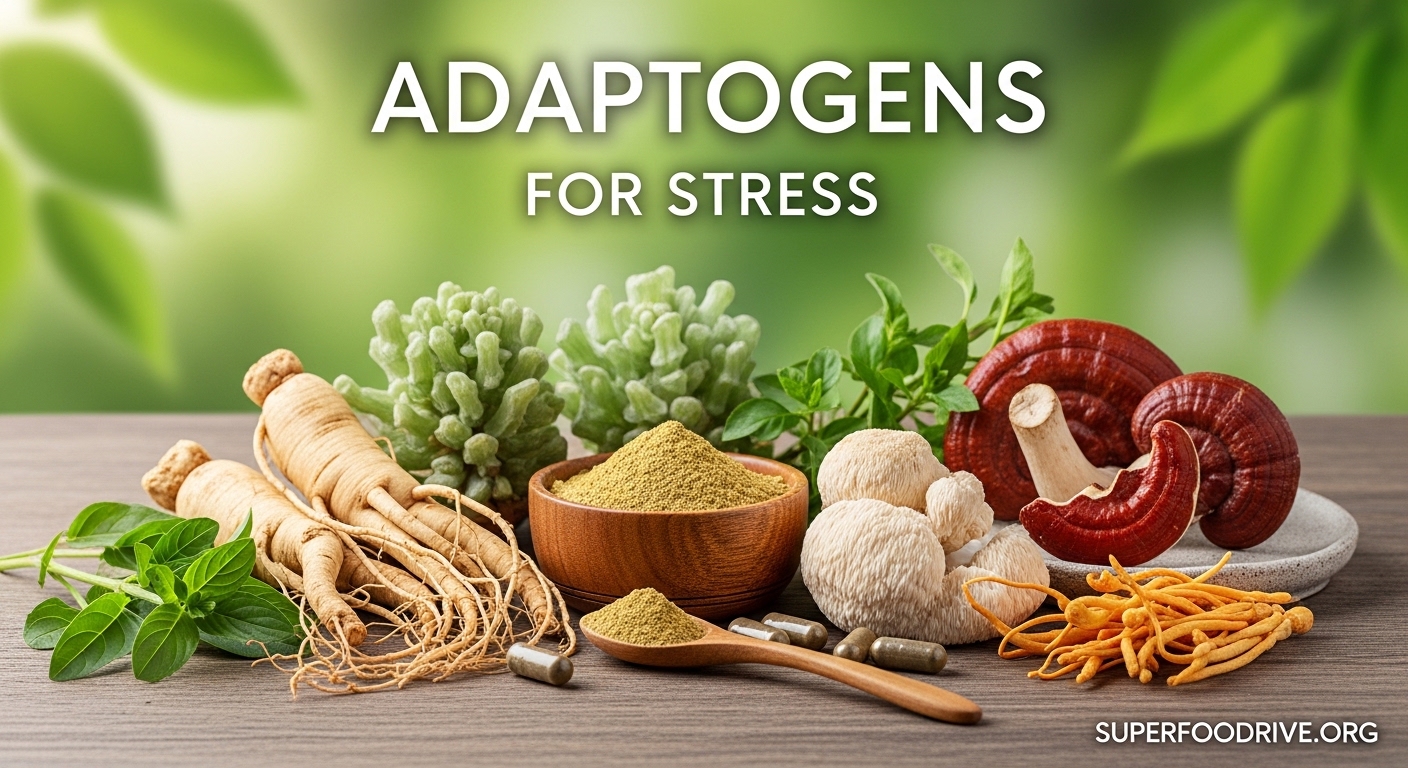
Stress has become the silent epidemic of our modern age. Whether it is work deadlines, financial pressures, or the constant buzz of digital notifications, our bodies are bombarded with stress signals daily. I spent years feeling wired but tired, reaching for coffee in the morning and wine in the evening, before discovering a different approach entirely. This guide will walk you through everything you need to know about adaptogens for stress and how these remarkable herbs can help you build genuine resilience.
By the end of this article, you will understand exactly what adaptogens are, how they work in your body, which ones work best for different types of stress, and how to start using them safely. I have distilled insights from scientific research, traditional medicine systems, and real user experiences to give you a practical roadmap for incorporating these natural stress fighters into your routine.
Table of Contents
What Are Adaptogens?
Adaptogens are natural herbs, roots, and mushrooms that help your body adapt to stress and restore balance. Unlike stimulants that force your energy up or sedatives that knock you out, adaptogens work by supporting your body is innate ability to maintain homeostasis, your internal equilibrium.
The concept originates from Ayurvedic medicine and Traditional Chinese Medicine, where certain herbs were classified as rejuvenating tonics. Soviet scientists coined the term adaptogen in the 1940s while researching substances that could enhance performance and resilience under demanding conditions. To qualify as a true adaptogen, a substance must meet three criteria: it should be non-toxic at normal doses, help the body resist stressors of all kinds (physical, chemical, biological), and have a normalizing effect on bodily functions.
What makes adaptogens different from other supplements is their bidirectional nature. They can calm you when you are anxious and energize you when you are fatigued, depending on what your body needs at that moment. Think of them as a thermostat for your stress response system, helping it find the right setting rather than forcing it high or low.
How Do Adaptogens Work?
To understand how adaptogens work, you need to know about your HPA axis. This stands for hypothalamic-pituitary-adrenal axis, the communication pathway between your brain and your adrenal glands. When you encounter a stressor, your hypothalamus signals your pituitary gland, which then signals your adrenal glands to release cortisol and other stress hormones.
This system worked beautifully when our ancestors faced occasional threats like predators. But modern life keeps the HPA axis constantly activated. Chronic stress leads to elevated cortisol levels, which can disrupt sleep, impair immune function, increase anxiety, and contribute to weight gain. Over time, your adrenal glands may struggle to keep up with the constant demand.
Adaptogens work by modulating this stress response system. They do not simply block cortisol production, that would actually be dangerous since cortisol serves essential functions. Instead, they help regulate the HPA axis, preventing both excessive cortisol spikes during acute stress and adrenal depletion during chronic stress. They essentially teach your body to respond to stress more efficiently without burning out your reserves.
Research shows adaptogens influence multiple systems simultaneously. They can support neurotransmitter balance, reduce inflammation, protect cells from oxidative damage, and enhance mitochondrial function for better energy production. This multi-target approach is why people often notice benefits beyond just stress relief, such as improved focus, better sleep quality, and enhanced immune resilience.
How Adaptogens Help with Stress: The Core Benefits
The primary benefit of adaptogens for stress is building resilience, the ability to handle stressors without falling apart. But this manifests in several specific ways that can transform how you feel day to day. After incorporating adaptogens into my routine, I noticed I was no longer hitting that 3 PM energy crash. My sleep became more restorative. I could handle surprises at work without that familiar surge of panic.
Here are the key benefits you can expect from using adaptogens consistently for stress management:
- Cortisol regulation: Balancing your primary stress hormone prevents the damaging effects of chronically elevated cortisol
- Energy enhancement: Sustainable energy without the jitters or crashes of caffeine
- Mental clarity: Improved focus and cognitive function under pressure
- Mood stabilization: Reduced anxiety and more emotional equilibrium
- Sleep support: Better quality rest, especially when using calming adaptogens in the evening
- Immune support: Strengthened immune function that stress often compromises
- Physical stamina: Enhanced endurance and recovery from physical exertion
It is worth noting that adaptogens are not magic pills. They work best alongside lifestyle practices like adequate sleep, regular movement, and stress management techniques. Think of them as support for your system while you address the root causes of your stress.
Top Adaptogens for Stress Relief
With dozens of herbs classified as adaptogens, knowing where to start can feel overwhelming. Based on scientific evidence, traditional use, and real-world feedback from long-term users, these five adaptogens stand out specifically for stress management. I have included specific dosage recommendations since this is one of the biggest gaps I found when researching.
Ashwagandha: The Anti-Stress Powerhouse
If you only try one adaptogen for stress, make it ashwagandha. This Ayurvedic herb has the strongest research backing for anxiety and stress reduction. Multiple clinical trials show it significantly lowers cortisol levels and reduces perceived stress scores.
Ashwagandha is particularly effective for people who feel wired but tired, those whose stress manifests as anxiety and racing thoughts. It has a calming effect without causing drowsiness during the day. Many users report feeling more grounded and less reactive to stressors after consistent use.
Recommended dosage: 300-600mg of standardized root extract daily, typically taken in the evening. Look for KSM-66 or Sensoril extracts for best results. Allow 2-4 weeks for noticeable effects.
Rhodiola Rosea: For Mental Fatigue and Burnout
Rhodiola excels at combating the mental exhaustion that comes from prolonged stress. If your stress manifests as brain fog, difficulty concentrating, or feeling mentally drained, this is your adaptogen. It has been extensively studied for its effects on fatigue, particularly in demanding work environments.
Unlike ashwagandha is calming nature, Rhodiola has an energizing effect. It is ideal for morning use when you need sustained mental energy without the crash of stimulants. Many people notice improved mood and cognitive function within days of starting.
Recommended dosage: 200-400mg daily of standardized extract (3% rosavins, 1% salidroside), taken in the morning. Effects may be noticeable within 1-2 weeks.
Holy Basil (Tulsi): Emotional Balance and Calm
Known as the Incomparable One in Ayurveda, holy basil offers profound calming effects for those whose stress manifests as irritability, overwhelm, or emotional reactivity. It gently lowers cortisol while supporting neurotransmitter balance for improved mood stability.
Many users report that holy basil helps them feel more centered and less reactive to daily frustrations. It is an excellent choice if you find yourself snapping at loved ones or feeling overwhelmed by small stressors. Some practitioners combine it with ashwagandha for enhanced stress relief.
Recommended dosage: 300-600mg of leaf extract daily, or 2-3 cups of tulsi tea. Can be taken morning or evening. Effects typically appear within 2-3 weeks.
Reishi Mushroom: For Sleep and Deep Restoration
Reishi is known as the Mushroom of Immortality in Traditional Chinese Medicine, and it particularly shines for people whose stress disrupts their sleep. While it supports immune function and overall vitality, its standout benefit is promoting restorative sleep without sedation.
If you struggle with racing thoughts at bedtime or wake up feeling unrefreshed, reishi can help. It supports the parasympathetic nervous system, your rest and digest mode, helping you transition from the busy day into peaceful rest. Many users report more vivid dreams and waking feeling actually restored.
Recommended dosage: 1000-1500mg of fruiting body extract daily, taken in the evening. Allow 3-4 weeks for full sleep benefits.
Maca Root: Energy and Hormonal Support
Maca is particularly valuable for stress that affects your hormones and energy levels. Native to the Peruvian Andes, this root vegetable has been used for centuries to enhance stamina, libido, and mood. It is especially helpful if stress has tanked your energy or disrupted your hormonal balance.
Unlike the other adaptogens on this list, maca has a distinctly energizing quality. It is ideal for morning use when you need sustainable energy. Many users find it helps with the low motivation and fatigue that often accompany chronic stress.
Recommended dosage: 1500-3000mg of gelatinized maca powder daily, taken in the morning. Effects may be noticeable within 1-2 weeks.
How to Choose the Right Adaptogen for Your Needs
The most common question beginners ask is which adaptogen should I start with? The answer depends on your specific stress symptoms and goals. Not all adaptogens work the same way, choosing the wrong one for your needs can lead to disappointment or unwanted effects.
Here is a simple framework for choosing based on what you are experiencing:
Choose a Calming Adaptogen If:
- You feel anxious, wired, or constantly on edge
- Your mind races at night, making sleep difficult
- You experience physical tension in your body
- You react strongly to stressors with worry or panic
- You rely on alcohol or other substances to unwind
Best choices: Ashwagandha, Holy Basil, Reishi. Take these in the evening or split between morning and evening.
Choose an Energizing Adaptogen If:
- You feel fatigued despite adequate sleep
- You have difficulty concentrating or mental fog
- You lack motivation and feel burned out
- You need sustained energy without caffeine jitters
- Your stress manifests as exhaustion rather than anxiety
Best choices: Rhodiola, Maca. Take these in the morning only, as evening use may interfere with sleep.
Combining Adaptogens Safely
Once you understand how individual adaptogens affect you, combining them can provide synergistic benefits. A popular and effective combination is ashwagandha for overall stress support plus rhodiola for daytime energy. Some users pair holy basil with reishi for comprehensive calming support.
The key rule is to start with one adaptogen at a time. Use it consistently for at least 3-4 weeks before adding another. This lets you understand how each one affects you individually. When combining, keep the total dosage within the recommended range for each herb. For example, if taking both ashwagandha and holy basil, you might use 300mg of each rather than the full dose of both.
How to Use Adaptogens: A Beginner’s Protocol
Starting with adaptogens does not need to be complicated. This step-by-step protocol will help you begin safely and effectively. I developed this approach after years of trial and error and consulting with integrative health practitioners.
Step 1: Choose Your Starting Adaptogen
Based on the framework above, select one adaptogen that matches your primary symptom. Most beginners do well starting with ashwagandha due to its broad stress-relieving effects and strong safety profile.
Step 2: Select Your Form
Adaptogens come in several forms, each with pros and cons:
- Capsules/Tablets: Most convenient, consistent dosing, good for beginners
- Powders: Versatile for adding to smoothies or drinks, often more cost-effective
- Tinctures: Fast absorption, easy to adjust dose, longer shelf life
- Teas: Pleasant ritual, gentle effects, lower potency
For beginners, I recommend capsules for consistency and convenience. Once you know how a particular adaptogen affects you, experimenting with powders or tinctures can be enjoyable.
Step 3: Start Low and Go Slow
Begin with half the recommended dose for the first week. This lets your body adjust and helps you notice any sensitivity. If you tolerate it well, increase to the full recommended dose in week two.
Step 4: Be Consistent
Adaptogens work cumulatively. Taking them sporadically will not produce the benefits you are looking for. Take your adaptogen at the same time each day to build a habit. Many people find it helpful to pair their dose with an existing habit, like morning coffee or evening dinner.
Step 5: Track Your Response
Keep a simple journal noting your energy levels, sleep quality, stress response, and any side effects. This helps you determine if the adaptogen is working and whether you need to adjust the dose or timing.
Timeline for Results: What to Expect
One of the biggest mistakes beginners make is giving up too soon. Here is a realistic timeline for what to expect:
- Week 1: Subtle changes in energy or slight adjustment period as your body adapts
- Week 2-3: Initial benefits may appear, such as improved sleep or steadier energy
- Week 4-6: Noticeable stress resilience improvements, more consistent effects
- Week 8-12: Full benefits realized, adaptation complete, baseline stress response improved
Some people, particularly with energizing adaptogens like rhodiola, notice effects within days. Calming adaptogens like ashwagandha typically take longer to show their full benefits. Commit to at least 8 weeks before deciding whether an adaptogen works for you.
Safety and Precautions
Adaptogens are generally safe for most healthy adults, but they are not appropriate for everyone. Understanding contraindications and potential interactions is essential before starting any new supplement regimen.
Who Should Avoid or Consult a Doctor First
- Pregnant or breastfeeding women: Safety data is limited for most adaptogens
- People with autoimmune conditions: Some adaptogens stimulate immune function
- Those on thyroid medication: Ashwagandha and maca may affect thyroid hormones
- People taking blood thinners: Some adaptogens have mild blood-thinning effects
- Those with low blood pressure: Some adaptogens may lower blood pressure further
- Individuals on sedative medications: Calming adaptogens may enhance sedative effects
Potential Side Effects
Most people tolerate adaptogens well, but some experience mild side effects, especially when starting or at higher doses:
- Digestive upset (nausea, diarrhea)
- Headaches
- Changes in sleep patterns (usually temporary)
- Dry mouth
- Increased anxiety (rare, usually with energizing adaptogens)
These typically resolve within a week as your body adjusts. Starting with a lower dose and taking adaptogens with food can minimize these effects.
Quality Considerations
The supplement industry is not well-regulated, so quality varies dramatically between brands. Look for these markers of quality:
- Third-party testing verification (USP, NSF, or independent lab results)
- Standardized extracts with stated percentages of active compounds
- Transparent sourcing information
- Clear labeling with exact amounts, not proprietary blends
- Reputable brands with good manufacturing practices (GMP) certification
Single-ingredient supplements are generally preferable to proprietary blends, which make it impossible to know how much of each ingredient you are getting. Many experienced users in online communities caution against heavily marketed blend products.
Frequently Asked Questions
What is the best adaptogen for stress?
Ashwagandha has the strongest research backing for stress and anxiety reduction. Multiple clinical trials show it significantly lowers cortisol levels and reduces perceived stress. However, the best adaptogen depends on your specific symptoms. For anxiety and feeling wired, ashwagandha or holy basil work well. For fatigue and burnout, rhodiola is often more effective. Consider your primary stress manifestation when choosing.
What is the most powerful adaptogen in the world?
There is no single most powerful adaptogen because they work differently for different people and purposes. Rhodiola is considered potent for mental fatigue and physical performance. Ashwagandha is highly effective for anxiety and cortisol reduction. Reishi provides deep restoration and immune support. The power of an adaptogen depends on how well it matches your specific needs and biology.
Do adaptogens block cortisol?
No, adaptogens do not block cortisol. Instead, they help regulate the HPA axis and support balanced cortisol production. Cortisol serves essential functions in the body, so blocking it entirely would be harmful. Adaptogens prevent excessive cortisol spikes during acute stress while supporting adequate production when needed. They essentially help your body use cortisol more efficiently rather than suppressing it.
Who should avoid adaptogens?
Pregnant or breastfeeding women should avoid most adaptogens due to limited safety data. People with autoimmune conditions, those on thyroid medication, individuals taking blood thinners, and those with very low blood pressure should consult a healthcare provider before use. Anyone on sedative medications should be cautious with calming adaptogens. When in doubt, speak with a qualified healthcare practitioner familiar with herbal medicine.
Do adaptogens really work?
Yes, adaptogens have scientific evidence supporting their effectiveness for stress management, though individual results vary. Ashwagandha, rhodiola, and holy basil have the most robust clinical research showing benefits for cortisol regulation, anxiety reduction, and fatigue improvement. However, they are not magic pills and work best alongside healthy lifestyle practices. Most users notice benefits within 2-8 weeks of consistent use.
What are the best adaptogens for sleep?
Reishi mushroom is the standout choice for sleep support, promoting deep restoration without sedation. Ashwagandha and holy basil also support better sleep by calming the nervous system and reducing cortisol. Take these adaptogens in the evening, ideally 1-2 hours before bedtime. Avoid energizing adaptogens like rhodiola and maca in the evening as they may interfere with sleep.
What is the scientific evidence for adaptogens?
Adaptogens have been studied extensively, with strong evidence for several specific herbs. Ashwagandha has multiple randomized controlled trials showing cortisol reduction up to 30% and significant anxiety improvement. Rhodiola has research supporting its use for fatigue and mental performance under stress. Holy basil shows promise for mood and stress markers. While more research is needed on some adaptogens, the evidence base is growing and supports traditional uses.
Can you list adaptogens and their benefits?
Ashwagandha reduces anxiety and cortisol, supports sleep. Rhodiola combats mental fatigue and improves focus under stress. Holy Basil (Tulsi) promotes emotional balance and calm. Reishi supports immune function and deep restorative sleep. Maca enhances energy, stamina, and hormonal balance. Eleuthero (Siberian Ginseng) boosts endurance and immune resilience. Asian Ginseng enhances physical and mental performance. Cordyceps supports energy and exercise recovery.
Conclusion
Learning about adaptogens for stress opens up a world of natural support for your overwhelmed system. These remarkable herbs offer a way to build genuine resilience rather than just masking symptoms or pushing through exhaustion. Whether you choose the anti-anxiety power of ashwagandha, the mental clarity of rhodiola, or the restorative depth of reishi, you are taking a step toward supporting your body is natural ability to handle stress.
Remember that adaptogens work best as part of a holistic approach. They cannot replace good sleep, regular movement, healthy relationships, and addressing the root causes of your stress. But they can provide valuable support while you make those bigger life changes. Start with one adaptogen that matches your primary symptom, give it 8 weeks of consistent use, and pay attention to how your body responds.
The journey to better stress management is not about eliminating all stress, that is impossible. It is about changing your relationship with stress and building the internal resources to handle it with grace. Adaptogens can be powerful allies on that journey. Start small, stay consistent, and trust the process. Your calmer, more resilient self is waiting.