
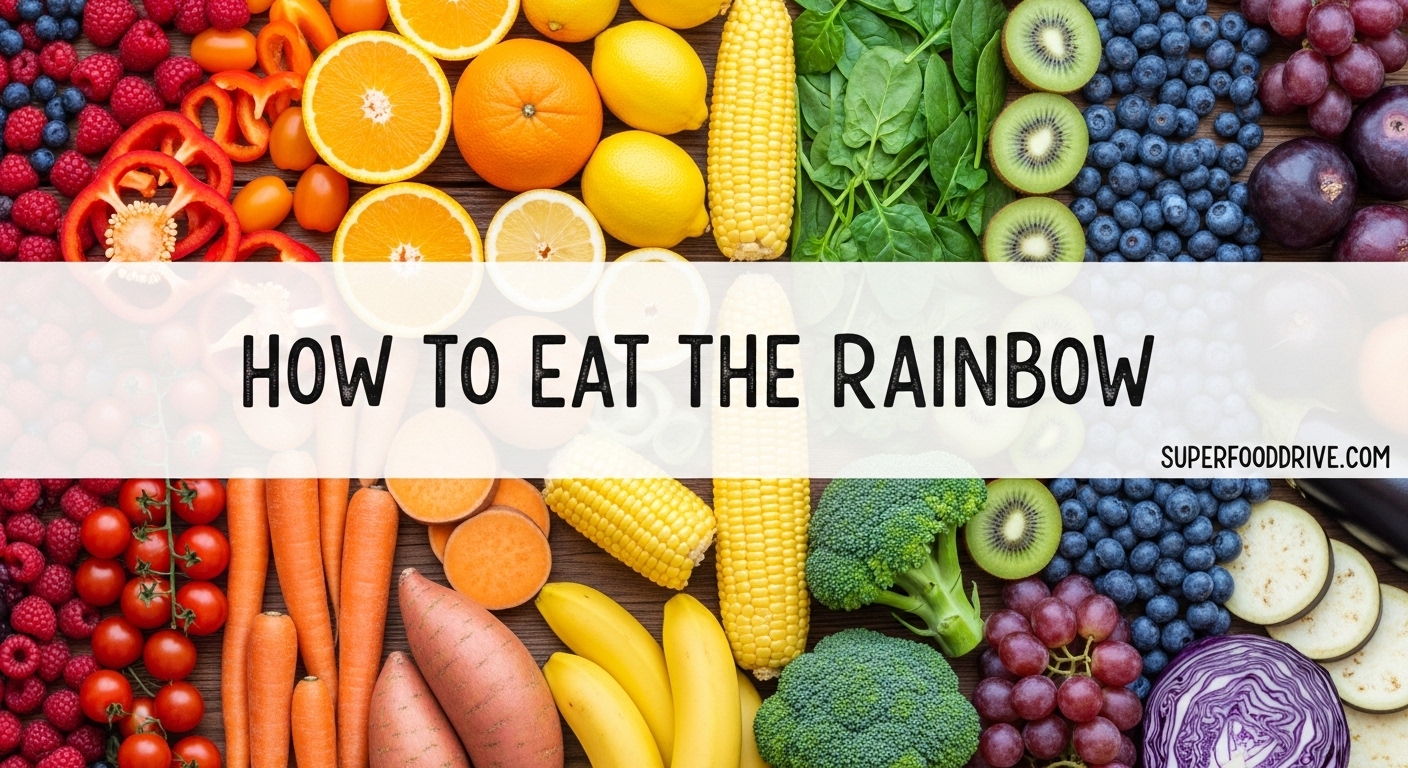
Eating the rainbow means consuming fruits and vegetables of different colors every day to get a wide variety of phytonutrients. These natural plant compounds protect your cells from damage, reduce inflammation, and support your immune system. I have been following this approach for years, and the energy boost alone made it worth the effort.
In this guide, you will learn exactly what phytonutrients do in your body, which colors provide which benefits, and practical strategies to add more variety to your plate without breaking your budget. You do not need to eat every color every single day. The goal is variety over time, not perfection at every meal.
Table of Contents
What Are Phytonutrients and Why Do Colors Matter
Phytonutrients are natural chemicals produced by plants to protect themselves from threats like UV radiation, pests, and disease. When you eat colorful plant foods, you absorb these protective compounds, and they go to work in your body as antioxidants and anti-inflammatory agents. Scientists have identified over 25,000 different phytonutrients, and each color family contains a unique set.
The color of a fruit or vegetable tells you which phytonutrients it contains. Red tomatoes are rich in lycopene. Orange carrots pack beta-carotene. Blueberries get their deep color from anthocyanins. This is why eating a variety of colors matters more than eating large quantities of a single vegetable. Your body needs the full spectrum of these compounds to function at its best.
Research consistently links diets rich in diverse phytonutrients to lower risks of heart disease, certain cancers, type 2 diabetes, and cognitive decline. A 2026 review published in the Journal of Nutrition found that people who consumed produce from all six color categories had significantly lower markers of inflammation compared to those who stuck to just two or three colors.
How to Eat the Rainbow: Your Color-by-Color Guide
Breaking down your grocery list by color makes shopping easier and ensures you are covering all your nutritional bases. Here is exactly what each color does for your body and which foods to choose.
Red Foods: Heart Health and Cancer Protection
Red fruits and vegetables get their color from lycopene and anthocyanins. These compounds support heart health by improving blood vessel function and may reduce the risk of prostate and breast cancers. Lycopene is actually more bioavailable when tomatoes are cooked, so do not shy away from tomato sauce or roasted red peppers.
Load your cart with tomatoes, watermelon, strawberries, red bell peppers, raspberries, cherries, pomegranate, and red apples. Even pink grapefruit counts here. I aim to include something red at least four times per week, often starting my day with berries in oatmeal or ending it with roasted red peppers on a salad.
Orange and Yellow Foods: Eye Health and Immunity
Orange and yellow produce contains carotenoids like beta-carotene, which your body converts to vitamin A. These compounds are essential for eye health, immune function, and skin integrity. They also act as antioxidants, neutralizing free radicals before they can damage your cells.
Your best options include carrots, sweet potatoes, oranges, mangoes, cantaloupe, yellow bell peppers, squash, pumpkin, apricots, and peaches. Butternut squash soup has become a weekly staple in my house during cooler months, and a simple mango smoothie brightens up summer mornings while delivering serious nutrition.
Green Foods: Detoxification and Hormone Balance
Green vegetables contain chlorophyll, sulforaphane, glucosinolates, and isothiocyanates. These compounds support your liver’s detoxification processes, help regulate hormones, and have been studied for their cancer-protective effects. Cruciferous vegetables like broccoli, Brussels sprouts, and kale are particularly powerful in this category.
Prioritize leafy greens, broccoli, Brussels sprouts, kiwi, avocado, green bell peppers, asparagus, spinach, green apples, and green grapes. I keep pre-washed spinach and baby kale in the fridge at all times. They wilt into scrambled eggs, blend into smoothies, or form the base of a quick lunch salad with zero effort.
Blue and Purple Foods: Brain Health and Anti-Aging
Blue and purple foods contain anthocyanins, powerful antioxidants that cross the blood-brain barrier to support cognitive function and memory. These compounds also promote healthy aging by reducing oxidative stress throughout the body. The deeper the color, the higher the anthocyanin content typically is.
Focus on blueberries, blackberries, eggplant, purple cabbage, grapes, plums, figs, purple potatoes, and acai berries. Blueberries are my go-to snack, and I buy them frozen when fresh prices spike. Purple cabbage slaw adds crunch and color to tacos and grain bowls while costing pennies per serving.
White and Brown Foods: Immune Support and Anti-Inflammatory Benefits
White and brown produce often gets ignored in favor of brighter colors, but these foods contain allicin, quercetin, and other compounds that support immune function and reduce inflammation. They also tend to be affordable and versatile, making them perfect for budget-conscious shoppers.
Do not skip garlic, onions, mushrooms, cauliflower, bananas, potatoes, parsnips, turnips, dates, and ginger. A simple stir-fry with garlic, onions, and mushrooms hits three white/brown foods in one dish. Cauliflower has become my secret weapon for adding bulk to meals without adding many calories.
How to Eat the Rainbow Every Day: Practical Strategies
Knowing which colors do what is helpful, but putting it into practice is where most people struggle. After talking to dozens of people about their challenges and testing strategies myself, here are the approaches that actually work.
Build Colorful Breakfasts
Breakfast is the easiest meal to upgrade because you can prep ingredients ahead of time. Add berries to oatmeal or yogurt. Blend spinach or frozen cauliflower into smoothies without changing the taste. Top toast with sliced tomatoes or avocado. A three-color breakfast takes less than five minutes once you establish the habit.
Design Lunch and Dinner Around Color
Use the half-plate rule: fill half your plate with colorful vegetables before adding protein and starch. Build grain bowls with at least three colors. Make soups with vegetable variety. Roast a rainbow tray of vegetables on Sunday to add to meals throughout the week. I roast sweet potatoes (orange), broccoli (green), red onions (white/purple), and bell peppers (red/yellow) together with olive oil and salt.
Smart Snacking by Color
Snacks are opportunities to fill color gaps from your main meals. Keep cut vegetables visible in the fridge. Stock frozen fruit for quick access. Pair apple slices with almond butter. Keep cherry tomatoes on the counter for grab-and-go eating. Hummus with red pepper strips covers two colors in one snack.
Budget-Friendly Rainbow Eating
Fresh produce prices fluctuate, but eating the rainbow does not require a luxury budget. Buy frozen fruits and vegetables when fresh is expensive or out of season. Frozen produce is harvested at peak ripeness and flash-frozen, preserving phytonutrient content. Cabbage, carrots, onions, and bananas are affordable year-round staples. Shop sales and base your weekly menu on what is discounted.
Frozen vs Fresh: What You Need to Know
Frozen produce is nutritionally equivalent to fresh and often superior when fresh produce has been transported long distances. The freezing process locks in phytonutrients at their peak. Canned vegetables work in a pinch, though they may contain added sodium. Rinse canned vegetables to reduce sodium by up to 40 percent.
Kid-Friendly Rainbow Strategies
Children often resist new vegetables, but color can make produce exciting. Let kids pick a new color at the grocery store each week. Use cookie cutters to make vegetable shapes. Create rainbow fruit skewers. Blend vegetables into familiar foods like pasta sauce or muffins without announcing it. My nephew started eating spinach when we called it “Hulk food” and made green smoothies together.
Frequently Asked Questions About Eating the Rainbow
How to eat the rainbow vegetables?
Start by adding one new color to each meal. Include berries or tomatoes at breakfast. Add leafy greens or peppers to lunch. Roast a mix of colorful vegetables for dinner. Use frozen options when fresh is unavailable. Aim for at least three colors per day rather than stressing about every color daily.
Do I need to eat every color every day?
No, you do not need every color daily. Focus on variety across the week rather than perfection at every meal. Aim for at least three different colors most days, and rotate through all six color categories across a seven-day period. Your body stores many phytonutrients, so consistency over time matters more than daily completeness.
Is frozen produce as good as fresh for phytonutrients?
Yes, frozen produce is nutritionally equivalent to fresh and sometimes superior. Frozen fruits and vegetables are harvested at peak ripeness and flash-frozen within hours, preserving their phytonutrient content. Fresh produce that travels long distances may lose nutrients over time. Keep frozen berries, spinach, and mixed vegetables on hand for convenience.
What if I do not like certain vegetables?
Focus on the colors you enjoy and expand gradually. If you hate cooked carrots, try them raw. If broccoli turns you off, try cauliflower or green beans instead. Blend disliked vegetables into smoothies with fruit. Roasting vegetables with olive oil and seasonings often improves taste compared to steaming or boiling.
How many servings of colorful vegetables should I eat per day?
The USDA recommends 2 to 3 cups of vegetables and 1.5 to 2 cups of fruit daily for adults, but eating the rainbow focuses on variety within those servings. Aim for at least 5 total servings of produce daily, with at least 3 different colors represented. More variety generally means better health outcomes.
What are the best rainbow foods for beginners?
Start with accessible, affordable options: bananas and cauliflower (white), carrots and oranges (orange/yellow), spinach and kiwi (green), tomatoes and apples (red), blueberries and purple cabbage (blue/purple). These are widely available, budget-friendly, and easy to incorporate into meals you already enjoy.
Can I get phytonutrients from supplements instead of food?
Whole foods provide phytonutrients in complex combinations that supplements cannot replicate. Food contains fiber, vitamins, minerals, and thousands of phytonutrients working together. Research shows food sources outperform isolated supplements for health outcomes. Use supplements only to fill specific gaps, not replace colorful eating.
Your Next Steps to Eat the Rainbow
Eating the rainbow is not about perfection. It is about gradually increasing the variety of colorful plant foods you consume over time. Your body will thank you with better energy, clearer skin, improved digestion, and reduced disease risk.
Start simple. Add one new color to your grocery list this week. Roast a rainbow tray of vegetables this Sunday. Blend spinach into tomorrow morning’s smoothie. Small steps compound into lasting habits. By the end of 2026, you could be eating twice the color variety you do today.
Remember that frozen counts, canned works when needed, and you do not need exotic superfoods to benefit. The humble carrot, the simple cabbage, the everyday blueberry all deliver powerful phytonutrients. Pick one strategy from this guide and implement it at your next meal. Your plate is about to get a lot more colorful.