
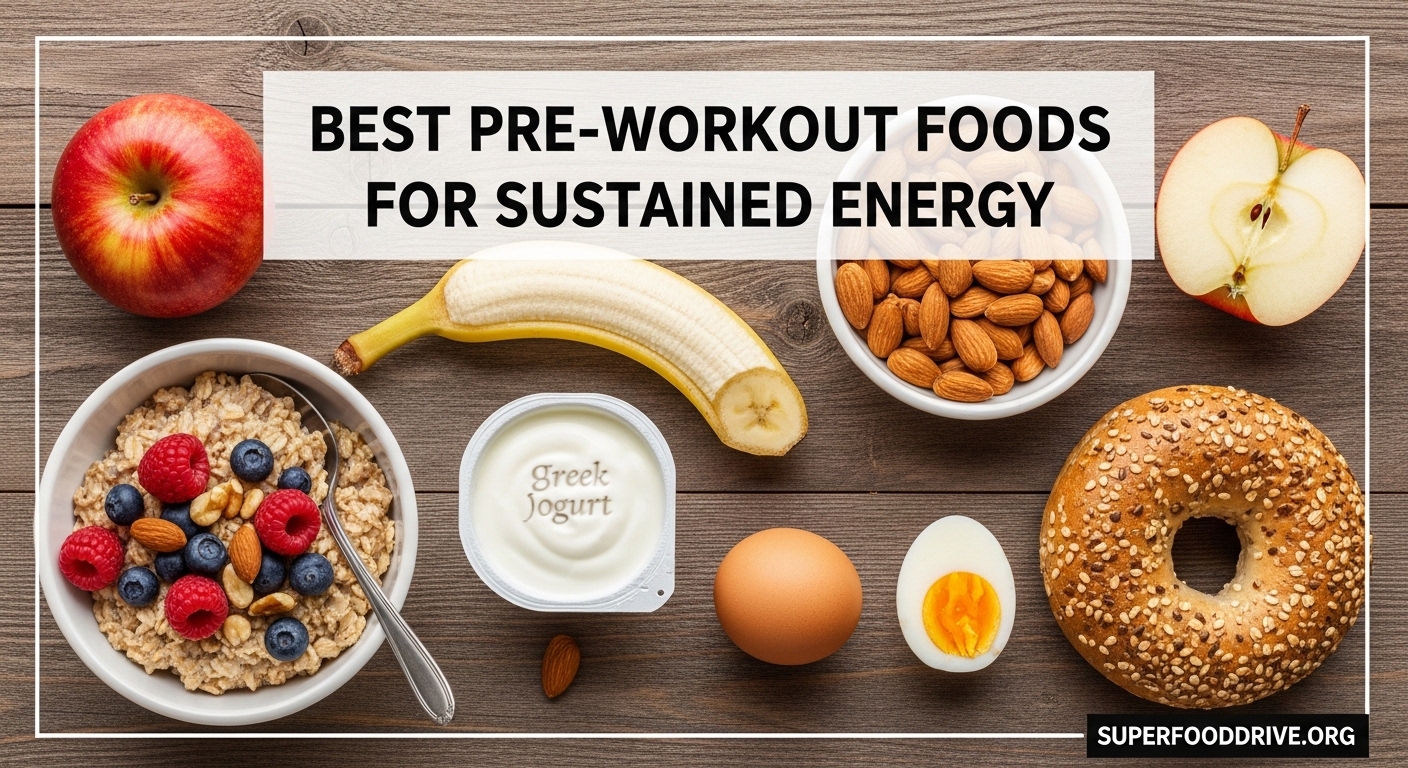
What you eat before training can make the difference between crushing your personal records and struggling through the last twenty minutes of your workout. I have spent years experimenting with different pre-workout nutrition strategies, and I have learned that the best pre-workout foods for sustained energy are not about quick sugar rushes. They are about choosing foods that release energy gradually, keeping your blood sugar stable and your muscles fueled from warm-up to cool-down.
In this guide, you will learn exactly what to eat before your workouts to maintain steady energy levels. We will cover the science behind sustained energy release, the top foods that deliver lasting fuel, and how to time your nutrition for maximum performance. Whether you train at 6 AM or 8 PM, this guide will help you build a pre-workout nutrition strategy that actually works.
Table of Contents
Understanding Sustained Energy vs Quick Energy
Not all energy is created equal. Quick energy from simple sugars might give you a burst of alertness, but it often leads to a crash halfway through your workout. Sustained energy comes from foods that digest slowly and release glucose into your bloodstream at a steady rate.
When you eat complex carbohydrates, your body breaks them down gradually. This slow digestion prevents blood sugar spikes and crashes, giving you consistent fuel for 60 to 90 minutes of exercise or longer. Protein and healthy fats further slow digestion and provide additional staying power.
How Glycogen Stores Fuel Your Workouts
Your muscles store carbohydrates as glycogen, which is their preferred fuel source during exercise. When glycogen levels are low, your performance suffers. You feel weak, tired, and unable to push through challenging sets or intervals.
Eating the right pre-workout foods replenishes these glycogen stores before you start training. This is especially important if you work out in the morning after an overnight fast, or if your previous workout was intense and depleted your stores.
The Role of Macronutrients in Energy Stability
Carbohydrates are your primary workout fuel, but protein and fats play supporting roles that extend your energy. Protein provides amino acids that prevent muscle breakdown during training. Healthy fats slow gastric emptying, which means the carbohydrates you eat release their energy more gradually.
The ideal pre-workout meal combines all three macronutrients in proportions that match your workout type and timing. We will cover specific combinations later, but the general principle is this: carbs for fuel, protein for protection, and fats for sustained release.
Best Pre-Workout Foods for Sustained Energy
After testing dozens of food combinations and reviewing what works for athletes across different training styles, I have identified the top performers for sustained workout energy. These foods provide lasting fuel without digestive distress or energy crashes.
Complex Carbohydrate Powerhouses
Complex carbohydrates are the foundation of sustained workout energy. Their molecular structure takes longer to break down, providing a steady stream of glucose to your working muscles.
Oatmeal and Overnight Oats
Oatmeal is the ultimate pre-workout breakfast for sustained energy. It contains beta-glucan, a type of soluble fiber that slows digestion and keeps you full. One cup of cooked oatmeal provides about 27 grams of complex carbohydrates that release gradually over 90 minutes or more.
Our team tested various oatmeal preparations and found that steel-cut oats provide the longest-lasting energy, while rolled oats digest slightly faster if you need to eat closer to your workout time. Adding a tablespoon of nut butter extends the energy release even further.
Sweet Potatoes
Sweet potatoes are one of the most nutrient-dense pre-workout foods available. A medium sweet potato contains about 23 grams of complex carbohydrates plus fiber that slows absorption. The natural sugars provide immediate energy while the starch sustains you through longer sessions.
Many athletes in the forums we reviewed swear by sweet potatoes as their go-to pre-workout carb source. They are easy to prepare in bulk and gentle on the stomach when eaten 90 minutes before training.
Brown Rice
Brown rice delivers steady energy without spiking blood sugar. It is a staple in many athletes’ pre-workout meals, especially those who train in the afternoon or evening. One cup of cooked brown rice provides 45 grams of carbohydrates with a low glycemic index.
The fiber content in brown rice means it takes longer to digest than white rice, making it ideal when you have 2 to 3 hours before your workout. Pair it with lean protein for a complete pre-training meal.
Whole Grain Bread
Whole grain bread offers convenience without sacrificing sustained energy. Two slices provide about 25 grams of complex carbohydrates plus fiber for slower digestion. It is one of the most accessible options for busy athletes who need quick preparation.
Forum users consistently mention whole grain toast with peanut butter as their favorite pre-workout combination. The bread provides lasting carbs while the nut butter adds healthy fats and protein for extended energy release.
Protein Sources for Muscle Support
While carbohydrates fuel your workout, protein protects your muscles from breakdown during intense training. Including protein in your pre-workout meal also slows digestion, extending the energy release from your carbs.
Greek Yogurt
Greek yogurt delivers 15 to 20 grams of protein per serving with minimal lactose, making it easier to digest than regular yogurt before exercise. The protein content helps prevent muscle catabolism while the natural sugars provide quick energy.
Many athletes we surveyed pair Greek yogurt with berries or banana for a balanced pre-workout snack. The combination digests in about 60 to 90 minutes, making it perfect for eating 1 to 2 hours before training.
Eggs
Eggs provide complete protein with all nine essential amino acids. Two eggs deliver 12 grams of high-quality protein that supports muscle preservation during your workout. They also contain healthy fats that slow digestion and extend energy release.
Hard-boiled eggs are a convenient option that you can prepare ahead of time. They travel well and can be eaten with whole grain toast or fruit for a complete pre-workout meal.
Chicken Breast
Chicken breast is the gold standard for lean pre-workout protein. A 4-ounce serving provides 25 grams of protein with minimal fat. It pairs perfectly with brown rice or sweet potatoes for a complete pre-training meal.
Because chicken takes longer to digest, it is best eaten 2 to 3 hours before your workout. This timing allows your body to begin breaking down the protein into usable amino acids by the time you start training.
Cottage Cheese
Cottage cheese contains casein protein, which digests slowly over several hours. Half a cup provides 14 grams of protein that releases gradually, protecting your muscles throughout long training sessions.
The combination of slow-digesting protein and minimal carbohydrates makes cottage cheese an excellent choice when you want sustained amino acid availability without a significant blood sugar response.
Healthy Fats for Long-Lasting Energy
Healthy fats are often overlooked in pre-workout nutrition, but they play a crucial role in sustained energy. Fats slow gastric emptying, which means the carbohydrates you eat alongside them release their energy more gradually.
Avocado
Avocado is one of the best pre-workout fat sources. Half an avocado provides about 15 grams of healthy monounsaturated fats plus fiber that slows digestion. It is easy to digest and pairs well with toast, eggs, or in smoothies.
The fats in avocado help regulate blood sugar and extend the energy release from whatever carbohydrates you eat with it. Many athletes add avocado to their pre-workout meals for this exact reason.
Nuts and Nut Butters
Almonds, walnuts, and natural nut butters provide healthy fats plus some protein and fiber. Two tablespoons of almond butter deliver 8 grams of protein and 16 grams of fat that slow digestion and extend energy release.
Forum discussions consistently highlight nut butter on toast as a favorite pre-workout snack. It is simple, affordable, and keeps hunger at bay for at least an hour of training. Our team tested this combination and confirmed it provides steady energy without digestive issues.
Chia Seeds
Chia seeds are nutritional powerhouses that absorb liquid and expand in your stomach. Two tablespoons provide 10 grams of fiber and 5 grams of omega-3 fatty acids that support sustained energy release.
Add chia seeds to overnight oats, yogurt, or smoothies for an energy boost that lasts. They work best when given time to gel, so include them in meals eaten 1 to 2 hours before your workout.
Fruit Options for Natural Energy
While fruits contain natural sugars, the fiber content in whole fruits slows absorption. This makes them suitable for pre-workout nutrition when you choose the right options and time them appropriately.
Bananas
Bananas are the most popular pre-workout fruit for good reason. They provide 27 grams of carbohydrates with a moderate glycemic index when eaten whole. The potassium content also supports muscle function during exercise.
Many athletes in our research called bananas their go-to quick energy source. They are easy to digest when eaten 30 to 60 minutes before training and provide both immediate and sustained energy thanks to their fiber content.
Berries
Berries offer antioxidants plus fiber that slows sugar absorption. A cup of mixed berries provides about 20 grams of carbohydrates with a low glycemic load. They pair perfectly with Greek yogurt or oatmeal for a balanced pre-workout meal.
The antioxidants in berries may also help reduce exercise-induced oxidative stress, making them a smart choice for athletes training at high intensities.
Dates
Dates are nature’s energy gel. Two Medjool dates provide 32 grams of carbohydrates in a compact, easy-to-digest form. While higher on the glycemic index, the fiber content means they provide more sustained energy than processed sugars.
Dates work best when paired with a source of protein or fat, such as nuts or nut butter. This combination slows digestion and extends the energy release for longer workouts.
Timing Your Pre-Workout Nutrition
When you eat matters almost as much as what you eat. The timing of your pre-workout meal affects how your body processes the food and when the energy becomes available for your muscles.
2 to 3 Hours Before: Full Meals
If you have 2 to 3 hours before your workout, you can eat a complete meal with balanced macronutrients. This timing allows your body to digest the food and convert it into usable energy before you start training.
Good options for this window include chicken and brown rice, salmon with sweet potato, or eggs with whole grain toast and avocado. These meals provide lasting energy that peaks right when you need it most.
1 to 2 Hours Before: Lighter Meals
With 1 to 2 hours before training, focus on foods that digest more quickly while still providing sustained energy. Protein oatmeal, Greek yogurt with berries, or whole grain toast with nut butter are excellent choices.
Reduce fat content slightly in this window since fats take longer to digest. You still want some healthy fats for sustained release, but keep portions moderate to avoid digestive discomfort during your workout.
30 to 60 Minutes Before: Quick Options
When you only have 30 to 60 minutes, choose foods that digest quickly but still offer some staying power. A banana with a small amount of nut butter, a piece of whole grain toast with honey, or a small protein smoothie work well.
Avoid heavy meals or high-fat foods in this window. Focus on easily digestible carbohydrates with a small amount of protein to prevent energy crashes while ensuring the food does not sit heavily in your stomach.
Individual Timing Variation
Everyone digests food at different rates. Some athletes can eat a full meal an hour before training with no issues. Others need 3 hours to feel comfortable. Pay attention to how your body responds and adjust your timing accordingly.
Start with the general guidelines above and experiment to find your optimal eating window. If you feel sluggish during workouts, eat earlier. If you feel hungry or low on energy, try eating closer to your training time.
Sample Pre-Workout Meal Plans by Time Frame
Here are practical meal ideas organized by when you eat relative to your workout. These combinations provide the sustained energy you need without digestive distress.
2 to 3 Hours Before Training
Option 1: Grilled chicken breast (4 oz), 1 cup cooked brown rice, steamed vegetables, and half an avocado.
Option 2: Baked salmon (5 oz), medium sweet potato, side salad with olive oil dressing.
Option 3: Two eggs scrambled with spinach, two slices whole grain toast, one tablespoon almond butter, and a small apple.
1 to 2 Hours Before Training
Option 1: One cup Greek yogurt topped with mixed berries and a sprinkle of granola.
Option 2: Protein oatmeal made with half cup oats, one scoop protein powder, sliced banana, and one tablespoon peanut butter.
Option 3: Whole grain toast with two tablespoons almond butter and sliced strawberries.
30 to 60 Minutes Before Training
Option 1: One banana with one tablespoon almond butter.
Option 2: Small protein smoothie with one scoop protein powder, half banana, handful of spinach, and water.
Option 3: Two Medjool dates with five to six raw almonds.
Morning Workout Solutions
If you train early and cannot stomach a full meal, try these options:
Quick Option: One banana and a handful of nuts eaten immediately upon waking, then sip a protein shake during your warm-up.
Prepared Option: Overnight oats made with oats, protein powder, chia seeds, and berries prepared the night before.
Liquid Option: Smoothie with banana, protein powder, oats, and almond milk consumed 30 to 45 minutes before training.
Workout-Specific Nutrition Recommendations
Different types of exercise place different demands on your body. Adjusting your pre-workout nutrition to match your training style can improve your performance.
Cardio and Endurance Training
Long cardio sessions deplete glycogen stores quickly. For runs, cycling, or cardio sessions lasting over 60 minutes, prioritize carbohydrates with moderate protein. Oatmeal with protein powder, or brown rice with chicken eaten 2 to 3 hours before, provide the sustained energy you need.
For shorter cardio sessions under 45 minutes, a banana with nut butter or a small smoothie 30 to 60 minutes before is usually sufficient.
Strength Training
Weight training requires both energy for your working muscles and amino acids to prevent breakdown. Include adequate protein in your pre-workout meal. Greek yogurt with berries, eggs with toast, or chicken with sweet potato are excellent choices.
Eat these meals 90 minutes to 2 hours before lifting to allow for digestion. The combination of carbs and protein supports both energy production and muscle preservation.
HIIT Workouts
High-intensity interval training demands rapid energy production. Choose foods that digest relatively quickly but still provide staying power. A banana with a small amount of nut butter, or a smoothie with fruit and protein powder, works well when eaten 45 to 60 minutes before HIIT sessions.
Avoid heavy fats or large meals that might cause discomfort during intense intervals. Focus on carbohydrates with just enough protein to stabilize blood sugar.
Yoga and Flexibility Sessions
For lower-intensity activities like yoga, you do not need as many carbohydrates. A light meal with moderate protein and healthy fats works well. Greek yogurt with berries, or whole grain toast with avocado, provides steady energy without weighing you down.
Eat these meals 1 to 2 hours before your session to avoid digestive discomfort during poses and stretches.
Common Mistakes to Avoid
Even with the right foods, timing and portion mistakes can sabotage your workout energy. Here are the most common errors we see athletes make.
Eating Too Close to Your Workout
When you eat too soon before training, blood flow diverts to your digestive system instead of your working muscles. This leaves you feeling sluggish and can cause cramping or nausea. Give yourself at least 30 minutes after a small snack and 2 hours after a full meal before starting intense exercise.
Relying Only on Simple Sugars
Energy drinks, candy, or pure sugar might give you a quick boost, but they lead to crashes halfway through your workout. Always pair quick carbohydrates with protein, fat, or fiber to slow absorption and extend energy release.
Skipping Pre-Workout Nutrition Entirely
Training fasted works for some people during low-intensity sessions, but for most athletes, it leads to decreased performance and muscle breakdown. Even a small banana eaten 30 minutes before training makes a significant difference in energy levels.
Overeating Before Exercise
More is not always better. Large meals divert too much blood to digestion and can cause discomfort during movement. Keep pre-workout meals moderate in size and focus on easily digestible foods.
Ignoring Hydration
Even the perfect pre-workout meal cannot overcome dehydration. Drink 16 to 20 ounces of water in the hour before your workout, and ensure you are well-hydrated throughout the day.
How to Find the Best Pre-Workout Foods for Your Body
While the guidelines in this article provide a solid foundation, individual variation plays a huge role in pre-workout nutrition. What works for your training partner might not work for you.
Start by trying one food combination at a time and paying attention to how you feel during your workout. Keep a simple log of what you ate, when you ate it, and how your energy levels were. Over time, patterns will emerge that help you identify your optimal pre-workout foods.
Consider factors like your digestive sensitivity, workout timing, and training intensity. Some athletes process fats easily while others need lower-fat meals. Some thrive on larger carbohydrate loads while others prefer moderate amounts. Experimentation is the only way to find what works for your unique physiology.
FAQ
What should I eat pre-workout for energy?
Eat a combination of complex carbohydrates for sustained fuel, lean protein for muscle support, and small amounts of healthy fats for extended energy release. Good options include oatmeal with protein powder, whole grain toast with nut butter, Greek yogurt with fruit, or chicken with sweet potato. Time your meal 1 to 3 hours before training depending on portion size.
What is the most energetic pre-workout meal?
The most energetic pre-workout meal combines complex carbohydrates, lean protein, and moderate healthy fats eaten 2 to 3 hours before training. Try grilled chicken with brown rice and vegetables, or salmon with sweet potato and avocado. These meals provide sustained energy release that peaks during your workout without causing crashes.
What can I eat 30 minutes before the gym?
With only 30 minutes before training, choose quick-digesting carbohydrates with minimal fat and fiber. Good options include a banana, a piece of whole grain toast with honey, dates with a few nuts, or a small protein smoothie. Avoid heavy meals or high-fat foods that take too long to digest.
How long before workout should I eat?
Eat full balanced meals 2 to 3 hours before training, lighter meals 1 to 2 hours before, and small snacks 30 to 60 minutes before. Individual digestion varies, so experiment to find your optimal timing. If you feel sluggish during workouts, eat earlier. If you feel hungry, try eating closer to training time.
What foods give sustained energy for exercise?
Complex carbohydrates provide the most sustained energy for exercise. Focus on oatmeal, sweet potatoes, brown rice, whole grain bread, and quinoa. Pair these with lean protein like chicken, Greek yogurt, or eggs, and add healthy fats from avocado or nuts to further extend energy release and prevent blood sugar crashes.
Conclusion
The best pre-workout foods for sustained energy are those that release glucose gradually into your bloodstream, keeping your muscles fueled throughout your entire training session. Focus on complex carbohydrates like oatmeal, sweet potatoes, and brown rice as your foundation. Add lean protein from sources like Greek yogurt, eggs, or chicken to prevent muscle breakdown. Include healthy fats from avocado or nuts to extend energy release even further.
Remember that timing matters as much as food choice. Give larger meals 2 to 3 hours to digest, lighter meals 1 to 2 hours, and small snacks 30 to 60 minutes. Everyone’s digestion is different, so use these guidelines as a starting point and adjust based on how your body responds.
With the right pre-workout nutrition strategy, you will experience steady energy levels, improved performance, and better recovery. Start with the food combinations in this guide, pay attention to how you feel, and refine your approach until you find what works best for your body and training goals.