
I used to finish my workouts and grab whatever was convenient, usually a protein bar from my gym bag or a smoothie from the cafe downstairs. But after months of persistent soreness and plateaued gains, I started digging into the science of recovery nutrition. What I discovered changed everything about how I approach post-workout eating.
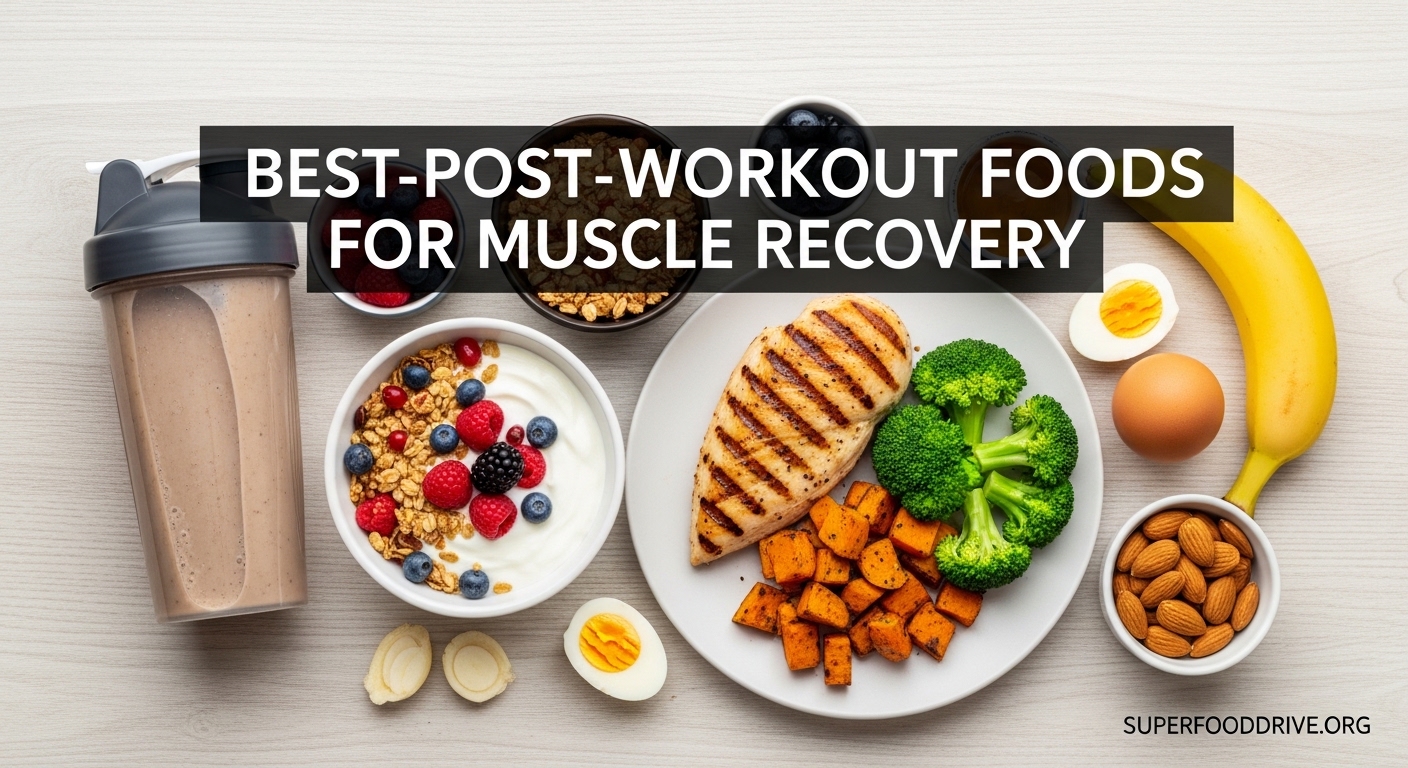
The right best post workout foods for muscle recovery do more than just refuel your body. They trigger muscle protein synthesis, replenish depleted glycogen stores, and reduce the inflammation that causes next-day soreness. After testing dozens of combinations over the past year and reviewing the latest sports nutrition research, I have identified the foods that actually deliver results.
This guide will walk you through the science behind muscle recovery, the three macronutrients your body needs, and 15 specific foods that speed up recovery. You will also get practical meal combinations you can prepare in minutes, no matter your budget or dietary preferences.
Table of Contents
- Understanding Muscle Recovery: What Happens After You Exercise
- The Three Macronutrients for Recovery
- 15 Best Post-Workout Foods for Muscle Recovery
- Timing and Hydration: The Complete Picture
- Sample Meal Combinations for Every Schedule
- FAQ: Common Questions About Post-Workout Nutrition
- Conclusion: Building Your Personal Recovery Strategy
Understanding Muscle Recovery: What Happens After You Exercise
When you lift weights, run, or do any strenuous activity, you are actually creating microscopic tears in your muscle fibers. This muscle damage triggers an inflammatory response that leads to the soreness you feel 24 to 72 hours later, known as delayed onset muscle soreness (DOMS).
Your muscles also deplete their glycogen stores during exercise. Glycogen is the stored form of glucose that fuels high-intensity activity. Without adequate replenishment, your next workout suffers and recovery takes longer.
The 4 R’s of Recovery
Sports scientists summarize post-workout nutrition around four key principles:
Refuel: Restore glycogen with carbohydrates. Your muscles are most receptive to glucose in the hours following exercise, making this the optimal time for carb intake.
Repair: Rebuild damaged muscle tissue with amino acids from protein. Muscle protein synthesis increases after exercise, and providing protein ensures your body has the building blocks it needs.
Rehydrate: Replace fluid and electrolytes lost through sweat. Even mild dehydration impairs recovery and performance.
Rest: Allow time for adaptation. Nutrition supports but cannot replace adequate sleep and recovery days.
The Anabolic Window: Timing Matters
Research from the International Society of Sports Nutrition suggests your muscles remain highly receptive to nutrients for approximately two hours post-exercise. This window is not as narrow as once believed, you do not need to sprint to your locker immediately, but eating within this timeframe optimizes recovery.
Some studies indicate that consuming protein within the first hour may provide additional benefits for muscle protein synthesis. However, the total protein intake over 24 hours matters more than timing perfection.
The Three Macronutrients for Recovery
Every effective post-workout meal contains a strategic combination of protein, carbohydrates, and healthy fats. Understanding what each does helps you build better recovery meals.
Protein: The Building Blocks of Muscle
Protein provides amino acids, the raw materials for repairing exercise-induced muscle damage. Leucine, an essential amino acid found in high-quality protein sources, acts as a trigger for muscle protein synthesis.
Research suggests consuming 20 to 40 grams of high-quality protein post-workout maximizes muscle protein synthesis. This equates to roughly 3 to 4 ounces of chicken, one cup of Greek yogurt, or a scoop of whey protein.
Complete proteins containing all nine essential amino acids are ideal. Animal sources like eggs, dairy, meat, and fish provide complete proteins. Plant-based athletes can combine sources like rice and beans or consume soy products to achieve complete amino acid profiles.
Carbohydrates: Restoring Energy Stores
Carbohydrates replenish glycogen stores depleted during exercise. The amount you need depends on workout intensity and duration. Endurance athletes require more carbs than those doing 30-minute strength sessions.
General guidelines suggest consuming 1 to 1.2 grams of carbohydrate per kilogram of body weight per hour for the first four hours after exercise. For a 70-kilogram person, this means 70 to 85 grams of carbs in your post-workout meal.
Complex carbohydrates from whole foods provide sustained energy and additional nutrients. Sweet potatoes, quinoa, brown rice, and whole grain bread outperform simple sugars for most recovery goals.
Fats: Supporting Hormones and Reducing Inflammation
While protein and carbs get the spotlight, healthy fats play supporting roles in recovery. Omega-3 fatty acids reduce exercise-induced inflammation and may enhance muscle protein synthesis.
Dietary fats also support hormone production, including testosterone, which influences muscle building. However, keep fat intake moderate immediately post-workout, as high-fat meals may slow carbohydrate absorption.
Aim to include sources like salmon, avocado, nuts, or olive oil in your recovery meals, but do not make fat the dominant macronutrient in your immediate post-workout nutrition.
15 Best Post-Workout Foods for Muscle Recovery
These 15 foods provide the optimal combination of protein, carbohydrates, and anti-inflammatory compounds to speed your recovery. Each includes specific nutrients that make it valuable for muscle repair.
1. Eggs
Eggs contain 6 grams of complete protein each, with a full spectrum of essential amino acids including leucine. The bioavailability of egg protein is exceptionally high, meaning your body can use it efficiently.
Whole eggs may be superior to egg whites alone. Research suggests the fats and nutrients in yolks contribute to muscle protein synthesis. The choline in yolks also supports cellular repair.
Best way to eat: Two to four eggs scrambled or hard-boiled within two hours of your workout.
2. Greek Yogurt
Plain Greek yogurt packs 20 grams of protein per cup, roughly double regular yogurt. The casein protein digests slowly, providing sustained amino acid availability for hours after consumption.
Greek yogurt also contains probiotics that support gut health, and calcium for muscle contraction and bone health. The carbohydrate content varies by brand, so check labels if tracking macros.
Best way to eat: One cup with berries and honey for added carbs and antioxidants.
3. Salmon
Salmon delivers 22 grams of protein per 3-ounce serving alongside significant omega-3 fatty acids. These healthy fats reduce inflammation and may enhance muscle protein synthesis rates.
The astaxanthin in salmon, a potent antioxidant, helps combat exercise-induced oxidative stress. Wild-caught salmon typically contains more omega-3s than farmed varieties.
Best way to eat: Grilled or baked with sweet potato for a complete recovery meal.
4. Chicken Breast
Chicken breast is the gold standard for lean protein, providing 31 grams per 3.5-ounce serving with minimal fat. The high leucine content makes it particularly effective for triggering muscle protein synthesis.
As a complete protein, chicken contains all essential amino acids in favorable ratios. It is also highly versatile and budget-friendly compared to many protein sources.
Best way to eat: Grilled with rice and vegetables for a balanced recovery meal.
5. Sweet Potatoes
Sweet potatoes provide complex carbohydrates that replenish glycogen without the blood sugar spikes of simple sugars. One medium sweet potato contains 24 grams of carbs and significant vitamin A as beta-carotene.
The potassium in sweet potatoes helps with electrolyte balance and muscle function. Their fiber content supports digestive health without interfering with carb absorption.
Best way to eat: Baked or roasted as a side with your protein source.
6. Quinoa
Quinoa is a complete protein source among grains, providing all nine essential amino acids. One cup cooked contains 8 grams of protein and 40 grams of complex carbohydrates.
The magnesium in quinoa supports muscle relaxation and recovery. It is also gluten-free and well-tolerated by most people.
Best way to eat: As a base for grain bowls with vegetables and your protein of choice.
7. Cottage Cheese
Cottage cheese contains casein protein, which digests slowly and provides sustained amino acid release during recovery. One cup delivers 28 grams of protein with minimal fat in low-fat varieties.
The calcium supports muscle contractions and bone health. The mild flavor pairs well with both sweet and savory additions.
Best way to eat: With pineapple or berries for a protein-carb combination.
8. Tart Cherry Juice
Tart cherry juice contains anthocyanins, powerful antioxidants that reduce inflammation and muscle damage markers. Studies show it may reduce delayed onset muscle soreness and improve recovery.
The natural melatonin content may also improve sleep quality, indirectly supporting recovery. Choose unsweetened varieties to avoid excess sugar.
Best way to drink: 8 to 12 ounces within 30 minutes post-workout, or mixed into a smoothie.
9. Bananas
Bananas provide 27 grams of fast-acting carbohydrates and 422 milligrams of potassium per medium fruit. The potassium helps restore electrolyte balance lost through sweat.
The easily digestible nature makes bananas ideal for immediate post-workout consumption when appetite is low. They also pair well with protein sources.
Best way to eat: With a scoop of protein powder or peanut butter for added protein.
10. Spinach
Spinach delivers nitrates that improve blood flow and nutrients to recovering muscles. It also contains iron for oxygen transport and magnesium for muscle relaxation.
The vitamin K supports bone health, important for overall athletic performance. Spinach is low-calorie but nutrient-dense.
Best way to eat: Blended into smoothies, sauteed as a side, or in omelets.
11. Blueberries
Blueberries contain anthocyanins that reduce oxidative stress and inflammation from exercise. Studies suggest they may help reduce muscle damage markers and speed recovery.
The antioxidants also support immune function, which can be temporarily suppressed after intense exercise. Frozen blueberries offer the same benefits as fresh.
Best way to eat: Added to Greek yogurt, smoothies, or oatmeal.
12. Chocolate Milk
Chocolate milk provides an ideal 3:1 ratio of carbohydrates to protein, similar to many commercial recovery drinks. Studies show it performs comparably to expensive sports drinks for recovery.
The combination of whey and casein proteins, plus sugars for glycogen replenishment, makes it effective and convenient. The calcium supports bone health.
Best way to drink: 16 to 20 ounces within 30 minutes of finishing exercise.
13. Tuna
Tuna offers 20 grams of protein per 3-ounce serving with minimal fat. The omega-3 fatty acids support anti-inflammatory processes, and the vitamin B12 aids energy production.
Canned tuna is budget-friendly and shelf-stable. Choose light tuna for lower mercury content if consuming frequently.
Best way to eat: Mixed with whole grain crackers or bread for protein plus carbs.
14. Oats
Oats provide 27 grams of complex carbohydrates per half-cup dry, with beta-glucan fiber that supports heart health. The sustained energy release makes them ideal for recovery meals.
Oats also contain some protein and pair well with protein powders or nut butters. They are inexpensive and versatile.
Best way to eat: As oatmeal with protein powder and berries, or in overnight oats.
15. Edamame
Edamame offers 18 grams of complete protein per cup, making it one of the best plant-based recovery foods. The isoflavones may also support muscle health.
The combination of protein and carbohydrates, plus fiber, makes edamame filling and nutritious. It is convenient and requires minimal preparation.
Best way to eat: Steamed with sea salt as a snack, or added to grain bowls.
Timing and Hydration: The Complete Picture
What you eat matters, but when you eat and how well you hydrate can make or break your recovery. Here is how to optimize both.
The Post-Workout Timing Window
Your muscles are most receptive to nutrients for approximately two hours after exercise. This does not mean you must eat immediately, but planning your meals within this window optimizes recovery.
If you trained fasted or had a light pre-workout meal, prioritize eating within the first hour. This maximizes the elevated muscle protein synthesis rate that occurs post-exercise.
For those who ate adequately before training, the window extends. Research shows total daily protein intake matters more than timing perfection.
Immediate, 1-Hour, and 2-Hour Options
Immediate (0-30 minutes): Focus on easily digestible carbs and protein. Chocolate milk, a banana with protein shake, or Greek yogurt with honey work well when appetite is low.
1-hour mark: A substantial snack or small meal combining protein and carbs. Turkey sandwich on whole grain, cottage cheese with fruit, or eggs with toast.
2-hour window: A complete balanced meal with protein, complex carbs, vegetables, and healthy fats. Grilled salmon with quinoa and vegetables, or chicken with sweet potato and spinach.
Hydration and Electrolyte Replenishment
Dehydration impairs recovery and performance. Weigh yourself before and after workouts. For every pound lost, drink 16 to 24 ounces of fluid to rehydrate.
Electrolytes lost through sweat include sodium, potassium, and magnesium. If you sweat heavily or exercise longer than an hour, include electrolyte-rich foods or drinks.
Coconut water, milk, and water with a pinch of salt provide electrolytes. Most people eating a balanced diet do not need expensive sports drinks for workouts under an hour.
Sample Meal Combinations for Every Schedule
Here are practical combinations you can prepare quickly, organized by timing and dietary preference.
Quick Recovery Snacks (Within 30 Minutes)
These options require minimal prep and provide protein plus carbohydrates when you need something fast:
Option 1: Greek yogurt with blueberries and honey (25g protein, 40g carbs)
Option 2: Banana with 2 tablespoons peanut butter and chocolate protein shake (30g protein, 35g carbs)
Option 3: 16 ounces chocolate milk with a handful of almonds (16g protein, 52g carbs)
Option 4: Hard-boiled eggs with whole grain crackers (18g protein, 25g carbs)
Complete Recovery Meals (Within 2 Hours)
When you have time for a full meal, these combinations provide optimal nutrition:
Option 1: Grilled salmon, sweet potato, and steamed spinach (35g protein, 45g carbs, omega-3s)
Option 2: Chicken breast, quinoa, roasted vegetables (40g protein, 50g carbs)
Option 3: Scrambled eggs with oats and berries (25g protein, 55g carbs)
Option 4: Tuna salad on whole grain bread with side salad (30g protein, 35g carbs)
Vegetarian and Vegan Recovery Options
Plant-based athletes can achieve excellent recovery with these combinations:
Option 1: Edamame, brown rice, and vegetables (20g protein, 50g carbs)
Option 2: Lentil soup with whole grain bread (18g protein, 45g carbs)
Option 3: Tofu scramble with quinoa and spinach (25g protein, 40g carbs)
Option 4: Smoothie with soy milk, oats, peanut butter, and banana (22g protein, 55g carbs)
Budget-Friendly Recovery Meals
Recovery nutrition does not require expensive supplements. These options cost under $5 per serving:
Option 1: Eggs with oatmeal and banana ($2-3)
Option 2: Canned tuna with rice and frozen vegetables ($3-4)
Option 3: Cottage cheese with frozen berries and honey ($2-3)
Option 4: Chicken thighs with potatoes (cheaper than breast, $3-4)
FAQ: Common Questions About Post-Workout Nutrition
What foods repair muscle after workout?
The best foods for muscle repair include eggs, Greek yogurt, salmon, chicken breast, and cottage cheese. These provide complete proteins with all essential amino acids, particularly leucine, which triggers muscle protein synthesis. Combining these with carbohydrates like sweet potatoes, quinoa, or bananas helps replenish glycogen stores and creates an optimal environment for recovery.
What should I eat after a post-workout?
Eat a combination of protein and carbohydrates within 2 hours of exercise. Aim for 20 to 40 grams of protein and 40 to 60 grams of carbohydrates. Good options include Greek yogurt with fruit, a turkey sandwich on whole grain bread, chocolate milk with a banana, or eggs with toast. If eating immediately after, choose easily digestible options like a protein shake with fruit.
What are the 4 R’s of recovery?
The 4 R’s of recovery are: Refuel (restore glycogen with carbohydrates), Repair (rebuild muscle with protein amino acids), Rehydrate (replace fluids and electrolytes lost through sweat), and Rest (allow time for adaptation and sleep). These four principles guide effective post-workout nutrition and recovery strategies for athletes and fitness enthusiasts.
Can I build muscle while on zepbound?
Building muscle while on zepbound (tirzepatide) is possible but challenging due to reduced appetite and caloric intake. Focus on high-protein foods at each meal, aim for protein at the higher end of recommendations (1.6 to 2.2 grams per kilogram body weight), and time protein intake around resistance training. Resistance exercise remains essential for signaling muscle preservation and growth despite caloric deficits.
Conclusion: Building Your Personal Recovery Strategy
The best post workout foods for muscle recovery combine high-quality protein, complex carbohydrates, and anti-inflammatory compounds. Eggs, Greek yogurt, salmon, sweet potatoes, and berries top the list for their nutrient density and research-backed benefits.
Remember that consistency matters more than perfection. Eating adequate protein and carbohydrates within two hours of most workouts will yield better results than occasionally hitting the perfect timing window. Start with the simple combinations outlined here, adjust based on your schedule and preferences, and pay attention to how your body responds.
Your muscles rebuild during recovery, not during the workout itself. Give them the nutrition they need, and you will see better performance, less soreness, and faster progress toward your fitness goals.