
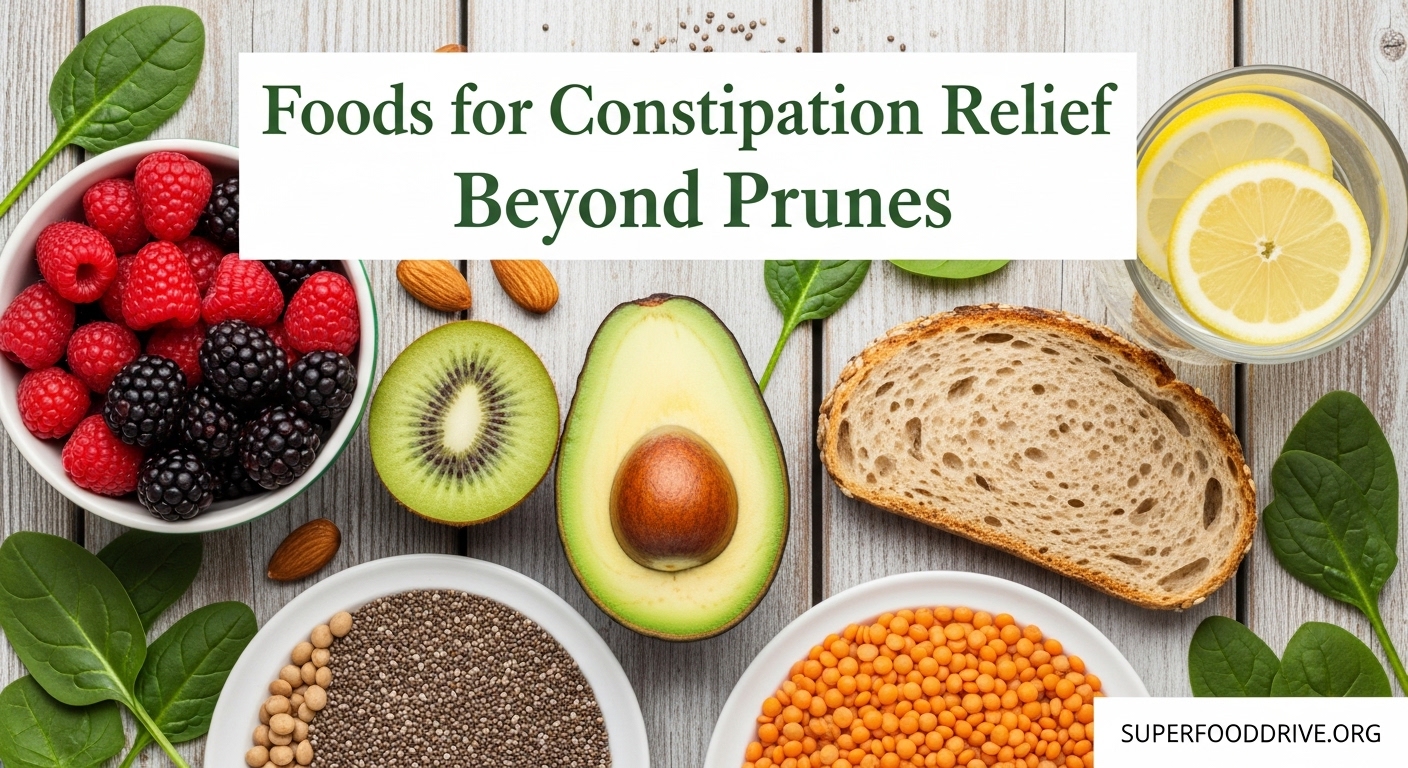
Prunes have earned their reputation as nature’s constipation remedy. They work well for many people, but they come with a common complaint that nobody talks about enough: gas and bloating. If you’ve ever felt uncomfortably full after eating prunes, or if you simply cannot stand their taste, you are not alone.
Is there anything better than prunes for constipation? The answer depends on your body, but many people find that kiwi fruit, pears, and chia seeds provide gentler relief without the digestive drama. In this guide, I will walk you through 10 evidence-backed alternatives that can help you find relief without the side effects that send many people running from prunes.
I spent weeks researching what actually works, looking at clinical studies and real experiences from forums where people share their honest results. What I found surprised me: some foods work faster than prunes, others cause less bloating, and a few options from traditional Japanese medicine might become your new favorites.
Table of Contents
Why Fiber Matters for Regular Bowel Movements
Before diving into specific foods, you need to understand how fiber actually works. Not all fiber is created equal, and knowing the difference helps you choose the right foods for your situation.
There are two main types of fiber, and they work in completely different ways. Soluble fiber dissolves in water and forms a gel-like substance in your digestive tract. This gel slows digestion, which might sound counterproductive, but it also adds water to your stool and makes it softer. Foods rich in soluble fiber include oatmeal, apples, and beans.
Insoluble fiber does not dissolve in water. It acts like a broom, sweeping through your intestines and adding bulk to your stool. This type speeds up transit time and helps food move through your system faster. You will find insoluble fiber in foods like berries, nuts, and the skins of fruits.
Most constipation relief foods contain both types, but the ratio matters. Prunes are high in insoluble fiber and also contain sorbitol, a sugar alcohol that acts as an osmotic agent. This dual action makes them effective but also explains the gas problem. The sorbitol ferments in your gut, creating that uncomfortable bloating feeling.
The average adult needs 25 to 35 grams of fiber daily, but most Americans get only about 15 grams. Increasing fiber suddenly can cause more problems than it solves, so I always recommend adding fiber gradually over two to three weeks while drinking plenty of water.
Foods for Constipation Relief Beyond Prunes: 10 Natural Alternatives
Here are the foods that research and real-world experience show can relieve constipation as well as or better than prunes, often with fewer side effects. I have organized them by how they work so you can choose based on your specific needs.
1. Kiwi Fruit: The Actinidin Advantage
Kiwi fruit has emerged as one of the most promising alternatives to prunes in recent research. A study published in the American Journal of Gastroenterology found that eating two kiwis daily was as effective as prunes for relieving constipation, but with significantly less bloating and gas.
What makes kiwi special is actinidin, a unique enzyme that helps break down proteins and stimulates the digestive system. Kiwis also contain both soluble and insoluble fiber along with natural laxative compounds that draw water into the colon.
The recommended serving is two to three kiwis per day, eaten with the skin on if you can tolerate it. The fuzzy skin contains even more fiber and antioxidants. I eat mine every morning with breakfast, and I notice results within 24 hours consistently.
2. Pears: Nature’s Gentle Laxative
Pears contain high amounts of sorbitol, the same natural sugar alcohol found in prunes, but in a gentler concentration. They provide the osmotic effect that draws water into the intestines without overwhelming your gut bacteria.
The pectin in pears is particularly interesting. This soluble fiber forms a gel that softens stool while also feeding beneficial gut bacteria. Unlike prunes, pears rarely cause the intense gas that sends people searching for alternatives.
For best results, eat pears raw and with the skin on. One medium pear provides about 6 grams of fiber, nearly a quarter of your daily needs. I find that eating a pear about 30 minutes after dinner creates a natural morning routine that feels effortless.
3. Oatmeal: Beta-Glucan Power
Oatmeal contains a specific type of soluble fiber called beta-glucan that works differently from other fibers. It absorbs water and forms a thick gel that moves slowly through your digestive system, keeping stool soft and bulky.
Steel-cut oats contain the most beta-glucan because they are the least processed, followed by rolled oats. Instant oatmeal has less fiber because processing breaks down the grain structure. I switched from instant to steel-cut oats two years ago and noticed a dramatic improvement in my morning regularity.
One cup of cooked oatmeal provides about 4 grams of fiber. Add ground flaxseed or chia seeds on top, and you create a constipation-fighting breakfast that rivals any prune regimen. The warm temperature also helps stimulate digestive muscles.
4. Lentils and Beans: Fiber Champions
If you want concentrated fiber power, look no further than legumes. One cup of cooked lentils contains 15 grams of fiber, more than half your daily requirement in a single serving. Black beans, chickpeas, and split peas are similarly impressive.
Beans contain resistant starch, a special type of carbohydrate that resists digestion in the small intestine and ferments in the large intestine. This fermentation feeds good bacteria and produces compounds that stimulate bowel movements naturally.
The common concern about beans causing gas is valid, but you can minimize this. Soak dried beans overnight and rinse them well before cooking. Start with smaller portions and increase gradually. Lentils cause less gas than larger beans, making them an excellent starting point.
5. Papaya: Digestive Enzyme Boost
Papaya contains papain, a digestive enzyme that breaks down proteins and stimulates the gut. This tropical fruit offers a refreshing alternative when you are tired of typical constipation remedies.
One cup of papaya chunks provides about 3 grams of fiber, but the real magic is the enzyme activity combined with the fruit’s high water content. The combination softens stool and encourages movement through the digestive tract.
I eat papaya for breakfast or as a mid-morning snack. It works particularly well when constipation is caused by a heavy, protein-rich meal the day before. The papain helps break down lingering protein while the fiber gets things moving.
6. Berries: Tiny but Mighty
Raspberries and blackberries are fiber powerhouses disguised as sweet treats. One cup of raspberries contains 8 grams of fiber, making them one of the most fiber-dense foods you can eat.
The tiny seeds in berries provide insoluble fiber that adds bulk and speeds transit time. Unlike prunes, berries rarely cause digestive distress because they do not contain high levels of fermentable sugars. The water content also helps hydrate the colon.
I keep frozen berries in my freezer year-round. They thaw quickly and work perfectly in smoothies, yogurt bowls, or eaten plain. The antioxidant bonus is an added benefit that supports overall health while keeping your digestive system happy.
7. Flaxseeds: The Omega-3 Fiber Duo
Flaxseeds are unique because they contain both types of fiber plus anti-inflammatory omega-3 fatty acids. Two tablespoons of ground flaxseed provide about 4 grams of fiber and a gentle lubricating effect on the intestines.
The mucilage fiber in flaxseeds forms a soothing gel that coats the digestive tract. This can be especially helpful if you have constipation with irritation or inflammation. The omega-3s also support overall gut health by reducing inflammation.
Critical note: you must grind flaxseeds to get the benefits. Whole seeds pass through undigested. I grind a week’s worth and store it in the refrigerator to prevent the healthy fats from going rancid. Add ground flaxseed to oatmeal, smoothies, or baked goods.
8. Chia Seeds: Gel-Forming Superfood
Chia seeds can absorb up to 10 times their weight in water, forming a gel that adds serious bulk to stool. This gel formation also helps regulate bowel movements by creating consistent, predictable stool texture.
Two tablespoons of chia seeds provide 10 grams of fiber, making them one of the most efficient ways to boost your intake. The gel that forms in your stomach also helps you feel full, which is helpful if overeating contributes to your digestive issues.
The key to using chia seeds successfully is proper hydration. Always soak them for at least 10 minutes before eating, or mix them into foods with plenty of liquid. I make overnight chia pudding with almond milk, or I add them to my morning smoothie after soaking.
9. Aloe Vera Juice: The Osmotic Helper
Aloe vera juice works as an osmotic agent similar to prunes, but without the sorbitol that causes gas. The anthraquinone compounds in aloe stimulate bowel contractions and draw water into the colon.
Most people find that 2 to 4 ounces of pure aloe vera juice on an empty stomach in the morning produces results within a few hours. The taste is mildly bitter, so many people mix it with water or a small amount of fruit juice.
Quality matters with aloe vera juice. Look for products that contain the inner leaf gel, not the whole leaf, to avoid compounds that can be harsh on your system. Start with a small amount to test your tolerance, as aloe can work quickly and strongly for some people.
10. Apples: Pectin Perfection
Apples contain pectin, a soluble fiber that feeds beneficial gut bacteria and produces short-chain fatty acids. These acids stimulate bowel movements and reduce inflammation in the digestive tract.
One medium apple with skin provides about 4.5 grams of fiber. The combination of pectin and insoluble fiber from the skin makes apples a balanced choice for regularity. They are also portable, affordable, and available year-round.
Eat apples raw and with the skin for maximum benefit. Cooking breaks down some of the pectin, though stewed apples can be soothing if your digestive system is sensitive. I keep apples in my bag for a fiber-rich snack that prevents constipation before it starts.
How These Foods Compare to Prunes
You might wonder if these alternatives actually work as well as prunes. The research says yes, and in some cases, they work better depending on your specific situation.
Prunes work through three mechanisms: fiber bulk, sorbitol osmosis, and natural compounds that stimulate the colon. The foods in this guide use similar mechanisms but with different balances. Kiwi uses digestive enzymes plus fiber. Chia seeds rely on gel formation. Pears provide sorbitol in gentler amounts.
Where these alternatives shine is in the side effect profile. In forums and clinical feedback, prunes consistently generate complaints about excessive gas, bloating, and even painful cramping. The alternatives I have listed cause these problems far less frequently.
Kiwi fruit has shown equivalent effectiveness to prunes in head-to-head studies with significantly fewer reports of bloating. Chia seeds and flaxseeds provide more consistent results without the urgency that prunes sometimes create. For people with sensitive digestive systems, pears and apples offer gentler, more predictable relief.
The speed of relief varies. Prunes and aloe vera juice often work within hours. Kiwi, pears, and papaya typically show results within 24 hours. High-fiber foods like beans, oats, and chia seeds build regularity over several days when eaten consistently. Choose based on whether you need immediate relief or long-term regularity.
Fast-Acting Methods for Immediate Relief
Sometimes you need relief today, not tomorrow. These traditional remedies can help when you are uncomfortable and need results quickly.
What is the Nurse’s Cocktail for Constipation?
The nurse’s cocktail is an old hospital remedy that nurses have used for decades to help post-surgical patients who need gentle, reliable relief. The recipe is simple: warm one cup of prune juice and stir in one tablespoon of butter or margarine until melted.
The warmth relaxes digestive muscles. The prune juice provides sorbitol and natural laxative compounds. The fat in the butter stimulates the gastrocolic reflex, which triggers your colon to start moving. Together, these ingredients create a gentle but effective remedy that usually works within 2 to 4 hours.
I have used this myself during periods of stubborn constipation, and it works remarkably well. The key is drinking it warm on an empty stomach. Some people use ghee or coconut oil instead of butter if they avoid dairy. If you cannot tolerate prune juice, you can substitute warm pear juice with similar results.
How Do Japanese People Avoid Constipation?
Japan has some of the lowest rates of constipation in the world, despite an aging population that typically struggles with digestive issues. Their dietary habits offer lessons that anyone can apply.
Umeboshi, or pickled plums, are a traditional Japanese remedy that works similarly to prunes but with added benefits. The extreme sourness stimulates saliva and digestive enzymes. The citric acid helps break down food in the stomach. Umeboshi also contains compounds that stimulate the intestines naturally.
Fermented foods play a major role in Japanese digestive health. Miso soup, natto, and pickled vegetables populate the gut with beneficial bacteria that improve motility and stool consistency. Eating fermented foods daily supports long-term regularity better than occasional prune consumption.
The Japanese also prioritize warm foods and drinks, especially in the morning. A bowl of miso soup at breakfast stimulates digestion in a way that cold cereal cannot match. This practice of starting the day with something warm and fermented sets up the digestive system for success.
Hydration and Lifestyle Factors
Food alone cannot solve constipation if you are dehydrated or sedentary. These supporting factors multiply the effectiveness of the foods you eat.
Water is non-negotiable when increasing fiber intake. Fiber needs water to swell and create soft, bulky stool. Without adequate hydration, fiber can actually worsen constipation by forming hard, difficult-to-pass masses. Aim for at least 8 glasses of water daily, and increase this amount when you eat high-fiber foods.
Timing matters. Drinking a large glass of warm water immediately upon waking stimulates the gastrocolic reflex and encourages a morning bowel movement. Many people find that this simple habit, combined with one of the foods listed above, creates reliable regularity.
Coffee and tea offer additional benefits beyond hydration. Caffeine stimulates bowel contractions, which explains why many people head to the bathroom after their morning coffee. Warm liquids in general help relax the digestive tract and encourage movement.
Physical activity is equally important. Walking for just 10 minutes after meals stimulates digestion and reduces transit time. Yoga poses that involve twisting and gentle compression of the abdomen can also help. Your digestive system needs movement to function properly, and a sedentary lifestyle contributes significantly to constipation.
Foods That Make Constipation Worse
While adding the right foods helps, removing the wrong foods is equally important. These common culprits can sabotage your efforts even if you are eating all the right things.
Processed foods are enemy number one. They are stripped of natural fiber during manufacturing and often contain additives that slow digestion. White bread, pastries, chips, and fast food create a sticky, slow-moving mass in your intestines that is difficult to eliminate.
Dairy products cause problems for many people, even those without diagnosed lactose intolerance. The protein in dairy can be hard to digest and creates mucus that slows transit time. If you struggle with constipation, try reducing dairy for two weeks to see if it helps.
Unripe bananas contain resistant starch that actually firms up stool. While ripe bananas can help some people, greenish bananas often make constipation worse. The same pectin that helps in apples works against you in unripe bananas.
Fried and fatty foods slow gastric emptying and can bring digestion to a crawl. They also displace fiber-rich foods in your diet. Reducing fried food intake often produces immediate improvements in bowel regularity.
Special Consideration: Medication-Induced Constipation
Certain medications make constipation nearly inevitable. If you take these, you need a more aggressive approach to dietary management.
GLP-1 medications like Mounjaro, Ozempic, and Wegovy are famous for causing severe constipation. These drugs slow gastric emptying as part of their mechanism of action, which helps with weight loss but wreaks havoc on bowel regularity. If you are on these medications, you likely need the higher-fiber options like chia seeds and beans, plus consistent hydration, just to maintain basic function.
Opioid pain medications are another major culprit. They slow the entire digestive system and can cause constipation that resists dietary intervention alone. If you need opioids for pain management, talk to your doctor about a proactive bowel regimen that may include both foods and medications.
Iron supplements and certain blood pressure medications also cause constipation. Never stop prescribed medications without consulting your doctor, but do discuss constipation management strategies. Sometimes switching formulations or timing doses differently can help.
If you have been constipated for more than three weeks despite dietary changes, or if you experience severe pain, vomiting, or blood in your stool, see a doctor immediately. These are warning signs that require professional evaluation.
Frequently Asked Questions
Is there anything better than prunes for constipation?
Yes, several foods work as well as or better than prunes for many people. Kiwi fruit has shown equal effectiveness in clinical studies with less bloating. Chia seeds provide more consistent long-term regularity. Pears offer similar osmotic effects without the gas. The best choice depends on your specific digestive system and tolerance.
What is the nurse’s cocktail for constipation?
The nurse’s cocktail is a traditional remedy made by warming one cup of prune juice and stirring in one tablespoon of butter or margarine. The warmth relaxes digestive muscles while the fat stimulates the gastrocolic reflex. It typically works within 2 to 4 hours and was commonly used in hospitals for post-surgical patients.
What foods help constipation immediately?
For fastest relief, try aloe vera juice on an empty stomach, warm prune or pear juice, or the nurse’s cocktail. These osmotic agents draw water into the colon and stimulate contractions within hours. Coffee and warm water also stimulate the gastrocolic reflex for quick results.
How do Japanese people avoid constipation?
Japanese dietary habits include daily consumption of fermented foods like miso soup and pickled vegetables, eating umeboshi (pickled plums) as natural digestive stimulants, and starting the day with warm foods and drinks. These habits support beneficial gut bacteria and stimulate natural digestive rhythms.
How long does it take for these foods to work?
Osmotic agents like aloe vera and pear juice often work within 2 to 6 hours. Enzyme-rich foods like kiwi and papaya typically produce results within 24 hours. High-fiber foods like chia seeds and beans build regularity over 2 to 3 days of consistent consumption. Individual results vary based on your metabolism and the severity of constipation.
Conclusion
Prunes are not the only answer for constipation relief, and for many people, they are not even the best answer. The 10 foods for constipation relief beyond prunes outlined in this guide offer gentler, more predictable alternatives that work through different mechanisms to keep your digestive system running smoothly.
Start with kiwi fruit or pears if you want gentle, research-backed relief without the gas. Try chia seeds or flaxseed if you need to build long-term regularity. Keep the nurse’s cocktail in mind for those moments when you need relief today, not tomorrow. And consider adopting Japanese morning habits for sustained digestive health.
Remember that hydration and movement multiply the effectiveness of any food you eat. Drink water consistently, move your body daily, and be patient as your system adjusts to new habits. If constipation persists beyond three weeks despite these changes, consult a healthcare provider to rule out underlying conditions.
Your digestive system is unique, and finding the right combination of foods may take some experimentation. The good news is that you have plenty of options beyond prunes to explore.