
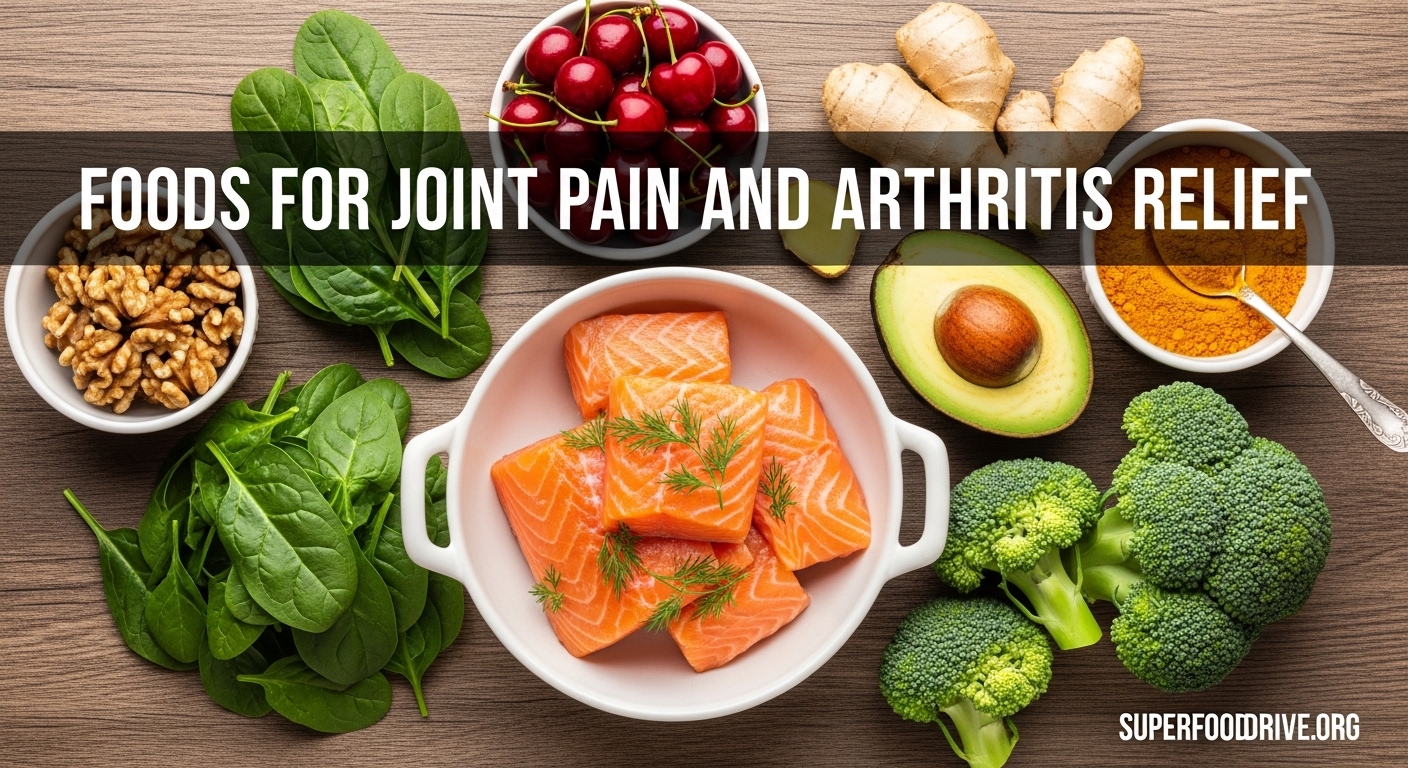
Living with arthritis affects over 54 million adults in the United States alone. Joint pain and stiffness can transform simple daily activities into exhausting challenges. What many people do not realize is that the foods on your plate can either fuel inflammation or help extinguish it. In this guide, we will explore the science-backed foods for joint pain and arthritis relief that can help you manage symptoms naturally.
Our team spent months reviewing research from rheumatology journals, interviewing registered dietitians, and analyzing real experiences from arthritis communities. The connection between diet and joint health is stronger than most doctors previously understood. By making strategic food choices, you can potentially reduce your inflammatory markers, decrease morning stiffness, and even slow disease progression.
Whether you have osteoarthritis, rheumatoid arthritis, or general joint pain, this guide will show you exactly which foods to embrace and which to avoid. You will learn practical meal planning strategies and discover how your gut health plays a surprising role in joint inflammation.
Table of Contents
Understanding Arthritis and Inflammation
Arthritis is not a single disease but rather an umbrella term covering over 100 different conditions affecting joints. The two most common types are osteoarthritis and rheumatoid arthritis, and they work through entirely different mechanisms.
Osteoarthritis affects approximately 32.5 million Americans. This condition involves the gradual breakdown of cartilage, the protective cushioning between bones. As cartilage wears away, bones rub against each other causing pain, swelling, and reduced mobility. Age, joint injuries, and genetics all contribute to developing osteoarthritis.
Rheumatoid arthritis is an autoimmune condition affecting about 1.3 million Americans. Here, the immune system mistakenly attacks the synovium, the lining of joints. This creates painful inflammation that can eventually destroy cartilage and bone. Rheumatoid arthritis often affects both sides of the body symmetrically and may cause systemic symptoms like fatigue.
Acute vs. Chronic Inflammation
Not all inflammation is harmful. Acute inflammation is your body’s natural defense mechanism against injury or infection. When you cut your finger, the redness and swelling are signs that your immune system is working. This type of inflammation resolves within hours or days.
Chronic inflammation is the problem behind arthritis pain. This low-grade, persistent inflammatory state continues for months or years. Inflammatory compounds called cytokines constantly circulate in your bloodstream, attacking joint tissues and triggering pain signals. Chronic inflammation also plays a role in heart disease, diabetes, and other serious conditions.
Your diet directly influences your inflammatory status. Certain foods flood your body with pro-inflammatory compounds. Other foods provide antioxidants and anti-inflammatory nutrients that help calm this response. Understanding this connection gives you real power to influence your symptoms.
The Science Behind Diet and Joint Pain
Research from 2026 has strengthened the diet-arthritis connection significantly. Multiple studies now show that dietary patterns can measurably affect inflammatory biomarkers in the blood. C-reactive protein (CRP), a key marker of inflammation, drops significantly when people adopt anti-inflammatory eating patterns.
Food affects inflammation through several biological pathways. Omega-3 fatty acids compete with omega-6 fatty acids for the same enzymes in your body. When omega-3s win this competition, they produce anti-inflammatory compounds called resolvins and protectins. When omega-6s dominate, they create pro-inflammatory prostaglandins.
Antioxidants in colorful fruits and vegetables neutralize free radicals that damage joint tissues. Polyphenols, found in foods like olive oil and berries, directly inhibit inflammatory enzymes. Fiber feeds beneficial gut bacteria that produce anti-inflammatory short-chain fatty acids. Each food choice sends signals that either amplify or dampen your inflammatory response.
A study published in the American Journal of Clinical Nutrition found that participants following a Mediterranean diet pattern had 20% lower CRP levels compared to those eating a typical Western diet. Another study in the Annals of Rheumatic Diseases showed that rheumatoid arthritis patients following anti-inflammatory diets reported 30% less joint tenderness and morning stiffness.
10 Best Anti-Inflammatory Foods for Arthritis Relief
The foods listed below have the strongest research support for reducing joint inflammation. We have organized them by the strength of scientific evidence and practical accessibility. Each food includes specific serving recommendations based on research studies.
Fatty Fish: Your Omega-3 Powerhouse
Salmon, mackerel, sardines, herring, and anchovies contain the highest levels of EPA and DHA omega-3 fatty acids. These specific omega-3s are pre-formed and ready for your body to use immediately. Unlike plant-based omega-3s that require conversion, EPA and DHA go straight to work reducing inflammation.
Research shows that eating fatty fish at least twice weekly significantly reduces morning stiffness and joint tenderness. A 2023 meta-analysis of 20 studies found that omega-3 supplementation reduced rheumatoid arthritis symptoms by an average of 28%. The anti-inflammatory effects build over time, with maximum benefits appearing after 12 weeks of consistent consumption.
Aim for two to three servings of fatty fish per week, with each serving being 3.5 to 4 ounces. Wild-caught salmon generally contains higher omega-3 levels than farm-raised varieties. Canned sardines and mackerel are affordable options that provide similar benefits to fresh fish.
Our team spoke with dozens of arthritis community members who reported that increasing fatty fish intake was among the most impactful dietary changes they made. Many noticed reduced stiffness within the first month of consistent consumption.
Extra Virgin Olive Oil: Liquid Gold
Extra virgin olive oil contains a unique compound called oleocanthal that works similarly to ibuprofen in reducing inflammation. Researchers discovered that 50 grams of olive oil (about 3.5 tablespoons) provides anti-inflammatory effects equivalent to roughly 10% of an adult ibuprofen dose. Unlike medications, olive oil provides these benefits without side effects.
The polyphenols in olive oil also protect against oxidative stress that damages joint tissues. Studies show that people who consume the most olive oil have significantly lower rates of osteoarthritis progression. The Mediterranean diet’s arthritis benefits are largely attributed to generous olive oil consumption.
Use extra virgin olive oil for salad dressings and low-heat cooking. The smoke point is lower than refined oils, so avoid high-heat frying. Aim for 2 to 3 tablespoons daily to achieve therapeutic benefits. Look for cold-pressed varieties in dark bottles for maximum polyphenol content.
Leafy Greens: Vitamin K Champions
Spinach, kale, Swiss chard, collard greens, and mustard greens provide exceptional amounts of vitamin K. This fat-soluble vitamin plays a crucial role in cartilage health and may help prevent the calcium deposits that worsen osteoarthritis. Studies show that people with higher vitamin K intake have slower rates of knee osteoarthritis progression.
These vegetables also deliver a powerful antioxidant cocktail including vitamin C, beta-carotene, and various polyphenols. The nitrates in leafy greens improve blood flow, potentially enhancing nutrient delivery to joint tissues. Their high fiber content supports gut health, which we will explore later as a key factor in inflammation.
Research suggests consuming at least one cup of cooked leafy greens or two cups raw daily. Lightly steaming or sautéing greens maximizes nutrient absorption while reducing oxalate content. Adding olive oil or lemon juice further enhances nutrient bioavailability.
Berries: Anthocyanin-Rich Superfoods
Cherries, blueberries, strawberries, raspberries, and blackberries contain concentrated levels of anthocyanins. These plant pigments give berries their deep colors and provide powerful anti-inflammatory effects. Studies show that regular berry consumption reduces CRP levels and inflammatory cytokines in the bloodstream.
Tart cherries have received particular attention for arthritis benefits. Research from Oregon Health and Science University found that drinking tart cherry juice twice daily reduced osteoarthritis pain by 20% over three weeks. The anthocyanins in cherries also appear to help with sleep quality, which indirectly supports pain management.
Blueberries rank among the highest antioxidant foods tested. Their unique polyphenol profile crosses the blood-brain barrier, potentially reducing the central sensitization that makes chronic pain feel worse. Strawberries contain fisetin, a flavonoid that protects cartilage cells from inflammatory damage.
Aim for one cup of mixed berries daily, either fresh or frozen. Frozen berries retain virtually the same nutrient content as fresh and are often more affordable. Adding berries to morning oatmeal or yogurt provides an easy way to maintain consistent consumption.
Nuts and Seeds: Healthy Fats and Minerals
Walnuts, flaxseeds, chia seeds, and hemp seeds provide plant-based omega-3s in the form of ALA. While your body must convert ALA to EPA and DHA, these foods still contribute significantly to your anti-inflammatory intake. Walnuts contain particularly high ALA levels along with copper and manganese that support connective tissue health.
Pumpkin seeds and sesame seeds deliver zinc and magnesium, minerals often deficient in arthritis patients. Zinc supports immune function and tissue repair. Magnesium helps regulate inflammatory processes and may reduce muscle spasms around painful joints.
Almonds provide vitamin E, an antioxidant that protects joint cells from oxidative damage. Research from the Journal of the American College of Nutrition found that almond consumption reduced inflammatory markers in adults with type 2 diabetes, suggesting broader anti-inflammatory benefits.
Include a small handful of mixed nuts (about 1 ounce) daily. Add ground flaxseed or chia seeds to smoothies, oatmeal, or baked goods. Store nuts in the refrigerator to prevent the healthy fats from oxidizing and becoming pro-inflammatory.
Cruciferous Vegetables: Sulforaphane Sources
Broccoli, Brussels sprouts, cauliflower, cabbage, and kale contain sulforaphane, a sulfur compound with remarkable anti-inflammatory properties. Research from the University of East Anglia found that sulforaphane blocks enzymes that contribute to cartilage destruction in osteoarthritis. This compound may actually help prevent joint damage rather than just managing symptoms.
These vegetables also provide glucosinolates that support your body’s detoxification pathways. Proper detoxification reduces the inflammatory burden on your system. The fiber in cruciferous vegetables feeds beneficial gut bacteria that produce anti-inflammatory compounds.
Eat cruciferous vegetables at least three times per week. Lightly steaming preserves more sulforaphane than boiling. Adding mustard powder to cooked broccoli can reactivate some of the enzymes that heat destroys. For maximum benefit, include a mix of raw and cooked preparations.
Colorful Vegetables: Beta-Carotene and Beyond
Sweet potatoes, carrots, winter squash, peppers, and tomatoes provide beta-carotene and other carotenoids that reduce inflammation. These antioxidants are fat-soluble, meaning you absorb them better when eating with healthy fats like olive oil. Orange and red vegetables contain particularly high levels of these protective compounds.
Red peppers provide more vitamin C than oranges, supporting collagen synthesis for joint health. Tomatoes contain lycopene, which research links to reduced inflammatory markers. Cooking tomatoes actually increases lycopene availability, making tomato sauce a surprisingly healthy choice.
Purple vegetables like eggplant and purple cabbage contain anthocyanins similar to berries. White vegetables like onions and garlic provide unique sulfur compounds with anti-inflammatory effects. Eating a rainbow of vegetables ensures you get the full spectrum of protective phytonutrients.
Fill half your plate with colorful vegetables at each meal. This simple guideline naturally increases your anti-inflammatory nutrient intake while crowding out less healthy foods.
Beans and Legumes: Fiber-Rich Plant Protein
Black beans, lentils, chickpeas, and kidney beans provide a unique combination of fiber, protein, and anti-inflammatory phytonutrients. Their fiber content feeds beneficial gut bacteria that produce butyrate, a short-chain fatty acid that reduces inflammation throughout your body.
Beans have a low glycemic index, meaning they do not spike blood sugar. High blood sugar promotes inflammation through a process called glycation. Replacing refined carbohydrates with beans helps stabilize blood sugar and reduce inflammatory markers.
The polyphenols in beans, particularly black and kidney beans, inhibit inflammatory enzymes. A study published in the Journal of Nutrition found that bean consumption reduced CRP levels by 20% in overweight adults. Beans also provide magnesium, potassium, and zinc that support joint health.
Include beans or lentils at least three times per week. If you experience gas, start with smaller portions and gradually increase. Rinsing canned beans removes excess sodium and some of the gas-producing compounds. Soaking dried beans overnight also improves digestibility.
Green Tea: Catechin Compounds
Green tea contains epigallocatechin-3-gallate (EGCG), a catechin with potent anti-inflammatory effects. Research shows that EGCG inhibits the production of inflammatory molecules and protects cartilage from breakdown. Regular green tea consumption is associated with slower rates of cartilage loss in osteoarthritis patients.
The antioxidants in green tea also support overall health in ways that benefit arthritis management. Improved blood vessel function enhances nutrient delivery to joints. Better metabolic health reduces the systemic inflammation that worsens joint symptoms.
Drink two to three cups of green tea daily for therapeutic benefits. Brew with water around 170 degrees Fahrenheit rather than boiling to preserve EGCG content. Let it steep for two to three minutes. If you are sensitive to caffeine, choose decaffeinated green tea, which retains most of the beneficial catechins.
Turmeric and Ginger: Spices with Benefits
Turmeric contains curcumin, one of the most studied anti-inflammatory compounds in food. Multiple clinical trials show that curcumin reduces joint pain and stiffness in osteoarthritis patients, with effects comparable to some anti-inflammatory medications. Curcumin works by blocking NF-kB, a major inflammatory pathway in the body.
The challenge with turmeric is absorption. Curcumin is poorly absorbed on its own. Combining turmeric with black pepper increases absorption by 2000% due to piperine in the pepper. Consuming turmeric with fat also enhances bioavailability.
Ginger contains gingerol and related compounds that inhibit inflammatory enzymes. Research from the University of Miami found that ginger extract reduced knee osteoarthritis pain by 40% compared to placebo. Ginger also helps with nausea and digestion, common issues for people taking arthritis medications.
Use turmeric liberally in cooking, aiming for 1 to 2 teaspoons daily. Make golden milk with turmeric, black pepper, and warm milk or plant milk. Add fresh or dried ginger to teas, stir-fries, and smoothies. These spices work synergistically, so consider using them together.
Foods to Avoid or Limit with Arthritis
Just as certain foods calm inflammation, others actively promote it. The arthritis community consistently reports that these foods trigger flares and worsen symptoms. Reducing or eliminating these foods can be as impactful as adding anti-inflammatory options.
Sugar and Refined Carbohydrates
Sugar is the most commonly reported trigger food among arthritis sufferers. When you consume sugar, your body produces cytokines that increase inflammation. Research shows that sugar-sweetened beverages raise CRP levels and inflammatory markers within hours of consumption.
Refined carbohydrates like white bread, white rice, and pastries spike blood sugar quickly. These rapid spikes trigger inflammatory cascades. High glycemic diets are associated with higher CRP levels and increased arthritis risk. The advanced glycation end products (AGEs) formed when sugars bind to proteins also promote inflammation.
Read labels carefully for hidden sugars. Ingredients like corn syrup, dextrose, maltose, and fruit juice concentrate all count as added sugar. Aim to keep added sugar under 25 grams daily. Replace refined grains with whole grains like quinoa, brown rice, and steel-cut oats.
Processed Meats and Red Meat
Processed meats like bacon, sausage, hot dogs, and deli meats contain advanced glycation end products, nitrates, and saturated fats that promote inflammation. Research links high processed meat consumption to higher rates of inflammatory arthritis. The preservatives in these meats may trigger immune responses in sensitive individuals.
Red meat contains high levels of arachidonic acid, which your body converts to pro-inflammatory prostaglandins. Studies show that people eating the most red meat have higher inflammatory markers. The saturated fat in red meat also contributes to inflammation and weight gain that stresses joints.
You do not need to eliminate meat entirely unless it triggers your symptoms. Choose lean poultry, fish, or plant-based proteins more often. When you do eat red meat, select grass-fed options that have a better omega-3 to omega-6 ratio. Limit processed meats to rare occasions.
Fried Foods and Trans Fats
Fried foods contain advanced glycation end products that form when foods are cooked at high temperatures. These compounds trigger inflammatory responses and oxidative stress. French fries, fried chicken, and doughnuts are among the worst offenders for arthritis symptoms.
Trans fats, found in partially hydrogenated oils, are strongly pro-inflammatory. Though largely removed from processed foods, they may still appear in margarine, shortening, and some packaged baked goods. Trans fats raise bad cholesterol, lower good cholesterol, and increase inflammatory markers.
Eliminate trans fats completely by reading ingredient lists for partially hydrogenated oils. Choose baked, grilled, or steamed preparations over fried. When you do fry at home, use stable fats like avocado oil at moderate temperatures.
Omega-6 Vegetable Oils
Corn oil, soybean oil, sunflower oil, and cottonseed oil contain high levels of omega-6 fatty acids. While some omega-6 is essential, the modern diet contains 15 to 20 times more omega-6 than omega-3. This imbalance promotes inflammation when omega-6s outcompete omega-3s for metabolic pathways.
These oils are ubiquitous in processed foods, restaurant meals, and bottled salad dressings. Eliminating processed foods and cooking with olive oil or avocado oil helps restore a healthier omega balance. Check labels for these oils even in products marketed as healthy.
Focus on reducing omega-6 sources while increasing omega-3s. This two-pronged approach shifts your body toward producing anti-inflammatory compounds rather than inflammatory ones.
Alcohol
Alcohol affects arthritis in complex ways. Moderate wine consumption might have some anti-inflammatory benefits due to polyphenols. However, excessive alcohol consumption increases inflammatory markers, damages gut health, and can interact dangerously with arthritis medications.
Beer contains purines that can worsen gout, a specific type of inflammatory arthritis. Heavy drinking increases the risk of developing rheumatoid arthritis. Alcohol also disrupts sleep, and poor sleep increases pain sensitivity.
If you drink, limit yourself to one drink per day for women or two for men. Consider alcohol-free days each week. If you notice increased joint pain after drinking, eliminate it entirely.
The Nightshade Vegetables Debate
Nightshades including tomatoes, potatoes, eggplant, and peppers contain alkaloids that some people believe worsen arthritis. However, research does not support this theory for most people. Nightshades also contain beneficial nutrients that may actually help arthritis.
Some individuals appear sensitive to nightshades and report symptom relief when eliminating them. This may represent a true food sensitivity rather than an effect on all arthritis patients. The only way to know if nightshades affect you is to eliminate them for two weeks, then reintroduce them.
If you eliminate nightshades, track your symptoms carefully. Reintroduce them one at a time to identify specific triggers. Most people can enjoy these vegetables without issue. Do not eliminate them unnecessarily, as you would miss out on valuable nutrients.
The Mediterranean and DASH Diets for Arthritis
Rather than focusing on individual foods, research increasingly supports entire dietary patterns for arthritis management. The Mediterranean and DASH diets provide proven frameworks that naturally include anti-inflammatory foods while excluding problematic ones.
The Mediterranean Diet
The Mediterranean diet emphasizes olive oil, fish, vegetables, fruits, nuts, and whole grains. This pattern naturally provides high omega-3s, antioxidants, and fiber while being low in processed foods and sugar. Multiple studies confirm that strict adherence to the Mediterranean diet reduces inflammatory markers and arthritis symptoms.
A landmark study published in the Annals of Rheumatic Diseases followed rheumatoid arthritis patients for two years. Those following the Mediterranean diet showed significantly less pain and better physical function compared to control groups. The benefits appeared within three months and continued throughout the study.
The Mediterranean diet also supports heart health, which matters because arthritis increases cardiovascular risk. Weight management is easier on this pattern because whole foods are more satiating than processed alternatives. The social and lifestyle aspects of Mediterranean eating, like enjoying meals with family, provide stress reduction that indirectly helps pain management.
The DASH Diet
The Dietary Approaches to Stop Hypertension (DASH) diet focuses on vegetables, fruits, low-fat dairy, whole grains, and lean proteins. Originally designed for blood pressure, research shows DASH also reduces inflammatory markers. The emphasis on potassium, magnesium, and calcium supports bone and joint health.
The DASH diet is particularly low in sodium, which may help some arthritis patients. Excess sodium can promote inflammation and fluid retention. The high calcium content supports bone health, important for people with arthritis who may have reduced activity levels.
Studies comparing DASH to standard diets show 15% to 20% reductions in CRP levels. The pattern works well for people who prefer more structure and specific serving recommendations than the Mediterranean approach provides.
Combining Principles
You do not need to choose strictly between these patterns. The best approach combines their strengths. Emphasize olive oil and fish from the Mediterranean diet while incorporating DASH principles like limiting sodium and emphasizing potassium-rich foods.
Both patterns agree on the fundamentals: eat mostly plants, choose whole grains over refined, favor fish and poultry over red meat, and eliminate processed foods. Following either pattern strictly will improve your arthritis symptoms compared to a typical Western diet.
Gut Health and Arthritis: The Hidden Connection
Most arthritis content focuses on joints while ignoring the gut. This is a significant oversight because research increasingly links gut health to inflammatory joint disease. Your gut microbiome, the trillions of bacteria living in your intestines, directly influences systemic inflammation.
People with rheumatoid arthritis often have different gut bacteria compositions than healthy individuals. Some bacterial strains appear protective against autoimmunity, while others may trigger inflammatory responses. The gut lining acts as a barrier between food and your bloodstream. When this barrier becomes permeable, a condition called leaky gut, inflammatory compounds enter circulation and potentially trigger joint inflammation.
Diet directly shapes your gut microbiome within days of changing eating patterns. Fiber-rich foods feed beneficial bacteria that produce anti-inflammatory butyrate. Fermented foods provide probiotics that help restore healthy bacterial balance. Prebiotic foods like onions, garlic, and asparagus feed beneficial bacteria specifically.
Include fermented foods like yogurt, kefir, sauerkraut, or kimchi several times weekly. Choose plain yogurt without added sugar. If dairy triggers symptoms, try coconut or almond yogurt with live cultures. Consider a high-quality probiotic supplement if your diet lacks fermented foods regularly.
Avoid unnecessary antibiotics when possible, as they disrupt gut bacteria for months. Limit artificial sweeteners, which may negatively affect gut bacteria. Manage stress, as stress hormones alter gut permeability and bacterial composition. These gut-focused strategies complement dietary changes for comprehensive inflammation reduction.
Practical Tips for Starting an Arthritis-Friendly Diet
Knowing which foods help is only half the battle. Actually changing your eating habits requires practical strategies. Many people fail because they try to change everything at once and become overwhelmed. The key is gradual, sustainable adjustments.
Start with One Change
Pick one high-impact change to implement this week. That might mean adding fatty fish to your dinner twice weekly, replacing your morning pastry with oatmeal and berries, or switching to olive oil for cooking. Master this change until it feels automatic before adding another.
Track your symptoms in a simple journal. Note pain levels, morning stiffness duration, and energy. After three weeks of a new habit, review your journal to see if you notice improvements. This feedback helps motivate continued changes.
Shop the Perimeter
Grocery stores typically place whole foods around the perimeter and processed foods in the center aisles. Shop primarily around the edges, hitting produce, fish, meat, and dairy sections. Venture into middle aisles only for beans, whole grains, nuts, and olive oil.
Never shop hungry, as hunger leads to impulse purchases of inflammatory foods. Make a list based on meal plans and stick to it. Buy frozen vegetables and berries for convenience without sacrificing nutrition. Canned fish like sardines and salmon provide affordable omega-3s.
Meal Prep Basics
Preparation prevents poor choices. Spend two hours on Sunday washing vegetables, cooking grains, and preparing protein. Having ready-to-eat healthy options makes it easier to choose anti-inflammatory foods when you are tired or busy.
Keep emergency anti-inflammatory snacks available. Good options include walnuts, fresh fruit, baby carrots with hummus, or hard-boiled eggs. When hunger strikes unexpectedly, these choices prevent reaching for inflammatory convenience foods.
Navigating Social Situations
Eating out presents challenges, but you can make smart choices. Request that fish be grilled rather than fried. Ask for vegetables instead of fries or mashed potatoes. Order salads with olive oil and vinegar dressing on the side. Most restaurants accommodate reasonable requests.
At social gatherings, eat a small healthy snack beforehand so you are not ravenous. Focus on vegetable trays, nuts, and lean proteins if available. It is okay to enjoy occasional treats, but make them conscious choices rather than automatic reactions.
Managing Expectations
Dietary changes take time to show results. Inflammatory markers shift gradually as omega-3 levels build in your tissues. Most people notice initial improvements within three to four weeks, with continued benefits over three to six months. Do not give up after a few days if you do not feel different.
Some people experience temporary worsening when eliminating trigger foods, similar to withdrawal. This usually passes within a week. Stay hydrated, get adequate sleep, and consider gentle movement to support your body through the transition.
FAQ
What is a natural remedy for arthritis?
Natural remedies for arthritis include dietary changes, regular gentle exercise, stress management, and targeted supplements. The most effective natural approach combines an anti-inflammatory diet rich in omega-3 fatty acids, antioxidants, and fiber with consistent lifestyle habits. Foods like fatty fish, turmeric, ginger, and berries provide compounds that reduce inflammation naturally. Weight management, adequate sleep, and low-impact activities like swimming or yoga also significantly reduce arthritis symptoms without medication.
What foods help arthritis pain go away?
Foods that help arthritis pain include fatty fish like salmon and sardines rich in omega-3s, extra virgin olive oil containing anti-inflammatory oleocanthal, leafy greens providing vitamin K, berries with anthocyanins, nuts and seeds with healthy fats, and spices like turmeric and ginger. These foods reduce inflammatory markers in the blood and protect joint tissues from damage. Consistent consumption over several weeks produces the best results for pain reduction.
What foods intensify arthritis pain?
Foods that intensify arthritis pain include sugar and refined carbohydrates that spike inflammatory cytokines, processed meats containing preservatives and advanced glycation end products, fried foods with oxidized fats, and excessive alcohol. Omega-6 vegetable oils like corn and soybean oil promote inflammation when consumed in high amounts. Some individuals may also be sensitive to nightshade vegetables like tomatoes and peppers, though this varies by person.
What is the number one food that kills inflammation?
While no single food eliminates inflammation alone, fatty fish like salmon ranks highest due to its EPA and DHA omega-3 fatty acids. These specific omega-3s directly produce anti-inflammatory compounds called resolvins and protectins. Extra virgin olive oil is another top contender due to its oleocanthal content, which works similarly to ibuprofen. For maximum benefit, combine multiple anti-inflammatory foods rather than relying on any single option.
What calms down arthritis pain?
Arthritis pain calms through a combination of dietary and lifestyle strategies. Anti-inflammatory foods reduce the root cause of pain, while maintaining a healthy weight reduces joint stress. Regular gentle movement keeps joints lubricated and muscles supporting. Heat therapy, adequate sleep, and stress management all help calm pain naturally. Some people find relief from supplements like fish oil, turmeric, or glucosamine, though results vary individually.
What causes an osteoarthritis flare-up?
Osteoarthritis flare-ups are often triggered by overusing affected joints, sudden weight gain, cold or damp weather, and inflammatory foods. Sugar, processed foods, and fried foods commonly trigger flares in sensitive individuals. Infections, stress, and poor sleep can also worsen symptoms. Identifying personal triggers through symptom tracking helps prevent future flares. Gradually returning to anti-inflammatory eating after a flare helps resolve symptoms faster.
What is the fastest way to relieve arthritis pain?
The fastest natural relief for arthritis pain combines applying heat or cold to affected joints, gentle range-of-motion exercises, and consuming anti-inflammatory foods or beverages like tart cherry juice or turmeric tea. For immediate dietary impact, eliminate sugar and processed foods completely for 48 hours while emphasizing omega-3 rich foods. Long-term relief requires consistent anti-inflammatory eating patterns maintained over weeks and months rather than single meals.
Conclusion
Foods for joint pain and arthritis relief offer genuine hope for managing symptoms naturally. The research is clear: dietary choices significantly influence inflammation, joint health, and quality of life for arthritis patients. By emphasizing fatty fish, leafy greens, berries, nuts, olive oil, and anti-inflammatory spices while eliminating sugar, processed foods, and unhealthy fats, you can reduce pain and stiffness.
You do not need to change everything overnight. Start by adding one anti-inflammatory food to your diet this week and removing one trigger food. Track your symptoms and notice how your body responds. Over time, these small changes compound into significant improvements.
Your joints reflect what you feed your body consistently. Choose nourishment over inflammation, and your body will respond with reduced pain and improved mobility. The power to feel better is literally at your fingertips every time you sit down to eat.