
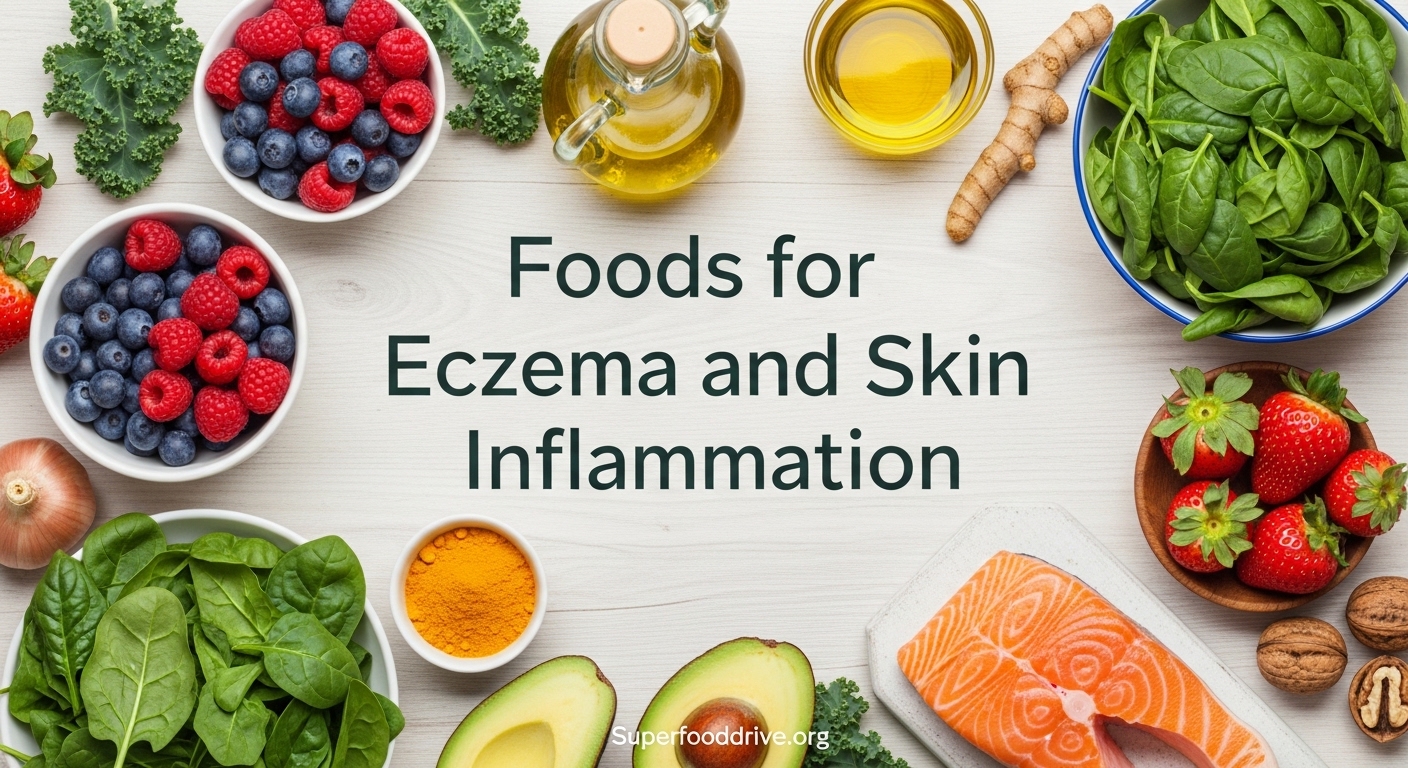
If you are struggling with eczema or chronic skin inflammation, what you eat can make a real difference. While diet alone will not cure eczema, research shows that certain foods help reduce inflammation and support skin health from within.
I have researched the connection between nutrition and skin conditions extensively, and I can tell you that many people experience fewer flare-ups when they focus on anti-inflammatory foods. This guide covers everything you need to know about using food to manage eczema symptoms.
You will learn which foods calm inflammation, which ones trigger symptoms, and how to create a sustainable eating plan that works for your lifestyle. Let us explore the evidence-based approach to eating for healthier skin.
Table of Contents
Understanding Eczema and the Inflammation Connection
Eczema, also called atopic dermatitis, is a chronic skin condition that causes dry, itchy, and inflamed patches of skin. It affects over 31 million Americans, making it one of the most common skin conditions worldwide. The underlying cause involves a combination of genetic factors, immune system dysfunction, and environmental triggers.
Inflammation lies at the heart of eczema symptoms. When your immune system overreacts to triggers, it releases inflammatory compounds called cytokines. These chemicals cause redness, swelling, itching, and skin barrier damage. This is where food for eczema and skin inflammation becomes relevant.
The Gut-Skin Axis: Why Your Digestion Matters
Scientists have discovered a strong connection between gut health and skin health called the gut-skin axis. Your gut microbiome, the trillions of bacteria living in your digestive tract, plays a major role in regulating inflammation throughout your body.
When your gut bacteria are out of balance, a condition called dysbiosis, your body produces more inflammatory compounds. Research published in 2026 shows that people with eczema often have different gut bacteria compositions compared to those without skin conditions. Supporting a healthy gut with probiotic foods can help reduce systemic inflammation and improve skin symptoms.
Nutrient Deficiencies Common in Eczema
People with eczema often have lower levels of certain nutrients that support skin health and immune function. Studies have identified deficiencies in vitamin D, zinc, omega-3 fatty acids, and quercetin among eczema sufferers.
Addressing these deficiencies through diet can help strengthen your skin barrier and reduce inflammatory responses. This does not mean supplements alone will fix eczema, but getting these nutrients from whole foods supports your body’s natural healing processes.
Anti-Inflammatory Foods for Eczema: What to Eat
Building an eczema-friendly diet starts with adding foods that actively reduce inflammation. These foods contain compounds that calm the immune system, support skin barrier function, and provide essential nutrients for healing.
Fatty Fish Rich in Omega-3 Fatty Acids
Fatty fish are among the most powerful anti-inflammatory foods you can eat. Salmon, mackerel, sardines, herring, and trout contain high levels of omega-3 fatty acids, specifically EPA and DHA. These healthy fats reduce the production of inflammatory compounds in your body.
Research shows that regular consumption of omega-3 rich fish can reduce eczema severity. Aim for 2-3 servings per week. If you do not eat fish, consider algae-based omega-3 supplements or plant sources like flaxseeds and walnuts, though these provide a different form of omega-3s that your body must convert.
Quercetin-Rich Foods
Quercetin is a flavonoid with powerful anti-inflammatory and antihistamine properties. This natural compound helps stabilize mast cells, which release histamine that can trigger itching and inflammation in eczema.
Apples (especially with skin), onions, broccoli, blueberries, and capers are excellent sources of quercetin. Green and black tea also contain this beneficial compound. Adding these foods to your daily diet can help reduce histamine-related symptoms.
Colorful Fruits and Vegetables
Brightly colored fruits and vegetables contain flavonoids and antioxidants that fight inflammation. Berries, cherries, oranges, bell peppers, leafy greens, and sweet potatoes provide a wide range of protective compounds.
Tomatoes deserve special mention for their lycopene content, though some people with eczema find nightshade vegetables trigger symptoms. If you tolerate them, cooked tomatoes offer more bioavailable lycopene than raw. Red peppers, strawberries, and purple grapes also pack anti-inflammatory benefits.
Probiotic Foods for Gut Health
Since gut health directly impacts skin inflammation, probiotic foods are essential for an eczema-friendly diet. These foods contain beneficial bacteria that support a healthy microbiome and reduce systemic inflammation.
Yogurt with live cultures, kefir, sauerkraut, kimchi, miso, and tempeh are excellent probiotic sources. Start slowly if you are new to fermented foods, as they can cause temporary digestive adjustments. Some people with histamine intolerance may need to limit certain fermented foods.
Other Beneficial Foods
Avocados provide healthy monounsaturated fats and vitamin E, which supports skin health. Nuts and seeds, especially walnuts, almonds, and chia seeds, offer omega-3s, zinc, and vitamin E.
Sweet potatoes and other orange vegetables provide beta-carotene, which your body converts to vitamin A. Leafy greens like spinach and kale offer folate, iron, and antioxidants. Bone broth contains collagen and amino acids that may support skin barrier repair.
Foods to Avoid with Eczema: Common Triggers
Just as some foods help eczema, others can trigger flare-ups. Identifying and avoiding your personal triggers is crucial for managing symptoms. Keep in mind that triggers vary significantly between individuals.
Common Food Allergens
The eight most common food allergens are dairy, eggs, fish, shellfish, tree nuts, peanuts, wheat, and soybeans. Many people with eczema have food allergies or sensitivities that worsen their symptoms.
Dairy is frequently reported as a trigger, with many eczema sufferers experiencing improvements when they eliminate milk, cheese, and other dairy products. Gluten-containing grains affect some people, particularly those with celiac disease or gluten sensitivity. Eggs are another common trigger, especially in children with eczema.
High-Histamine Foods
Histamine is a chemical involved in immune responses that causes itching, redness, and swelling. Some foods are naturally high in histamine or trigger histamine release in the body.
Aged cheeses, fermented foods, processed meats, alcohol, shellfish, and certain fish are high in histamine. Spinach, tomatoes, and eggplant also contain moderate amounts. If you notice itching or flushing after eating these foods, you may have histamine sensitivity.
Processed and Inflammatory Foods
Ultra-processed foods are major contributors to inflammation. These include packaged snacks, fast food, sugary drinks, refined carbohydrates, and foods made with industrial vegetable oils.
Added sugars spike blood glucose and trigger inflammatory responses. Refined grains lack the fiber and nutrients that help regulate inflammation. Trans fats and excess omega-6 fatty acids from processed vegetable oils promote inflammatory pathways in your body.
Nightshades and Individual Triggers
Nightshade vegetables, including tomatoes, peppers, eggplant, and potatoes, contain alkaloids that some people find irritating. While not everyone with eczema reacts to nightshades, they are worth eliminating if you suspect they trigger your symptoms.
Other potential triggers include citrus fruits, chocolate, and certain spices. The best approach is to track your symptoms and identify patterns. What triggers one person may not affect another.
Diet Plans and Strategies for Managing Eczema
Several dietary approaches show promise for managing eczema symptoms. The key is finding a sustainable plan that addresses your specific triggers while providing complete nutrition.
The Elimination Diet Protocol
An elimination diet is the gold standard for identifying food triggers. This approach removes common trigger foods for 3-4 weeks, then systematically reintroduces them one at a time while monitoring symptoms.
Start by eliminating dairy, gluten, eggs, soy, nuts, and processed foods. Focus on whole, anti-inflammatory foods during the elimination phase. After 3-4 weeks, reintroduce one food every 3-4 days, watching for any reactions like increased itching, redness, or digestive issues.
This process takes time and patience, but it provides personalized information about your triggers. Work with a healthcare provider or registered dietitian to ensure you maintain proper nutrition during elimination.
Mediterranean Diet Approach
The Mediterranean diet naturally emphasizes anti-inflammatory foods. It focuses on fatty fish, olive oil, fruits, vegetables, whole grains, legumes, and moderate amounts of dairy and wine.
Research shows that people following Mediterranean eating patterns have lower levels of inflammatory markers. This diet provides abundant omega-3s, antioxidants, and fiber that support both gut and skin health.
Anti-Inflammatory Diet Principles
An anti-inflammatory diet focuses on whole, unprocessed foods while minimizing inflammatory triggers. Key principles include eating plenty of vegetables and fruits, choosing whole grains over refined, prioritizing healthy fats, and including lean proteins.
This approach emphasizes food quality and preparation methods. Choose organic produce when possible to avoid pesticide exposure. Cook with anti-inflammatory oils like olive oil or avocado oil. Avoid deep-fried foods and choose gentle cooking methods like steaming or baking.
Working with Healthcare Providers
Always consult healthcare professionals before making major dietary changes, especially for children or if you have other health conditions. A registered dietitian can help ensure you get adequate nutrition while avoiding triggers.
Allergy testing may identify specific food allergies, though it does not always catch food sensitivities that affect eczema. Your healthcare team can help you develop a comprehensive management plan that includes diet, skincare, and medical treatments.
Practical Meal Planning for Eczema Management
Putting dietary recommendations into practice requires planning. Here is how to make anti-inflammatory eating sustainable for your lifestyle.
Sample 3-Day Meal Plan
Day 1: Breakfast: Oatmeal topped with blueberries and chia seeds. Lunch: Grilled salmon salad with mixed greens, avocado, and olive oil dressing. Dinner: Baked chicken with roasted sweet potatoes and steamed broccoli. Snacks: Apple slices, handful of almonds.
Day 2: Breakfast: Smoothie with spinach, banana, blueberries, and flaxseeds. Lunch: Turkey and vegetable soup with bone broth. Dinner: Stir-fried vegetables with quinoa and grilled mackerel. Snacks: Carrot sticks with hummus, green tea.
Day 3: Breakfast: Scrambled eggs with spinach and tomatoes (if tolerated). Lunch: Sardines on whole grain toast with side salad. Dinner: Baked cod with quinoa and roasted vegetables. Snacks: Berries, walnuts.
Budget-Friendly Shopping Tips
Eating for eczema health does not require expensive specialty foods. Frozen berries and vegetables are often more affordable than fresh and retain their nutrients. Canned wild-caught salmon and sardines provide affordable omega-3s.
Buy seasonal produce for better prices. Legumes like lentils and beans offer inexpensive protein and fiber. Make your own bone broth from leftover bones to save money. Shop sales on staple items like olive oil and nuts.
Cooking Methods That Preserve Nutrients
How you cook affects the nutritional value of your food. Steaming vegetables preserves more water-soluble vitamins than boiling. Baking and roasting concentrate flavors without adding inflammatory compounds.
Avoid deep frying, which creates inflammatory compounds and adds unhealthy fats. Use low to medium heat when cooking with olive oil to preserve its beneficial compounds. Fermenting vegetables at home can provide affordable probiotics.
Family-Friendly Strategies
When one family member has eczema, meal planning requires extra consideration. Focus on whole food meals that everyone can enjoy, with modifications for the person with eczema.
Prepare base meals that work for everyone, then add trigger foods as toppings or sides for those who tolerate them. Communicate clearly about why certain foods are avoided. Involve children in meal planning and preparation to build understanding and acceptance.
Frequently Asked Questions
What foods help calm eczema flare up?
Fatty fish like salmon and mackerel, foods rich in quercetin like apples and onions, colorful fruits and vegetables containing flavonoids, and probiotic foods like yogurt and sauerkraut help calm eczema flare-ups. These foods reduce inflammation and support skin barrier function.
What is the 3-minute rule for eczema?
The 3-minute rule for eczema recommends applying moisturizer within 3 minutes after bathing or showering. This helps trap moisture in the skin before it evaporates, keeping skin hydrated and reducing flare-ups. Pat skin gently with a towel, leaving it slightly damp, then apply moisturizer immediately.
What foods are high in inflammation for eczema?
Common inflammatory foods that may trigger eczema include dairy products, eggs, wheat and gluten, soy, nuts, processed and ultra-processed foods, added sugars, refined carbohydrates, alcohol, and for some people, nightshade vegetables like tomatoes and peppers.
What is my body lacking if I have eczema?
People with eczema often have lower levels of vitamin D, omega-3 fatty acids, zinc, and quercetin. Some may also have gut microbiome imbalances. However, deficiencies vary by individual, and testing with a healthcare provider is recommended before starting supplements.
Conclusion: Foods for Eczema and Skin Inflammation
Managing eczema through diet requires patience, experimentation, and a focus on whole, anti-inflammatory foods. While no single diet works for everyone, many people experience significant improvements by identifying their personal triggers and emphasizing foods that reduce inflammation.
Start by adding more fatty fish, colorful fruits and vegetables, and probiotic foods to your meals. Consider an elimination diet to identify your specific triggers. Remember that dietary changes take time to show results, often several weeks or months.
Work with healthcare professionals to develop a comprehensive approach that includes proper skincare, stress management, and medical treatments alongside dietary changes. With the right combination of strategies, you can reduce flare-ups and improve your skin health naturally.