
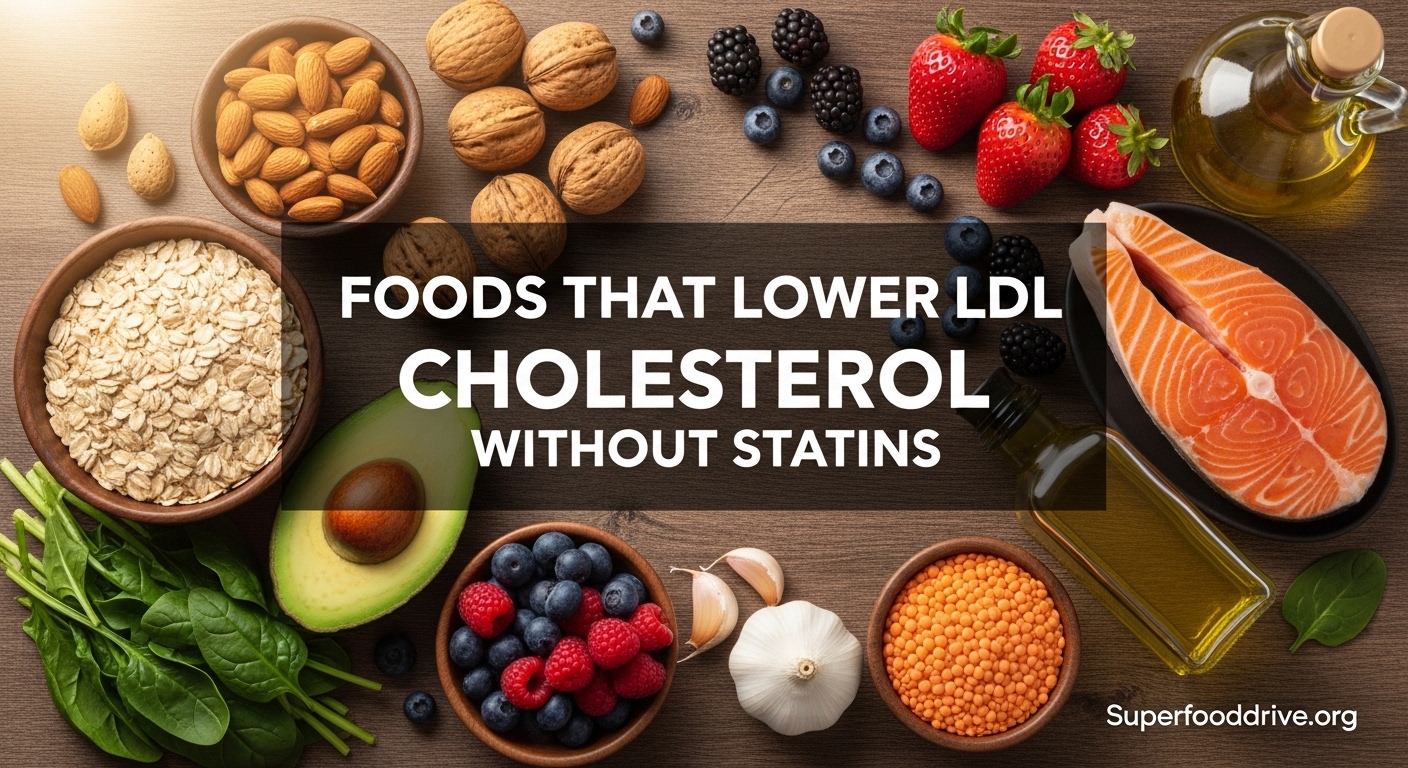
Looking for foods that lower LDL cholesterol naturally? You are not alone. Millions of people want to reduce their bad cholesterol through diet rather than relying solely on medication. The good news is that certain foods can significantly reduce LDL levels when eaten consistently. In this guide, I will share the most effective cholesterol-lowering foods based on scientific research and real user experiences from communities like Reddit’s r/Cholesterol. You will learn exactly how these foods work, how much to eat, and how to incorporate them into your daily routine. Whether your LDL is slightly elevated or significantly high, these dietary changes can make a measurable difference in your cardiovascular health.
Before we dive into specific foods, let me clarify something important. Dietary changes alone can lower LDL by 10-20% for many people, and some dedicated individuals have dropped their LDL from over 200 to under 90 within three months. However, genetics play a role, and some people will need medication alongside these food strategies. That said, everyone with elevated LDL should start here because these foods benefit your heart in multiple ways beyond just lowering cholesterol.
Table of Contents
Understanding LDL Cholesterol and Why It Matters
LDL stands for low-density lipoprotein, but you probably know it as bad cholesterol. LDL carries cholesterol particles throughout your body, delivering them to your cells. The problem occurs when LDL levels get too high and the cholesterol starts depositing in your artery walls instead. This buildup forms plaque that narrows arteries and restricts blood flow, a condition called atherosclerosis.
Think of your arteries like pipes. Over time, high LDL causes gunky buildup that makes the pipes narrower. Eventually, this can lead to coronary artery disease, heart attacks, and strokes. Every 1% reduction in LDL cholesterol lowers your heart disease risk by about 1%. That means dropping your LDL by 20 points could reduce your cardiovascular risk by 10% or more.
Ideally, your LDL should be below 100 mg/dL. Levels between 100-129 mg/dL are near optimal, 130-159 mg/dL is borderline high, 160-189 mg/dL is high, and 190 mg/dL or above is very high. If your LDL exceeds 190 mg/dL, you should definitely work with a doctor because you may have familial hypercholesterolemia, a genetic condition that often requires medication alongside dietary changes.
How Foods Actually Lower LDL Cholesterol
Foods lower LDL through four main mechanisms. Understanding these will help you choose the right combination of foods for maximum impact.
Soluble fiber binds cholesterol in your digestive tract. When you eat foods rich in soluble fiber, that fiber dissolves into a gel-like substance in your intestines. This gel traps cholesterol-containing bile acids and carries them out of your body through waste. Your liver then pulls cholesterol from your bloodstream to make more bile acids, lowering your LDL levels. Oats, beans, apples, and psyllium husk are excellent sources.
Plant sterols and stanols block absorption. These plant compounds have a structure similar to cholesterol, so they compete with cholesterol for absorption in your intestines. When you consume plant sterols, they essentially block some of the cholesterol from entering your bloodstream. Nuts, seeds, whole grains, and vegetables contain these compounds. Some foods are also fortified with concentrated plant sterols.
Omega-3 fatty acids improve your overall cholesterol profile. While omega-3s do not directly lower LDL as much as soluble fiber, they reduce triglycerides and can slightly increase HDL (good) cholesterol. They also have anti-inflammatory properties that benefit heart health. Fatty fish like salmon, mackerel, and sardines are the best sources.
Replacing saturated fats with unsaturated fats reduces LDL production. When you eat saturated fats (found in red meat, butter, and full-fat dairy), your liver produces more LDL cholesterol. By swapping these for monounsaturated and polyunsaturated fats from olive oil, avocados, nuts, and fish, you reduce this production. This swap is one of the most impactful changes you can make.
The Best Foods That Lower LDL Cholesterol
Now let us get to the foods themselves. I have organized these by category and effectiveness based on research and user reports.
Oats and Whole Grains
Oatmeal deserves its reputation as the top cholesterol-lowering food. It contains beta-glucan, a type of soluble fiber that specifically targets LDL. Just 1.5 cups of cooked oatmeal provides about 3 grams of soluble fiber, which can lower LDL by 5-10 points on its own.
Oat bran works even better because it is more concentrated in fiber. One user on Reddit reported dropping their LDL from 210 to 70 by eating oatmeal with soy milk, protein powder, frozen berries, and flaxseeds every morning alongside legumes, vegetables, and tofu throughout the day.
Barley is another excellent grain that many people overlook. It contains the same beta-glucan as oats and works equally well. Try barley in soups, as a rice substitute, or in breakfast porridge.
How to eat: Start your day with oatmeal or oat bran cereal. Add ground flaxseed and berries for extra fiber. Aim for at least 1 cup cooked oats daily.
Fatty Fish Rich in Omega-3s
Fatty fish should be on your menu at least twice per week. Salmon, mackerel, sardines, herring, and trout are the best options. These fish contain EPA and DHA, omega-3 fatty acids that improve your blood lipid profile.
A 2021 analysis in the journal Circulation found that eating two servings of fatty fish weekly reduced cardiovascular disease risk by 8% compared to eating no fish. While the LDL reduction is modest (usually 2-4%), the overall heart benefits are substantial.
Wild-caught salmon tends to have higher omega-3 levels than farmed, but both are beneficial. Canned sardines and mackerel are budget-friendly options that work just as well.
How to eat: Grill, bake, or poach fish. Avoid frying, which adds unhealthy fats. A serving is about 3.5 ounces, roughly the size of a deck of cards.
Nuts and Seeds
Walnuts, almonds, pistachios, and other nuts are nutritional powerhouses for heart health. A landmark study published in the New England Journal of Medicine found that eating nuts daily reduced cardiovascular disease risk by 30%. For LDL specifically, nuts lower levels by about 5-7% on average.
Walnuts are particularly effective because they contain the plant-based omega-3 ALA. Almonds are rich in monounsaturated fats and vitamin E. Pistachios have been shown to reduce LDL while increasing HDL.
Seeds deserve equal attention. Ground flaxseed is one of the most effective seeds for lowering LDL, with studies showing reductions of 10-15% when consumed daily. Chia seeds and hemp hearts provide similar benefits with omega-3s and fiber.
One Reddit user lowered their LDL from 159 to 86 in three months by adding a daily shake with whey protein, psyllium husk, ground flax, and hemp hearts while removing saturated fats from their diet.
How to eat: Have a small handful (about 1.5 ounces) of unsalted nuts daily. Add 1-2 tablespoons of ground flaxseed to oatmeal, yogurt, or smoothies.
Legumes and Beans
Beans, lentils, chickpeas, and peas are among the most underrated cholesterol-lowering foods. They pack a triple punch of soluble fiber, plant protein, and minimal saturated fat. A half-cup of cooked beans provides 1-2 grams of soluble fiber.
Research published in the Canadian Medical Association Journal analyzed 26 trials and found that eating just 3/4 cup of legumes daily reduced LDL by about 5%. The effect is dose-dependent, meaning more legumes equals more benefit.
Lentils cook faster than beans and work well in soups and salads. Black beans and chickpeas are versatile for tacos, bowls, and dips. Edamame makes a convenient snack.
How to eat: Aim for at least 1/2 cup cooked legumes daily. Replace meat with beans in tacos, chili, and pasta dishes.
Fruits High in Soluble Fiber
Apples, pears, citrus fruits, and berries contain pectin, a soluble fiber that works similarly to the beta-glucan in oats. One medium apple provides about 1 gram of soluble fiber.
Citrus fruits like oranges and grapefruit contain hesperidin, a flavonoid that may help lower LDL independently of fiber. However, be cautious with grapefruit if you take certain medications because it can interact with statins and other drugs.
Berries add anthocyanins, antioxidants that reduce inflammation and may improve cholesterol metabolism. Blueberries, strawberries, raspberries, and blackberries all provide these benefits.
How to eat: Eat 2-3 servings of fruit daily. Leave the skin on apples and pears for maximum fiber. Add berries to breakfast or snacks.
Vegetables That Target Cholesterol
Eggplant and okra contain unique compounds that may bind cholesterol in the digestive tract. Harvard Health includes these vegetables in their list of top cholesterol-lowering foods. Both are low in calories and high in fiber.
Brussels sprouts and broccoli provide soluble fiber along with sulforaphane, a compound with anti-inflammatory properties. Dark leafy greens like spinach and kale offer similar benefits.
How to eat: Include vegetables at every meal. Roast eggplant with olive oil, add okra to soups and stews, and fill half your plate with vegetables at dinner.
Healthy Fats: Avocado and Olive Oil
Avocados are rich in monounsaturated fats and beta-sitosterol, a plant sterol that blocks cholesterol absorption. Studies show that eating one avocado daily can reduce LDL by about 13 mg/dL.
Olive oil, particularly extra virgin olive oil, is a cornerstone of the heart-healthy Mediterranean diet. It contains monounsaturated fats and polyphenols that protect arteries. Replacing butter with olive oil is one of the simplest and most effective changes you can make.
How to eat: Use 2-3 tablespoons of olive oil daily for cooking and dressings. Add 1/4 to 1/2 avocado to salads or toast.
Soy Foods
Tofu, tempeh, edamame, and soy milk provide complete protein with minimal saturated fat. The FDA allows foods containing at least 25 grams of soy protein daily to claim they reduce heart disease risk. Soy also contains isoflavones that may improve arterial function.
Realistic expectations are important here. Soy lowers LDL modestly, about 3-4%, but replacing meat with soy foods eliminates significant saturated fat from your diet, compounding the benefit.
How to eat: Try tofu in stir-fries, tempeh in sandwiches, or edamame as a snack. Choose unsweetened soy milk over dairy milk.
Psyllium Husk: The Secret Weapon
If you want to supercharge your cholesterol-lowering efforts, add psyllium husk. This fiber supplement is the most concentrated source of soluble fiber available. The FDA specifically recognizes psyllium for its cholesterol-lowering benefits.
Multiple Reddit users report psyllium as a game-changer for their LDL. One user dropped from 209 to 145 LDL in three months using psyllium alongside chia seeds, flax seeds, barley, beans, and vegetables.
The effective dose is 7-10 grams daily, typically taken as 1 teaspoon mixed in water before meals. Start with a smaller amount and increase gradually to avoid digestive discomfort.
How to eat: Mix 1 teaspoon psyllium husk powder in 8 ounces of water and drink immediately before meals. Always follow with additional water.
Foods to Avoid or Limit
Lowering LDL is not just about adding good foods. You also need to reduce foods that raise cholesterol.
Saturated fats are the main culprit. The American Heart Association recommends limiting saturated fat to 5-6% of your daily calories. For a 2,000 calorie diet, that means no more than 13 grams of saturated fat daily. Sources include red meat, butter, cheese, whole milk, and coconut oil.
Trans fats should be eliminated entirely. These artificial fats, created through hydrogenation, both raise LDL and lower HDL. The FDA banned partially hydrogenated oils, but small amounts may still appear in packaged foods. Check labels for partially hydrogenated oils.
Refined carbohydrates like white bread, pastries, and sugary cereals can indirectly affect cholesterol. They raise triglycerides and may reduce HDL. Choose whole grains instead.
Dietary cholesterol has less impact than once thought, but if your LDL is very high, limiting eggs (especially yolks) to 3-4 per week may help some individuals.
Practical Implementation: How to Actually Do This
Knowing which foods lower LDL is one thing. Actually eating them consistently is another. Here is how to make this work in real life.
Your Daily Cholesterol-Lowering Routine
Start your day with the breakfast combination many Reddit users call their holy grail. Cook 1 cup of oatmeal with soy milk or water. Stir in 1 tablespoon of ground flaxseed and top with a handful of berries and walnuts. This single meal provides beta-glucan, omega-3s, fiber, and antioxidants.
For lunch, build a bowl with beans or lentils, vegetables, and olive oil dressing. A simple template is 1/2 cup beans, 2 cups mixed vegetables, 1/4 avocado, and a drizzle of olive oil with lemon.
Dinner should feature fatty fish twice per week and lean poultry or plant proteins on other nights. Fill half your plate with vegetables, one-quarter with whole grains like barley or brown rice, and one-quarter with protein.
Snacks can include a small handful of almonds, an apple with natural peanut butter, or raw vegetables with hummus.
Sample Day
Breakfast: Oatmeal with ground flaxseed, blueberries, and walnuts
Lunch: Lentil soup with side salad and olive oil dressing
Snack: Apple with almond butter
Dinner: Baked salmon, roasted Brussels sprouts, quinoa
Evening: Psyllium husk in water before bed
Realistic Timeline Expectations
Here is what you can realistically expect based on real user experiences. Most people see measurable changes within 3 months, though some notice improvements in as little as 6 weeks.
Users who commit fully to this approach often report 30-50 point drops in LDL within 3 months. One dedicated individual went from 210 to 70 LDL. Another dropped from 164 to 81. These results require consistent daily effort, not just occasional healthy meals.
Expect modest improvements at first. Your first blood test after 6 weeks might show a 10-15 point drop. By month three, you could see 30-50 point reductions if you are diligent.
Working With Your Doctor
Always tell your doctor you are making dietary changes, especially if you take cholesterol medication. Some supplements like psyllium can affect medication absorption, so take them at different times of day.
If your LDL is over 190 mg/dL, you likely need medication alongside these dietary changes. Familial hypercholesterolemia responds partially to diet but usually requires statins.
Schedule a follow-up lipid panel 3 months after making changes. This gives enough time to see the full effect while allowing you to adjust your approach if needed.
Frequently Asked Questions
What brings down LDL cholesterol naturally?
The most effective natural approaches include eating soluble fiber from oats and beans, consuming nuts and seeds daily, eating fatty fish twice weekly, taking psyllium husk supplements, and replacing saturated fats with olive oil and avocado. These foods work by binding cholesterol in your digestive tract, blocking absorption, and reducing LDL production in your liver.
What is the best breakfast for high cholesterol?
The best breakfast combines oatmeal with ground flaxseed, berries, and walnuts. This provides beta-glucan soluble fiber, omega-3 fatty acids, and antioxidants. Cook 1 cup oatmeal with soy milk, stir in 1 tablespoon ground flaxseed, and top with blueberries and a small handful of walnuts.
What are the six super foods that lower cholesterol?
The six most effective cholesterol-lowering foods are: 1) Oats and oat bran for beta-glucan fiber, 2) Fatty fish like salmon for omega-3s, 3) Walnuts and almonds for healthy fats, 4) Beans and lentils for soluble fiber, 5) Ground flaxseed for fiber and omega-3s, and 6) Avocados for monounsaturated fats and plant sterols.
How long does it take to lower cholesterol with diet?
Most people see measurable changes in 6-12 weeks, with significant improvements typically visible at the 3-month mark. Real users report dropping LDL by 30-50 points within 3 months when following a consistent cholesterol-lowering diet. Genetic factors affect individual response, so timelines vary.
Can I lower LDL cholesterol without statins?
Many people can lower LDL significantly through diet alone, especially those with moderately elevated levels. However, if your LDL is over 190 mg/dL, you may have familial hypercholesterolemia and likely need medication. Always work with your doctor and get follow-up blood tests to monitor your progress.
What supplements help lower cholesterol naturally?
Psyllium husk is the most effective supplement, with the FDA recognizing its cholesterol-lowering benefits at 7-10 grams daily. Plant sterol supplements (1-2 grams daily) also work by blocking cholesterol absorption. Red yeast rice contains natural statins but should only be used under medical supervision due to potential side effects and quality concerns.
Conclusion
Foods that lower LDL cholesterol work when you eat them consistently. Start with oatmeal for breakfast, add nuts and seeds daily, include beans in your meals, eat fatty fish twice weekly, and replace butter with olive oil. Consider adding psyllium husk for an extra boost.
Remember that real people have achieved dramatic results. Dropping LDL from over 200 to under 100 in three months is possible with dedication. The key is consistency, not perfection. Every healthy choice moves you toward better heart health.
Schedule a blood test in three months to track your progress. If your LDL is still elevated despite these changes, discuss medication options with your doctor. There is no shame in needing additional help, especially if genetics work against you.
Your heart will thank you for starting today.