
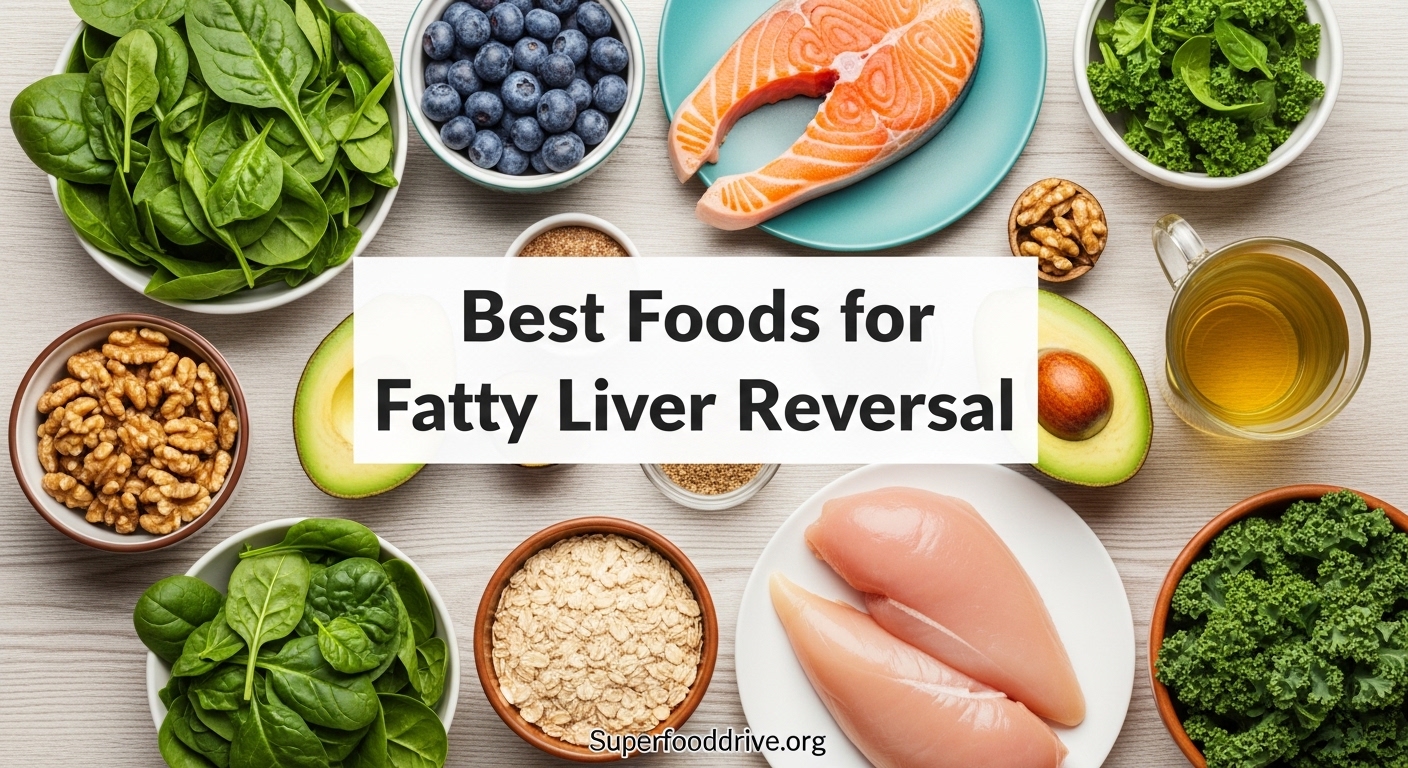
Your liver is one of the most resilient organs in your body. Even after years of strain from poor eating habits, it has the remarkable ability to heal itself when given the right fuel. I have spent months researching the science behind fatty liver reversal, and what I found is both encouraging and straightforward.
The best foods for fatty liver reversal are those that reduce inflammation, improve insulin sensitivity, and support your liver’s natural detoxification processes. This guide will walk you through exactly what to eat, what to avoid, and how to structure your meals for maximum healing.
Whether you have been recently diagnosed with MASLD (metabolic dysfunction-associated steatotic liver disease, formerly called NAFLD) or you are simply looking to protect your liver health, the dietary changes outlined here can make a measurable difference in your liver enzyme levels within weeks.
Table of Contents
What Is Fatty Liver Disease?
Fatty liver disease occurs when excess fat builds up in your liver cells. This condition affects nearly 30% of adults worldwide, making it the most common chronic liver condition globally. In medical terms, doctors now refer to this as MASLD (metabolic dysfunction-associated steatotic liver disease), though you may still see the older term NAFLD (non-alcoholic fatty liver disease) used in some resources.
The condition typically develops silently over years. Most people do not experience symptoms until the disease progresses to more serious stages like MASH (metabolic dysfunction-associated steatohepatitis) or even cirrhosis. The good news is that caught early, fatty liver is completely reversible through diet and lifestyle changes.
Understanding MASLD vs. MASH
MASLD is the umbrella term for simple fatty liver where inflammation is minimal. When inflammation and liver cell damage occur alongside fat accumulation, the condition progresses to MASH. This distinction matters because MASH carries higher risks of fibrosis and permanent liver damage. Dietary intervention works best when started during the MASLD phase, though improvements are possible at any stage.
Why Your Liver Can Heal Itself
The liver is unique among organs in its regenerative capacity. Unlike your heart or kidneys, liver cells can divide and replace damaged tissue. This regenerative ability means that when you remove the stressors (like excess sugar and processed foods) and provide healing nutrients, your liver can literally rebuild itself. Studies show that losing just 5-10% of your body weight can reduce liver fat by up to 40%.
Best Foods for Fatty Liver Reversal
The following foods have the strongest research backing for reducing liver fat, lowering inflammation, and improving liver enzyme levels. I have organized them by category and included specific serving recommendations based on clinical studies.
1. Coffee: Your Liver’s Best Friend
Coffee stands out as one of the most liver-protective beverages you can consume. Research from the University of Chicago Medicine shows that drinking 3 cups of coffee daily can lower abnormal liver enzymes in people at risk for liver disease.
The protective compounds in coffee include chlorogenic acid, kahweol, and cafestol. These substances reduce inflammation and slow scar tissue formation. Both regular and decaffeinated coffee provide benefits, though regular coffee shows slightly stronger effects in studies.
How much to drink: Aim for 2-3 cups of black coffee daily. Avoid adding excessive sugar or high-fat creamers, which counteract the benefits.
2. Leafy Green Vegetables
Spinach, kale, arugula, and other leafy greens contain nitrates and compounds that prevent fat buildup in the liver. A study published in the Journal of the Academy of Nutrition and Dietetics found that participants who ate more spinach experienced reduced liver fat accumulation.
The chlorophyll in these vegetables also supports your body’s natural detoxification pathways. Greens are incredibly low in calories while being high in fiber, making them perfect for weight loss efforts that accompany fatty liver treatment.
How much to eat: Include at least 2 cups of raw leafy greens daily, or 1 cup cooked.
3. Fatty Fish Rich in Omega-3s
Salmon, sardines, mackerel, and trout provide omega-3 fatty acids that actively reduce liver fat and inflammation. These fish lower triglyceride levels in the bloodstream, which directly benefits liver health. Research shows that eating fatty fish twice weekly can improve liver enzyme markers within 12 weeks.
Omega-3s work by reducing the production of inflammatory cytokines and improving insulin sensitivity. If you do not eat fish, algae-based omega-3 supplements provide similar benefits, though whole food sources are preferred.
How much to eat: Serve fatty fish 2-3 times per week, with portions about the size of a deck of cards (3-4 ounces).
4. Beans, Lentils, and Legumes
Beans and soy products contain resistant starch and unique proteins that improve gut health while reducing liver fat. Soy protein specifically contains beta-conglycinin, which has been shown to lower triglyceride levels in multiple studies.
Legumes also provide steady energy without spiking blood sugar, which helps prevent the insulin resistance that drives fatty liver disease. Their high fiber content keeps you full longer, supporting weight loss efforts.
How much to eat: Include 1/2 to 1 cup of cooked beans or lentils daily. Edamame makes an excellent snack.
5. Whole Grains
Unlike refined grains, whole grains like oats, quinoa, brown rice, and barley retain their fiber and nutrient content. This fiber slows digestion and prevents blood sugar spikes that stress your liver. The beta-glucan in oats specifically helps reduce cholesterol and liver fat.
Whole grains also provide B vitamins that support liver detoxification processes. When choosing grain products, look for the word “whole” as the first ingredient.
How much to eat: Limit grains to 1/2 cup cooked per meal, focusing on oats, quinoa, and barley.
6. Nuts and Seeds
Walnuts, almonds, flaxseeds, and chia seeds deliver healthy fats, vitamin E, and anti-inflammatory compounds. Walnuts are particularly beneficial because they contain the highest levels of omega-3s among tree nuts.
Vitamin E from nuts and seeds acts as a powerful antioxidant that protects liver cells from oxidative damage. Studies show that vitamin E supplementation can improve MASH in some patients, though getting it from food sources is safer and more effective.
How much to eat: Enjoy a small handful (1 ounce) of unsalted nuts daily, or 1-2 tablespoons of ground flaxseed.
7. Extra Virgin Olive Oil
Olive oil contains monounsaturated fats and polyphenols that reduce liver enzyme levels and improve insulin sensitivity. The University of Chicago Medicine specifically recommends consuming up to 4 tablespoons of olive oil daily for fatty liver patients.
Unlike butter or seed oils, olive oil does not promote inflammation when consumed in moderation. Choose extra virgin olive oil for the highest polyphenol content, and use it for low to medium heat cooking or as a salad dressing.
How much to use: Up to 4 tablespoons daily, replacing other fats and oils in your diet.
8. Berries and Colorful Fruits
Blueberries, strawberries, raspberries, and blackberries are packed with anthocyanins and antioxidants that protect liver cells. These compounds reduce oxidative stress and inflammation while supporting the liver’s natural detox pathways.
While fruits contain natural sugars, berries are relatively low in sugar compared to tropical fruits. Their high fiber content also slows sugar absorption, making them safe for fatty liver diets when eaten in appropriate portions.
How much to eat: Include 1 cup of berries or 1 medium piece of fruit daily.
9. Garlic and Onions
Garlic contains sulfur compounds that activate liver enzymes responsible for flushing out toxins. Studies show that garlic extract can reduce body weight and fat in people with fatty liver disease.
Onions provide similar sulfur compounds along with quercetin, a flavonoid that reduces inflammation. Both ingredients add flavor without calories, making it easier to reduce sodium intake while enjoying satisfying meals.
How much to eat: Use garlic and onions liberally in cooking daily.
10. Cruciferous Vegetables
Broccoli, cauliflower, Brussels sprouts, and cabbage contain glucosinolates that support Phase 2 liver detoxification. These compounds help your liver convert toxins into water-soluble forms that can be excreted.
Cruciferous vegetables also provide sulforaphane, a powerful compound shown to improve fatty liver markers in animal studies. Their high fiber content further supports weight loss and blood sugar control.
How much to eat: Include 1-2 cups of cruciferous vegetables daily, either raw or cooked.
Foods to Avoid with Fatty Liver
Just as important as eating the right foods is avoiding those that damage your liver. Here are the worst offenders ranked by their impact on liver health:
- Added Sugars: High-fructose corn syrup and table sugar are directly converted to fat in the liver. Eliminate soda, candy, pastries, and sweetened coffee drinks completely.
- Refined Carbohydrates: White bread, white rice, and pasta spike blood sugar and promote fat storage. Choose whole grain alternatives instead.
- Fried Foods: Deep-fried items contain trans fats and advanced glycation end products that inflame the liver. Avoid french fries, fried chicken, and doughnuts.
- Processed Meats: Bacon, sausage, and deli meats contain saturated fats and preservatives that stress the liver. Choose fresh fish, poultry, or legumes instead.
- Alcohol: Even moderate drinking accelerates liver damage when fatty liver is present. Complete abstinence is recommended until liver enzymes normalize.
The Plate Method for Fatty Liver
Portion control matters just as much as food choice when reversing fatty liver. The Plate Method provides a simple visual guide for building liver-healthy meals without counting calories or measuring portions precisely.
Here is how to structure your plate:
- Half your plate: Non-starchy vegetables (leafy greens, broccoli, peppers, tomatoes)
- One-quarter of your plate: Lean protein (fish, chicken, legumes, eggs)
- One-quarter of your plate: Whole grains or starchy vegetables (quinoa, brown rice, sweet potato)
- Add: 1 tablespoon olive oil, herbs, and spices for flavor
This balance ensures adequate fiber, protein, and healthy fats while keeping calorie density appropriate for weight loss. I recommend using a 9-inch plate rather than the standard 12-inch dinner plate to naturally control portions.
Sample One-Day Meal Plan for Fatty Liver Reversal
Putting it all together, here is what a day of liver-healing eating looks like. This meal plan provides approximately 1,600 calories with balanced macronutrients:
Breakfast: Oatmeal (1/2 cup dry) cooked with unsweetened almond milk, topped with blueberries (1/2 cup) and walnuts (1 tablespoon). Black coffee.
Mid-Morning Snack: Small apple with 1 tablespoon almond butter.
Lunch: Grilled salmon (4 ounces) over mixed greens (2 cups) with olive oil vinaigrette (1 tablespoon), cherry tomatoes, and cucumber. Side of quinoa (1/2 cup cooked).
Afternoon Snack: Raw vegetables (carrots, bell peppers) with hummus (1/4 cup).
Dinner: Stir-fried broccoli and tofu (4 ounces) with garlic and ginger, served over brown rice (1/2 cup cooked). Drizzle with sesame oil (1 teaspoon).
Evening: Herbal tea or green tea.
How Long Does It Take to Reverse Fatty Liver?
This is the question I hear most often from readers, and the answer depends on several factors. With consistent dietary changes and weight loss of 5-10% of body weight, most people see improvements in liver enzyme tests within 3-6 months.
Complete reversal of fatty liver typically takes 6-12 months of sustained healthy eating. The timeline varies based on:
- Starting severity of liver fat accumulation
- Amount of weight lost (5-10% is the threshold for liver improvement)
- Presence of other metabolic conditions like diabetes
- Consistency with the Mediterranean-style eating pattern
- Physical activity level
The key is patience and consistency. Your liver did not become fatty overnight, and it will not heal overnight. But every healthy meal moves you closer to normal liver function.
Lifestyle Changes Beyond Diet
While diet is the cornerstone of fatty liver reversal, other lifestyle factors accelerate healing:
Exercise Recommendations
Aim for 150 minutes of moderate exercise weekly, split into 30-minute sessions five days per week. Walking, swimming, cycling, and yoga all provide benefits. Resistance training twice weekly also helps by improving insulin sensitivity and building lean muscle mass.
Sleep and Stress
Poor sleep disrupts hormones that regulate appetite and blood sugar. Aim for 7-9 hours nightly. Chronic stress elevates cortisol, which promotes fat storage in the liver. Meditation, deep breathing, and spending time in nature can help manage stress levels.
Frequently Asked Questions
What foods clear up fatty liver?
The best foods for clearing fatty liver include coffee (2-3 cups daily), leafy greens like spinach and kale, fatty fish rich in omega-3s such as salmon and sardines, beans and legumes, whole grains, nuts and seeds, extra virgin olive oil, berries, garlic, and cruciferous vegetables like broccoli. These foods reduce inflammation, improve insulin sensitivity, and support liver detoxification.
What is the fastest way to reduce a fatty liver?
The fastest way to reduce fatty liver is to lose 5-10% of your body weight through a combination of the Mediterranean diet and regular exercise. Studies show this amount of weight loss reduces liver fat by up to 40%. Eliminate added sugars, refined carbohydrates, and alcohol completely while increasing intake of vegetables, lean proteins, and healthy fats.
What drink reverses fatty liver?
Coffee is the most research-backed drink for reversing fatty liver, with studies showing 2-3 cups daily lowers abnormal liver enzymes. Green tea contains catechins that support liver health. Water infused with lemon provides hydration and vitamin C. Avoid alcohol, soda, and fruit juices which all contribute to liver fat accumulation.
How do I flush my fatty liver?
You cannot ‘flush’ your liver with cleanses or detox products. The liver detoxifies itself naturally when supported with proper nutrition. Focus on eating whole foods, eliminating processed items and added sugars, losing excess weight, exercising regularly, and getting adequate sleep. These actions allow your liver to heal and regenerate over time.
How long does it take to reverse fatty liver?
Most people see improvements in liver enzymes within 3-6 months of dietary changes and 5-10% weight loss. Complete reversal typically takes 6-12 months of sustained healthy eating. Individual timelines vary based on starting severity, consistency with the Mediterranean diet, physical activity level, and presence of other metabolic conditions.
Conclusion
The best foods for fatty liver reversal are simple, whole foods that humans have eaten for centuries. By following a Mediterranean-style eating pattern rich in vegetables, lean proteins, healthy fats, and whole grains while eliminating added sugars and processed foods, you give your liver the tools it needs to heal.
Remember that consistency matters more than perfection. Every meal is an opportunity to support your liver health. Start by adding one or two liver-friendly foods to your daily routine, then gradually build toward the complete eating pattern outlined here.
Consult your healthcare provider before making major dietary changes, especially if you have been diagnosed with MASH or advanced fatty liver disease. With dedication to these dietary principles, most people can achieve significant improvements in liver health within 6-12 months.