
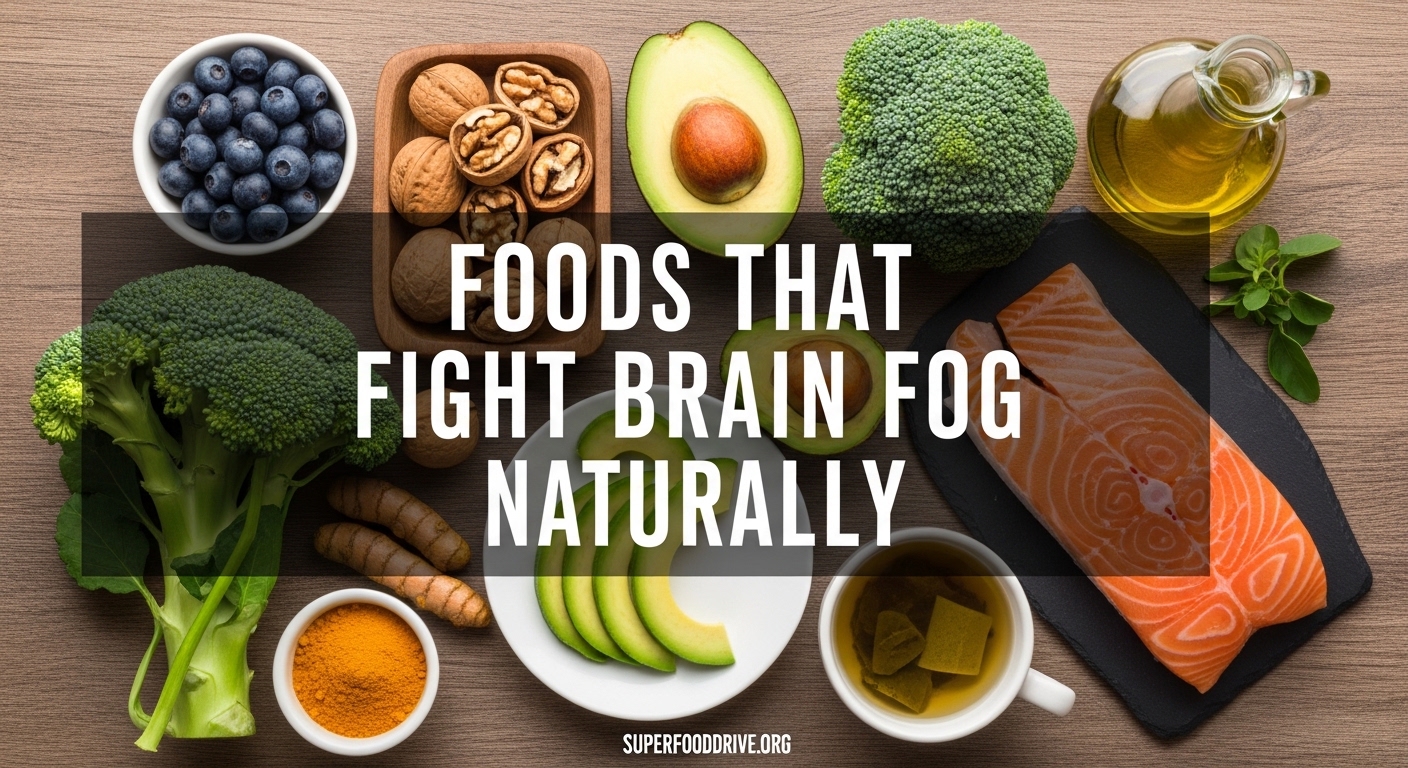
You sit down to work, coffee in hand, ready to tackle your to-do list. But your mind feels like it’s wading through molasses. Simple words won’t come. You re-read the same sentence three times. This is brain fog, and it affects millions of people daily.
The good news? The foods you eat can either fuel the fog or clear it away. In this guide, you’ll discover the foods that fight brain fog naturally, backed by science and real experiences from people who have reclaimed their mental clarity.
Whether you struggle with afternoon energy crashes, trouble concentrating, or persistent mental fatigue, these dietary changes can help you think more clearly starting today.
Table of Contents
What Is Brain Fog and What Causes It?
Brain fog describes a collection of symptoms including mental confusion, poor concentration, memory problems, and lack of mental clarity. It is not a medical diagnosis but rather a signal that something needs attention.
Common triggers include poor sleep, chronic stress, hormonal changes, and underlying health conditions. Diet plays a major role too. Inflammatory foods, blood sugar spikes, and nutrient deficiencies can all cloud your thinking.
Research published in 2026 shows that neuroinflammation significantly impairs cognitive function. When your brain is inflamed, neurotransmitter production suffers. This affects mood, memory, and focus simultaneously.
The connection between your gut and brain also matters enormously. Your gut microbiome produces neurotransmitters and regulates inflammation throughout your body. An unhealthy gut often means a foggy mind.
Top Foods That Fight Brain Fog Naturally
Certain foods contain specific compounds that protect brain cells, reduce inflammation, and support neurotransmitter production. Here are the most powerful options to add to your plate.
Fatty Fish: Omega-3 Powerhouses
Salmon, sardines, mackerel, and herring deliver omega-3 fatty acids directly to your brain. These fats build and maintain brain cell membranes.
Docosahexaenoic acid (DHA), a specific omega-3, makes up 25% of your brain’s total fat content. Your body cannot produce enough DHA on its own. You must get it from food.
Studies show that people who eat fatty fish regularly have more gray matter in their brains. Gray matter contains neurons that process information and support memory. Aim for two servings of fatty fish weekly.
Leafy Greens: Folate and Vitamin K Champions
Spinach, kale, collard greens, and Swiss chard pack folate, vitamin K, and antioxidants that protect cognitive function. One study found that people eating one serving of leafy greens daily showed slower cognitive decline.
These vegetables also provide lutein and zeaxanthin. These carotenoids accumulate in the brain and support processing speed and working memory.
Forum discussions reveal that people recovering from concussions notice significant improvement when they increase leafy green intake. The folate supports methylation processes critical for brain repair.
Berries: Antioxidant Superstars
Blueberries, strawberries, blackberries, and raspberries contain flavonoids called anthocyanins. These compounds cross the blood-brain barrier and reduce oxidative stress in neural tissue.
Research from Tufts University shows that berry consumption improves memory and cognitive processing. The antioxidants in berries also reduce inflammation markers linked to brain fog.
Frozen berries work just as well as fresh. Add a cup to your morning smoothie or oatmeal for an easy brain boost.
Nuts and Seeds: Vitamin E and Healthy Fats
Walnuts, almonds, pumpkin seeds, and sunflower seeds provide vitamin E, healthy fats, and zinc. Vitamin E acts as a powerful antioxidant that protects brain cells from oxidative damage.
Walnuts are particularly valuable because they contain alpha-linolenic acid (ALA), a plant-based omega-3. Your body converts ALA to DHA and EPA, supporting brain structure and function.
A handful of nuts daily correlates with better cognitive performance in older adults. The protein also helps stabilize blood sugar, preventing the crashes that cause afternoon brain fog.
Eggs: Choline for Memory Support
Eggs provide choline, a nutrient essential for producing acetylcholine. This neurotransmitter plays a central role in memory and mood regulation.
One egg delivers about 147 milligrams of choline. Most adults need 400-550 milligrams daily. Very few people meet this requirement through diet alone.
Eggs also contain tryptophan, which your body converts to serotonin. This neurotransmitter supports mood stability and sleep quality, both essential for clear thinking.
Turmeric: Curcumin’s Anti-Inflammatory Power
Turmeric contains curcumin, a compound with potent anti-inflammatory effects. Curcumin crosses the blood-brain barrier and reduces neuroinflammation directly.
Research shows curcumin boosts brain-derived neurotrophic factor (BDNF). This growth hormone supports neuron formation and connections. Low BDNF correlates with depression and cognitive decline.
For maximum absorption, pair turmeric with black pepper. The piperine in pepper increases curcumin absorption by up to 2,000 percent.
Fermented Foods: Supporting the Gut-Brain Axis
Yogurt, kefir, kimchi, sauerkraut, and other fermented foods contain probiotics that support your gut microbiome. A healthy gut produces short-chain fatty acids that reduce brain inflammation.
However, fermented foods affect people differently. Some individuals report that fermented foods initially worsen brain fog due to histamine content or bacterial die-off reactions.
Start slowly if you are new to fermented foods. Begin with small portions and monitor how you feel. The long-term benefits for gut health usually outweigh temporary adjustment periods.
How Brain-Healthy Foods Work: The Science
Understanding why these foods help makes it easier to prioritize them. The mechanisms involve inflammation reduction, neurotransmitter support, and blood sugar stability.
Chronic low-grade inflammation impairs cognitive function. Anti-inflammatory foods like fatty fish, leafy greens, and turmeric reduce inflammatory markers. This allows your brain to function optimally.
The gut-brain axis explains much of the food-mood connection. Your gut produces about 90% of your serotonin. When your microbiome is unhealthy, neurotransmitter production suffers. Fiber-rich foods feed beneficial gut bacteria.
Blood sugar stability matters too. Refined carbohydrates cause spikes and crashes that manifest as brain fog. Protein, healthy fats, and fiber slow glucose absorption, providing steady mental energy.
Brain-Healthy Eating Patterns
Individual foods help, but eating patterns matter more. The MIND diet and Mediterranean diet both show strong evidence for protecting cognitive function.
The MIND diet combines Mediterranean and DASH diet principles. It emphasizes leafy greens, nuts, berries, beans, whole grains, fish, poultry, and olive oil while limiting red meat, butter, cheese, pastries, and fried foods.
Research shows that strict MIND diet followers have a 53% lower risk of Alzheimer’s disease. Even moderate followers see a 35% risk reduction.
Protein timing also deserves attention. Forum discussions reveal that increasing protein to 90-120 grams daily cleared brain fog within two weeks for some individuals. Spread protein across meals for steady amino acid availability.
Sample brain-healthy day: Breakfast with eggs and spinach, lunch with salmon and leafy greens, snacks of berries and walnuts, dinner with turmeric-spiced chicken and vegetables.
Foods to Avoid for Mental Clarity
Just as some foods clear fog, others create it. Neurologists and nutrition researchers consistently flag certain foods as problematic for brain health.
Processed foods top the list. These contain inflammatory oils, refined sugars, and artificial additives that trigger neuroinflammation. Many people notice brain fog within hours of eating processed meals.
Refined carbohydrates like white bread, pasta, and pastries cause blood sugar spikes followed by crashes. This roller coaster directly impairs concentration and mental clarity.
Industrial seed oils including soybean, corn, and sunflower oil contain high omega-6 levels. These promote inflammation when consumed in excess relative to omega-3 fats.
Some individuals find that dairy and wheat trigger brain fog due to sensitivities. If you suspect food triggers, try a two-week elimination trial and track your symptoms.
Quick Relief Strategies for Immediate Clarity
Dietary changes take time to show effects. For immediate brain fog relief, try these strategies.
Hydrate first. Even mild dehydration impairs cognitive performance. Drink a large glass of water and wait 20 minutes. Many people find their fog lifts significantly.
Consume 20-30 grams of protein. A hard-boiled egg, handful of nuts, or piece of cheese can stabilize blood sugar and provide amino acids for neurotransmitter production.
Step outside for 5 minutes. Sunlight and movement increase blood flow to the brain. This simple break often clears mental cobwebs faster than another cup of coffee.
Breathe deeply. Stress hormones contribute to brain fog. Four slow breaths in and out can activate your parasympathetic nervous system and restore clarity.
Frequently Asked Questions
What foods reverse brain fog?
Fatty fish rich in omega-3s, leafy greens with folate, berries containing antioxidants, nuts and seeds with vitamin E, eggs providing choline, and turmeric with curcumin all help reverse brain fog by reducing inflammation and supporting neurotransmitter production.
What three foods do neurologists say to avoid?
Neurologists typically recommend avoiding processed foods with inflammatory additives, refined carbohydrates that spike blood sugar, and industrial seed oils high in omega-6 fatty acids. These foods promote neuroinflammation and impair cognitive function.
What clears brain fog quickly?
Drinking water, eating 20-30 grams of protein, taking a 5-minute walk outside, and practicing deep breathing can provide immediate relief. These actions address common quick-fix triggers like dehydration, blood sugar drops, and stress.
What are the 5 best foods for memory?
Blueberries top the list for their flavonoid content. Fatty fish provides DHA for brain structure. Leafy greens offer folate and vitamin K. Nuts deliver vitamin E for cell protection. Eggs supply choline for acetylcholine production and memory support.
How long does it take for diet changes to clear brain fog?
Some people notice improvements within days, particularly when addressing hydration and protein intake. Significant changes typically appear within 2-4 weeks as inflammation decreases and gut health improves. Full benefits may take 2-3 months of consistent dietary changes.
Can fermented foods make brain fog worse?
Some individuals experience temporary worsening of brain fog when starting fermented foods. This can result from histamine content or bacterial die-off reactions. Start with small portions and increase gradually. Most people find long-term benefits outweigh initial adjustment periods.
Start Your Journey to Clearer Thinking
The foods that fight brain fog naturally work by reducing inflammation, supporting neurotransmitter production, and stabilizing blood sugar. You do not need to overhaul your diet overnight. Start with one change today.
Add a handful of blueberries to your breakfast. Swap your afternoon snack for walnuts. Include salmon in your dinner twice this week. Small steps compound into significant results.
Pay attention to how different foods affect your mental clarity. Your body provides feedback when you listen. Clear thinking is within reach when you fuel your brain properly.