
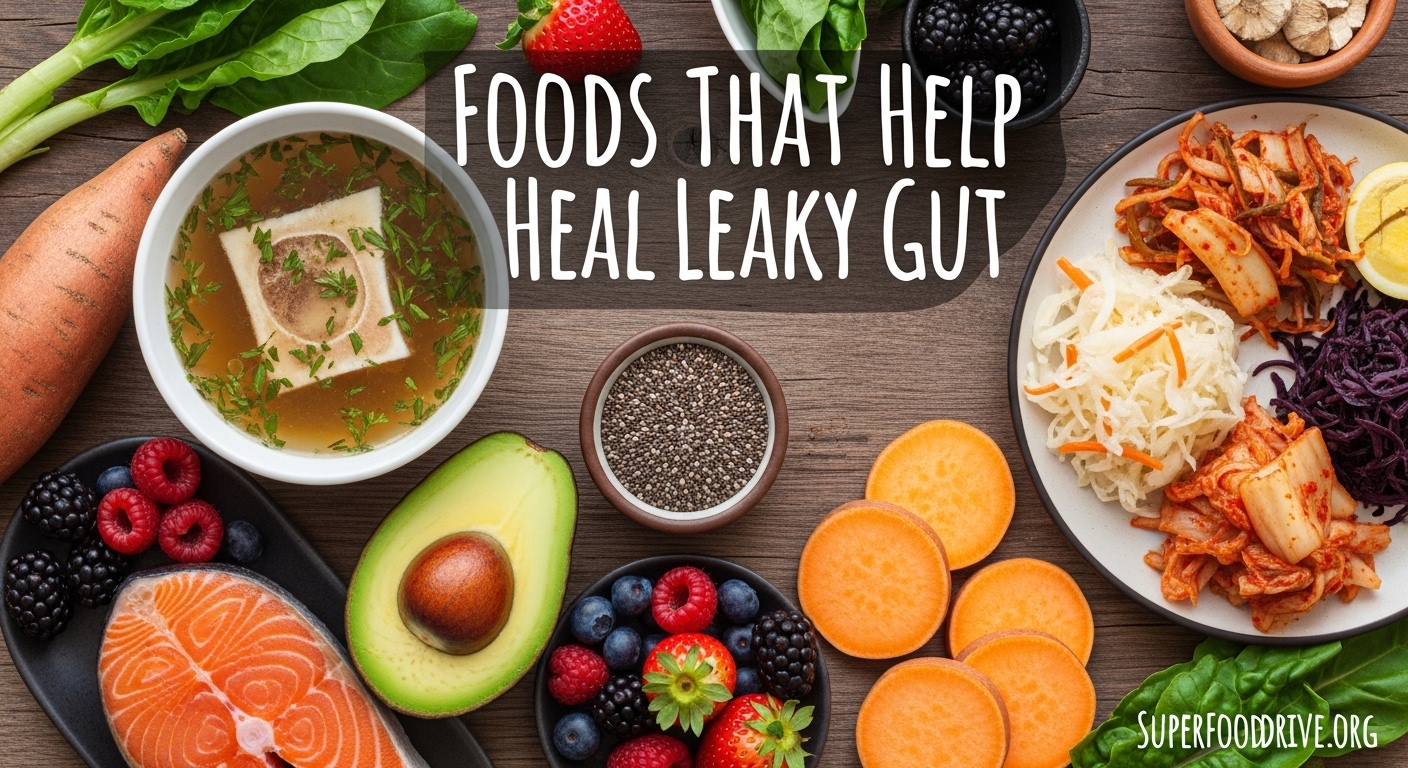
Your gut health affects everything from your digestion to your immune system, mood, and even your skin. When the intestinal barrier becomes compromised, a condition often called leaky gut or intestinal permeability, harmful substances can pass into your bloodstream and trigger inflammation throughout your body. The good news? Research shows that certain foods that help heal leaky gut can restore your gut barrier function and reduce systemic inflammation.
I’ve spent years researching gut health and working with individuals who have transformed their digestive health through targeted nutrition. In this comprehensive guide, I’ll walk you through exactly which foods support gut healing, which ones to avoid, and what to expect during your recovery journey. Whether you’re dealing with bloating, food sensitivities, autoimmune issues, or just want to optimize your health, understanding gut-healing nutrition is a powerful first step.
Table of Contents
What is Leaky Gut?
Leaky gut, scientifically known as increased intestinal permeability, occurs when the tight junctions between cells in your intestinal lining become loose. Your intestinal wall acts as a selective barrier, allowing nutrients to pass through while keeping harmful substances out. When these tight junctions weaken, bacteria, toxins, undigested food particles, and other waste products can leak into your bloodstream.
This leakage triggers your immune system to launch an inflammatory response, which can lead to a cascade of health issues throughout your body. The protein zonulin plays a key role in regulating these tight junctions, and certain foods and stressors can cause zonulin levels to rise, essentially opening the gates to your gut barrier.
5 Warning Signs of Leaky Gut
While leaky gut isn’t universally recognized as a formal medical diagnosis, functional medicine practitioners and researchers have identified several common warning signs:
1. Digestive symptoms – Chronic bloating, gas, diarrhea, constipation, or irritable bowel syndrome (IBS) often indicate gut barrier dysfunction.
2. Food sensitivities – Developing reactions to foods you previously tolerated suggests your immune system is responding to particles leaking through your gut.
3. Autoimmune conditions – Research shows connections between intestinal permeability and autoimmune diseases like Hashimoto’s, rheumatoid arthritis, and type 1 diabetes.
4. Skin issues – Eczema, acne, rosacea, and rashes often improve when gut healing is addressed, reflecting the gut-skin connection.
5. Chronic inflammation – Unexplained inflammation, joint pain, fatigue, or brain fog may stem from ongoing immune activation due to gut permeability.
Understanding these signs helps identify whether focusing on foods that help heal leaky gut might benefit your health. Now let’s dive into exactly which foods support restoration of your gut barrier.
Foods That Help Heal Leaky Gut
Research continues to reveal how specific foods and nutrients support gut lining repair, reduce inflammation, and restore healthy gut microbiome balance. The following foods have demonstrated gut-healing properties in clinical studies and have helped countless individuals in my practice recover their digestive health.
Bone Broth
Bone broth earns its top spot among gut-healing foods for good reason. Simmering animal bones for 12-24 hours releases collagen, gelatin, and amino acids like glycine and proline that directly support gut lining repair. The gelatin in bone broth helps seal the intestinal junctions, while glycine reduces inflammation and supports detoxification.
I recommend consuming 1-2 cups daily during active gut healing. Look for broth made from grass-fed, organic animals, or make your own by simmering bones with a splash of vinegar for 24 hours. The gelatinous quality indicates high collagen content – this is what you want for gut repair.
Fermented Foods
Fermented foods introduce beneficial probiotic bacteria that support microbiome balance and compete with harmful microbes. A healthy microbiome produces short-chain fatty acids that nourish your gut lining and strengthen tight junctions.
Top fermented foods for gut healing include sauerkraut, kimchi, kefir, plain yogurt, miso, and kombucha. Start with small servings (1-2 tablespoons) and gradually increase to avoid temporary worsening of symptoms. The key is consistency rather than quantity – daily small amounts work better than occasional large servings.
Research shows that the diversity of fermented foods matters more than consuming large amounts of a single type. Rotate different fermented foods to introduce varied beneficial bacteria strains.
Leafy Greens and Cruciferous Vegetables
Leafy greens like spinach, Swiss chard, and kale provide essential nutrients for gut repair, including vitamin A, vitamin C, and magnesium. These nutrients support mucosal membrane health and reduce inflammation throughout your digestive tract.
Cruciferous vegetables such as broccoli, cauliflower, Brussels sprouts, and cabbage contain sulforaphane, a compound shown in studies to strengthen the intestinal barrier and reduce gut inflammation. Broccoli sprouts contain especially high concentrations of sulforaphane – just 1/4 cup daily provides therapeutic benefits.
If raw vegetables irritate your gut, steam or roast them until easily pierced with a fork. Well-cooked vegetables provide the same nutrients while being gentler on a compromised digestive system.
Omega-3 Rich Fish
Fatty fish like wild-caught salmon, sardines, mackerel, and anchovies deliver potent anti-inflammatory omega-3 fatty acids EPA and DHA. These essential fats reduce intestinal inflammation and support the production of anti-inflammatory compounds called resolvins and protectins.
Aim for 2-3 servings of fatty fish weekly during gut healing. Wild-caught fish contains higher omega-3 levels than farmed varieties. If you don’t eat fish regularly, high-quality fish oil supplements can provide similar benefits – look for products containing at least 1 gram combined EPA and DHA.
Healthy Fats
Your gut lining relies on healthy fats to maintain its selective barrier function. Avocados, olive oil, coconut oil, and grass-fed butter provide essential fatty acids that nourish intestinal cells and reduce inflammation.
Coconut oil contains medium-chain triglycerides (MCTs) with antimicrobial properties that help balance gut bacteria. Olive oil provides polyphenols that reduce inflammation and support beneficial gut microbes. Avocados offer fiber along with healthy fats, feeding beneficial bacteria while providing nutrients for gut repair.
Include at least one serving of healthy fats at each meal. A simple approach: drizzle olive oil over vegetables, add avocado to salads, or use coconut oil for cooking at medium temperatures.
Colorful Vegetables and Fruits
Polyphenols – beneficial plant compounds found in colorful produce – support gut health by reducing inflammation and feeding beneficial bacteria. Berries, cherries, purple grapes, and pomegranates contain anthocyanins with powerful gut-protective effects.
Carrots, sweet potatoes, and winter squash provide beta-carotene, which your body converts to vitamin A – essential for maintaining healthy mucosal membranes throughout your digestive tract. Low-sugar fruits like berries, kiwi, and green apples offer antioxidants without feeding harmful gut microbes.
Aim for 5-7 servings daily of colorful vegetables and 1-2 servings of low-sugar fruits. The variety matters more than quantity – different colored foods provide different polyphenols that work synergistically for gut health.
Sprouted Grains and Seeds
Sprouting reduces anti-nutrients like phytic acid and lectins that can irritate a compromised gut. Sprouted grains, nuts, and seeds become more digestible and their nutrients more bioavailable.
Try sprouted quinoa, buckwheat, or millet as grain alternatives. Sprouted chia seeds, flaxseeds, and pumpkin seeds provide fiber, omega-3s, and minerals that support gut healing. If you tolerate grains, choose sprouted bread or soak grains overnight before cooking to improve digestibility.
Soaking nuts and seeds for 8-12 hours before eating activates enzymes that make them easier to digest. Rinse thoroughly and enjoy them as snacks or add to salads and smoothies.
Healing Spices and Herbs
Turmeric contains curcumin, extensively studied for its ability to reduce intestinal inflammation and strengthen tight junctions. Ginger possesses anti-inflammatory compounds called gingerols that soothe digestive irritation and improve gut motility.
Other beneficial herbs include slippery elm and marshmallow root, which contain mucilaginous compounds that coat and soothe the gut lining. Licorice root (DGL form) stimulates mucus production that protects the intestinal wall.
Incorporate turmeric and ginger generously in cooking – add them to soups, stews, teas, or smoothies. For therapeutic herbs like slippery elm, work with a qualified healthcare practitioner to determine appropriate dosages.
Key Nutrients for Gut Repair
Beyond whole foods, specific nutrients play crucial roles in restoring gut barrier function. While food sources should be your foundation, targeted supplementation can accelerate healing when needed.
Zinc is essential for maintaining tight junction integrity. Studies show that zinc deficiency increases intestinal permeability, while supplementation helps restore the gut barrier. Good food sources include oysters, beef, pumpkin seeds, and lentils. During active healing, 15-30 mg daily may be beneficial.
Vitamin D regulates immune function and gut barrier integrity. Research links low vitamin D levels with increased intestinal permeability and inflammatory bowel conditions. Sunlight exposure, fatty fish, and fortified foods provide vitamin D, though many people need supplementation to reach optimal blood levels of 40-60 ng/mL.
L-glutamine is an amino acid that serves as the primary fuel source for cells lining your digestive tract. It helps repair damaged intestinal tissue and maintains tight junction integrity. While your body produces glutamine, stress and illness increase demand. Bone broth provides some glutamine, but therapeutic doses (5-15 grams daily) typically require supplementation during active gut healing.
Collagen provides the structural framework for your gut lining. As we age, collagen production naturally declines. Bone broth, collagen peptides, and gelatin provide the building blocks for tissue repair. Most people benefit from 10-20 grams of collagen peptides daily during gut healing protocols.
Foods to Avoid with Leaky Gut
While adding healing foods is essential, removing inflammatory triggers is equally important. Certain foods can damage tight junctions, feed harmful bacteria, or trigger immune responses that perpetuate gut permeability.
7 Foods to Avoid for a Leaky Gut
1. Gluten-containing grains – Wheat, barley, and rye contain gluten proteins that can increase zonulin production and directly damage tight junctions in sensitive individuals. Even without celiac disease, many people experience gut barrier improvement when eliminating gluten.
2. Refined sugar – Sugar feeds harmful gut bacteria and yeast, contributing to dysbiosis and inflammation. High sugar intake also directly increases intestinal permeability. Eliminate added sugars and limit fruit to 1-2 servings daily during active healing.
3. Industrial seed oils – Highly processed oils like soybean, corn, canola, and vegetable oil are high in omega-6 fatty acids that promote inflammation when consumed in excess. These oils are ubiquitous in processed foods and restaurants.
4. Processed foods – Food additives, emulsifiers, and preservatives common in processed foods can disrupt the gut microbiome and increase intestinal permeability. Carrageenan, polysorbate-80, and artificial sweeteners are particularly problematic.
5. Alcohol – Alcohol directly damages the gut lining and increases intestinal permeability. It also disrupts the microbiome and contributes to inflammation. Eliminating alcohol during gut healing significantly accelerates recovery.
6. Dairy – For many people, dairy proteins (casein and whey) and lactose can trigger inflammation and digestive distress. Fermented dairy like kefir and yogurt may be better tolerated due to their probiotic content.
7. Legumes – While nutritious, legumes contain lectins and phytic acid that can irritate a compromised gut. Proper soaking and cooking reduce these compounds, but many people benefit from eliminating legumes temporarily during active gut healing.
Timeline and Healing Expectations
One of the most common questions I hear is “how long does it take to heal leaky gut?” The answer depends on multiple factors, but understanding the general timeline helps set realistic expectations and maintain motivation.
Most people begin noticing improvements within 2-4 weeks of consistently following a gut-healing protocol. Initial changes often include reduced bloating, more regular bowel movements, and increased energy. However, deeper healing of the intestinal lining typically takes 3-6 months of consistent dietary and lifestyle changes.
For those with long-standing issues or autoimmune conditions, the timeline may extend to 6-12 months. Healing isn’t linear – you may experience plateaus and temporary setbacks. The key is consistency over time rather than perfection.
Signs that healing is progressing include improved digestion, reduced food reactions, clearer skin, better mood stability, and decreased joint pain. Working with a healthcare practitioner who can monitor markers of intestinal permeability and inflammation provides objective feedback on your progress.
Sample Meal Plan for Gut Healing
Putting all this information into practice can feel overwhelming. This 3-day sample meal plan shows how to incorporate gut-healing foods into delicious, satisfying meals.
Day 1
Breakfast: Smoothie with coconut milk, wild blueberries, collagen powder, spinach, and ginger
Lunch: Large salad with mixed greens, grilled salmon, avocado, olive oil, and lemon dressing
Dinner: Bone broth soup with vegetables, shredded chicken, and fresh herbs
Snacks: Handful of sprouted pumpkin seeds, 1 cup kefir
Day 2
Breakfast: Scrambled eggs with sautéed kale and mushrooms in coconut oil
Lunch: Leftover grilled salmon over roasted sweet potato and Brussels sprouts
Dinner: Grass-fed beef stir-fry with broccoli, carrots, and ginger-turmeric sauce over cauliflower rice
Snacks: Apple slices with almond butter, fermented vegetables (2 tablespoons)
Day 3
Breakfast: Overnight soaked oats with coconut milk, berries, and chia seeds
Lunch: Chicken salad with avocado, celery, and fresh herbs in lettuce cups
Dinner: Baked wild-caught fish with roasted carrots and steamed broccoli
Snacks: Bone broth cup, handful of walnuts and berries
This meal plan emphasizes variety while ensuring you get gut-healing nutrients throughout the day. Adjust portion sizes based on your hunger and activity level. The key is consistency – following these principles 80% of the time produces significant results.
Lifestyle Tips Beyond Diet
While diet forms the foundation of gut healing, lifestyle factors significantly influence your progress. Stress, sleep, exercise, and environmental exposures all impact gut barrier function and microbiome balance.
Manage stress – Chronic stress increases cortisol, which directly damages the gut lining and alters microbiome composition. Daily stress management practices like meditation, deep breathing, yoga, or spending time in nature support gut healing. Even 5-10 minutes of mindful breathing makes a measurable difference.
Prioritize sleep – Your gut repairs primarily during sleep. Research shows that just one night of poor sleep increases intestinal permeability. Aim for 7-9 hours of quality sleep by establishing a consistent bedtime routine, limiting evening screen time, and creating a cool, dark sleeping environment.
Exercise appropriately – Moderate exercise supports gut health by improving motility and reducing stress. However, excessive intense exercise increases intestinal permeability. During active gut healing, focus on walking, yoga, swimming, or light strength training rather than high-intensity interval training or endurance exercise.
Stay hydrated – Adequate water intake supports mucosal membrane health throughout your digestive tract. Aim for half your body weight in ounces daily. Add a pinch of sea salt to water for better absorption, especially if you exercise heavily or live in a hot climate.
Limit unnecessary medications – NSAIDs like ibuprofen, antibiotics, and acid-reducing medications can damage the gut lining when used long-term. Work with healthcare providers to minimize medication use when possible and support your gut during necessary treatments.
Frequently Asked Questions
What foods reverse leaky gut?
Foods that help reverse leaky gut include bone broth for collagen and amino acids, fermented foods for beneficial bacteria, leafy greens for essential nutrients, omega-3 rich fish for anti-inflammatory benefits, and healthy fats like avocado and olive oil. These foods work together to repair tight junctions, reduce inflammation, and restore gut barrier function. Consistently including these foods in your diet while removing inflammatory triggers creates the optimal environment for gut healing.
What are 7 foods to avoid for a leaky gut?
The seven foods to avoid with leaky gut include gluten-containing grains (wheat, barley, rye), refined sugar, industrial seed oils (soybean, corn, canola), processed foods with additives, alcohol, conventional dairy products, and legumes. These foods can damage tight junctions, feed harmful bacteria, trigger inflammation, or irritate the gut lining. Eliminating these foods while following a gut-healing protocol allows your intestinal barrier to repair and function optimally.
What heals a leaky gut quickly?
The fastest way to heal leaky gut combines removing inflammatory foods while adding concentrated gut-healing nutrients. Bone broth (2 cups daily), L-glutamine supplements (5-15 grams), collagen peptides (10-20 grams), and fermented foods provide raw materials for repair. Eliminating gluten, sugar, alcohol, and processed foods removes ongoing damage. Most people notice initial improvements within 2-4 weeks, though complete healing typically takes 3-6 months. Working with a healthcare practitioner for personalized guidance accelerates results.
What are the 5 warning signs of a leaky gut?
The five warning signs of leaky gut include chronic digestive symptoms like bloating, gas, and irregular bowel movements; developing food sensitivities to previously tolerated foods; autoimmune conditions or immune system dysfunction; skin issues such as eczema, acne, or unexplained rashes; and chronic inflammation manifesting as joint pain, fatigue, or brain fog. These symptoms suggest intestinal permeability may be contributing to your health issues and that focusing on gut-healing strategies could provide relief.
Can leaky gut be healed with diet?
Yes, leaky gut can be effectively healed through dietary changes combined with lifestyle modifications. Research shows that eliminating inflammatory foods while consuming gut-repairing nutrients allows tight junctions to heal and intestinal barrier function to restore. Key dietary components include bone broth for collagen, fermented foods for microbiome balance, anti-inflammatory foods like omega-3 rich fish, and nutrients like zinc, vitamin D, and L-glutamine. Most people experience significant improvement within 3-6 months of consistent dietary changes, though individual timelines vary based on the severity and duration of gut issues.
Conclusion
Healing your gut through nutrition is one of the most powerful investments you can make in your overall health. The foods that help heal leaky gut work synergistically to repair your intestinal barrier, reduce inflammation, restore microbiome balance, and alleviate symptoms throughout your body. Bone broth, fermented foods, healthy fats, and nutrient-dense vegetables provide the raw materials your gut needs to repair itself.
Remember that healing takes time and consistency. Most people notice improvements within the first month, but complete restoration typically requires 3-6 months of dedicated dietary and lifestyle changes. Be patient with yourself and celebrate small victories along the way.
Start by incorporating one or two gut-healing foods daily while eliminating the most inflammatory triggers. As you notice improvements, continue adding more healing foods and lifestyle practices. Working with a qualified healthcare practitioner who understands gut health can provide personalized guidance and monitor your progress objectively.
Your gut health journey is unique to you. Listen to your body, adjust as needed, and trust that with consistent attention to nutrition and lifestyle, you can restore your gut barrier function and transform your health from the inside out.