
Getting enough vitamin D can feel like a constant struggle when you spend most of your day indoors or live in a region with limited sunshine. I learned this firsthand during a particularly gray winter when my energy levels crashed and my doctor mentioned I was running low on this essential nutrient.
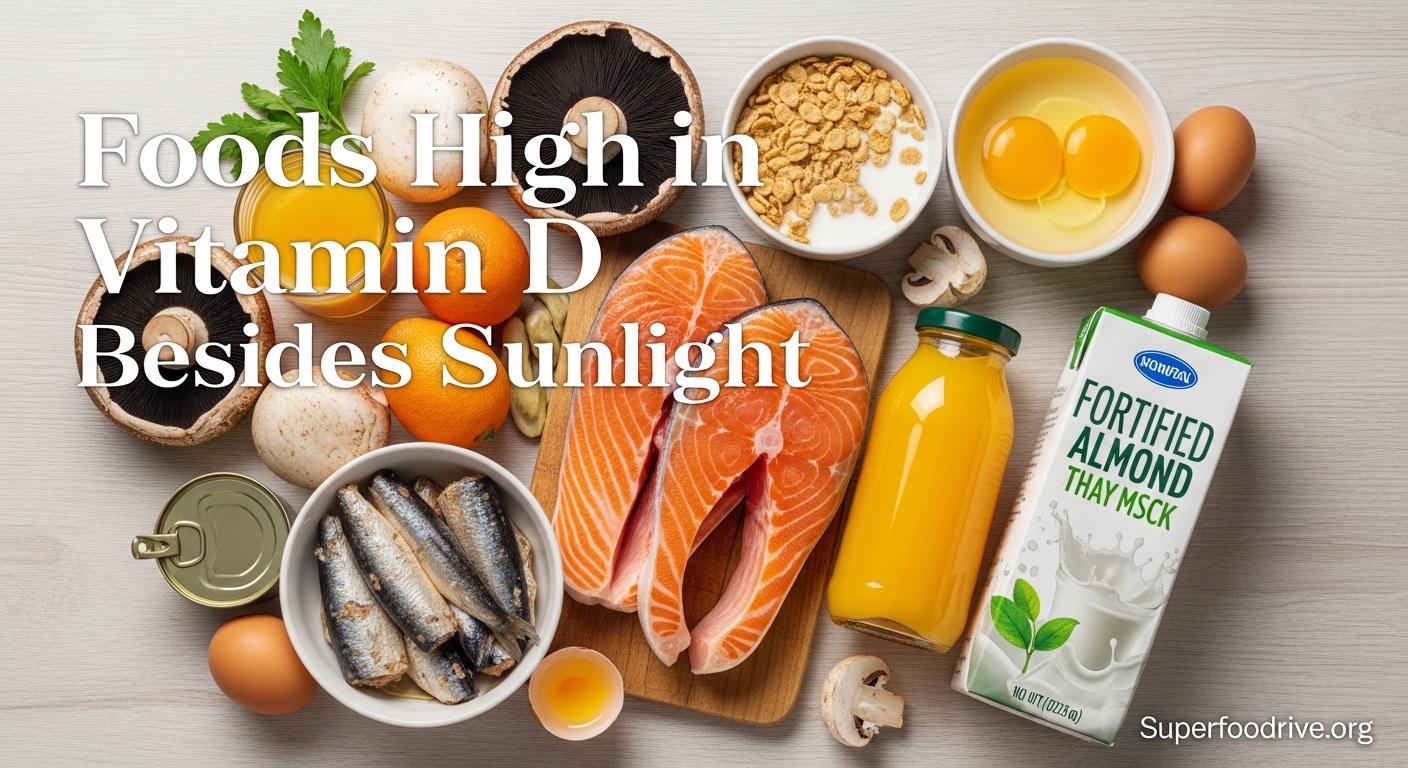
Foods high in vitamin D besides sunlight offer a practical solution for maintaining healthy levels year-round. While our bodies naturally produce vitamin D when exposed to UV rays, dietary sources provide a reliable backup when the sun is not cooperating. Fatty fish, egg yolks, certain mushrooms, and fortified foods can all contribute significantly to your daily intake.
In this guide, I will share the best food sources of vitamin D based on nutritional data and real-world eating habits. You will learn exactly how much vitamin D each food provides, plus practical tips for incorporating these foods into your meals.
Table of Contents
Why Vitamin D Matters for Your Health
Vitamin D acts as both a vitamin and a hormone in your body. It plays a critical role in calcium absorption, which directly impacts bone density and strength. Without adequate vitamin D, your body cannot effectively use the calcium you consume, regardless of how much dairy you eat.
Research shows vitamin D supports immune function, muscle health, and even mood regulation. Studies have linked low vitamin D levels to increased risk of osteoporosis, frequent infections, and seasonal affective disorder. Your body stores vitamin D in fat tissue, releasing it when needed, but deficiencies are surprisingly common.
Certain groups face higher deficiency risks. People over 50, those with darker skin tones, individuals living in northern latitudes, and anyone with limited outdoor exposure often struggle to maintain optimal levels. This makes dietary sources even more important for these populations.
Vitamin D2 vs D3: What You Should Know
Not all vitamin D is created equal. Your body processes two main forms differently. Vitamin D3, also called cholecalciferol, comes primarily from animal sources and matches the form your skin produces from sunlight. Studies suggest D3 raises blood levels more effectively and maintains them longer than D2.
Vitamin D2, or ergocalciferol, derives from plant sources and fungi. While still beneficial, D2 appears to break down faster in the body and may require higher doses to achieve the same effect. Most fortified foods and supplements now use D3, though some plant-based products still rely on D2.
For vegetarians and vegans, this distinction matters significantly. Traditional plant-based vitamin D sources provide only D2, while newer options like lichen-derived D3 supplements offer animal-free alternatives that match the effectiveness of traditional D3.
Foods High in Vitamin D: The Complete Guide
Getting vitamin D from food requires choosing the right ingredients. Here are the top foods high in vitamin D, ranked by their International Unit (IU) content per typical serving.
Fatty Fish: The Vitamin D Champions
Fatty fish top the list of natural vitamin D sources. Wild-caught salmon delivers approximately 570 IU per 3-ounce serving, while farm-raised salmon provides around 240 IU. This makes salmon one of the most efficient ways to meet your daily needs through diet alone.
Sardines pack an impressive 164 IU per 3.8-ounce can, plus they offer the added benefit of edible bones that provide calcium. Mackerel provides about 360 IU per 3.5 ounces, though some varieties contain higher mercury levels than others. Trout offers roughly 540 IU per fillet and works well in diverse recipes.
Herring delivers approximately 214 IU per 3-ounce serving and appears frequently in Scandinavian cuisine. Halibut provides around 190 IU per serving, while carp and eel also rank among lesser-known but vitamin D-rich options. I recommend eating fatty fish at least twice weekly to maximize intake.
Egg Yolks: An Accessible Daily Source
Egg yolks provide a convenient and affordable vitamin D option. One large egg yolk contains approximately 37 IU, though this varies based on the hen’s diet and sun exposure. Free-range chickens that roam outdoors produce eggs with significantly higher vitamin D content, sometimes reaching 150 IU per yolk.
The vitamin D concentrates in the yolk, not the white. This means egg white omelets miss this benefit entirely. Pasture-raised eggs generally contain 3-4 times more vitamin D than conventional eggs from hens raised indoors.
Eggs offer versatility that fish cannot match. You can incorporate them into breakfast scrambles, baking recipes, or salads. For maximum vitamin D retention, cook eggs gently rather than frying at high temperatures for extended periods.
Mushrooms: The Plant-Based Powerhouse
Mushrooms stand alone as the only plant-based source of vitamin D that functions similarly to animal sources. However, this only applies to mushrooms exposed to UV light during growth or processing. Standard white button mushrooms grown in darkness contain minimal vitamin D.
UV-exposed maitake mushrooms provide an exceptional 943 IU per cup when raw, making them the highest plant-based source available. Portobello mushrooms exposed to UV light deliver around 634 IU per cup. Shiitake mushrooms offer about 18 IU per cup, while UV-treated varieties reach much higher levels.
Mushrooms produce vitamin D2, not D3, though research shows D2 from mushrooms still effectively raises blood levels. Some specialty growers now expose mushrooms to UV light specifically to boost vitamin D content, and these products typically advertise this benefit on packaging.
Fortified Foods: Everyday Convenience
Fortified foods bridge the gap for people who do not regularly consume fish or eggs. Cow’s milk typically contains 120 IU per cup when fortified, though amounts vary by brand and region. Fortified plant-based milks like soy, almond, and oat milk usually match or exceed dairy milk levels.
Breakfast cereals often contain 40-100 IU per serving when fortified. Orange juice fortified with vitamin D provides around 100 IU per cup. Some yogurt brands add vitamin D, delivering approximately 80-120 IU per serving.
Cheese and margarine occasionally contain added vitamin D, though levels vary significantly. Always check nutrition labels, as fortification practices differ between manufacturers and countries. Fortified foods offer consistency that natural sources sometimes lack.
Cod Liver Oil and Beef Liver
Cod liver oil remains the single most concentrated food source of vitamin D, providing approximately 1,360 IU per tablespoon. However, this potency comes with a caveat. Cod liver oil also contains extremely high levels of vitamin A, which can reach toxic levels if consumed excessively.
Beef liver offers about 42 IU per 3-ounce serving along with abundant vitamin A, iron, and B vitamins. While nutritious, organ meats appear infrequently in modern diets due to taste preferences and availability. If you enjoy liver, limit consumption to avoid vitamin A accumulation.
Most cod liver oil supplements provide clear dosage instructions to prevent excessive intake. If you choose this route, select products that specify vitamin D content and avoid exceeding recommended amounts without medical supervision.
Plant-Based and Vegan Vitamin D Sources
Vegans face unique challenges obtaining adequate vitamin D. Without fish, eggs, or dairy, options narrow significantly. UV-exposed mushrooms become the primary whole-food source, requiring intentional selection of specifically treated varieties.
Fortified plant milks, cereals, and orange juice provide accessible options for vegans. However, these rely on added vitamin D, making label reading essential. Some brands use D2 while others use D3, with D3 supplements often derived from lichen rather than animal sources.
Lichen-derived vitamin D3 supplements offer vegans a bioavailable option that matches animal-based D3 in effectiveness. These supplements come from algae and fungi symbiosis, not animal products. Several companies now market vegan D3 specifically for plant-based eaters.
Forum discussions reveal that many vegetarians and vegans struggle to maintain optimal vitamin D levels through diet alone. Most eventually incorporate fortified foods daily or use supplements, particularly during winter months or in northern climates.
Daily Recommended Vitamin D Intake
The Recommended Dietary Allowance (RDA) for vitamin D varies by age and life stage. Most adults need 600 IU (15 micrograms) daily. Adults over 70 require 800 IU (20 micrograms) to account for reduced skin synthesis and absorption efficiency.
Pregnant and breastfeeding women need 600 IU daily, though some healthcare providers recommend higher amounts based on individual testing. Infants require 400 IU daily, typically provided through fortified formula or supplements.
The tolerable upper intake level for adults sits at 4,000 IU daily from all sources combined. Exceeding this regularly can cause vitamin D toxicity, leading to calcium buildup, nausea, and kidney problems. Food sources rarely cause toxicity, but supplements require careful monitoring.
Your individual needs may vary based on blood test results. The 25-hydroxyvitamin D test measures your status, with levels below 20 ng/mL indicating deficiency and optimal ranges falling between 30-50 ng/mL.
Cooking Tips to Preserve Vitamin D
How you prepare vitamin D-rich foods affects their nutritional value. Fatty fish retain vitamin D well during most cooking methods, though baking and grilling preserve more than deep frying. The vitamin D in fish is fat-soluble and stable at moderate temperatures.
Mushrooms require special handling to maintain vitamin D content. Slicing mushrooms before UV exposure actually increases vitamin D production by creating more surface area. However, storing UV-exposed mushrooms in dark conditions causes gradual vitamin D degradation over weeks.
Egg yolks lose minimal vitamin D during standard cooking. Scrambling, poaching, or soft-boiling preserves nutrients effectively. Extended high-heat cooking like hard frying may reduce content slightly, though the difference remains minimal for most cooking methods.
Fortified foods maintain their added vitamin D through normal storage and preparation. However, avoid storing fortified milk in clear containers exposed to direct light, as UV exposure can degrade vitamin D over time. Keep fortified cereals sealed to prevent nutrient loss from air exposure.
When Food Is Not Enough: Understanding Supplements
Some individuals cannot meet vitamin D needs through diet alone. People with malabsorption disorders, certain medical conditions, or those taking medications that interfere with vitamin D metabolism may require supplementation regardless of diet quality.
If your blood tests show deficiency below 20 ng/mL, your doctor may recommend high-dose supplements temporarily to restore levels. Maintenance doses typically range from 1,000-2,000 IU daily, though individual requirements vary significantly.
Choose D3 supplements over D2 when possible for better absorption and longer duration in the body. Take supplements with meals containing fat to enhance absorption, since vitamin D requires dietary fat for proper uptake.
Always consult a healthcare provider before starting high-dose vitamin D supplements. Regular blood monitoring ensures you reach optimal levels without overshooting into toxicity range.
How to Get Vitamin D Without Sunlight
Getting vitamin D without sunlight requires intentional food choices and possibly supplementation. Focus on fatty fish twice weekly, eggs daily, and UV-exposed mushrooms regularly. Add fortified milk or plant-based alternatives to your routine.
Create meal plans that combine multiple sources. A breakfast of fortified cereal with fortified milk, eggs for lunch, and salmon for dinner can deliver 800+ IU in a single day. For strict vegans, UV-exposed mushrooms plus fortified plant foods provide the best whole-food approach.
Consider your geographic location and season. Northern latitudes receive insufficient UVB radiation for vitamin D synthesis from October through March. During these months, dietary sources become your primary option.
Monitor your levels with annual blood tests, especially if you avoid sun exposure entirely. This helps determine whether your dietary efforts sufficiently maintain healthy vitamin D status.
Frequently Asked Questions
How do I get vitamin D without sunlight?
You can get vitamin D without sunlight by eating fatty fish like salmon and sardines, consuming egg yolks, eating UV-exposed mushrooms, and choosing fortified foods such as milk, cereals, and orange juice. Supplements also provide an effective alternative when dietary intake is insufficient.
What food is super high in vitamin D?
Cod liver oil contains the highest concentration at approximately 1,360 IU per tablespoon. Among whole foods, wild-caught salmon provides about 570 IU per serving, UV-exposed maitake mushrooms deliver 943 IU per cup, and sardines offer 164 IU per can.
How do I boost my vitamin D quickly?
To boost vitamin D quickly, incorporate cod liver oil, wild-caught salmon, or UV-exposed mushrooms into your daily diet. Take a vitamin D3 supplement with a fatty meal for faster absorption. Get your blood levels tested to determine appropriate dosage.
What foods to eat if lacking vitamin D?
If you are lacking vitamin D, prioritize fatty fish (salmon, mackerel, sardines), egg yolks from free-range chickens, UV-exposed mushrooms, fortified milk or plant-based alternatives, and fortified cereals. Consider a D3 supplement if dietary changes prove insufficient.
Do fruits and vegetables contain vitamin D?
Most fruits and vegetables contain minimal or no vitamin D naturally. UV-exposed mushrooms are the only significant plant-based source. Some fortified orange juices and plant milks provide vitamin D, but these are fortified rather than naturally occurring.
Conclusion
Foods high in vitamin D besides sunlight provide viable alternatives for maintaining healthy levels year-round. Fatty fish, egg yolks, UV-exposed mushrooms, and fortified foods each offer unique advantages depending on your dietary preferences and restrictions.
I recommend combining multiple sources rather than relying on one food. Eat fatty fish twice weekly, include eggs regularly, and choose fortified beverages daily. Vegans should prioritize UV-exposed mushrooms and fortified plant foods while considering lichen-derived D3 supplements.
Remember that dietary vitamin D works best alongside appropriate sun exposure when possible. Get your blood levels tested annually to ensure your approach meets your individual needs. With thoughtful food choices, you can maintain optimal vitamin D status regardless of weather, geography, or lifestyle constraints.