
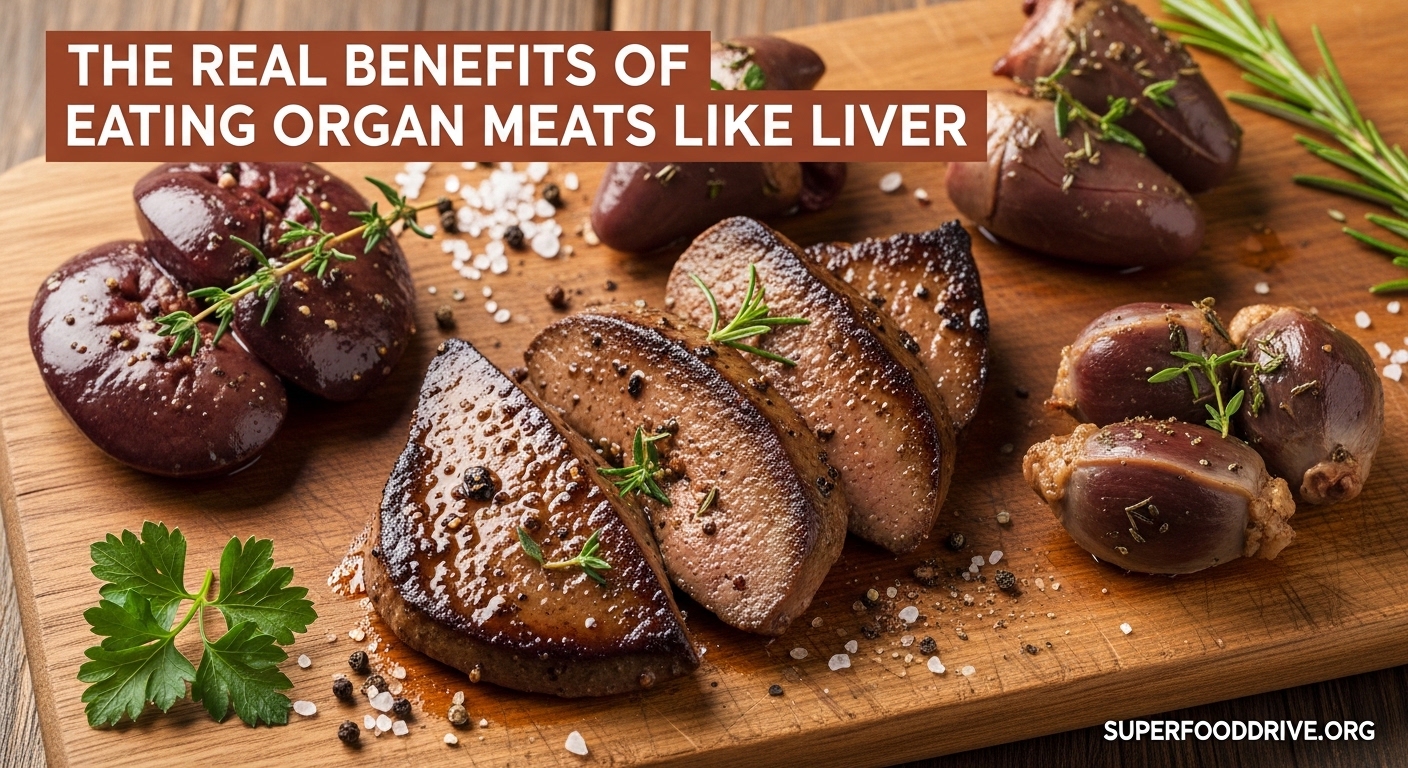
I remember the first time I cooked beef liver. The smell filled my kitchen, and I honestly questioned whether I could actually eat it. But after years of researching nutrition and testing different approaches, I can tell you that learning the real benefits of eating organ meats like liver completely changed my perspective on food.
Organ meats, also known as offal, were once dietary staples in nearly every culture worldwide. Yet somewhere along the way, we stopped eating them. In 2026, with renewed interest in nutrient density and sustainable eating, organ meats are making a comeback. This guide will show you exactly why these foods deserve a place on your plate.
By the end of this article, you will understand what makes organ meats so nutritionally powerful, how they can support your health goals, who should avoid them, and practical ways to incorporate them into your diet.
Table of Contents
What Are Organ Meats?
Organ meats are the edible internal organs and other parts of animals that are typically discarded in modern Western cuisine. This category includes liver, heart, kidneys, brain, sweetbreads (thymus and pancreas), tongue, tripe (stomach lining), and even bone marrow.
The term “offal” refers to these variety meats, and “nose-to-tail eating” describes the practice of consuming the entire animal rather than just muscle meat. For most of human history, this was simply how people ate. Organ meats provided essential nutrients that were difficult to obtain otherwise.
Why Did We Stop Eating Them?
Several factors contributed to the decline of organ meat consumption in Western countries. Industrial farming made muscle meat cheaper and more abundant. Marketing focused on steaks and chops while portraying organs as “poor people food.” Convenience culture prioritized simple, familiar cuts over traditional preparations.
Meanwhile, many other cultures never abandoned organ meats. From liver pâté in France to menudo in Mexico to grilled chicken hearts in Brazil, offal remains central to cuisines worldwide. These traditions preserved knowledge about preparation techniques that make organ meats both delicious and safe.
Organ Meat Nutrition: What Makes Them Special
Gram for gram, organ meats are among the most nutrient-dense foods on the planet. While muscle meat provides excellent protein and some B vitamins, organ meats deliver concentrated doses of nutrients that are difficult to find in such bioavailable forms elsewhere.
The Nutrient Density Advantage
When researchers analyze foods by nutrient content per calorie, organ meats consistently rank at the top. Beef liver, for example, contains more vitamin A than almost any other food source. A single 3-ounce serving can provide over 600% of your daily vitamin A needs.
But vitamin A is just the beginning. Organ meats are exceptional sources of vitamin B12, iron, choline, selenium, zinc, copper, and folate. They also provide unique compounds like coenzyme Q10, which supports cellular energy production, and alpha-lipoic acid, a powerful antioxidant.
Heme Iron: The Superior Form
Iron comes in two forms: heme and non-heme. Heme iron, found only in animal foods, is significantly more bioavailable. Your body absorbs approximately 15-35% of heme iron compared to just 2-20% of non-heme iron from plant sources. For people struggling with iron deficiency or anemia, this difference matters enormously.
Organ meats like liver and heart contain some of the highest heme iron concentrations available. A 3-ounce serving of beef liver provides about 5 milligrams of iron, nearly 30% of the recommended daily intake for adult men and over 15% for premenopausal women.
Vitamin B12: Critical for Energy and Brain Function
Vitamin B12 deficiency affects millions of people, causing fatigue, cognitive issues, and nerve damage. This vitamin exists almost exclusively in animal foods, and organ meats contain it in abundance. A single serving of liver can provide over 1000% of your daily B12 needs.
Your body uses B12 to produce red blood cells, maintain nerve function, and synthesize DNA. Without adequate intake, these processes falter. For vegetarians and vegans, B12 supplementation is essential, but organ meat eaters get this nutrient in its most natural, bioavailable form.
Fat-Soluble Vitamins: A, D, E, and K
Organ meats store fat-soluble vitamins in their tissues, making them exceptional sources. Vitamin A in liver exists as retinol, the preformed active version your body can use immediately. Plant sources contain beta-carotene, which requires conversion and is far less efficient.
This means a small amount of liver delivers more usable vitamin A than pounds of carrots or sweet potatoes. For eye health, immune function, and cellular growth, this concentrated source proves invaluable.
Evidence-Based Health Benefits of Organ Meats
Modern research increasingly supports what traditional cultures always knew: organ meats support health in multiple ways. Here are the key benefits backed by scientific evidence.
1. Sustained Energy Production
The combination of B vitamins, iron, and coenzyme Q10 in organ meats directly supports cellular energy production. B vitamins act as cofactors in metabolic pathways that convert food into usable energy. Iron carries oxygen throughout your body, essential for every cell’s function.
Many people report feeling more energetic within weeks of adding organ meats to their diet. This is not placebo effect. When you provide your body with the raw materials it needs for energy production, it responds accordingly.
2. Brain Health and Cognitive Function
Your brain requires specific nutrients to function optimally. Choline, abundant in liver and brain tissue, supports memory, mood, and cognitive processing. Organ meats also provide omega-3 fatty acids, particularly DHA, crucial for brain cell membrane integrity.
Some studies suggest organ meat consumption may reduce dementia risk. The folate and B12 content helps regulate homocysteine, an amino acid linked to cognitive decline when elevated. Keeping homocysteine levels in check supports long-term brain health.
3. Immune System Support
Vitamin A, zinc, and selenium all play critical roles in immune function. Vitamin A maintains the integrity of mucosal barriers in your respiratory and digestive tracts, your first line of defense against pathogens. Zinc supports white blood cell production and function.
Organ meats provide these nutrients in forms your body recognizes and utilizes efficiently. During cold and flu season, this nutritional arsenal becomes especially valuable.
4. Anemia Prevention and Treatment
Iron deficiency anemia affects over 1 billion people globally. The heme iron in organ meats offers superior absorption compared to supplements or plant sources. For those with low iron stores, incorporating small amounts of liver regularly can restore levels more effectively than many over-the-counter options.
Vitamin B12 deficiency also causes anemia, and organ meats provide this nutrient in abundance. Unlike folate-fortified foods, which can mask B12 deficiency, organ meats supply both nutrients together in proper balance.
5. Muscle Retention and Growth
Organ meats provide complete protein with all essential amino acids. But they go beyond basic protein content. The specific amino acid profile supports muscle protein synthesis, while minerals like zinc and magnesium aid recovery and growth.
For athletes and anyone interested in maintaining muscle mass as they age, organ meats offer concentrated nutritional support. The creatine in heart tissue particularly benefits high-intensity exercise performance.
6. Heart Health Protection
Despite cholesterol concerns, organ meats contain nutrients that support cardiovascular health. Coenzyme Q10, abundant in heart tissue, improves heart muscle function and may reduce blood pressure. Potassium helps regulate heart rhythm.
The B vitamins in organ meats help manage homocysteine levels, and elevated homocysteine is an independent risk factor for heart disease. Some research suggests moderate organ meat consumption may actually benefit heart health when part of a balanced diet.
7. Eye Health Maintenance
The vitamin A in organ meats exists as retinol, essential for vision. Your retina requires vitamin A to convert light into neural signals. Deficiency causes night blindness and, in severe cases, complete vision loss.
Organ meats also provide zinc, which transports vitamin A from liver stores to the eyes, and antioxidants that protect delicate eye tissues from oxidative damage. For maintaining sharp vision throughout life, these nutrients prove invaluable.
8. Skin, Hair, and Nail Health
The collagen in organ meats supports skin elasticity and wound healing. B vitamins promote healthy hair growth and nail strength. Vitamin A regulates skin cell turnover, preventing buildup that leads to dull complexion.
Many people notice improvements in skin clarity and hair quality after incorporating organ meats regularly. This reflects the internal nourishment these tissues receive when nutrient deficiencies are addressed.
9. Pregnancy and Fertility Support
Organ meats provide nutrients critical for fetal development. Choline supports brain and spinal cord formation. Folate prevents neural tube defects. Iron supports the increased blood volume pregnancy demands.
However, moderation matters during pregnancy. The high vitamin A content means pregnant women should limit liver consumption to avoid potential toxicity. We’ll cover this in the precautions section.
10. Cost-Effective Nutrition
Pound for pound, organ meats deliver more nutrition per dollar than almost any other food. While grass-fed steaks command premium prices, liver and heart often cost a fraction while providing superior nutrient density.
For budget-conscious eaters seeking optimal nutrition, organ meats represent an incredible value. A small weekly serving costs little while addressing multiple nutritional needs.
Different Types of Organ Meats and Their Benefits
Not all organ meats are created equal. Each type offers a unique nutritional profile and distinct flavor. Understanding these differences helps you choose which organs to incorporate based on your health goals and taste preferences.
Liver: The Nutritional Powerhouse
Liver consistently ranks as the most nutrient-dense organ meat. Beef liver provides exceptional amounts of vitamin A, B12, iron, and copper. Chicken liver offers a milder flavor with similar benefits. Either provides more nutrients per ounce than almost any other food.
The texture can be challenging for newcomers. Soaking liver in milk or lemon water before cooking reduces intensity. Many beginners find chicken liver more approachable than beef liver.
Heart: The Muscle-Like Organ
Heart tastes more like muscle meat than other organs, making it an excellent starting point. It is lean, firm, and lacks the strong mineral flavor some find off-putting in liver. Nutritionally, heart excels in CoQ10, B12, iron, and zinc.
Heart requires slow cooking or quick searing to remain tender. Many people grind it into ground meat mixtures where it adds nutrition without dramatically changing flavor or texture.
Kidney: The Mineral-Rich Choice
Kidneys provide excellent selenium, B12, and iron with a milder flavor than liver. They contain unique compounds that support detoxification pathways in your own body. The texture is firmer than liver but softer than heart.
Proper preparation matters with kidneys. Soaking and thorough cooking eliminates any residual ammonia flavor. Many cultures have traditional kidney preparations that have stood the test of time.
Brain: The Omega-3 Source
Animal brains contain high levels of DHA, an omega-3 fatty acid crucial for brain health. They also provide phosphatidylserine, a compound that supports cognitive function. The texture is soft and creamy, quite different from other organs.
Safety considerations are paramount with brain tissue. Prion diseases, though rare, make brain consumption riskier than other organs. Sourcing from healthy, young animals and proper cooking reduces but does not eliminate this risk.
Sweetbreads and Other Organs
Sweetbreads (thymus and pancreas) offer a delicate, mild flavor that many find more approachable than liver. Tongue provides rich meaty flavor and tender texture when cooked properly. Tripe offers unique collagen and gut-health supporting compounds.
Each organ brings something different to your nutritional profile. Rotating between different types ensures you get a broad spectrum of nutrients.
Potential Risks and Who Should Limit Organ Meats
Despite their benefits, organ meats are not appropriate for everyone in unlimited amounts. Understanding potential risks helps you consume them safely.
Cholesterol Considerations
Organ meats are higher in cholesterol than muscle meat. A 3-ounce serving of beef liver contains about 330 milligrams of cholesterol, exceeding the previous daily recommendation of 300 milligrams.
However, dietary cholesterol affects blood cholesterol less than once believed. For most people, consuming organ meats in moderation does not significantly impact heart disease risk. Individual responses vary, so those with high cholesterol should monitor their levels and consult healthcare providers.
Vitamin A Toxicity Risk
The very vitamin A that makes liver so nutritious can become problematic in excess. Vitamin A is fat-soluble, meaning your body stores it rather than excreting excess. Consuming large amounts of liver regularly can lead to hypervitaminosis A.
Symptoms include headaches, dizziness, nausea, and in severe cases, liver damage. Limiting liver to 3-4 ounces once or twice weekly provides benefits without risk. Pregnant women should be especially cautious, as excessive vitamin A can cause birth defects.
Gout and Purine Concerns
Organ meats are high in purines, compounds that break down into uric acid. People with gout or a history of kidney stones may need to limit purine-rich foods. Uric acid crystals can trigger painful gout attacks in susceptible individuals.
If you have gout, talk to your doctor before adding organ meats to your diet. Some people can tolerate small amounts, while others need to avoid them entirely.
Iron Overload Conditions
Hemochromatosis causes excessive iron absorption and storage. People with this condition should avoid organ meats, which would worsen iron overload. Regular blood testing can identify iron levels before they become dangerous.
Those without hemochromatosis generally do not absorb excess iron from food, but awareness of personal health conditions matters when choosing foods.
Pregnancy Precautions
Pregnant women should limit liver consumption due to vitamin A toxicity risk. The developing fetus is particularly vulnerable to excessive retinol. Most guidelines suggest no more than 3 ounces of liver per week during pregnancy.
Other organ meats in moderation are generally considered safe, but consulting with healthcare providers is wise during pregnancy.
Sourcing and Safety
Organ meats concentrate whatever the animal consumed, including potential toxins. Liver filters blood but does not store toxins permanently. Still, sourcing from pasture-raised, organically-fed animals reduces exposure to antibiotics, hormones, and pesticides.
Proper handling and thorough cooking eliminates bacterial risks. Freeze liver for at least two weeks before eating raw preparations to kill potential parasites.
How to Start Eating Organ Meats: A Beginner’s Guide
The biggest barrier to organ meat consumption is usually taste and texture, not nutrition. These strategies help newcomers overcome initial hesitation and develop appreciation for offal.
Start with Heart
Heart tastes most like familiar muscle meat. It is lean, mild, and lacks the strong mineral flavor of liver. Try beef or chicken heart grilled, roasted, or added to ground meat dishes. Many people cannot distinguish heart from regular meat in mixed dishes.
Mask the Flavor
Soaking liver in milk, buttermilk, or lemon water for 30 minutes to 2 hours reduces intensity. Cooking with strong flavors like bacon, onions, garlic, or herbs helps mask unfamiliar tastes. Pâtés and terrines blend liver with butter and seasonings for a more palatable introduction.
Mix into Ground Meat
Grinding liver or heart and mixing it into ground beef, pork, or lamb at 10-20% ratios adds nutrition without overwhelming flavor. Use this mixture for burgers, meatballs, meatloaf, or Bolognese sauce. Most people never notice the addition.
Try Chicken Liver First
Chicken liver has a milder, creamier flavor than beef liver. It is also more tender and cooks quickly. Sauté with onions and serve over toast for a classic preparation. Many find chicken liver an easier gateway than beef liver.
Explore Cultural Recipes
Cultures that never abandoned organ meats developed delicious preparation methods over centuries. French pâté, Italian fegato, Mexican menudo, and Middle Eastern grilled heart all offer time-tested approaches. These recipes often include flavor combinations that complement organ meats beautifully.
Consider Desiccated Supplements
For those who cannot overcome taste aversions, desiccated organ supplements provide concentrated nutrition in capsule form. While whole food is ideal, supplements offer an alternative for getting organ meat benefits without eating the actual organs.
Quality matters with supplements. Look for products from grass-fed, pasture-raised animals without fillers or additives.
The Environmental and Economic Benefits
Beyond personal health, eating organ meats supports broader sustainability goals and saves money.
Nose-to-Tail Sustainability
Raising animals for food requires significant resources. When we eat only muscle meat and discard organs, we waste up to 30% of the animal. Nose-to-tail eating honors the animal and maximizes resource efficiency.
This approach reduces the number of animals needed to feed people and decreases overall environmental impact. It aligns with regenerative agriculture principles that emphasize whole-system utilization.
Reduced Food Waste
Organ meats represent perfectly edible, nutritious food that often goes to waste. By consuming them, you participate in reducing food waste at the systemic level. This matters as we face global challenges around food security and resource allocation.
Budget-Friendly Nutrition
Liver, heart, and kidneys typically cost one-third to one-half the price of equivalent muscle cuts. Yet they provide superior nutrition. For families on tight budgets, organ meats offer an unbeatable nutrition-to-cost ratio.
Grass-fed organ meats often cost less than conventional muscle meat while providing better nutrient profiles. This accessibility makes quality nutrition available to more people.
Frequently Asked Questions
Is organ meat like liver good for you?
Yes, organ meats like liver are highly nutritious. They contain exceptional amounts of vitamin A, B12, iron, and other nutrients that support energy, brain health, immune function, and overall wellness. The benefits of eating organ meats like liver are well-documented, though moderation is important due to high vitamin A content.
Which is the healthiest organ meat?
Liver is generally considered the healthiest organ meat due to its unmatched nutrient density. Beef liver and chicken liver both provide extraordinary amounts of vitamins A and B12, iron, copper, and choline. Heart is another excellent choice, offering CoQ10 and a milder flavor that many find more approachable.
How often should you eat organ meats?
Most nutritionists recommend eating organ meats 1-3 times per week. Liver should be limited to 3-4 ounces once or twice weekly to avoid vitamin A toxicity. Heart and kidney can be consumed more frequently. Individual needs vary based on health status, iron levels, and specific nutritional goals.
Is organ meat high in cholesterol?
Yes, organ meats contain more cholesterol than muscle meat. Beef liver has about 330 milligrams per 3-ounce serving. However, dietary cholesterol has less impact on blood cholesterol than previously thought. For most healthy people, moderate organ meat consumption does not significantly increase heart disease risk, though those with existing high cholesterol should monitor their levels.
Can you eat organ meats while pregnant?
Pregnant women should limit liver consumption due to high vitamin A content, which can cause birth defects in excess. Most guidelines suggest no more than 3 ounces of liver per week during pregnancy. Other organ meats like heart and kidney are generally considered safe in moderation, but consulting a healthcare provider is recommended.
Are organ meats safe to eat?
Organ meats are safe when sourced from healthy animals and cooked properly. Choose pasture-raised, organically-fed animals when possible. Liver filters toxins but does not store them permanently. Freeze liver for two weeks before eating raw. Cook thoroughly to eliminate bacteria. People with gout, hemochromatosis, or certain conditions should consult doctors before consuming organ meats.
Conclusion
The benefits of eating organ meats like liver are difficult to overstate. These foods deliver concentrated nutrition that supports energy, brain function, immune health, and overall wellness in ways that muscle meat alone cannot match.
If you are new to organ meats, start small. Try chicken liver sautéed with onions, or mix ground heart into your next batch of burgers. The flavor may surprise you, and your body will thank you for the nutritional boost.
Remember that moderation and quality sourcing matter. Choose pasture-raised animals when possible, limit liver to a few times per week, and consult your healthcare provider if you have existing health conditions.
In a world of processed foods and nutritional shortcuts, organ meats offer something rare: whole food nutrition in its most concentrated, bioavailable form. That first bite of liver might be challenging, but the long-term benefits make it worth acquiring the taste.