
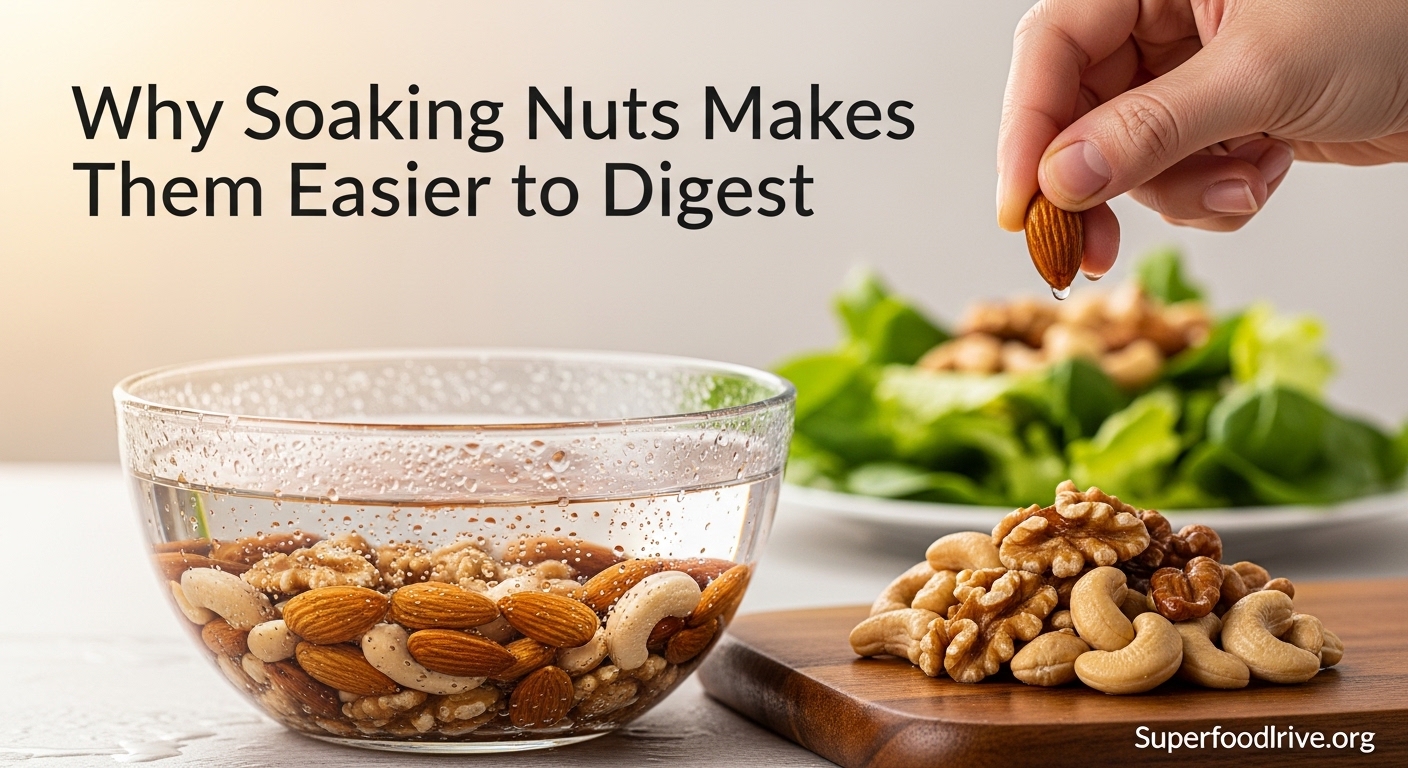
Have you ever felt bloated or uncomfortable after eating a handful of almonds or walnuts? You’re not alone. Many people experience digestive discomfort from nuts, and soaking nuts to make them easier to digest has become a popular practice in health-conscious communities. This simple technique has been used in traditional food preparation for centuries, but does it actually work?
In this guide, you’ll learn exactly why soaking nuts makes them easier to digest, the science behind phytic acid and anti-nutrients, and how to properly soak different types of nuts for optimal results. We’ll look at what research actually says about nutrient absorption, address common concerns about whether the effort is worth it, and provide practical tips you can use immediately.
By the end, you’ll have a clear understanding of whether soaking nuts is right for you and how to do it correctly if you choose to try it.
Table of Contents
What Is Nut Soaking and Why Do People Do It?
Nut soaking is the simple practice of immersing raw nuts in water for several hours before eating them. This process mimics what happens in nature when nuts fall to the ground and are exposed to rain and moisture. In traditional cultures, people soaked nuts, seeds, and grains as a standard food preparation technique to improve digestibility and remove bitter compounds.
The modern term “activated nuts” refers to this soaking process. When nuts are soaked, they begin to germinate, which triggers biological changes within the nut. The water signals to the nut that conditions are right for growth, causing it to start breaking down stored nutrients and protective compounds.
People soak nuts for several reasons. Some find that soaked nuts are easier on their digestive system and cause less bloating and gas. Others prefer the softer texture, which works better for making nut butters, smoothies, and raw desserts. A third group is concerned about maximizing nutrient absorption, believing that soaking reduces compounds that might interfere with mineral uptake.
The practice has gained popularity in raw food communities and among people with digestive sensitivities. Health food stores now commonly sell pre-soaked and dehydrated nuts labeled as “activated” or “sprouted,” often at premium prices. But before you invest time or money in soaking, it’s worth understanding exactly what happens during the process.
Why Soaking Nuts Makes Them Easier to Digest
Soaking nuts helps digestion in three main ways: it softens the tough physical texture, reduces certain compounds that can interfere with digestion, and may improve mineral availability. Understanding the science behind each factor helps explain why some people experience noticeable benefits while others may not.
The Role of Phytic Acid and Anti-Nutrients
Phytic acid is a natural compound found in nuts, seeds, grains, and legumes. It serves as a storage form of phosphorus for the plant and acts as a protective mechanism to prevent premature germination. In the human digestive system, phytic acid is classified as an anti-nutrient because it can bind to certain minerals and reduce their absorption.
When you consume foods containing phytic acid, it can form complexes with minerals like iron, zinc, calcium, and magnesium in your digestive tract. This binding makes these minerals less available for your body to absorb. For people who rely heavily on plant-based sources of these nutrients, high phytic acid intake could theoretically contribute to mineral deficiencies over time.
However, it’s important to note that phytic acid isn’t entirely bad. Research published in the Journal of Food Science indicates that phytic acid also acts as an antioxidant and may have protective effects against certain diseases. The goal isn’t necessarily to eliminate phytic acid completely, but rather to find a balance that maximizes both nutrient availability and the beneficial properties of whole foods.
Enzyme Inhibitors and Digestion
Nuts contain natural enzyme inhibitors that prevent premature sprouting. These compounds interfere with the enzymes that break down food in your digestive system. When you eat unsoaked nuts, these inhibitors can make digestion more difficult, potentially leading to that heavy, uncomfortable feeling some people experience.
Soaking nuts in warm water begins the germination process, which neutralizes these enzyme inhibitors. This allows the nut’s own enzymes to activate and start breaking down stored nutrients. The theory is that by neutralizing these inhibitors before consumption, your digestive enzymes can work more effectively on the nut’s proteins, fats, and carbohydrates.
The reduction in enzyme inhibitors is one reason soaked nuts often feel lighter and easier to digest. People who experience bloating, gas, or a sense of heaviness after eating raw nuts frequently report that soaked versions cause fewer digestive complaints. This effect appears most pronounced in individuals who already have sensitive digestive systems or lower levels of digestive enzymes.
Texture Changes That Aid Digestion
Physical texture plays a significant role in how easily your body can break down food. Raw nuts have a hard, dense structure that requires substantial mechanical and chemical breakdown. This toughness can slow digestion and make nuts harder for some people to tolerate, especially those with compromised digestive function.
Soaking softens the nut’s flesh considerably. Almonds, for example, transform from rock-hard to pleasantly chewy after 8 to 12 hours in water. This softer texture means your digestive system has less work to do mechanically. The nutrients within the nut become more accessible because the cell walls have started to break down during the soaking process.
The softened texture also affects how thoroughly you chew. Most people chew soaked nuts more completely than raw ones, which further aids digestion by increasing the surface area exposed to digestive enzymes. Better chewing means better digestion, regardless of the chemical changes happening within the nut itself.
What Science Says About Soaking Nuts
The scientific evidence for soaking nuts shows modest benefits, but the effects are smaller than many health blogs suggest. A balanced view requires looking at what the research actually demonstrates rather than relying on exaggerated claims.
The Research on Nutrient Bioavailability
Studies on soaking’s effect on nutrient absorption show mixed results. Research published in the International Journal of Food Science and Technology found that soaking almonds reduced phytic acid content by approximately 4-8%. While this is a measurable reduction, it’s far from the complete elimination some sources claim.
A study in the Journal of Agricultural and Food Chemistry examined mineral absorption from soaked versus unsoaked almonds and found minimal differences in actual mineral uptake by the body. The researchers concluded that while soaking does reduce certain anti-nutrients, the practical impact on overall nutrition may be limited for people eating a varied diet.
Another consideration is that nuts are already excellent sources of healthy fats, protein, fiber, vitamins, and minerals. Even with slightly reduced bioavailability, unsoaked nuts remain highly nutritious foods. The small improvement from soaking may not be worth the effort for most healthy individuals.
Phytic Acid’s Dual Nature
Modern nutrition science has revealed that phytic acid isn’t simply a harmful anti-nutrient to be eliminated. Research published in Biomedicine and Pharmacotherapy highlights phytic acid’s antioxidant properties and its potential role in protecting against kidney stones and certain cancers. Completely eliminating phytic acid might actually remove some beneficial compounds.
The current scientific consensus suggests that moderate phytic acid consumption is not harmful for most people with balanced diets. Those at risk for mineral deficiencies, such as strict vegans or people with malabsorption conditions, might benefit more from soaking than the general population.
Is It Worth the Effort?
Based on available research, soaking nuts provides modest benefits that may matter more to some people than others. If you experience digestive discomfort from raw nuts, soaking is worth trying. The improvement in texture alone can make nuts more enjoyable and easier to eat.
For people with sensitive digestive systems, irritable bowel syndrome, or general digestive sluggishness, the reduction in enzyme inhibitors and softer texture may provide noticeable relief. The gentle nature of soaked nuts makes them a better choice for those recovering from digestive illness or with compromised gut function.
However, if you eat raw nuts without any issues and have no digestive sensitivities, the nutritional benefits of soaking are minimal. Unsoaked nuts remain one of the healthiest foods you can eat. Don’t feel pressured to soak if the process doesn’t fit your lifestyle or preferences.
How to Soak Nuts: A Step-by-Step Guide
Proper soaking technique ensures food safety and optimal results. Follow these steps to soak nuts correctly every time.
Step 1: Select Raw Nuts
Start with raw nuts, not roasted or salted varieties. Roasting changes the nut’s structure and enzyme content, making soaking less effective. Raw nuts are available in bulk at health food stores, online retailers, and many grocery stores.
Check that your nuts are fresh. Rancid nuts will taste bitter and unpleasant regardless of soaking. Smell the nuts before soaking – they should have a mild, pleasant nutty aroma. Discard any that smell oily, paint-like, or off in any way.
Step 2: Measure and Rinse
Measure the amount of nuts you want to soak. Keep in mind that nuts expand significantly as they absorb water, so use a container with plenty of extra space. A good rule of thumb is to use a container at least twice as large as the volume of nuts.
Rinse the nuts thoroughly under cool running water before soaking. This removes dust, debris, and any surface contaminants. Some people also notice that rinsing removes loose skins, which can reduce bitterness in certain nuts like walnuts.
Step 3: Add Water and Optional Salt
Cover the nuts completely with filtered or purified water. Use approximately two cups of water for every cup of nuts. The nuts will absorb significant water, so ensure they’re fully submerged with at least an inch of water above them.
The debate between plain water and salted water continues in health communities. Adding one teaspoon of sea salt per cup of nuts is optional but traditional in many cultures. Salt may help break down enzyme inhibitors and can improve flavor. If you’re watching sodium intake, plain water works fine too.
Some people add apple cider vinegar instead of salt, believing the acid helps neutralize anti-nutrients. There’s limited scientific evidence supporting this practice, but it won’t harm the nuts if you prefer this method.
Step 4: Soak for the Recommended Time
Leave the nuts at room temperature for the appropriate soaking time (see the chart below). Cover the container with a clean cloth or loose lid to keep dust out while allowing air circulation. Room temperature water works best – hot water can damage nutrients, and cold water slows the activation process.
Stir the nuts once or twice during longer soaks if you remember. This isn’t essential but can help ensure even water absorption. You’ll notice the water becoming brownish or cloudy – this is normal and indicates compounds are being released from the nuts.
Step 5: Drain and Rinse Thoroughly
After the soaking period, drain the nuts completely in a colander. Rinse them well under cool running water to remove the soaking water, which now contains released enzyme inhibitors and phytic acid. This rinsing step is important – don’t skip it.
The nuts are now ready to eat, though many people find them bland at this stage. You can use them immediately in smoothies, recipes, or as a soft snack. However, they won’t store well wet and should be eaten within 24 hours unless you dehydrate them.
Step 6: Dehydrate or Roast (Optional)
If you want to restore crunch or store the nuts longer, dehydrating is the next step. Spread the soaked nuts in a single layer on a dehydrator tray or baking sheet. Dry at the lowest oven setting (usually 150 degrees Fahrenheit or less) or use a food dehydrator at 115 degrees for 12-24 hours until completely dry and crisp.
Low temperature preserves more nutrients and enzymes, while slightly higher temperatures create a roasted flavor. If you don’t have a dehydrator, you can roast soaked nuts at 300 degrees Fahrenheit for 20-30 minutes, stirring occasionally. Roasted soaked nuts won’t have the same enzyme activity but still offer the improved digestibility from the soaking process.
Soaking Times Chart: How Long to Soak Different Nuts
Different nuts require different soaking times based on their size, density, and oil content. Harder nuts need longer soaking to soften properly and reduce anti-nutrients effectively.
Long-Soak Nuts (8-12 Hours)
These hard, dense nuts benefit from overnight soaking. Start them before bed, and they’ll be ready by morning.
Almonds: Soak for 8-12 hours. Almonds are the hardest common nut and benefit most from longer soaking. Their skins will loosen and can be removed easily if desired, though the skins contain beneficial fiber.
Hazelnuts: Soak for 8-12 hours. These become noticeably softer and develop a sweeter, less bitter flavor after soaking.
Pistachios: Soak for 8 hours. These softer shells allow water penetration more easily, so they don’t need as long as almonds.
Medium-Soak Nuts (4-6 Hours)
These nuts have moderate density and oil content. They’re perfect for soaking in the morning to enjoy by afternoon.
Walnuts: Soak for 4-6 hours. Walnuts have thinner cell walls and absorb water quickly. They’re also high in fragile omega-3 fatty acids, so avoid over-soaking.
Pecans: Soak for 4-6 hours. Similar to walnuts, these softer nuts don’t require extended soaking.
Brazil Nuts: Soak for 6-8 hours. These large nuts need moderate time for water to penetrate their substantial size.
Pine Nuts: Soak for 6-8 hours. These small but dense nuts soften nicely with a half-day soak.
Short-Soak Nuts (2-4 Hours)
These soft, oily nuts require minimal soaking. Over-soaking can make them mushy and cause nutrient loss.
Cashews: Soak for 2-4 hours. Cashews are actually seeds, not true nuts, and are softer than most tree nuts. They become quite soft quickly and are excellent for creamy recipes.
Macadamia Nuts: Soak for 2-4 hours. Their high oil content means they soften rapidly. Don’t exceed 4 hours or they may become too soft.
After soaking any nut type, always drain, rinse, and either consume within 24 hours or dehydrate for storage.
Common Mistakes to Avoid When Soaking Nuts
Learning from common errors saves time and prevents disappointing results. Here are the mistakes I see most often when people start soaking nuts.
Over-Soaking
Leaving nuts in water too long causes problems. Beyond the recommended times, nuts begin to lose nutrients into the water. They can also ferment or develop off-flavors, especially in warm weather. If your nuts smell sour or alcoholic, they’ve soaked too long and should be discarded.
Cashews and macadamias are particularly prone to over-soaking issues due to their softer structure. Stick to the shorter time ranges for these varieties. If you accidentally over-soak nuts, rinse them well and dehydrate immediately to halt further breakdown.
Using the Wrong Water Ratio
Too little water prevents proper soaking. Nuts expand significantly and can end up only partially soaked if the water runs out. Use at least double the volume of water to nuts, and check after a few hours to ensure nuts remain submerged. Add more water if needed.
Skipping the Rinse
The soaking water contains released phytic acid, enzyme inhibitors, and tannins. If you don’t rinse thoroughly, you’re essentially consuming the compounds you were trying to remove. Always drain and rinse well under cool running water before eating.
Storing Wet Nuts
Soaked nuts left wet will mold quickly, sometimes within 24 hours. Never seal wet nuts in a container for storage. Either eat them immediately, keep them in the refrigerator for up to one day, or dehydrate completely before storing at room temperature.
Expecting Dramatic Changes
Some people are disappointed when they don’t feel dramatically different after eating soaked nuts. The benefits are subtle and gradual. If you don’t have digestive issues with raw nuts, you may not notice any difference at all. This is normal and doesn’t mean you’re doing anything wrong.
Frequently Asked Questions
Does soaking nuts improve digestion?
Soaking nuts can improve digestion for some people by softening the tough texture and reducing enzyme inhibitors that may interfere with digestion. The softened nuts are easier to chew thoroughly and break down in the digestive tract. However, the scientific evidence shows modest benefits, and many people digest raw nuts perfectly well without soaking.
Are nuts healthier when soaked?
Soaked nuts have slightly reduced phytic acid content, which may improve mineral absorption marginally. However, studies show the difference is small, often less than 5%. Unsoaked nuts remain highly nutritious, and the health benefits of eating nuts regularly far outweigh any minor differences between soaked and unsoaked versions. Soaking is optional based on personal preference and digestive tolerance.
How long to soak nuts for digestion?
Soaking times vary by nut type. Hard nuts like almonds need 8-12 hours, medium-density nuts like walnuts need 4-6 hours, and soft nuts like cashews only need 2-4 hours. Soaking longer than recommended doesn’t provide additional benefits and may cause nutrient loss or fermentation. Use the specific timing for each nut type for best results.
What happens if I eat 10 soaked almonds daily?
Eating 10 soaked almonds daily provides healthy fats, protein, vitamin E, magnesium, and fiber. The soaking may slightly improve nutrient absorption and make them easier to digest for sensitive individuals. However, you would receive nearly identical benefits from 10 unsoaked almonds. The practice is healthy but not dramatically superior to eating raw almonds.
Is soaking nuts a myth?
Soaking nuts is not a myth, but many claims about it are exaggerated. The practice does reduce phytic acid and soften nuts, but the nutritional benefits are smaller than often claimed. Scientific studies show modest reductions in anti-nutrients, not elimination. Soaking is a legitimate traditional practice with real but limited benefits for most people.
Can you soak different nuts together?
You can soak different nuts together if they require similar soaking times. Group long-soak nuts like almonds and hazelnuts together, or short-soak nuts like cashews and macadamias. Avoid mixing nuts with dramatically different timing requirements, as some will be over-soaked while others under-soaked. Walnuts and almonds together work well.
Do soaked nuts taste better?
Taste preference for soaked nuts varies significantly. Some people prefer the softer, creamier texture and find them more pleasant to eat. Others find soaked nuts bland and less flavorful than raw nuts. Soaked nuts lose some of the roasted or toasted notes and can taste watery if not seasoned or dehydrated after soaking.
Should I remove the skins after soaking?
Removing skins after soaking is optional. Almond skins contain fiber and antioxidants that are beneficial for health. However, some people find the skins bitter or harder to digest. After soaking, almond skins slip off easily if you pinch each nut. For walnuts, removing some of the papery skins can reduce bitterness but isn’t necessary.
The Bottom Line
Soaking nuts makes them easier to digest for some people by softening their tough texture and reducing compounds like phytic acid and enzyme inhibitors. The practice has legitimate roots in traditional food preparation and offers real, if modest, benefits.
If you experience bloating, gas, or heaviness after eating raw nuts, soaking is worth trying. The improved texture alone may solve your digestive discomfort. People with sensitive digestive systems or those following raw food diets will likely appreciate the gentler nature of soaked nuts.
For everyone else, unsoaked nuts remain an excellent food choice. The nutritional differences between soaked and unsoaked nuts are minimal according to current research. What matters most is eating nuts regularly – whether soaked or raw – as part of a balanced diet. Choose the preparation method that fits your lifestyle, preferences, and digestive needs.