
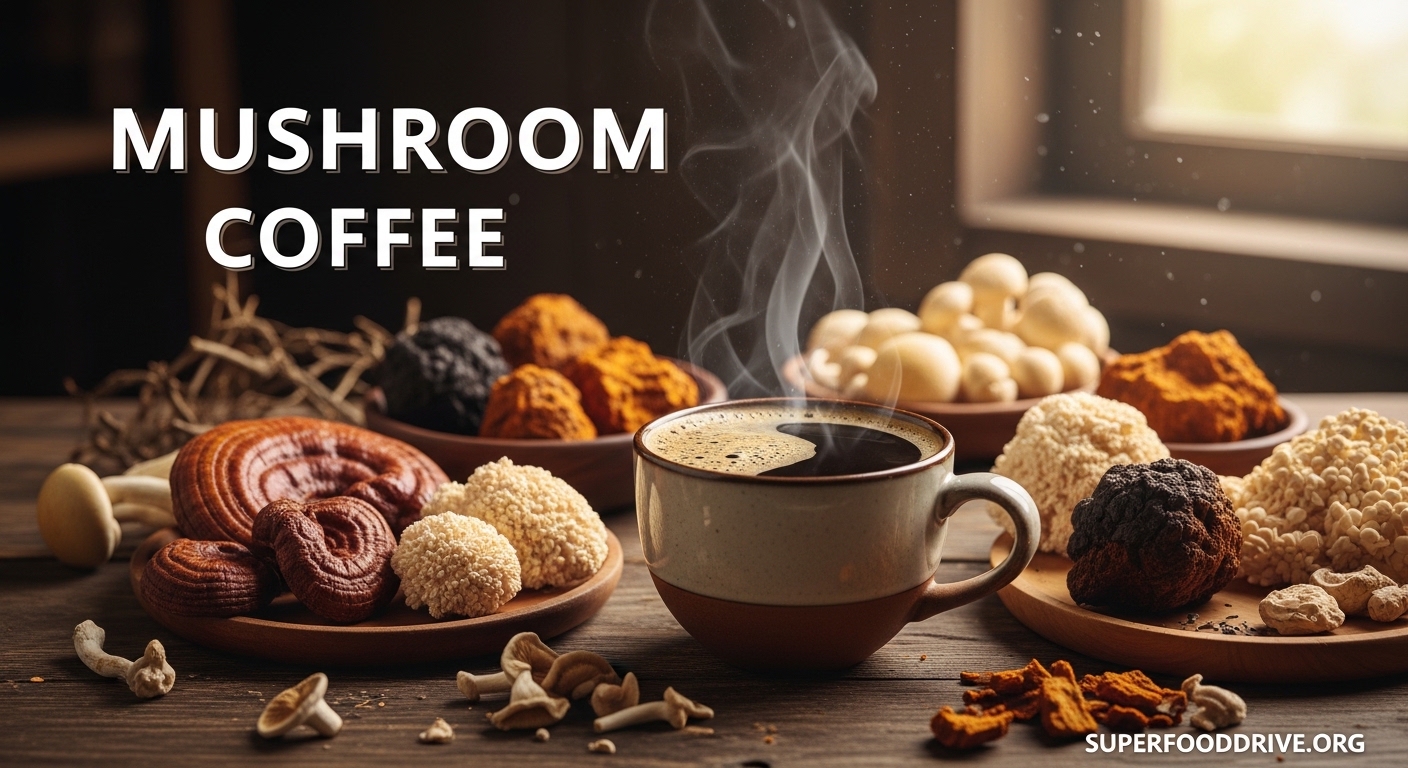
Mushroom coffee has exploded across social media feeds, wellness blogs, and coffee shop menus over the past few years. Everywhere you look, influencers are claiming it boosted their focus, reduced their anxiety, or transformed their morning routine. But is mushroom coffee actually worth the hype, or is it just another overpriced wellness trend wrapped in clever marketing?
I spent weeks digging into the scientific research, analyzing competitor claims, and examining what real users are saying on forums like Reddit. This article cuts through the marketing noise to give you an honest, evidence-based assessment of whether mushroom coffee deserves a spot in your morning routine. By the end, you will understand exactly what mushroom coffee is, what it can and cannot do for your health, and whether it is worth your money.
Table of Contents
What Is Mushroom Coffee?
Mushroom coffee is a blend of ground coffee beans and powdered extracts from functional mushrooms like lion’s mane, chaga, reishi, cordyceps, or turkey tail. Despite the name, it does not taste like a cup of liquid mushrooms. The preparation process involves drying functional mushrooms, grinding them into powder, and extracting beneficial compounds that are then blended with regular coffee beans or instant coffee powder.
The mushroom extracts used in these beverages come from species that have been staples in traditional Chinese medicine and Ayurvedic practices for centuries. These are not the psychedelic mushrooms that produce hallucinations or altered states of consciousness. Functional mushrooms are completely non-psychoactive and will not cause any mind-altering effects.
The mushrooms in these blends are classified as adaptogens, natural substances that may help your body respond to stress and restore balance. The concept is that by combining the energizing effects of caffeine with the adaptogenic properties of mushrooms, you get a smoother, more balanced energy boost without the jitters or crash associated with regular coffee.
Types of Mushrooms in Mushroom Coffee
Understanding the specific mushrooms in your coffee matters because each type offers different potential benefits. Most mushroom coffee blends contain a combination of these five functional mushrooms, though some single-mushroom varieties exist.
Lion’s Mane
Lion’s mane mushroom is the go-to ingredient for cognitive support. This white, shaggy mushroom contains compounds called hericenones and erinacines that may stimulate nerve growth factor production. Research suggests it could support memory, focus, and overall brain health. Many users report improved mental clarity when consuming lion’s mane regularly.
Chaga
Chaga grows primarily on birch trees in cold climates and looks like a dark, cracked chunk of charcoal rather than a typical mushroom. It is exceptionally high in antioxidants, particularly melanin and superoxide dismutase. Chaga has been studied for its potential immune-boosting and anti-inflammatory properties. However, chaga contains high levels of oxalates, which is an important consideration for people with kidney stone history.
Reishi
Known as the “mushroom of immortality” in traditional Chinese medicine, reishi is prized for its calming properties rather than energy boosting. It contains triterpenes that may help reduce stress and support sleep quality. Reishi is often included in mushroom coffee blends marketed for relaxation and stress reduction, sometimes in evening or decaffeinated formulations.
Cordyceps
Cordyceps has a fascinating backstory as a fungus that naturally grows on insects in the wild, though commercial varieties are now lab-cultivated. It is popular among athletes and fitness enthusiasts for its potential to support energy production and oxygen utilization. Research suggests cordyceps may help with exercise performance and recovery by supporting ATP production in cells.
Turkey Tail
Turkey tail gets its name from its colorful, fan-like appearance resembling a wild turkey’s tail feathers. It contains polysaccharide-K (PSK) and polysaccharide-peptide (PSP), compounds that have been studied for immune-modulating effects. Turkey tail is one of the most researched medicinal mushrooms, with particular focus on its potential to support immune system function.
Mushroom Type Comparison
Here is a quick reference comparing the main mushroom types and their purported benefits:
Lion’s Mane: Primary benefit is cognitive support and focus. Best for those seeking mental clarity.
Chaga: Highest antioxidant content. Best for immune support but carries oxalate concerns.
Reishi: Stress reduction and better sleep quality. Best for evening formulations or stress management.
Cordyceps: Energy and athletic performance. Best for active individuals and exercise support.
Turkey Tail: Immune system modulation. Best for general immune health support.
Does Mushroom Coffee Contain Caffeine?
Yes, mushroom coffee does contain caffeine, though typically about half the amount found in regular coffee. A standard cup of mushroom coffee contains approximately 40 to 60 milligrams of caffeine compared to 95 milligrams in an equivalent serving of regular brewed coffee.
This lower caffeine content is part of the appeal for many users. People who experience jitters, anxiety, or digestive issues from regular coffee often find mushroom coffee gentler on their system. The reduced caffeine, combined with the adaptogenic properties of the mushrooms, creates what enthusiasts describe as a “calmer energy” rather than the sharp spike and crash of traditional coffee.
Some brands do offer completely caffeine-free versions that use only mushroom extracts and herbal ingredients. These are marketed as coffee alternatives for those who have eliminated caffeine entirely but still want a warm, ritualistic morning beverage.
Potential Health Benefits of Mushroom Coffee
The health claims surrounding mushroom coffee are extensive, but the actual scientific evidence requires careful examination. Most research has been conducted on isolated mushroom extracts in laboratory settings or animal studies, with limited human trials specifically on mushroom coffee products.
Adaptogens and Stress Response
Adaptogens are believed to help regulate cortisol, your body’s primary stress hormone. When cortisol levels remain elevated due to chronic stress, it can lead to inflammation, sleep disruption, and immune suppression. A 2026 study published in the Journal of Functional Foods found that adaptogenic mushrooms may help modulate the body’s stress response, though more human research is needed.
Antioxidant and Immune Support
Mushrooms like chaga and turkey tail are rich in antioxidants and polyphenols that help combat oxidative stress in the body. These compounds support the body’s natural defense mechanisms and may contribute to reduced inflammation. A review from 2026 highlighted that medicinal mushrooms contain bioactive compounds with demonstrated immune-modulating properties in preliminary research.
Cognitive Enhancement
Lion’s mane has garnered attention for its potential neuroprotective properties. Research published in Biomedical Research in 2026 suggested that lion’s mane supplementation may support cognitive function in older adults. However, it is important to note that these studies used concentrated mushroom extracts at specific dosages, not the smaller amounts typically found in coffee blends.
Energy Without the Crash
Many users report that mushroom coffee provides sustained energy without the afternoon crash associated with regular coffee. This may be due to the combination of lower caffeine content and the adaptogenic support for adrenal function. Cordyceps in particular has been studied for its potential to support cellular energy production.
Digestive Benefits
Some users who experience acid reflux or stomach irritation from regular coffee find mushroom coffee easier to tolerate. The reduced acidity and the presence of prebiotic compounds in mushrooms may support digestive health for some individuals.
Potential Downsides and Risks
Despite the marketing hype, mushroom coffee is not without drawbacks and potential risks. An honest assessment requires examining these concerns carefully.
Oxalates and Kidney Stone Risk
Chaga mushroom contains high levels of oxalates, compounds that can contribute to kidney stone formation in susceptible individuals. If you have a history of kidney stones or are at risk for them, mushroom coffee containing chaga may not be appropriate for you. Some medical experts specifically warn against chaga consumption for anyone with kidney concerns.
Medication Interactions
Mushroom coffee can interact with certain medications. Chaga may increase the effects of blood thinners, potentially raising bleeding risk. Reishi and turkey tail may affect how immunosuppressant medications work. If you take prescription medications, especially blood thinners or drugs that affect immune function, consult your healthcare provider before trying mushroom coffee.
Digestive Issues
Some users report digestive discomfort when first starting mushroom coffee. Symptoms can include bloating, gas, or mild stomach upset as the body adjusts to the mushroom compounds. Starting with smaller amounts and gradually increasing intake can help minimize these effects.
Lack of Regulation and Quality Control
The mushroom coffee industry is not strictly regulated by the FDA. Product quality varies significantly between brands, and some products may contain far less mushroom extract than implied by their marketing. Independent testing has found that some mushroom supplements do not contain the species or amounts listed on their labels.
Who Should Avoid Mushroom Coffee?
Certain populations should exercise caution or avoid mushroom coffee entirely. Pregnant or breastfeeding women should avoid it due to limited safety research. People with autoimmune conditions should consult healthcare providers since immune-modulating effects could theoretically worsen certain conditions. Anyone with a history of kidney stones should avoid chaga-containing products. Individuals taking blood thinners, immunosuppressants, or diabetes medications should seek medical advice before consuming mushroom coffee.
What Does Mushroom Coffee Taste Like?
The most common concern for first-time buyers is taste. Despite the name, mushroom coffee does not taste like you are drinking a bowl of cream of mushroom soup. The flavor profile is best described as earthy, nutty, and slightly milder than regular coffee.
The mushroom extracts add an earthy depth that some people find pleasant and others find unusual. Most blends aim to minimize any mushroom taste, letting the coffee flavor dominate. The result is typically a smoother, less acidic cup than traditional coffee with subtle woody or nutty undertones.
Texture can be an issue with some brands. Lower-quality mushroom coffees may have a slightly powdery or gritty texture if the mushroom powder does not fully dissolve. Higher-quality products using proper extraction methods tend to mix more smoothly into liquid.
How to Choose Quality Mushroom Coffee
With dozens of brands flooding the market, identifying quality mushroom coffee requires knowing what to look for. This is one area where doing your homework pays off significantly.
Fruiting Body vs Mycelium
This distinction is crucial for quality. The fruiting body is the actual mushroom cap and stem that grows above ground. It contains the highest concentration of beneficial compounds. Mycelium is the root-like structure that grows underground, often cultivated on grain substrates. Mycelium-on-grain products may contain significant amounts of grain filler and lower concentrations of the actual mushroom compounds you want. Look for products that specify “100% fruiting body” extracts.
Dual Extraction Method
Quality mushroom extracts use dual extraction, meaning they extract compounds using both hot water and alcohol processes. Different beneficial compounds respond to different extraction methods. Hot water extraction captures polysaccharides like beta-glucans, while alcohol extraction captures triterpenes. Single-extraction products may be missing significant portions of the mushroom’s beneficial compounds.
Third-Party Testing
Reputable brands submit their products for independent laboratory testing to verify mushroom content, purity, and absence of contaminants like heavy metals or pesticides. Look for certificates of analysis (COAs) published on brand websites or available upon request.
Transparent Labeling
Quality brands clearly state which mushrooms are included and in what amounts. Vague terms like “proprietary blend” without specific quantities make it impossible to know if you are getting therapeutic doses or mere trace amounts. The best products list individual mushroom extracts with specific milligram amounts per serving.
Cost Analysis: Is Mushroom Coffee Worth the Price?
Cost is one of the biggest practical barriers for many potential mushroom coffee drinkers. The price difference between mushroom coffee and regular coffee is substantial.
A standard cup of home-brewed regular coffee costs approximately 20 to 40 cents. Mushroom coffee typically ranges from 80 cents to $2.00 per serving depending on the brand. This means mushroom coffee costs roughly two to five times more than your average cup of regular coffee.
Premium mushroom coffee brands can cost even more, with some single-serve packets running $2.50 or higher. For daily consumption, this cost difference adds up quickly. Over a year, switching from regular coffee to mushroom coffee could cost an additional $200 to $600.
Some health experts suggest that eating whole fresh mushrooms regularly might provide similar benefits at a lower cost. A serving of fresh shiitake or maitake mushrooms costs less than most mushroom coffee servings and provides fiber, vitamins, and minerals that processed extracts lack.
Frequently Asked Questions
Do any of the mushroom coffees actually work?
The effectiveness of mushroom coffee depends on what you are expecting. There is limited human research specifically on mushroom coffee products. While studies on isolated mushroom extracts show promising results for immune support, cognitive function, and stress reduction, the amounts in coffee blends may be lower than therapeutic doses used in research. Some users report noticeable benefits for focus and energy, while others experience no difference. Individual results vary significantly.
Is there a downside to drinking mushroom coffee?
Yes, there are several potential downsides to consider. Mushroom coffee costs significantly more than regular coffee. Chaga mushrooms contain high oxalate levels that may increase kidney stone risk in susceptible individuals. Some mushrooms can interact with blood thinners and immunosuppressant medications. Quality varies widely between brands, and the industry lacks strict regulation. Some users experience digestive discomfort when first starting. Pregnant women and people with certain medical conditions should avoid it.
Why is mushroom coffee becoming so popular?
Mushroom coffee has gained popularity due to the broader wellness and functional food trend. Consumers are increasingly seeking beverages that offer benefits beyond basic caffeine. The lower caffeine content appeals to those experiencing jitters or anxiety from regular coffee. Social media marketing, influencer endorsements, and celebrity promotion have accelerated awareness. The 52% year-over-year growth in the functional mushroom market reflects this growing interest in adaptogenic products.
Is mushroom coffee psychedelic?
No, mushroom coffee is not psychedelic. The mushrooms used in these products are functional or medicinal mushrooms like lion’s mane, chaga, reishi, cordyceps, and turkey tail. These are completely non-psychoactive and do not contain psilocybin or any compounds that cause hallucinations. They are different from psychedelic mushrooms and will not produce any mind-altering effects.
Does mushroom coffee contain caffeine?
Yes, mushroom coffee typically contains caffeine, though less than regular coffee. Most mushroom coffee blends contain approximately 40 to 60 milligrams of caffeine per serving compared to about 95 milligrams in a standard cup of regular coffee. This lower caffeine content, combined with adaptogenic properties, provides a gentler energy boost. Some brands do offer caffeine-free versions made with only mushroom extracts and herbal ingredients.
Is mushroom coffee safe for daily consumption?
For most healthy adults, mushroom coffee is generally safe for daily consumption. However, long-term safety studies are limited. People with kidney stone history should avoid chaga-containing products due to high oxalate content. Those taking blood thinners, immunosuppressants, or diabetes medications should consult healthcare providers first. Pregnant and breastfeeding women should avoid mushroom coffee due to insufficient safety research. Start with smaller amounts to assess tolerance.
Can mushroom coffee help with weight loss?
There is no direct scientific evidence that mushroom coffee causes weight loss. Some brands market weight loss benefits, but these claims are not supported by clinical research. The lower caffeine content might reduce cortisol spikes that can contribute to belly fat storage, but this is theoretical. Any weight loss experienced while drinking mushroom coffee is more likely due to overall lifestyle changes rather than the product itself. Focus on diet and exercise for sustainable weight management.
Is eating fresh mushrooms better than drinking mushroom coffee?
Many nutrition experts believe eating whole fresh mushrooms provides more comprehensive benefits than drinking mushroom coffee. Fresh mushrooms contain fiber, vitamins, minerals, and a full spectrum of beneficial compounds that may be reduced during the extraction process. Fresh mushrooms are also significantly cheaper per serving. Mushroom coffee offers convenience and combines benefits with caffeine, but whole mushrooms provide better overall nutrition. The best approach might be enjoying both.
The Verdict: Is Mushroom Coffee Worth the Hype?
After examining the scientific evidence, user experiences, and cost analysis, here is my honest assessment of whether mushroom coffee is worth the hype.
Mushroom coffee sits somewhere between legitimate wellness tool and overpriced trend. The functional mushrooms used in these products do have documented health benefits in scientific literature. Lion’s mane shows promise for cognitive support. Chaga provides impressive antioxidant content. Reishi may genuinely help with stress management. However, the key question is whether mushroom coffee delivers these benefits effectively.
The honest answer is maybe, depending on your specific situation. If you experience jitters, anxiety, or digestive issues from regular coffee, mushroom coffee is likely worth trying. The lower caffeine content alone could make the switch worthwhile. If you are specifically seeking the adaptogenic benefits of functional mushrooms, you might get more value from high-quality mushroom supplements or simply eating more fresh mushrooms in your diet.
Here is who should try mushroom coffee: caffeine-sensitive individuals who want to reduce intake while keeping their ritual, people curious about adaptogens who enjoy experimenting with wellness trends, those with acid reflux or stomach sensitivity to regular coffee, and anyone specifically interested in the convenience of combined coffee and mushroom benefits.
Here is who should skip it: anyone with a history of kidney stones, people on blood thinners or immunosuppressants without medical clearance, pregnant or breastfeeding women, budget-conscious consumers, and those expecting dramatic health transformations. If you love the taste and ritual of traditional coffee and do not experience negative effects from it, there is no compelling reason to switch.
Mushroom coffee is worth trying if you are curious and can afford the premium price. It is not a miracle beverage, but it is also not pure marketing hype. The potential benefits are real, though modest. The best approach is to try it with realistic expectations, choose quality products with fruiting body extracts, and listen to your body. If you notice genuine improvements in your energy, focus, or stress levels, it may be worth the cost. If you do not notice any difference after a few weeks, regular coffee or whole mushrooms are probably better options.