
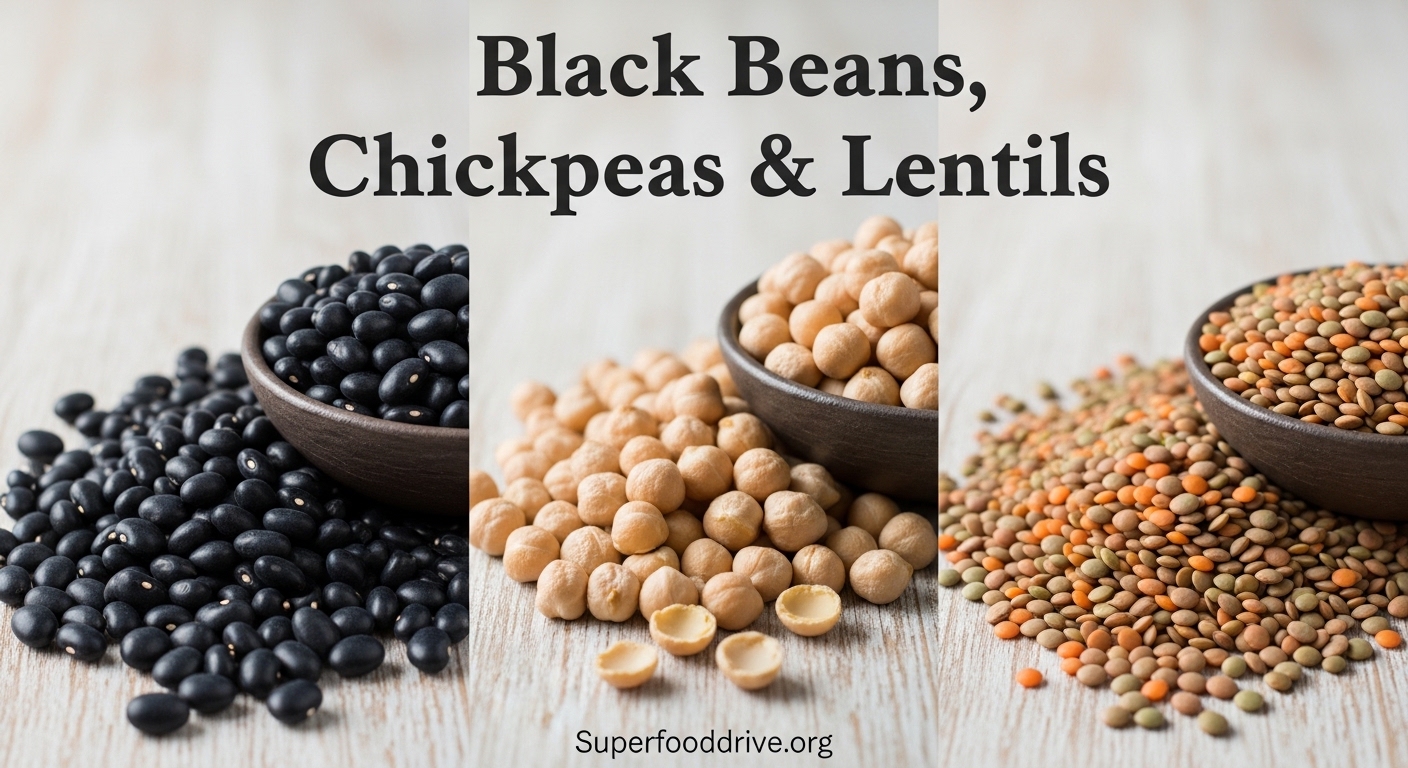
If you are trying to eat more plant-based protein, you have probably wondered which legume packs the biggest punch. I have been there myself, staring at the bulk bins at the grocery store, trying to decide between lentils, black beans, and chickpeas.
Here is the quick answer: lentils have the most protein at 17.9 grams per cooked cup. Black beans come in second with 15.2 grams, and chickpeas provide 14.5 grams per cup. But protein is just one piece of the puzzle. In this guide, I will break down the complete nutritional picture so you can make the best choice for your meals.
Table of Contents
Black Beans Chickpeas and Lentils: Which Has the Most Protein?
Lentils take the crown when it comes to protein content among these three popular legumes. A single cup of cooked lentils delivers 17.9 grams of protein, which is roughly 36% of the daily value for an average adult.
Black beans are a close second at 15.2 grams per cup, while chickpeas provide 14.5 grams. All three are excellent sources of plant-based protein, but if your goal is maximizing protein intake per serving, lentils are your best bet.
It is worth noting that these numbers refer to cooked legumes. When you see higher protein percentages on dried bean packages, those numbers are based on dry weight before cooking. The cooking process adds water weight, which naturally dilutes the protein concentration.
Protein Comparison Chart
To give you a complete picture, here is how these three legumes stack up across key nutritional metrics per cooked cup:
| Legume | Protein | Calories | Fiber | Iron |
|---|---|---|---|---|
| Lentils | 17.9g | 230 | 15.6g | 6.6mg |
| Black Beans | 15.2g | 227 | 15.0g | 3.6mg |
| Chickpeas | 14.5g | 269 | 12.5g | 4.7mg |
As you can see, lentils not only lead in protein but also provide the most fiber and iron per serving. Black beans are nearly tied with lentils on fiber content, making them excellent for digestive health. Chickpeas have the highest calorie count, which might matter if you are watching your intake.
Lentils: The Protein Champion
Lentils have earned their reputation as a protein powerhouse. I started cooking with lentils regularly about five years ago, and they have become my go-to for quick, protein-rich meals.
Why Lentils Lead in Protein
The 17.9 grams of protein per cup puts lentils ahead of most beans. They also cook faster than other dried legumes, going from dry to tender in just 15 to 20 minutes with no soaking required. This makes them practical for weeknight dinners when you do not have hours to wait.
Lentils come in several varieties, each with slightly different nutritional profiles. Green and brown lentils hold their shape during cooking and work well in salads and grain bowls. Red lentils break down into a creamy texture, perfect for Indian dal or thick soups. Black lentils, sometimes called beluga lentils, have the firmest texture and an impressive 24 grams of protein per dry cup.
Complete Protein Considerations
Of the three legumes, lentils come closest to being a complete protein source. They contain all nine essential amino acids, though they are slightly lower in methionine. Pairing lentils with rice, quinoa, or whole grain bread creates a complete protein with all amino acids in adequate proportions.
Black Beans: Fiber and Protein Powerhouse
Black beans might not have quite as much protein as lentils, but they bring other impressive benefits to the table. Their deep black color signals a high concentration of antioxidants called anthocyanins.
Nutritional Highlights
With 15.2 grams of protein per cup, black beans still deliver substantial protein for muscle maintenance and satiety. Their 15 grams of fiber nearly matches lentils and exceeds chickpeas, supporting healthy digestion and stable blood sugar levels.
Black beans are particularly rich in magnesium, providing about 30% of your daily needs in a single cup. Magnesium supports muscle function, nerve health, and over 300 enzymatic reactions in the body.
Culinary Versatility
I use black beans at least twice a week in my kitchen. They are the foundation of Latin American cuisine, appearing in Cuban black bean soup, Mexican refried beans, and Brazilian feijoada. Their earthy flavor pairs well with cumin, garlic, lime, and cilantro.
Black beans also make excellent veggie burgers when mashed and combined with breadcrumbs and spices. The natural starch helps bind the patties together without eggs.
Chickpeas: Versatile and Nutritious
Chickpeas, also called garbanzo beans, might have the lowest protein content of the three at 14.5 grams per cup, but they more than make up for it in versatility and culinary applications.
The Mediterranean Staple
Chickpeas have been cultivated in the Middle East for over 7,500 years. They are the foundation of hummus, falafel, and countless Mediterranean and Indian dishes. Their mild, slightly nutty flavor absorbs seasonings beautifully.
Roasted chickpeas have become my favorite snack. Toss them with olive oil and spices, then bake until crispy for a crunchy, protein-rich alternative to chips. A cup of roasted chickpeas provides the same 14.5 grams of protein with satisfying texture.
Unique Nutritional Profile
Beyond protein, chickpeas are exceptionally high in manganese and folate. One cup provides 71% of your daily folate needs, making them valuable during pregnancy. They also contain choline, a nutrient important for brain health that is often lacking in plant-based diets.
Do These Legumes Provide Complete Protein?
This is one of the most common questions I see in nutrition forums. People worry that plant proteins are inferior to animal proteins because most plant sources lack one or more essential amino acids.
The truth is more nuanced. Lentils, black beans, and chickpeas are all considered incomplete proteins because they are relatively low in the amino acid methionine. However, they are abundant in lysine, which is the limiting amino acid in grains.
When you combine legumes with grains like rice, wheat, or corn, you create a complete protein with all essential amino acids in the right proportions. This does not need to happen in the same meal, though traditional combinations like rice and beans, hummus and pita, or lentil soup with bread have stood the test of time for good reason.
Lentils come closest to being a standalone complete protein among these three. Some research suggests they contain adequate amounts of all essential amino acids, though methionine levels are borderline.
Health Benefits Beyond Protein
These three legumes offer impressive health benefits that extend far beyond their protein content. Here is what the research shows.
Fiber for Gut Health
All three legumes are fiber champions. Lentils lead with 15.6 grams per cup, followed closely by black beans at 15 grams, and chickpeas at 12.5 grams. This fiber feeds beneficial gut bacteria, which ferment it into short-chain fatty acids that support colon health and reduce inflammation.
The fiber in these legumes is a mix of soluble and insoluble types. Soluble fiber helps lower cholesterol and stabilize blood sugar. Insoluble fiber adds bulk to stool and promotes regular digestion.
Heart Health Benefits
Regular legume consumption is linked to reduced heart disease risk. A 2021 review published in the journal Advances in Nutrition found that eating legumes daily was associated with lower blood pressure, improved cholesterol profiles, and reduced markers of inflammation.
The combination of fiber, potassium, magnesium, and plant compounds called polyphenols all contribute to cardiovascular protection. Black beans are particularly rich in antioxidants that may help prevent LDL cholesterol oxidation.
Blood Sugar Management
Despite their carbohydrate content, these legumes have low glycemic indexes. The protein and fiber slow digestion, preventing blood sugar spikes. This makes them suitable for people managing diabetes or insulin resistance.
Studies show that replacing some grain servings with legumes improves glycemic control and reduces HbA1c levels in people with type 2 diabetes.
Iron and Energy
Lentils are particularly impressive here, providing 6.6 milligrams of iron per cup, which is 37% of the daily value for women and 82% for men. Chickpeas offer 4.7 milligrams, and black beans provide 3.6 milligrams.
Plant-based iron (non-heme iron) is not absorbed as efficiently as iron from meat. Consuming legumes with vitamin C-rich foods like tomatoes, bell peppers, or citrus juice can increase absorption by up to six times.
Cooking and Preparation Tips
How you prepare these legumes can affect their protein content and digestibility. Here are my best practices after years of cooking with all three.
Canned vs Dried
Canned and dried legumes have nearly identical protein content per cooked cup. The canning process does not significantly degrade protein. However, canned versions often contain added sodium, so I always rinse them thoroughly before using.
Dried legumes are more economical and give you control over seasoning. They do require planning ahead, with most needing soaking and longer cooking times (except lentils).
Reducing Anti-Nutrients
Legumes contain compounds called lectins and phytates that can interfere with mineral absorption and cause digestive discomfort in some people. Proper cooking neutralizes most of these compounds.
For dried beans, soak them for at least 8 hours, then drain and cook in fresh water. Adding a strip of kombu seaweed during cooking can further improve digestibility. Pressure cooking is another effective method for reducing anti-nutrients.
If you are new to eating legumes, start with smaller portions and gradually increase to give your gut bacteria time to adjust. This can minimize gas and bloating.
Protein Retention During Cooking
Protein is stable during normal cooking temperatures, so you do not lose significant amounts during preparation. However, cooking water can contain some water-soluble vitamins and minerals. Using the cooking liquid in soups or stews retains these nutrients.
Aquafaba, the liquid from cooked or canned chickpeas, has gained popularity as an egg white substitute in vegan baking. It contains small amounts of protein and carbohydrates that give it foaming properties similar to egg whites.
Frequently Asked Questions
What bean or lentil has the highest protein?
Lentils have the highest protein content at 17.9 grams per cooked cup. They lead black beans (15.2g) and chickpeas (14.5g) in protein per serving. Lentils also cook faster than beans, making them a convenient choice for quick meals.
Which is higher protein, black beans or chickpeas?
Black beans have more protein than chickpeas. A cup of cooked black beans contains 15.2 grams of protein, while chickpeas provide 14.5 grams per cup. Black beans also edge out chickpeas in fiber content with 15g versus 12.5g per serving.
Can you get enough protein from beans alone?
Yes, you can meet protein needs from beans and legumes alone, though variety helps. Most adults need 0.8 to 1.0 grams of protein per kilogram of body weight daily. Two to three cups of cooked legumes combined with whole grains can provide adequate protein. Athletes and those building muscle may need larger portions or supplemental protein sources.
What food is called poor man’s protein?
Lentils and other pulses are traditionally called poor man’s protein because they provide affordable, nutrient-dense protein accessible to people of all income levels. This term reflects their historical role as a staple protein source for populations who could not afford meat.
Do lentils have more protein than meat?
Per calorie, lentils are competitive with many meats. A 230-calorie serving of lentils provides 17.9g protein, while 230 calories of chicken breast provides about 27g protein. However, lentils offer fiber, iron, and zero cholesterol that meat lacks. For equal weight comparisons, meat typically has more protein because it contains less water.
Final Thoughts
When it comes to black beans, chickpeas, and lentils, lentils clearly win the protein competition with 17.9 grams per cooked cup. But all three deserve a place in your diet. Each offers unique nutritional benefits, culinary applications, and textures that can keep your meals interesting and healthful.
I rotate through all three in my weekly meal prep. Lentils for quick weeknight dal, black beans for taco Tuesdays, and chickpeas for roasting and salads. The variety ensures I get a broad spectrum of nutrients while never getting bored.
Remember that protein is just one piece of the nutrition puzzle. The fiber, minerals, and antioxidants in these legumes contribute to overall health in ways that protein powders and bars cannot match. Whether you eat plant-based exclusively or simply want to reduce your meat consumption, these three legumes are nutritional powerhouses worth keeping stocked in your pantry.