
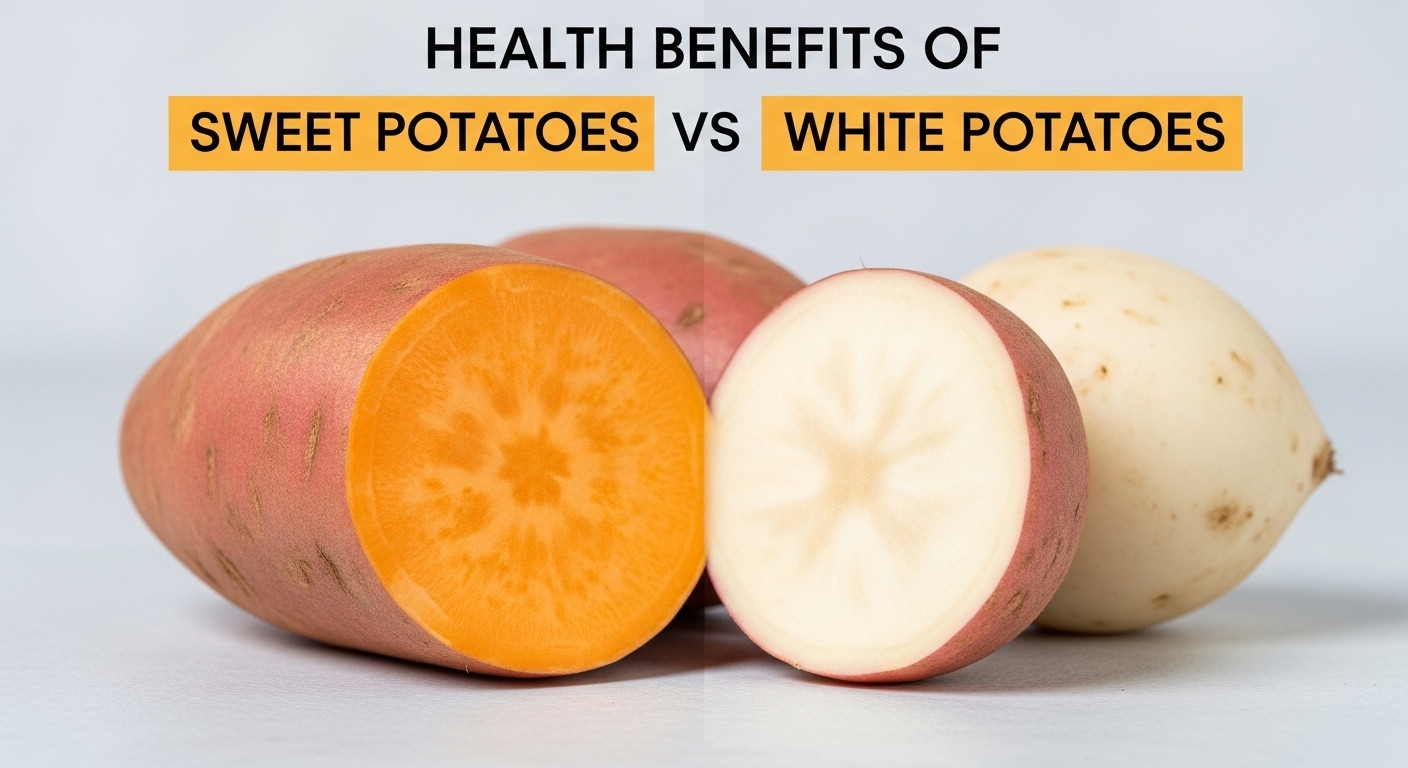
Are you wondering about the health benefits of sweet potatoes vs white potatoes? I spent weeks researching the actual nutritional data, cooking methods, and real-world impacts of both these popular root vegetables.
The short answer: both potatoes are nutritious, but they shine in different areas. Sweet potatoes dominate in vitamin A and beta-carotene content. White potatoes offer more potassium and vitamin B6. Your specific health goals should guide which one you choose.
In this guide, I will break down everything you need to know. We will compare nutrients side-by-side, explore glycemic impacts, and address the common misconceptions I found in online forums.
Table of Contents
Botanical Differences: Morning Glory vs Nightshade
Sweet potatoes and white potatoes are not even related. This surprised me when I first learned it.
Sweet potatoes belong to the Convolvulaceae family, commonly known as the morning glory family. They are root tubers from the plant Ipomoea batatas. Their flesh ranges from orange to purple, and they have a naturally sweet taste due to their carbohydrate composition.
White potatoes are members of the Solanaceae family, the nightshade family. They are stem tubers from Solanum tuberosum. This distinction matters because nightshade vegetables contain glycoalkaloids, compounds that can cause issues for people with nightshade sensitivities.
Understanding these botanical differences helps explain why their nutritional profiles vary so significantly. The morning glory family produces different antioxidant compounds than nightshades.
Nutritional Comparison: Side-by-Side Breakdown
Let us look at the numbers. All values below are per 100 grams of cooked potato without skin, based on USDA data.
Macronutrient Comparison
| Nutrient | Sweet Potato (Baked) | White Potato (Baked) |
|---|---|---|
| Calories | 90 kcal | 93 kcal |
| Carbohydrates | 20.7 g | 21.1 g |
| Fiber | 3.3 g | 2.2 g |
| Protein | 2.0 g | 2.5 g |
| Fat | 0.2 g | 0.1 g |
Vitamin and Mineral Comparison
| Nutrient | Sweet Potato | White Potato |
|---|---|---|
| Vitamin A | 961 mcg (107% DV) | 0 mcg (0% DV) |
| Vitamin C | 19.6 mg (22% DV) | 12.6 mg (14% DV) |
| Vitamin B6 | 0.3 mg (18% DV) | 0.4 mg (24% DV) |
| Potassium | 475 mg (10% DV) | 535 mg (11% DV) |
| Manganese | 0.5 mg (22% DV) | 0.2 mg (9% DV) |
| Copper | 0.2 mg (22% DV) | 0.1 mg (11% DV) |
| Magnesium | 27 mg (6% DV) | 25 mg (6% DV) |
The data reveals clear patterns. Sweet potatoes excel in vitamins A and C, plus manganese and copper. White potatoes lead in potassium and vitamin B6.
Eating the skin adds about 1 gram of fiber per potato for both types. I always recommend keeping the skin on when possible.
Vitamin Analysis: Beta-Carotene, Vitamin A, and Beyond
Sweet potatoes are unmatched when it comes to vitamin A content. One medium sweet potato delivers over 100% of your daily vitamin A needs.
This vitamin A comes from beta-carotene, the orange pigment in sweet potatoes. Your body converts beta-carotene into retinol, the active form of vitamin A. This conversion process is not 100% efficient, but the sheer quantity in sweet potatoes ensures you get plenty.
Beta-carotene acts as a powerful antioxidant. It neutralizes free radicals that damage cells. Research from the National Institutes of Health shows that adequate beta-carotene intake supports immune function and cellular communication.
Purple sweet potato varieties contain anthocyanins instead of beta-carotene. These purple pigments offer different antioxidant benefits, particularly for brain health and inflammation reduction.
White potatoes contain minimal vitamin A. They make up for this with superior vitamin B6 content. Vitamin B6 supports neurotransmitter production, red blood cell formation, and protein metabolism.
Both potatoes provide vitamin C, though sweet potatoes offer about 50% more. Vitamin C supports collagen production, immune function, and enhances iron absorption from plant foods.
Mineral Comparison: Potassium and Key Micronutrients
Potassium is where white potatoes shine. They contain about 60 milligrams more potassium per 100 grams than sweet potatoes.
Why does this matter? Potassium helps regulate fluid balance, nerve signals, and muscle contractions. The American Heart Association emphasizes potassium’s role in blood pressure management. Most adults do not get enough potassium in their diets.
One medium white potato with skin provides more potassium than a banana. This surprised many people in the nutrition forums I reviewed.
Sweet potatoes counter with higher manganese and copper content. Manganese supports bone health and acts as a cofactor for several enzymes. Copper helps form collagen and absorb iron.
Both potatoes provide similar amounts of magnesium, a mineral involved in over 300 enzymatic reactions in your body. Neither is a standout source, but they contribute to your daily intake.
Glycemic Impact and Blood Sugar Management
The glycemic index (GI) measures how quickly a food raises blood sugar. Lower GI foods release glucose more slowly, providing steadier energy.
Sweet potatoes generally have a lower GI than white potatoes. Boiled sweet potatoes have a GI around 44. Baked sweet potatoes reach about 94. This huge difference shows why cooking method matters.
White potatoes typically range from 56 to 111 on the GI scale depending on preparation. Boiled white potatoes are lower (around 56). Baked or mashed white potatoes spike higher.
Here is what the research shows for glycemic impact by cooking method:
| Cooking Method | Sweet Potato GI | White Potato GI |
|---|---|---|
| Boiled | 44 (Low) | 56 (Medium) |
| Roasted | 74 (Medium) | 64 (Medium) |
| Baked | 94 (High) | 85 (High) |
| Mashed | 70 (Medium) | 87 (High) |
| Fried | 76 (High) | 75 (High) |
Cooking method matters more than potato type for blood sugar impact. Boiling creates resistant starch, which slows digestion. Baking and mashing break down starches, making them absorb faster.
Adding fat and protein to your meal also lowers the overall glycemic response. Pair either potato with olive oil, avocado, or lean protein.
Health Benefits of Sweet Potatoes
Sweet potatoes offer several unique health advantages beyond their impressive vitamin A content.
Eye Health Support
The beta-carotene in sweet potatoes supports vision health. Your body uses vitamin A to form rhodopsin, a protein that helps your eyes adapt to light changes. Deficiency can lead to night blindness.
The antioxidants in sweet potatoes may also reduce the risk of age-related macular degeneration. Studies show mixed results, but the nutrient profile supports eye health.
Immune System Boost
Vitamin A maintains the integrity of your skin and mucous membranes, your first defense against pathogens. Sweet potatoes also provide vitamin C, which supports white blood cell function.
One medium sweet potato delivers about 25% of your daily vitamin C needs. This makes them valuable during cold and flu season.
Anti-Inflammatory Properties
Purple sweet potatoes contain anthocyanins, the same antioxidants found in blueberries. Research suggests these compounds reduce inflammation markers in the body.
Orange varieties offer chlorogenic acid, another anti-inflammatory compound. This may help people managing chronic inflammatory conditions.
Digestive Health
With 3.3 grams of fiber per 100 grams, sweet potatoes support digestive regularity. The fiber feeds beneficial gut bacteria, promoting a healthy microbiome.
Pancreas Support
Some research suggests that sweet potatoes may support pancreatic health. Their lower glycemic impact and antioxidant content may help reduce stress on the pancreas. However, more human studies are needed to confirm these effects.
Health Benefits of White Potatoes
White potatoes have gotten a bad reputation in recent years. The truth is they offer significant nutritional value.
Superior Potassium Content
White potatoes are among the best dietary sources of potassium. This mineral is essential for heart health, muscle function, and fluid balance.
Most people consume too much sodium and too little potassium. White potatoes help correct this imbalance.
Resistant Starch Benefits
Cooked and cooled white potatoes contain resistant starch. This type of starch acts like fiber, feeding beneficial gut bacteria.
Resistant starch also improves insulin sensitivity and may help manage blood sugar. To maximize resistant starch, boil potatoes, let them cool completely, then reheat if desired.
Vitamin B6 for Brain Health
White potatoes provide about 25% of your daily vitamin B6 needs. This vitamin helps produce serotonin and dopamine, neurotransmitters that regulate mood.
Vitamin B6 also supports cognitive function and memory. It helps your body create hemoglobin, which carries oxygen to your brain.
Satiety and Weight Management
Research from the University of Sydney found potatoes to be highly satiating. Participants felt fuller after eating potatoes than many other carbohydrate sources.
This satiety factor can help with portion control. When prepared without excessive fat, white potatoes support weight management goals.
Chlorogenic Acid
White potatoes contain chlorogenic acid, a polyphenol with antioxidant properties. This compound may help moderate blood sugar response after meals.
Special Considerations: Nightshades, Resistant Starch, and More
Several factors beyond basic nutrition deserve attention when choosing between these potatoes.
Nightshade Sensitivity
White potatoes belong to the nightshade family. Some people experience inflammation, joint pain, or digestive issues from nightshades.
This sensitivity is not common, but it is real. If you have autoimmune conditions or unexplained inflammation, try eliminating nightshades for 30 days. Sweet potatoes are not nightshades, making them a safe alternative.
Glycoalkaloids in white potatoes can cause issues in high amounts. Green potatoes contain more of these compounds. Always remove green spots and sprouts before cooking.
Resistant Starch Deep Dive
Resistant starch deserves special attention. When you cook and cool potatoes, some starch retrogrades and becomes resistant to digestion.
This resistant starch feeds beneficial bacteria in your colon. These bacteria produce short-chain fatty acids, which support colon health and may reduce inflammation.
Both potato types develop resistant starch when cooled, but white potatoes typically contain more. Potato salad made with cooled potatoes is an excellent resistant starch source.
Oxalate Content
Sweet potatoes contain more oxalates than white potatoes. For most people this is not an issue. However, people prone to kidney stones may want to monitor oxalate intake.
White potatoes are lower in oxalates, making them a better choice for those with calcium oxalate stone concerns.
Histamine Considerations
Neither potato is particularly high in histamine. Fresh potatoes are generally well-tolerated by people with histamine intolerance.
However, fermented potato products or those stored for extended periods may develop higher histamine levels. Eat fresh potatoes to minimize this concern.
Best Preparation Methods for Maximum Nutrition
How you cook your potatoes affects their nutritional value significantly.
Boiling: Best for Resistant Starch
Boiling potatoes creates the lowest glycemic impact. It also preserves water-soluble vitamins better than high-heat methods.
Tip: Boil with the skin on to retain nutrients. The skin easily peels off after cooking if you prefer.
For maximum resistant starch, cool boiled potatoes completely in the refrigerator for several hours before eating.
Baking: Convenient but Higher GI
Baking concentrates flavors and creates that beloved fluffy texture. However, it raises the glycemic index significantly.
Prick potatoes with a fork before baking to allow steam escape. Bake at 400 degrees Fahrenheit for 45-60 minutes depending on size.
Steaming: Middle Ground
Steaming preserves more nutrients than boiling while keeping GI moderate. It also prevents waterlogging that can occur with boiling.
Use a steamer basket and cook until fork-tender, about 25-30 minutes for medium potatoes.
Air Frying: Lower Fat Alternative
Air frying gives you crispy results with minimal oil. This method works well for both potato types cut into fries or wedges.
Toss cut potatoes with just one teaspoon of oil and your favorite seasonings. Air fry at 380 degrees Fahrenheit for 15-20 minutes, shaking halfway through.
Methods to Avoid
Deep frying dramatically increases calorie content and creates harmful compounds at high temperatures. One study found that people who eat fried potatoes twice per week have double the mortality risk of those who avoid them.
Heavy cream and butter additions also transform a healthy food into a high-calorie dish. Try Greek yogurt, herbs, or vegetable broth for flavor instead.
Nutrient Retention Tips
Leave the skin on whenever possible. Half the fiber and many minerals concentrate in the skin. A simple scrub removes dirt while preserving nutrition.
Avoid peeling before cooking. Nutrients leach into cooking water, and unpeeled potatoes lose less.
If you must use cooking water, save it for soups or bread dough. The starchy, nutrient-rich liquid adds flavor and nutrition.
Which Is Healthier? The Verdict
So, are sweet potatoes really healthier than white potatoes? The answer depends on your individual needs.
Sweet potatoes win for:
- Vitamin A and eye health
- Antioxidant content (beta-carotene, anthocyanins)
- Higher fiber content
- Lower glycemic index when boiled
- People with nightshade sensitivities
White potatoes win for:
- Potassium content
- Vitamin B6 levels
- Resistant starch potential
- Protein content
- Satiety and fullness
Both potatoes qualify as healthy, nutritious foods. Neither deserves demonization. The Cleveland Clinic and other reputable sources agree that both can fit into a balanced diet.
My recommendation? Eat both. Rotate between them to get the unique benefits each provides. Your body will thank you for the variety.
For diabetes management, boiled sweet potatoes may have a slight edge. For athletes needing potassium replenishment, white potatoes work excellently. For general health, both are solid choices when prepared properly.
FAQ
Are sweet potatoes really healthier than white potatoes?
Sweet potatoes have higher vitamin A, fiber, and antioxidants, while white potatoes offer more potassium and vitamin B6. Neither is definitively healthier – both provide excellent nutrition. The healthier choice depends on your specific dietary needs and health goals.
Is sweet potato good for the pancreas?
Sweet potatoes may support pancreatic health due to their lower glycemic impact and antioxidant content. Their fiber slows sugar absorption, reducing stress on the pancreas. However, more research is needed to confirm specific pancreatic benefits in humans.
Why do bodybuilders eat sweet potatoes instead of potatoes?
Bodybuilders often prefer sweet potatoes for their lower glycemic index and higher fiber, providing sustained energy without blood sugar spikes. They also offer excellent vitamin A for immune support during intense training. However, many bodybuilders eat both types depending on their specific goals and meal timing.
Are sweet potatoes high in histamine?
No, sweet potatoes are not high in histamine. Fresh sweet potatoes are generally well-tolerated by people with histamine intolerance. Neither sweet nor white potatoes are considered histamine-rich foods when fresh.
Which potato has more potassium?
White potatoes contain more potassium than sweet potatoes. A medium white potato provides about 620mg of potassium, while a medium sweet potato provides around 475mg. White potatoes actually contain more potassium than bananas.
Which potato is better for weight loss?
Both can support weight loss when prepared without added fats. White potatoes score higher on satiety indexes, helping you feel full longer. Sweet potatoes offer more fiber. The best choice depends on personal preference and what keeps you satisfied within your calorie goals.
Which potato is better for diabetics?
Sweet potatoes generally have a lower glycemic index, especially when boiled, making them potentially better for blood sugar management. However, portion control matters most for both types. Boiling either potato creates less blood sugar impact than baking or mashing.
Can you eat sweet potato skin?
Yes, sweet potato skin is edible and nutritious. It contains about half the total fiber and concentrated minerals. Wash thoroughly and scrub before cooking. The skin becomes tender when baked and adds a pleasant texture.
Conclusion
The health benefits of sweet potatoes vs white potatoes reveal that both deserve a place in your diet. Sweet potatoes dominate in vitamin A, antioxidants, and fiber content. White potatoes excel in potassium, vitamin B6, and satiety.
Your specific health goals should guide your choice. Need eye health support? Choose sweet potatoes. Want potassium for heart health? White potatoes work great. Managing blood sugar? Boiled sweet potatoes may help. Have nightshade sensitivity? Sweet potatoes are your safe option.
Remember that preparation method matters more than many people realize. Boiling creates the lowest glycemic impact. Baking raises it significantly. Avoid frying to keep these nutritious foods healthy.
Most importantly, do not fall for the marketing that portrays white potatoes as unhealthy. Both are whole, nutrient-dense foods that have sustained populations for centuries. Include both in your meal rotation and enjoy the unique benefits each provides.