
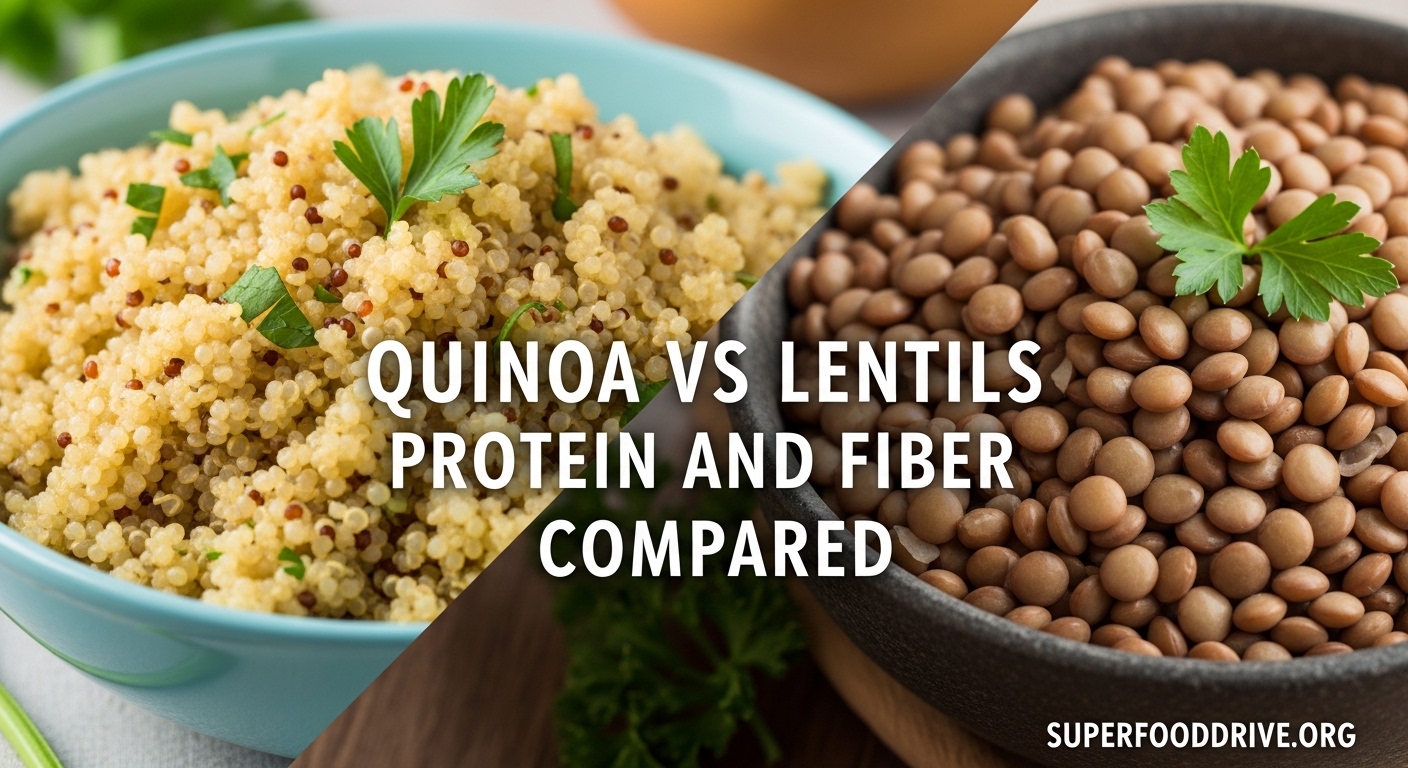
When it comes to plant-based nutrition, the quinoa vs lentils debate sparks constant discussion in health circles. Both foods earn superfood status for good reason. Yet after analyzing the nutritional data and testing these ingredients in my own kitchen for months, the differences become surprisingly clear.
Lentils provide significantly more protein and fiber per serving than quinoa. A half-cup of cooked lentils delivers about 9 grams of protein and 8 grams of fiber, while the same amount of cooked quinoa offers approximately 4 grams of protein and 2.5 grams of fiber. However, quinoa holds a unique advantage that lentils cannot match.
In this guide, I will break down exactly how these two nutritional powerhouses compare across protein, fiber, vitamins, minerals, and practical considerations. You will understand not just which is “healthier,” but which fits your specific dietary goals.
Table of Contents
Quick Nutritional Summary: Quinoa vs Lentils at a Glance
Before diving into the details, here is how quinoa and lentils stack up per half-cup cooked serving based on USDA nutritional data:
| Nutrient | Lentils (1/2 cup) | Quinoa (1/2 cup) | Winner |
|---|---|---|---|
| Calories | 115 | 111 | Tie |
| Protein | 9g | 4g | Lentils |
| Fiber | 8g | 2.5g | Lentils |
| Carbohydrates | 20g | 20g | Tie |
| Fat | 0.4g | 1.8g | Lentils |
| Iron | 3.3mg | 1.4mg | Lentils |
| Folate | 179mcg | 39mcg | Lentils |
| Magnesium | 36mg | 59mg | Quinoa |
| Complete Protein | No | Yes | Quinoa |
The numbers tell an interesting story. Lentils dominate protein, fiber, iron, and folate content. Quinoa provides more healthy fats and magnesium while delivering something lentils cannot: complete protein status.
Protein Comparison: Why Complete Protein Matters
Lentils clearly win on total protein quantity. That same half-cup serving delivers more than double the protein of quinoa. For vegetarians and vegans tracking macros, lentils offer one of the most protein-dense plant foods available.
However, protein quality matters just as much as quantity. This is where quinoa takes the crown.
What Makes Quinoa a Complete Protein
Quinoa stands out as one of the few plant-based complete proteins. This means it contains all nine essential amino acids your body cannot produce on its own: histidine, isoleucine, leucine, lysine, methionine, phenylalanine, threonine, tryptophan, and valine.
Most plant proteins, including lentils, lack adequate amounts of certain essential amino acids. Lentils are particularly low in methionine and cysteine. While this does not make lentils inferior, it means they need pairing with complementary proteins (like rice or grains) to provide complete amino acid coverage.
According to registered dietitians cited in TODAY’s nutritional analysis, quinoa delivers roughly 8 grams of protein per cup with a balanced amino acid profile that rivals animal sources.
Amino Acid Profile Breakdown
Here is how the amino acid profiles compare per 100 grams of cooked food:
Quinoa: Contains significant amounts of all essential amino acids, with particularly strong levels of lysine (often lacking in grains) and methionine (often lacking in legumes).
Lentils: Rich in lysine and most amino acids but deficient in methionine. This is why traditional cuisines often pair lentils with rice or wheat.
For athletes and those focused on muscle building, the complete protein advantage gives quinoa an edge despite its lower total protein content. Your body can utilize quinoa protein more efficiently without requiring complementary foods.
Fiber Comparison: Digestive Health and Satiety
If fiber is your priority, lentils dominate completely. That 8 grams of fiber per half-cup serving represents 29% of your daily recommended intake. Quinoa’s 2.5 grams provides just 9%.
This fiber gap has significant implications for digestive health, blood sugar management, and weight control.
Soluble vs Insoluble Fiber
Lentils contain both soluble and insoluble fiber in beneficial ratios. Soluble fiber dissolves in water and helps lower cholesterol while stabilizing blood sugar. Insoluble fiber adds bulk to stool and promotes regular digestion.
Quinoa also provides both fiber types but in smaller quantities. Its fiber content comes primarily from the seed coat, which is why rinsing quinoa thoroughly before cooking is recommended.
Digestive Considerations
Forum discussions across Reddit communities reveal a common pain point: lentils cause digestive discomfort for some people. The high fiber content, combined with certain oligosaccharides, can produce gas and bloating.
Quinoa generally causes fewer digestive issues, though its saponin coating can irritate sensitive stomachs if not rinsed properly.
Soaking lentils overnight and discarding the soaking water can reduce these compounds significantly. This simple step, often overlooked, makes lentils more tolerable for sensitive digestive systems.
Calories, Carbohydrates, and Glycemic Index
Both foods are remarkably similar in calorie and carbohydrate content. Each half-cup serving provides approximately 110-115 calories and 20 grams of carbohydrates.
Where they differ significantly is glycemic index (GI).
Glycemic Index Comparison
Lentils: GI of 29-32 (low)
Quinoa: GI of 53 (low to medium)
This makes lentils particularly valuable for blood sugar management. Their combination of high fiber and low glycemic index creates minimal blood sugar spikes. Research consistently shows legumes like lentils improve glycemic control in people with diabetes.
Quinoa still qualifies as low-glycemic but produces a more noticeable blood sugar response. For diabetics or those managing insulin resistance, lentils offer a clear advantage.
Fat Content and Healthy Fats
Lentils are virtually fat-free at 0.4 grams per half-cup. Quinoa contains 1.8 grams of fat, but this includes beneficial omega-3 and omega-6 fatty acids.
Quinoa provides alpha-linolenic acid (ALA), an omega-3 fatty acid that supports heart health and reduces inflammation. It also contains significant linoleic acid, an omega-6 fatty acid essential for brain function.
The omega-6 to omega-3 ratio in quinoa is approximately 6:1, which falls within the optimal range recommended by nutrition experts. This gives quinoa a slight edge for those specifically seeking healthy fat intake from plant sources.
Micronutrient Comparison: Vitamins and Minerals
Both quinoa and lentils shine as micronutrient powerhouses, though they excel in different areas.
Where Lentils Win
Iron: Lentils provide 3.3mg per half-cup (18% DV) compared to quinoa’s 1.4mg. For vegetarians at risk of iron deficiency, lentils offer a superior source.
Folate: Lentils deliver 179mcg per half-cup (45% DV) versus quinoa’s 39mcg. This makes lentils particularly valuable during pregnancy.
Zinc: Lentils contain more zinc, important for immune function and wound healing.
B Vitamins: Lentils are richer in thiamin, niacin, and pantothenic acid.
Where Quinoa Wins
Magnesium: Quinoa provides 59mg per half-cup (14% DV) compared to lentil’s 36mg. Magnesium supports muscle function, sleep quality, and stress management.
Manganese: Quinoa is exceptionally high in manganese, providing over 30% of daily needs per serving.
Copper: Quinoa delivers more copper, essential for energy production and iron metabolism.
Vitamin E: Quinoa contains vitamin E, an antioxidant largely absent in lentils.
Anti-Nutrients: What You Need to Know
Both foods contain compounds called anti-nutrients that can interfere with nutrient absorption. This is a content gap most competitors ignore, yet it matters for maximizing nutritional benefits.
Lectins in Lentils
Lentils contain lectins, proteins that can bind to carbohydrates and potentially cause digestive issues in sensitive individuals. Raw or undercooked lentils contain the highest levels.
Proper cooking neutralizes most lectins. Soaking lentils for 8-12 hours, then boiling until completely tender, eliminates virtually all lectin-related concerns.
Phytates in Both Foods
Phytates (phytic acid) bind to minerals like iron and zinc, reducing absorption. Both lentils and quinoa contain phytates, though lentils have higher concentrations.
Soaking, sprouting, or fermenting either food significantly reduces phytate content. Adding vitamin C-rich foods (like tomatoes or lemon juice) to lentil dishes also improves iron absorption.
Saponins in Quinoa
Quinoa contains saponins, bitter compounds that protect the seed but can irritate the digestive tract. Most commercial quinoa comes pre-rinsed, but additional rinsing under cold water removes residual saponins.
These anti-nutrients sound alarming but rarely cause issues for healthy individuals consuming properly prepared foods. Simple preparation techniques eliminate concerns while preserving nutritional benefits.
Health Benefits Compared
Both foods support overall health through different mechanisms.
Heart Health
Lentils win for cardiovascular protection. Their combination of soluble fiber, folate, and potassium helps lower blood pressure and reduce LDL cholesterol. Multiple studies link regular legume consumption to reduced heart disease risk.
Quinoa supports heart health through its magnesium content and healthy fats, though the evidence is less robust than for lentils.
Blood Sugar Management
Lentils are superior for glycemic control. Their extremely low glycemic index and high fiber content create minimal blood sugar impact. Research published in nutrition journals consistently shows lentils improve markers of diabetes management.
Quinoa also supports blood sugar regulation but to a lesser degree.
Weight Loss Support
Both foods support weight loss through high satiety and low calorie density. Lentils may have a slight edge due to their higher fiber content, which prolongs fullness.
Forum users consistently report lentils keep them satisfied longer than quinoa. The protein-fiber combination in lentils is particularly effective for appetite control.
Digestive Health
Lentils provide more fiber for gut health, feeding beneficial bacteria in the microbiome. However, those with sensitive digestion may tolerate quinoa better.
Prebiotic fibers in both foods support digestive health, though lentils deliver significantly more.
Cooking and Culinary Uses
Practical kitchen considerations matter when choosing between these foods.
Cooking Time
Quinoa: 15-20 minutes, no soaking required
Lentils: 20-30 minutes (green/brown), 15-20 minutes (red), no soaking required but recommended
Red lentils cook fastest and break down into a creamy consistency perfect for soups and dals. Green and brown lentils hold their shape better for salads and side dishes.
Texture and Flavor
Quinoa has a light, fluffy texture with a slight crunch from the germ ring. Its mild, nutty flavor pairs well with most seasonings.
Lentils offer an earthy, savory flavor with a soft but distinct texture. Different lentil varieties provide textural variety from creamy (red) to firm (green).
Meal Prep and Storage
Both foods store well in the refrigerator for 5-7 days. Pre-cooked lentils and quinoa make excellent meal prep bases. Canned lentils offer convenience, though they contain more sodium than home-cooked.
I batch-cook both on Sundays. Quinoa becomes the base for grain bowls. Lentils transform into soups, salads, and side dishes throughout the week.
Environmental Impact and Cost
Sustainability factors influence many health-conscious consumers.
Environmental Sustainability
Lentils have a remarkably low environmental footprint. They require minimal water, fix nitrogen in the soil (reducing fertilizer needs), and produce very low greenhouse gas emissions compared to animal proteins.
Quinoa has received criticism for environmental impacts related to increased demand. Traditional quinoa cultivation in the Andes was sustainable, but expanded commercial production has raised concerns about soil depletion and water use in some regions.
For eco-conscious eaters, lentils edge ahead as the more sustainable choice.
Cost Comparison
Lentils are significantly cheaper than quinoa. Dry lentils typically cost $1-2 per pound, while quinoa ranges from $4-8 per pound depending on variety and sourcing.
Per serving, lentils offer substantially more nutrition per dollar. This cost advantage makes lentils accessible to virtually any budget.
Quinoa vs Lentils Protein and Fiber Compared: FAQ
What is healthier, lentils or quinoa?
Lentils are healthier overall due to significantly higher protein and fiber content, more iron and folate, and lower glycemic index. However, quinoa offers unique benefits as a complete protein with all essential amino acids and more magnesium. The healthiest approach includes both foods in your diet.
Can you eat quinoa if you have high triglycerides?
Yes, quinoa is suitable for those with high triglycerides. It contains healthy omega-3 fatty acids and fiber that may help improve lipid profiles. Its low glycemic index prevents blood sugar spikes that can worsen triglyceride levels. However, portion control matters as quinoa still contains carbohydrates.
Can you eat lentils if you are diabetic?
Yes, lentils are excellent for diabetics. They have an extremely low glycemic index (29-32) and high fiber content that minimizes blood sugar spikes. Research consistently shows legumes improve glycemic control. The protein-fiber combination in lentils creates sustained energy without glucose fluctuations.
Which quinoa is best for high cholesterol?
All quinoa varieties offer similar cholesterol benefits due to their fiber and healthy fat content. Red, white, and black quinoa provide comparable nutritional profiles. The key is incorporating quinoa regularly as part of a diet low in saturated fat and high in fiber-rich plant foods overall.
Which has more protein per cup, quinoa or lentils?
Lentils have significantly more protein per cup. One cup of cooked lentils provides approximately 18 grams of protein, while one cup of cooked quinoa provides about 8 grams. However, quinoa is a complete protein containing all nine essential amino acids, whereas lentils need to be paired with grains for complete amino acid coverage.
Why does quinoa cost so much more than lentils?
Quinoa costs more due to limited growing regions (primarily the Andes), processing requirements, and increased global demand. Most quinoa is imported, adding transportation costs. Lentils grow in many regions worldwide with established agricultural infrastructure, making them more affordable despite their excellent nutrition.
Quinoa vs Lentils Protein and Fiber Compared: Final Verdict
After comparing quinoa vs lentils across protein, fiber, and overall nutrition, lentils emerge as the nutritional winner for most health goals. They provide more than double the protein and triple the fiber per serving, along with superior iron, folate, and glycemic control benefits.
However, quinoa holds an irreplaceable advantage as a complete protein. For those seeking optimal amino acid coverage without combining foods, quinoa delivers what lentils cannot.
My recommendation: do not choose between them. Include both in your diet regularly. Use lentils when you want maximum protein, fiber, and satiety. Choose quinoa when you need complete protein or prefer a lighter, quicker-cooking grain alternative.
The real winner is your health when you embrace both of these nutritional powerhouses. Start with lentils three to four times weekly, add quinoa twice weekly, and enjoy the combined benefits of varied plant-based nutrition.