
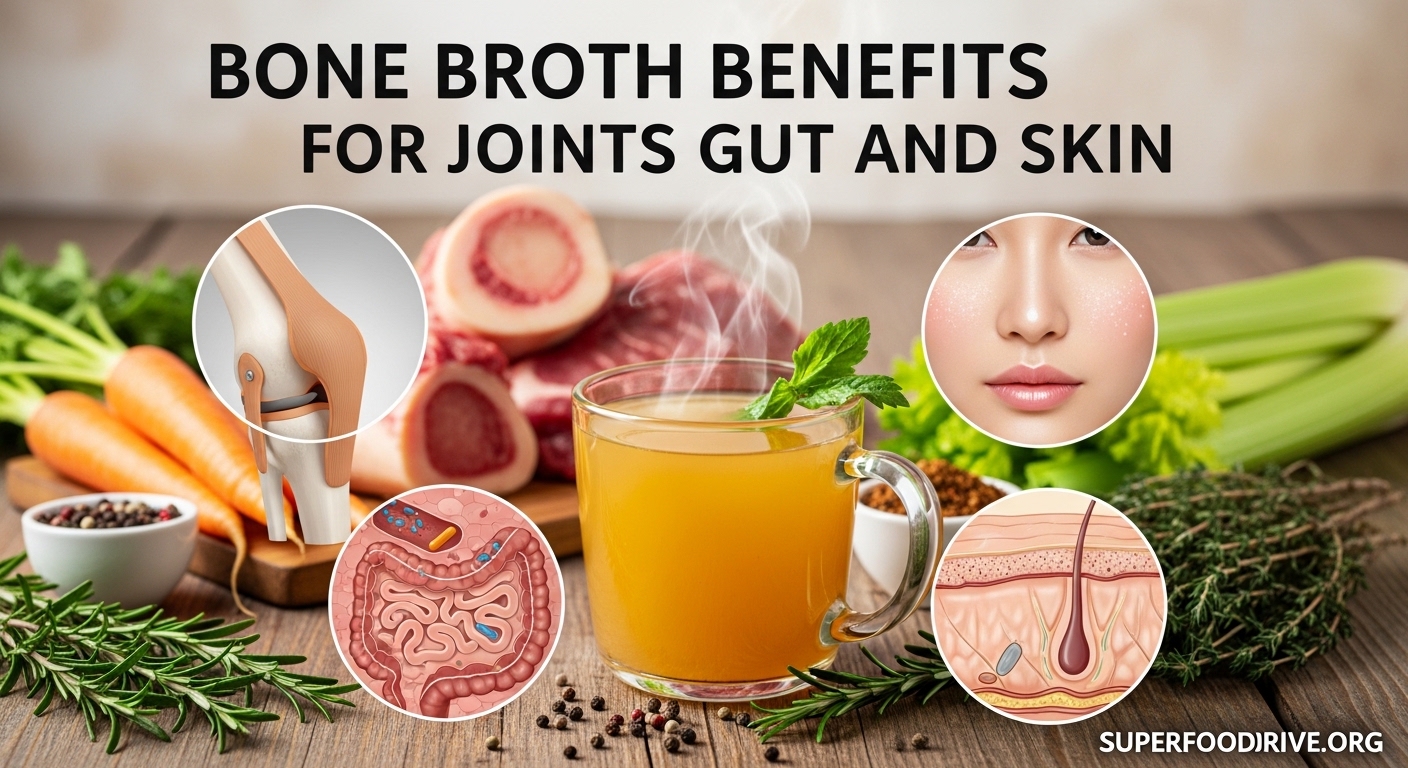
I first started drinking bone broth after a knee injury left me searching for natural ways to support my joints. What I discovered went far beyond joint support. This ancient food delivers remarkable benefits for gut health, skin appearance, and overall wellness that modern science is only beginning to understand.
In this guide, I will share everything I have learned about bone broth benefits for joints, gut, and skin. You will discover the key nutrients that make this simple broth so powerful, how it works in your body, and practical ways to incorporate it into your daily routine.
Table of Contents
What Is Bone Broth?
Bone broth is a nutrient-dense liquid made by simmering animal bones in water for an extended period, typically 12 to 24 hours. This slow cooking process extracts collagen, amino acids, minerals, and other compounds from the bones and connective tissue.
Unlike regular broth or stock, which cooks for 2 to 4 hours, bone broth requires patience. The extended simmering time breaks down the bones and connective tissues, releasing gelatin, collagen, and minerals into the liquid. This creates a richer, more nutritious base that solidifies when cooled due to its high gelatin content.
Our ancestors have consumed bone broth for thousands of years. Traditional cultures around the world recognized its healing properties long before modern nutrition science confirmed them. From Chinese medicine to European folk remedies, bone broth has held a respected place in healing kitchens for generations.
Nutrients in Bone Broth: What Makes It Special
The true power of bone broth lies in its concentrated nutrient profile. Each cup delivers a unique combination of compounds that work together to support multiple body systems.
Collagen and Gelatin
Collagen is the most abundant protein in the human body and the primary structural component of connective tissues. When you simmer bones, the collagen breaks down into gelatin, which dissolves in the broth. This gelatin provides the building blocks your body needs to repair and maintain cartilage, skin, and gut lining.
Research published in 2026 shows that consuming collagen can improve skin elasticity and hydration. While bone broth contains collagen, it breaks down into amino acids during digestion. Your body then uses these amino acids to produce its own collagen where needed.
Amino Acids: The Building Blocks
Bone broth is rich in specific amino acids that play critical roles in health. Glutamine supports gut barrier function and immune health. Glycine promotes sleep quality and helps regulate inflammation. Proline works alongside glycine to support collagen synthesis and wound healing.
These amino acids are conditionally essential, meaning your body can produce them, but during times of stress, illness, or injury, you may need more than your body can make. Bone broth provides these nutrients in an easily absorbable form.
Minerals and Electrolytes
The long cooking process leaches minerals from the bones into the broth. Calcium supports bone health and muscle function. Magnesium aids in over 300 biochemical reactions in the body. Phosphorus works with calcium to build strong bones. These minerals come in forms your body can readily absorb and use.
Bone broth also contains electrolytes like sodium and potassium, which help maintain fluid balance and support nerve and muscle function. This makes bone broth an excellent choice for hydration, especially after exercise or during illness.
Glucosamine and Chondroitin
These compounds, commonly found in joint supplements, occur naturally in bone broth. They come from the cartilage and connective tissues simmered in the broth. Glucosamine helps maintain cartilage structure, while chondroitin supports cartilage elasticity by helping it retain water.
Bone Broth Benefits for Joints
Joint health is one of the most researched benefits of bone broth. The combination of collagen, glucosamine, chondroitin, and anti-inflammatory amino acids makes it particularly valuable for anyone dealing with joint discomfort or looking to maintain mobility as they age.
Cartilage Support and Repair
Cartilage is the smooth tissue that cushions your joints and allows bones to glide against each other. As we age, cartilage naturally breaks down, leading to stiffness and discomfort. The collagen and gelatin in bone broth provide the raw materials your body needs to maintain and repair cartilage tissue.
Dr. Sharon Hame, an orthopedics professor at UCLA, notes that while bone broth is not a cure for arthritis, it provides nutrients that support joint health. The glucosamine and chondroitin in bone broth are the same compounds studied for their potential to slow cartilage degeneration.
Reducing Joint Inflammation
Chronic inflammation contributes to joint pain and stiffness. The amino acid glycine in bone broth has anti-inflammatory properties that may help reduce joint discomfort. Studies suggest glycine can inhibit the production of inflammatory cytokines, potentially easing symptoms for people with inflammatory joint conditions.
While research on bone broth specifically is still developing, studies on individual components like collagen peptides show promise for reducing joint pain. One study found that athletes who took collagen supplements experienced less joint pain during activity compared to those who did not.
Connective Tissue Support
Tendons and ligaments connect muscles to bones and bones to each other. These tissues are primarily made of collagen. The proline and glycine in bone broth support the synthesis of new collagen, helping maintain the strength and flexibility of these crucial connective tissues.
For active individuals or those recovering from injuries, this connective tissue support can be particularly valuable. The amino acids in bone broth provide the building blocks for tissue repair and maintenance.
Bone Broth Benefits for Gut Health
The connection between bone broth and gut health has gained significant attention in recent years. The gelatin and specific amino acids in bone broth appear to support the intestinal lining and promote digestive wellness.
Supporting the Gut Lining
Your intestinal lining acts as a barrier between your gut and bloodstream. When this barrier functions properly, it allows nutrients to pass through while keeping harmful substances out. The glutamine in bone broth serves as fuel for the cells that make up this intestinal lining, supporting their growth and repair.
Dr. Natasha Campbell-McBride, creator of the GAPS diet, recommends bone broth specifically for its gut-healing properties. She emphasizes that the easily digestible nutrients in bone broth make it ideal for people with compromised digestion.
Understanding Leaky Gut
Leaky gut, or increased intestinal permeability, occurs when the tight junctions between intestinal cells loosen. This allows undigested food particles and toxins to pass into the bloodstream, potentially triggering immune responses and inflammation throughout the body.
The gelatin in bone broth may help seal these tight junctions, supporting gut barrier integrity. Glutamine has been shown in studies to help maintain the intestinal barrier and reduce permeability. While more research is needed specifically on bone broth, these individual components show promise for gut health.
Digestive Health and IBS Support
For people with irritable bowel syndrome (IBS) or other digestive sensitivities, bone broth offers easily digestible nutrition. The liquid form requires minimal digestive effort, while the gelatin can help soothe and coat the digestive tract.
The glycine in bone broth also stimulates stomach acid production, which aids digestion. Many people with digestive issues actually have low stomach acid, so this benefit can be particularly helpful. The amino acid profile supports the entire digestive process from start to finish.
Gut Microbiome Support
While bone broth does not contain probiotics like fermented foods, it provides compounds that support a healthy gut environment. The gelatin and amino acids create conditions that favor beneficial bacteria while supporting the intestinal environment where these bacteria thrive.
A healthy gut microbiome is linked to everything from immune function to mental health. By supporting the gut lining and providing easily absorbed nutrients, bone broth contributes to an environment where beneficial bacteria can flourish.
Bone Broth Benefits for Skin
The skin benefits of bone broth stem primarily from its collagen content and the amino acids that support collagen production. As we age, our natural collagen production declines, leading to wrinkles, sagging, and reduced elasticity.
Collagen for Skin Elasticity
Collagen provides the structural framework for your skin, keeping it firm and resilient. The proline and glycine in bone broth are essential for your body to produce its own collagen. While drinking bone broth does not directly add collagen to your skin, it provides the building blocks your body needs to maintain collagen production.
Research on oral collagen supplements shows measurable improvements in skin elasticity and hydration after 8 to 12 weeks of regular consumption. The same amino acids found in these supplements occur naturally in bone broth.
Anti-Aging Benefits
Bone broth contains compounds that may help combat visible signs of aging. The antioxidants in bone broth, including the amino acid glycine, help protect skin cells from oxidative damage. This damage from free radicals contributes to wrinkles and age spots.
The minerals in bone broth, particularly zinc and copper, also play roles in skin health. Zinc supports wound healing and helps control inflammation, while copper aids in collagen formation and skin pigmentation.
Skin Hydration and Texture
Proper hydration is essential for plump, healthy-looking skin. The electrolytes in bone broth help maintain fluid balance at the cellular level. Additionally, hyaluronic acid, which occurs naturally in connective tissues and bone broth, can hold up to 1000 times its weight in water, supporting skin hydration.
Many people report improved skin texture and reduced dryness after incorporating bone broth into their routine. While individual results vary, the combination of hydrating compounds and collagen-supporting nutrients creates favorable conditions for healthy skin.
Hair and Nail Support
The same nutrients that support skin also benefit hair and nails. Hair and nails are primarily composed of keratin, a protein whose production depends on adequate amino acid availability. The collagen-boosting nutrients in bone broth support the infrastructure that produces strong, healthy hair and nails.
Biotin and other B-vitamins found in bone broth also contribute to hair and nail health. Many people notice stronger nails and shinier hair after several weeks of regular bone broth consumption.
Additional Bone Broth Benefits
Beyond joints, gut, and skin, bone broth offers several other health benefits worth mentioning. These additional advantages make it a valuable addition to almost any diet.
Immune System Support
Your gut houses approximately 70 percent of your immune system. By supporting gut health, bone broth indirectly supports immune function. Additionally, the amino acids in bone broth, particularly arginine, play direct roles in immune response and wound healing.
The minerals in bone broth, including zinc and selenium, are essential for proper immune function. Zinc deficiency is linked to increased susceptibility to infections, making bone broth’s mineral content particularly valuable during cold and flu season.
Sleep and Stress Support
Glycine, abundant in bone broth, has calming effects on the nervous system. Research shows glycine can improve sleep quality by lowering core body temperature and promoting relaxation. Drinking bone broth in the evening may support better sleep patterns.
The calming effects of glycine may also help manage stress. By supporting neurotransmitter function, glycine promotes a sense of calm without causing drowsiness during the day.
Muscle Recovery and Protein
Each cup of bone broth contains 8 to 10 grams of protein, making it a useful addition for athletes and active individuals. The amino acid profile supports muscle repair and recovery after exercise. The easily digestible nature of bone broth protein makes it ideal post-workout when the digestive system may be stressed.
How to Make Bone Broth at Home
Making bone broth at home is simple and cost-effective. Here is a basic recipe to get you started.
Basic Bone Broth Recipe
Start with 2 to 4 pounds of beef or chicken bones. You can use raw bones, roasted bones, or bones left over from cooking. Place them in a large pot or slow cooker and cover with filtered water. Add 2 tablespoons of apple cider vinegar, which helps extract minerals from the bones.
Bring the mixture to a boil, then reduce to a simmer. For chicken bones, simmer for 12 to 24 hours. For beef bones, simmer for 24 to 48 hours. The longer you simmer, the more nutrients you will extract. Add vegetables like onions, carrots, and celery in the last few hours for flavor if desired.
Strain the broth through a fine-mesh strainer and let it cool. The broth should gel when cold due to the gelatin content. Store in the refrigerator for up to 5 days or freeze for up to 6 months.
Store-Bought vs. Homemade
While homemade bone broth is generally more nutritious, quality store-bought options exist. Look for brands that use organic bones and simmer for extended periods. Avoid products with artificial flavors or excessive sodium. Many health food stores now carry frozen or refrigerated bone broth that rivals homemade quality.
Important Safety Considerations
While bone broth offers many benefits, there are some safety considerations to keep in mind. Being informed helps you make the best choices for your individual health needs.
Lead Contamination
Some studies have detected lead in bone broth, as bones can accumulate heavy metals. Using bones from organic, pasture-raised animals reduces this risk. If you are concerned about lead exposure, limit consumption to a few cups per week rather than daily.
Histamine Intolerance
Long-cooked foods like bone broth are high in histamines. People with histamine intolerance may experience headaches, hives, or digestive upset after consuming bone broth. If you suspect histamine intolerance, start with small amounts and monitor your symptoms.
Sodium Content
Depending on how it is prepared, bone broth can be high in sodium. If you are watching your sodium intake, make broth at home without added salt or choose low-sodium store-bought varieties. People with high blood pressure should be particularly mindful of sodium content.
Frequently Asked Questions About Bone Broth Benefits
What does drinking bone broth do for your gut?
Drinking bone broth supports gut health by providing glutamine, an amino acid that fuels intestinal lining cells. The gelatin in bone broth may help seal tight junctions in the gut barrier, potentially reducing leaky gut. Additionally, bone broth is easy to digest and can soothe the digestive tract.
Is it beneficial to drink bone broth daily?
Drinking bone broth daily can provide consistent amino acids and minerals that support joint, gut, and skin health. Most people can safely consume 1 to 2 cups daily. However, those with histamine intolerance or concerns about lead should limit consumption to a few times per week.
What bone broth is best for IBS?
For IBS, choose bone broth made from high-quality, organic bones without added ingredients that might trigger symptoms. Chicken bone broth is often gentler than beef. Avoid broths with onions or garlic if these trigger your symptoms. Start with small amounts to assess tolerance.
Is bone broth ok during chemo?
Bone broth can be beneficial during chemotherapy as it provides easily digestible nutrition and hydration. However, consult your oncology team before adding it to your diet. Some providers recommend avoiding bone broth due to infection risk concerns with neutropenia or histamine content.
Can I drink bone broth during autophagy fasting?
Bone broth technically breaks a strict fast as it contains calories and protein. However, many people include bone broth during modified fasting protocols. The minimal calories and high nutrient content make it a popular choice for extended fasts. For pure autophagy benefits, stick to water during fasting windows.
Conclusion: Is Bone Broth Worth Adding to Your Diet?
Bone broth benefits for joints, gut, and skin are supported by both traditional wisdom and emerging scientific research. While it is not a miracle cure, this nutrient-dense food provides valuable compounds that support multiple body systems.
The collagen, amino acids, and minerals in bone broth work together to support cartilage health, maintain gut barrier integrity, and promote skin elasticity. For most people, consuming 1 to 2 cups of quality bone broth daily is a safe and beneficial dietary addition.
Whether you make it at home or purchase from a trusted source, bone broth offers a simple way to boost your nutrient intake. Start with a cup a day and notice how your body responds. Many people find this ancient food becomes a staple in their wellness routine once they experience its benefits firsthand.