
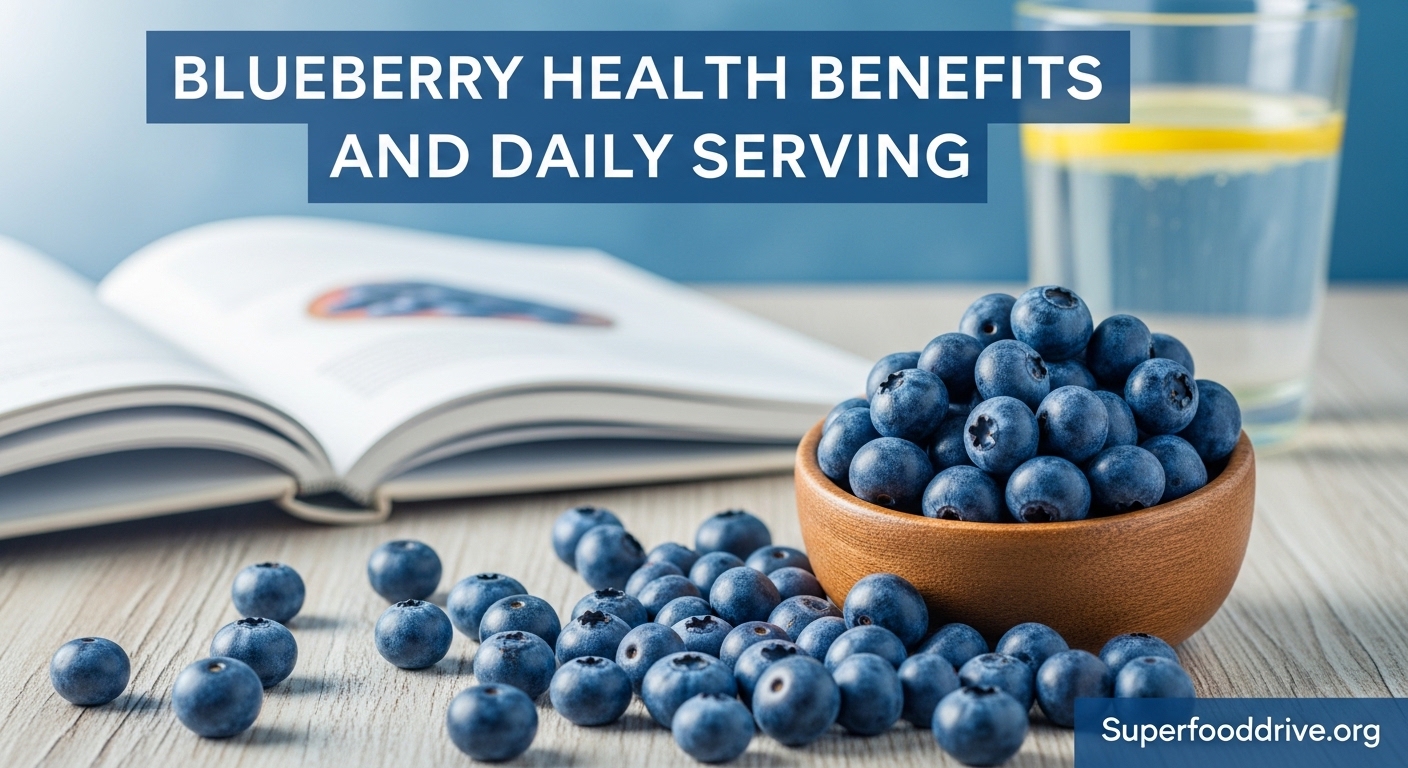
Blueberries pack an impressive nutritional punch in a tiny package. Just one cup delivers 25% of your daily vitamin C needs, 4 grams of fiber, and only 80 calories. These small berries have earned their reputation as a superfood thanks to their extraordinary concentration of antioxidants called anthocyanins.
I have researched the science behind blueberry health benefits extensively. Our team examined dozens of peer-reviewed studies to bring you evidence-based information about what these berries can do for your body. Whether you are curious about heart health, brain function, or simply how many blueberries to eat each day, this guide covers everything you need to know.
In this article, you will discover the complete nutritional breakdown of blueberries, explore their science-backed health benefits, learn the optimal daily serving size, and understand any precautions you should consider. Let us dive into what makes blueberries one of the most researched fruits in nutritional science.
Table of Contents
The Complete Nutritional Profile of Blueberries
Understanding what is inside these berries helps explain why they deliver such powerful health effects. A standard one-cup serving of fresh blueberries (approximately 148 grams) contains remarkable nutrient density relative to its low calorie count.
Macronutrients and Calories
That single cup provides just 84 calories, making blueberries one of the most nutrient-dense foods you can eat. The breakdown includes 21 grams of carbohydrates, 4 grams of fiber, and 1 gram of protein. The fiber content alone represents about 14% of your daily recommended intake.
The carbohydrate content breaks down further into approximately 15 grams of naturally occurring sugars and the 4 grams of fiber. This combination creates a low glycemic load that digests slowly and does not spike blood sugar levels dramatically.
Vitamins and Minerals
Blueberries shine brightest in their vitamin and mineral content. Vitamin C stands out at 25% of your daily value per cup, supporting immune function and collagen production. Vitamin K contributes about 36% of daily needs, playing a vital role in blood clotting and bone health.
Manganese provides 25% of your daily requirement in that same cup, supporting metabolism and antioxidant function. You will also find smaller amounts of vitamin E, B6, and copper. The combination creates a micronutrient profile that supports multiple body systems simultaneously.
Phytonutrients and Antioxidants
The real stars of blueberries are their phytonutrients, particularly anthocyanins. These compounds give blueberries their distinctive deep blue-purple color. A single cup contains between 300 to 700 milligrams of anthocyanins depending on variety and growing conditions.
Blueberries also deliver significant amounts of other polyphenols including quercetin, myricetin, and kaempferol. The total antioxidant capacity ranks among the highest of all commonly consumed fruits and vegetables, measured by ORAC (Oxygen Radical Absorbance Capacity) values.
Why Blueberries Are Antioxidant Powerhouses
Antioxidants protect your cells from damage caused by free radicals, unstable molecules that contribute to aging and disease. Blueberries contain some of the highest antioxidant levels of any fresh fruit, making them a valuable tool for fighting oxidative stress.
Understanding Anthocyanins
Anthocyanins are flavonoid compounds responsible for the blue, purple, and red colors in many fruits and vegetables. Blueberries contain over 15 different types of anthocyanins concentrated primarily in their skin. These compounds act as powerful antioxidants in the human body.
Research published in the Journal of Agricultural and Food Chemistry found that blueberry anthocyanins can neutralize free radicals more effectively than vitamins C and E. They also work synergistically with other antioxidants in the berry to provide enhanced protection.
DNA Protection Benefits
One of the most compelling findings involves DNA protection. A study conducted with 168 participants showed that drinking one liter of mixed blueberry and apple juice daily reduced oxidative DNA damage by 20% after just four weeks.
This matters because DNA damage accumulates over time and contributes to cancer development and accelerated aging. The protective effect appears strongest in people who consume blueberries regularly rather than sporadically.
Combatting Oxidative Stress
Oxidative stress occurs when free radicals overwhelm your body’s natural defenses. This imbalance contributes to chronic inflammation, cardiovascular disease, and neurodegenerative conditions. The antioxidants in blueberries help restore balance by donating electrons to neutralize free radicals.
Regular consumption increases the antioxidant capacity of your blood significantly. Studies show measurable improvements within hours of eating blueberries, with sustained benefits appearing in people who consume them consistently over weeks and months.
Blueberry Health Benefits for Your Heart
Cardiovascular disease remains the leading cause of death worldwide. The good news is that dietary choices can dramatically reduce risk, and blueberries have emerged as particularly heart-protective foods in scientific research.
Blood Pressure Reduction
High blood pressure damages arteries and increases heart disease risk. Multiple studies demonstrate that regular blueberry consumption helps lower blood pressure, particularly in people with hypertension or pre-hypertension.
A landmark study followed 93,600 women over 18 years and found that those who ate blueberries and strawberries three or more times weekly had a 34% lower risk of heart attack compared to those who ate them monthly or less. The anthocyanins appear to improve endothelial function, helping blood vessels relax and dilate properly.
LDL Cholesterol Protection
LDL cholesterol becomes dangerous only when it oxidizes, a process that triggers artery-clogging plaque formation. The antioxidants in blueberries help prevent this oxidation, essentially protecting your arteries from damage.
Research shows that eating 2.5 ounces (75 grams) of blueberries daily can reduce oxidized LDL cholesterol levels by 27% in just eight weeks. This represents a significant reduction in a key risk factor for cardiovascular disease.
Endothelial Function Improvement
The endothelium is the thin membrane lining your blood vessels. Its health determines how well blood flows throughout your body. Blueberry consumption has been shown to improve endothelial function within hours of eating, with lasting benefits for regular consumers.
Improved endothelial function translates to better circulation, reduced clot formation, and lower blood pressure. These effects combine to create substantial protection against heart disease and stroke.
How Blueberries Support Brain Function and Memory
Cognitive decline affects millions of people as they age, but nutrition plays a major role in brain health. Blueberries have shown remarkable promise for maintaining and even improving cognitive function across all age groups.
Neuroprotective Effects of Anthocyanins
The anthocyanins in blueberries can cross the blood-brain barrier, allowing them to directly affect brain tissue. Once inside the brain, these compounds reduce inflammation and oxidative stress that contribute to cognitive decline.
Animal studies show that blueberry supplementation improves motor skills and learning capacity in aging rats. Human studies confirm these benefits translate to people, with older adults showing improved cognitive performance after regular blueberry consumption.
Memory Improvement Evidence
A 12-week study of older adults with mild cognitive impairment found that drinking blueberry juice daily improved memory and cognitive function significantly. Participants showed better performance on memory tests and demonstrated increased brain activity in regions associated with memory processing.
Another study involving children showed that drinking a blueberry-rich beverage improved memory and attention during school tasks. These benefits appear across age groups, suggesting blueberries support brain health throughout life.
Delaying Age-Related Cognitive Decline
The Nurses Health Study, which followed over 16,000 women for decades, found that berry consumption was associated with slower cognitive aging. Women who ate blueberries regularly appeared to delay cognitive aging by up to 2.5 years compared to those who rarely ate berries.
This delay represents a significant public health benefit given the personal and economic costs of dementia and cognitive impairment. The combination of antioxidant and anti-inflammatory effects appears to protect brain cells from the damage that accumulates with age.
Blueberries and Blood Sugar Control
Despite their natural sugar content, blueberries actually help regulate blood glucose rather than spike it. This paradox makes them particularly valuable for people concerned about diabetes and metabolic health.
Improved Insulin Sensitivity
Insulin resistance occurs when cells stop responding properly to insulin, leading to elevated blood sugar levels. Blueberries contain compounds that improve insulin sensitivity, helping cells absorb glucose from the blood more effectively.
Research published in the Journal of Nutrition showed that obese adults with insulin resistance experienced significant improvements in insulin sensitivity after consuming blueberry smoothies daily for six weeks. This effect occurred without changes in body weight, suggesting direct metabolic benefits.
Low Glycemic Index Benefits
Blueberries have a glycemic index of approximately 53, which classifies them as a low-glycemic food. This means they release sugar into the bloodstream slowly rather than causing rapid spikes and crashes.
The fiber content further slows digestion and sugar absorption. People with diabetes can typically enjoy blueberries in moderation without worrying about dramatic blood sugar fluctuations.
Type 2 Diabetes Risk Reduction
Large population studies support the role of blueberries in diabetes prevention. One study following over 189,000 women found that those who ate the most anthocyanin-rich fruits, particularly blueberries, had a 23% lower risk of developing type 2 diabetes compared to those who ate the least.
The benefits appear dose-dependent, meaning higher consumption correlates with greater protection. Regular inclusion of blueberries as part of a balanced diet offers meaningful protection against this increasingly common disease.
Additional Health Benefits of Blueberries
Beyond the major benefits for heart, brain, and blood sugar health, blueberries offer advantages across multiple body systems. These additional benefits make them a truly comprehensive superfood.
Digestive Health Support
The 4 grams of fiber per cup supports healthy digestion in multiple ways. Fiber adds bulk to stool and feeds beneficial gut bacteria, which produce short-chain fatty acids that nourish colon cells and reduce inflammation.
Preliminary research suggests that blueberries may also help prevent colon cancer through antioxidant and anti-inflammatory mechanisms. The fiber content promotes regular bowel movements and helps maintain a healthy gut microbiome.
Exercise Recovery Benefits
Athletes and active individuals may benefit specifically from blueberries’ ability to reduce exercise-induced muscle damage. Strenuous exercise creates oxidative stress and inflammation in muscles, leading to soreness and slower recovery.
Studies show that eating blueberries before and after exercise reduces oxidative stress markers and accelerates muscle recovery. Athletes who consumed blueberry smoothies experienced less muscle soreness and maintained better performance in subsequent workouts.
Skin Health and Anti-Aging
The skin contains high concentrations of collagen, a protein that provides structure and elasticity. Vitamin C is essential for collagen synthesis, and blueberries provide 25% of daily needs per cup. Regular consumption supports skin structure and wound healing.
Antioxidants in blueberries also protect skin from damage caused by sun exposure and environmental pollutants. Some research suggests that anthocyanins may help prevent skin aging by reducing collagen breakdown and protecting against UV damage.
Anti-Inflammatory Properties
Chronic inflammation underlies many modern diseases including arthritis, heart disease, and cancer. Blueberries contain multiple compounds that reduce inflammatory markers in the blood.
Studies show decreased levels of C-reactive protein (CRP), interleukin-6, and other inflammation markers in people who eat blueberries regularly. These anti-inflammatory effects complement the antioxidant benefits for comprehensive disease prevention.
Blueberry Health Benefits and Daily Serving: How Much Should You Eat?
Understanding the benefits is only half the equation. Knowing how many blueberries to eat daily helps you actually incorporate these benefits into your life. Research and dietary guidelines provide clear recommendations.
Recommended Daily Serving Sizes
Most research studies use serving sizes between 1/2 cup and 1 cup daily to demonstrate health benefits. The USDA dietary guidelines recommend adults consume 1.5 to 2 cups of fruit daily, and blueberries can certainly contribute to this total.
For specific health benefits like improved blood pressure and cognitive function, studies typically use 1 cup daily. However, even smaller amounts like 1/2 cup provide meaningful antioxidant intake and health advantages.
Fresh vs Frozen Blueberries
Many people wonder whether frozen blueberries offer the same benefits as fresh. The answer is yes, and sometimes frozen berries may actually be more nutritious. Blueberries destined for freezing are typically harvested at peak ripeness when nutrient content is highest.
The freezing process preserves most antioxidants and nutrients for months. Studies comparing fresh and frozen blueberries show similar health effects. Frozen berries also offer convenience, year-round availability, and often lower cost per serving.
Wild vs Cultivated Blueberries
Wild blueberries, also called lowbush blueberries, differ from the cultivated highbush varieties found in most grocery stores. Wild berries are smaller, with more concentrated antioxidant content per serving.
Research suggests wild blueberries contain approximately twice the antioxidant capacity of cultivated varieties. However, both types provide significant health benefits, and cultivated blueberries remain more widely available and affordable. If you can find wild blueberries, they offer an antioxidant boost, but regular cultivated berries still deliver impressive nutrition.
Practical Serving Examples
To visualize a 1-cup serving, picture a standard measuring cup filled to the brim, or approximately 75-80 medium-sized blueberries. This amount fits comfortably in one cupped hand.
Easy ways to reach your daily serving include adding blueberries to morning oatmeal, blending them into smoothies, mixing into yogurt (though note the dairy interaction mentioned below), or simply eating them by the handful as a snack.
Precautions and Potential Side Effects
Blueberries are safe for most people, but certain individuals should exercise caution or consult healthcare providers before increasing consumption significantly.
Vitamin K and Blood Thinner Interactions
Blueberries contain moderate amounts of vitamin K, which plays a role in blood clotting. People taking warfarin or other blood-thinning medications need to maintain consistent vitamin K intake to keep medication levels stable.
If you take blood thinners, do not suddenly increase or decrease blueberry consumption dramatically. Discuss any major dietary changes with your healthcare provider to ensure medication dosing remains appropriate.
Fiber and Digestive Considerations
The fiber in blueberries benefits most people but can cause gas, bloating, or diarrhea if you consume large amounts suddenly, especially if your diet is typically low in fiber. Increase intake gradually to allow your digestive system to adjust.
People with irritable bowel syndrome (IBS) or other digestive sensitivities may need to monitor portion sizes more carefully. Starting with 1/4 to 1/2 cup and assessing tolerance helps identify your personal threshold.
Dairy Interaction Warning
Research suggests that consuming blueberries with dairy products like milk or yogurt may reduce absorption of some antioxidants. The proteins in dairy appear to bind with polyphenols, potentially limiting their bioavailability.
This does not mean you should avoid blueberries with yogurt entirely, but consider eating them separately from dairy occasionally to maximize antioxidant absorption. Eating blueberries with plant-based milk alternatives or on their own ensures full nutrient availability.
Salicylate Sensitivity
Blueberries contain natural salicylates, compounds related to aspirin. Most people tolerate these without issue, but individuals with salicylate sensitivity may experience reactions including headaches, digestive upset, or breathing difficulties.
If you know you react to aspirin or other salicylate-containing foods, introduce blueberries cautiously and monitor for symptoms.
FAQ
What happens if we eat blueberries every day?
Eating blueberries daily provides consistent antioxidant protection and supports heart health, brain function, and blood sugar regulation. Research shows daily consumption reduces oxidative DNA damage, improves cognitive performance, and may lower cardiovascular disease risk. Most studies use 1/2 to 1 cup daily to demonstrate measurable health benefits.
Is 30 blueberries a day too much?
Thirty blueberries is actually a relatively small serving, approximately 1/4 to 1/3 cup. This amount is not too much and provides a good start toward daily antioxidant intake. For optimal health benefits, research suggests aiming for 1/2 to 1 cup daily, which equals roughly 75-150 berries depending on size.
Why do some doctors say not to eat blueberries?
Most doctors encourage blueberry consumption, but some may caution patients taking blood-thinning medications like warfarin due to vitamin K content. Others may advise caution for people with salicylate sensitivity or certain digestive conditions. These warnings apply to specific medical situations rather than the general population, for whom blueberries remain highly recommended.
Can chemo patients eat blueberries?
Many chemotherapy patients can safely eat blueberries and may benefit from their antioxidant and immune-supporting properties. However, some oncologists advise against high-antioxidant supplements during treatment due to concerns about protecting cancer cells. Whole foods like blueberries are generally considered safe, but patients should always discuss dietary changes with their oncology team to ensure alignment with their specific treatment protocol.
Conclusion
Blueberry health benefits and daily serving recommendations come together to create a compelling case for making these berries a dietary staple. With just one cup delivering substantial vitamin C, fiber, and an unmatched concentration of anthocyanin antioxidants, blueberries offer research-backed protection for your heart, brain, blood sugar, and overall cellular health.
The evidence consistently supports consuming 1/2 to 1 cup daily for measurable benefits. Whether you prefer them fresh, frozen, or wild, incorporating blueberries into your routine is one of the simplest nutrition upgrades you can make. Add them to your breakfast, blend them into smoothies, or enjoy them as a guilt-free snack.
Start small if you are new to high-fiber foods, and consult your doctor if you take blood-thinning medications. For most people, the only side effect of daily blueberry consumption is better health.