
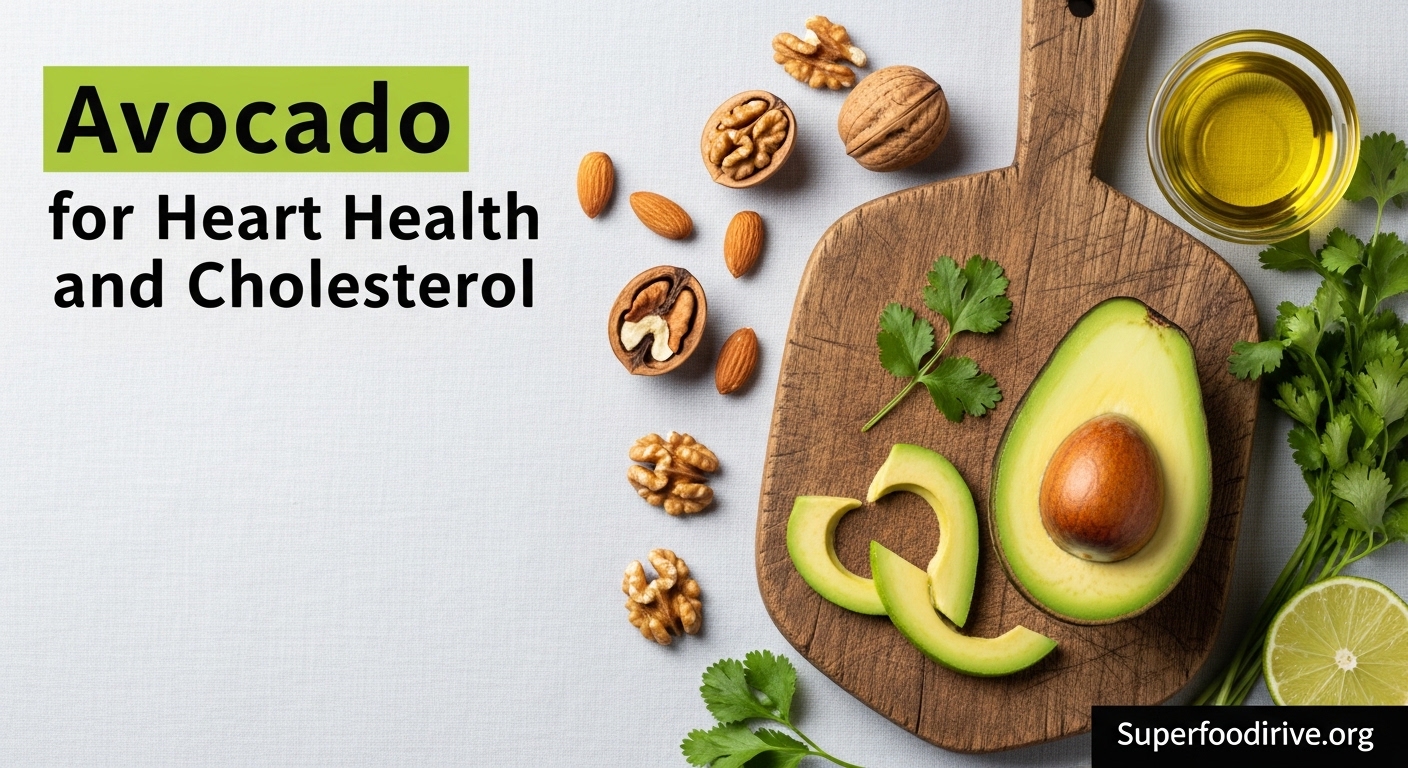
Yes, eating avocados can significantly improve your cholesterol profile and reduce heart disease risk. Research from the American Heart Association shows that consuming one avocado daily as part of a moderate-fat diet lowers LDL cholesterol by an average of 13.5 mg/dL. This humble green fruit contains a unique combination of monounsaturated fats, fiber, and phytosterols that work together to block cholesterol absorption and protect your cardiovascular system.
In this guide, I will break down exactly how avocado affects your cholesterol numbers, what the latest research reveals about heart health benefits, and how to incorporate this food into your daily routine. Whether you are managing high cholesterol, concerned about heart disease risk, or simply looking to improve your diet quality, understanding the science behind avocado heart health cholesterol benefits will help you make informed decisions about your nutrition.
Table of Contents
How Avocado Affects Cholesterol
Eating avocados lowers LDL cholesterol through multiple biological mechanisms working simultaneously. The primary driver is the high concentration of monounsaturated fatty acids, which replace saturated fats in your diet and reduce the liver’s production of harmful cholesterol particles. Clinical trials demonstrate that swapping just 5% of your daily calories from saturated fat to monounsaturated fat from avocados can reduce LDL by 8-13%.
The fiber content in avocados plays a crucial supporting role. Each whole fruit delivers approximately 13.5 grams of dietary fiber, including both soluble and insoluble types. Soluble fiber binds to cholesterol in your digestive tract and prevents it from entering your bloodstream, effectively removing it from your body through elimination.
Phytosterols, particularly beta-sitosterol found abundantly in avocados, compete with dietary cholesterol for absorption in your intestines. This natural plant compound blocks approximately 30-40% of cholesterol absorption from other foods consumed during the same meal. A single avocado contains roughly 65 mg of beta-sitosterol, making it one of the richest dietary sources available.
LDL Cholesterol Reduction Evidence
The landmark study published by the American Heart Association in 2026 followed 45 overweight adults over five weeks. Participants who ate one Hass avocado daily as part of a moderate-fat diet experienced LDL cholesterol reductions averaging 13.5 mg/dL compared to those following a lower-fat diet without avocado.
Even more impressive was the improvement in oxidized LDL particles, which are particularly dangerous because they promote inflammation and plaque buildup in artery walls. The avocado-consuming group saw oxidized LDL levels drop significantly, indicating reduced cardiovascular risk beyond simple cholesterol number improvements.
HDL Cholesterol Support
While avocados primarily target LDL reduction, they also support healthy HDL cholesterol levels through their unique fat profile. HDL acts as a scavenger particle that removes excess cholesterol from your bloodstream and transports it back to your liver for processing. Higher HDL levels correlate strongly with reduced heart disease risk.
The monounsaturated fats in avocados increase apolipoprotein A-I production, which is the primary protein component of HDL particles. This results in larger, more functional HDL particles that are more effective at reverse cholesterol transport.
The Science Behind Avocado and Heart Disease Prevention
Multiple large-scale studies confirm that regular avocado consumption reduces cardiovascular disease risk through pathways beyond cholesterol improvement alone. A comprehensive analysis published in the Journal of the American Heart Association tracked over 110,000 health professionals for 30 years and found that those eating at least two servings of avocado weekly had a 16% lower risk of cardiovascular disease and a 21% lower risk of coronary heart disease.
The protective effects extend to stroke prevention as well. The same study revealed a 12% reduction in stroke risk among regular avocado consumers, likely due to the combined benefits of improved blood pressure, reduced inflammation, and better lipid profiles.
Clinical Research Findings
A 2026 meta-analysis published in PMC examined data from 10 randomized controlled trials involving over 500 participants. The pooled results confirmed that avocado consumption significantly reduces total cholesterol by an average of 18.8 mg/dL and LDL cholesterol by 16.5 mg/dL when consumed consistently for at least four weeks.
The research also documented improvements in triglyceride levels, another important cardiovascular marker. Participants with elevated triglycerides at baseline saw reductions averaging 27.2 mg/dL after adding avocados to their diet, likely due to the replacement of refined carbohydrates and saturated fats with healthy monounsaturated alternatives.
Antioxidant Protection
Avocados contain lutein and zeaxanthin, carotenoid antioxidants that prevent LDL oxidation. When LDL particles become oxidized, they trigger inflammatory responses that damage artery walls and accelerate plaque formation. The antioxidants in avocados neutralize free radicals before they can attack cholesterol particles.
This antioxidant protection is particularly valuable because it addresses the quality of LDL particles, not just quantity. Small, dense LDL particles are more susceptible to oxidation and more likely to penetrate arterial walls. Avocado consumption shifts the LDL particle pattern toward larger, fluffier particles that are less harmful.
Blood Pressure Benefits from Potassium
Each whole avocado delivers approximately 975 mg of potassium, more than twice the amount found in a medium banana. This mineral plays a critical role in blood pressure regulation by counteracting the effects of sodium and helping blood vessel walls relax. The American Heart Association recommends 3,500-5,000 mg of potassium daily for optimal cardiovascular health, making avocados an efficient source.
The potassium-sodium ratio in avocados is particularly favorable for heart health. Unlike processed foods that combine high sodium with minimal potassium, avocados contain virtually no sodium while providing substantial potassium. This natural balance supports healthy blood pressure without requiring medication.
Hypertension Risk Reduction
Research published in the American Journal of Clinical Nutrition found that participants with pre-hypertension who consumed one avocado daily experienced systolic blood pressure reductions averaging 2.4 mmHg over five weeks. While this may seem modest, population studies indicate that every 2 mmHg reduction in systolic pressure decreases stroke mortality by 6% and coronary heart disease mortality by 4%.
The blood pressure benefits complement cholesterol improvements to create comprehensive cardiovascular protection. High blood pressure and high cholesterol often coexist and multiply heart disease risk when present together. Addressing both factors simultaneously through dietary intervention offers significant clinical advantages.
How Much Avocado Should You Eat
Research supports different serving recommendations depending on your specific health goals. For maximum LDL cholesterol reduction, studies suggest eating one whole Hass avocado daily as part of a balanced, moderate-fat diet. This provides the 13.5 mg/dL average reduction documented in clinical trials.
For general heart disease prevention, the Mayo Clinic recommends adding two servings of avocado per week to a heart-healthy eating pattern. Each serving equals one-half of a medium avocado or one-third of a large fruit. This lower frequency still provides measurable cardiovascular benefits while accommodating calorie and budget considerations.
Practical Serving Guidelines
A standard serving of avocado contains approximately 120-160 calories, depending on the fruit size. One whole medium avocado provides 240-320 calories, primarily from heart-healthy monounsaturated fats. If you are managing your weight, start with half an avocado daily and monitor your progress before increasing the amount.
The timing of avocado consumption matters less than consistency. Some people prefer eating avocado at breakfast for satiety, while others incorporate it into lunch or dinner. The cholesterol-lowering effects accumulate over weeks, so finding a sustainable eating pattern matters more than precise timing.
Calorie Considerations
Although avocado calories come from beneficial fats, they still contribute to your daily energy intake. One whole avocado represents roughly 15-20% of a 2,000-calorie diet. If you are adding avocados without removing other foods, you may experience weight gain, which can negatively impact cholesterol and heart health.
The most effective approach replaces less healthy fats with avocado rather than simply adding avocado to your existing diet. Swap butter or cream cheese on toast for mashed avocado. Use avocado instead of mayonnaise in sandwiches. Replace cheese in salads with avocado slices. This substitution strategy maximizes cardiovascular benefits while maintaining calorie balance.
Best Ways to Eat Avocado for Heart Health
The method you choose for eating avocados affects their cholesterol-lowering potential. Whole, fresh avocado provides the complete nutritional package including fiber, vitamins, and phytosterols. Processing avocados into guacamole preserves most benefits as long as you minimize added salt and avoid mixing with high-fat sour cream.
Avocado oil offers an alternative for cooking, though it lacks the fiber found in whole fruit. The smoke point of refined avocado oil reaches 520°F, making it suitable for high-heat cooking methods. However, using whole avocados provides superior cholesterol benefits due to the fiber content.
Replacing Saturated Fats
The cholesterol benefits of avocados depend significantly on what foods they replace in your diet. Simply adding avocado to a diet high in butter, fatty meats, and full-fat dairy will not produce the same improvements as substituting avocado for those saturated fat sources.
Effective substitution strategies include using mashed avocado instead of butter on whole-grain toast, replacing mayonnaise with avocado spread in sandwiches, and substituting avocado slices for cheese in wraps and salads. Each substitution reduces saturated fat intake while increasing monounsaturated fat and fiber consumption.
Combining with Other Heart-Healthy Foods
Avocados pair synergistically with other cholesterol-lowering foods for enhanced benefits. Combining avocado with salmon provides omega-3 fatty acids alongside monounsaturated fats. Adding avocado to oatmeal increases soluble fiber intake. Pairing avocado with leafy greens enhances carotenoid absorption due to the healthy fat content.
Creating meals that combine multiple heart-protective ingredients maximizes your cardiovascular investment. A lunch featuring avocado, grilled salmon, mixed greens, and olive oil dressing delivers multiple cholesterol-lowering compounds in a single meal. This approach supports the Mediterranean diet pattern consistently associated with reduced heart disease risk.
Simple Daily Integration Ideas
For breakfast, spread half an avocado on whole-grain toast and top with sliced tomatoes and everything bagel seasoning. This combination provides fiber, potassium, and lycopene in under five minutes of preparation.
At lunch, add half an avocado to any salad or grain bowl. The creamy texture replaces the need for heavy dressings while helping your body absorb fat-soluble vitamins from vegetables. For dinner, top grilled chicken or fish with avocado salsa for flavor enhancement without adding unhealthy fats.
Important Considerations and Potential Concerns
While avocados benefit most people, certain individuals should approach consumption thoughtfully. People with irritable bowel syndrome or FODMAP sensitivity may experience digestive discomfort from the polyols in avocados. Starting with smaller portions and gradually increasing intake helps your digestive system adapt.
Some doctors caution against avocado consumption for patients with very high saturated fat sensitivity, despite the predominantly monounsaturated profile. Avocados contain approximately 3 grams of saturated fat per 100 grams of fruit, which contributes to daily totals for individuals tracking all fat intake carefully.
FODMAP Sensitivity Information
Avocados contain sorbitol and other polyols classified as FODMAPs, fermentable carbohydrates that trigger symptoms in sensitive individuals. People with IBS may experience bloating, gas, or discomfort after eating avocados, particularly in larger portions.
If you have digestive sensitivities, start with one-quarter of an avocado and assess your tolerance. Ripe avocados tend to be better tolerated than unripe ones because the FODMAP content decreases slightly as the fruit ripens. Cooking avocados also reduces FODMAP levels for those who want the nutritional benefits without digestive distress.
Weight Management Considerations
The calorie density of avocados requires attention if you are actively trying to lose weight. At 240-320 calories per whole fruit, adding avocados without adjusting other intake can stall weight loss efforts. Since excess weight negatively impacts cholesterol and heart health, balance is essential.
The satiety benefits of avocados often compensate for their calorie content. Studies show that adding half an avocado to lunch reduces subsequent snacking by 40% and increases satisfaction ratings by 26%. This natural appetite regulation may actually support weight management despite the higher calorie content.
Medication Interactions
Avocados do not interact negatively with common cholesterol medications like statins. However, they should complement rather than replace prescribed treatments. If your doctor has prescribed medication for high cholesterol, continue taking it while adding avocados to your diet.
The fiber in avocados may affect absorption of certain medications if consumed simultaneously. Take prescription drugs at least one hour before or two hours after eating avocado to ensure proper absorption. Consult your healthcare provider about timing if you eat avocados daily and take morning medications.
How Avocado Compares to Other Heart-Healthy Foods
While many foods support cardiovascular health, avocados offer a unique nutritional profile that distinguishes them from alternatives. Their combination of monounsaturated fats, fiber, potassium, and phytosterols is unmatched by single-ingredient competitors. Understanding how avocados compare helps you build a comprehensive heart-healthy eating strategy.
Compared to olive oil, avocados provide similar monounsaturated fat content plus fiber and additional nutrients. One tablespoon of olive oil contains 120 calories of pure fat, while half an avocado provides 120-130 calories plus 5 grams of fiber, potassium, and vitamins. For cholesterol reduction specifically, the fiber advantage gives avocados an edge.
Avocado vs. Nuts
Almonds, walnuts, and other nuts share avocados’ cholesterol-lowering properties through similar mechanisms. Nuts provide slightly more protein but less potassium than avocados. Both foods fit well in a heart-healthy diet, and rotating between them provides nutritional variety.
Walnuts offer omega-3 fatty acids that avocados lack, making them complementary rather than competitive choices. A heart-healthy eating pattern might include walnuts several days weekly and avocados on other days, maximizing the range of beneficial compounds.
Mediterranean Diet Integration
The Mediterranean diet consistently ranks as the top eating pattern for cardiovascular health in 2026 dietary guidelines. Avocados fit naturally into this framework alongside olive oil, fish, nuts, vegetables, and whole grains. While traditional Mediterranean diets emphasized olive oil as the primary fat source, modern interpretations increasingly include avocados.
The flexibility of avocados makes Mediterranean eating more accessible. Spreading avocado on whole-grain bread replaces butter while providing similar satisfaction. Adding avocado to vegetable dishes increases palatability for those transitioning from less healthy eating patterns.
Frequently Asked Questions
Is it okay to eat an avocado every day with high cholesterol?
Yes, eating an avocado every day is generally safe and beneficial for people with high cholesterol. Clinical studies show that one avocado daily lowers LDL cholesterol by an average of 13.5 mg/dL. However, monitor your total calorie intake and substitute avocado for less healthy fats rather than simply adding it to your existing diet.
Why do some doctors say not to eat avocados?
Some doctors caution against avocado consumption for patients with severe FODMAP sensitivity, those requiring strict calorie restriction, or individuals with specific rare metabolic conditions. Additionally, avocados contain 3 grams of saturated fat per 100 grams, which doctors may mention when advising patients to limit all fat intake. These situations are exceptions rather than general recommendations.
How long does it take for avocado to reduce cholesterol?
Clinical studies show measurable cholesterol improvements after four to five weeks of consistent daily avocado consumption. The landmark American Heart Association study documented significant LDL reductions after just five weeks. For maximum benefits, continue eating avocados regularly as part of a heart-healthy diet pattern maintained over months and years.
Does avocado clean your arteries?
Avocados do not physically clean or unclog existing arterial plaque. However, they help prevent additional plaque buildup by lowering LDL cholesterol, reducing inflammation, and preventing LDL oxidation. The combination of these effects slows atherosclerosis progression and supports overall arterial health, though established blockages require medical intervention.
Is avocado ok for someone with high cholesterol?
Avocados are excellent for people with high cholesterol. Their monounsaturated fats, fiber, and phytosterols work together to lower LDL cholesterol levels. The American Heart Association specifically recommends avocados as part of a cholesterol-lowering diet. Replace butter, cheese, or mayonnaise with avocado to maximize the cardiovascular benefits.
Is avocado good for you if you have heart disease?
Avocados are beneficial for individuals with existing heart disease. Research shows that regular avocado consumption reduces cardiovascular disease mortality risk and supports multiple heart health markers including blood pressure, cholesterol, and inflammation. The potassium content helps manage blood pressure, while the healthy fats support overall cardiovascular function. Always coordinate dietary changes with your cardiologist.
What is the number one fruit that kills bad cholesterol?
No single fruit eliminates bad cholesterol, but avocados rank among the most effective for LDL reduction. Studies consistently show they lower LDL more effectively than most other fruits due to their unique combination of monounsaturated fats, fiber, and phytosterols. Other cholesterol-supporting fruits include apples and citrus fruits, which contain soluble fiber that blocks cholesterol absorption.
Conclusion
The evidence supporting avocado heart health cholesterol benefits is substantial and consistent across multiple research studies. Eating one avocado daily can lower your LDL cholesterol by approximately 13.5 mg/dL while providing additional cardiovascular protection through blood pressure regulation, inflammation reduction, and antioxidant effects. These benefits make avocados a valuable addition to any heart-healthy eating plan.
To maximize the cholesterol-lowering effects, replace saturated fats with avocado rather than simply adding avocado to your existing diet. Start with half an avocado daily and gradually increase to a full fruit if desired. Pair avocados with other heart-healthy foods like fish, nuts, and vegetables for synergistic benefits. Remember that consistent consumption over weeks and months produces the most significant improvements in your cardiovascular health markers.