
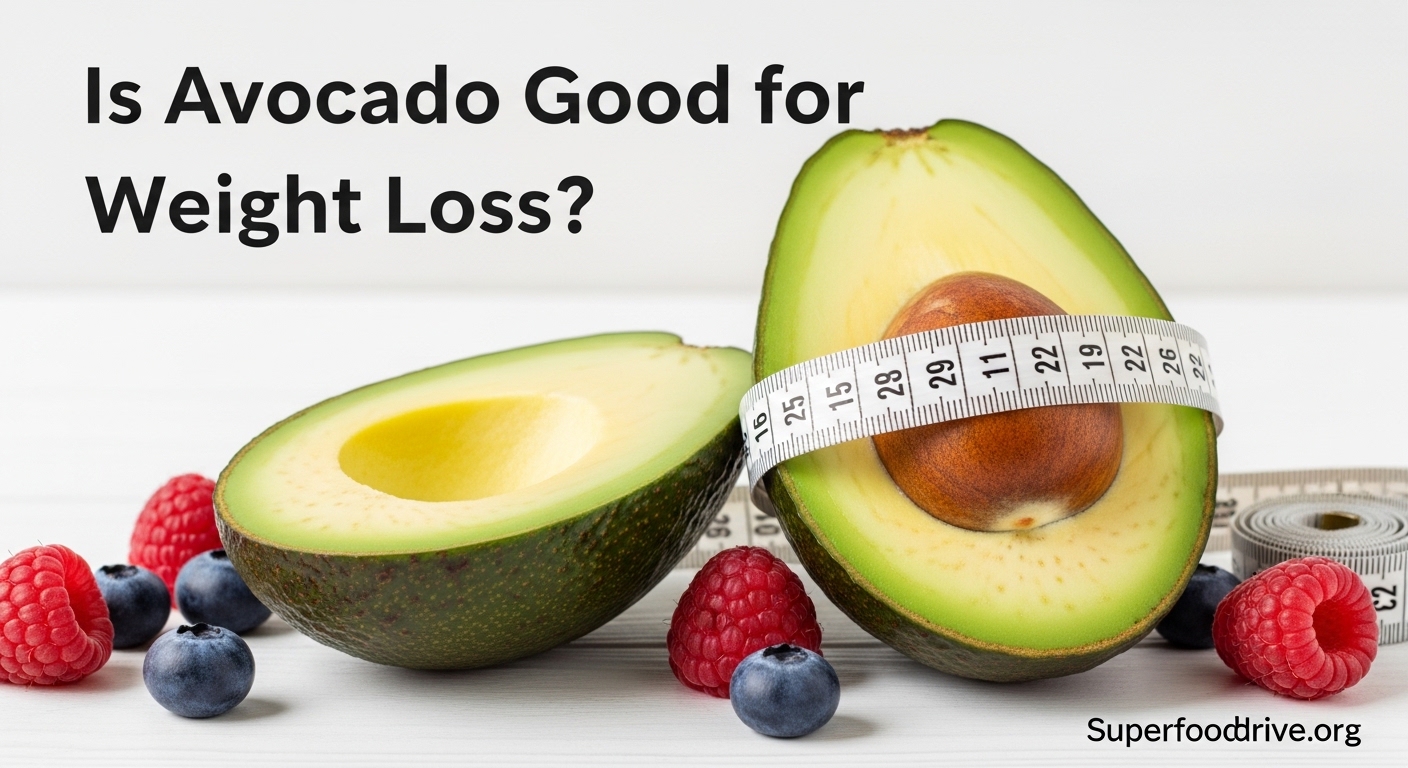
Yes, avocado is good for weight loss when eaten in the right portions. I know this might sound strange since avocados are high in fat and calories, but the science behind how they affect your body tells a different story.
Our team has researched this topic extensively, and I have personally incorporated avocados into my own weight loss journey with great results. The key is understanding how this unique fruit works with your body rather than against it.
In this guide, you will learn exactly why is avocado good for weight loss, how much to eat, and the best ways to include it in your diet.
Table of Contents
Why Avocado Is Different from Other Fruits
Most fruits are loaded with sugar and carbohydrates. An apple has about 25 grams of carbs. A banana contains roughly 27 grams.
Avocados break this pattern completely. They contain minimal sugar but are packed with healthy fats and fiber. This unique nutritional profile makes them behave more like a healthy fat source than a typical fruit.
Where other fruits might spike your blood sugar and leave you hungry an hour later, avocados do the opposite. They slow digestion, stabilize energy levels, and keep you feeling satisfied for hours.
This is why the question “is avocado good for weight loss” keeps coming up in nutrition circles. It seems to defy the old “eat less fat to lose weight” advice that many of us grew up hearing.
Avocado Nutrition Facts: The Numbers That Matter
Let us look at what you actually get in a standard serving. One-third of a medium avocado contains approximately:
- 80 calories
- 7 grams of fat (mostly monounsaturated)
- 3 grams of fiber
- 1 gram of protein
- 250 milligrams of potassium
- Essential vitamins: K, C, E, B6, and folate
The fat content might seem high, but it is the type of fat that matters. Avocados are rich in oleic acid, a monounsaturated fat that has been linked to reduced inflammation and better heart health.
The fiber content deserves special attention. With about 3 grams per serving, avocados provide both soluble and insoluble fiber. This combination is rare in foods and powerful for weight management.
Compare this to a banana, which has similar calories but 14 grams of sugar and only 3 grams of fiber. Or an apple with 19 grams of sugar. The avocado offers sustained energy without the blood sugar roller coaster.
Is Avocado Good for Weight Loss? 4 Ways It Helps
Research and real-world experience show that avocados support weight loss through several mechanisms. Here are the four main ways they help:
1. Promotes Satiety and Fullness
The combination of fiber and healthy fat in avocados triggers hormones that signal fullness to your brain. Studies have shown that people who eat avocados feel more satisfied after meals compared to those who do not.
This satiety effect means you naturally eat less throughout the day. When I added half an avocado to my lunch, I found myself skipping my usual afternoon snack entirely.
The fiber absorbs water in your digestive system, expanding and creating physical fullness. Meanwhile, the fats slow stomach emptying, extending that satisfied feeling for hours.
2. Stabilizes Blood Sugar
Blood sugar spikes lead to energy crashes and cravings. The healthy fats and fiber in avocados slow the absorption of any carbohydrates you eat alongside them.
This means steadier energy levels and fewer intense hunger signals. Stable blood sugar also helps prevent the storage of excess glucose as fat.
For anyone struggling with sugar cravings, adding avocado to meals can be a game-changer. It smooths out the peaks and valleys that drive us toward the cookie jar.
3. Supports Healthy Metabolism
The monounsaturated fats in avocados, particularly oleic acid, have been shown to activate genes that increase fat burning and decrease fat storage. This effect has been observed specifically around the abdominal area.
Additionally, avocados contain nutrients that support thyroid function and overall metabolic health. A well-functioning metabolism burns calories more efficiently.
Some research suggests that the healthy fats in avocados may help reduce visceral fat, the dangerous fat that surrounds your organs and contributes to health problems.
4. Makes Meals More Satisfying
Let us be honest. Dieting often fails because food becomes boring and unsatisfying. Avocados add creaminess, richness, and flavor that make healthy meals enjoyable.
When meals satisfy you on a sensory level, you are less likely to seek out additional snacks or treats. This psychological benefit is just as important as the physical ones.
I have found that adding avocado to a salad transforms it from something I tolerate into something I actually look forward to eating.
Addressing the Calorie Concern
Let us tackle the elephant in the room. Avocados are calorie-dense. A whole medium avocado contains about 240 calories. If you are tracking calories for weight loss, this number might make you nervous.
Here is what I have learned from both research and personal experience. Not all calories affect your body the same way. The calories in an avocado come packaged with fiber, nutrients, and healthy fats that change how your body processes them.
Compare 240 calories of avocado to 240 calories of candy or soda. The avocado nourishes your body and keeps you full. The candy spikes your blood sugar and leaves you wanting more.
The old advice to avoid all high-fat foods has been largely debunked. What matters more is the quality of the fat and how the food affects your hunger, hormones, and energy.
That said, calories do matter for weight loss. This brings us to the critical topic of portion sizes.
The Right Portion Size for Weight Loss
Portion control is where many people go wrong with avocados. I have seen people eat entire avocados in one sitting and then wonder why their weight loss stalled.
The standard serving size is one-third of a medium avocado. This provides all the benefits without excessive calories. Visual cues help: one-third is roughly the size of your computer mouse or a small fist.
For most people trying to lose weight, half an avocado per day is the sweet spot. You get substantial benefits while keeping calories in check.
A word of warning about guacamole. Restaurant portions can easily contain a whole avocado or more. When you add chips, you are looking at a calorie bomb. If you are eating out, ask for a smaller portion or skip the chips and use vegetables for dipping.
Best Ways to Eat Avocado for Weight Loss
How you eat avocado matters almost as much as how much you eat. Here are the most effective ways to incorporate it into your weight loss plan:
Breakfast Ideas
Mash one-third avocado on whole grain toast with a sprinkle of salt and pepper. The protein and fiber combination keeps you full until lunch.
Add a quarter avocado to your morning smoothie. It creates creaminess without the sugar of banana or yogurt.
Top scrambled eggs with diced avocado. The healthy fats in both foods work together for sustained energy.
Lunch Additions
Add avocado to salads instead of high-calorie dressings. The creaminess eliminates the need for creamy dressings while adding nutrition.
Include avocado in wraps and sandwiches as a spread replacement. It adds moisture and richness without the processed oils in mayonnaise.
Make a simple avocado bowl with greens, protein, and vegetables for a satisfying midday meal.
Healthy Snacks
Half an avocado with a squeeze of lime and sprinkle of chili powder makes a quick, filling snack.
Slice avocado into your vegetable crudite plate for dipping instead of high-calorie ranch dressing.
What to Avoid
Skip the avocado ice cream and avocado brownies marketed as health foods. These often contain just as much sugar and calories as traditional versions.
Be cautious with avocado oil. While healthy, it is calorie-dense and easy to overpour. Stick to the whole fruit for weight loss.
Timing-wise, there is no magic hour to eat avocado. Morning, noon, or evening works fine. What matters more is your total daily intake and what you pair it with.
Avocado vs Other Fruits for Weight Loss
People often ask whether they should choose avocado or other fruits when trying to lose weight. The answer depends on your goals and eating patterns.
Avocado vs Banana: A banana has similar calories but significantly more sugar. Choose avocado when you want sustained energy and fullness. Choose banana when you need quick energy before a workout.
Avocado vs Berries: Berries are lower in calories and higher in antioxidants but less filling. I often combine them: berries for nutrition and flavor, avocado for satisfaction.
Avocado vs Apple: An apple has fewer calories but also less staying power. The fiber in avocado combined with healthy fats creates longer-lasting fullness.
For weight loss specifically, avocados offer unique advantages that sugary fruits cannot match. That does not mean you should avoid other fruits. It means avocados deserve a place in your rotation for their specific benefits.
Frequently Asked Questions
Do avocados reduce belly fat?
Research suggests that the monounsaturated fats in avocados may specifically help reduce visceral fat, which is the dangerous belly fat surrounding your organs. One study found that people who included avocados in their diet lost more abdominal fat than those who did not. However, avocados alone will not spot-reduce belly fat; they must be part of an overall calorie-controlled diet.
Can you eat avocado every day and lose weight?
Yes, you can eat avocado daily and lose weight. The key is controlling portions. One-third to one-half avocado per day is a reasonable amount for most people. Eating a whole avocado every day may provide too many calories for weight loss unless you are very active or following a specific high-fat diet like keto.
What is the best time to eat avocado for weight loss?
There is no specific best time. Eating avocado in the morning may help control hunger throughout the day. Having it at lunch can prevent afternoon energy crashes. Some people worry about eating avocado at night, but timing matters less than total daily calorie intake. Choose whatever fits your schedule and preferences.
Are eggs and avocados good for weight loss?
Yes, eggs and avocados make an excellent weight loss combination. Eggs provide high-quality protein while avocados add healthy fats and fiber. Together they create a meal that keeps you full for hours with steady energy. This combination is popular in low-carb and keto diets for good reason.
Does eating avocado at night make you gain weight?
No, eating avocado at night does not automatically cause weight gain. Weight gain occurs when you consistently eat more calories than you burn, regardless of timing. However, if you have already consumed your daily calorie target, adding avocado at night could push you over. Plan your portions throughout the day.
How much avocado should I eat per day for weight loss?
For weight loss, aim for one-third to one-half of a medium avocado per day. This provides approximately 80 to 120 calories and delivers the satiety benefits without excessive calorie intake. Active individuals or those on higher-calorie diets may handle slightly more, while smaller individuals might stick to one-third.
The Bottom Line
Is avocado good for weight loss? The answer is a clear yes when consumed mindfully. The combination of fiber, healthy fats, and nutrients makes avocados a valuable tool for managing hunger and supporting your weight loss goals.
The key is portion control. One-third to one-half avocado per day provides the benefits without derailing your calorie targets. Pair it with protein and vegetables for maximum satisfaction.
If you have been avoiding avocados because of their fat content, consider giving them another chance. The research and real-world results speak for themselves. This creamy, delicious fruit can be part of a successful weight loss strategy.
Start with small portions, pay attention to how satisfied you feel, and adjust based on your results. Your taste buds and your waistline might both thank you.