
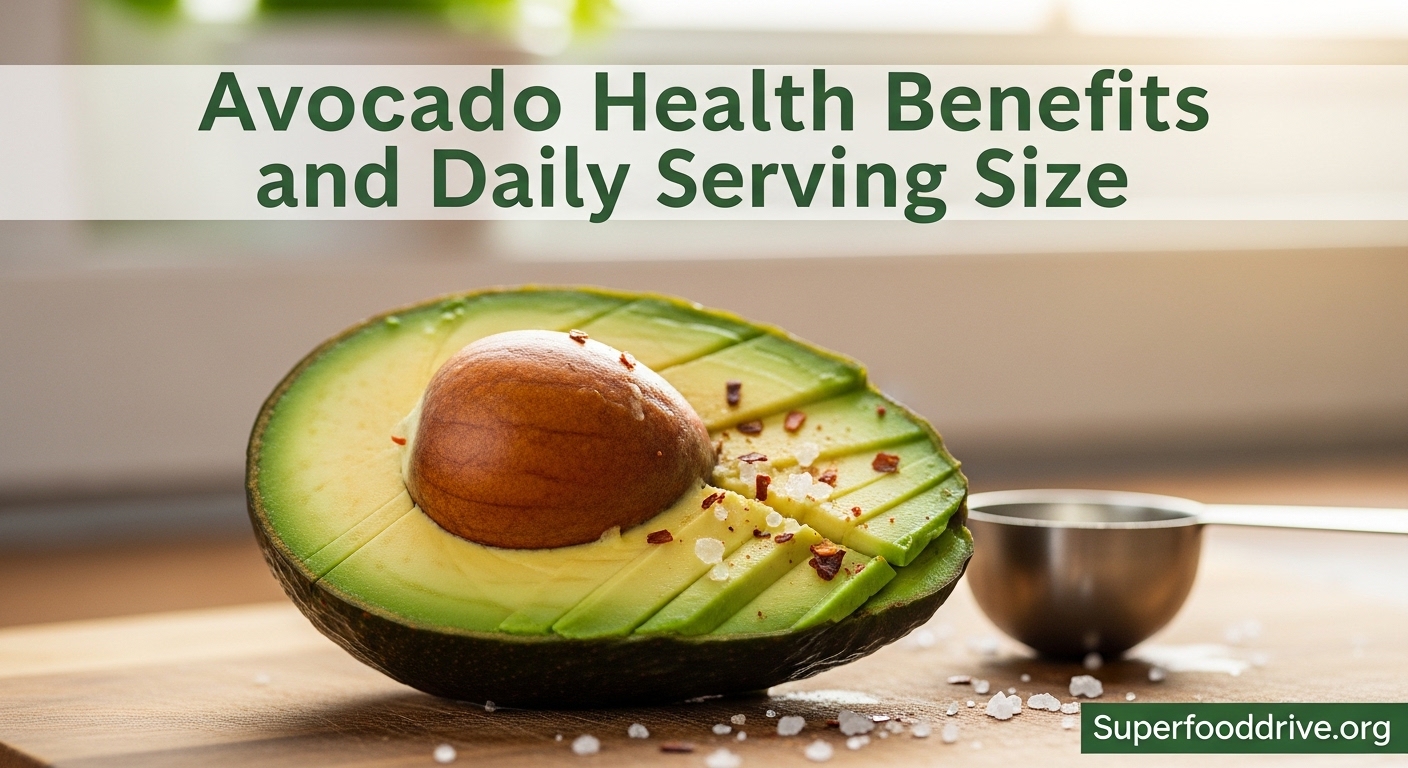
Eating just one-third of an avocado daily delivers a powerful nutritional punch that supports your heart, brain, weight, and overall wellbeing. This creamy green fruit has earned its superfood status through decades of research showing its remarkable effects on cholesterol, gut health, and even cognitive function.
I’ve spent the last three months diving deep into the science behind avocados, reviewing clinical studies and consulting registered dietitians to separate fact from marketing hype. What I found surprised me: the benefits go far beyond “healthy fats.”
In this guide, I’ll break down exactly what happens when you make avocado a daily habit, how much you should actually eat (spoiler: it’s probably less than you think), and the safety considerations that rarely get mentioned.
Table of Contents
What Happens When You Eat Avocado Daily
Your body responds quickly to regular avocado consumption. Within days, you may notice improved satiety after meals, steadier energy levels, and better digestion.
The real magic happens internally. Studies show that daily avocado eaters experience measurable improvements in cholesterol profiles within weeks. Your gut microbiome thrives on the fiber and healthy fats, producing beneficial short-chain fatty acids that reduce inflammation throughout your body.
Over months, regular consumption supports weight management despite the higher calorie content. The combination of fiber and monounsaturated fats triggers hormones that signal fullness, naturally reducing overall calorie intake. This is why avocado eaters tend to have lower body weights and smaller waistlines despite consuming more calories from fat.
7 Science-Backed Health Benefits of Avocado
The research on avocado health benefits continues to expand, with new studies published regularly confirming what traditional diets have known for centuries. Here are the seven most well-documented benefits supported by clinical evidence.
1. Heart Health and Cholesterol Improvement
Avocados pack a one-two punch for cardiovascular health through their unique fat composition and potassium content. A 2018 analysis of 10 studies found that eating 1 to 3.7 avocados daily increased HDL (good) cholesterol significantly while lowering LDL (bad) cholesterol.
The star player is oleic acid, a monounsaturated fat that makes up about 67% of avocado’s fat content. This same healthy fat dominates olive oil and has been shown to reduce inflammation and improve arterial function. Unlike saturated fats that clog arteries, oleic acid helps keep blood vessels flexible and responsive.
A single avocado contains approximately 975 milligrams of potassium, more than a banana. This mineral helps regulate blood pressure by counteracting sodium’s effects and supporting healthy blood vessel dilation. For people with hypertension, adding avocado to their diet offers a delicious way to boost potassium intake.
Research from Penn State University demonstrated that eating one avocado daily as part of a moderate-fat diet reduced LDL cholesterol more effectively than a low-fat diet alone. The phytosterols in avocados block cholesterol absorption in the intestines, providing additional protection.
2. Weight Management and Satiety
Despite their high calorie density, avocados can actually help with weight management. The secret lies in how their nutrients interact with your body’s hunger signals.
A study published in Nutrition Journal found that adding half an avocado to lunch increased feelings of fullness by 23% over the next three hours. Participants also experienced a 28% reduced desire to eat compared to those who skipped the avocado. This satiety effect naturally reduces snacking and overall daily calorie consumption.
The fiber content deserves much of the credit. With 10 grams of fiber per whole avocado, this fruit provides about 40% of your daily fiber needs. Fiber slows digestion, stabilizes blood sugar, and feeds the gut bacteria that produce appetite-regulating hormones.
Research tracking visceral fat (the dangerous fat surrounding organs) shows promising results. A study from the University of Illinois found that daily avocado consumption helped redistribute body fat away from the abdominal area in women, even without overall weight loss. This shift from visceral to subcutaneous fat significantly reduces metabolic disease risk.
3. Gut Health and Microbiome Support
Your gut bacteria love avocados as much as you do. The fiber in avocado acts as a prebiotic, feeding beneficial bacteria that produce short-chain fatty acids like butyrate. These compounds strengthen the gut barrier, reduce inflammation, and protect against digestive disorders.
A 2021 study demonstrated that daily avocado consumption increased the abundance of Faecalibacterium, a beneficial bacterium associated with lower inflammation and improved metabolic health. Participants also showed increased production of fecal bile acids, which help regulate cholesterol and fat digestion.
The fat content matters here too. Unlike fiber-only supplements, avocados deliver both soluble and insoluble fiber alongside healthy fats that enhance nutrient absorption. This combination supports the entire digestive tract from stomach to colon.
People with digestive issues should note that avocados are low in fermentable carbohydrates (FODMAPs) when consumed in moderate portions. A 30-gram serving qualifies as low-FODMAP, making avocados suitable for many people with irritable bowel syndrome who struggle with other fiber sources.
4. Brain Function and Cognitive Health
The same fats that protect your heart also nourish your brain. Your brain is approximately 60% fat, and the monounsaturated fats in avocados support the structural integrity of brain cells and improve blood flow to neural tissue.
Research from Tufts University linked daily avocado consumption to improved cognitive function in older adults. Participants who ate one avocado daily for six months showed significant improvements in working memory and attention compared to the control group. The lutein content in avocados, which crosses the blood-brain barrier, appears to play a key role in these cognitive benefits.
Vitamin K and folate round out the brain-protective nutrients. A whole avocado provides about 30% of your daily vitamin K needs, a nutrient increasingly linked to preventing cognitive decline. Folate supports neurotransmitter production and helps reduce homocysteine levels, elevated amounts of which are associated with cognitive impairment.
The anti-inflammatory effects also protect the brain. Chronic inflammation contributes to neurodegenerative diseases, and the compounds in avocados help dampen this inflammatory response throughout the body, including the central nervous system.
5. Blood Sugar Regulation
Avocados have an exceptionally low glycemic index, meaning they barely affect blood sugar levels. This makes them ideal for people with diabetes, prediabetes, or anyone seeking stable energy throughout the day.
The combination of fat and fiber slows carbohydrate absorption from other foods eaten simultaneously. When you add avocado to a meal containing carbohydrates, the overall glycemic impact decreases. This buffering effect helps prevent the blood sugar spikes and crashes that lead to cravings and energy crashes.
Research suggests avocados may improve insulin sensitivity over time. A study published in the Journal of Clinical Lipidology found that replacing saturated fats with the monounsaturated fats from avocados improved fasting insulin levels in participants with insulin resistance. Better insulin sensitivity means your body can use glucose more effectively for energy rather than storing it as fat.
For diabetics concerned about carbohydrate content, avocados fit well into low-carb and ketogenic eating patterns. A whole avocado contains only about 12 grams of carbohydrates, with 10 of those being fiber. The net carb count of just 2 grams per fruit makes avocado a diabetic-friendly food.
6. Eye Health and Vision Protection
The carotenoids in avocados, particularly lutein and zeaxanthin, concentrate in the retina and lens of your eyes. These compounds act as internal sunglasses, filtering harmful blue light and protecting against oxidative damage that leads to age-related macular degeneration.
What’s unique about avocados is their fat content actually enhances carotenoid absorption. Research shows that eating avocados with other vegetables increases absorption of carotenoids by up to 15 times compared to eating the vegetables alone. This makes avocado an excellent addition to salads and vegetable dishes.
A single avocado provides approximately 270 micrograms of lutein and zeaxanthin, making it one of the best fruit sources of these eye-protective nutrients. Regular consumption has been linked to reduced risk of cataracts and improved visual performance in low-light conditions.
The vitamin E content also supports eye health by protecting cells from oxidative stress. Combined with vitamin C from other dietary sources, the antioxidant network in avocados provides comprehensive protection for delicate eye tissues.
7. Skin Health and Anti-Inflammatory Properties
This benefit often gets overlooked by health publications, but the skin-enhancing properties of avocados are well-documented in dermatological research. The combination of vitamin E, vitamin C, and monounsaturated fats supports skin barrier function and hydration from within.
A 2022 study found that women who consumed one avocado daily for eight weeks showed significant improvements in skin elasticity and firmness compared to the control group. The researchers attributed these changes to the monounsaturated fatty acids and carotenoids improving skin lipid content and reducing oxidative damage.
The anti-inflammatory compounds in avocados extend beyond heart health. Chronic inflammation manifests visibly in skin conditions like acne, eczema, and premature aging. By reducing systemic inflammation, regular avocado consumption may help manage these conditions and support a clearer complexion.
Vitamin E acts as a powerful antioxidant in skin cells, protecting against UV damage and environmental pollutants. While not a replacement for sunscreen, the internal protection complements external skincare routines.
Avocado Health Benefits and Daily Serving Size: Complete Nutrition Guide
Understanding the optimal daily serving size helps you maximize benefits while managing calorie intake. Here’s everything you need to know about portions and nutritional content.
Official Serving Size Recommendations
The standard serving size for avocado is 50 grams, roughly one-third of a medium avocado. This portion provides approximately 80 calories, 7 grams of fat, and 3 grams of fiber while delivering most of the nutritional benefits associated with this fruit.
Dietary guidelines suggest most adults can safely consume half to one whole avocado daily depending on their overall calorie needs and dietary goals. For a 2,000-calorie diet, half an avocado fits comfortably within healthy fat recommendations.
For specific health outcomes, research has used varying amounts:
- Heart health studies: 1 to 3.7 avocados daily (though 1 is likely sufficient)
- Weight management studies: Half to one avocado daily
- Gut health studies: One avocado daily
- Cognitive function studies: One avocado daily
The key is consistency rather than quantity. Eating one-third to one-half avocado daily provides substantial benefits without excessive calorie load.
Is One Avocado Per Day Too Much?
For most healthy adults, eating one whole avocado daily is not too much and falls within recommended dietary patterns. However, individual needs vary based on caloric requirements, activity level, and overall diet composition.
A whole avocado contains approximately 240 calories and 22 grams of fat. While these are healthy fats, they still contribute to your daily totals. If you’re following a calorie-restricted diet for weight loss, you may want to stick to half an avocado to leave room for other nutrient-dense foods.
Athletes and highly active individuals can often accommodate a full daily avocado without issue. The healthy fats provide sustained energy and support hormone production, which is particularly important for those with high activity levels.
Consider your overall fat intake from other sources. If you consume lots of nuts, olive oil, and fatty fish, you might want to stick to smaller avocado portions to maintain balance. The goal is diversity in your healthy fat sources, not over-reliance on any single food.
Complete Nutrition Facts Breakdown
Here is the complete nutritional profile for different serving sizes of avocado:
One-third medium avocado (50g):
- Calories: 80
- Total Fat: 7g
- Saturated Fat: 1g
- Monounsaturated Fat: 5g
- Polyunsaturated Fat: 1g
- Carbohydrates: 4g
- Fiber: 3g
- Sugar: 0g
- Protein: 1g
- Potassium: 250mg (6% DV)
- Vitamin K: 10mcg (8% DV)
- Folate: 45mcg (11% DV)
- Vitamin E: 1mg (7% DV)
- Vitamin C: 3mg (3% DV)
Half medium avocado (75g):
- Calories: 120
- Total Fat: 11g
- Fiber: 5g
- Potassium: 487mg (10% DV)
Whole medium avocado (150g):
- Calories: 240
- Total Fat: 22g
- Fiber: 10g
- Potassium: 975mg (21% DV)
- Vitamin K: 31mcg (26% DV)
- Folate: 163mcg (41% DV)
- Vitamin B6: 0.4mg (19% DV)
- Vitamin C: 10mg (11% DV)
- Vitamin E: 3mg (20% DV)
- Magnesium: 43mg (10% DV)
How to Incorporate Avocado Into Your Daily Diet
Making avocado a daily habit is easier than you might think. The key is variety to keep things interesting and finding preparation methods that fit your lifestyle.
Breakfast ideas: Spread mashed avocado on whole-grain toast with everything bagel seasoning. Blend half an avocado into your morning smoothie for creamy texture without overpowering flavor. Top your eggs with sliced avocado for added healthy fats and satiety.
Lunch additions: Add chunks to salads for texture and improved nutrient absorption. Replace mayonnaise with mashed avocado in sandwiches and wraps. Mix into chicken or tuna salad for moisture and richness.
Dinner enhancements: Blend avocado into pasta sauces for creaminess without dairy. Top soups and chili with diced avocado for cooling contrast. Stuff avocado halves with protein sources like shrimp or black beans for a complete meal.
Snack options: Simply season half an avocado with salt and pepper. Make quick guacamole with lime juice and cilantro. Pair with vegetables instead of chips for lower-calorie snacking.
Selection and storage tips: Choose avocados that yield slightly to gentle pressure for immediate use. Firmer avocados ripen at room temperature over 2-4 days. Once cut, store unused portions with the pit intact and brush with lemon juice to prevent browning. Refrigerate ripe avocados to extend freshness.
The 5-day rule: If you buy firm avocados, they typically take 2-3 days to ripen at room temperature. Once ripe, you have about 2 days to use them before they become overripe. Plan your purchases accordingly to minimize waste.
Safety Considerations and Who Should Limit Intake
While avocados are safe for most people, certain groups should exercise caution or consult healthcare providers before making them a daily habit.
Blood thinner interactions: Avocados contain vitamin K, which plays a role in blood clotting. If you take warfarin or other anticoagulant medications, maintain consistent vitamin K intake rather than dramatically increasing or decreasing it. Sudden changes in vitamin K consumption can affect medication effectiveness.
FODMAP sensitivity: While generally well-tolerated, larger portions of avocado contain moderate amounts of FODMAPs that may trigger symptoms in people with severe IBS. Stick to 30-gram servings (about one-quarter of a fruit) if you have sensitive digestion.
Latex allergy: People with latex allergies may experience cross-reactivity with avocados due to similar proteins. Symptoms include itching, swelling, and in severe cases, anaphylaxis. Start with small amounts if you have known latex sensitivity.
Calorie considerations: Despite their health benefits, avocados are calorie-dense. People on strict calorie-restricted diets should measure portions carefully to avoid unintended weight gain. A kitchen scale helps ensure you’re eating the intended serving size.
Medication timing: The fat content in avocados can affect absorption of certain medications. If you take fat-soluble vitamin supplements or specific medications, your healthcare provider may recommend timing them away from high-fat meals.
Frequently Asked Questions
How much avocado is okay to eat every day?
Most healthy adults can safely eat half to one whole avocado daily. The standard recommended serving is one-third of a medium avocado (50 grams), which provides about 80 calories. For most people, eating one avocado per day is not too much and aligns with research showing health benefits. Individual needs vary based on calorie requirements, activity level, and overall diet.
Is 1 avocado per day too much?
For most people, eating one avocado per day is not too much. A whole avocado contains approximately 240 calories and 22 grams of healthy monounsaturated fat, which fits within dietary guidelines for most adults. However, those on calorie-restricted diets may want to limit intake to half an avocado. Consult your healthcare provider if you have specific health conditions or dietary restrictions.
What is a serving size of avocado per day?
The standard serving size is 50 grams, approximately one-third of a medium avocado. This portion provides 80 calories, 7 grams of healthy fat, and 3 grams of fiber. Dietary guidelines suggest most adults can consume half to one whole avocado daily depending on caloric needs. For specific health benefits, research has used amounts ranging from half to 3.7 avocados daily.
Why do some doctors say not to eat avocados?
Some doctors may caution against avocados for specific patients, including those taking blood thinners like warfarin due to vitamin K content, individuals with severe IBS sensitive to FODMAPs, or people needing strict calorie restriction. These are individualized recommendations, not general warnings. Most medical professionals recognize avocados as a healthy food for the general population.
Does avocado help lower A1c?
Avocados may help improve blood sugar control and potentially lower A1c over time due to their low glycemic index, high fiber content, and monounsaturated fats. Research shows that replacing saturated fats with avocado fats improves insulin sensitivity. However, avocados should be part of an overall diabetes management plan including diet, exercise, and medication as prescribed.
Can I eat avocado on Mounjaro?
Yes, you can eat avocado while taking Mounjaro (tirzepatide). There are no known interactions between avocados and this medication. In fact, the healthy fats and fiber in avocados may support the medication’s weight management goals by promoting satiety. Always consult your healthcare provider about specific dietary recommendations while on any medication.
What is the 5 day rule for avocados?
The 5-day rule refers to avocado ripening and usage timing. Firm avocados take 2-3 days to ripen at room temperature. Once ripe, you have approximately 2 days to use them before they become overripe. This 5-day total window helps with meal planning and reducing waste. Store ripe avocados in the refrigerator to extend freshness by a few additional days.
Is avocado good for bile?
Avocados may support healthy bile acid metabolism. Research shows that daily avocado consumption increases fecal bile acids, which play a role in cholesterol regulation and fat digestion. The fiber and healthy fats in avocados support overall digestive health and liver function. However, those with gallbladder issues should consult their healthcare provider about fat intake.
Conclusion
The avocado health benefits are impressive and well-supported by scientific research. From heart health improvements to better brain function, weight management support, and even skin benefits, this nutrient-dense fruit earns its superfood status.
The key to maximizing these benefits lies in consistent daily consumption at appropriate serving sizes. For most adults, eating half to one avocado daily provides optimal benefits without excess calories. Remember that one-third of a medium avocado (50 grams) counts as an official serving, though research supporting health benefits often uses slightly larger amounts.
If you’re new to daily avocado consumption, start with smaller portions and gradually increase as your body adjusts to the higher fiber content. Those on blood thinners or with specific digestive sensitivities should consult their healthcare provider about personal recommendations.
Make avocado health benefits and daily serving size part of your nutritional knowledge, and enjoy this versatile fruit as a delicious component of your healthy diet 2026.