
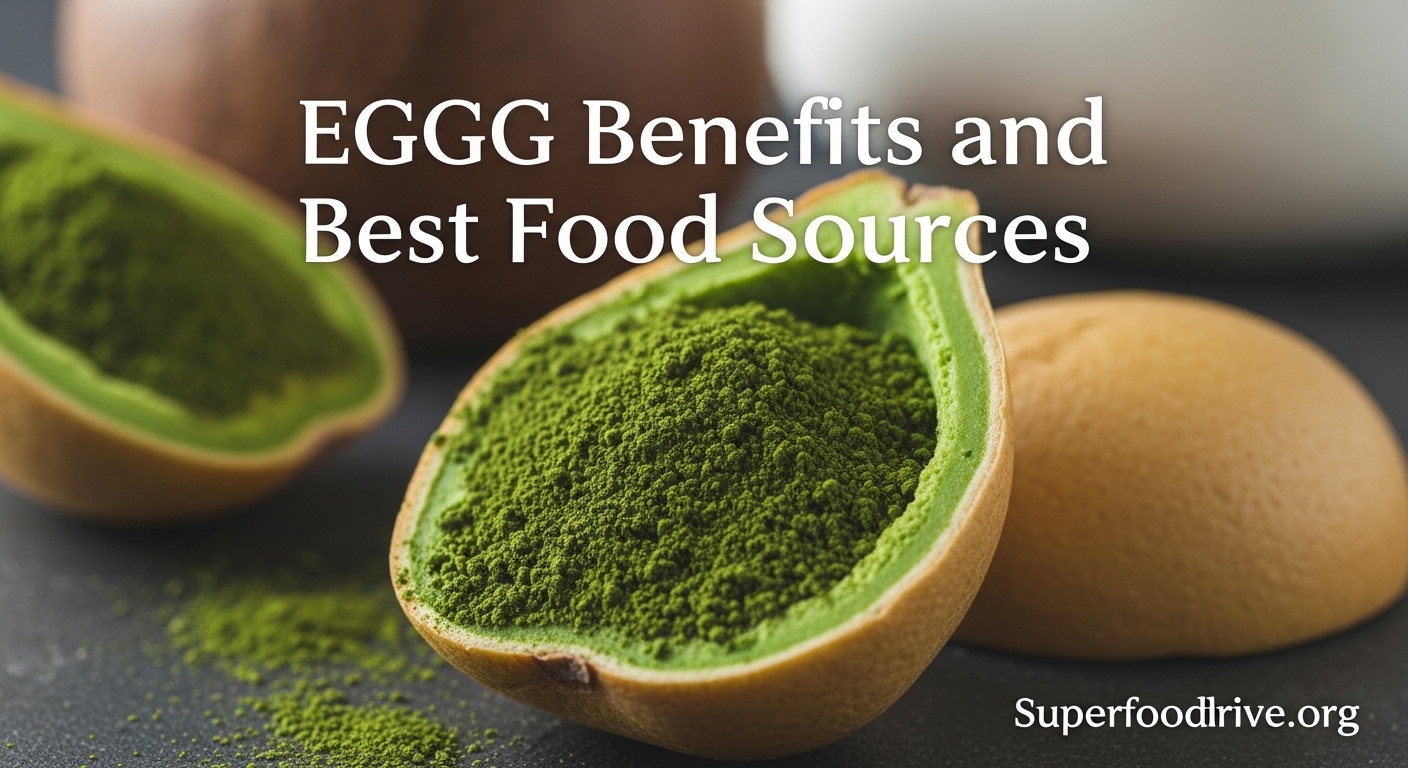
EGCG is one of the most researched plant compounds for health and longevity. This powerful antioxidant found primarily in green tea has been studied extensively for its potential to support heart health, brain function, weight management, and more. In this guide, you will learn exactly what EGCG is, where to find it in food, how it works in your body, and how to use it safely.
Table of Contents
What is EGCG?
EGCG stands for epigallocatechin gallate, a type of catechin that belongs to the polyphenol family. It is the most abundant and biologically active compound found in green tea leaves from the Camellia sinensis plant.
Catechins are a specific class of flavonoids, which are plant-based compounds known for their antioxidant properties. Among all the catechins in green tea, EGCG makes up about 50-80% of the total catechin content, making it the star of the show.
What makes EGCG special is its molecular structure, which allows it to neutralize free radicals more effectively than many other antioxidants. It can donate hydrogen atoms to stabilize these harmful molecules before they damage your cells.
Best Food Sources of EGCG
Getting EGCG from whole foods is the safest and most effective approach for most people. Here are the top sources ranked by their EGCG content per serving.
1. Matcha Powder
Matcha contains the highest concentration of EGCG among all food sources. Because you consume the entire powdered tea leaf rather than just steeping it, you get 100% of the available catechins. One cup of matcha can provide 200-300mg of EGCG depending on quality and preparation.
2. Green Tea
Regular brewed green tea is the most accessible source of EGCG. A typical 8-ounce cup contains 50-100mg of EGCG. The exact amount varies based on the tea variety, growing conditions, and how you prepare it.
Japanese green teas like sencha and gyokuro tend to have higher EGCG content than Chinese varieties. Shade-grown teas like gyokuro and matcha contain more because the shading process increases catechin production.
3. White Tea
White tea comes from the same plant as green tea but is harvested earlier and minimally processed. It contains slightly less EGCG than green tea but still provides meaningful amounts, typically 30-60mg per cup.
4. Oolong Tea
Oolong tea is partially oxidized, which reduces its catechin content compared to green tea. You can expect 20-40mg of EGCG per cup. It is still a good source but not as concentrated as green or white tea.
5. Black Tea
Black tea is fully oxidized, which converts most catechins into different compounds called theaflavins and thearubigins. It contains minimal EGCG, usually less than 10mg per cup.
How to Maximize EGCG from Tea
The way you prepare your tea significantly affects the EGCG content. Steeping green tea at 175-185 degrees Fahrenheit for 3-5 minutes extracts the most catechins without creating bitterness. Water that is too hot can degrade EGCG and create a harsh taste.
Using fresh, high-quality loose leaf tea rather than old tea bags will give you more EGCG. Storage matters too. Keep your tea in an airtight container away from light, heat, and moisture to preserve the catechins.
How EGCG Works in Your Body
EGCG works through several mechanisms that protect your cells and support overall health. Understanding how it functions helps explain why researchers are so interested in its potential benefits.
First, EGCG acts as a powerful antioxidant. It scavenges free radicals, which are unstable molecules that damage cells through oxidative stress. By neutralizing these free radicals, EGCG helps protect your DNA, proteins, and cell membranes from damage.
Second, EGCG reduces inflammation. It inhibits the production of inflammatory molecules like TNF-alpha and interleukins. Chronic inflammation is linked to many diseases, so this anti-inflammatory action is significant.
Third, EGCG supports cellular cleanup processes called autophagy. This is your body’s way of removing damaged cellular components and recycling them. Proper autophagy function is associated with longevity and disease prevention.
EGCG Benefits and Best Food Sources for Your Health
Research on EGCG has expanded significantly over the past two decades. Here is what the science says about its potential health benefits.
Heart Health Support
EGCG shows promise for cardiovascular health through multiple pathways. Studies indicate it can help reduce LDL cholesterol levels, often called bad cholesterol. It also appears to improve the function of endothelial cells that line your blood vessels.
The compound supports nitric oxide production through the eNOS enzyme. Nitric oxide helps blood vessels relax and dilate, which can improve blood flow and help maintain healthy blood pressure. Research published in 2026 continues to explore these cardiovascular benefits.
Brain Health and Cognitive Function
The neuroprotective effects of EGCG have made it a focus of brain health research. It can cross the blood-brain barrier, allowing it to directly interact with brain cells. Once there, it helps protect neurons from oxidative damage and supports healthy brain aging.
Studies suggest EGCG may help protect against neurodegenerative conditions like Alzheimer’s disease and Parkinson’s disease. It appears to interfere with the formation of harmful protein aggregates associated with these conditions. Research also indicates potential benefits for cognitive function and memory in healthy adults.
Weight Management and Metabolism
EGCG has thermogenic properties, meaning it can slightly increase calorie burning. Combined with its caffeine content in tea, this creates a modest metabolism boost. Studies show it can increase energy expenditure by 4-5% and fat oxidation by up to 17%.
Some research suggests EGCG may help with appetite regulation and fat absorption. While it is not a magic weight loss solution, it can be a supportive component of a healthy lifestyle that includes proper nutrition and exercise.
Antioxidant and Anti-Inflammatory Effects
The antioxidant capacity of EGCG is well-documented. It directly scavenges free radicals and also supports your body’s own antioxidant enzyme systems. This dual action provides comprehensive protection against oxidative stress.
By reducing markers of inflammation like TNF-alpha and C-reactive protein, EGCG may help lower chronic inflammation. This is important because chronic inflammation is implicated in many modern diseases including heart disease, diabetes, and certain cancers.
Cancer Prevention Research
EGCG has been studied extensively for its potential role in cancer prevention. Laboratory and animal studies show it can inhibit cancer cell growth and promote apoptosis, which is programmed cell death in damaged cells. It may also help prevent the formation of new blood vessels that tumors need to grow.
Human studies are still ongoing, but population research suggests that regular green tea consumption is associated with lower rates of certain cancers. The evidence is promising but not conclusive, and more research is needed.
Blood Sugar Regulation
Some studies indicate EGCG may help improve insulin sensitivity and reduce blood sugar spikes after meals. It appears to inhibit enzymes that break down carbohydrates, potentially slowing glucose absorption. This makes it an area of interest for metabolic syndrome and diabetes management research.
Maximizing EGCG Absorption
Getting EGCG into your bloodstream efficiently requires some strategy. Here is how to maximize absorption based on current research.
Take EGCG between meals rather than with food. EGCG binds to minerals like iron and calcium in your digestive tract, which reduces absorption. Consuming it away from iron-rich meals or supplements helps ensure more reaches your bloodstream.
Avoid combining EGCG with iron supplements. The polyphenols in tea are known to inhibit non-heme iron absorption from plant sources. If you take iron supplements, separate them from your tea consumption by at least two hours.
Be aware of COMT enzyme sensitivity. Some people have genetic variations in the COMT enzyme that metabolizes catechols, including EGCG. If you experience anxiety, jitters, or insomnia from green tea, you may be a slow COMT metabolizer. In this case, lower doses or decaffeinated options may work better.
There is also a potential interaction with curcumin from turmeric. Some research suggests these two compounds may compete for absorption or work against each other in certain contexts. Taking them at different times of day may be prudent if you use both.
Recommended Dosage
The right amount of EGCG depends on your goals and how you consume it. Here are evidence-based guidelines.
From food sources, there is no established upper limit for safety. Drinking 3-5 cups of green tea daily provides roughly 150-400mg of EGCG, which aligns with the amounts used in many positive studies. Matcha drinkers may get more due to consuming the whole leaf.
For supplements, most studies use doses between 200-800mg of EGCG per day. Lower doses around 200-400mg are generally considered safe for long-term use. Higher doses should only be used under medical supervision.
For general health and antioxidant support, 200-300mg daily from food or supplements is reasonable. For specific therapeutic goals, higher doses have been studied but come with increased risk of side effects.
Safety and Side Effects
EGCG from food sources has an excellent safety profile. Millions of people drink green tea daily without issues. However, concentrated supplements require more caution.
The most common side effects from high-dose EGCG supplements include nausea, stomach upset, and headaches. These are usually mild and resolve when reducing the dose.
Liver concerns have emerged with very high supplement doses, typically above 800mg daily taken on an empty stomach. A few cases of liver injury have been reported with concentrated green tea extract supplements. This is why taking EGCG with food and staying within recommended doses is important.
Iron deficiency is a risk for heavy tea drinkers. The tannins and polyphenols in tea inhibit iron absorption. If you drink several cups daily and have low iron levels, consider drinking tea between meals rather than with them.
Caffeine sensitivity is another consideration. Green tea contains caffeine, though less than coffee. If you are sensitive to caffeine, choose decaffeinated green tea or take EGCG earlier in the day.
Drug Interactions
EGCG can interact with several medications. Consult your healthcare provider before using EGCG supplements if you take any prescription drugs.
Beta-blockers may interact with EGCG because both affect blood pressure and heart rate. The combination could potentially lower blood pressure too much.
Statins like atorvastatin may have altered effectiveness when combined with high-dose EGCG. Some research suggests EGCG can affect how these drugs are metabolized.
Blood thinners and anticoagulants may interact with EGCG due to its effects on platelet function. High doses could theoretically increase bleeding risk, though food-based amounts are unlikely to cause issues.
Other medications that may interact include certain chemotherapy drugs, nadolol, and some stimulant medications. When in doubt, talk to your doctor or pharmacist.
Frequently Asked Questions
Which food has the most EGCG?
Matcha powder contains the highest amount of EGCG because you consume the entire tea leaf rather than just steeping it. One cup of matcha can provide 200-300mg of EGCG, compared to 50-100mg in a cup of brewed green tea.
How to get EGCG naturally?
The best natural sources are green tea and matcha powder. Drink 3-5 cups of quality green tea daily or incorporate matcha into smoothies and lattes. White tea and oolong tea also contain EGCG but in lower amounts. Focus on Japanese green tea varieties like sencha and gyokuro for higher catechin content.
Does EGCG help lower cholesterol?
Research suggests EGCG may help reduce LDL cholesterol levels, often called bad cholesterol. Studies indicate it can improve the ratio of LDL to HDL cholesterol and support overall cardiovascular health when consumed regularly as part of a healthy diet.
Is it safe to take EGCG daily?
Yes, EGCG from food sources like green tea is safe for daily consumption for most healthy adults. Supplement doses of 200-400mg daily are also generally considered safe. However, high doses above 800mg daily may pose liver risks and should only be used under medical supervision.
What does EGCG do to your body?
EGCG works as a powerful antioxidant that neutralizes free radicals and reduces oxidative stress. It supports heart health by improving blood vessel function, protects brain cells from damage, boosts metabolism slightly, and reduces inflammation throughout the body.
Is EGCG hard on the liver?
Food-based EGCG from tea is not hard on the liver and is considered safe. However, concentrated supplements at high doses above 800mg daily taken on an empty stomach have been linked to rare cases of liver injury. To minimize risk, stay within recommended doses and take supplements with food.
Does EGCG increase estrogen?
Current research does not strongly support that EGCG increases estrogen levels. Some studies suggest it may have selective effects on estrogen receptors, but the evidence is mixed. People with hormone-sensitive conditions should consult their healthcare provider before using EGCG supplements.
What not to take with EGCG?
Avoid taking EGCG with iron supplements or iron-rich meals, as it inhibits iron absorption. Use caution when combining with beta-blockers, statins, blood thinners, and certain other medications. Some research also suggests potential interactions with curcumin from turmeric.
Conclusion
EGCG is a remarkable compound with extensive research supporting its benefits for heart health, brain function, weight management, and cellular protection. Getting EGCG benefits and best food sources into your daily routine is straightforward. Start with 2-3 cups of quality green tea or one serving of matcha daily. This provides meaningful amounts of EGCG without the risks associated with high-dose supplements.
If you are considering EGCG supplements, stick to doses of 200-400mg daily and avoid taking them on an empty stomach. Always consult your healthcare provider first, especially if you take medications or have existing health conditions. With proper use, EGCG can be a valuable addition to your wellness routine in 2026 and beyond.