
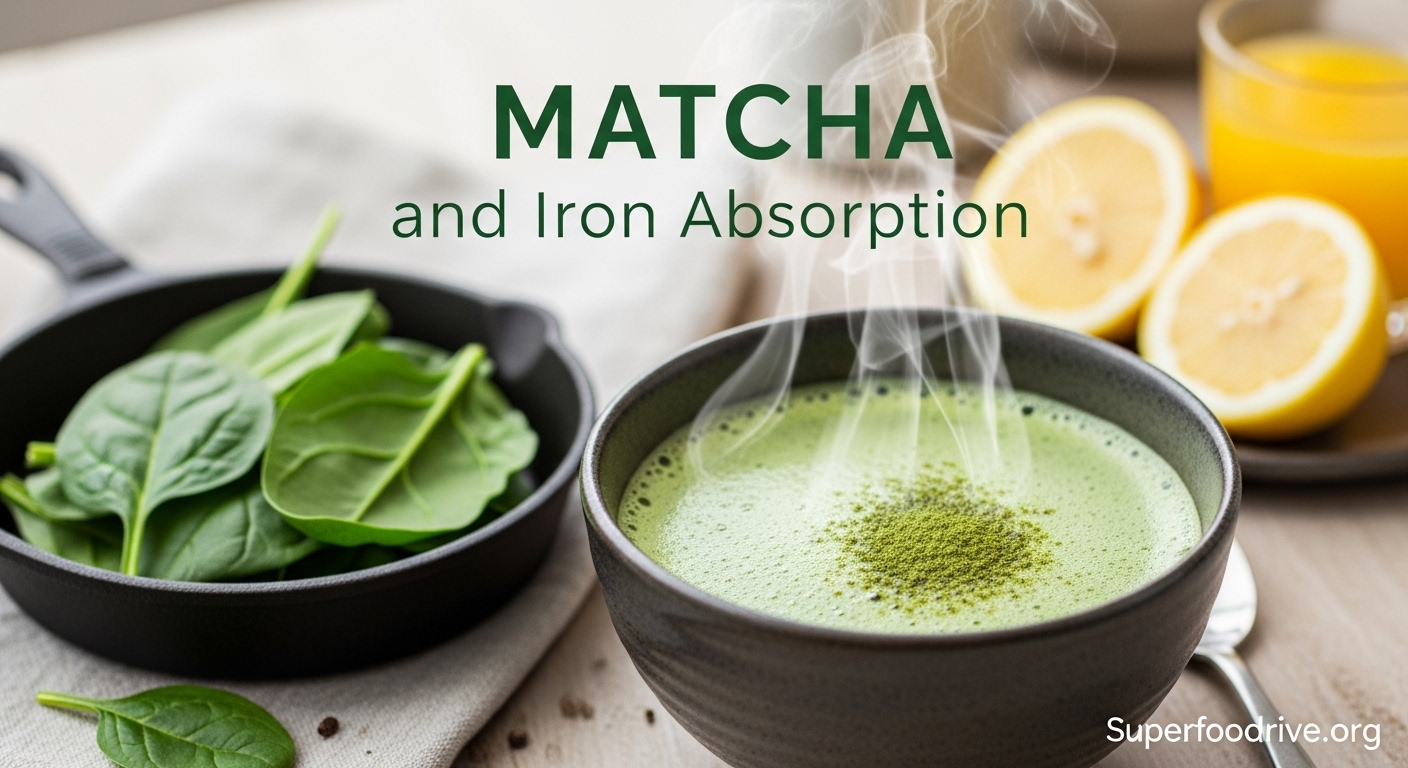
Matcha has become the darling of the wellness world. This vibrant green powder promises calm energy, antioxidants, and a moment of zen in your morning routine. But if you are vegan and sipping matcha daily, you might be unknowingly sabotaging your iron levels. Matcha and iron absorption have a complicated relationship that every plant-based eater needs to understand.
Our team has spent months researching this topic, reviewing clinical studies, and consulting with nutritionists who specialize in plant-based diets. We discovered that while matcha does affect how your body absorbs iron, you absolutely do not need to give up your favorite green drink. The key is understanding the science and applying simple timing strategies that protect your iron stores while letting you enjoy matcha.
This guide covers everything vegans should know about matcha and iron absorption in 2026. You will learn why matcha affects iron, who is most at risk, and exactly how to structure your day to get the benefits of both matcha and optimal iron levels. Whether you are newly vegan or have been plant-based for years, this information could make a significant difference in your energy levels and overall health.
Table of Contents
What Is Matcha and Why Vegans Love It
Matcha is a finely ground powder made from specially grown green tea leaves. Unlike regular green tea where you steep leaves and discard them, with matcha you consume the entire leaf. This difference matters because you get a concentrated dose of everything the tea plant contains.
The production process sets matcha apart. Farmers shade the tea plants for 20 to 30 days before harvest. This shading increases chlorophyll content and boosts the production of certain amino acids, particularly L-theanine. After harvesting, the leaves are steamed, dried, and slowly stone-ground into an ultra-fine powder. The result is a bright green powder with a distinctive earthy flavor and impressive nutritional credentials.
Vegans are drawn to matcha for several compelling reasons. It delivers sustained energy without the jitters often associated with coffee, thanks to the combination of caffeine and L-theanine. A typical serving contains about 70 milligrams of caffeine plus enough L-theanine to promote calm alertness. Matcha is also incredibly high in antioxidants, particularly catechins, which help combat oxidative stress on a plant-based diet.
However, those same beneficial compounds create the iron issue. Matcha is particularly rich in epigallocatechin gallate (EGCG), a powerful catechin, and tannins, which are polyphenolic compounds. While these substances offer health benefits, they also bind to iron in your digestive system. This binding action can reduce iron absorption by up to 64 percent when consumed simultaneously with iron-rich foods or supplements.
Iron Basics: Heme vs. Non-Heme Iron
To understand how matcha affects your iron status, you first need to know that not all iron is created equal. Your body processes two distinct types of iron, and matcha affects one of them significantly more than the other.
Heme iron comes from animal sources like meat, poultry, and fish. It is called heme because it is bound to hemoglobin and myoglobin proteins. Your body absorbs heme iron efficiently, with absorption rates typically between 15 and 35 percent. The absorption is also relatively unaffected by other foods and beverages you consume alongside it.
Non-heme iron comes entirely from plant sources like beans, lentils, spinach, fortified cereals, and nuts. This is the only type of iron available on a vegan diet. Non-heme iron absorption is much more variable, ranging from 2 to 20 percent depending on various factors. The good news is that you can influence this absorption rate through smart dietary choices.
Here is the critical point for vegans: non-heme iron is highly susceptible to interference from compounds found in tea, coffee, and certain plant foods. The tannins and polyphenols in matcha bind to non-heme iron in your digestive tract, forming insoluble complexes that your body cannot absorb. This means your morning matcha latte with your iron-fortified oatmeal could be significantly reducing how much iron you actually absorb.
Because vegans rely exclusively on non-heme iron, and because plant-based iron is already less bioavailable, the matcha-iron interaction becomes particularly important. A study published in the European Journal of Clinical Nutrition found that drinking tea with meals reduced iron absorption by about 62 percent compared to water. For someone eating only plant-based iron sources, this reduction can be the difference between adequate iron stores and deficiency.
The Science: How Matcha Affects Iron Absorption
The interaction between matcha and iron absorption is well-documented in scientific literature. Multiple studies have shown that the compounds responsible for matcha’s health benefits are the same ones that interfere with iron uptake.
Tannins are plant compounds with astringent properties. In matcha, they bind to non-heme iron in your stomach and small intestine, creating complexes that are too large for your intestinal cells to absorb. This binding happens almost immediately upon consumption. The effect is dose-dependent, meaning higher matcha consumption creates more binding and greater iron interference.
Catechins, particularly EGCG (epigallocatechin gallate), work similarly. EGCG is the most abundant and potent catechin in matcha, making up about 60 percent of the total catechin content. Research in the American Journal of Clinical Nutrition demonstrated that EGCG strongly inhibits iron absorption by chelating iron ions in the gut. This chelation makes the iron unavailable for transport across the intestinal wall.
A notable case report in the British Medical Journal illustrated the real-world impact of this interaction. A 48-year-old man developed severe iron deficiency anemia after consuming excessive amounts of strong green tea daily for years. While this represents an extreme case, it demonstrates that the iron-blocking effects of tea compounds are clinically significant.
Importantly, the iron-blocking effect is temporary and reversible. The tannins and catechins only affect iron consumed at the same time or shortly after matcha consumption. They do not strip iron from your body stores or affect iron absorption from meals consumed hours earlier or later. This means timing your matcha consumption away from iron-rich meals completely solves the problem.
Research also shows that the effect is more pronounced with non-heme iron than heme iron. One study found that while tea reduced non-heme iron absorption by 64 percent, it only reduced heme iron absorption by about 30 percent. For vegans consuming only non-heme iron, this differential effect makes timing strategies even more critical.
Why Vegans Need to Pay Special Attention
Vegans are already at higher risk for iron deficiency compared to omnivores. Several factors converge to create this increased vulnerability, and adding daily matcha consumption can amplify the risk if not managed properly.
First, the exclusive reliance on non-heme iron means vegans must consume more total iron to achieve the same absorption as someone eating heme iron sources. The recommended dietary allowance for iron is 1.8 times higher for vegetarians and vegans than for meat eaters precisely because of this difference in bioavailability.
Women of menstrual age face the highest risk. Monthly blood loss increases iron needs significantly. Premenopausal women need about 18 milligrams of iron daily compared to 8 milligrams for men and postmenopausal women. When you combine higher needs with plant-only iron sources and daily matcha consumption, the margin for error becomes slim.
Raw vegans are particularly vulnerable. Cooking breaks down some of the compounds that inhibit iron absorption in plant foods and makes iron more bioavailable. Raw foodists do not get this benefit, making them more dependent on perfect timing and food combining. The addition of tannin-rich beverages like matcha creates another variable working against optimal iron status.
Athletic vegans also need to be mindful. Exercise, particularly endurance training, can increase iron losses through foot-strike hemolysis, sweat, and gastrointestinal bleeding. Female athletes are especially at risk. Adding matcha without proper timing can compound these exercise-related iron losses.
Watch for these signs of iron deficiency: persistent fatigue even with adequate sleep, pale skin and nail beds, shortness of breath during mild activity, brittle nails, cold hands and feet, and unusual cravings for non-food items like ice or starch. If you experience these symptoms while drinking matcha regularly, ask your healthcare provider for a ferritin test. This measures your iron stores and is the most sensitive indicator of iron status.
Practical Strategies: The 1-2 Hour Rule and Beyond
The good news is that you do not need to give up matcha to maintain healthy iron levels. Research and real-world experience show that strategic timing completely eliminates the iron-blocking effect while letting you enjoy your daily matcha ritual.
The fundamental rule is simple: wait at least one hour, preferably two, between consuming iron-rich foods or supplements and drinking matcha. This gap allows your body to absorb the iron before the tannin and catechin compounds in matcha can interfere. The one-hour minimum provides good protection, while two hours offers optimal absorption conditions.
Here is a practical morning schedule that works for many vegans. Take any iron supplements immediately upon waking with a full glass of water and vitamin C source like orange juice or strawberries. Eat your iron-fortified breakfast at least thirty minutes after the supplement. Wait two hours from the end of breakfast, then enjoy your matcha. This timing gives your body a clear window for iron absorption before introducing matcha.
Vitamin C is your secret weapon. Consuming vitamin C alongside iron-rich meals significantly increases non-heme iron absorption, partially counteracting any potential matcha interference. Aim for at least 25 milligrams of vitamin C with each iron-containing meal. Good vegan sources include bell peppers, citrus fruits, strawberries, broccoli, and tomatoes.
If you take iron supplements, never take them with matcha or within two hours of drinking matcha. The concentrated iron dose from supplements is particularly susceptible to tea interference. Many people find taking iron at bedtime works well since they will not be consuming matcha during sleep. Just be sure to have it with a small vitamin C source for best absorption.
For matcha lovers who want multiple cups per day, consolidate your consumption. Drink your matcha within a limited time window, such as mid-morning to early afternoon, rather than spreading it throughout the day. This concentrates the iron-blocking period and leaves larger windows for iron absorption from meals. Three cups consumed between 10 AM and 2 PM affects iron less than three cups spread from morning to evening.
Iron-Rich Plant Foods for Matcha Drinkers
Building an iron-rich vegan diet requires knowing which foods pack the most iron and how to prepare them for maximum absorption. Here are the top plant-based iron sources to prioritize, especially if you drink matcha regularly.
Legumes lead the pack for vegan iron. Lentils provide about 6.6 milligrams per cooked cup, while white beans offer 6.6 milligrams and chickpeas deliver 4.7 milligrams. Tofu and tempeh made with calcium sulfate contain between 3.4 and 6.6 milligrams per half cup. These foods should form the protein foundation of your meals when you are not drinking matcha.
Dark leafy greens are iconic iron sources, though with a caveat. Cooked spinach contains about 6.4 milligrams per cup, but it is also high in oxalates which inhibit absorption. Swiss chard and kale offer less iron per cup but better absorption profiles. Cooking greens reduces oxalate content and generally makes their iron more available than eating them raw.
Fortified foods fill important gaps. Many breakfast cereals contain 4 to 18 milligrams of iron per serving. Nutritional yeast often has iron added, providing about 4 milligrams per quarter cup. Plant-based milks and meat alternatives frequently contain added iron. Check labels to identify the best options and prioritize these for breakfast when you will be waiting before your matcha.
Seeds and nuts contribute significant iron too. Pumpkin seeds contain 2.5 milligrams per ounce, sesame seeds offer 2.7 milligrams per two tablespoons, and cashews provide about 1.9 milligrams per ounce. These make excellent snacks between meals, well-separated from matcha consumption.
Whole grains, particularly quinoa and amaranth, contain more iron than refined grains. Quinoa provides 2.8 milligrams per cooked cup. Switching from white rice to these ancient grains can meaningfully boost your iron intake over time. Pair them with legumes for complete protein and enhanced iron absorption.
Sample Daily Schedule for Vegans Who Drink Matcha
Theory is helpful, but seeing a complete day laid out makes implementation easier. Here is a sample schedule that optimizes both matcha enjoyment and iron absorption for a typical vegan workday.
7:00 AM: Wake up and take iron supplement with water and vitamin C tablet or orange juice. This starts your day with iron absorption before any matcha enters the picture.
7:30 AM: Eat iron-fortified oatmeal with pumpkin seeds, almond butter, and sliced strawberries. The vitamin C from strawberries enhances the iron absorption from the oats and seeds.
9:30 AM: Mid-morning snack of whole grain toast with almond butter. This keeps you satisfied without introducing matcha too close to your iron-rich breakfast.
10:00 AM: First cup of matcha. This timing gives you a full two hours after breakfast for iron absorption. The L-theanine provides calm focus for your morning work.
12:30 PM: Lunch featuring lentil curry with bell peppers and tomatoes over quinoa. The legumes and quinoa provide substantial iron, while the bell peppers and tomatoes add vitamin C to boost absorption.
2:30 PM: Second cup of matcha. You have waited two hours since lunch, allowing full iron absorption from your midday meal before the matcha compounds enter your system.
6:00 PM: Dinner of tofu stir-fry with broccoli, bok choy, and brown rice. The tofu and greens provide iron, while the broccoli adds vitamin C. No matcha consumed since mid-afternoon.
8:00 PM: Optional small snack of fortified cereal with plant milk if you need evening calories. This gives you another iron opportunity hours away from any matcha.
How to Monitor Your Iron Levels
Knowing your iron status takes the guesswork out of managing matcha consumption and dietary planning. Regular testing helps you identify issues before symptoms become severe and lets you adjust your matcha timing if needed.
The most important test for vegans who drink tea regularly is ferritin. This measures your iron stores and is the earliest indicator of deficiency. Normal ferritin levels range from 12 to 150 nanograms per milliliter for women and 12 to 300 for men, though functional medicine practitioners often prefer levels above 30 for optimal energy and thyroid function. Ask specifically for this test, as basic blood panels often only check hemoglobin.
Hemoglobin and hematocrit tests show whether you have adequate iron to transport oxygen in your blood. These are standard on most blood panels but change later than ferritin levels. A complete blood count (CBC) includes these measurements and should be part of your annual checkup.
For vegans who drink matcha daily, consider testing ferritin every 6 to 12 months. This frequency catches declining stores before they become deficiency. Women with heavy menstrual periods, pregnant vegans, and athletes should test every 6 months. Men and postmenopausal women can often stretch to annual testing if previous results were normal.
Track symptoms between tests. Keep a simple log of energy levels, exercise performance, and any signs like pale nail beds or cold sensitivity. If you notice a pattern of declining energy despite adequate sleep, request testing even if it is ahead of schedule. Your body often signals iron issues before blood work confirms them.
If your ferritin is below 30, temporarily increase the gap between iron-rich meals and matcha to three hours. Consider reducing matcha to one cup daily until levels recover. Work with a healthcare provider to determine if iron supplementation is appropriate for your situation.
Frequently Asked Questions
Does matcha mess with iron absorption?
Yes, matcha contains tannins and catechins that bind to non-heme iron in your digestive tract, reducing absorption by up to 64% when consumed simultaneously with iron-rich foods or supplements. The effect is temporary and only impacts iron consumed at the same time or shortly after matcha. Waiting 1-2 hours between iron intake and matcha consumption completely eliminates this interference.
How to absorb iron better as a vegan?
To maximize iron absorption on a vegan diet, pair iron-rich foods with vitamin C sources at every meal, avoid drinking tea or coffee within 1-2 hours of iron-rich meals or supplements, cook greens rather than eating them raw to reduce oxalates, soak and sprout legumes and grains, and use cast iron cookware when possible. Regular blood testing helps monitor your status.
How long should you wait between iron and matcha?
Wait at least 1 hour, preferably 2 hours, between consuming iron-rich foods or supplements and drinking matcha. This timing allows your body to absorb the iron before the tannins and catechins in matcha can bind to it. For iron supplements specifically, the 2-hour window provides the best protection.
Can matcha cause iron deficiency?
Matcha alone is unlikely to cause iron deficiency in someone with otherwise adequate iron intake and absorption. However, daily matcha consumption combined with low iron intake, heavy menstrual periods, or other risk factors can contribute to deficiency over time. The BMJ documented a case of severe anemia in someone drinking excessive green tea, but this represents an extreme scenario. Proper timing prevents any risk.
Who should not drink matcha tea?
People with hemochromatosis (iron overload disorder) should avoid matcha and other tannin-rich beverages as they may actually benefit from reduced iron absorption. Those with severe iron deficiency anemia should temporarily avoid matcha until their levels recover. Individuals sensitive to caffeine, those with certain heart conditions, and people taking blood thinners should consult healthcare providers before regular matcha consumption.
How to drink green tea without losing iron?
To enjoy matcha without compromising iron status, drink it only between meals, never with or immediately after iron-rich foods or supplements. Wait 1-2 hours after eating before consuming matcha. Consolidate your matcha consumption into specific time windows rather than spreading it throughout the day. Pair your iron-rich meals with vitamin C sources to enhance absorption. Get regular ferritin testing to monitor your iron stores.
Final Thoughts: Enjoying Matcha While Protecting Your Iron
Matcha and iron absorption concerns should not scare you away from this remarkable green tea. The research is clear: timing is everything. By simply separating your matcha consumption from your iron intake by one to two hours, you eliminate virtually all interference while keeping the benefits of both.
Vegans can absolutely maintain excellent iron status while enjoying daily matcha. Our team has reviewed countless success stories from plant-based individuals who have balanced these priorities for years. The key is awareness, planning, and regular monitoring through simple blood tests.
Take action today. Look at your current routine and identify where you can adjust the timing of your matcha or iron-rich meals. Schedule a ferritin test if you have not had one in the past year. And remember, matcha and iron absorption strategies are not about restriction. They are about smart sequencing that lets you enjoy your matcha ritual while thriving on a plant-based diet.