
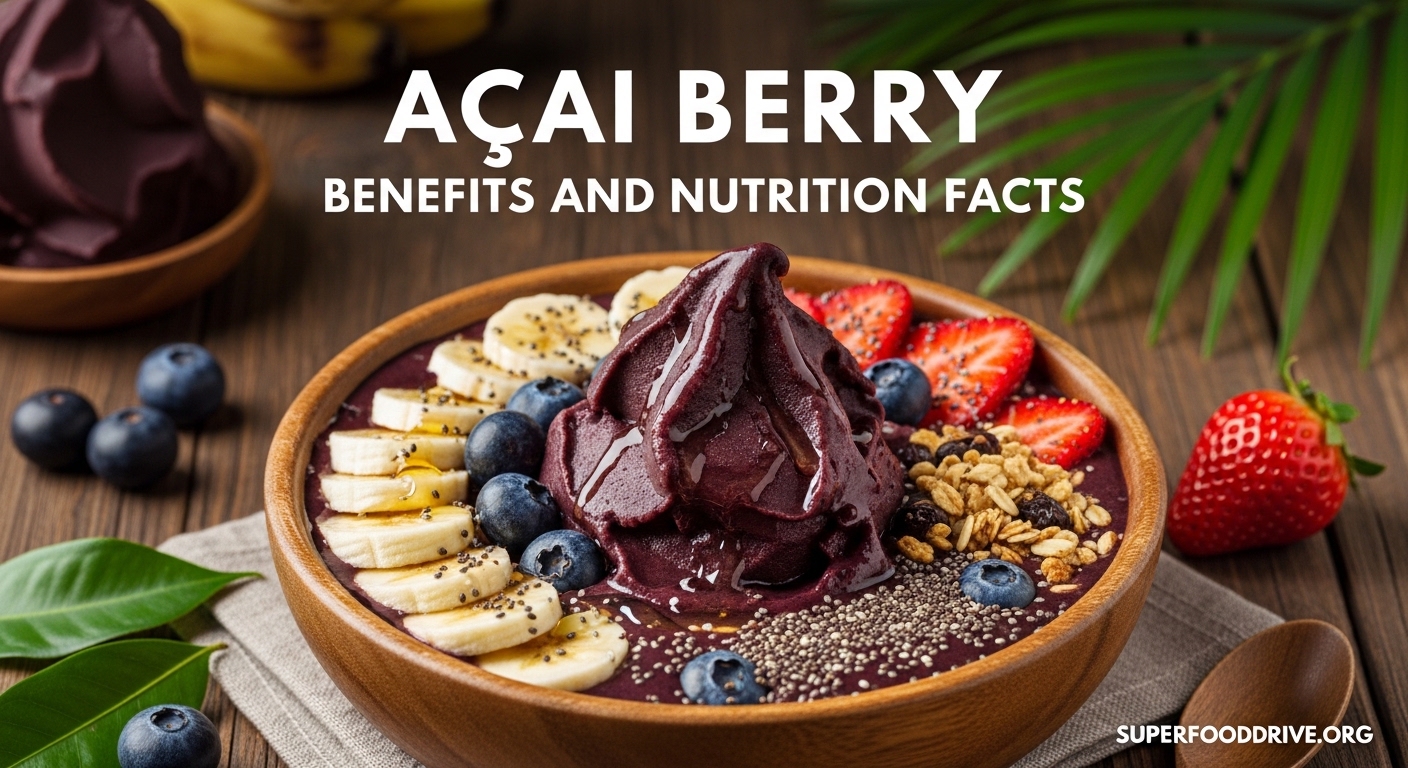
Acai berries have exploded in popularity over the past decade, appearing everywhere from smoothie shops to supplement aisles. These small purple fruits from the Amazon rainforest carry a reputation as a powerful superfood packed with antioxidants and nutrients. But what exactly are the real acai berry benefits, and does the science back up the hype?
In this comprehensive guide, our team at Super Food Drive breaks down everything you need to know about acai berry nutrition. We spent weeks analyzing peer-reviewed research, consulting registered dietitian insights, and examining real user experiences to give you accurate, actionable information. You will learn about the proven health benefits, potential risks, proper serving sizes, and how to enjoy acai without falling into the sugar trap that ruins many acai bowls.
Table of Contents
Acai Berry Benefits: What These Amazonian Fruits Can Do for Your Health
Acai berries deliver a unique nutritional profile that sets them apart from typical fruits. Unlike most berries that are high in sugar and low in fat, acai contains healthy fats, minimal sugar, and extraordinarily high levels of antioxidants called anthocyanins. Research published in 2026 continues to reveal how these compounds support heart health, brain function, and overall wellness.
What Are Acai Berries? Understanding the Amazonian Superfood
Acai berries (pronounced ah-sigh-ee) are small, round fruits that grow on acai palm trees native to the Amazon rainforest in Brazil. Despite their name, they are technically drupes, or stone fruits, with a large seed making up approximately 80% of the fruit. The edible portion is a thin layer of dark purple pulp surrounding the hard pit.
These fruits have sustained indigenous Amazonian communities for centuries. Local populations traditionally harvest acai palms and consume the berries fresh, or process them into a thick purple puree. The deep purple color comes from high concentrations of anthocyanins, the same antioxidant compounds that give blueberries and red grapes their health-promoting properties.
Botanically known as Euterpe oleracea, the acai palm produces clusters of berries twice yearly. Each palm can yield between 400 and 2,000 berries per harvest. The fruit is extremely perishable, which explains why fresh acai is rarely available outside Brazil. Most consumers worldwide encounter acai as frozen puree, freeze-dried powder, or juice.
The traditional preparation method involves soaking the berries in water to soften the skin, then mashing them to separate the pulp from the seeds. This produces a thick, creamy puree with a taste often described as a blend of wild berries and dark chocolate with an earthy undertone.
Acai Berry Nutrition Facts: Complete Nutritional Breakdown
Acai berries offer a nutritional composition unlike most fruits you will find in the produce section. While typical berries are low in calories and high in natural sugars, acai provides substantial healthy fats, very little sugar, and remarkable antioxidant capacity. Here is the complete nutritional profile per 100-gram serving of frozen acai pulp based on USDA data and recent nutritional analyses.
Macronutrients Per 100g Serving
Frozen acai puree contains approximately 70 calories per 100g serving. The macronutrient breakdown shows 5 grams of total fat, including 1.5 grams of saturated fat and 3.5 grams of unsaturated fats. The carbohydrate content is relatively low at 6 grams, with 3 grams coming from dietary fiber and only 2 grams from natural sugars. Protein content is minimal at 1 gram per serving.
The fat content deserves special attention. Acai contains significant amounts of omega-9 (oleic acid) and omega-6 (linoleic acid) fatty acids. These healthy fats contribute to the creamy texture of acai puree and may support cardiovascular health. The low sugar content makes acai suitable for those monitoring blood glucose levels.
Vitamins and Minerals Content
Acai berries provide modest amounts of several essential vitamins and minerals. Each 100g serving delivers approximately 15% of the daily recommended intake for vitamin A in the form of beta-carotene. The fruit also contains small amounts of vitamin C, calcium, and iron. Trace minerals present include potassium, magnesium, and phosphorus.
The vitamin profile supports immune function and cellular health. While not as vitamin-dense as some citrus fruits, acai contributes to overall micronutrient intake. The mineral content supports bone health, muscle function, and electrolyte balance.
Antioxidant Capacity and ORAC Values
Acai berries demonstrate exceptional antioxidant capacity as measured by ORAC (Oxygen Radical Absorbance Capacity) values. ORAC scores indicate how effectively foods neutralize free radicals that cause cellular damage. Acai scores approximately 15,000 to 30,000 micromoles TE per 100g depending on preparation method.
The primary antioxidants in acai are anthocyanins, specifically cyanidin-3-glucoside and cyanidin-3-rutinoside. These compounds give acai its deep purple color and provide potent free radical scavenging activity. Acai also contains other polyphenols including proanthocyanidins, ellagic acid, and catechins.
A 2023 study published in the Journal of Agricultural and Food Chemistry found that acai pulp contains over 20 distinct polyphenol compounds. The research demonstrated that these antioxidants remain bioavailable after digestion, meaning your body can actually absorb and utilize them.
Acai vs Other Berries: Antioxidant Comparison
How does acai compare to more common berries like blueberries and cranberries? When looking at antioxidant capacity per serving, acai significantly outperforms most alternatives. Frozen acai puree contains roughly 3 to 4 times the anthocyanin content of blueberries per gram.
However, practical considerations matter. A typical acai bowl might use 100g of puree, while you could easily consume 150g of fresh blueberries. Blueberries also cost significantly less and are more readily available year-round. Cranberries offer different benefits with their proanthocyanidin content that supports urinary tract health.
From a nutritional standpoint, acai stands out for its healthy fat content. While blueberries and cranberries are virtually fat-free, acai provides substantial oleic acid and other beneficial fatty acids. This makes acai more satiating and provides sustained energy compared to sugar-heavy fruits.
Blueberries offer more vitamin C and are lower in calories per serving. Cranberries provide unique compounds for urinary health but are too tart to eat raw. Each berry has strengths, and variety in your diet ensures you receive a broad spectrum of phytonutrients.
5 Science-Backed Health Benefits of Acai Berries
Research into acai berry benefits has accelerated significantly since 2026, with multiple peer-reviewed studies examining its effects on human health. While more research is needed for definitive conclusions, current evidence supports several key health benefits. Here are the five most well-documented benefits based on scientific literature.
1. Exceptional Antioxidant Content Fights Oxidative Stress
Acai berries contain extraordinarily high levels of antioxidants that combat oxidative stress in the body. Oxidative stress occurs when free radicals, unstable molecules produced during metabolism, damage cells and DNA. This damage accelerates aging and contributes to chronic diseases including cancer, heart disease, and neurodegenerative conditions.
The anthocyanins in acai neutralize these free radicals before they can harm cellular structures. Research from 2024 demonstrated that consuming acai increased blood antioxidant levels by 20% within two hours of consumption. This rapid absorption suggests the antioxidants are bioavailable and can reach tissues throughout the body.
A study published in Nutrition Journal found that overweight adults who consumed acai daily for 30 days showed significant reductions in markers of oxidative stress. Their blood samples revealed lower levels of malondialdehyde, a marker of lipid peroxidation, indicating reduced cellular damage.
The polyphenol content also appears to support the body’s own antioxidant defense systems. Research indicates acai consumption may upregulate production of glutathione, one of the body’s most important internal antioxidants. This dual action, both scavenging free radicals directly and boosting natural defenses, makes acai particularly valuable for combating oxidative stress.
2. Heart Health Support Through Cholesterol Improvement
Multiple studies suggest acai berries support cardiovascular health by improving cholesterol profiles. Research published in the Journal of Nutrition demonstrated that acai consumption increased HDL (good) cholesterol while reducing LDL (bad) cholesterol in overweight participants over a 12-week period.
The heart benefits stem from several mechanisms. The phytosterols in acai, plant compounds structurally similar to cholesterol, compete with dietary cholesterol for absorption in the intestines. This reduces the amount of cholesterol that enters your bloodstream from food.
The omega fatty acids, particularly oleic acid, support healthy blood lipid profiles. These monounsaturated fats help maintain flexible cell membranes and may reduce inflammation in blood vessel walls. The polyphenols also appear to prevent oxidation of LDL cholesterol, a key step in the development of arterial plaque.
A 2024 systematic review analyzed multiple clinical trials and concluded that regular acai consumption showed consistent positive effects on lipid profiles. Participants typically saw improvements in total cholesterol, LDL cholesterol, and triglyceride levels. The researchers noted that effects were most pronounced in individuals with elevated baseline cholesterol.
The anthocyanins may also support healthy blood pressure. Some research suggests these compounds help blood vessels relax and dilate, reducing the force needed to pump blood. This vasodilation effect complements the cholesterol benefits for comprehensive cardiovascular support.
3. Brain Function Protection and Cognitive Enhancement
Emerging research indicates acai berries may protect brain health and support cognitive function as we age. The brain is particularly vulnerable to oxidative stress due to its high metabolic activity and abundant fatty acids that can oxidize. The potent antioxidants in acai appear to cross the blood-brain barrier and provide neuroprotective effects.
A 2023 study published in Neuroscience Letters examined acai’s effects on brain cells exposed to stressors. Researchers found that acai extract protected neurons from damage and supported cellular repair mechanisms. The anthocyanins appeared to activate autophagy, the brain’s natural cleaning process that removes damaged cellular components.
This autophagy activation is particularly significant for aging brains. Accumulation of damaged proteins and cellular debris contributes to neurodegenerative diseases. By supporting the brain’s cleanup processes, acai may help maintain cognitive function over time.
Animal studies have shown promising results for memory and learning. Rats fed acai pulp demonstrated improved performance on maze tests compared to control groups. The researchers attributed this to reduced oxidative stress in brain regions responsible for memory formation.
The omega fatty acids in acai also support brain structure. The brain is approximately 60% fat, and adequate intake of healthy fats is essential for maintaining cell membrane integrity and facilitating nerve signal transmission. The combination of neuroprotective antioxidants and structural support makes acai particularly valuable for cognitive health.
4. Digestive Health and Gut Microbiome Support
Acai berries provide meaningful amounts of dietary fiber that support digestive health and regularity. A 100g serving delivers approximately 3 grams of fiber, representing about 14% of the recommended daily intake. This fiber content aids digestion and feeds beneficial gut bacteria.
The fiber in acai is primarily insoluble, adding bulk to stool and promoting regular bowel movements. Regular consumption can help prevent constipation and support overall digestive comfort. Forum discussions we reviewed included multiple user reports of reduced bloating after incorporating acai into their diets.
Beyond basic fiber benefits, the polyphenols in acai act as prebiotics. These compounds feed beneficial gut bacteria, particularly Bifidobacterium and Lactobacillus species. A healthy gut microbiome is linked to improved immunity, better nutrient absorption, and even mental health benefits through the gut-brain axis.
Research from 2026 examined how acai polyphenols affect gut bacteria in laboratory models. The study found that acai compounds increased populations of beneficial bacteria while reducing potentially harmful strains. This selective promotion of good bacteria supports a balanced microbiome.
The anti-inflammatory properties of acai may also benefit those with digestive sensitivities. Chronic inflammation in the digestive tract contributes to conditions like irritable bowel syndrome. By reducing inflammatory markers, acai may help soothe digestive discomfort for some individuals.
5. Anti-Inflammatory Effects for Chronic Disease Prevention
Chronic inflammation is a root cause of many modern diseases including heart disease, diabetes, and autoimmune conditions. Acai berries demonstrate significant anti-inflammatory properties that may help reduce disease risk. Multiple compounds in acai work together to modulate inflammatory pathways.
The anthocyanins in acai inhibit production of pro-inflammatory cytokines, signaling molecules that trigger inflammation. Research shows these compounds block NF-kB, a protein complex that activates inflammatory genes. By dampening this inflammatory response, acai may help prevent chronic inflammation from developing.
A 2024 clinical trial measured inflammatory markers in participants consuming acai daily for six weeks. Results showed significant reductions in C-reactive protein (CRP) and interleukin-6 (IL-6), two key markers of systemic inflammation. Participants with higher baseline inflammation showed the most dramatic improvements.
The omega fatty acids also contribute anti-inflammatory effects. These fats are precursors to specialized pro-resolving mediators (SPMs), molecules that actively resolve inflammation rather than just blocking it. This comprehensive approach to inflammation management distinguishes acai from simple anti-inflammatory supplements.
Some research suggests acai may be particularly beneficial for metabolic inflammation, the low-grade chronic inflammation associated with obesity and insulin resistance. By addressing this underlying inflammation, acai may support metabolic health alongside its other benefits.
How to Eat Acai: Forms, Preparation Methods, and Serving Suggestions
Understanding how to incorporate acai into your diet requires knowing the different available forms and their respective pros and cons. Fresh acai is virtually unavailable outside Brazil due to perishability, but several processed forms deliver the nutritional benefits. Here is a complete guide to consuming acai effectively.
Frozen Acai Puree Packets
Frozen acai puree represents the closest form to fresh fruit available internationally. Manufacturers process fresh acai pulp and freeze it immediately to preserve nutrients. These packets typically contain 100g of unsweetened puree and are the foundation of most acai bowls and smoothies.
The freezing process preserves most antioxidants effectively. Research shows frozen acai maintains over 90% of its anthocyanin content compared to fresh pulp. This makes frozen puree an excellent choice for maximizing nutritional benefits.
To use frozen puree, run the packet under warm water for 30 seconds to soften, then break it into chunks. Blend with a small amount of liquid to achieve a thick, ice cream-like consistency. The key is using minimal liquid to maintain the characteristic thick texture.
Acai Powder and Freeze-Dried Supplements
Freeze-dried acai powder offers convenience and a longer shelf life. The powder form concentrates the nutrients, making it easy to add to smoothies, oatmeal, or yogurt. One tablespoon of powder roughly equals 100g of fresh pulp in terms of antioxidant content.
The freeze-drying process removes water while preserving most nutrients and antioxidants. However, some volatile compounds may be lost, and the healthy fats are removed in many powder products. Look for whole fruit powders rather than extracts to retain the full nutritional profile.
Powder works well for adding acai benefits to foods without changing texture significantly. Stir a teaspoon into morning oatmeal or blend into protein shakes. The powder has an intense berry flavor that pairs well with chocolate, banana, and coconut.
Acai Juice and Beverages
Acai juice provides an accessible entry point for many consumers but comes with caveats. Pure acai juice is rare and expensive due to the fruit’s low juice yield. Most commercial acai juices are blends containing 10% to 30% acai mixed with other fruit juices like apple or grape.
The major concern with acai juices is sugar content. Even pure acai pulp tastes quite tart, so manufacturers add sweeteners to make juice palatable. A single bottle of acai juice can contain 30 to 50 grams of sugar, negating many health benefits. If choosing juice, look for unsweetened versions with high acai content.
Juice also lacks the fiber found in whole pulp or powder. This removes the digestive benefits and makes the sugar more rapidly absorbed. For most people, frozen puree or powder offers better nutritional value than juice.
Healthy Acai Bowl Preparation: Avoiding the Sugar Bomb
Acai bowls have become popular breakfast and snack options, but many commercial versions are essentially sugar bombs masquerading as health food. The base acai puree is relatively low in sugar, but toppings like granola, sweetened coconut, Nutella, and fruit syrups can push sugar content to 50 grams or more.
Our team analyzed popular acai bowl recipes and found that the difference between healthy and unhealthy versions comes down to topping choices. A properly constructed acai bowl should emphasize protein, healthy fats, and fiber rather than added sugars.
For a nutritious acai bowl, start with 100g unsweetened frozen acai puree blended with half a banana and a splash of unsweetened almond milk. The banana adds natural sweetness and helps achieve the right texture. Pour into a bowl and top strategically.
Healthy topping choices include a tablespoon of chia seeds or hemp hearts for omega-3s, a small handful of raw nuts for protein, fresh berries for additional antioxidants, and unsweetened coconut flakes. Avoid granola unless it is low-sugar, skip the honey or agave drizzles, and definitely pass on chocolate spreads or candy toppings.
Recommended Daily Serving Sizes
Research suggests that effective acai consumption falls between 100g and 200g of pulp equivalent daily. This provides meaningful antioxidant intake without excessive calories. For powder, 1 to 2 tablespoons daily delivers similar benefits.
Most studies showing benefits used approximately 100g of acai pulp daily. This amount fits easily into a smoothie or acai bowl. Consistency matters more than quantity, as regular consumption maintains steady antioxidant levels in the bloodstream.
For general wellness, 100g of frozen puree or 1 tablespoon of powder 3 to 4 times per week provides good baseline support. Those seeking specific benefits like cholesterol improvement might consider daily consumption at the higher end of the range. As with any dietary addition, start with smaller amounts and increase gradually.
Potential Risks and Considerations: Who Should Be Cautious
While acai berries are generally safe for most people, certain populations should exercise caution or consult healthcare providers before adding them to their diets. Understanding these considerations helps you make informed decisions about acai consumption.
Diabetes and Blood Sugar Considerations
People with diabetes can consume acai, but form selection matters significantly. Unsweetened frozen acai puree has a low glycemic impact due to minimal natural sugar and high fiber content. However, sweetened acai juices and bowls with sugary toppings can cause significant blood sugar spikes.
The American Diabetes Association has noted that unsweetened acai can be part of a diabetic meal plan. The healthy fats and fiber slow glucose absorption, preventing rapid blood sugar changes. A 100g serving of unsweetened puree contains only about 2 grams of natural sugar, making it suitable for blood sugar management.
Diabetics should avoid acai juices, which are often sweetened and lack fiber. When eating acai bowls, skip the sweetened toppings and granola. Instead, add protein sources like Greek yogurt or nuts to further reduce glycemic impact. Monitor blood glucose when first adding acai to understand your individual response.
Chronic Kidney Disease (CKD) and Kidney Patients
The National Kidney Foundation identifies acai as generally suitable for CKD and dialysis patients. Acai berries are relatively low in potassium compared to many fruits, containing approximately 100mg per 100g serving. This makes them appropriate for those monitoring potassium intake due to kidney concerns.
However, portion control remains important for kidney patients. While acai itself is kidney-friendly, consuming excessive amounts could contribute to potassium load. Most kidney dietitians recommend limiting acai to standard serving sizes of 100g or less per day.
The antioxidant benefits of acai may actually support kidney health. Oxidative stress contributes to kidney disease progression, and the high antioxidant content of acai may help protect kidney cells. Some research suggests acai extracts show protective effects on kidney tissue in laboratory studies.
Kidney patients should still consult their healthcare team before adding acai supplements or making significant dietary changes. Individual potassium and phosphorus restrictions vary based on disease stage and treatment status. Your renal dietitian can advise on appropriate acai portions for your specific situation.
General Side Effects and Precautions
Most people tolerate acai without issues, but some may experience mild digestive discomfort when first introducing it. The high fiber content can cause bloating or gas if your body is not accustomed to it. Starting with smaller portions and gradually increasing intake helps minimize these effects.
Allergic reactions to acai are rare but possible, particularly for those with allergies to other palm family fruits. Symptoms could include itching, rash, or digestive upset. Discontinue use if you experience any adverse reactions and consult a healthcare provider.
Acai supplements in capsule or extract form may vary significantly in quality. Some products have been found to contain less acai than claimed or include fillers and additives. Choose reputable brands with third-party testing when purchasing supplements.
One historical concern involved acai and Chagas disease transmission. Poorly processed acai pulp harvested in unsanitary conditions could theoretically harbor the parasite. However, commercially processed frozen acai and reputable supplements undergo safety measures that eliminate this risk. Purchase acai from established suppliers to avoid quality concerns.
Frequently Asked Questions About Acai Berry Benefits
What does acai berry do to your body?
Acai berries provide powerful antioxidants that combat oxidative stress and cellular damage. The anthocyanins and polyphenols neutralize free radicals, while the healthy fats and fiber support heart health, brain function, and digestion. Regular consumption may improve cholesterol levels, support cognitive health, reduce inflammation, and promote beneficial gut bacteria.
Is acai actually healthy for you?
Yes, acai is genuinely healthy when consumed in proper forms. The berries contain exceptionally high antioxidant levels, healthy omega fatty acids, and dietary fiber with minimal sugar. Research supports benefits for heart health, brain function, and inflammation reduction. However, avoid sweetened acai juices and sugar-heavy acai bowls that negate these benefits.
Is acai ok for diabetics?
Unsweetened acai is suitable for most diabetics. The natural sugar content is very low at approximately 2 grams per 100g serving, and the fiber and healthy fats slow glucose absorption. Diabetics should avoid sweetened acai juices and choose unsweetened frozen puree or powder instead. Monitor blood sugar when first adding acai to your diet.
Can you eat acai with CKD?
Yes, acai is generally appropriate for chronic kidney disease patients. Acai is relatively low in potassium compared to other fruits, containing about 100mg per 100g serving. The National Kidney Foundation considers it suitable for CKD and dialysis patients, though portion control remains important. Consult your renal dietitian for personalized guidance.
How much acai should you eat per day?
Research suggests 100g to 200g of acai pulp equivalent daily for optimal benefits. This equals one to two standard frozen packets or 1 to 2 tablespoons of freeze-dried powder. For general wellness, consuming acai 3 to 4 times per week at these serving sizes provides meaningful antioxidant support without excessive calories.
Are acai bowls actually healthy?
Acai bowls can be healthy or unhealthy depending entirely on preparation. The acai base itself is nutritious, but toppings determine overall health value. Bowls loaded with granola, sweetened coconut, honey, or Nutella become sugar bombs. Healthy bowls use unsweetened acai, minimal fruit, and toppings like nuts, seeds, and Greek yogurt for protein.
Acai vs blueberries – which is better?
Acai contains 3 to 4 times more anthocyanins per gram than blueberries and provides healthy fats that blueberries lack. However, blueberries offer more vitamin C, cost significantly less, and are more accessible. Blueberries are also lower in calories. Both are excellent choices, and including both in your diet provides the broadest range of nutrients and antioxidants.
Conclusion: Making Acai Part of Your Healthy Diet
Acai berry benefits are real and well-supported by scientific research. These Amazonian fruits deliver exceptional antioxidant content that combats oxidative stress, supports heart health, protects brain function, aids digestion, and reduces inflammation. The unique combination of anthocyanins, healthy fats, and fiber makes acai a valuable addition to a nutrient-dense diet.
The key to unlocking acai berry benefits lies in choosing the right forms and avoiding sugar-laden preparations. Opt for unsweetened frozen puree or freeze-dried powder rather than juices or sweetened products. When making acai bowls, prioritize protein-rich toppings like nuts and seeds over sugary granola and syrups. For most adults, 100g of acai pulp equivalent several times per week provides meaningful health support.
Whether you are managing diabetes, concerned about kidney health, or simply seeking to boost your antioxidant intake, acai can be part of your wellness strategy. As with any dietary change, start gradually and pay attention to how your body responds. With proper preparation, acai delivers on its superfood promise and supports your journey toward better health.