
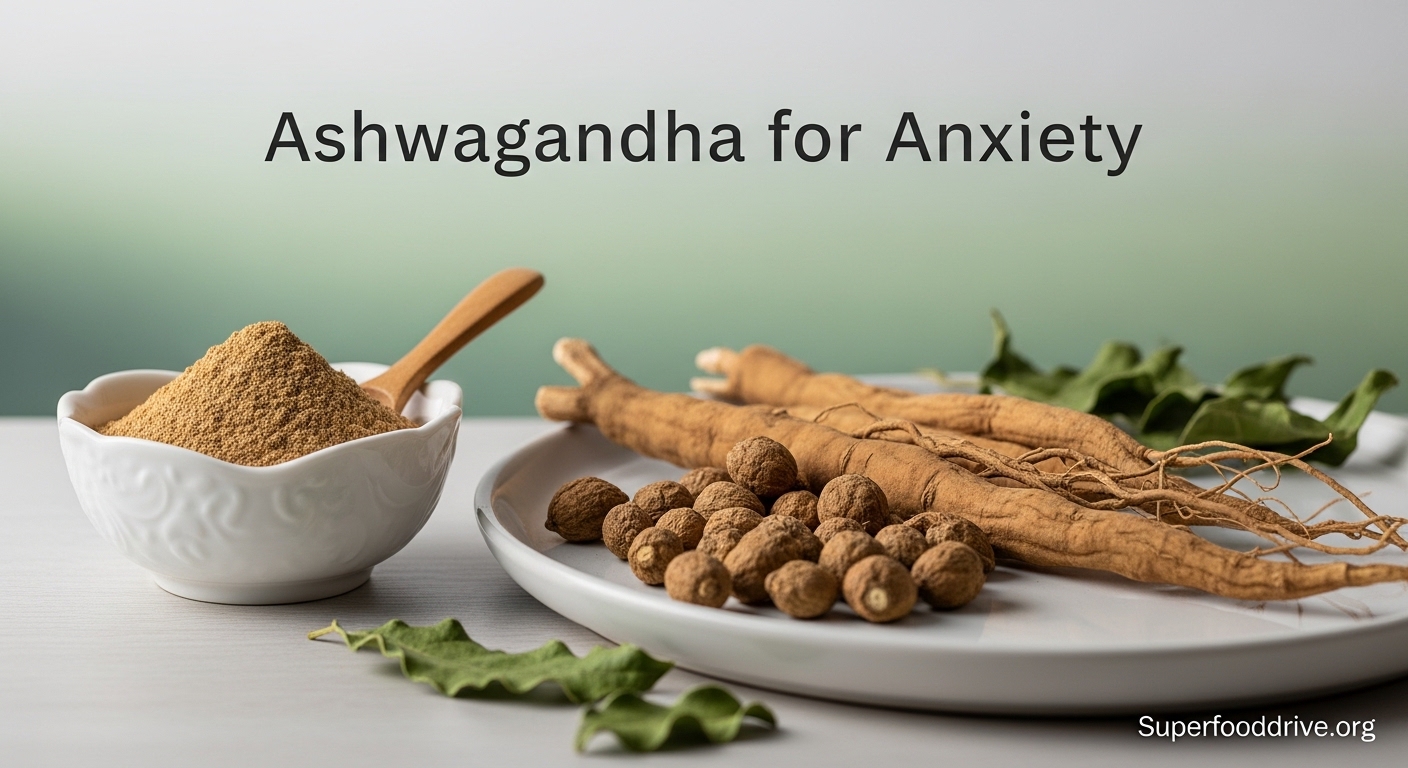
Does ashwagandha for anxiety actually work, or is it just another wellness trend with more hype than evidence? After reviewing dozens of clinical studies and spending months analyzing user experiences from forums and communities, we have a clear answer backed by science. Research consistently shows that ashwagandha can reduce anxiety symptoms for many people, though it is not a magic cure and does not work for everyone.
In this guide, we will break down exactly what the research says about ashwagandha and anxiety. You will learn how it works, what dosage is effective, how long it takes to feel results, and the safety concerns you need to know before trying it.
Table of Contents
What Is Ashwagandha and How Does It Work?
Ashwagandha, scientifically known as Withania somnifera, is an adaptogenic herb that has been used in Ayurvedic medicine for over 3,000 years. The plant is native to India, the Middle East, and parts of Africa, and its name literally translates to “smell of horse” due to the root’s distinct odor and traditional belief that it provides the strength of a stallion.
As an adaptogen, ashwagandha helps your body adapt to stress by modulating the physiological response to physical, chemical, and biological stressors. Unlike conventional medications that target specific symptoms, adaptogens work holistically to restore balance to your body’s systems.
The Mechanism Behind Stress Relief
Ashwagandha primarily works by regulating cortisol, your body’s primary stress hormone. When you experience anxiety or stress, your adrenal glands release cortisol as part of the fight-or-flight response. Chronically elevated cortisol levels are linked to anxiety, sleep problems, weight gain, and cognitive decline.
Research shows that ashwagandha contains bioactive compounds called withanolides, which are steroidal lactones that help regulate the hypothalamic-pituitary-adrenal (HPA) axis. This is your body’s central stress response system. By modulating HPA axis activity, ashwagandha helps reduce excessive cortisol production.
Additionally, ashwagandha appears to enhance GABA receptor activity in the brain. GABA (gamma-aminobutyric acid) is your primary inhibitory neurotransmitter, responsible for calming neural activity and promoting relaxation. By supporting GABA function, ashwagandha may help quiet the racing thoughts and physical tension associated with anxiety.
Traditional Uses Meet Modern Science
In traditional Ayurvedic practice, ashwagandha was prescribed for conditions that mirror what we now recognize as stress-related disorders. Practitioners used it for nervous exhaustion, memory loss, insomnia, and what they described as “weakness of the mind.” Modern research is now validating many of these traditional applications through controlled clinical trials.
The Science Behind Ashwagandha for Anxiety
Research shows ashwagandha can be effective for anxiety. Multiple clinical trials found that 300-600mg daily of ashwagandha root extract significantly reduced anxiety and cortisol levels over 6-8 weeks. However, results vary, and it may cause increased anxiety in some individuals. Consult a healthcare provider before starting.
What the Systematic Reviews Show
A comprehensive 2021 systematic review published in the Journal of Herbal Medicine analyzed multiple randomized controlled trials and found consistent evidence for ashwagandha’s anxiolytic effects. The researchers concluded that ashwagandha supplementation significantly reduced stress and anxiety levels compared to placebo across several well-designed studies.
Another systematic review and meta-analysis examining ashwagandha for anxiety and stress found that participants taking ashwagandha showed significant reductions in perceived stress scores and serum cortisol levels. The effect sizes were meaningful, suggesting clinical relevance for people with mild to moderate anxiety.
Key Clinical Trial Results
One landmark study published in the Indian Journal of Psychological Medicine involved 64 adults with chronic stress. Participants taking 300mg of high-concentration ashwagandha extract twice daily for 60 days showed a 44% reduction in perceived stress scores. Their cortisol levels dropped by approximately 30% compared to the placebo group.
A 2026 study focusing specifically on generalized anxiety disorder found that participants taking 600mg of ashwagandha daily for 8 weeks experienced significant reductions in anxiety scores as measured by the Hamilton Anxiety Rating Scale (HAM-A). The improvement was comparable to some conventional interventions, though direct comparison studies are limited.
Research published in Phytomedicine examined the effects on sleep and anxiety simultaneously. Participants taking ashwagandha showed improvements in both domains, with sleep quality improvements correlating strongly with anxiety reduction. This suggests the benefits may be interconnected through common biological pathways.
What Medical Organizations Say
The World Federation of Societies of Biological Psychiatry (WFSBP) and the Canadian Network for Mood and Anxiety Treatments (CANMAT) have included ashwagandha in their discussions of complementary treatments for anxiety disorders. While they note the evidence is promising, they emphasize the need for larger, longer-term studies and consultation with healthcare providers.
The National Institutes of Health (NIH) acknowledges that results from several clinical trials suggest ashwagandha extracts may help reduce stress and anxiety. Their professional fact sheet cites multiple randomized controlled trials with positive outcomes, though they appropriately note that more research is needed to fully understand optimal dosing and long-term safety.
Ashwagandha Dosage for Anxiety: What the Research Says
Most clinical trials showing benefits for anxiety have used doses between 300mg and 600mg of standardized root extract daily. This range appears to offer the best balance of effectiveness and tolerability for most people. Higher doses do not necessarily produce better results and may increase the risk of side effects.
Understanding Different Forms of Ashwagandha
Not all ashwagandha supplements are created equal. The form you choose can significantly impact both effectiveness and potential side effects. Here is how the most common types compare:
| Form | Withanolide Content | Best For | Typical Dose |
|---|---|---|---|
| KSM-66 | 5% minimum | Anxiety, stress, energy | 300-600mg |
| Sensoril | 10% minimum | Relaxation, sleep, calming | 125-250mg |
| Whole Root Powder | Variable | General wellness | 3-6g |
| Shoden | 35% minimum | Potent effects, smaller doses | 60-120mg |
KSM-66 is a full-spectrum extract made using a proprietary process that preserves the natural balance of withanolides and other compounds found in the root. It is the most studied form for anxiety and has shown consistent results in clinical trials. Most anxiety-specific research has used this form at 300-600mg daily.
Sensoril is a more concentrated extract that includes both root and leaf components. It has higher withanolide content and is often preferred for sleep and deeper relaxation. The lower dosage requirement makes it cost-effective, though some users find it more sedating than KSM-66.
Timing Your Dose
The best time to take ashwagandha depends on your goals and how it affects you personally. Many people find that taking it in the morning helps them manage daytime stress and anxiety. Others prefer evening doses for the calming effects that can support better sleep.
Some users experiment with split dosing, taking half their daily amount in the morning and half in the evening. This approach may provide more stable blood levels throughout the day. However, clinical trials typically used single daily doses, so either approach is supported by evidence.
With Food or Empty Stomach?
Ashwagandha is fat-soluble, meaning it absorbs better when taken with food containing healthy fats. Taking it with a meal that includes olive oil, avocado, nuts, or other fat sources can improve absorption and reduce the likelihood of stomach upset.
If you experience digestive discomfort when taking ashwagandha, try taking it with food or switching to a different form. Some people find that capsules are easier on the stomach than powders mixed into drinks.
How Long Does Ashwagandha Take to Work for Anxiety?
One of the most common questions from people starting ashwagandha is when they will feel results. The honest answer is that it varies significantly from person to person, but most clinical trials show measurable benefits after 6-8 weeks of consistent use.
Week-by-Week Timeline: What to Expect
Week 1: Do not expect dramatic changes in the first week. Some people report feeling slightly calmer or more grounded within the first few days, but this may be placebo effect or simply the psychological benefit of taking action against anxiety. Side effects, if they occur, usually appear during this initial period.
Weeks 2-4: By the second to fourth week, many users begin noticing subtle improvements. You might find that you are slightly less reactive to stressors, that your sleep is a bit better, or that you feel more resilient overall. These early changes are often easy to miss if you are not paying attention.
Weeks 6-8: This is when most clinical trials document significant improvements. By week 6, cortisol levels typically show measurable reductions. By week 8, anxiety scores on standardized assessments show clinically meaningful improvement. If you are not noticing any benefits by this point, ashwagandha may not be effective for you.
Beyond 8 Weeks: Some benefits continue to develop with longer use, though the rate of improvement typically slows. Many users report that the effects stabilize and become part of their baseline after 2-3 months of consistent supplementation.
Signs It Is Working vs Signs of an Adverse Reaction
Positive signs that ashwagandha is working include feeling calmer in situations that normally trigger anxiety, improved sleep quality, better ability to handle stress, reduced racing thoughts, and feeling more emotionally balanced without being “numb.”
Warning signs that you may be having an adverse reaction include increased anxiety or panic, feeling emotionally flat or disconnected, persistent digestive issues, insomnia instead of better sleep, or any symptoms that worsen after starting supplementation.
One user on Reddit reported: “I would say it is probably the single most effective supplement I have tried for anxiety. Ashwagandha even helped my anxiety more than an SSRI did.” However, another shared: “Within 2 days of my first dose I was experiencing crippling anxiety, panic attacks, insomnia, IBS flare-ups, fatigue, loss of appetite.” This illustrates the importance of monitoring your individual response.
What to Expect: Benefits Beyond Anxiety Relief
While this article focuses on anxiety, many people who take ashwagandha report benefits across multiple areas of health. Understanding the full spectrum of potential effects can help you evaluate whether it is working for you.
Sleep and Relaxation
Sleep improvement is one of the most commonly reported benefits, often noticed before anxiety reduction. Many users find they fall asleep more easily and wake less frequently during the night. This sleep enhancement likely contributes to the anxiety-reducing effects, as poor sleep and anxiety often create a vicious cycle.
The sleep benefits appear particularly strong with Sensoril and higher evening doses, though individual responses vary. Some users actually find ashwagandha too stimulating for evening use, so experimentation with timing is worthwhile.
Cognitive Function and Focus
Several studies have examined ashwagandha’s effects on cognitive function, with promising results. Participants have shown improvements in reaction time, executive function, and attention span. These cognitive benefits may stem from reduced cortisol (which impairs memory and focus at high levels) and direct neuroprotective effects.
For people whose anxiety includes racing thoughts or difficulty concentrating, these cognitive benefits may provide additional value beyond direct anxiety relief.
Physical Benefits
Research suggests ashwagandha may support physical health in ways that complement its mental health benefits. Studies have shown modest improvements in testosterone levels for men, which can influence mood and energy. Some research also indicates benefits for muscle strength and recovery, though this is more relevant for athletic populations.
The anti-inflammatory effects documented in several studies may contribute to overall wellness, particularly for people with chronic stress-related inflammation. These physical benefits create a foundation that supports better mental health.
Ashwagandha Side Effects and Safety Concerns
No supplement is without risk, and ashwagandha is no exception. While generally well-tolerated in clinical trials at standard doses, side effects do occur and can range from mild to serious. Understanding these risks helps you make an informed decision and recognize problems early.
Common Side Effects
The most frequently reported side effects are digestive in nature. Some users experience nausea, stomach upset, diarrhea, or loose stools, particularly when starting supplementation or taking higher doses. These effects often resolve as the body adjusts, but they can be persistent for some people.
Drowsiness and sedation are also common, which can be either a benefit or a side effect depending on timing and individual goals. Other reported effects include headache, dry mouth, and vivid dreams. Most of these are mild and temporary.
The Paradoxical Effect: When Ashwagandha Increases Anxiety
One of the most concerning but least discussed issues is that ashwagandha can actually worsen anxiety for some people. Forum discussions reveal numerous reports of users experiencing increased anxiety, panic attacks, and agitation after starting supplementation.
One Reddit user shared: “Hi, I have never experienced anxiety before, but since I started taking Ashwagandha, I have been having anxiety episodes.” Another reported: “Ashwagandha made me very anxious and gave me insomnia after 2 weeks of use.”
The mechanism behind this paradoxical effect is not fully understood. It may relate to individual differences in GABA receptor sensitivity, thyroid function changes, or the complex ways adaptogens interact with individual physiology. If you experience increased anxiety after starting ashwagandha, discontinue use and consult a healthcare provider.
Thyroid Function Changes
Ashwagandha has been shown to influence thyroid function, particularly by increasing thyroid hormone levels. While this can be beneficial for people with hypothyroidism, it poses risks for those with hyperthyroidism or autoimmune thyroid conditions like Hashimoto’s.
Studies have documented reductions in TSH (thyroid-stimulating hormone) levels with ashwagandha use, along with increases in T3 and T4 hormones. These changes can trigger hyperthyroid symptoms including anxiety, rapid heartbeat, and restlessness in susceptible individuals.
If you have any thyroid condition, consult an endocrinologist before using ashwagandha. Regular thyroid monitoring is advisable if you choose to use it.
Liver Safety Concerns
Perhaps the most serious safety concern involves liver function. While rare, there have been documented cases of liver injury associated with ashwagandha supplementation. The FDA and European health authorities have issued warnings about this risk.
Symptoms of liver problems include yellowing of the skin or eyes, dark urine, abdominal pain, nausea, and unusual fatigue. If you experience any of these symptoms while taking ashwagandha, discontinue immediately and seek medical evaluation.
The risk appears higher with certain formulations and when combined with other potentially hepatotoxic substances. Quality control issues with some supplements may also contribute, emphasizing the importance of choosing third-party tested products.
Emotional Numbing and Anhedonia
A concerning but under-reported side effect involves emotional blunting or anhedonia, the inability to feel pleasure. Some users report feeling emotionally “flat,” disconnected, or less capable of experiencing joy while taking ashwagandha.
One forum user warned: “If you feel like you are getting significantly more insensitive, apathetic, irritable day after day while taking it, you need to know that this is a real phenomenon.” Another described it as “feeling like a zombie” with dampened emotional responses.
This effect may relate to ashwagandha’s GABA-enhancing properties, which in some individuals may over-correct anxiety into emotional suppression. If you notice emotional numbing, reducing the dose or discontinuing usually resolves the issue.
Who Should Not Take Ashwagandha
While ashwagandha is safe for many adults, certain populations should avoid it or use it only under medical supervision. Understanding these contraindications is essential for safe supplementation.
Pregnancy and Breastfeeding
Ashwagandha is contraindicated during pregnancy. Animal studies suggest potential abortifacient effects, and traditional Ayurvedic texts explicitly warn against use during pregnancy. The lack of safety data in pregnant humans makes the risk unacceptable.
Breastfeeding mothers should also avoid ashwagandha, as there is insufficient data on transmission through breast milk and effects on infants. The potential risks outweigh any possible benefits during this vulnerable period.
Autoimmune Disorders
Because ashwagandha may stimulate the immune system, people with autoimmune disorders should avoid it unless specifically advised otherwise by their healthcare provider. Conditions where this is particularly relevant include rheumatoid arthritis, lupus, multiple sclerosis, and Type 1 diabetes.
The immune-stimulating effects could theoretically trigger flares or worsen autoimmune activity. While some research suggests ashwagandha might actually help certain inflammatory conditions, the evidence is insufficient to recommend it for autoimmune disorders without medical supervision.
Thyroid Conditions
As discussed earlier, anyone with thyroid dysfunction should approach ashwagandha with caution. This includes both hyperthyroidism and hypothyroidism, as well as autoimmune thyroid conditions. The effects on thyroid hormones can complicate medication management and trigger symptoms.
Upcoming Surgery
Ashwagandha should be discontinued at least two weeks before scheduled surgery. Its effects on the central nervous system and potential interactions with anesthesia make this precaution necessary. Always inform your surgeon and anesthesiologist about any supplements you have been taking.
Medication Interactions
Ashwagandha can interact with several classes of medications. These include sedatives and CNS depressants (additive effects), thyroid medications (altered hormone levels), immunosuppressants (reduced drug effectiveness), and blood sugar medications (potential additive hypoglycemic effects).
If you take any prescription medications, discuss ashwagandha with your healthcare provider or pharmacist before starting. Bring a complete list of your medications and supplements to the consultation.
How to Choose a Quality Ashwagandha Supplement
The supplement industry is largely unregulated, and quality varies dramatically between products. Choosing a well-made supplement can mean the difference between experiencing benefits and experiencing side effects or no effects at all.
Look for Third-Party Testing
Third-party testing is the single most important quality indicator. Organizations like the United States Pharmacopeia (USP), ConsumerLab, and NSF International independently verify that supplements contain what their labels claim and are free from harmful contaminants.
Products bearing these certification seals have been tested for potency, purity, and in some cases, dissolution characteristics. This testing also screens for heavy metals, microbes, and other contaminants that can be present in poorly manufactured supplements.
Avoid products that make vague claims about “pure” or “natural” ingredients without specific testing verification. These terms are marketing language, not quality guarantees.
Standardized Withanolide Content
Quality ashwagandha supplements specify their withanolide content on the label. For KSM-66, look for at least 5% withanolides. For Sensoril, the concentration should be at least 10%. This standardization ensures you are getting a consistent, research-backed dose.
Products that simply list “ashwagandha root powder” without specifying extract type or withanolide content are unlikely to provide the doses used in clinical trials. While whole root powder has traditional use, the research supporting anxiety benefits primarily uses standardized extracts.
Root vs Leaf Extract
Most clinical research on anxiety uses root-only extracts, particularly KSM-66. Some products include leaf extract or use primarily leaf material, which has a different withanolide profile. While leaf extracts may have benefits, the evidence base for anxiety is strongest for root extracts.
If a product does not specify whether it uses root, leaf, or both, contact the manufacturer or choose a different product. Transparency about plant parts is a basic quality indicator.
What to Avoid
Be wary of products making specific health claims like “cures anxiety” or “stops panic attacks.” These are red flags for questionable marketing. Legitimate supplement companies follow FDA guidelines and make appropriate structure-function claims.
Extremely cheap products often cut corners on quality control, standardization, or testing. While expensive does not always mean better, unusually low prices should raise suspicion. Quality extraction and third-party testing add cost that is reflected in the price.
Avoid proprietary blends that do not disclose individual ingredient amounts. You have a right to know exactly how much ashwagandha you are taking.
Should You Cycle Ashwagandha?
A common question among users is whether ashwagandha should be cycled, meaning periods of use alternating with periods of discontinuation. This practice is common with many supplements, but the evidence specific to ashwagandha is limited.
Cycling Recommendations
Some health professionals recommend cycling ashwagandha, typically suggesting 6 months of use followed by a break. The theory is that breaks prevent tolerance and allow the body to maintain its natural stress response systems without becoming dependent on supplementation.
A nurse practitioner at Ohio State University recommends this cycling approach for her patients, noting that the break period allows for reassessment of whether continued supplementation is necessary. Some users find they maintain benefits even during breaks, while others notice anxiety returning.
What Happens When You Stop?
Most users do not report withdrawal symptoms when stopping ashwagandha, which distinguishes it from prescription anxiety medications like benzodiazepines or some antidepressants. However, some people find their anxiety gradually returns to baseline levels after discontinuation.
If you decide to stop ashwagandha after extended use, consider tapering your dose over a week or two rather than stopping abruptly. While not medically necessary for safety, this approach may help you distinguish between normal fluctuations in anxiety and any rebound effects.
Long-Term Safety Considerations
Most clinical trials have lasted 8-12 weeks, so the safety of years of continuous use is not well-established. The liver safety concerns discussed earlier make periodic breaks a reasonable precaution, allowing liver function to be monitored and any potential issues to be caught early.
If you choose to use ashwagandha continuously for more than 6 months, consider periodic liver function tests through your healthcare provider, especially if you have any risk factors for liver disease.
Frequently Asked Questions
How effective is ashwagandha for anxiety?
Clinical research shows ashwagandha can significantly reduce anxiety symptoms for many people. Multiple randomized controlled trials found that 300-600mg daily reduced anxiety scores by 30-50% over 6-8 weeks compared to placebo. However, effectiveness varies between individuals, and approximately 20-30% of users report minimal or no benefit. It appears most effective for mild to moderate anxiety and chronic stress rather than severe anxiety disorders.
Can ashwagandha lower TSH levels?
Yes, research indicates ashwagandha can reduce TSH (thyroid-stimulating hormone) levels while increasing T3 and T4 thyroid hormones. This effect makes it potentially beneficial for hypothyroidism but risky for hyperthyroidism or autoimmune thyroid conditions. If you have any thyroid condition, consult an endocrinologist before using ashwagandha and monitor thyroid function regularly while taking it.
How long does ashwagandha take to work for anxiety?
Most people notice initial subtle benefits within 2-4 weeks of consistent use. Significant improvements in anxiety scores typically appear after 6-8 weeks, which is when clinical trials document the strongest effects. Some users report feeling calmer within days, while others need the full 8 weeks. If you have not noticed any benefits after 8-10 weeks of proper dosing, ashwagandha may not be effective for you.
Can people with autoimmune disorders take ashwagandha?
People with autoimmune disorders should generally avoid ashwagandha or use it only under medical supervision. Because it may stimulate the immune system, it could potentially worsen autoimmune activity. This includes conditions like rheumatoid arthritis, lupus, multiple sclerosis, and Hashimoto’s thyroiditis. Consult your rheumatologist or specialist before considering ashwagandha if you have any autoimmune condition.
Can ashwagandha make anxiety worse?
Yes, ashwagandha can paradoxically increase anxiety for some people. Forum discussions and user reports document cases where ashwagandha triggered panic attacks, increased anxiety, or caused agitation. This may relate to individual differences in GABA receptor sensitivity or thyroid function changes. If you experience increased anxiety after starting ashwagandha, discontinue use immediately.
What is the best time to take ashwagandha for anxiety?
The best time depends on your goals and personal response. Morning dosing helps many people manage daytime stress and anxiety. Evening dosing can support better sleep and provide calming effects before bed. Some users prefer split dosing, taking half in the morning and half in the evening. Experiment with timing to find what works best for you.
Does ashwagandha cause emotional numbing?
Some users report emotional blunting or anhedonia, an inability to feel pleasure, while taking ashwagandha. This side effect is under-documented in clinical literature but appears in forum discussions. The effect may relate to ashwagandha’s GABA-enhancing properties. If you experience emotional numbing, reducing the dose or discontinuing usually resolves the issue within days.
Final Thoughts: Is Ashwagandha Worth Trying for Anxiety?
After analyzing dozens of studies and hundreds of user experiences, our conclusion is that ashwagandha for anxiety can be effective for many people, but it is not a universal solution. The research supports its use for mild to moderate anxiety and chronic stress, with 300-600mg daily of a quality root extract showing the most consistent results over 6-8 weeks.
However, the reality is more nuanced than supplement marketing suggests. Ashwagandha works for many, does nothing for some, and actually worsens anxiety for a minority. The only way to know which group you fall into is to try it, start with a low dose, monitor your response carefully, and discontinue if you experience negative effects.
The safety concerns are real and should not be dismissed. Thyroid effects, liver concerns, and the potential for paradoxical anxiety increase mean ashwagandha deserves respect as a bioactive supplement, not just another wellness trend. Third-party testing and quality sourcing are non-negotiable if you decide to try it.
If you are struggling with anxiety, ashwagandha may be worth trying as part of a comprehensive approach that includes therapy, lifestyle modifications, and medical evaluation. For moderate to severe anxiety, working with a mental health professional is essential. Supplements can support, but they rarely replace professional care when anxiety significantly impacts your life.
Consult your healthcare provider before starting ashwagandha, especially if you take medications or have any health conditions. And remember, what works for others may not work for you. Your anxiety journey is unique, and finding the right tools takes patience and persistence.