
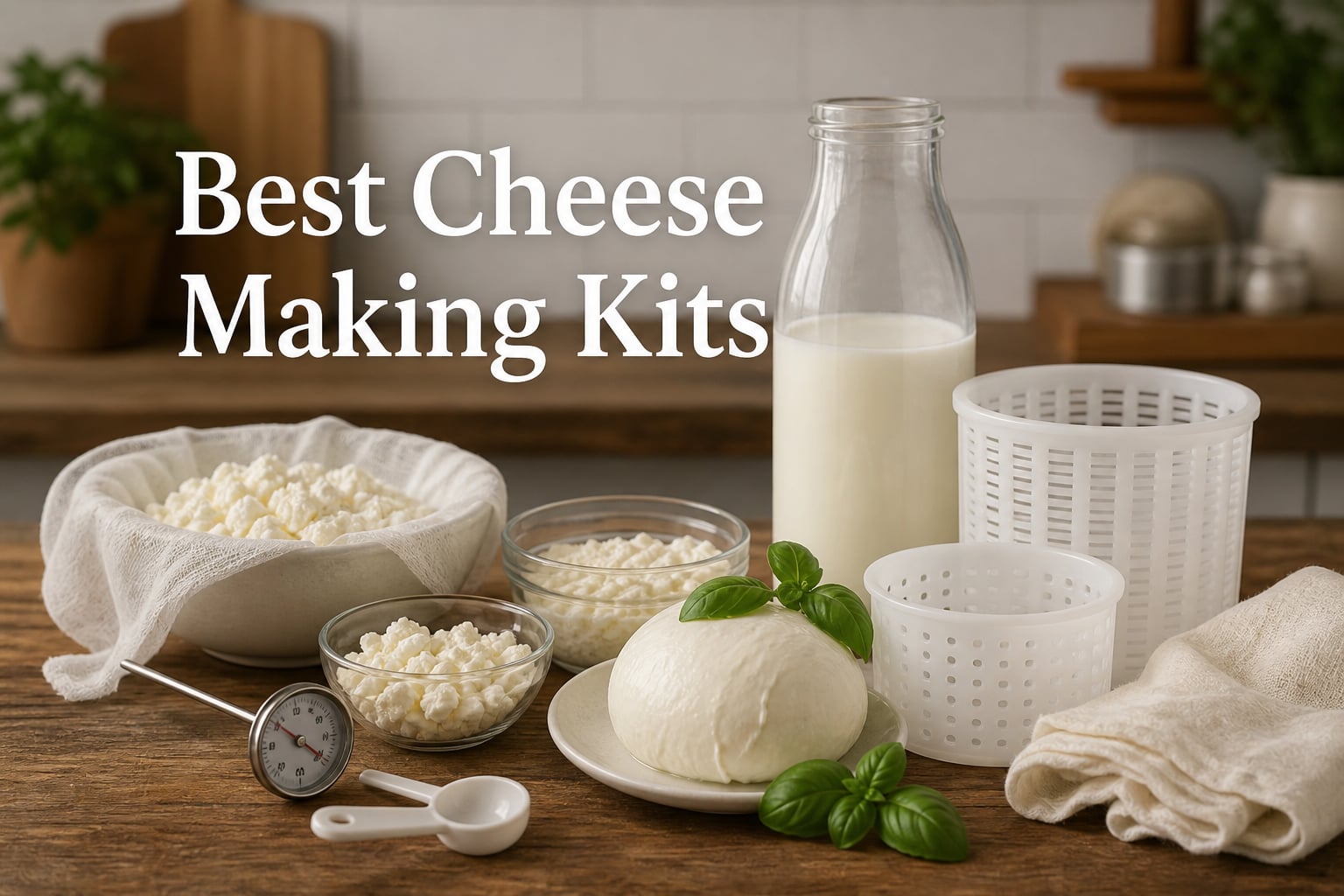
The best cheese making kits put the hard-to-source ingredients and a few practical tools in one box, so your first batch can be about learning curds and whey rather than hunting for rennet. For a new home cheesemaker, the clearest choice is a kit that tells you what to make, includes the ingredients it promises, and suits the milk you can buy locally.
Our top pick is the Standing Stone Farms Ultimate Cheese Making Kit because it covers 14 or more styles and has professional-grade ingredients, with a vegetarian positioning and video support. The Big Cheese Ultimate Kit is a close alternative for people who want a stated 40-batch capacity and a broad fresh-cheese recipe selection.
We reviewed all 10 kits using the product specifications, stated contents, recipe range, batch claims, ratings, and recurring concerns from home cheesemaking discussions. A kit is not magic: milk choice, accurate temperature checks, clean tools, and following the recipe quantities still decide whether milk becomes a clean curd or a frustrating pot of milk.
For most first attempts, make a fresh cheese such as ricotta, paneer, queso blanco, or mozzarella. These projects are approachable because they do not need a cheese press or an aging period, while cheddar and other aged cheeses call for more time, space, and process control.
The Top 3 Picks Best Cheese Making Kits in 2026
The Standing Stone Farms set is the broadest recommendation for a person who wants to explore styles beyond one quick mozzarella recipe. Cultures for Health Mozzarella & Ricotta is the focused pick for a fast fresh-cheese lesson, while Urban Cheesecraft Mini is the simplest small-format choice for beginners and supervised family projects.

Standing Stone Farms Ultimate Kit
- 14+ cheese varieties
- Professional-grade ingredients
- Vegetarian
- Video support

Cultures for Health Mozzarella & Ricotta
- 30-minute mozzarella
- Vegetarian friendly
- Thermometer included
- Butter muslin

Urban Cheesecraft Mini DIY Kit
- Four batches
- Ricotta and farmers cheese
- 30-minute recipes
- Vegetarian
These 10 Cheese Making Kits Make the Shortlist in September 2026
The overview below covers complete ingredient-and-tool kits as well as the PetriStor mold set, which is equipment rather than a ready-to-make recipe kit. That distinction matters: a complete home cheese making kit can start a batch after you add milk, while an equipment set needs cultures, rennet, and a recipe from elsewhere.
| Product | Specifications | Action |
|---|---|---|
 The Big Cheese Ultimate Kit The Big Cheese Ultimate Kit |
|
Check Latest Price |
 PetriStor 16-Piece Soft Cheese Kit PetriStor 16-Piece Soft Cheese Kit |
|
Check Latest Price |
| Standing Stone Farms Ultimate Kit |
|
Check Latest Price |
| Cultures for Health Mozzarella & Ricotta |
|
Check Latest Price |
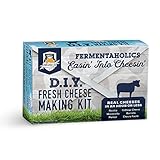 Fermentaholics Fresh Cheese Kit Fermentaholics Fresh Cheese Kit |
|
Check Latest Price |
 The Big Cheese Mozzarella & Ricotta The Big Cheese Mozzarella & Ricotta |
|
Check Latest Price |
 New England Mozzarella & Ricotta New England Mozzarella & Ricotta |
|
Check Latest Price |
 Cultures for Health Paneer & Queso Blanco Cultures for Health Paneer & Queso Blanco |
|
Check Latest Price |
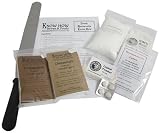 Know-How Foods Mozzarella Kit Know-How Foods Mozzarella Kit |
|
Check Latest Price |
| Urban Cheesecraft Mini DIY Kit |
|
Check Latest Price |
1. The Big Cheese Ultimate Kit Is Best for Broad Fresh-Cheese Variety
The Big Cheese Ultimate Cheese Making Kit – Makes 10 Cheeses (Mozzarella, Mascarpone, Feta, Ricotta + 6 More) – 40 Batches with Rennet & Recipe Book
10 cheeses
40 batches
Vegetarian rennet
Pros
- Ten cheese styles
- Stated 40-batch capacity
- Three molds included
- Recipe book
Cons
- Milk is separate
- Fresh rather than aged focus
The Big Cheese Ultimate Cheese Making Kit is a strong starting point if variety will keep you motivated. Its stated recipes cover mozzarella, ricotta, mascarpone, feta, halloumi, Greek-style cheese, Scottish crowdie, labneh, goat cheese, queso blanco, and paneer, so it offers more than one way to learn the same basic milk-to-curd process.
The listing states that the kit makes 40 batches, with each batch yielding 21 to 32 ounces of fresh cheese. That is a useful capacity claim for a household that expects to repeat recipes instead of treating cheese making as a one-time novelty.
It includes vegetarian rennet, citric acid, organic sea salt, five spices, three cheese molds, a thermometer, butter muslin, and a full-color recipe book. The molds and muslin make this more self-contained than kits that provide ingredients but leave straining equipment to the buyer.
The recipe range makes this kit a repeat-project choice
Fresh cheese projects allow you to compare how acid-set cheese, rennet-set mozzarella, and brined feta-style cheese behave without buying a separate kit for every experiment. Halloumi, paneer, and queso blanco are especially helpful styles for learning firm curd handling because they are usually cooked rather than aged.
The stated under-one-hour timing is relevant to the fresh recipes, not a promise that every cheese style will be finished and ready in that window. Plan to read the specific recipe first, because draining time changes the final texture.
The included molds and muslin reduce the first-batch shopping list
Butter muslin has a finer weave than ordinary cheesecloth, so it is a sensible inclusion for softer curds and whey drainage. Wash reusable fabric promptly after use, then follow the product directions for care before the next batch.
You still need fresh milk and a pot large enough for the recipe volume. Choose pasteurized milk rather than ultra-pasteurized milk, since ultra-high heat treatment can make reliable coagulation difficult.
2. PetriStor Is Best for Reusable Soft-Cheese Molds You Already Need Ingredients For
PetriStor 16 Pcs Soft Cheese Making Kit for Beginners – Small Cheese Molds – Cream Cheese Molds for Making Cheese – Molde Para Queso Fresco Casero – Paneer Maker Mold – Cheese Making Supplies №3
16 reusable pieces
BPA-free plastic
Dishwasher safe
Pros
- Sixteen pieces
- Multiple mold shapes
- BPA-free plastic
- Dishwasher safe
Cons
- No rennet or cultures
- Not a complete recipe kit
PetriStor is different from the other entries because it is a 16-piece soft cheese equipment set, not a cheese making kit with cultures and rennet. It is a sensible addition for someone who already has cheese making supplies and wants more draining shapes or a reusable alternative to improvised containers.
The listed material is BPA-free plastic, and the pieces are dishwasher safe. Its 4.6 rating is based on 59 reviews, which is a smaller feedback pool than several complete kits here but still gives a useful first signal about the molds themselves.
This set is most relevant for soft cheese such as ricotta, fresh goat cheese, farmers cheese, or labneh. It will not replace a thermometer, recipe, milk, acid, culture, or rennet.
The reusable format suits repeat soft-cheese batches
Soft cheeses need gentle draining rather than the heavy pressing used for a hard cheese. Different mold shapes let you choose a serving form while the whey drains through the perforations.
That practicality makes the set a better match for a person who already knows they enjoy making fresh cheese often. It also makes more sense as an add-on to a basic ingredient kit than as a first purchase by itself.
The missing ingredients mean planning matters before you begin
Buy rennet and cultures only when the recipe calls for them, and check how each needs to be stored. Forum discussions repeatedly flag poorly explained amounts and aging ingredients as reasons a project failed before the curd even formed.
Start with a tested recipe that specifies the milk volume, temperature, and draining time. A mold cannot correct a weak curd caused by unsuitable milk or an inaccurate temperature reading.
3. Standing Stone Farms Is Best Overall for Hard and Soft Cheese Exploration
Standing Stone Farms Ultimate Cheese Making Kit — Food Network’s Best Overall Kit & Best Hard & Soft Cheese Kit — Make Mozzarella, Feta, Cheddar, Halloumi, Ricotta, Chèvre & More — Non-GMO, Made in USA
14+ cheeses
Professional ingredients
Vegetarian
Video support
Pros
- Food Network recognition
- Fourteen-plus styles
- Professional-grade ingredients
- Made in USA
- Video support
Cons
- Milk is separate
- More ambitious than a two-recipe kit
Standing Stone Farms is our best overall choice because its listing combines breadth with support rather than treating cheese making as a single quick recipe. It is positioned as a Food Network best overall and hard-and-soft cheese kit, and it states that you can make 14 or more cheese varieties.
The product is made in the USA and is listed as vegetarian. It also points buyers to free YouTube video support, a practical advantage when a written instruction step such as cutting curds feels unclear.
This is the pick for a curious beginner who wants a path from mozzarella or ricotta toward feta, cheddar, halloumi, chèvre, and other styles. It is also the strongest answer for a person comparing the best cheese making kits for range rather than looking for one dinner-ready cheese.
The 14-plus varieties give learners room to build skill
Changing cheese types teaches you why recipes use different cultures, temperatures, and curd treatments. Mesophilic culture generally suits lower-temperature styles, while thermophilic culture is associated with warmer processes; use the exact culture and method supplied with a recipe.
Cheddar and other more involved styles ask more of the maker than fresh ricotta. Read the equipment list before choosing one, because pressing, salting, and storage needs are not identical across a 14-style kit.
The video support helps when texture is hard to describe in print
A video can make the appearance of a clean break or the size of cut curds easier to recognize than a short sentence can. Pause it as you work rather than rushing an unfamiliar step.
Use an instant-read thermometer you trust, even if a kit includes one. Home cheesemaking communities often point to temperature uncertainty as a small mistake with very large consequences for curd formation.
4. Cultures for Health Is Best for Quick Mozzarella and Ricotta
Mozzarella & Ricotta Cheese Making Kit | 5 Piece DIY Kit Includes Cheesecloth, Vegetable Rennet, Citric Acid, Cheese Salt, & Cooking Thermometer | Great Gift Ideas | Italian Cheese Making Supplies
Mozzarella and ricotta
30-minute recipe
Vegetarian
Tools included
Pros
- Essentials included
- Fast mozzarella recipe
- Vegetarian friendly
- Non-GMO and gluten free
Cons
- Only two cheese types
- Milk is separate
Cultures for Health Mozzarella & Ricotta is a focused mozzarella making kit for a person who prefers a short, clear first lesson over a large recipe catalog. The listing includes rennet, citric acid, cheese salt, a thermometer, and butter muslin, with a quick 30-minute mozzarella recipe.
It is listed as vegetarian friendly, gluten free, and non-GMO. Its 4.5 rating comes from 479 reviews, giving it a substantial body of buyer feedback for a specialized fresh-cheese kit.
The narrow scope is the point, not a flaw, if mozzarella and ricotta are the cheeses you actually want to eat. Expect to buy milk separately and follow the recipe’s temperature stages closely for a mozzarella curd that will stretch.
The simple two-cheese focus reduces early decision fatigue
Mozzarella and ricotta both offer quick feedback, but they behave differently. Ricotta relies on heat and acid to gather delicate curds, while mozzarella needs a curd that can be heated and worked into a smooth, stretchy mass.
Making the same recipe more than once is useful practice. You can learn how milk source, heating speed, and draining time change texture without also changing five other variables.
The thermometer and butter muslin suit the stated recipes
Temperature is not a decorative detail in a fresh cheese recipe. Check it before each ingredient addition, and avoid guessing from how hot the pot feels.
Butter muslin catches fine curds that can slip through looser cloth. Keep it clean and rinse away milk solids promptly so it is ready for another batch.
5. Fermentaholics Is Best for Fresh Cheese With Multiple Milk Types
Fermentaholics DIY Fresh Cheese Making Kit – Ricotta, Mozzarella, Burrata, Paneer, Cottage Cheese, etc. – Includes Rennet for Cheese Making, Cheese Salt, Citric Acid, Cheese Cloth, & Recipe Booklet
Seven recipes
Cow goat sheep buffalo milk
Rennet included
Pros
- Seven quick recipes
- Works with several milk types
- Rennet and acid included
- Cheesecloth included
Cons
- Fresh-cheese focus
- Milk is separate
Fermentaholics earns its place for people who want a fresh cheese making kit that explicitly works with cow, goat, sheep, or buffalo milk. Its seven recipes cover ricotta, mozzarella, burrata, paneer, and cottage cheese, offering several very different ways to use fresh milk at home.
The kit includes rennet, cheese salt, citric acid, and cheesecloth. It has the highest review count in this group at 895 reviews, with a 4.4 rating, so there is more customer feedback here than with most specialist options.
A goat-milk household may find the multi-milk statement particularly helpful, but it still needs to use the recipe’s stated method. Goat milk can make a softer, more delicate curd than cow milk, so drain it gently and do not expect every recipe to look exactly the same.
The multi-milk compatibility adds useful kitchen flexibility
Using local cow, goat, sheep, or buffalo milk can change fat content and texture, which is part of the appeal of home cheese making. Start with the milk you can source consistently, then make notes after each batch.
Do not substitute ultra-pasteurized milk for regular pasteurized milk just because it is on hand. The heat treatment can interfere with coagulation, which is a frequently reported reason a kit seems not to work.
The recipe lineup favors cheese you can eat promptly
Paneer and burrata-style projects make this kit more varied than a basic mozzarella-and-ricotta set. Fresh recipes are also easier to fit into a weekday cooking plan because they do not need an aging area.
Keep expectations realistic about yield. The amount of cheese from a gallon of milk changes by style, moisture, and milk composition, so a wetter ricotta-style cheese and a firmer pressed cheese will not produce identical results.
6. The Big Cheese Mozzarella & Ricotta Kit Is Best for Ten Guided Fresh Batches
The Big Cheese Mozzarella & Ricotta Cheese Making Kit – Make Fresh Mozzarella & Ricotta at Home – 10 Batches with Vegetarian Rennet, Citric Acid & Recipe Booklet
10 fresh-cheese batches
Vegetarian rennet
Beginner recipes
Pros
- Ten batches
- Vegetarian rennet
- Beginner-friendly recipes
- Under-one-hour format
Cons
- Only mozzarella and ricotta
- Milk is separate
The Big Cheese Mozzarella & Ricotta Kit is the smaller, more focused sibling to the brand’s broad ultimate set. Its listing calls for 10 batches of fresh cheese, uses vegetarian rennet, and presents beginner-friendly recipes designed to be completed in under an hour.
With a 4.3 rating from 109 reviews, it has a more modest review history than the larger Big Cheese kit. That is not a reason to dismiss it; it simply means the specialized format should be chosen because you want repeated mozzarella and ricotta practice.
This is a practical diy cheese kit for a person who wants to see whether home cheese making becomes a habit before taking on a long ingredient list. Milk is the one stated missing component, so choose it before you schedule the first batch.
The ten-batch claim supports practice rather than one-off novelty
Mozzarella gets easier when you repeat it with the same pot, thermometer, and milk source. Record the milk type, final texture, and any stretching issue so the second batch has a clear adjustment rather than a guess.
Ricotta can be an even gentler starting recipe because the goal is delicate curds rather than a stretched texture. Use the draining time to guide moisture: less time leaves it softer, while longer draining makes it firmer.
The vegetarian rennet suits shoppers with that requirement
Rennet is an enzyme used to coagulate milk into curds. Product data identifies this kit’s rennet as vegetarian, but ingredients should still be checked by anyone with a specific dietary or allergy requirement.
Store ingredients exactly as the kit directions state. Rennet and cultures are active materials, and poor storage can make a later batch behave differently from the first.
7. New England Cheesemaking Supply Is Best for High-Volume Mozzarella Practice
Mozzarella and Ricotta Cheese Making Kit
20 one-pound batches
30-minute mozzarella
Vegetable rennet
Pros
- Twenty batches
- 30-minute mozzarella
- Ingredients and tools included
- Large review history
Cons
- Limited to mozzarella and ricotta
- Milk is separate
The New England Cheesemaking Supply Company Mozzarella and Ricotta Kit is the choice for repetition. The product details state 20 one-pound batches and a 30-minute mozzarella process, with citric acid, cheese salt, vegetable rennet, butter muslin, and a thermometer included.
Its 4.2 rating is based on 1,416 reviews, the largest review count in this roundup. That volume of feedback is useful when you want a long-running, classic mozzarella-and-ricotta format rather than a newer novelty kit.
Everything except milk is stated as included. That makes the pre-batch checklist short, but you should still have a stainless or nonreactive pot, measuring tools, and a clean work area ready.
The 20-batch format suits cooks who want to refine one technique
A one-pound batch target gives users a concrete way to plan meals and compare results over time. It does not mean every milk source will perform identically, so treat it as a recipe target rather than an automatic outcome.
Use the early batches to learn the sequence from acidified milk to curd to stretched mozzarella. Once the texture is consistent, you can work on details such as salting and how much moisture you prefer.
The vegetable rennet is a clear ingredient detail
Vegetable rennet is the listing’s stated coagulating ingredient. It is distinct from a culture, which develops acidity and flavor in recipes that call for one.
Measure the listed amount carefully instead of adding extra to hurry coagulation. Too much or too little can produce a curd that is difficult to cut, drain, or stretch.
8. Cultures for Health Paneer & Queso Blanco Is Best for Firm Non-Melting Fresh Cheese
Cultures for Health Paneer & Queso Blanco Artisan Cheesemaking Kit | 4 Pieces DIY Kit Includes Citric Acid, Cheesecloth, Cooking Thermometer, & Recipe Booklet | Indian Cottage Cheese & Mexican Cheese
Paneer and queso blanco
Citric acid
Cheesecloth
Thermometer
Pros
- Supplies included
- High-protein paneer style
- Non-melting queso blanco
- Thermometer included
Cons
- Two cheese styles
- Small review count
The Cultures for Health Paneer & Queso Blanco Artisan Cheesemaking Kit is a targeted option for cooks who want cheese that can be cubed and cooked. Its kit contents include citric acid, cheesecloth, a thermometer, and a recipe booklet, and it focuses on high-protein paneer and non-melting queso blanco.
The 4.2 rating is based on 16 reviews, so its rating should be read with more caution than the numbers attached to widely reviewed kits. The use case is still clear: choose it for Indian dishes, grilled preparations, or recipes where you want fresh cheese to hold its shape in heat.
Neither paneer nor queso blanco requires the aging setup associated with hard cheese. That makes this a good specialist route for a first maker who cares more about cooking results than making stretchy mozzarella.
The non-melting style works well in hot-pan recipes
Paneer is commonly cut into cubes after pressing or draining, then browned in a pan or added to a saucy dish. Queso blanco is also valued for holding together when heated, unlike cheeses designed to melt or stretch.
Drain the curds according to the recipe before deciding the texture is wrong. A short drain gives a softer result; added draining or pressing produces a firmer block.
The specialized recipe booklet makes the kit a cooking-first choice
A tight recipe focus can be more useful than a giant catalog when you already know the meals you want to cook. Read the milk volume and curd-handling steps before you begin, since these determine the final firmness.
Wash the cheesecloth thoroughly after use, and keep the thermometer clean and dry. Simple care prevents residue from interfering with later batches.
9. Know-How Foods Is Best for a Complete Five-Batch Mozzarella Setup
Mozzarella Kit (Complete)
Five batches
Culture and lipase
Curd knife
Cheesecloth
Pros
- Five one-gallon batches
- Includes culture and lipase
- Curd knife included
- Complete ingredient set
Cons
- Customer provides some equipment
- Limited review history
Know-How Foods Mozzarella Kit (Complete) is more technical than an acid-only mozzarella starter because the listed contents include rennet, culture, citric acid, lipase, cheese salt, cheesecloth, and a curd knife. It is designed for five batches using one gallon of milk each.
The product has a 4.1 rating from 22 reviews. That is a small review pool, but the specified ingredients make it interesting for an engaged beginner who wants to see how culture and lipase fit into a mozzarella recipe.
Some equipment still comes from your kitchen, so inspect the full directions before starting. A large pot, dependable thermometer, measuring spoons, and a draining plan remain basic needs even where a kit includes a curd knife.
The culture and lipase introduce more recipe variables
A culture helps develop acidity, while lipase is associated with flavor development in certain cheese styles. Follow the supplied instructions exactly because these ingredients are not interchangeable with the acid-first method in every quick mozzarella recipe.
More ingredients can be rewarding, but they also make disciplined note-taking more helpful. Write down the temperature and hold times, then change only one factor on a later batch if you want to troubleshoot flavor or texture.
The curd knife helps with a step many starter kits omit
Cutting curds evenly helps whey leave at a more consistent rate. A long knife can work in a home kitchen, but a purpose-made curd knife is a thoughtful listed inclusion.
Cut gently rather than stirring aggressively. Rough handling can break fragile curds into small pieces that escape through cloth and reduce the cheese you keep.
10. Urban Cheesecraft Mini Is Best for First-Time Makers and Supervised Kids
Mini DIY Cheese Kit for Beginners – Ricotta & Farmers Style – 4 Batches, Done 30 Minutes, Vegetarian, Gluten Free & Non-GMO
Four batches
Ricotta and farmers cheese
30 minutes
Vegetarian
Pros
- Beginner friendly
- Four quick batches
- Vegetarian and gluten free
- Ricotta and farmers cheese
Cons
- Small recipe range
- Lower rating than leading kits
Urban Cheesecraft Mini DIY Cheese Kit is the most compact entry for a first experience. It makes four batches of ricotta and farmers-style cheese, with recipes stated to take 30 minutes, and is positioned for beginners and kids.
The kit is listed as vegetarian, gluten free, and non-GMO. Its 4.0 rating from 30 reviews is lower than the leaders, and 10% of ratings are one star, so a buyer should keep expectations grounded and follow the supplied steps carefully.
For a supervised family activity, its small recipe range is actually helpful. Ricotta and farmers cheese show the basic curd-and-drain process without requiring a cheese press, aging space, or a difficult stretching stage.
The four-batch size makes a low-commitment learning format
A shorter kit is useful when the goal is to learn whether making cheese at home is enjoyable. It also prevents a beginner from having a large collection of cultures and rennet to store after a single afternoon project.
Adults should handle hot milk, stove use, and sharp utensils. Children can still participate by reading recipe steps, observing the curds form, and helping with clean setup and serving.
The ricotta and farmers-cheese focus gives fast feedback
These fresh cheeses are among the easiest cheeses to make at home because they do not need extended aging. They reward attention to heating and draining, then can be eaten soon after chilling.
Do not rush the strain just because the recipe is quick. Letting whey drain until the desired texture is reached is the difference between a loose spoonable cheese and a firmer farmers-style cheese.
Choose a Cheese Making Kit by Matching It to Your First Cheese
Buy a broad kit if you want to explore mozzarella, feta-style cheese, paneer, and other fresh projects over several sessions. Buy a specialist kit if you already know that you want ricotta, mozzarella, paneer, or queso blanco; focused instructions can be easier to follow than a large recipe book.
Do not confuse a mold set with a complete kit. PetriStor provides reusable soft-cheese equipment, but you must supply the recipe ingredients; most other products in this guide state that they include at least the key acids, rennet, or other cheese-making components.
Use pasteurized milk rather than ultra-pasteurized milk for dependable curds
Pasteurized milk is the usual practical choice for a beginner. Avoid ultra-pasteurized milk unless the exact kit instructions say it is appropriate, because its high-heat processing can interfere with the proteins’ ability to form a reliable curd.
Whole milk often gives a richer fresh cheese than lower-fat milk, although every recipe has its own direction. Do not change milk volume, acid, or rennet quantities on your first try; make the recipe as written, then take notes.
Start with fresh cheese before buying equipment for aged cheese
Fresh mozzarella, ricotta, paneer, queso blanco, farmers cheese, and chèvre-style projects are beginner friendly because they can be made and eaten quickly. Aged cheese commonly needs pressing, controlled aging conditions, and more time to develop safely and predictably.
That difference explains why a hard cheese making kit should not be judged by the same standard as a 30-minute ricotta kit. Pick the project you will realistically finish, not the most ambitious name on the box.
Know what rennet, cultures, acid, and cloth each do
Rennet coagulates milk into curds, while a starter culture adds beneficial bacteria that acidify milk for recipes that need it. Citric acid is used in many quick fresh-cheese methods to acidify the milk directly, and lipase can be used for flavor in particular recipes.
Cheesecloth or butter muslin supports the curds while whey drains away. Butter muslin’s fine weave can be more useful for delicate curds, while a mold gives the draining cheese a finished shape.
Plan for storage before opening ingredients
Read the instructions for rennet and cultures as soon as the package arrives. Home cheesemakers often report disappointment after discovering that an ingredient needed refrigeration, had a stated shelf life, or was not enough for the batch size they planned.
Keep finished fresh cheese covered and refrigerated, then use the kit recipe for its specific storage guidance. Fresh cheese is perishable, so make an amount you can use promptly rather than treating it like an aged wheel.
Fix Common Cheese Kit Problems by Checking Milk, Temperature, and Measurements
If milk will not coagulate, first check whether it was ultra-pasteurized, whether the rennet was stored as directed, and whether you measured the stated quantity. Then confirm that the milk reached and held the recipe temperature before deciding the kit is defective.
If the curds are weak or shatter during cutting, slow down and use a clean, gentle cut. A dependable thermometer matters here: an inaccurate reading can send the process off course even when every listed ingredient is present.
If fresh cheese tastes harsh or has an odd texture, review the salt amount, draining time, and freshness of the milk. Do not try to solve a failed batch by doubling an ingredient at random; change one documented factor on the next attempt.
Clear recipe quantities matter because forum users often describe frustration with vague instructions and unexplained cultures or rennet. The kits with stated batch counts, supplied tools, and simple fresh-cheese formats are easier places to begin than an unlabeled bundle of supplies.
Frequently Asked Questions
What is the best cheese making kit for beginners?
The Standing Stone Farms Ultimate Cheese Making Kit is the best beginner pick for variety because it states that it makes 14 or more cheese styles and offers video support. For the simplest first session, choose a focused fresh-cheese kit such as Cultures for Health Mozzarella u0026amp; Ricotta or Urban Cheesecraft Mini.
What is the best cheese maker?
The best cheese maker for most home users is Standing Stone Farms Ultimate because its listing combines professional-grade ingredients, a broad 14-plus cheese range, vegetarian positioning, and video support. Choose a specialist kit instead when you only want mozzarella, ricotta, paneer, or queso blanco.
How much cheese will 1 gallon of milk make?
The yield from 1 gallon of milk changes with the cheese style, moisture level, and milk composition. The New England kit states one-pound batches, while The Big Cheese Ultimate kit states 21 to 32 ounces per fresh-cheese batch; follow the yield stated in your exact recipe.
What are the easiest cheeses to make at home?
Ricotta, paneer, queso blanco, farmers cheese, and fresh mozzarella are among the easiest cheeses to make at home. Ricotta, paneer, queso blanco, and farmers cheese are especially approachable because they do not need aging or a cheese press.
The Best Cheese Making Kits Let You Start With the Cheese You Want to Eat
For the broadest learning experience in 2026, choose Standing Stone Farms Ultimate. Choose The Big Cheese Ultimate for a wide fresh-cheese recipe catalog and stated 40-batch capacity, or choose Cultures for Health Mozzarella & Ricotta when a quick focused project is the goal.
The best cheese making kits are the ones whose recipe range, included supplies, and batch size match your kitchen and your patience. Start with good pasteurized milk, read the whole recipe before heating the pot, and give yourself permission to make ricotta or paneer first.